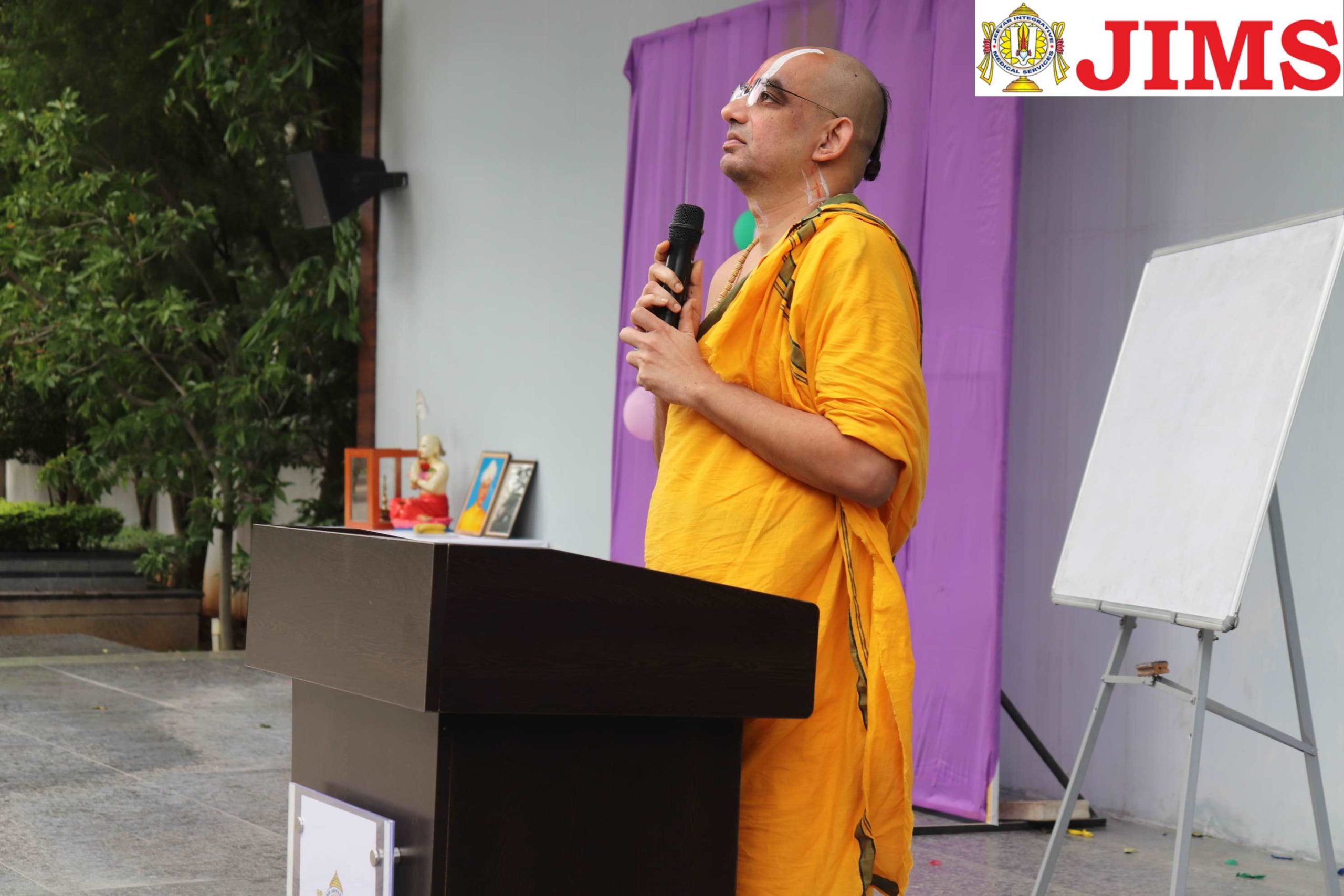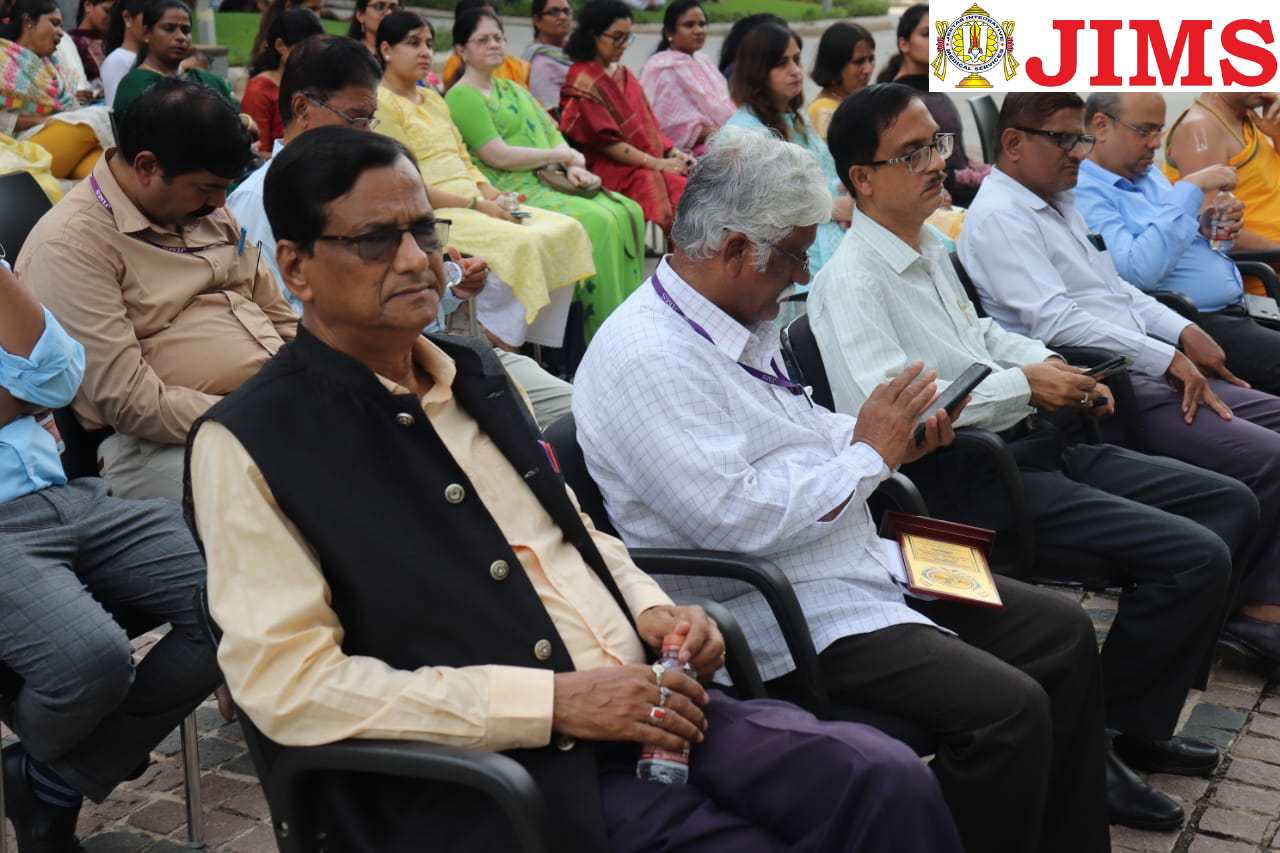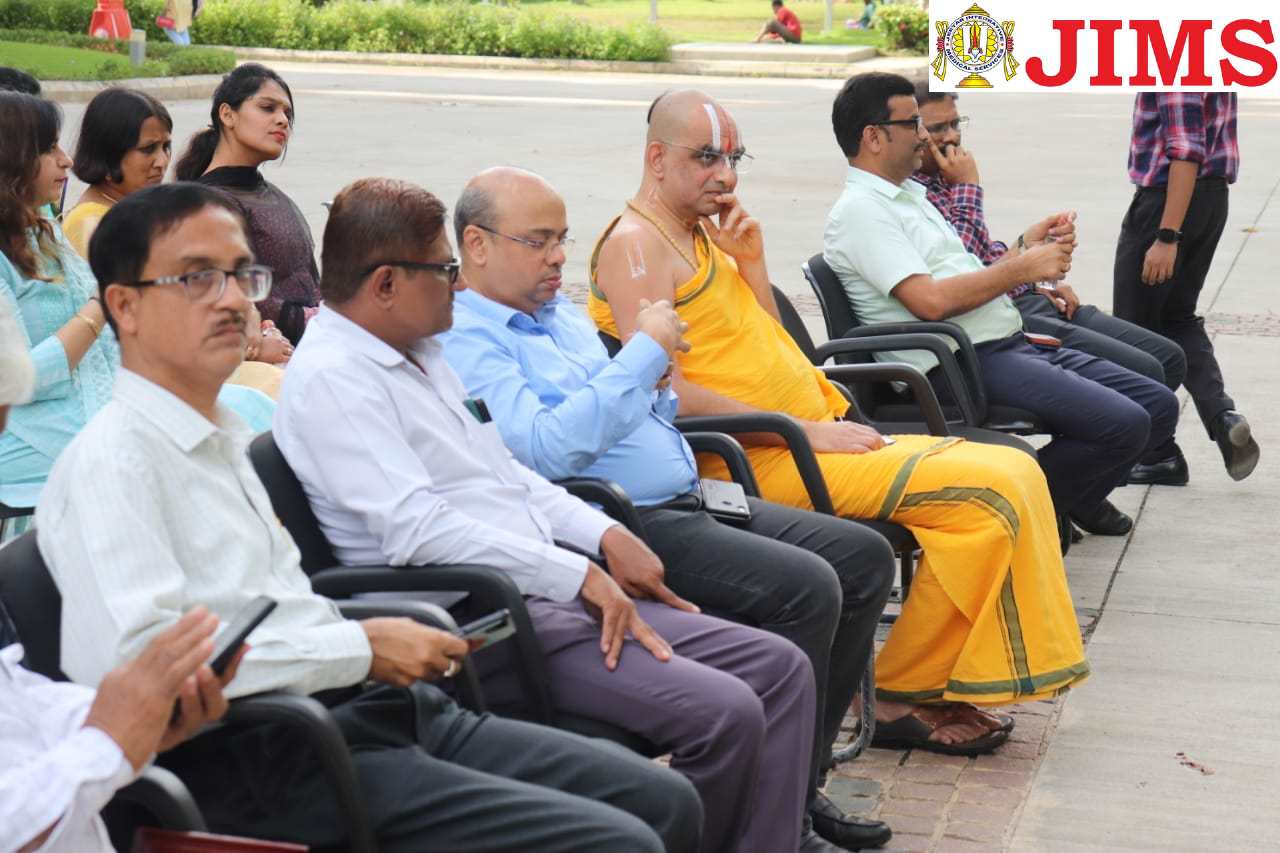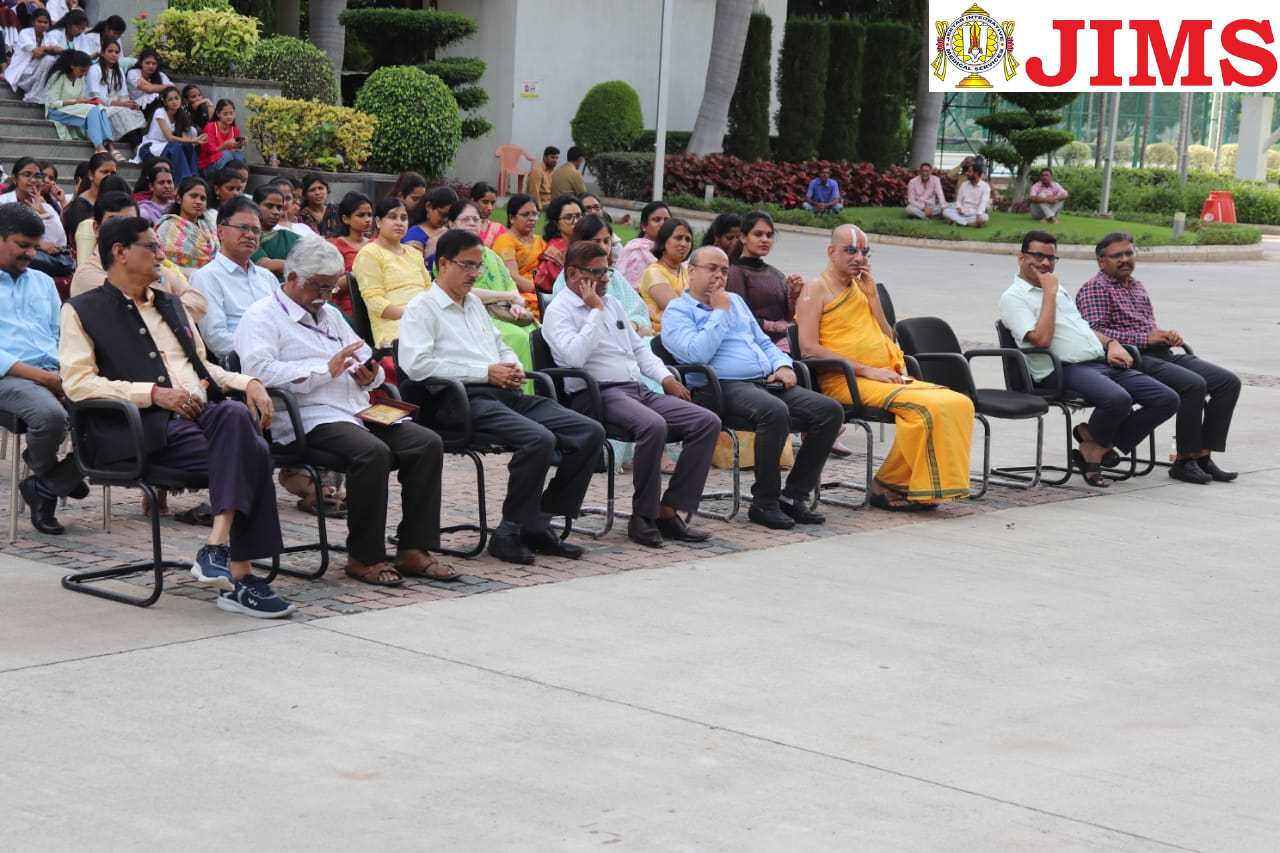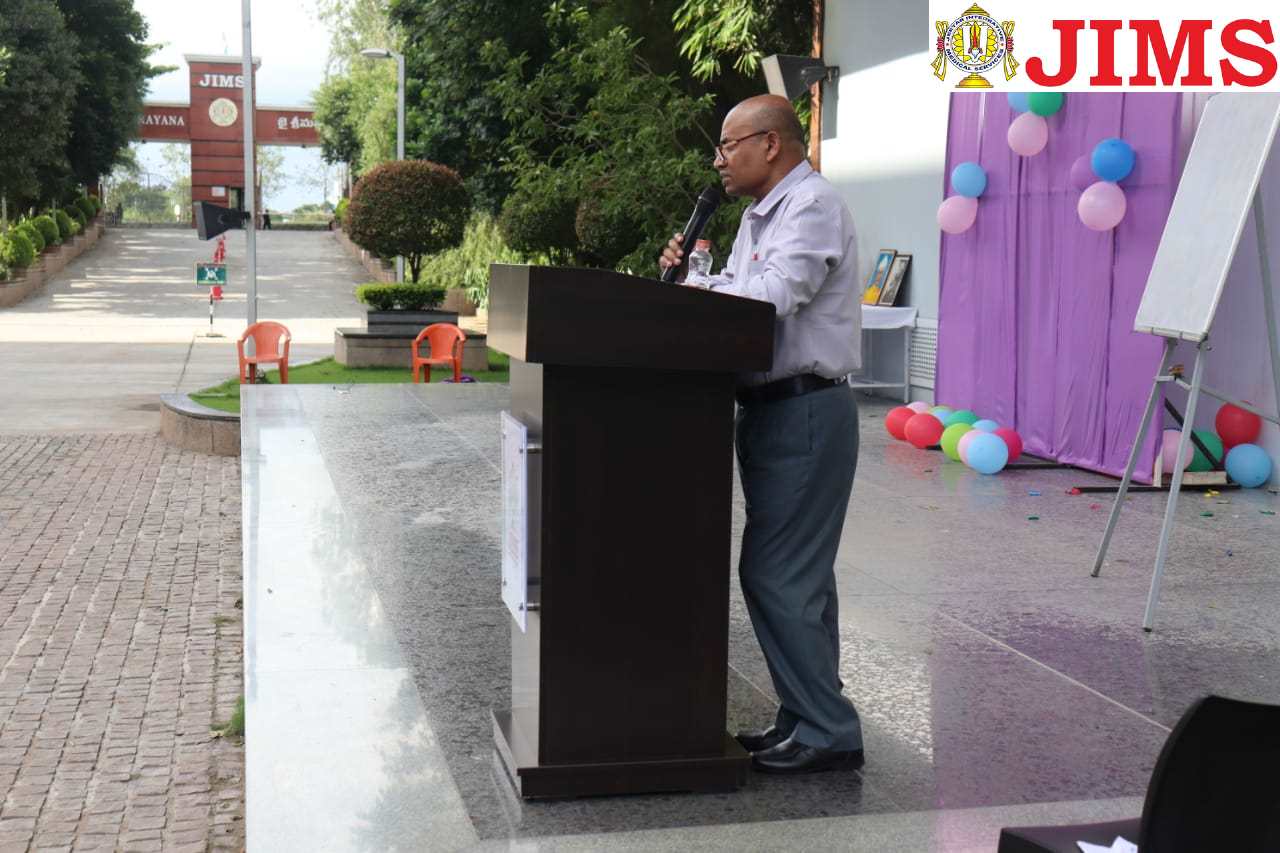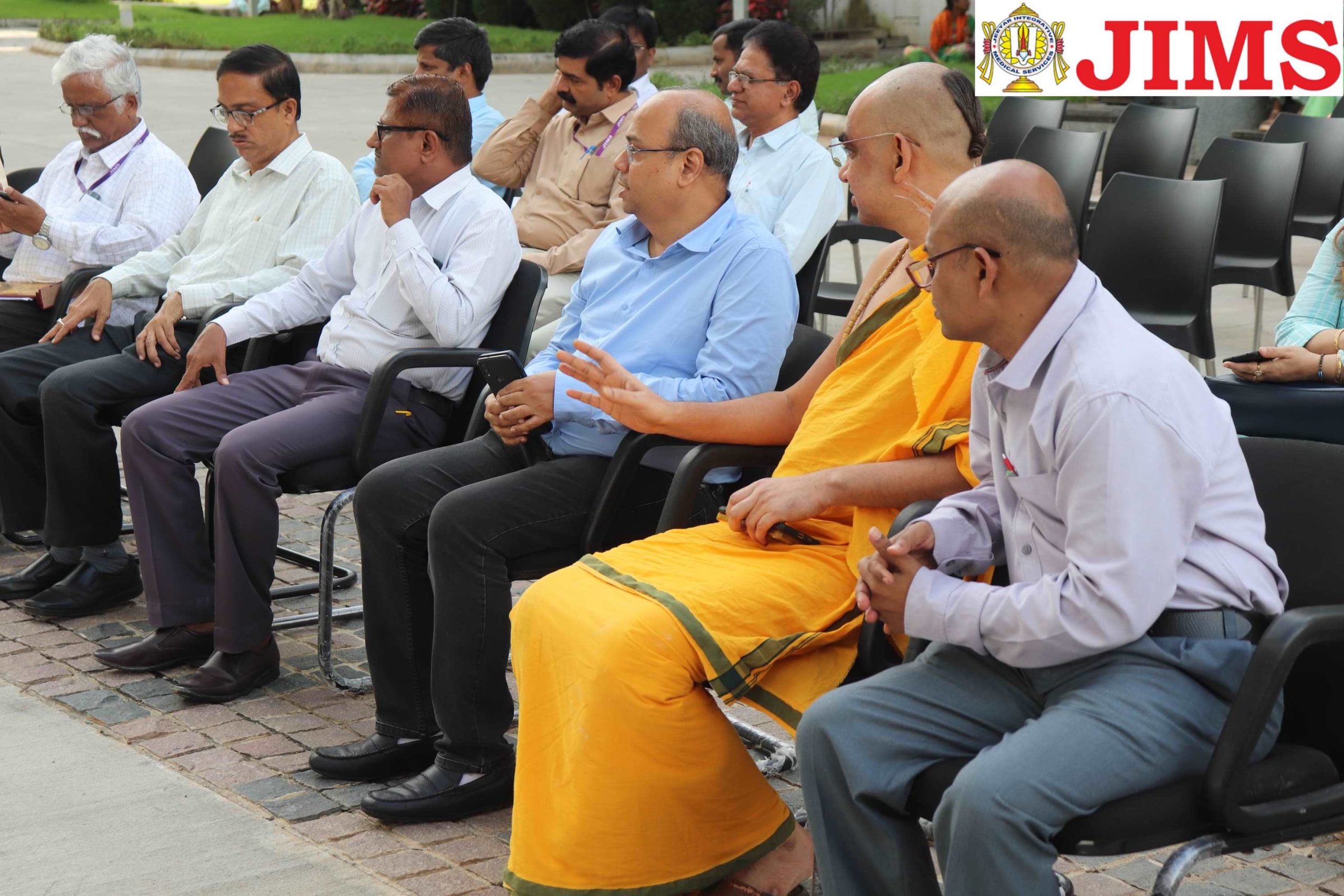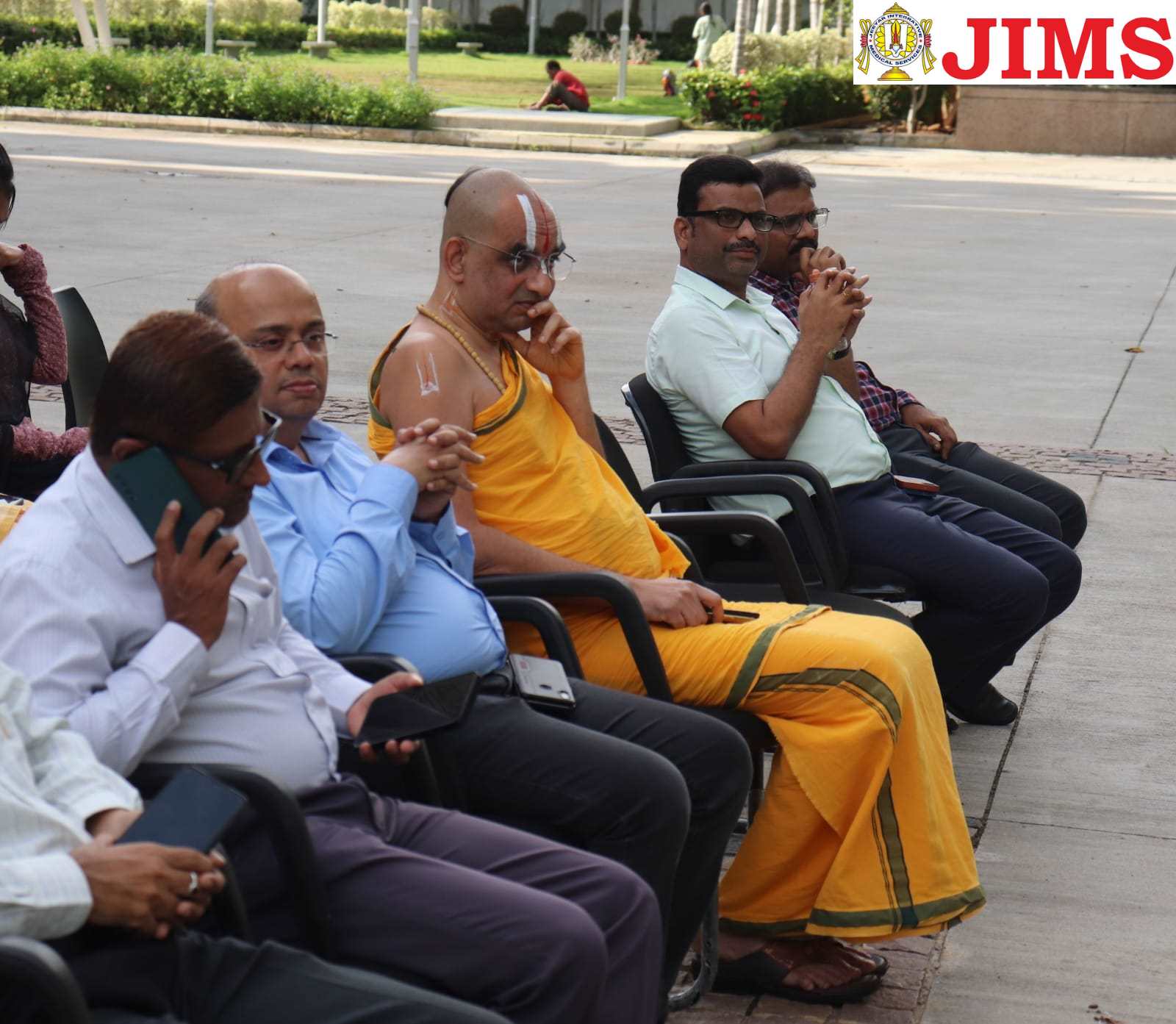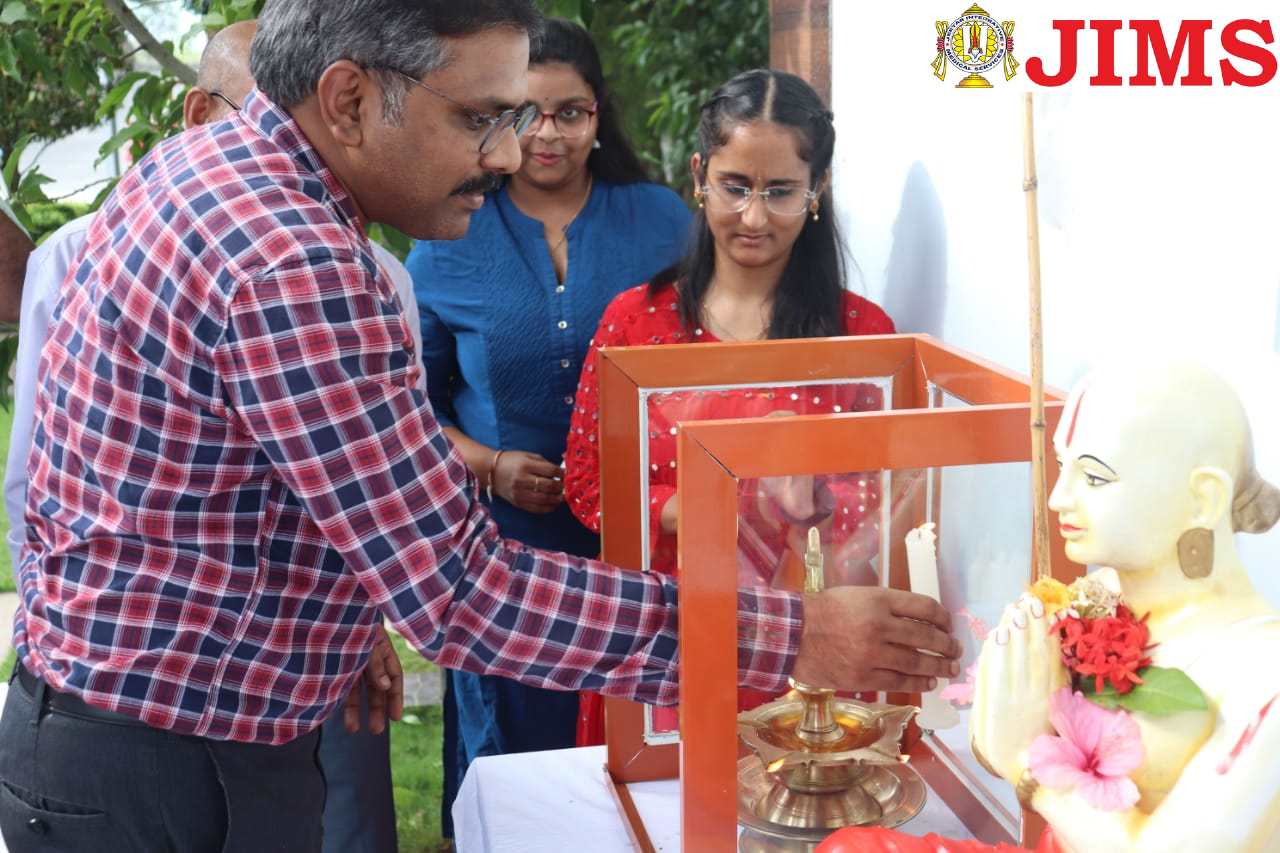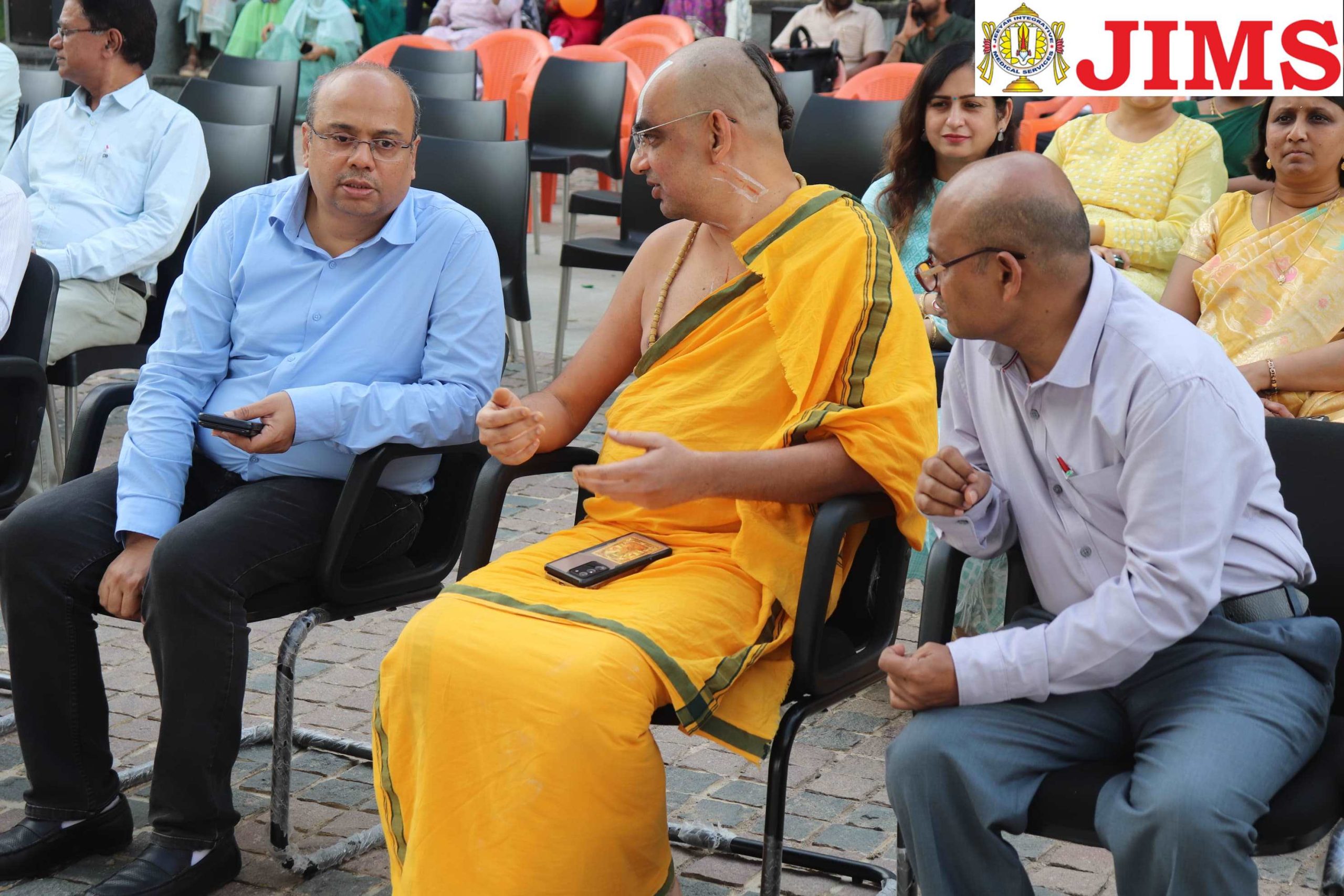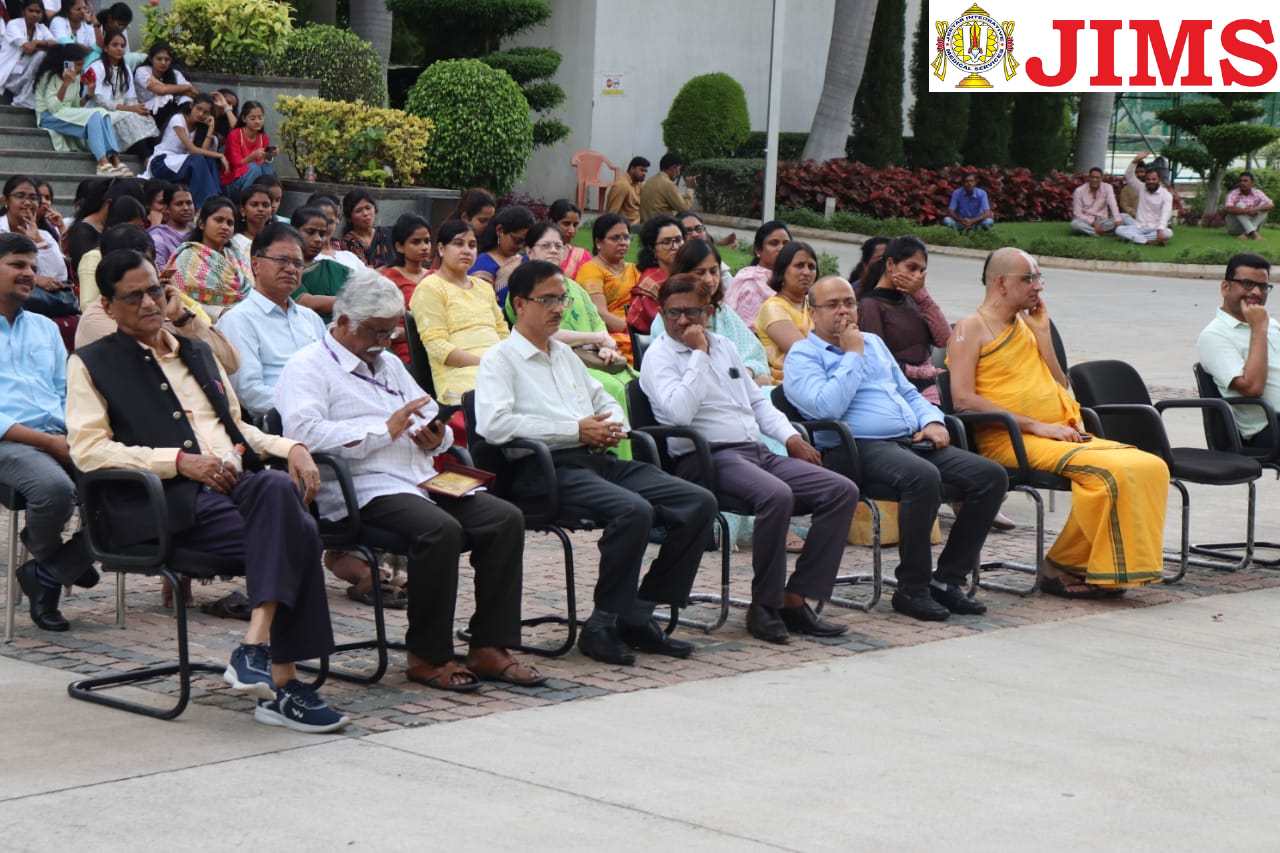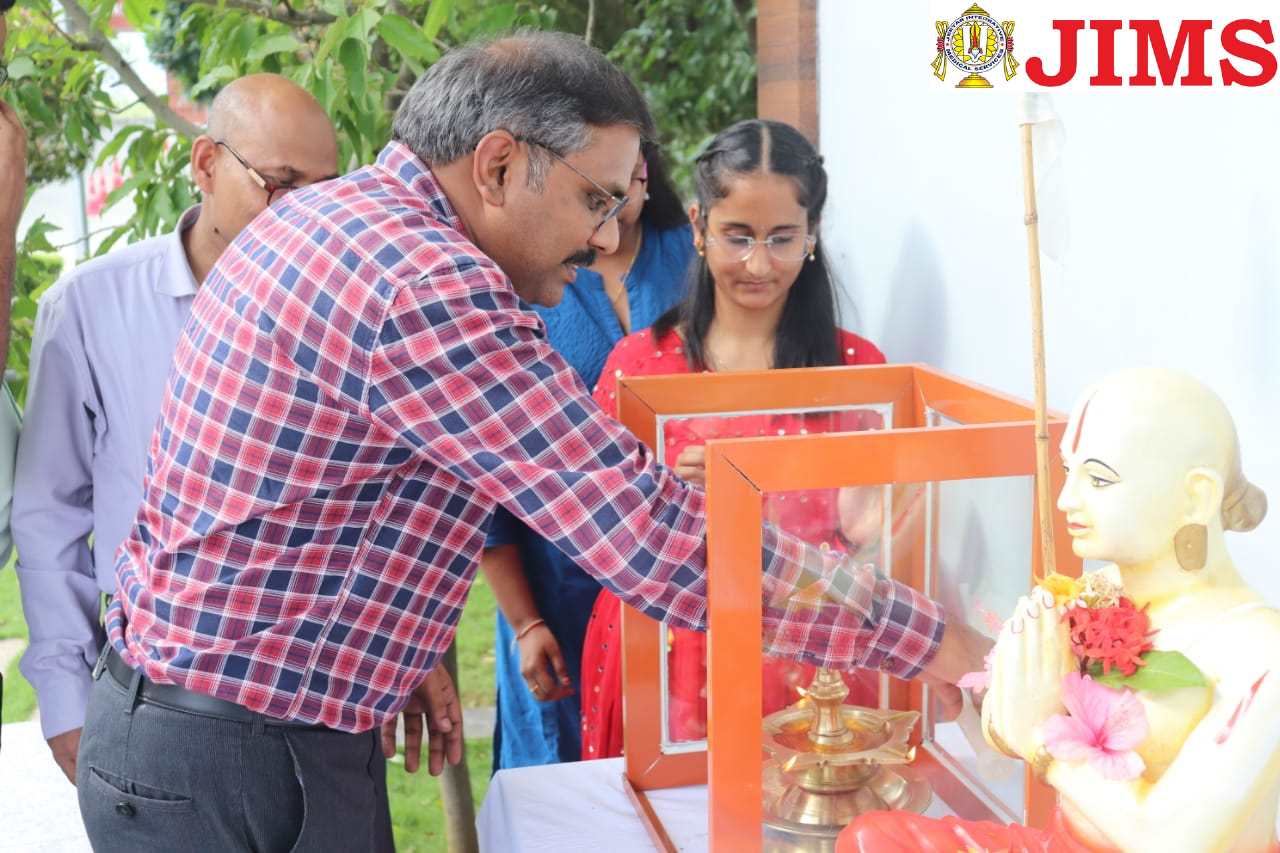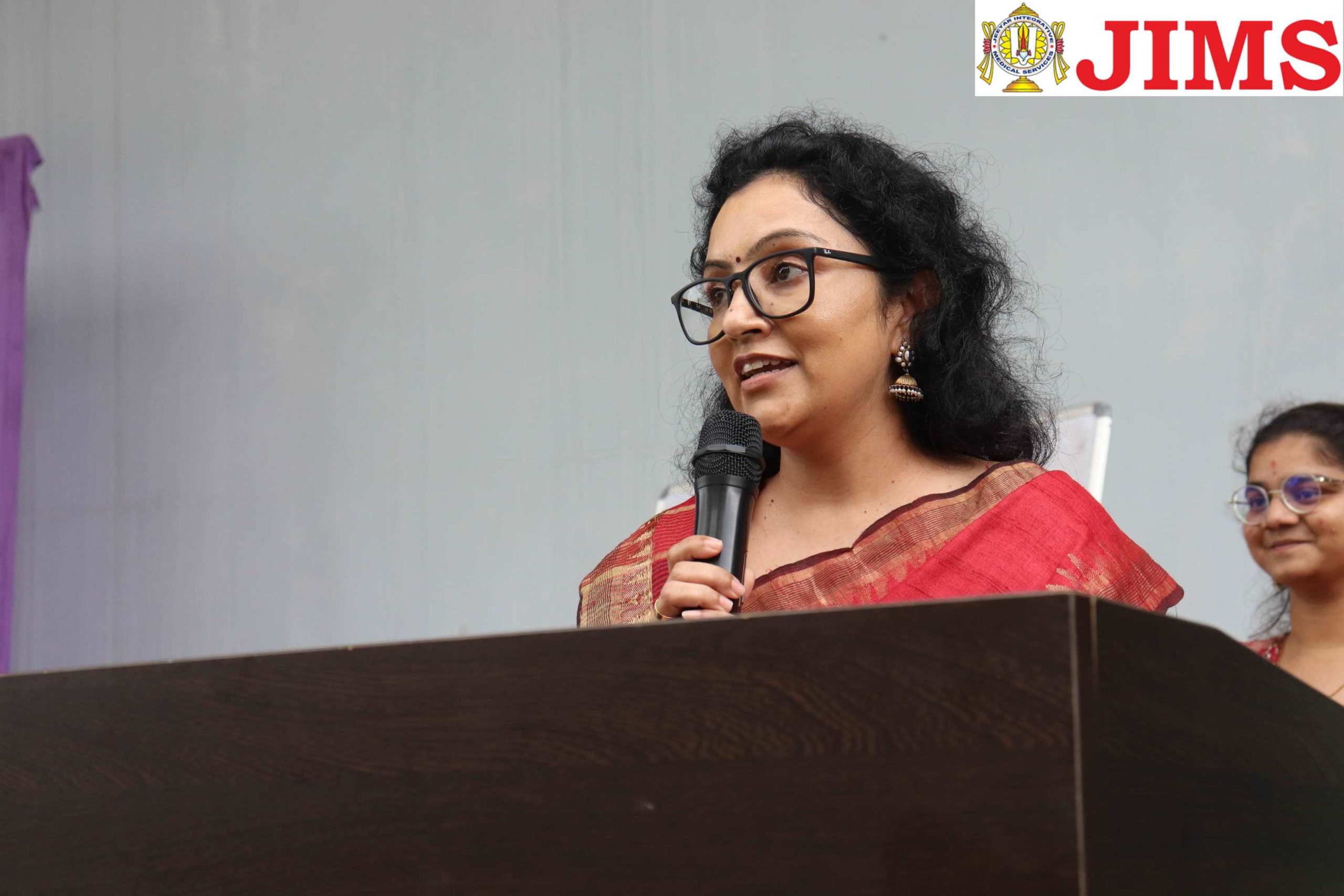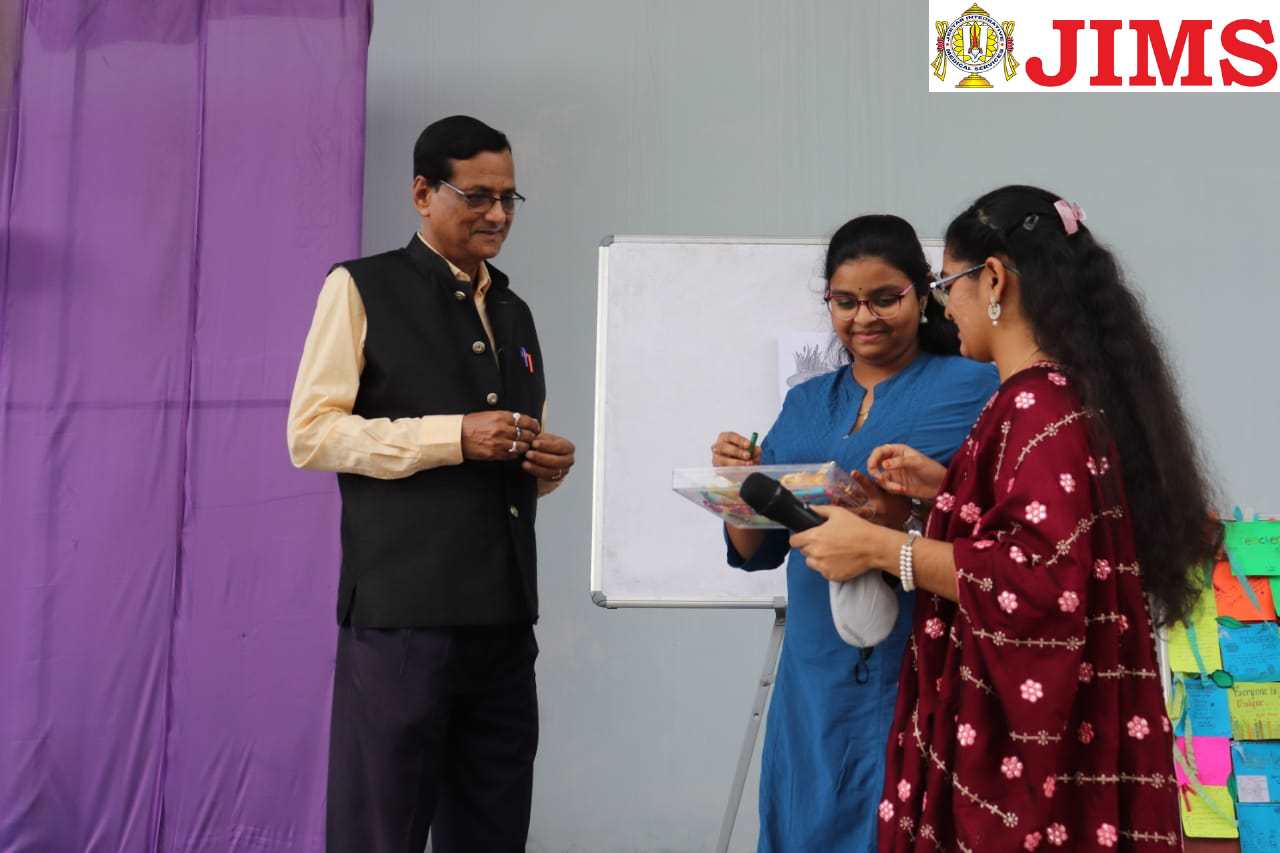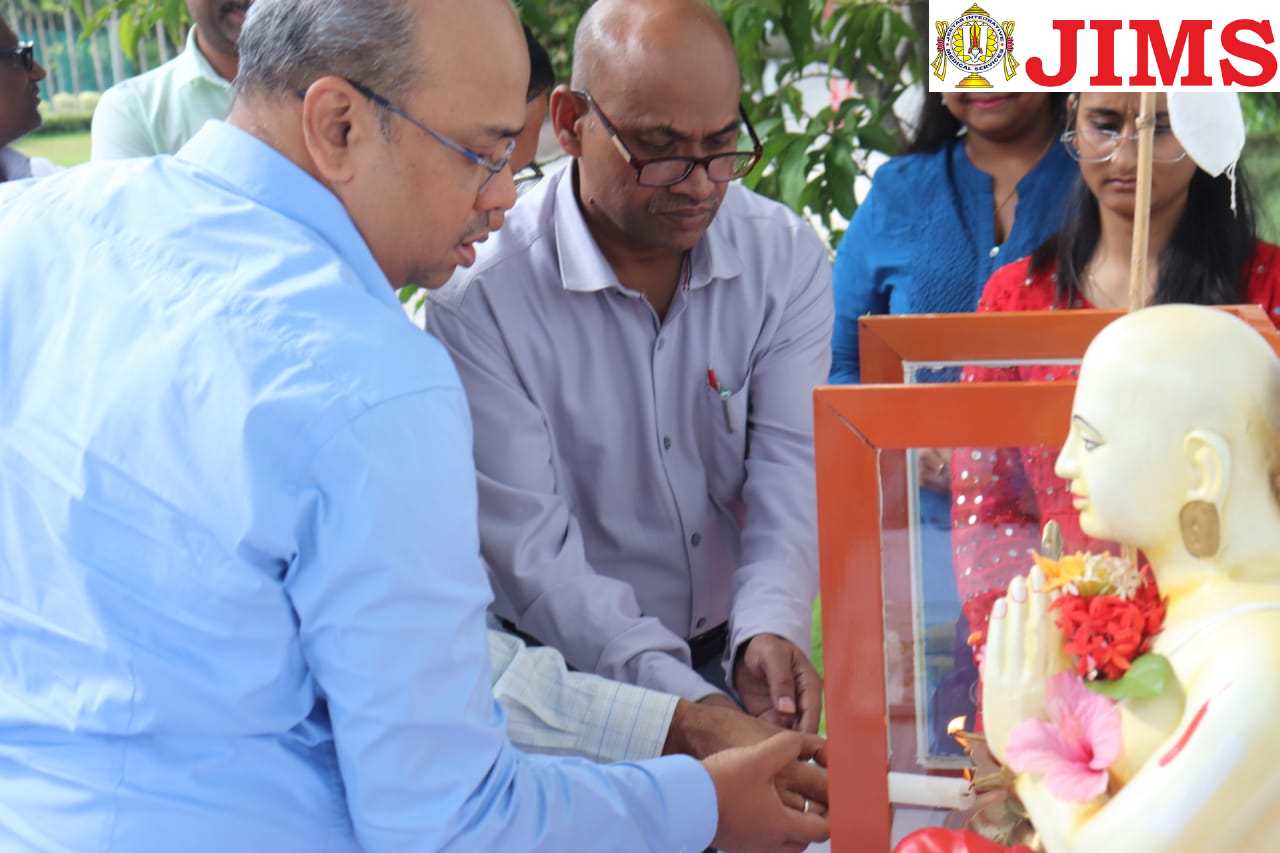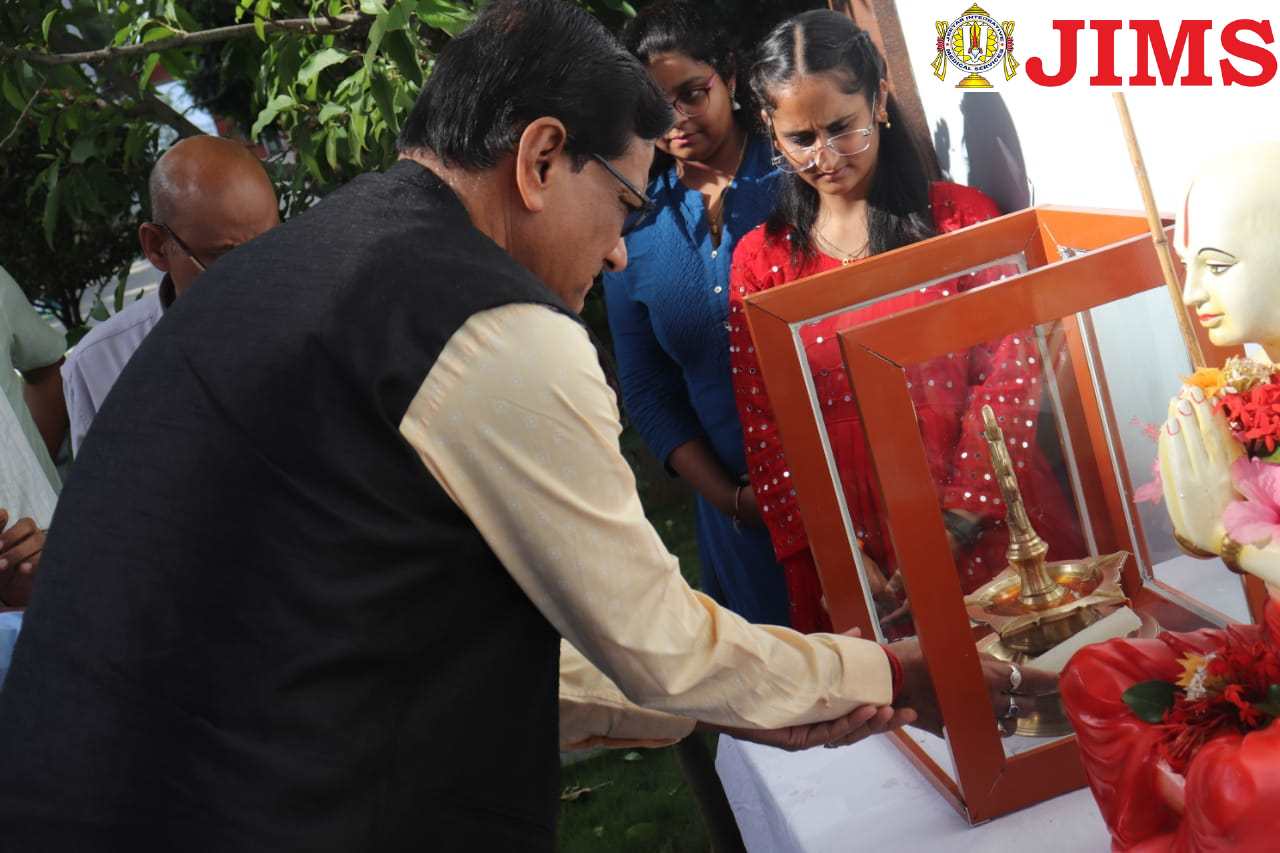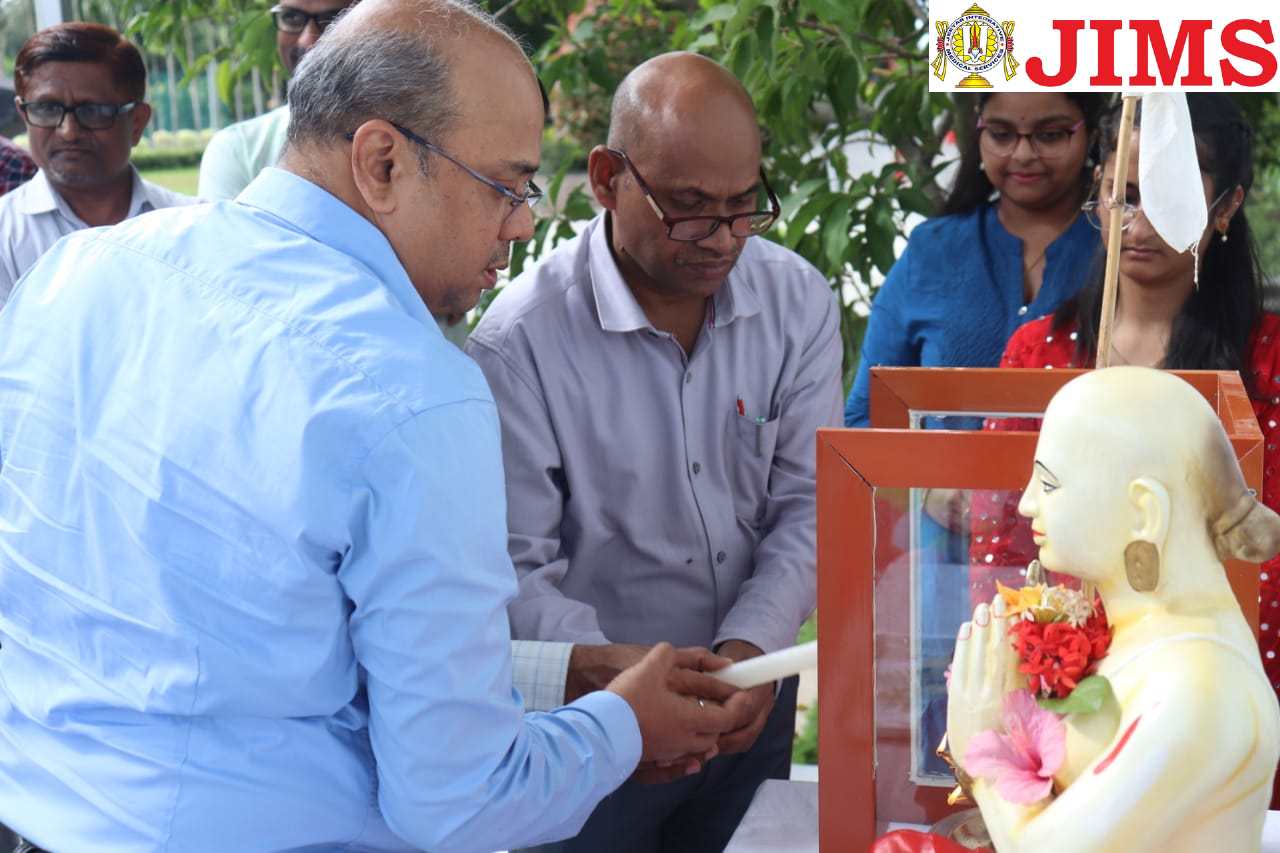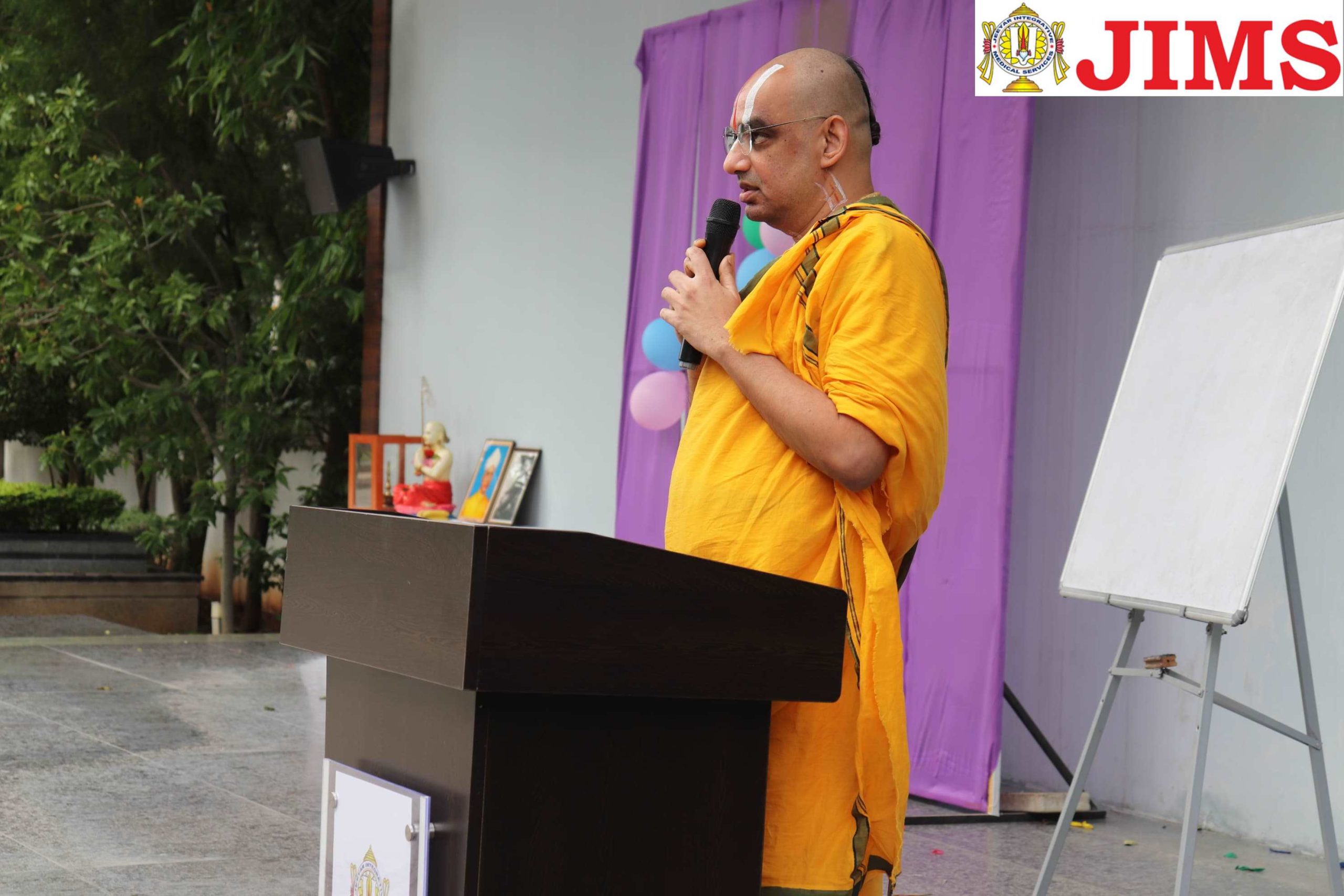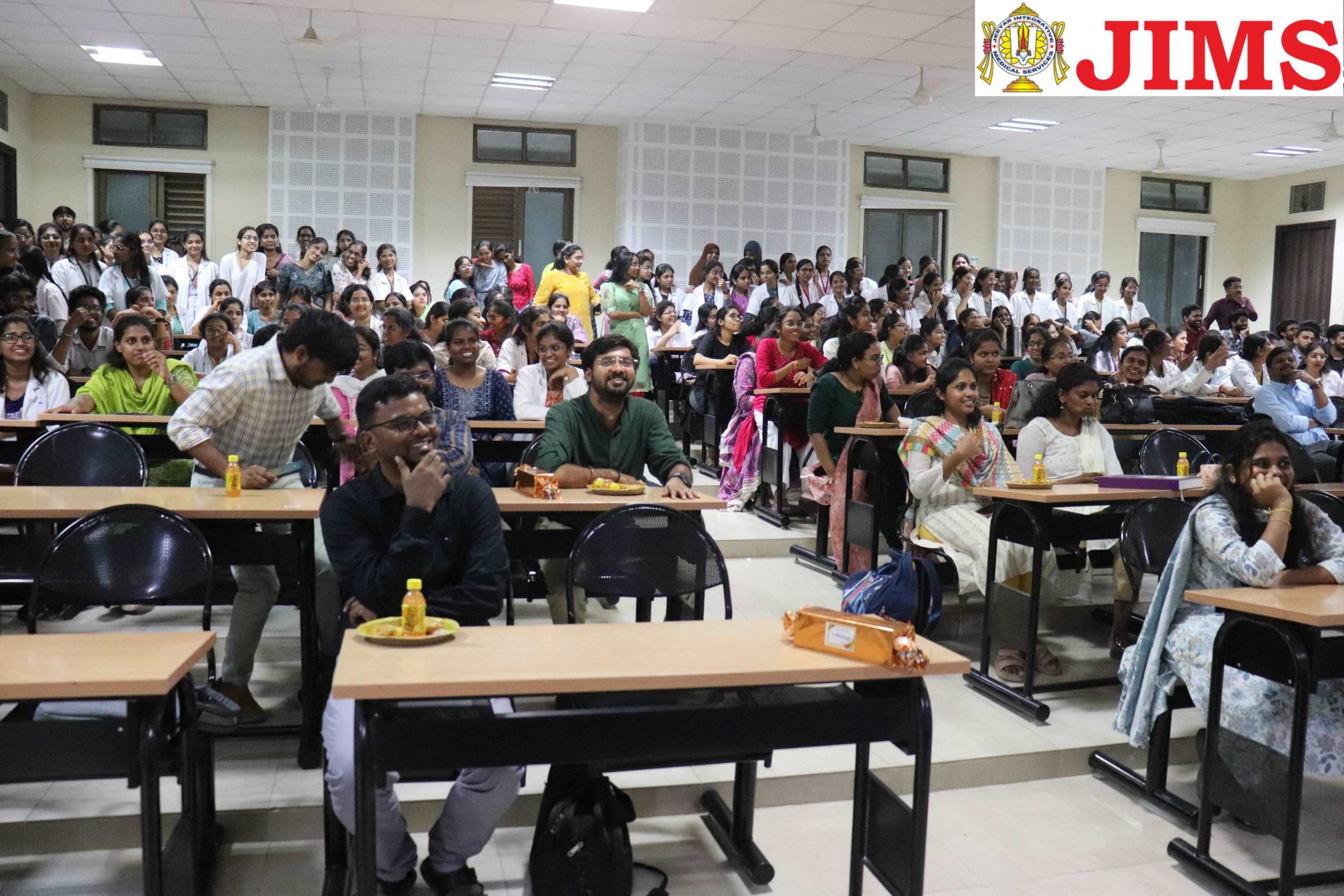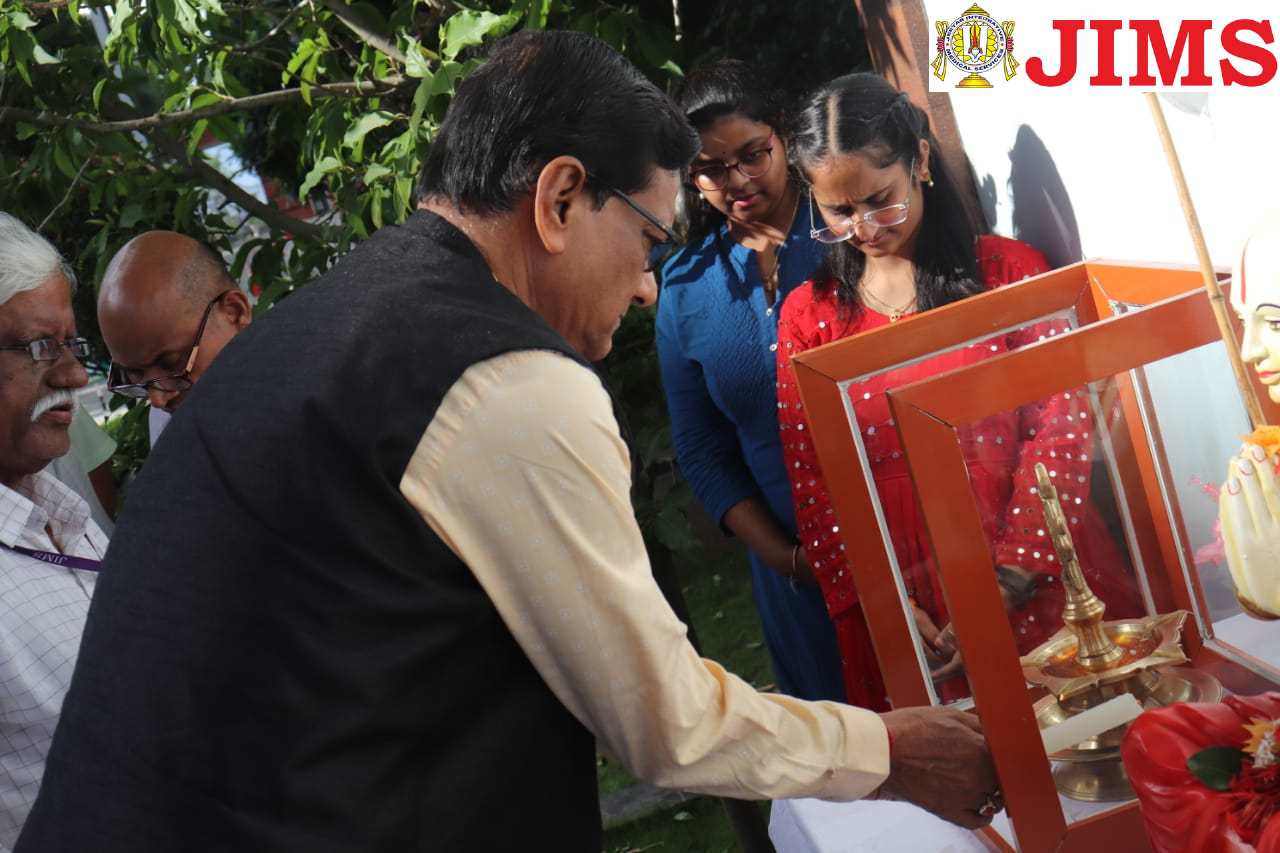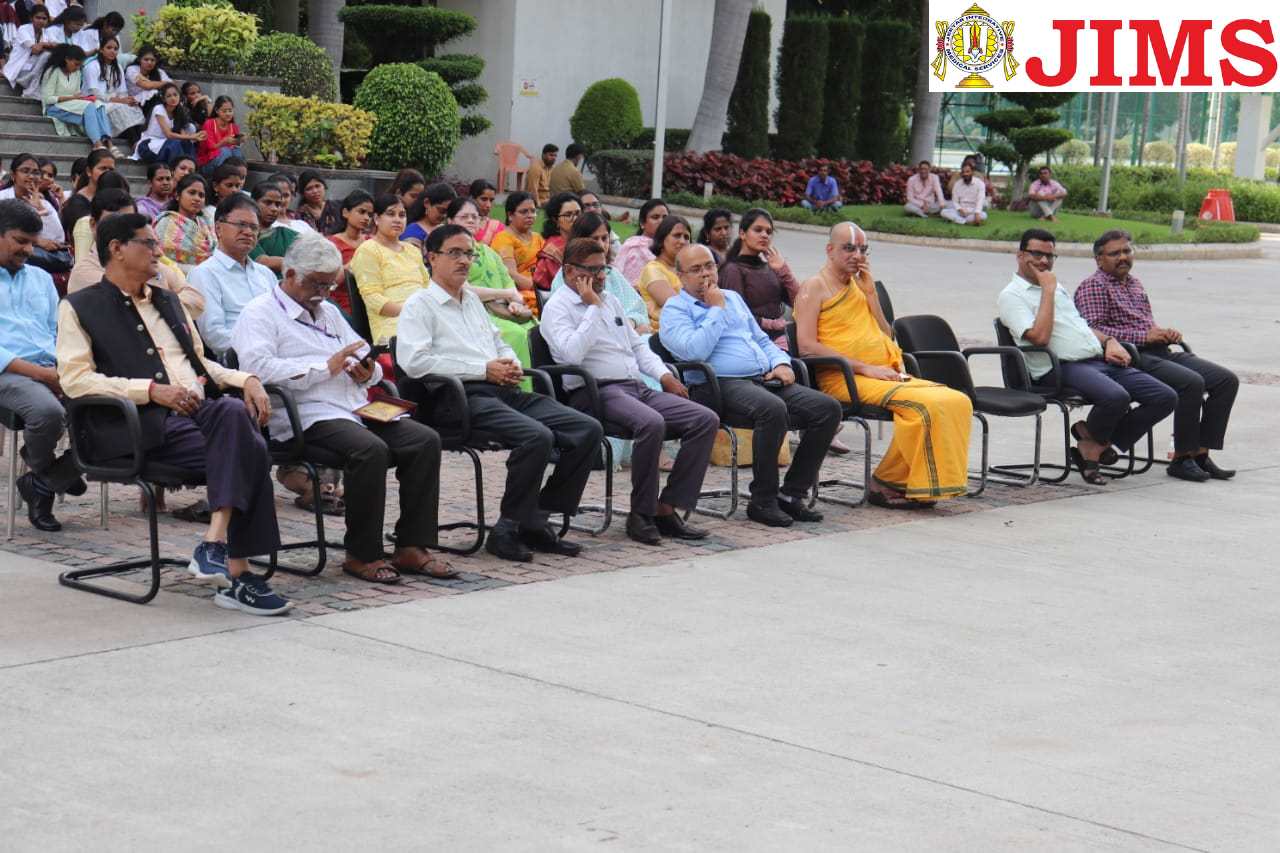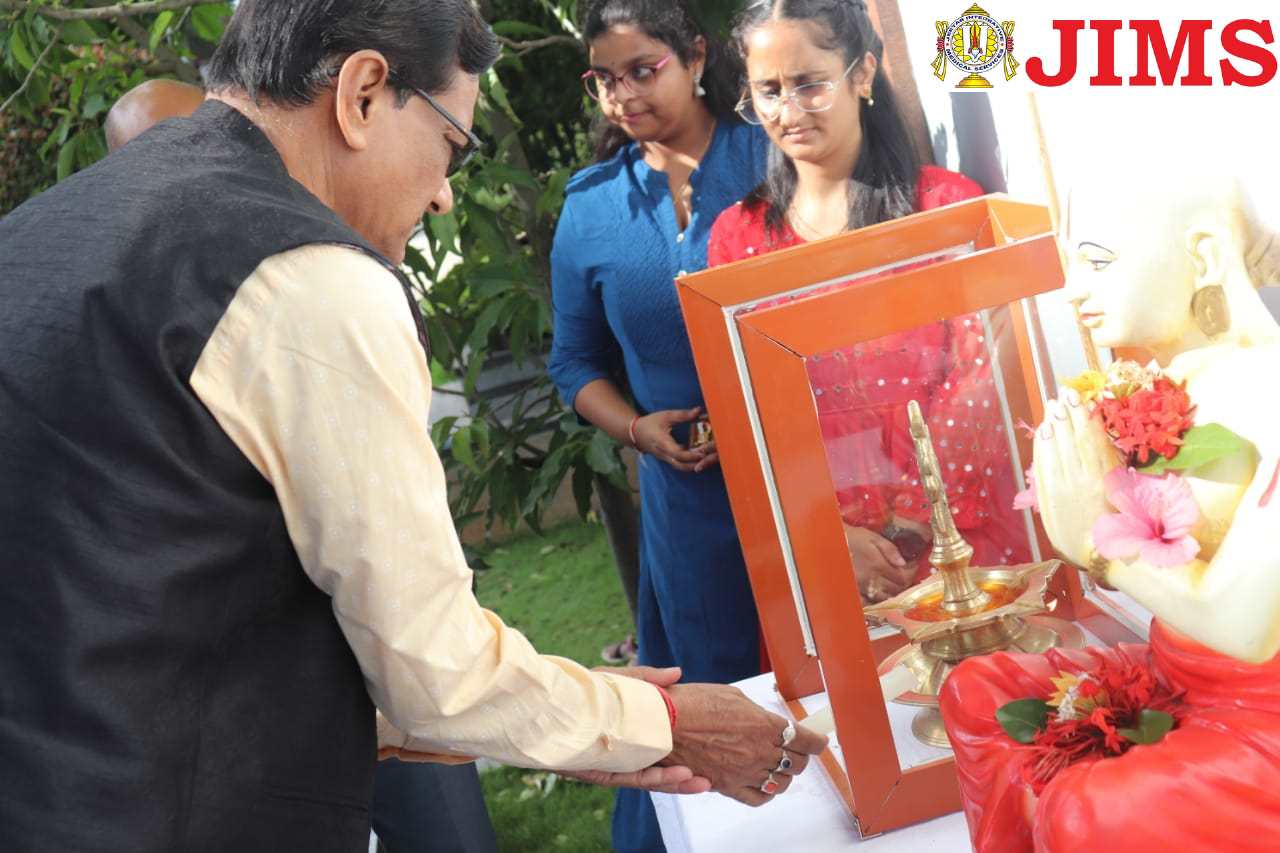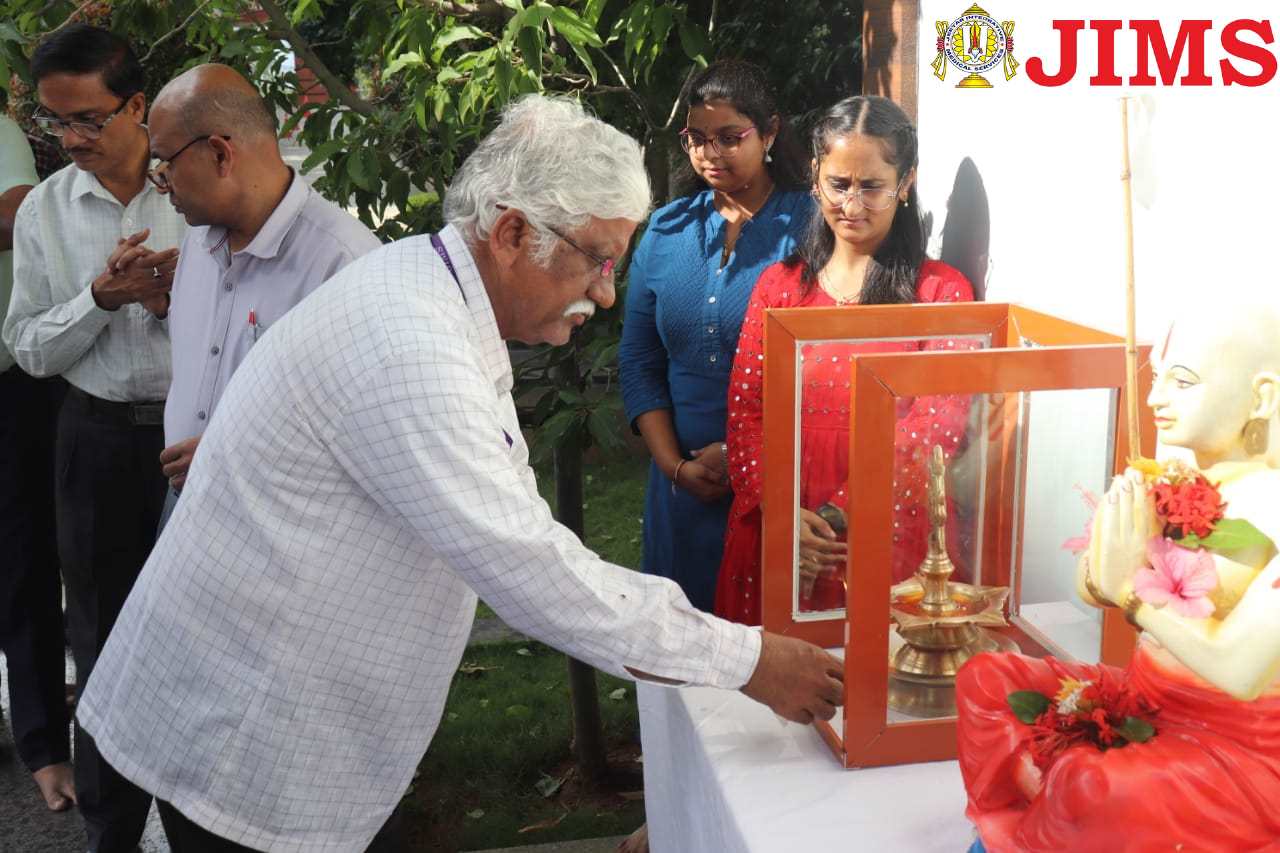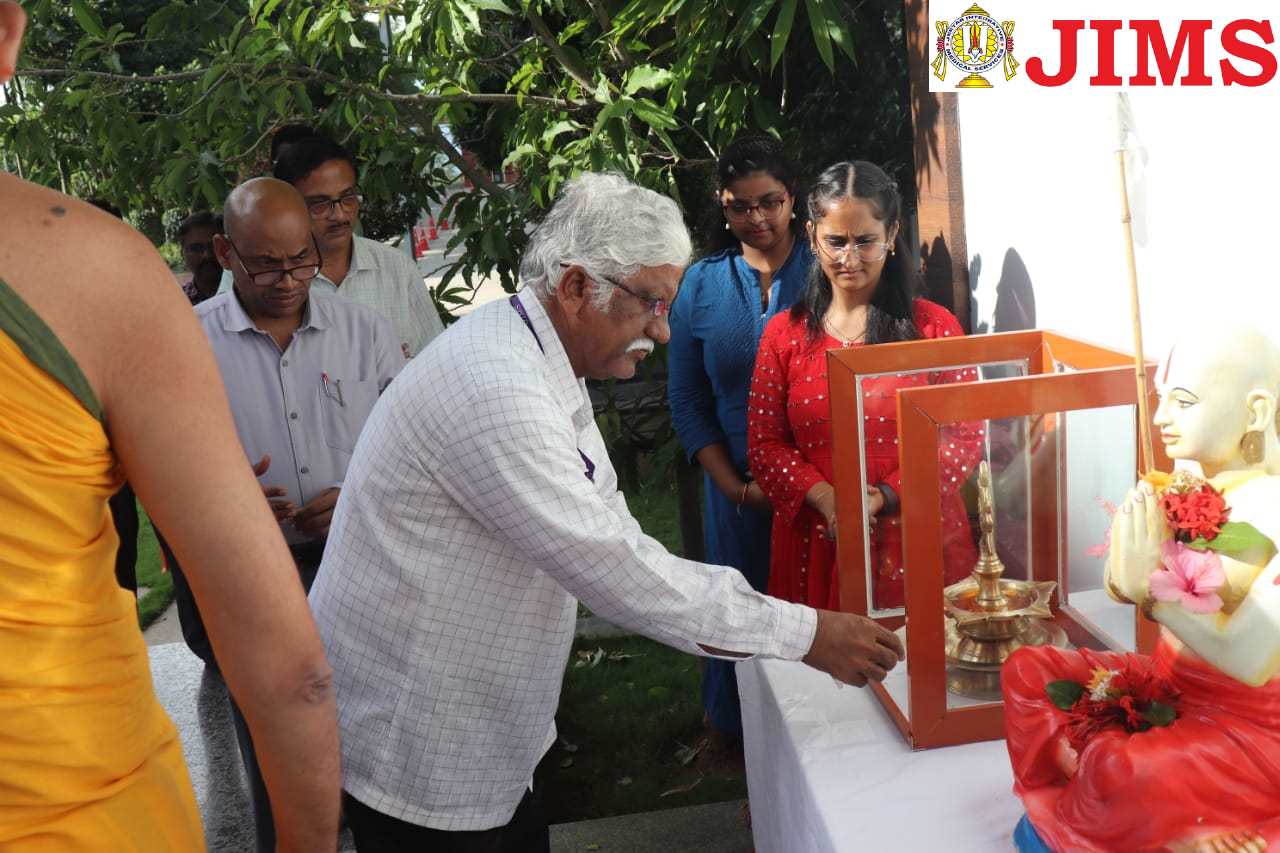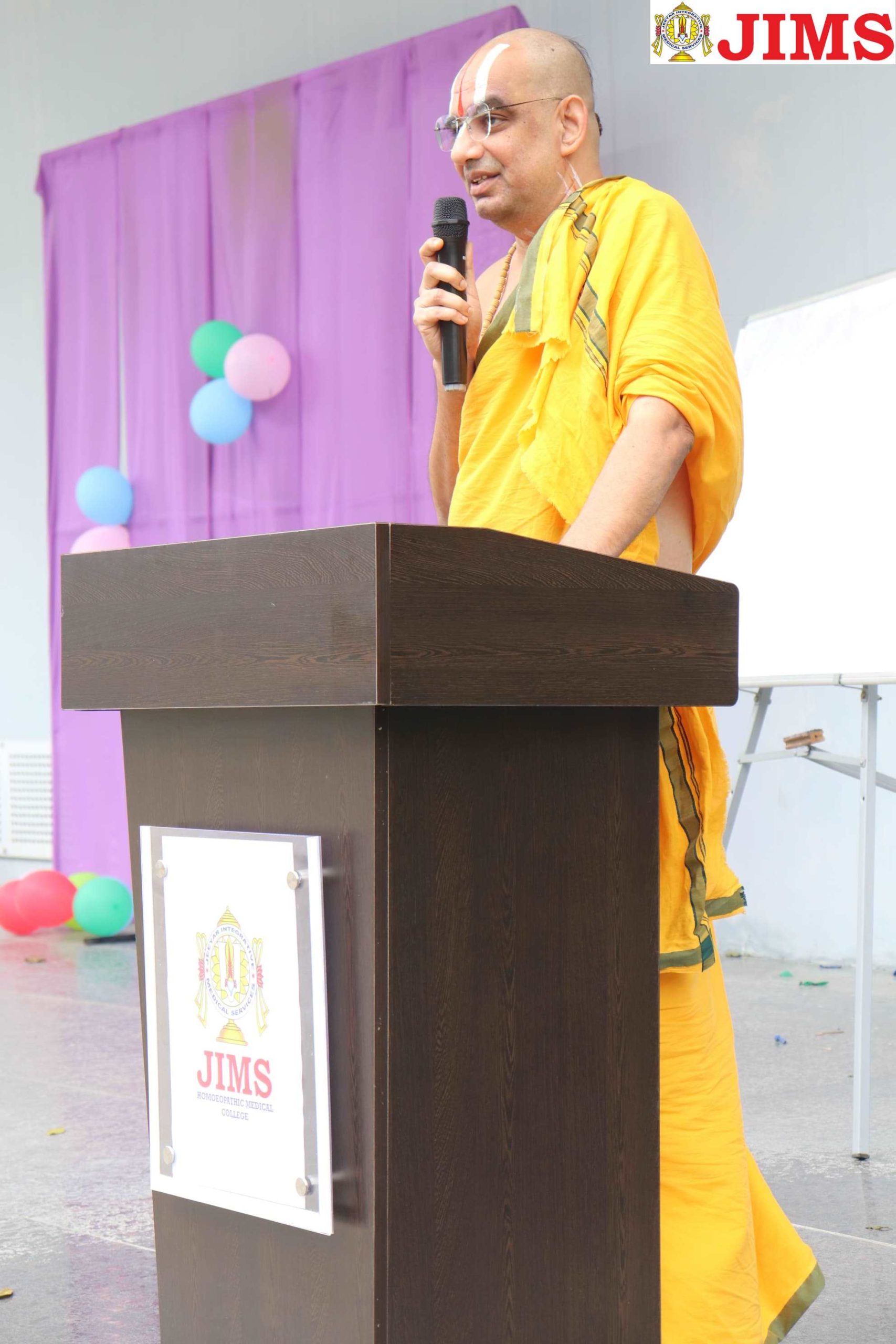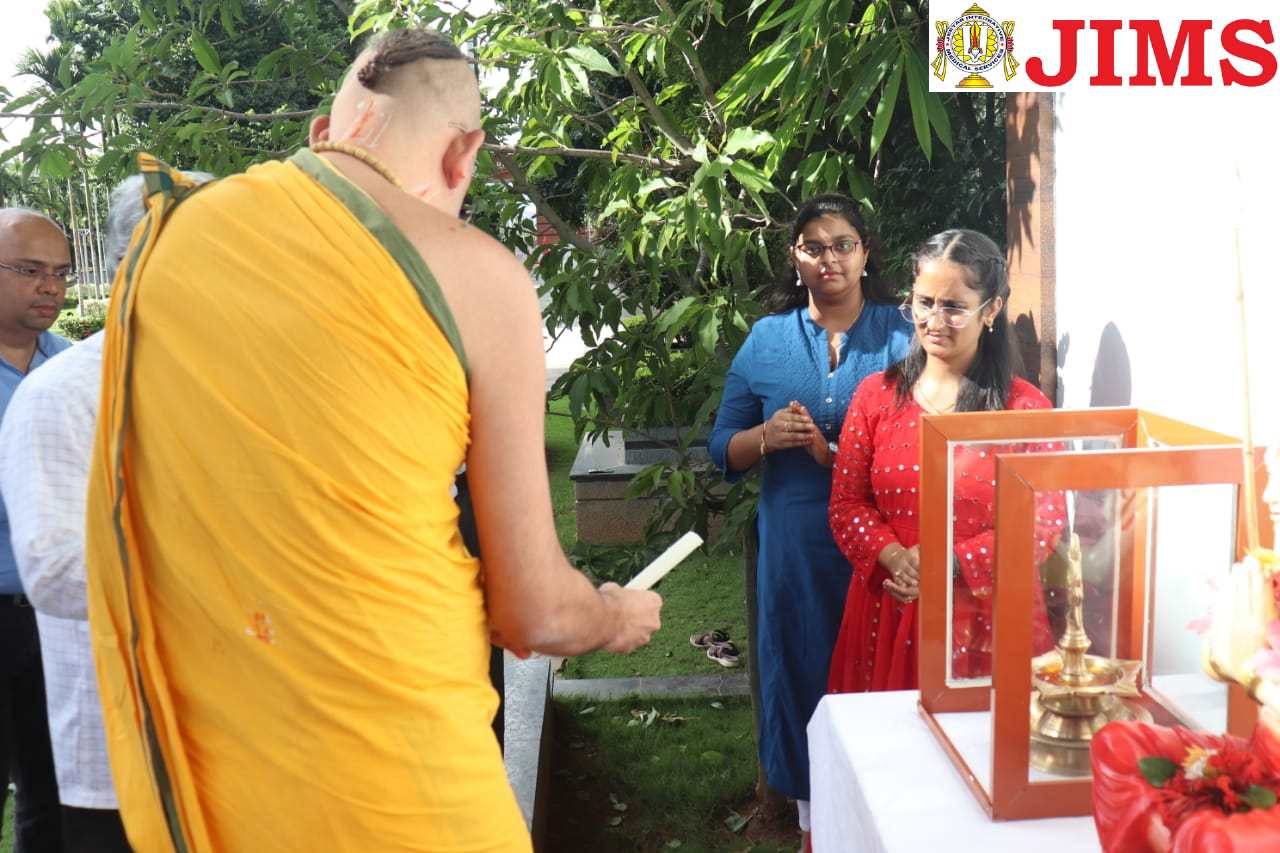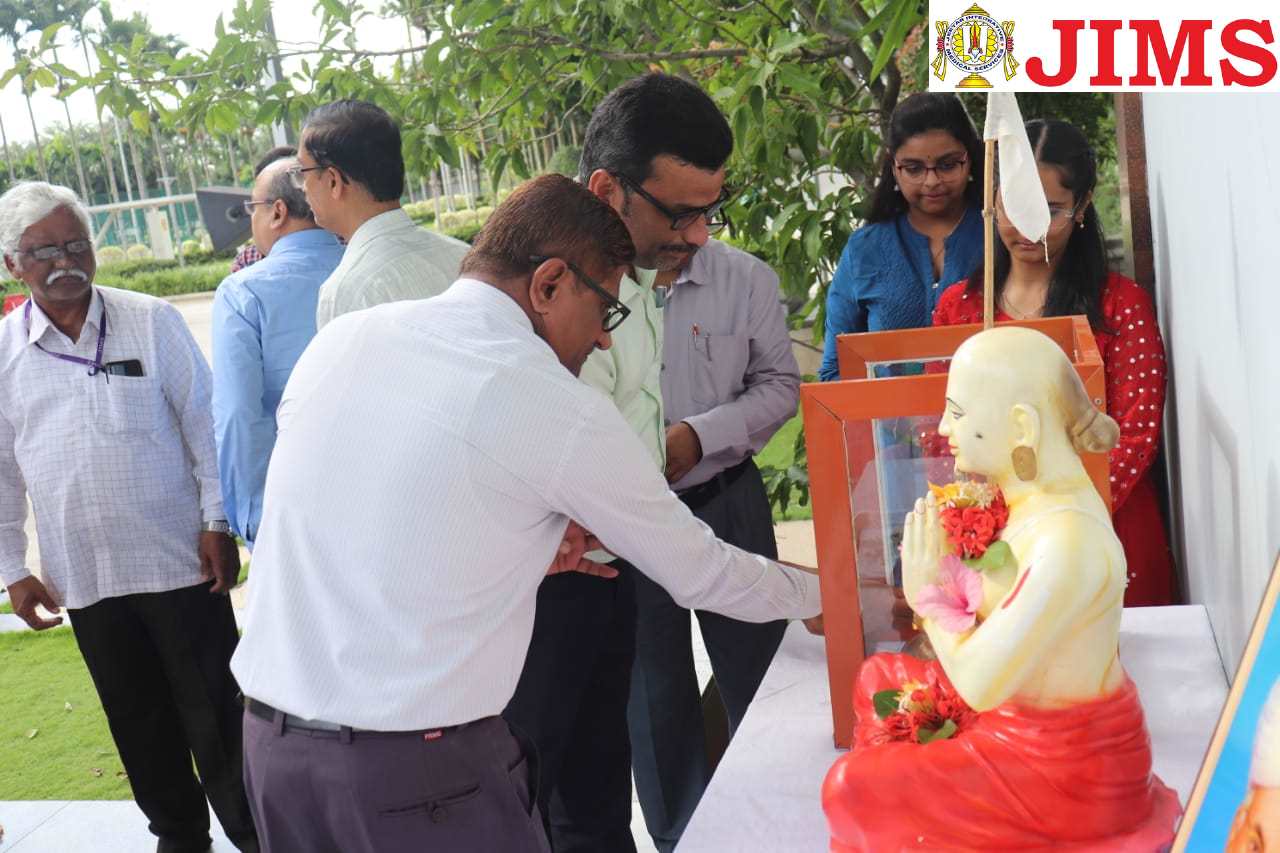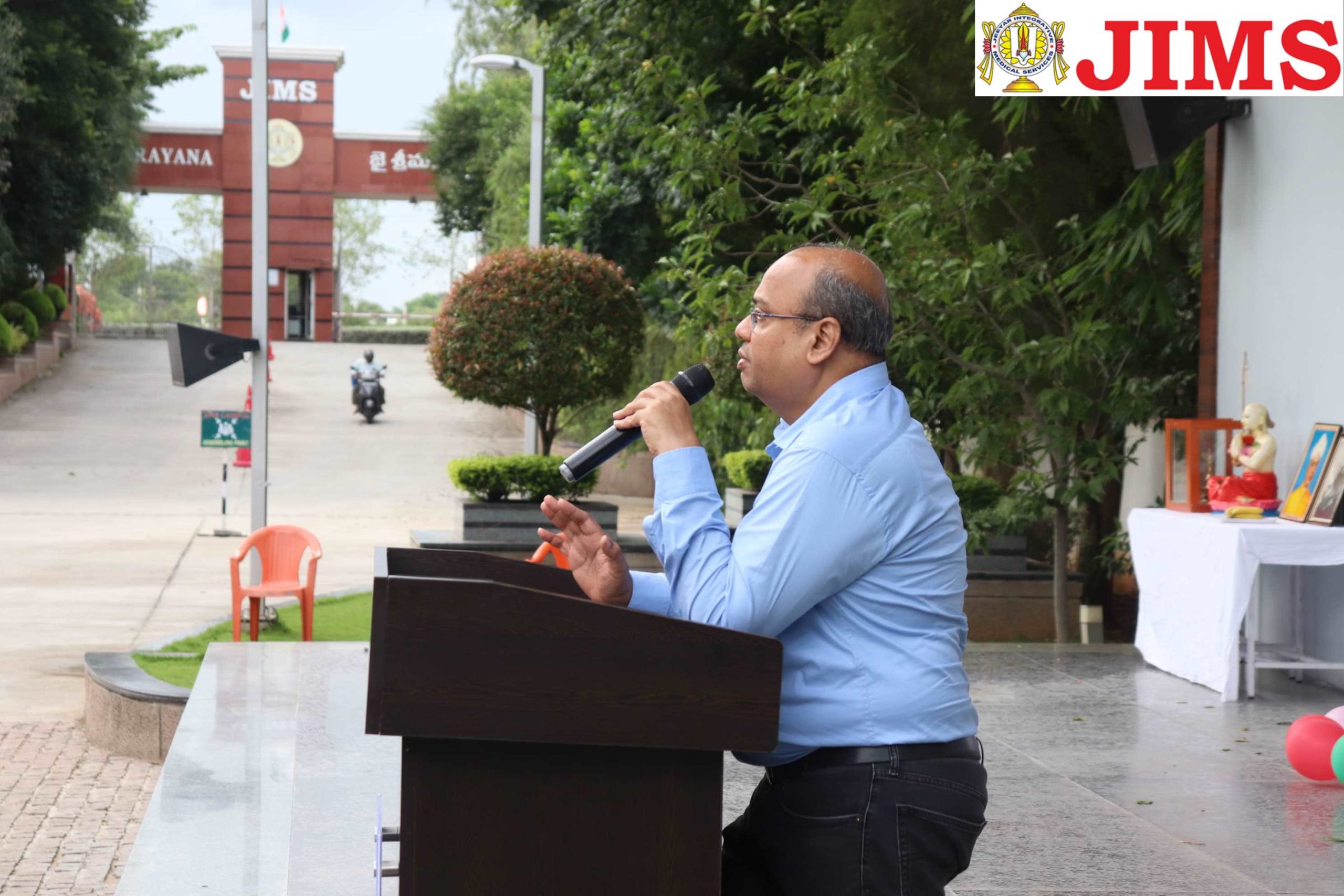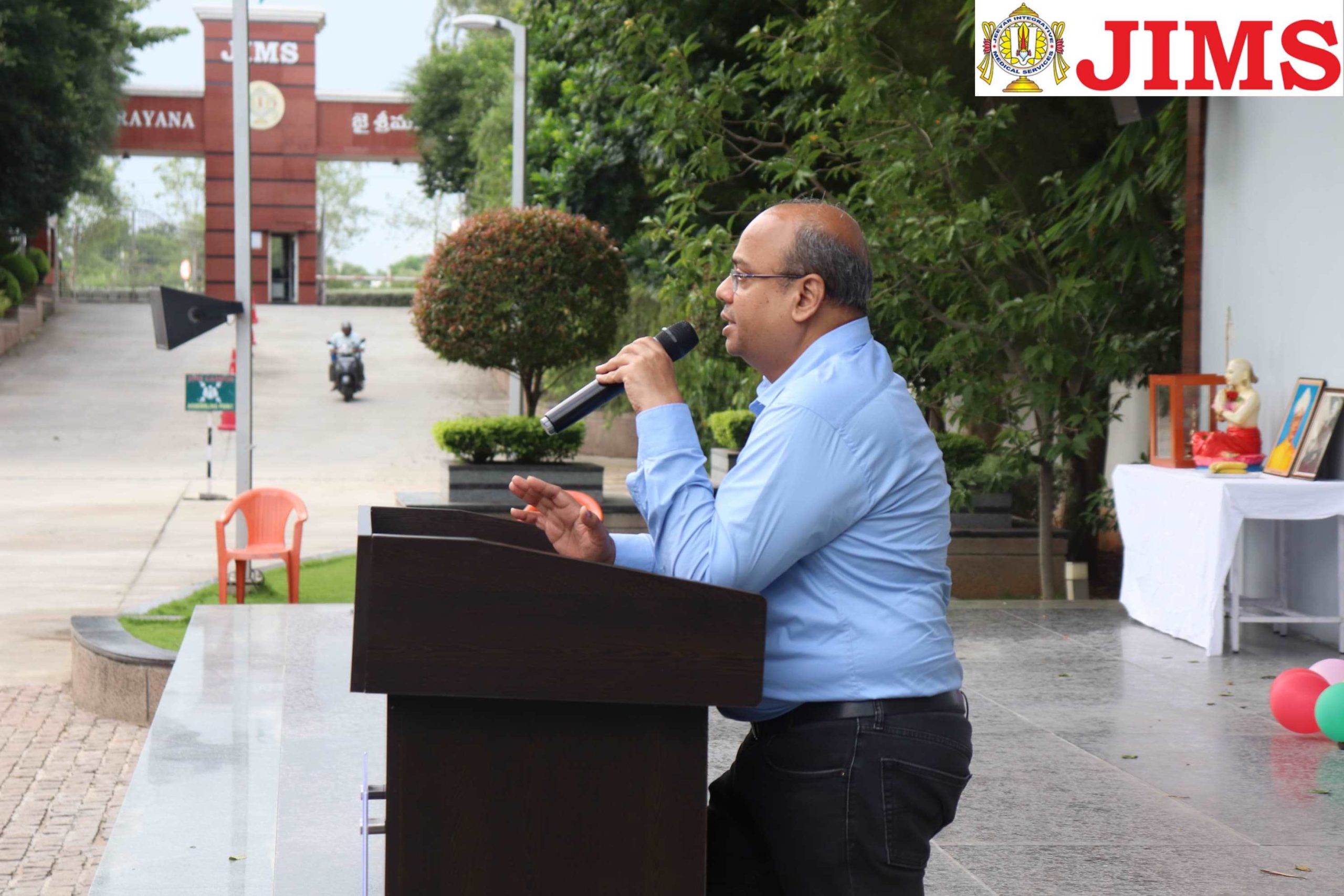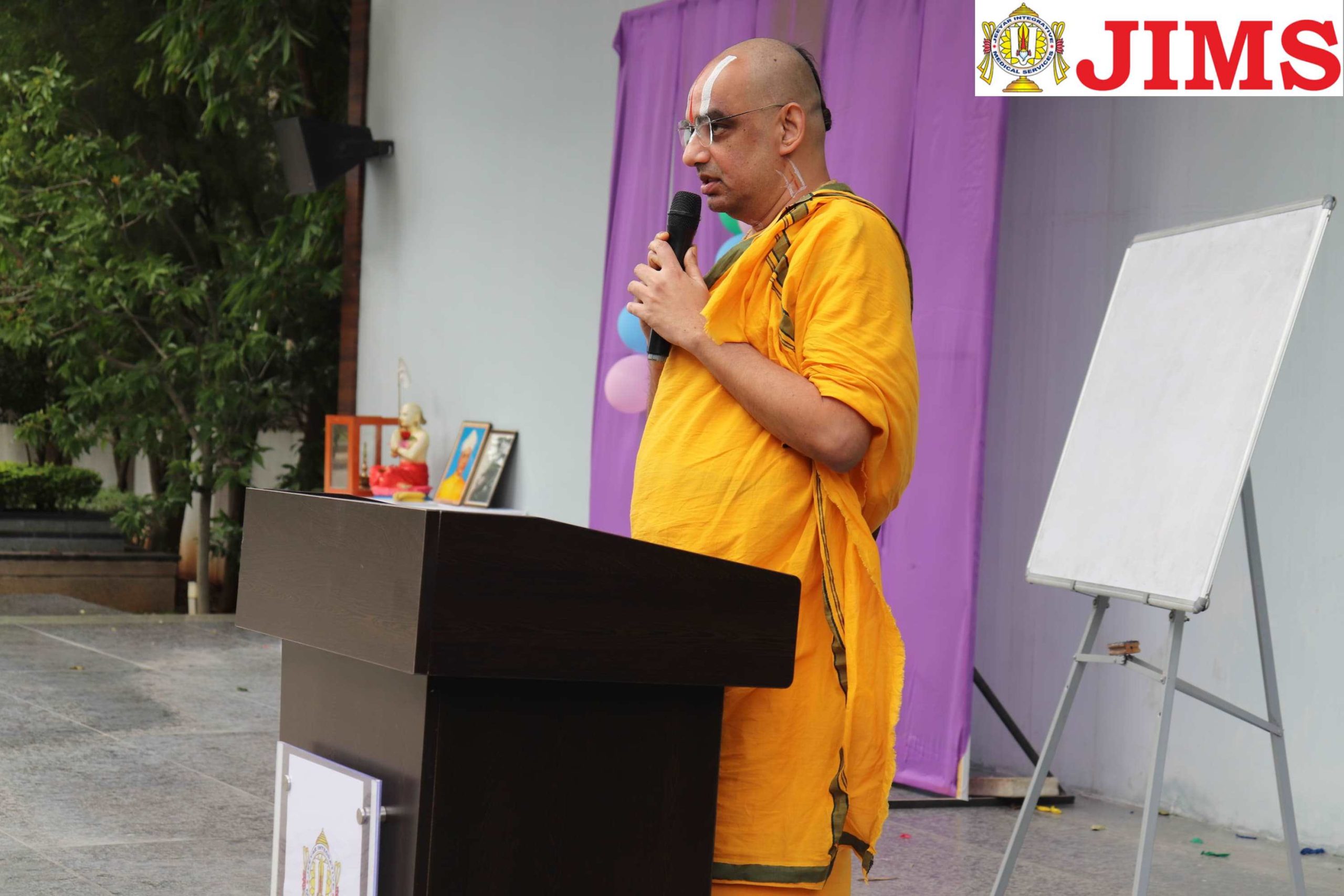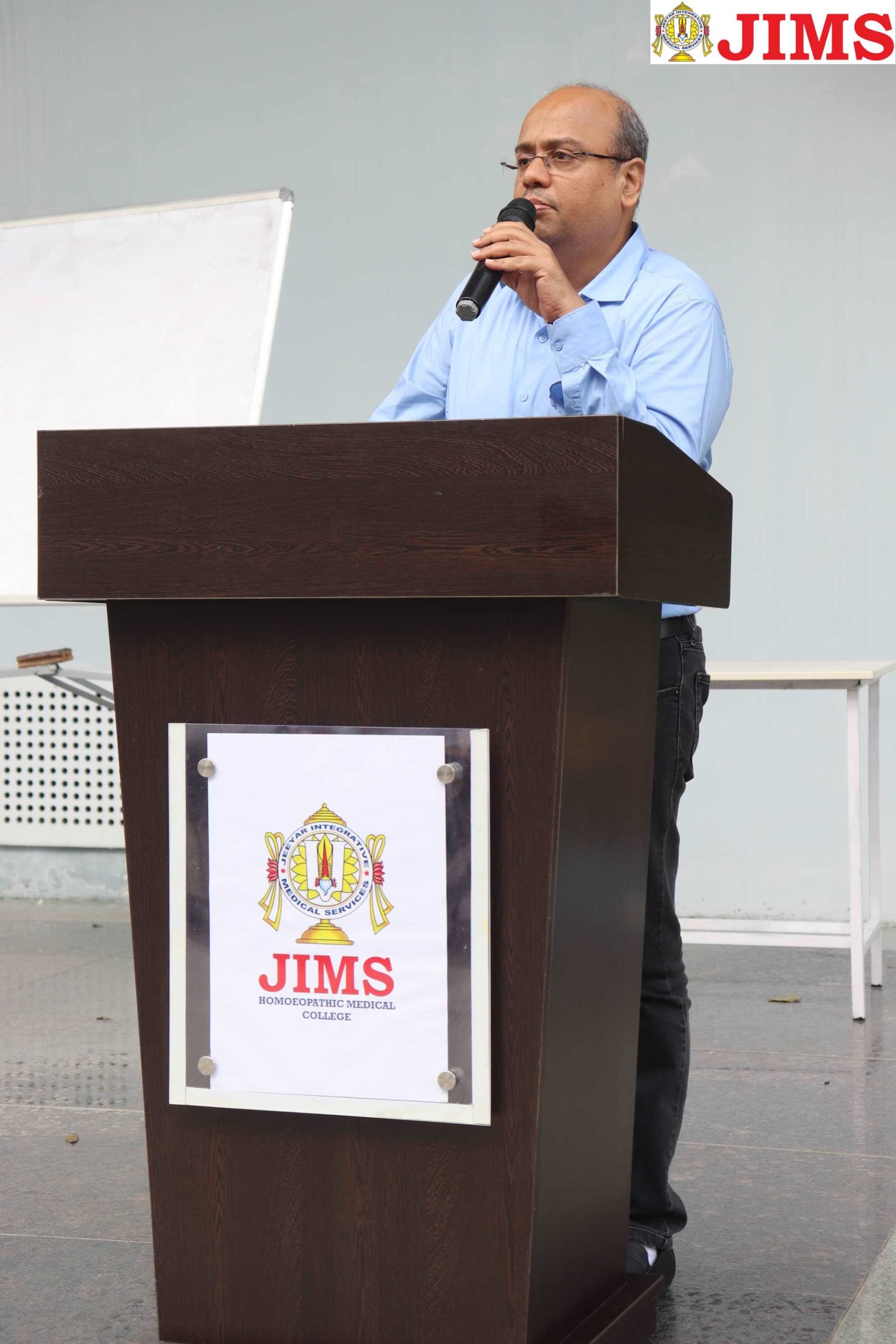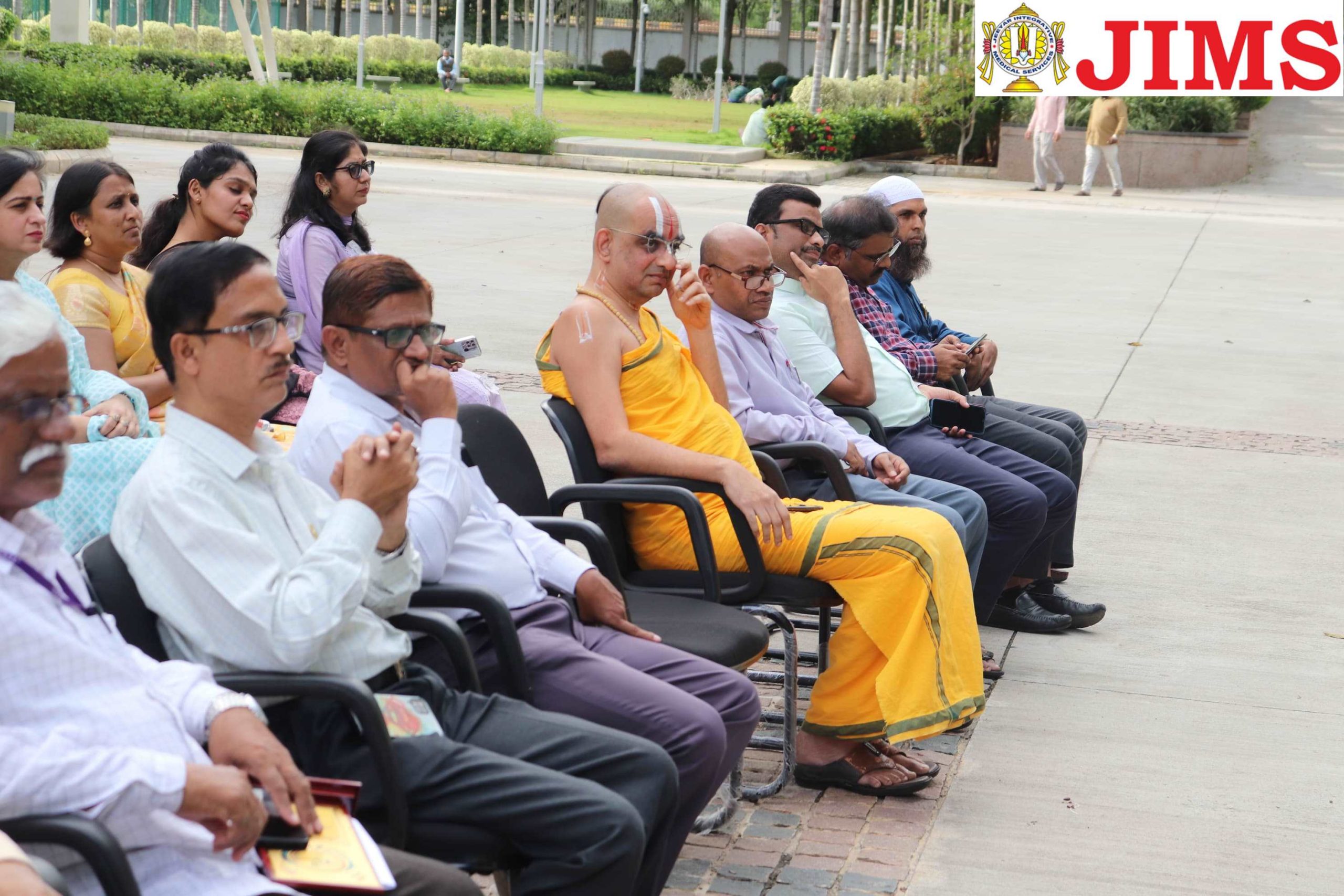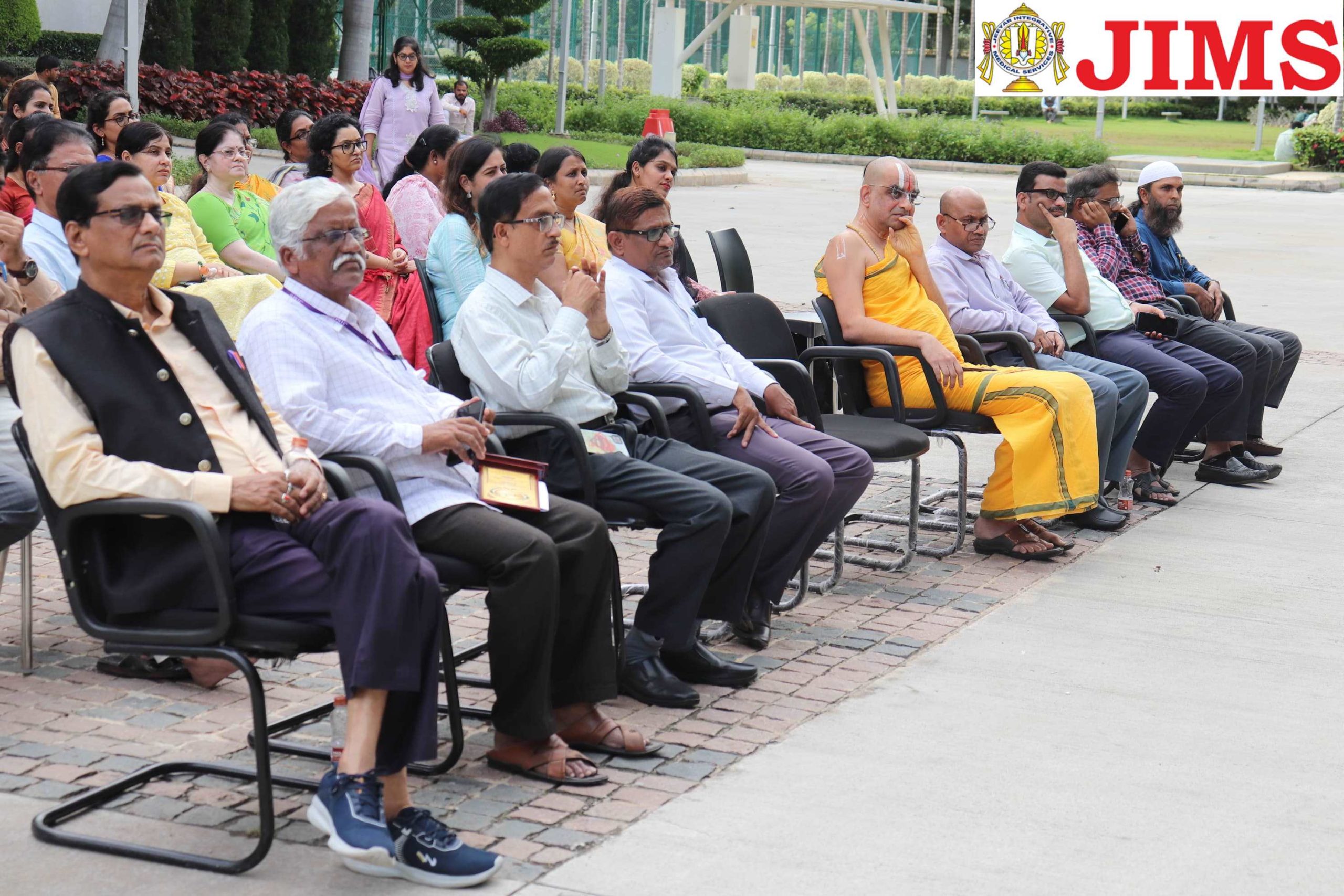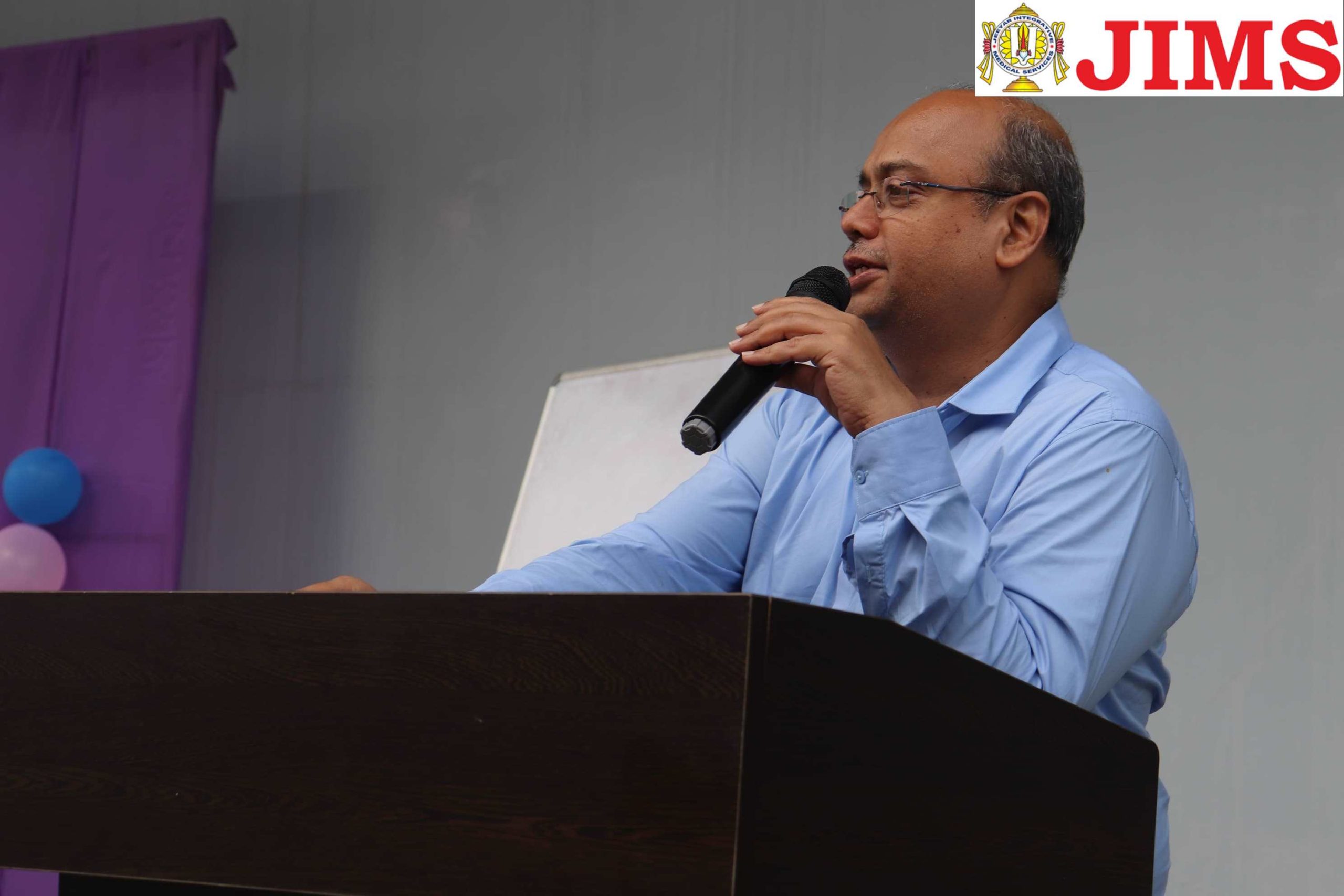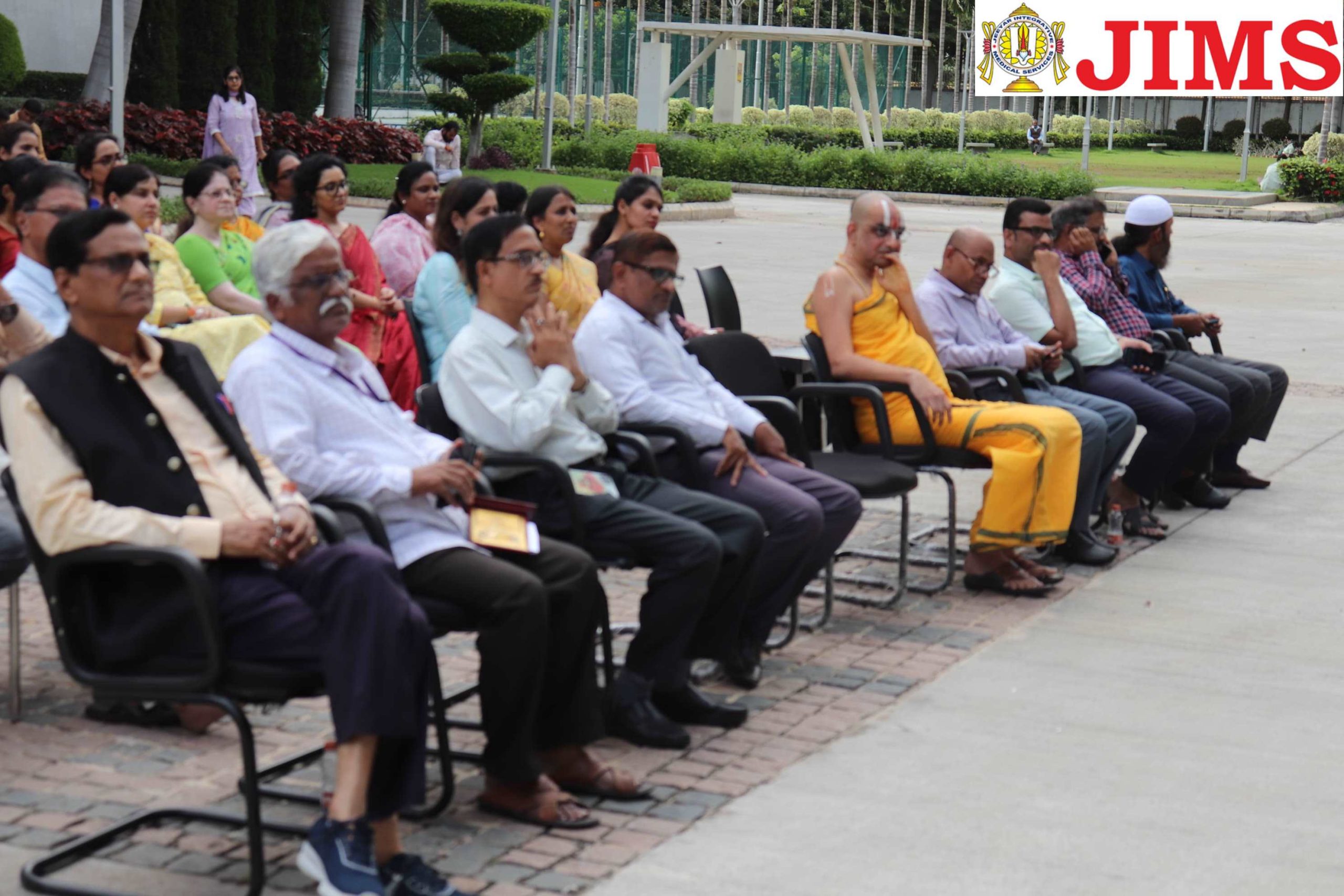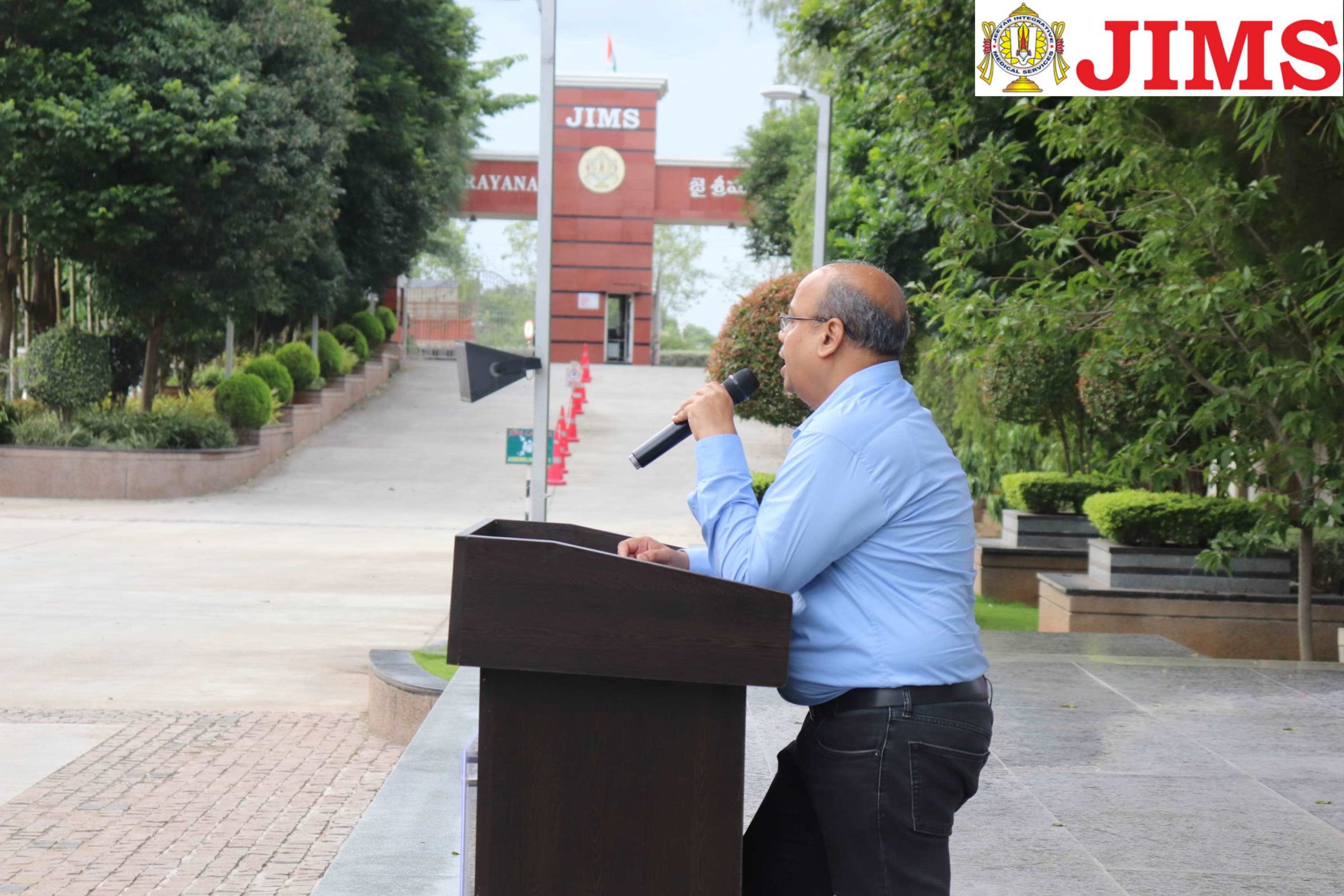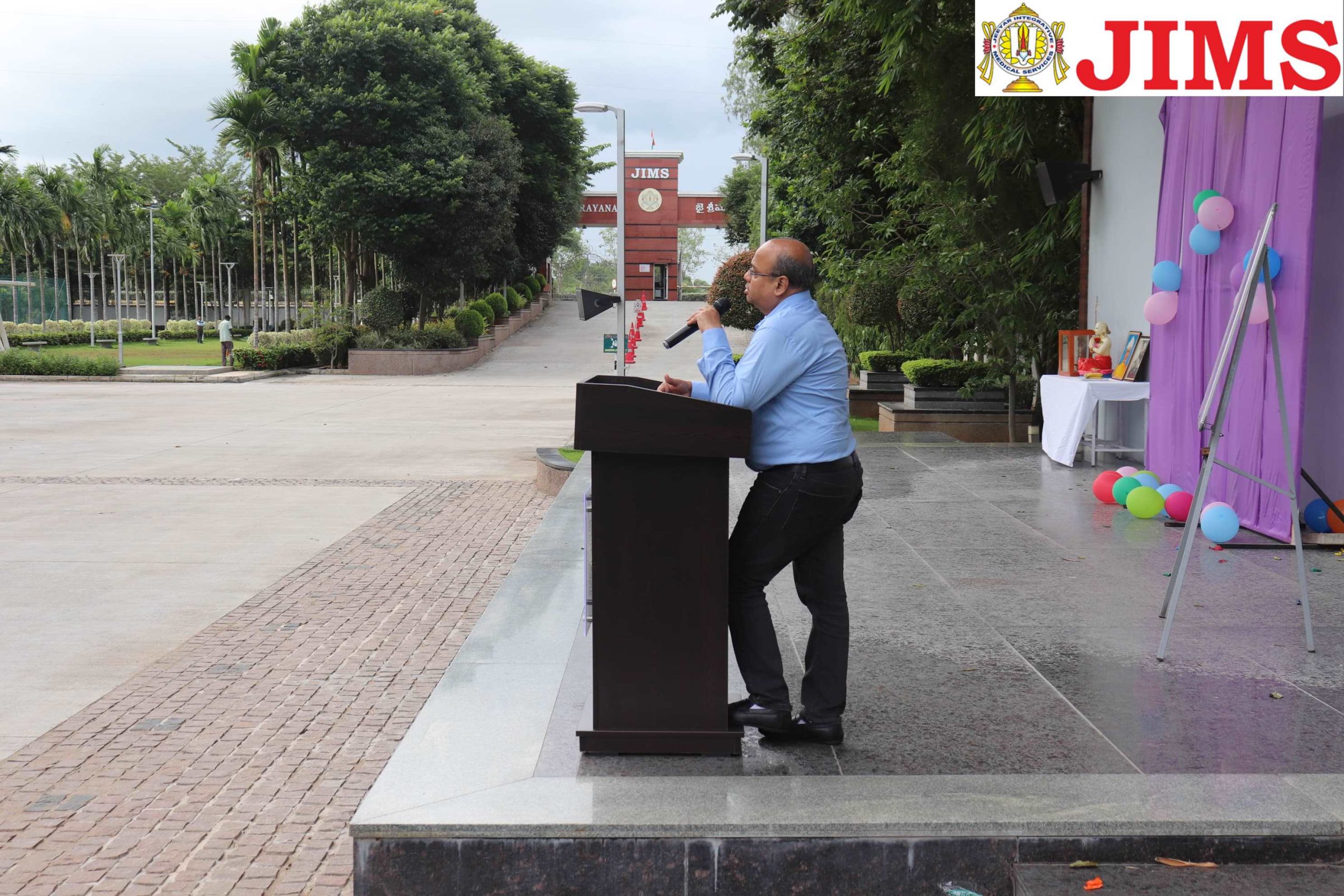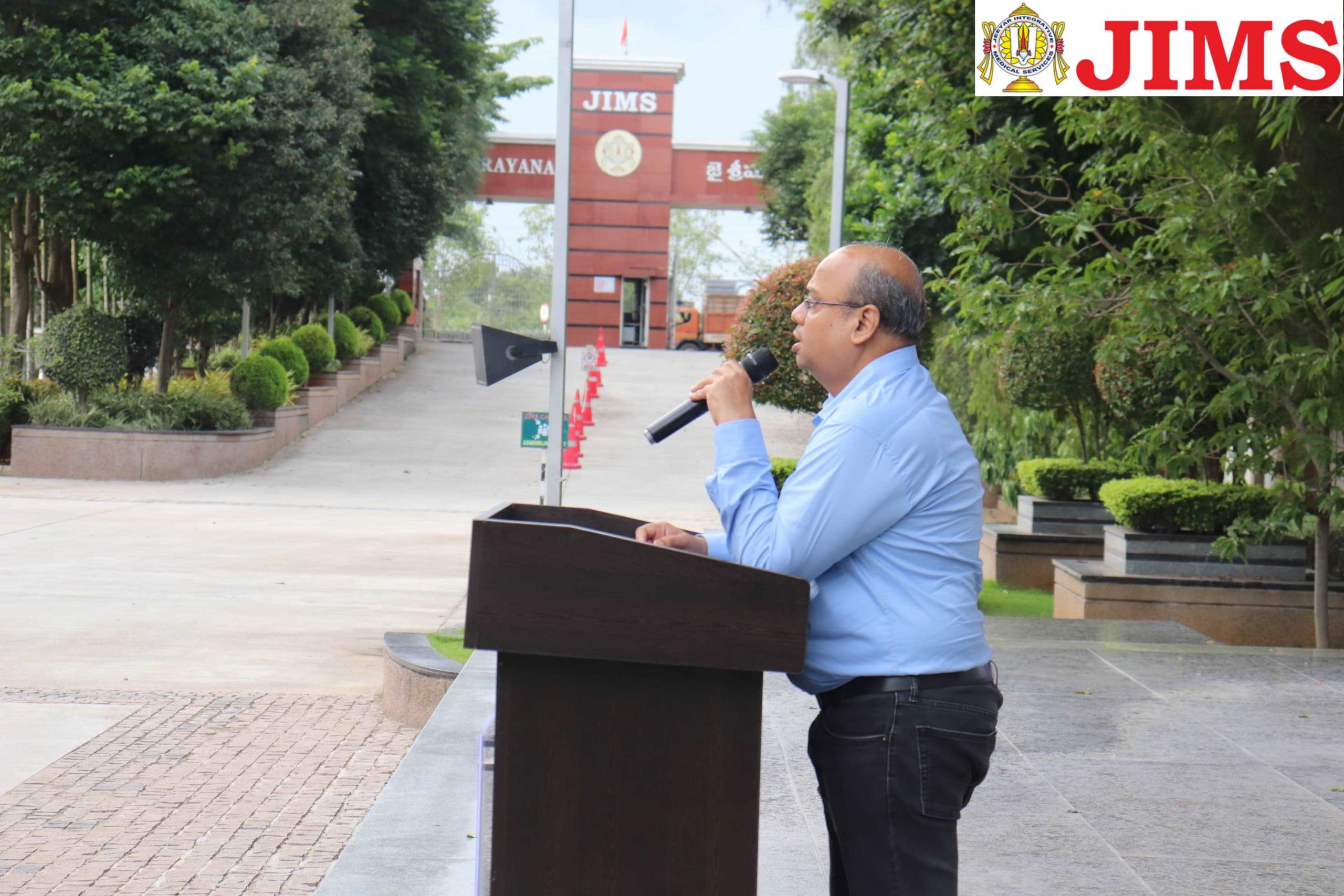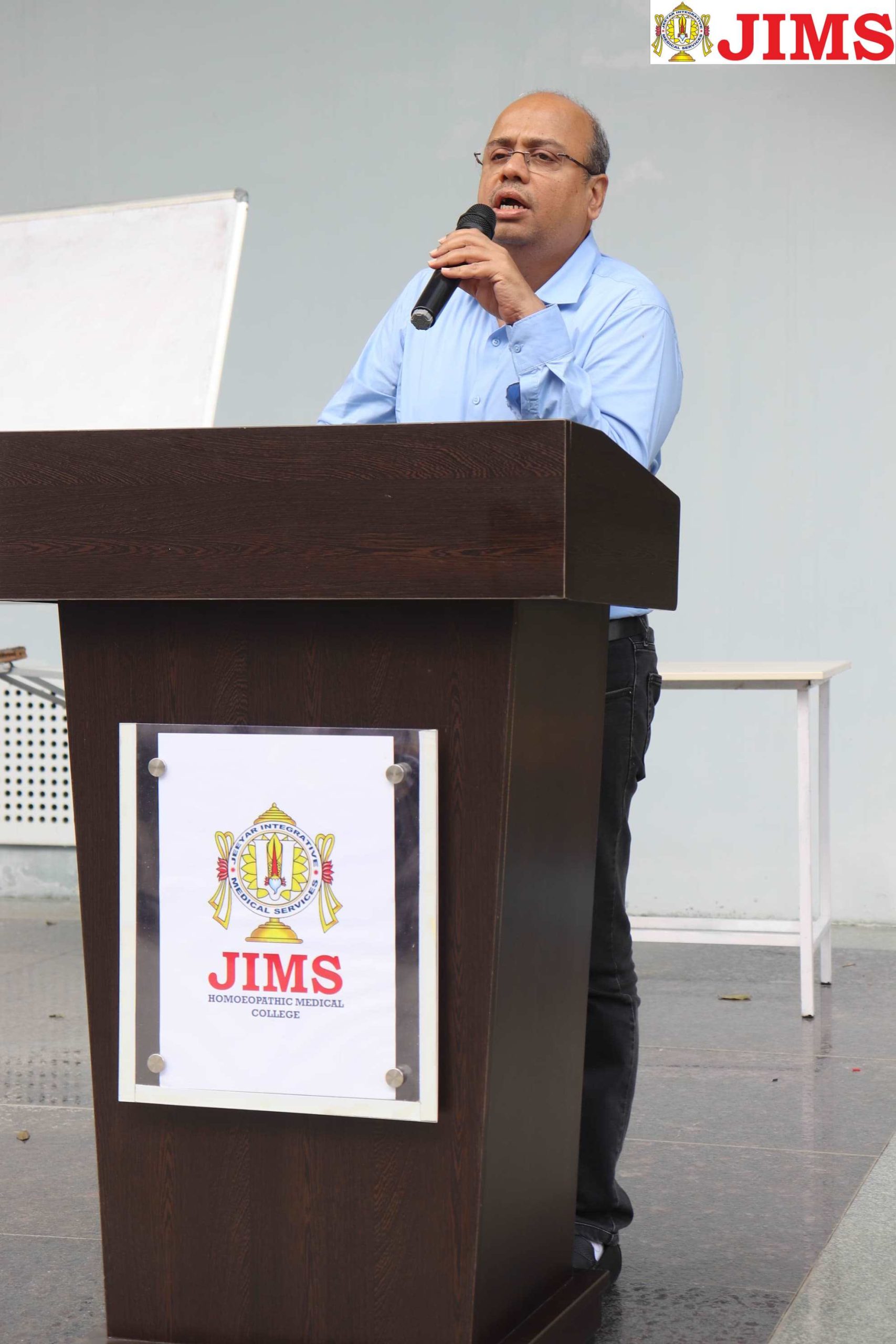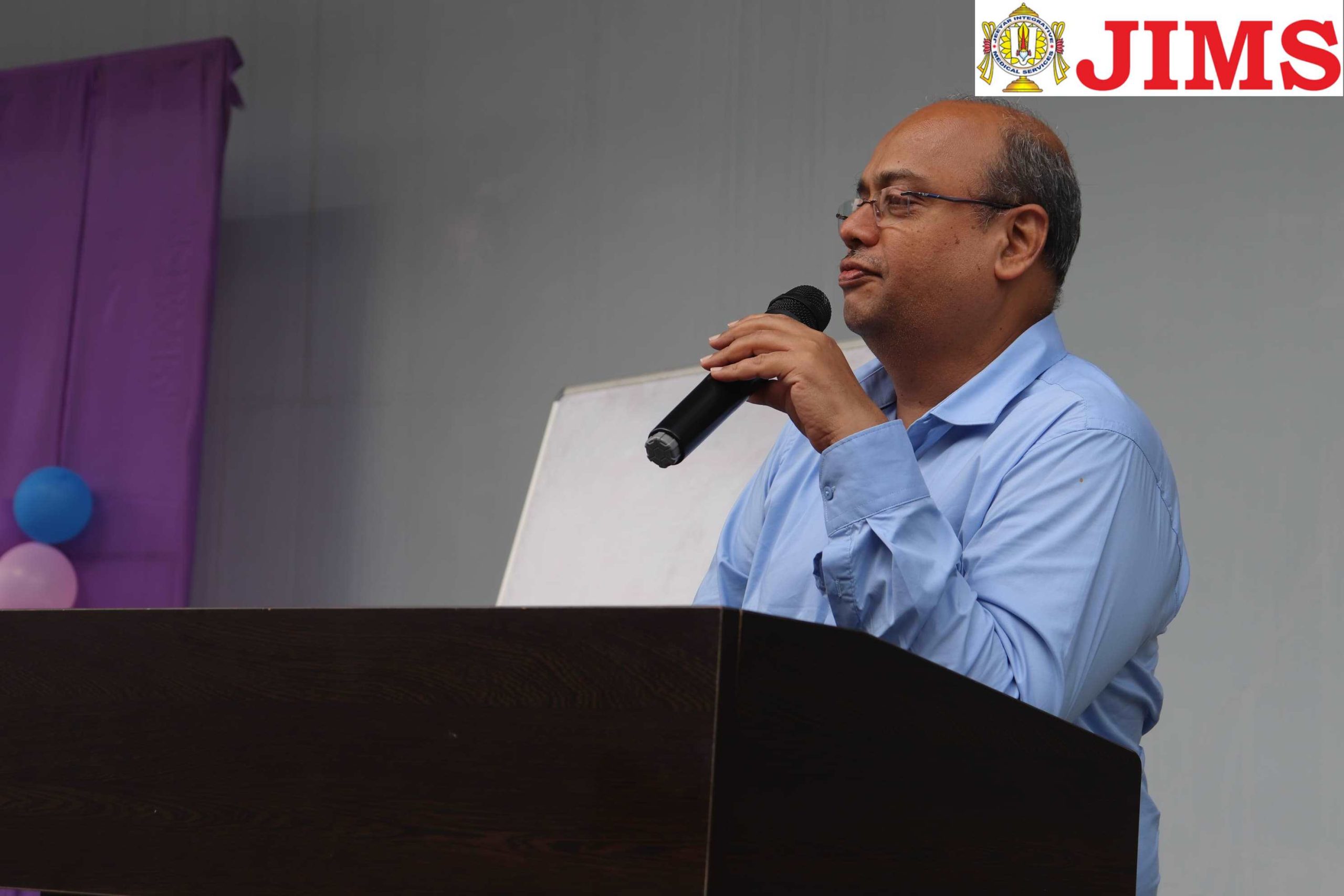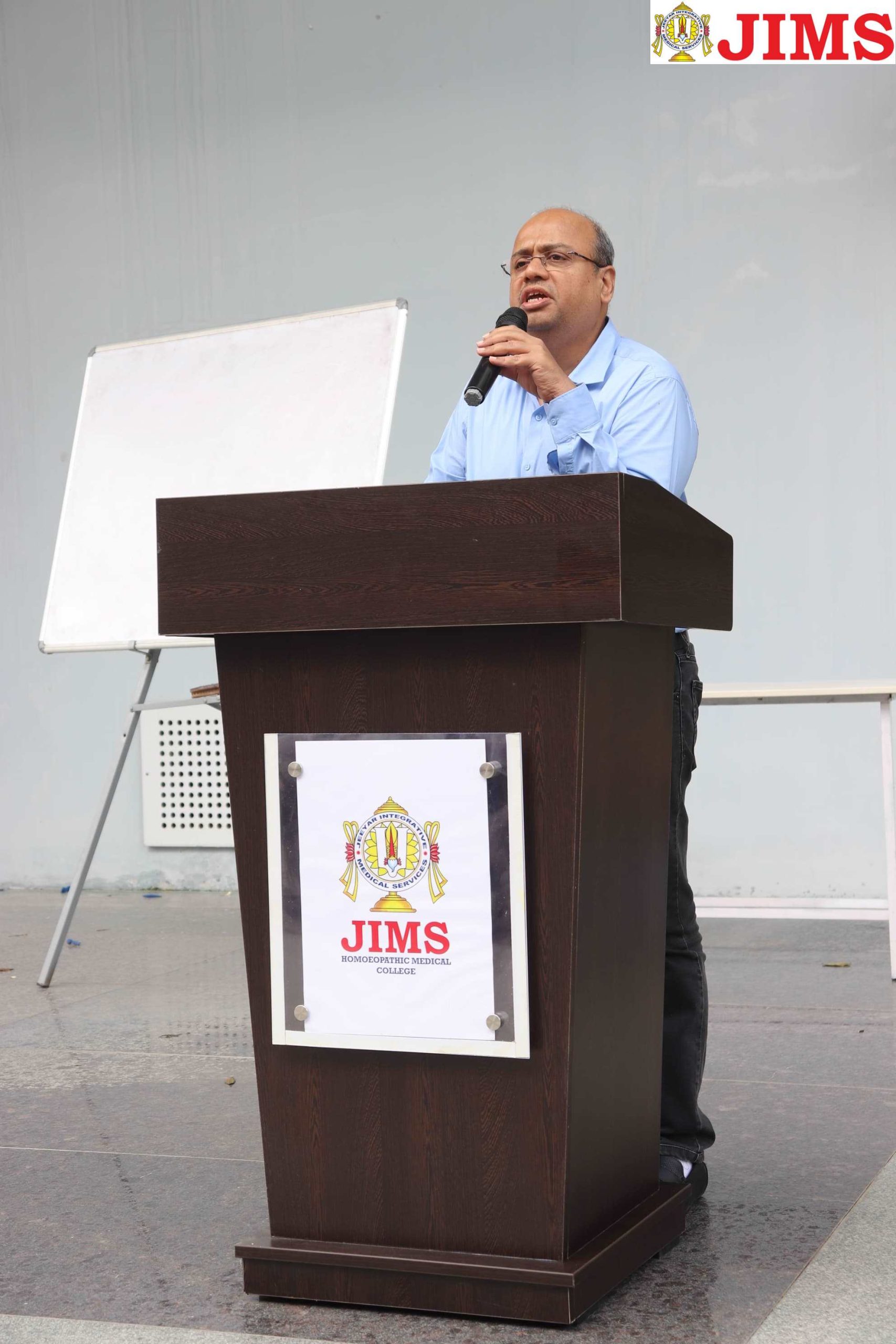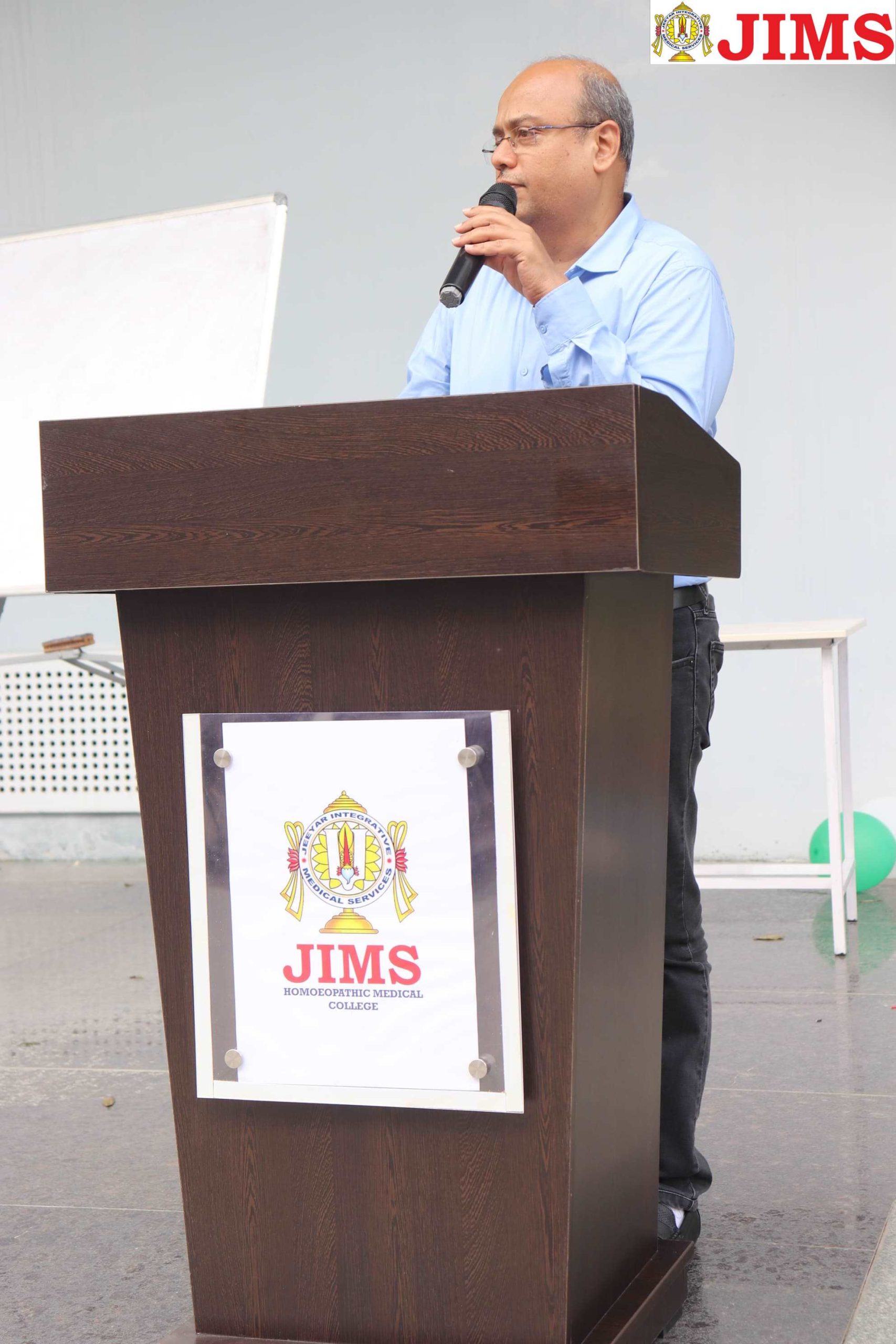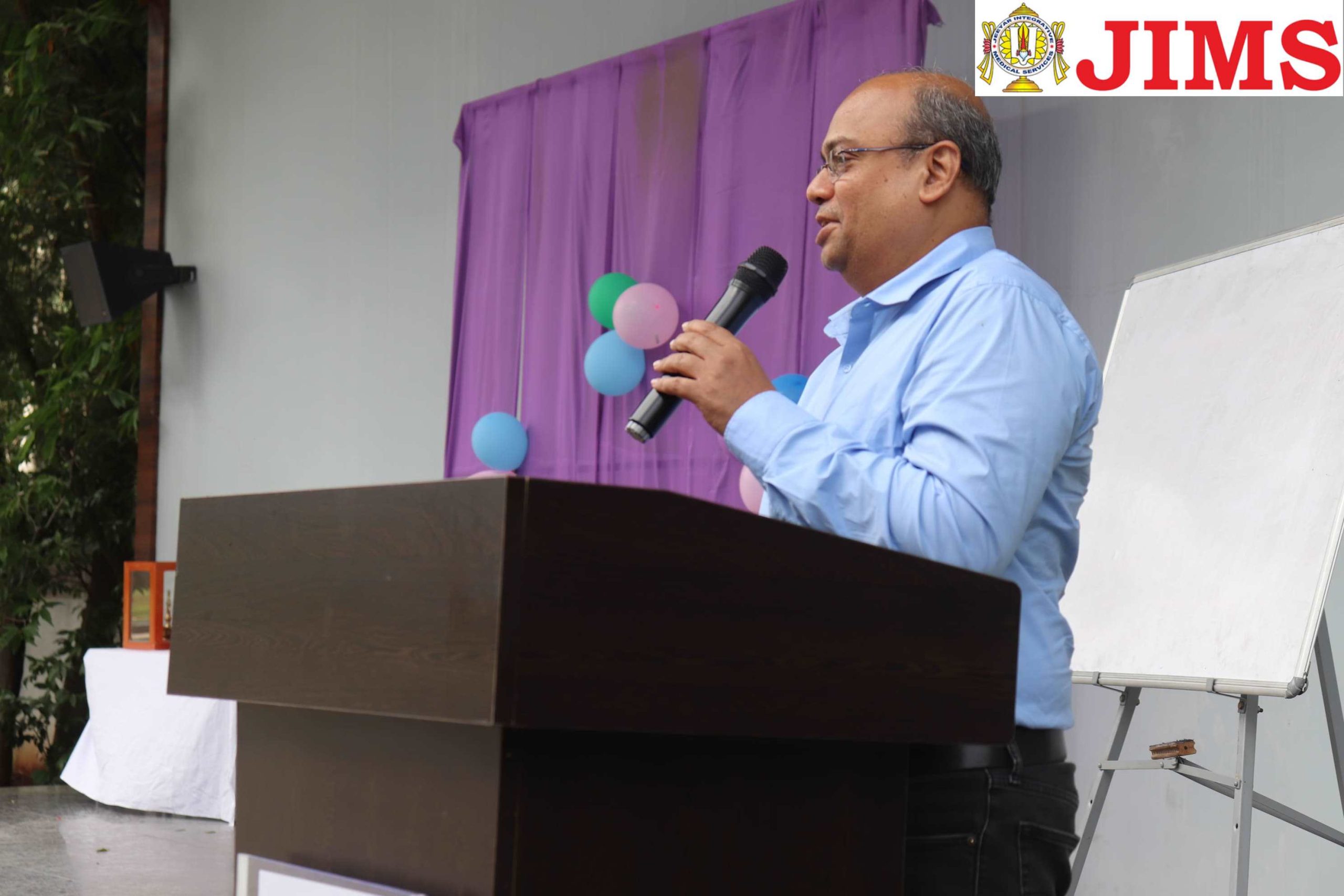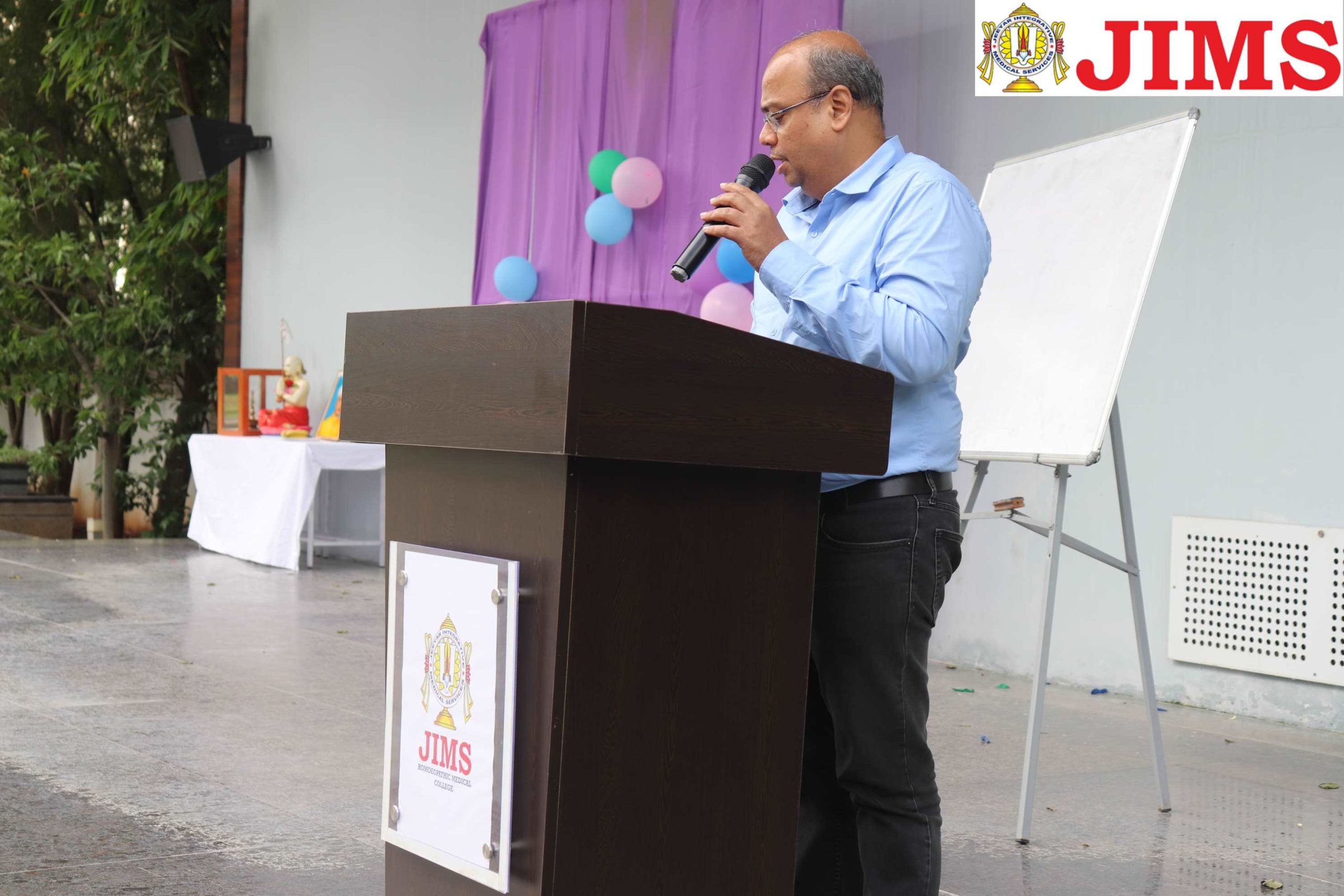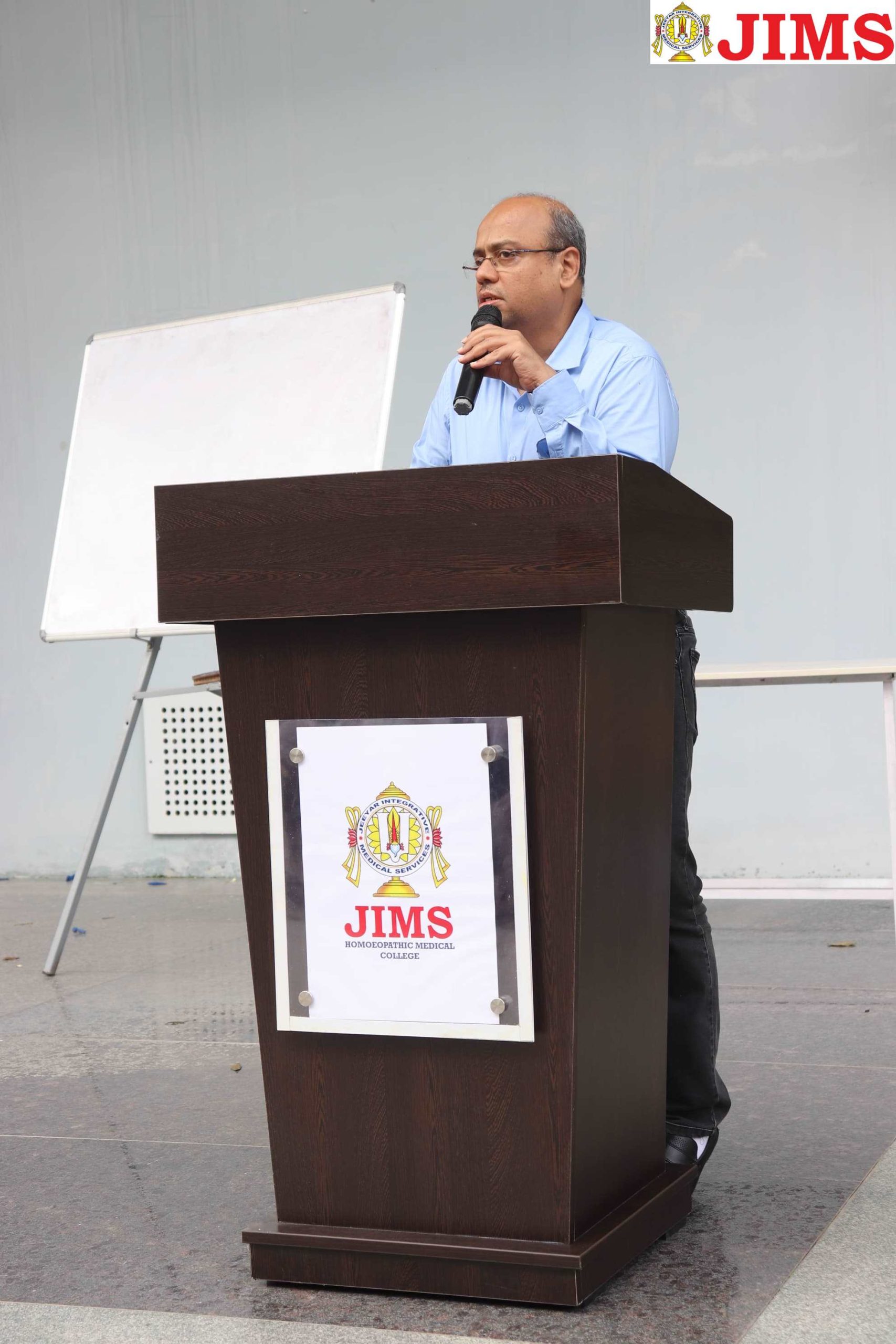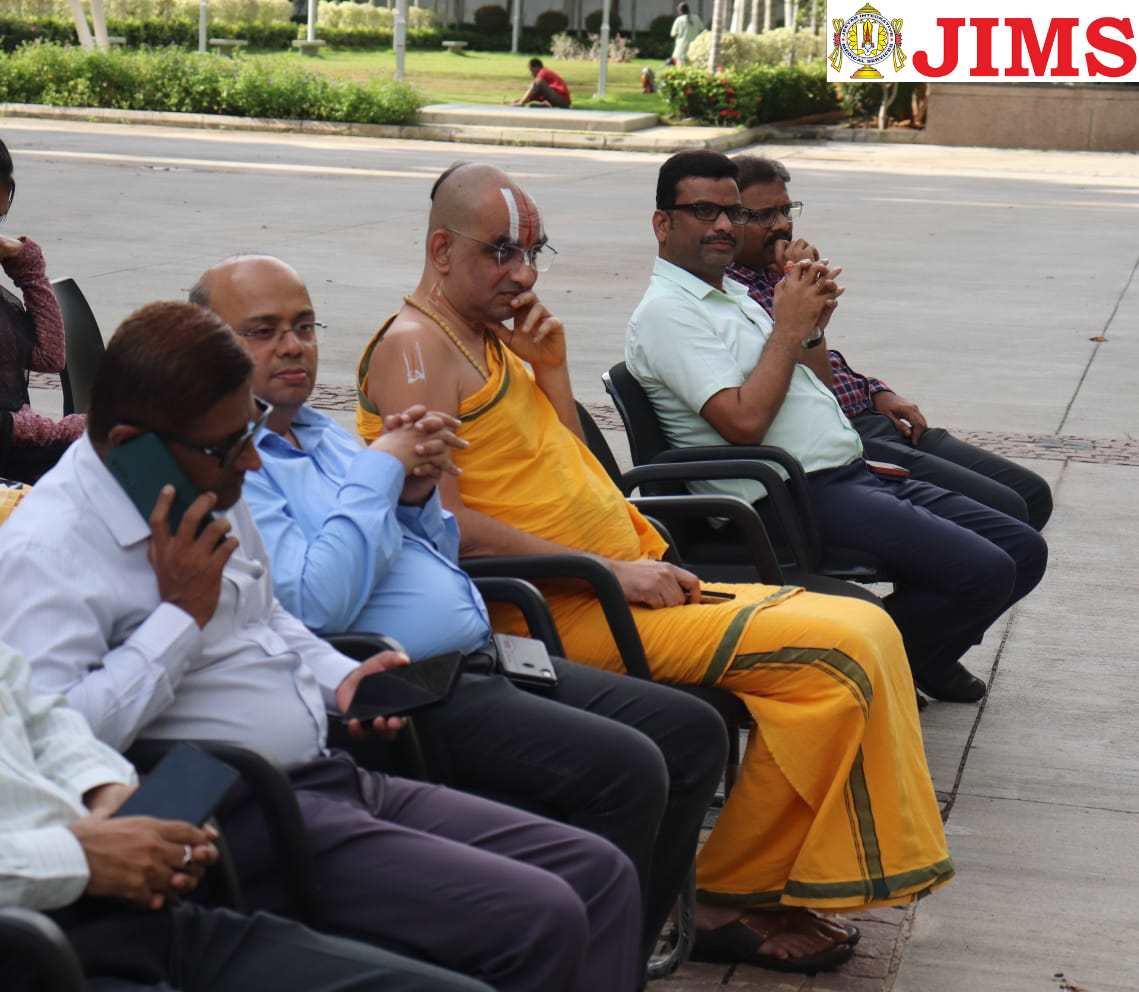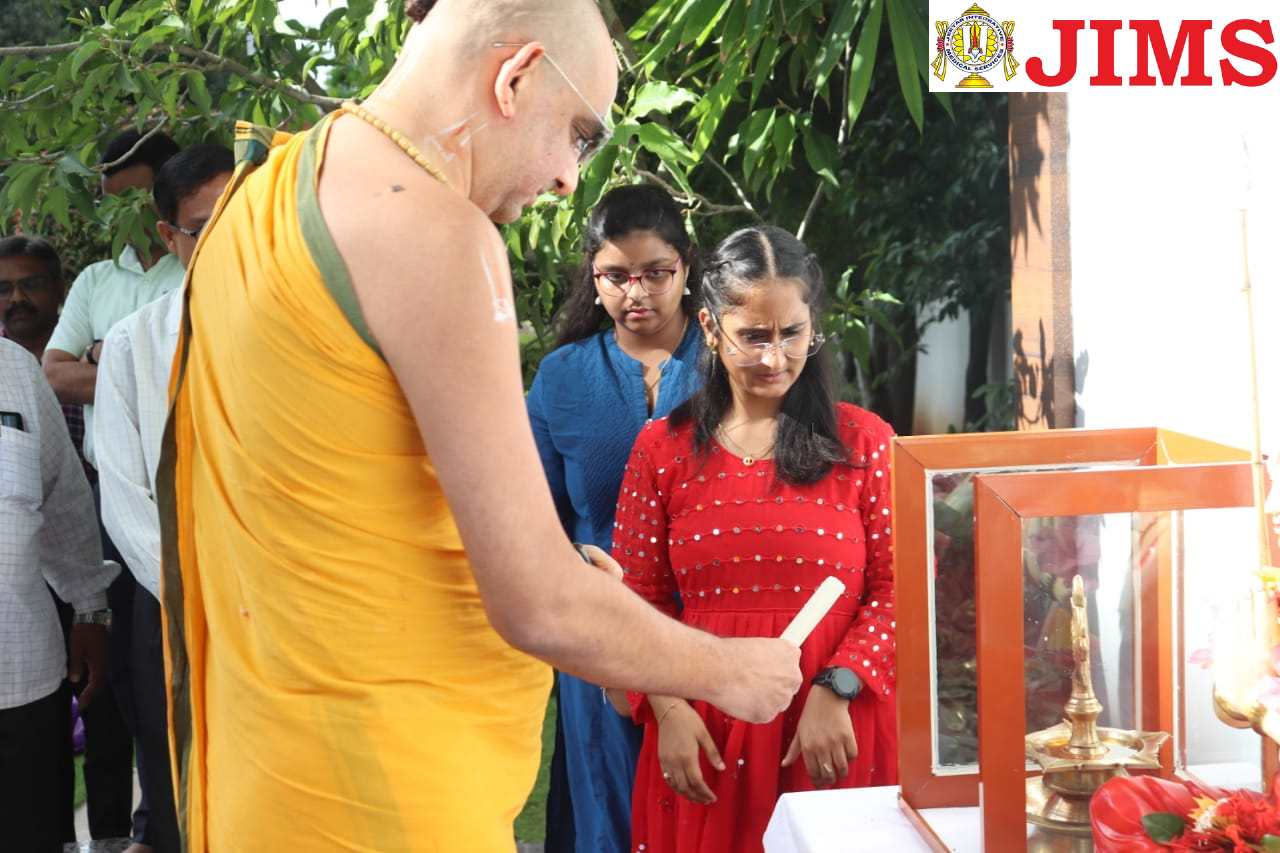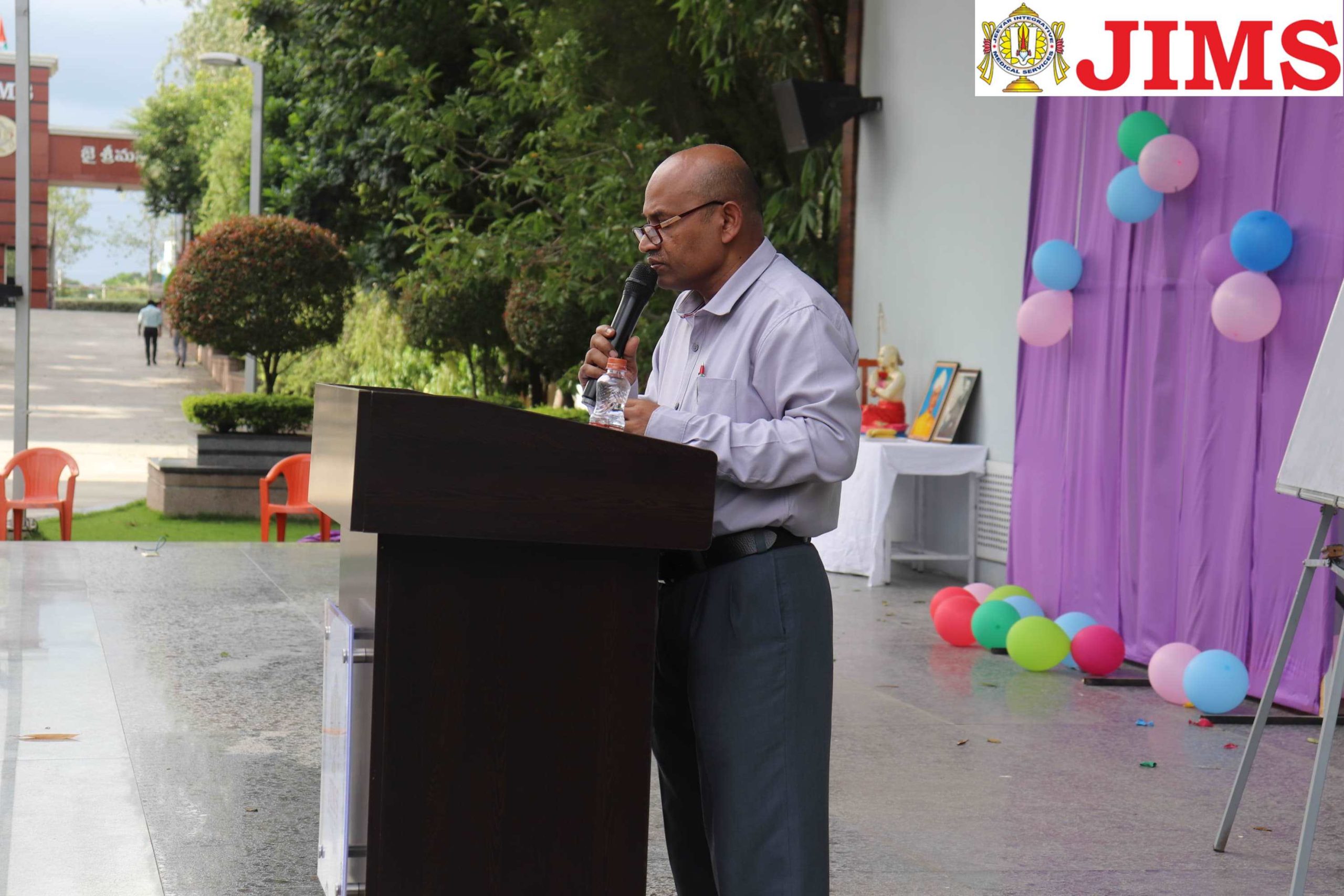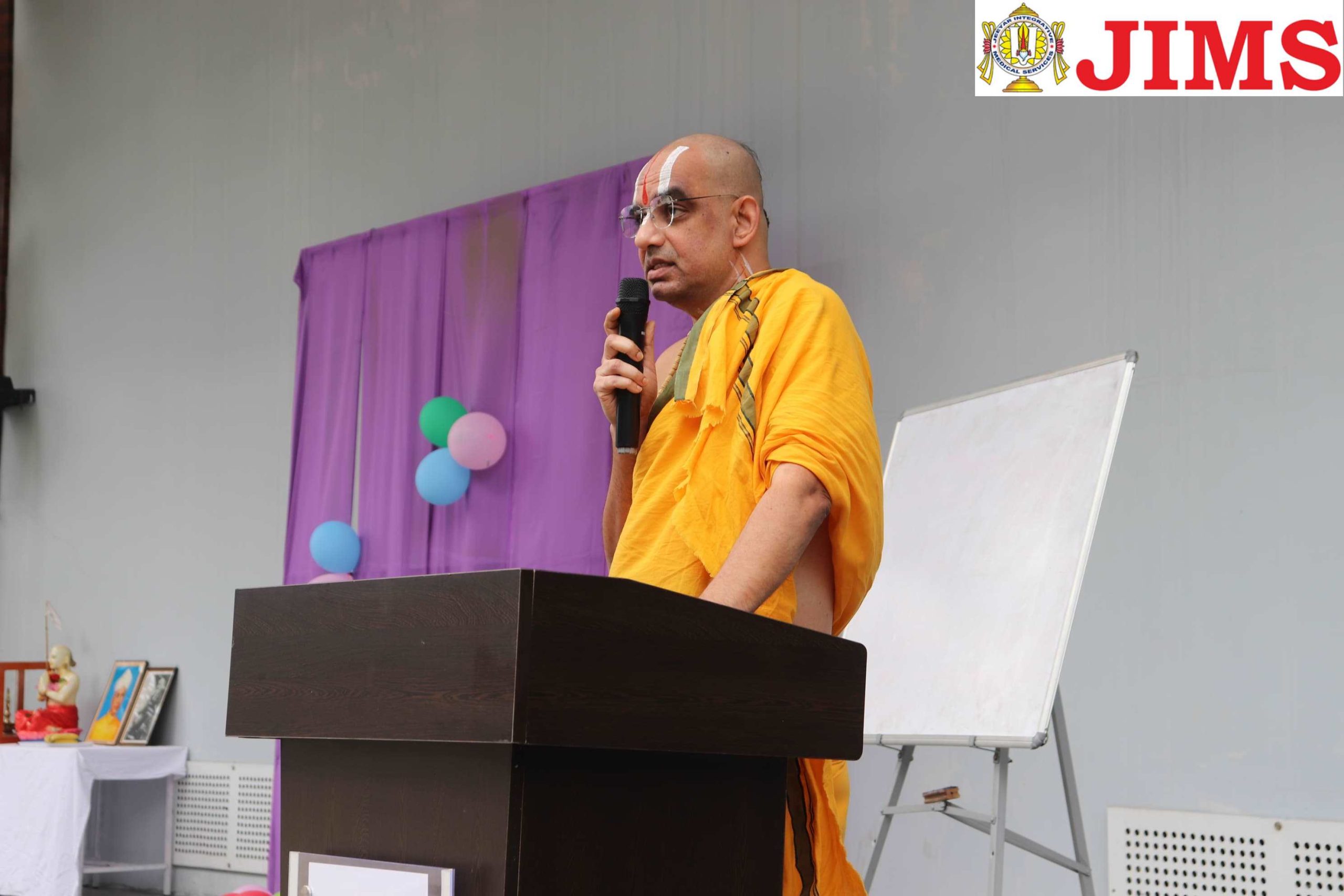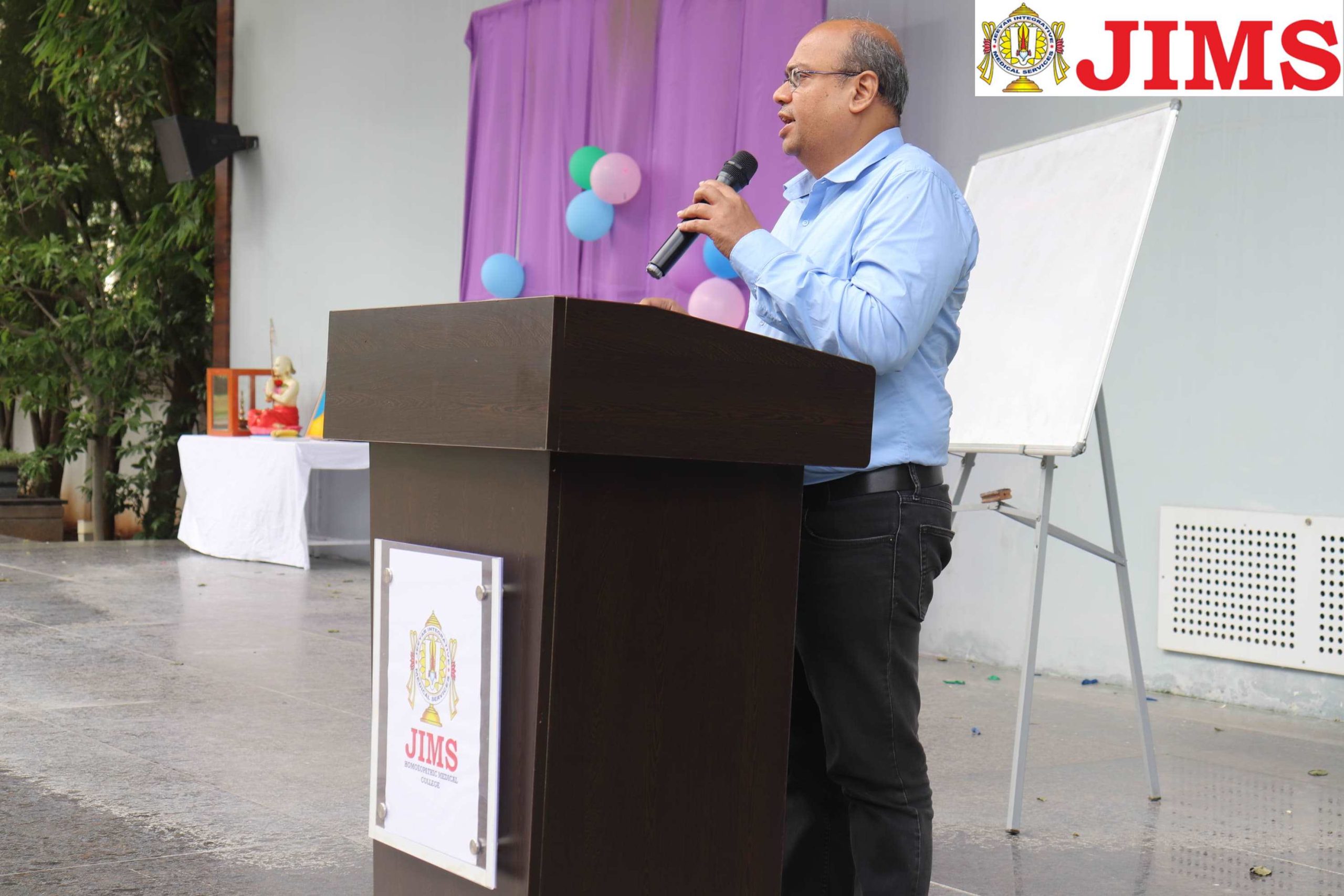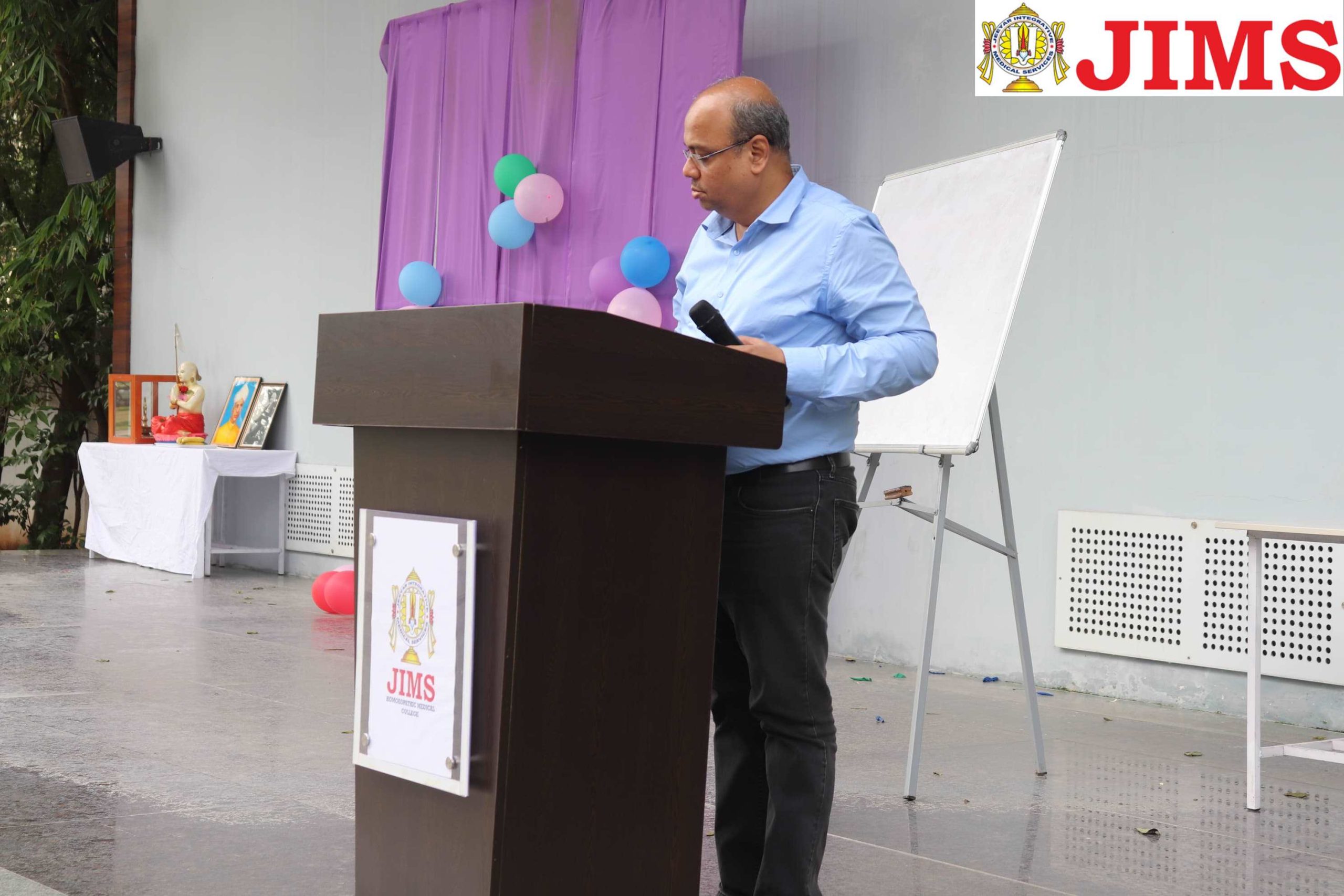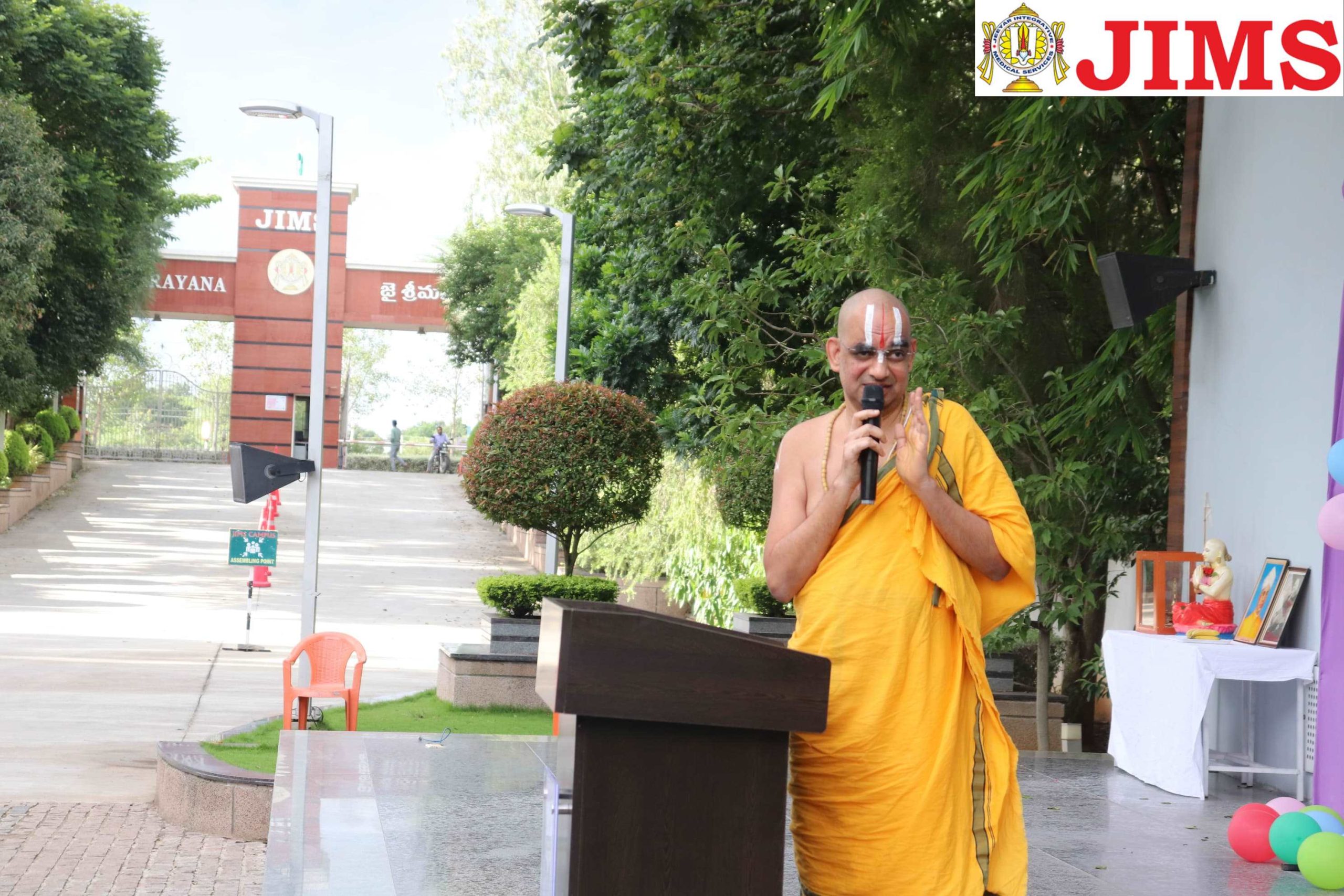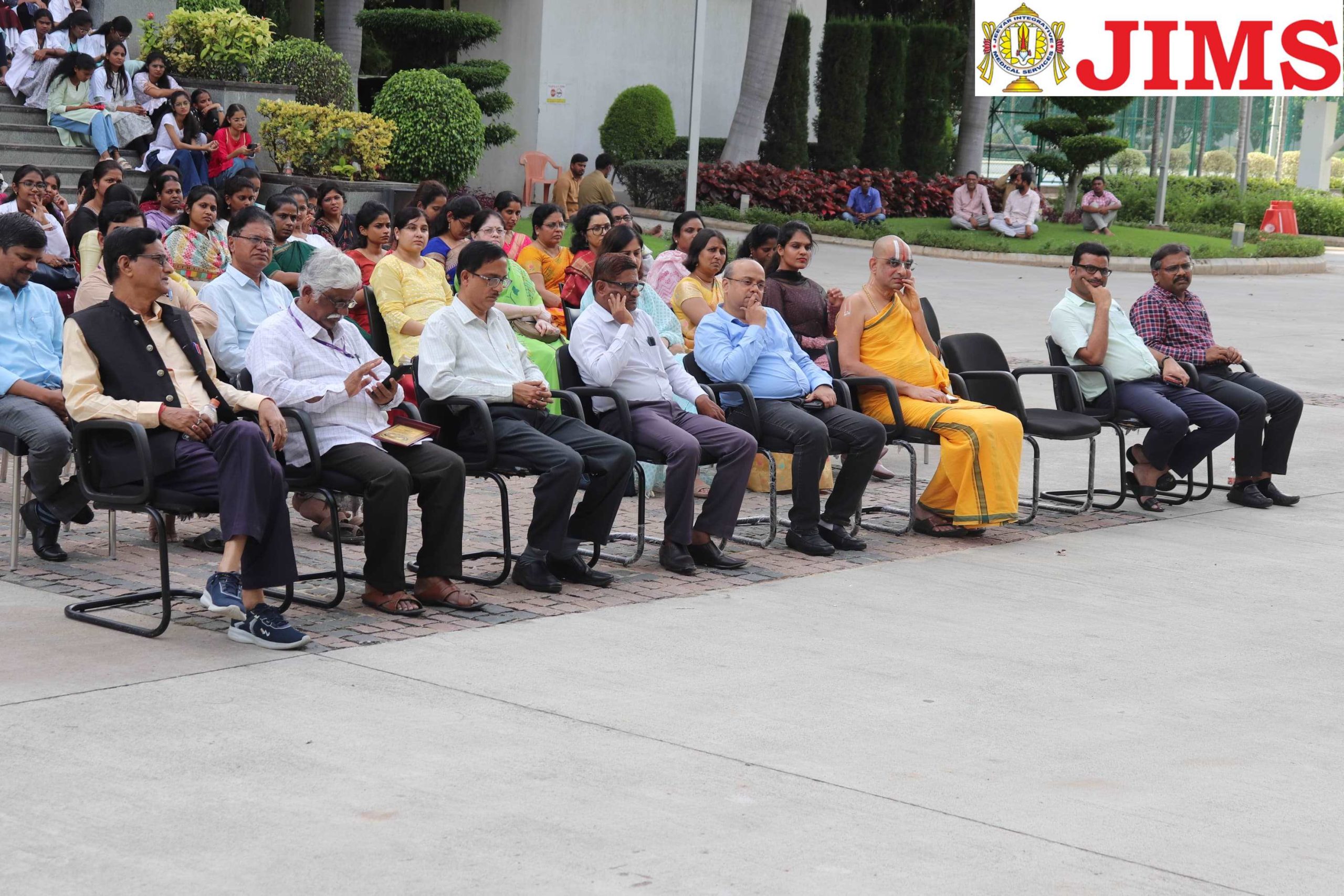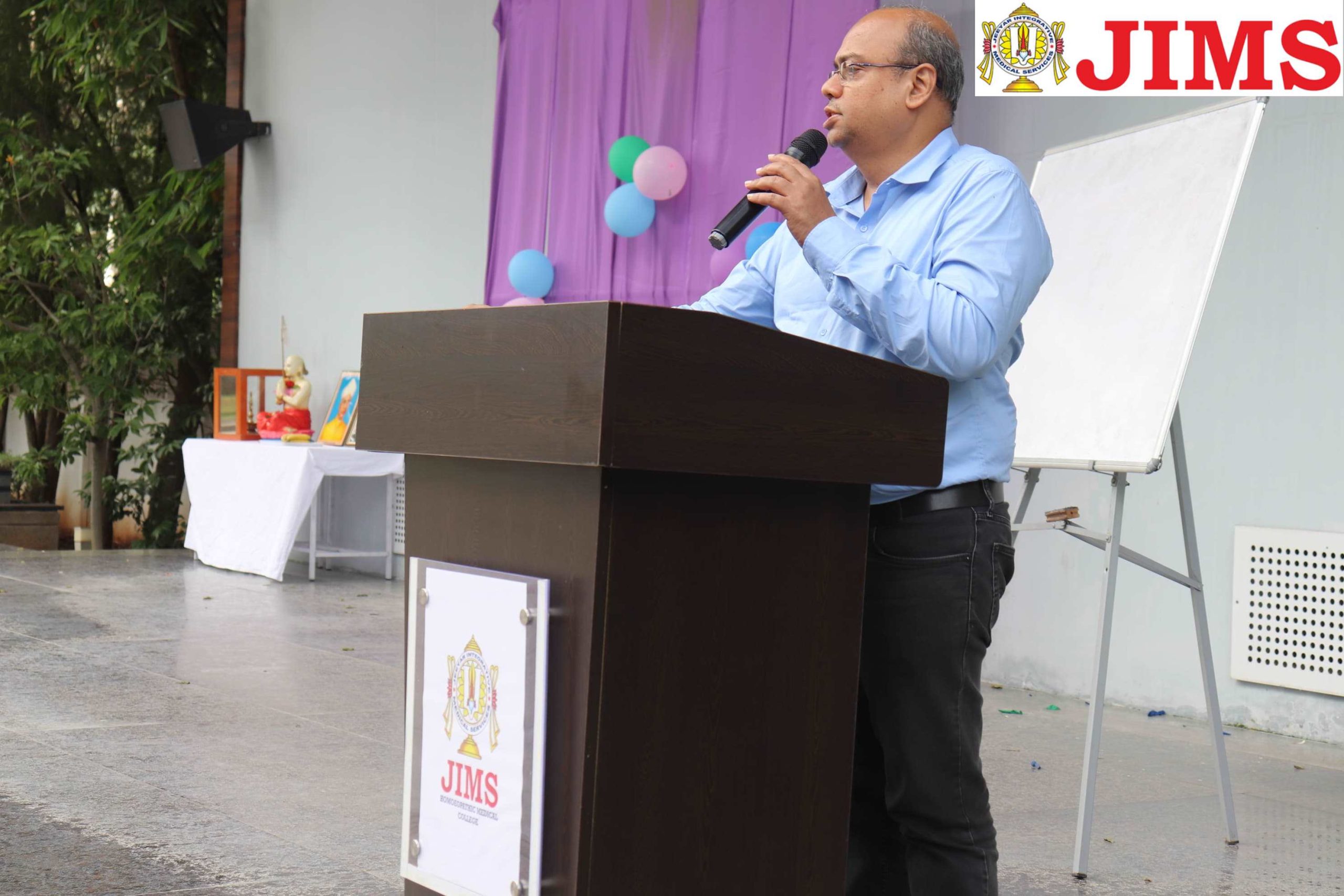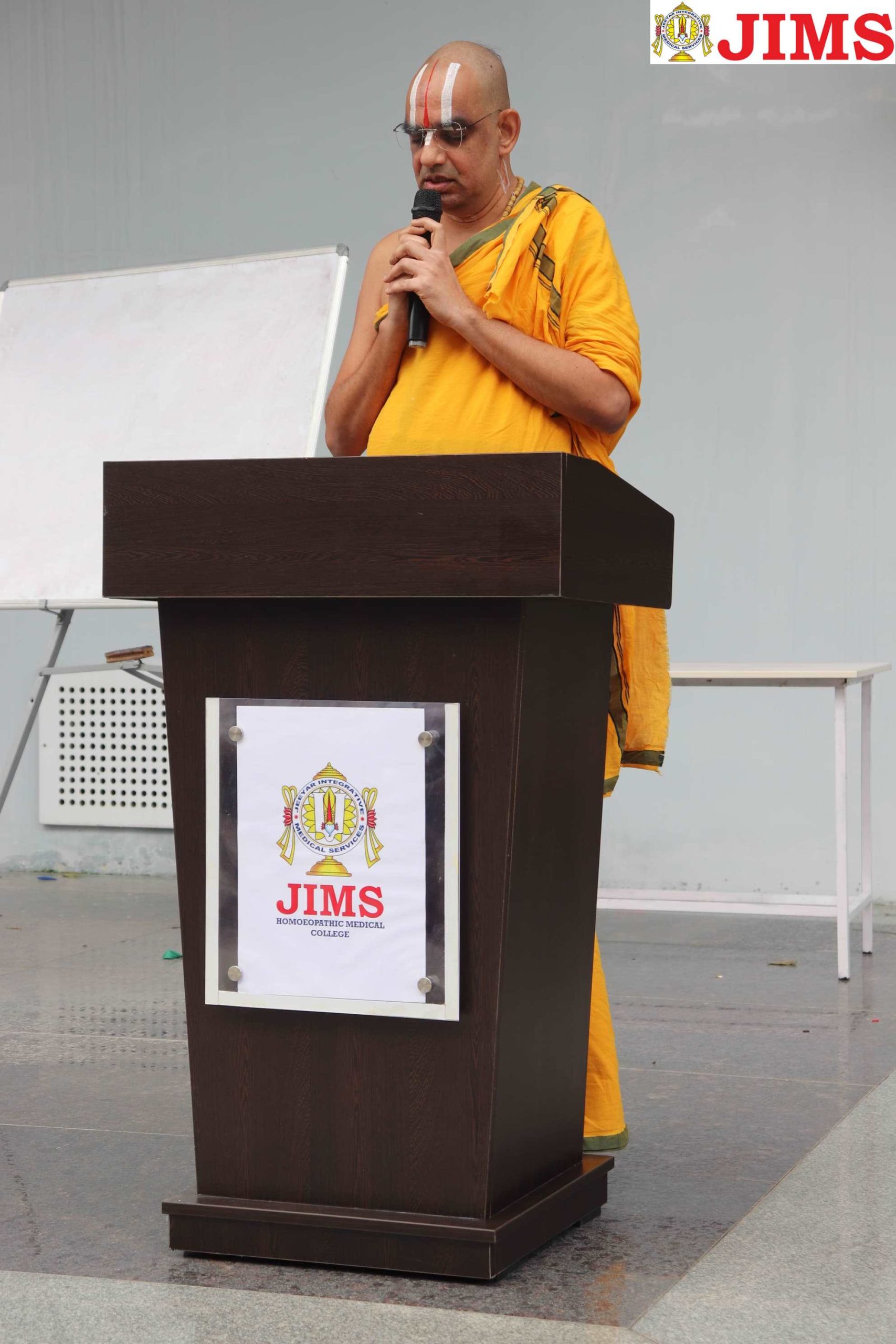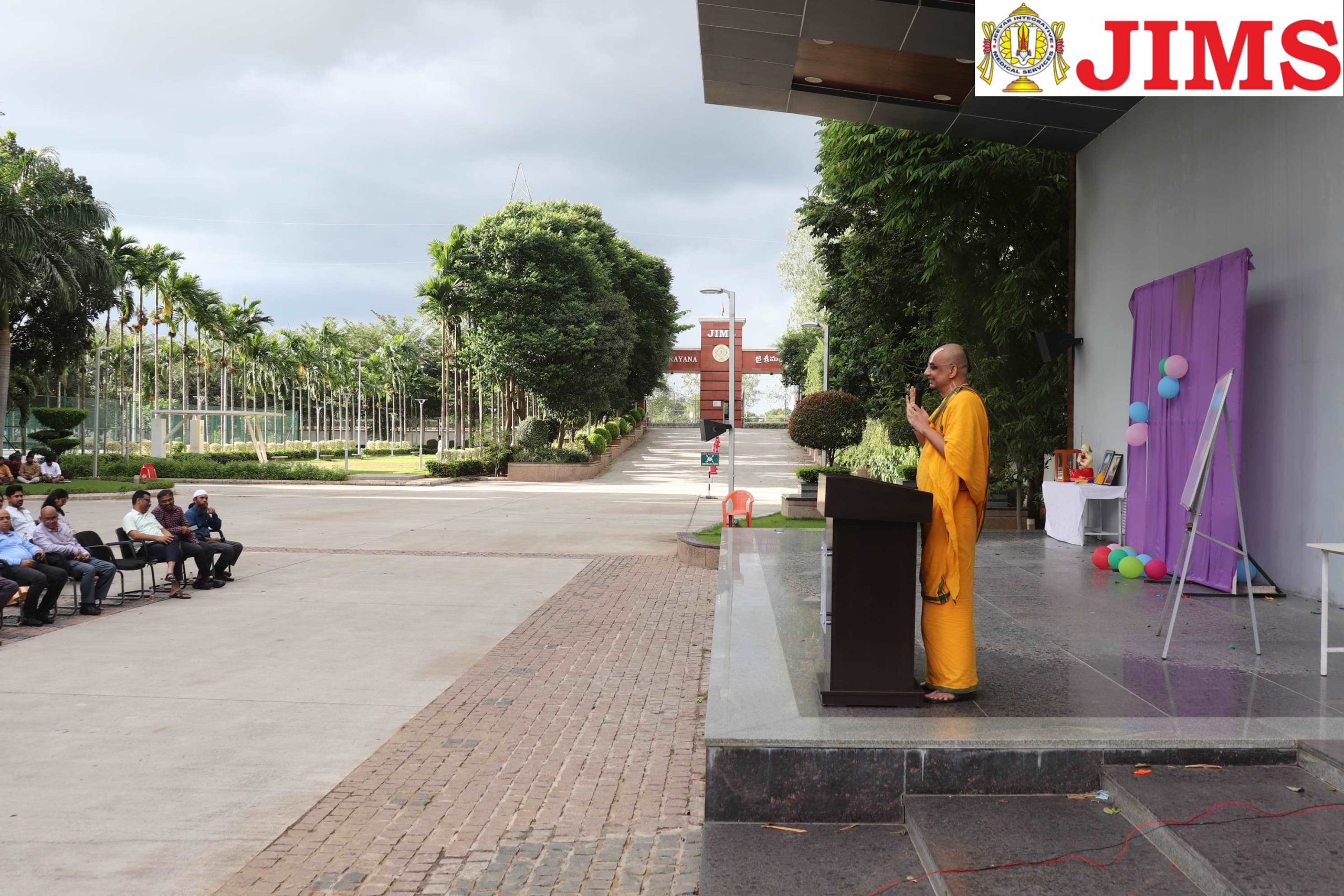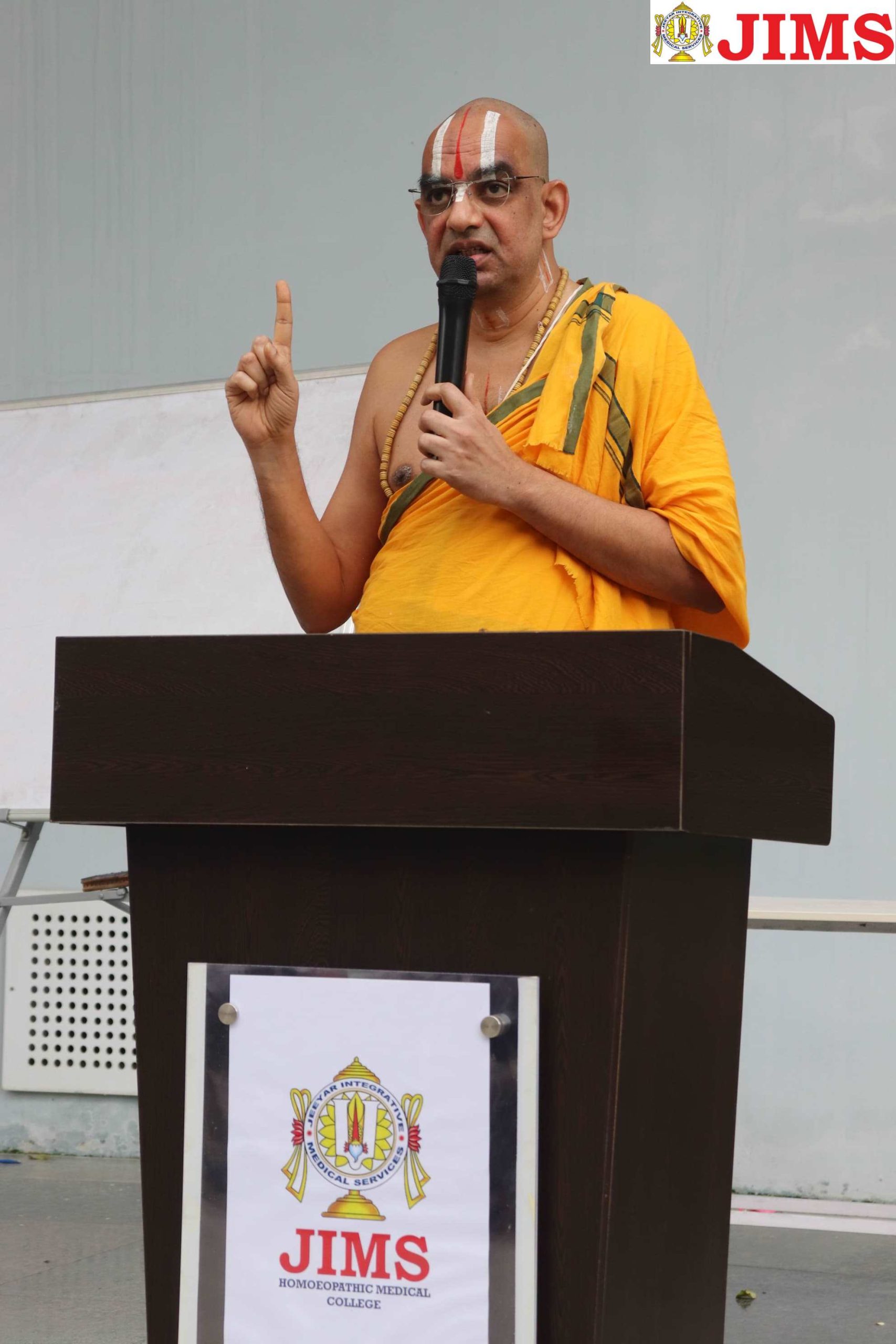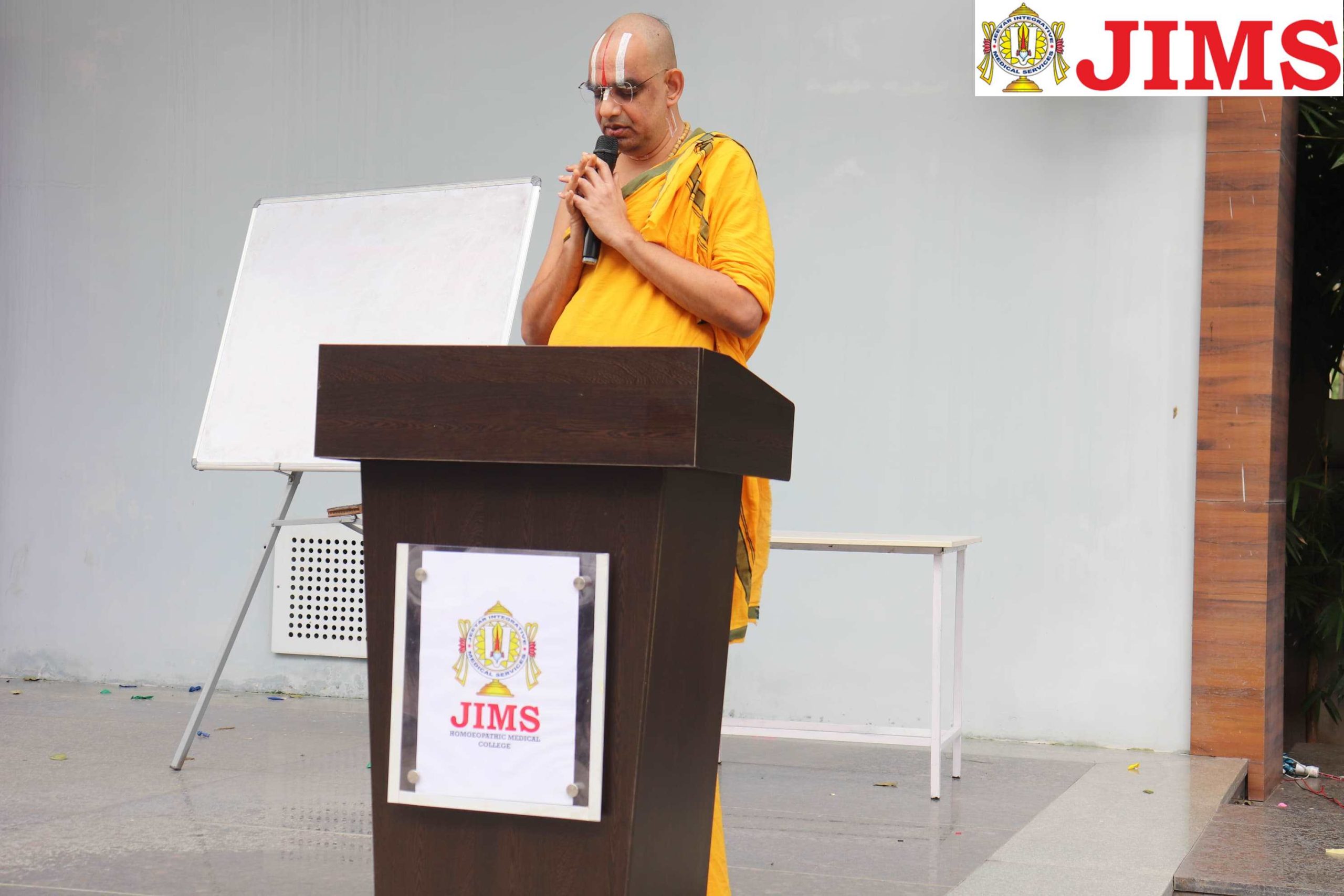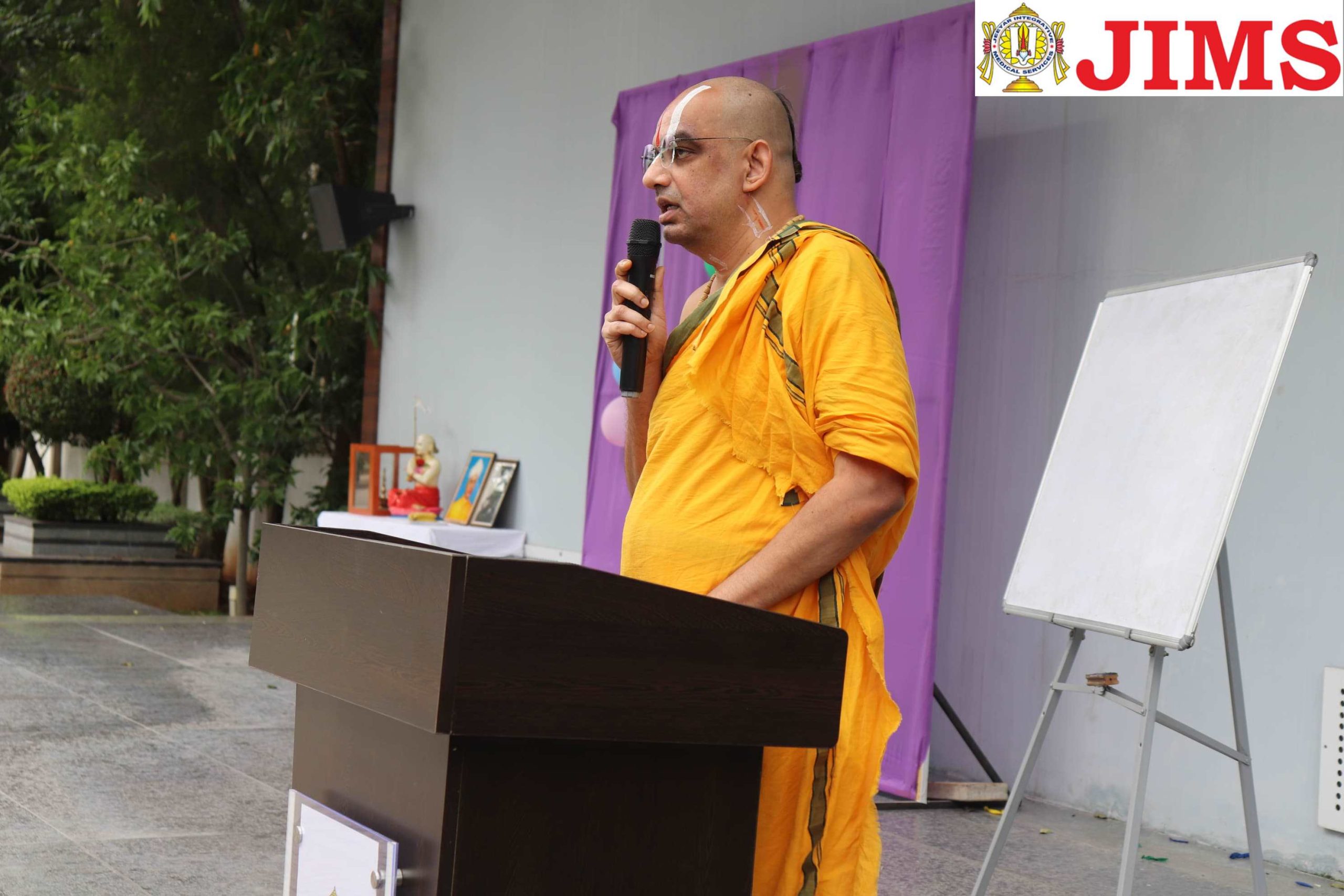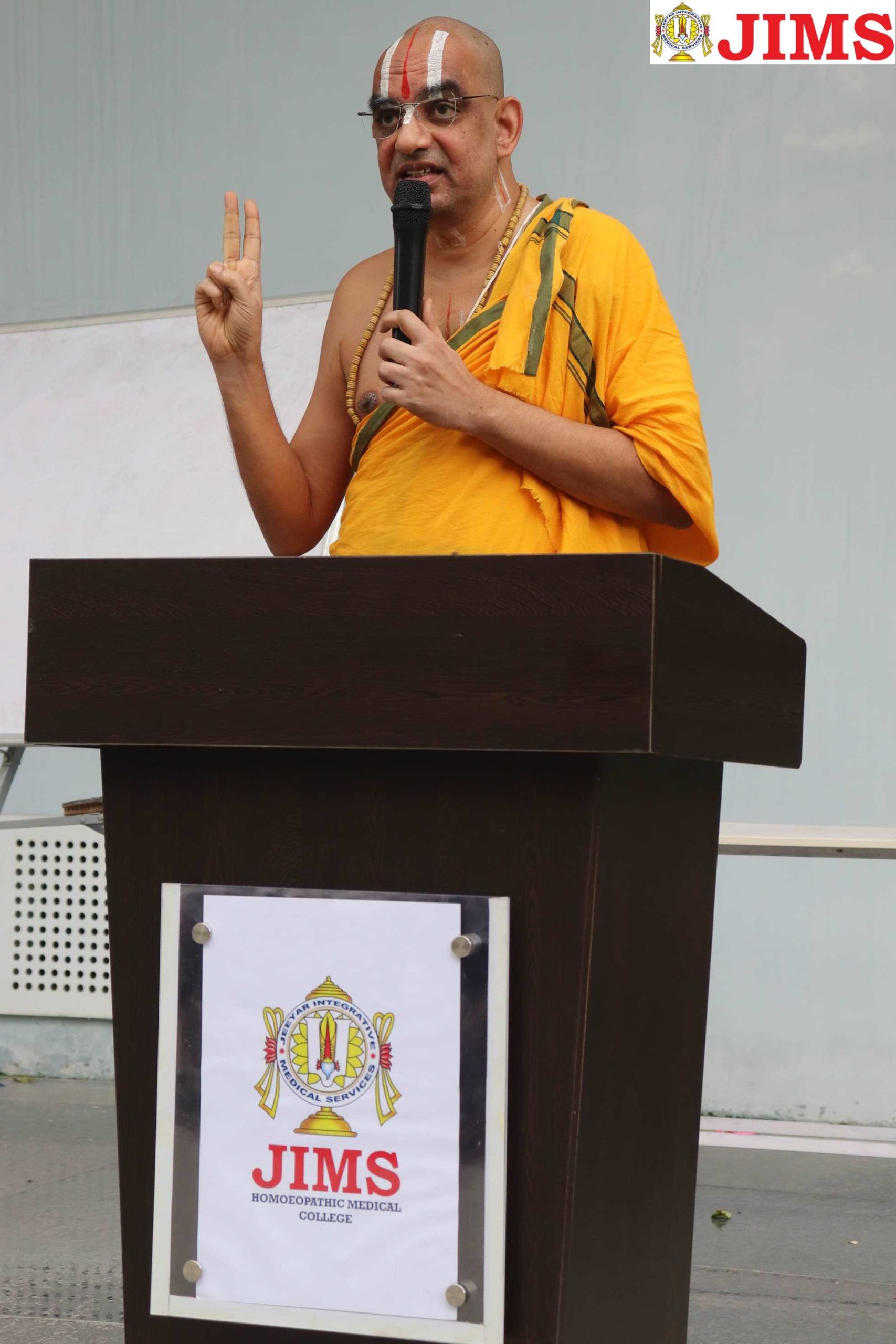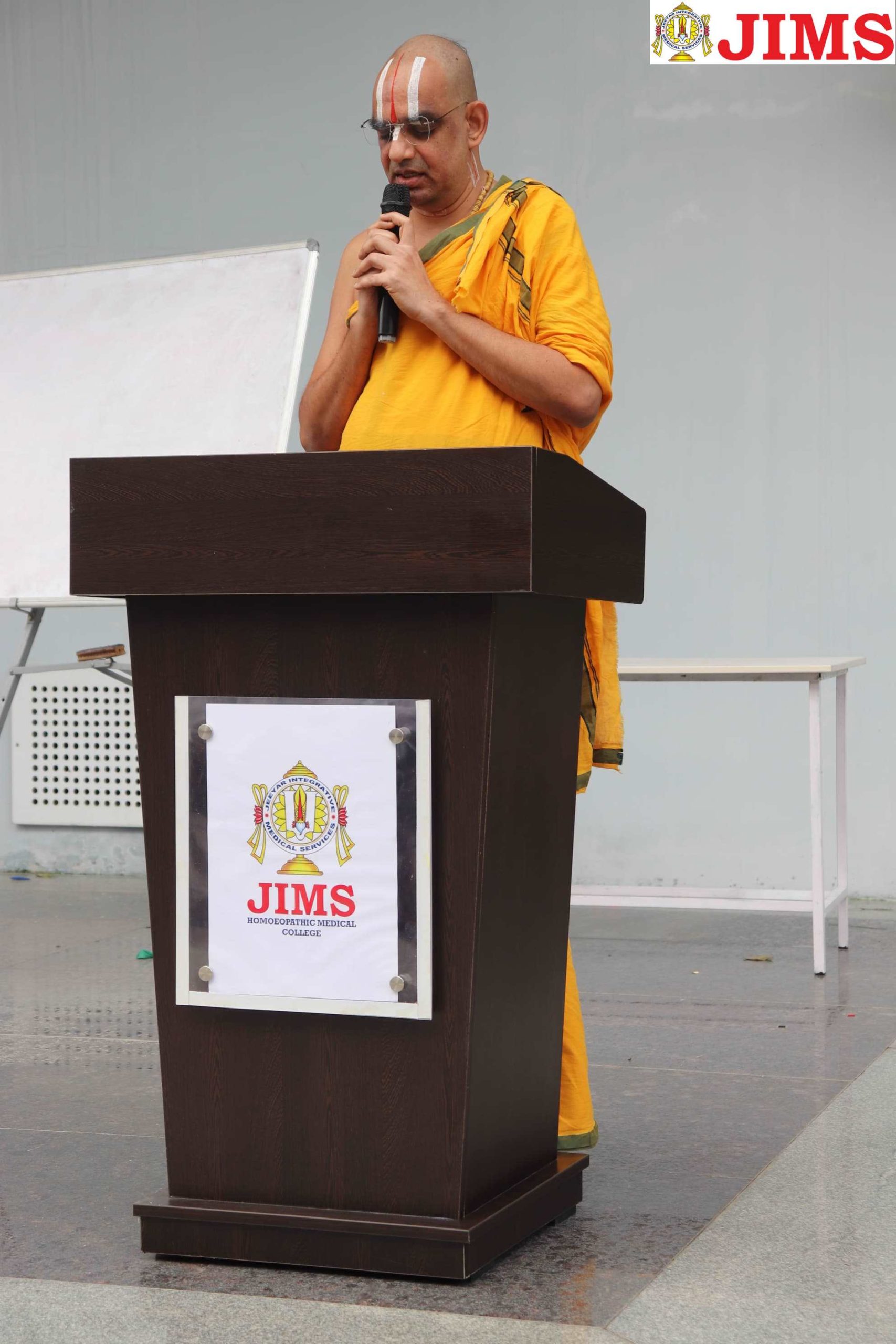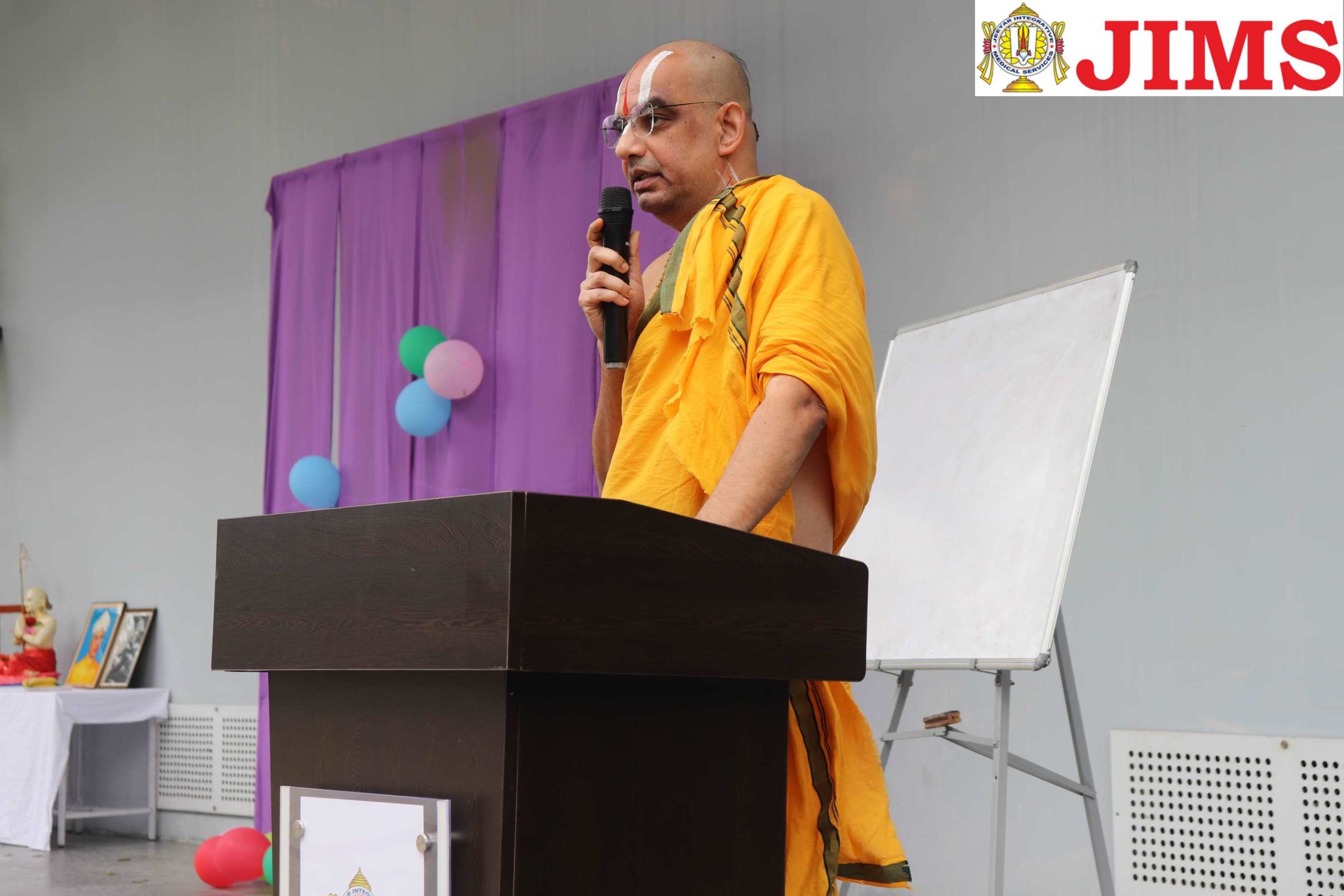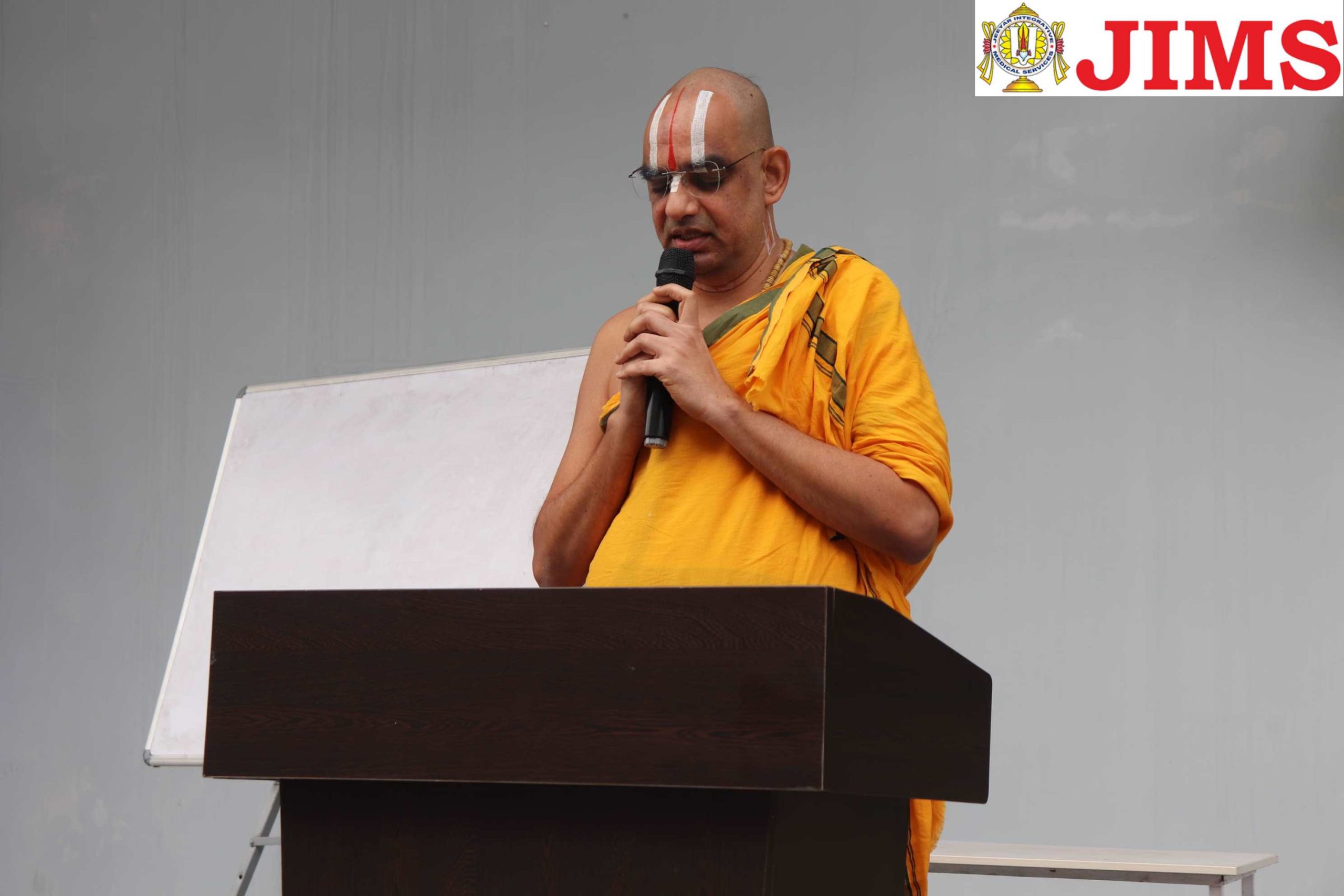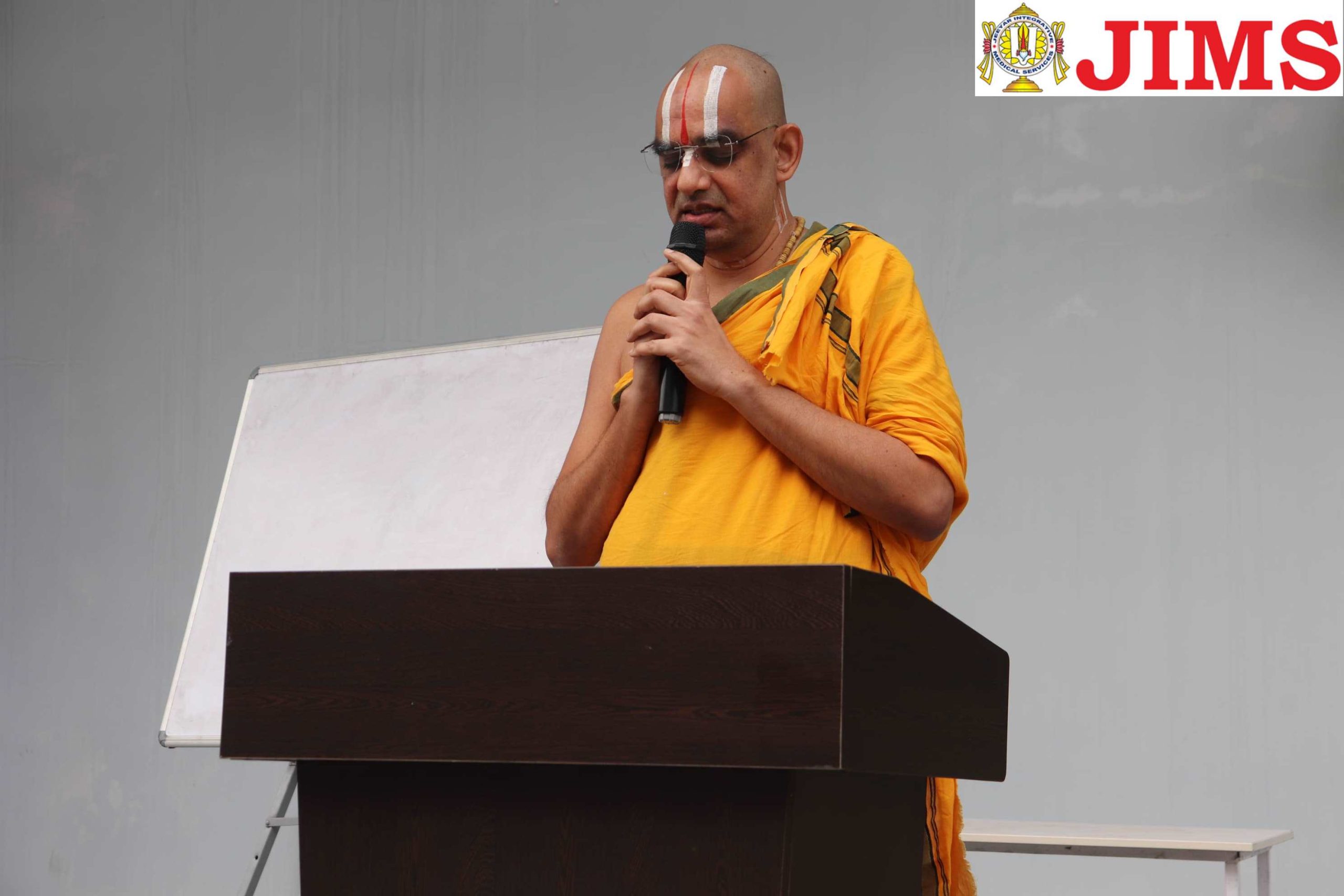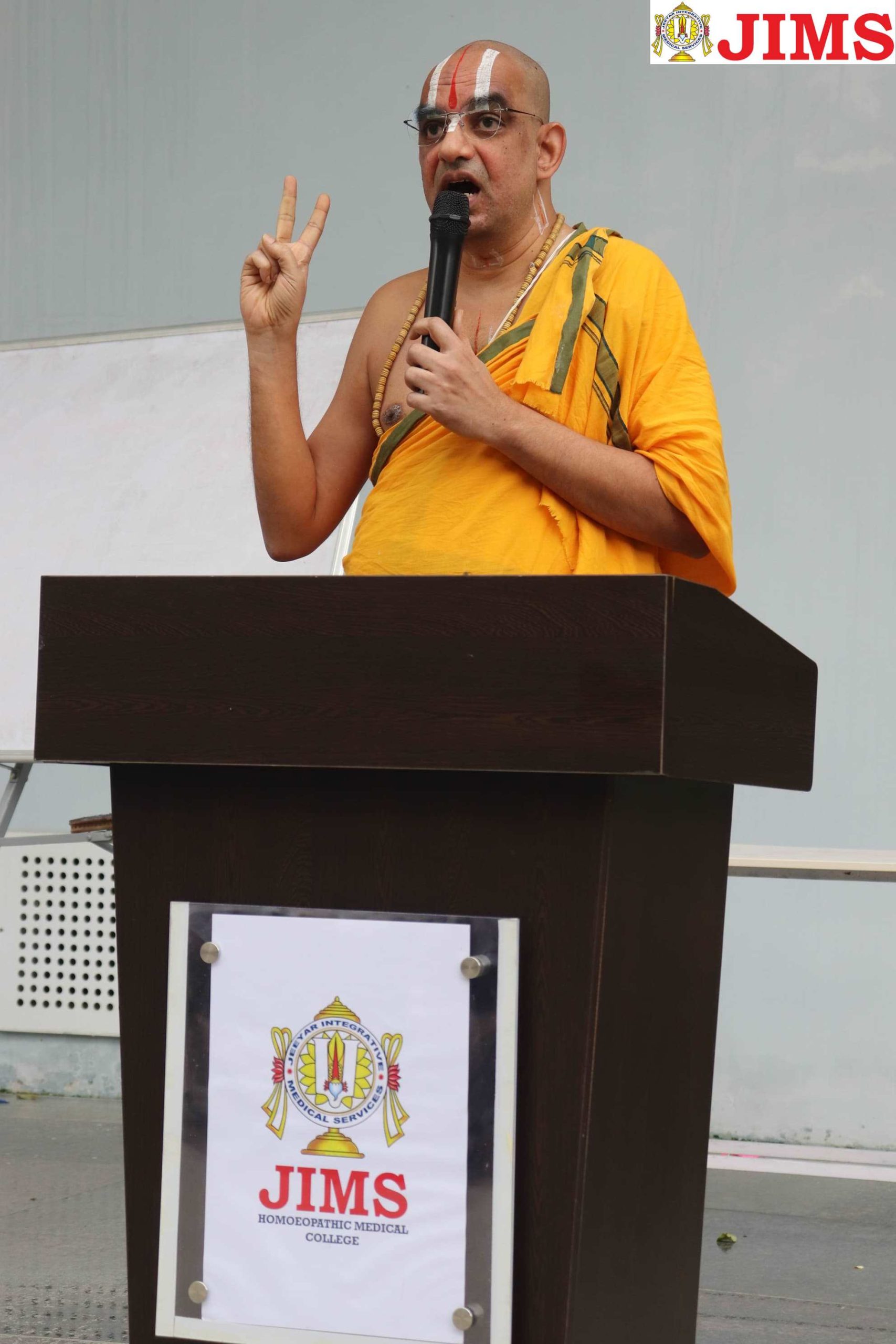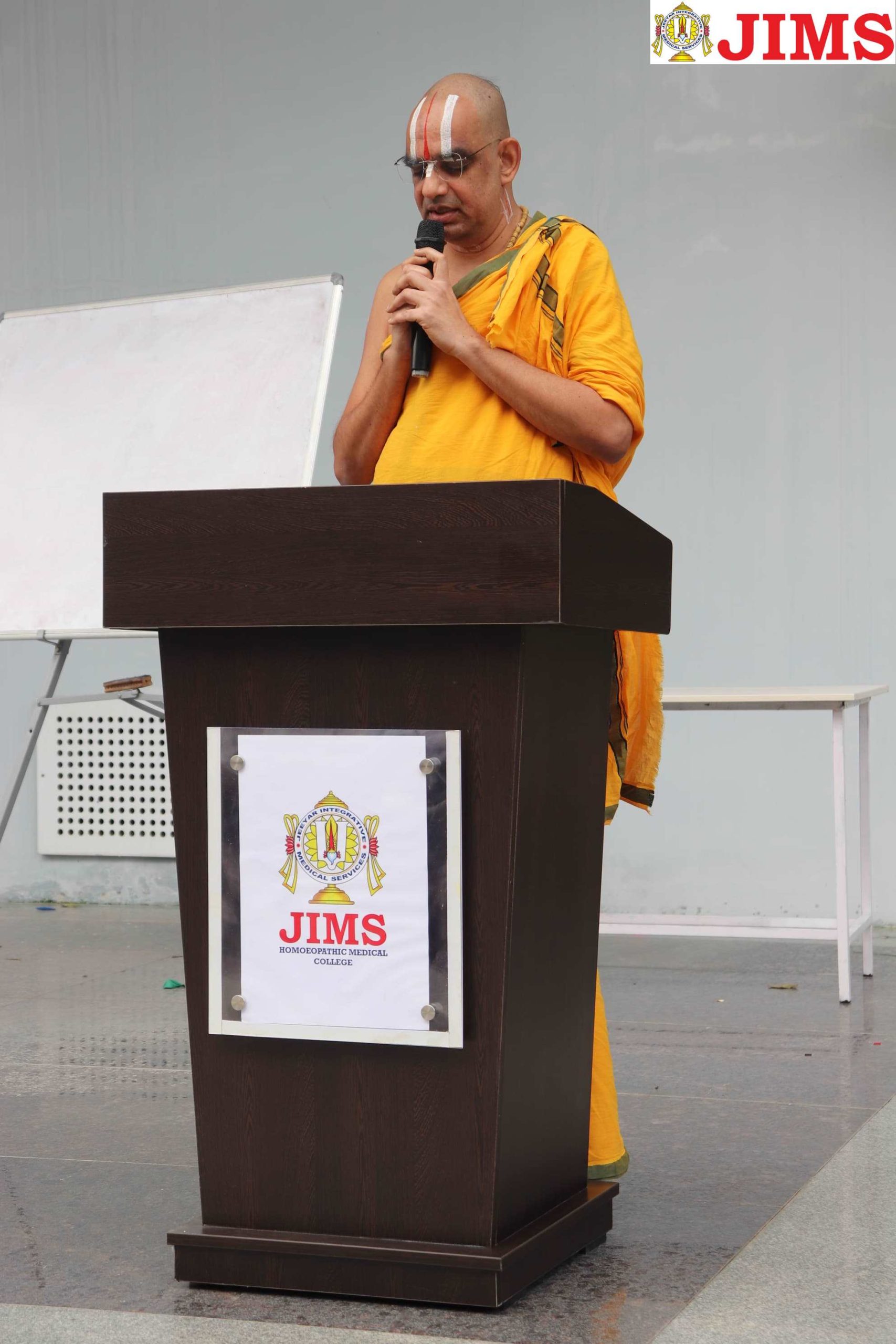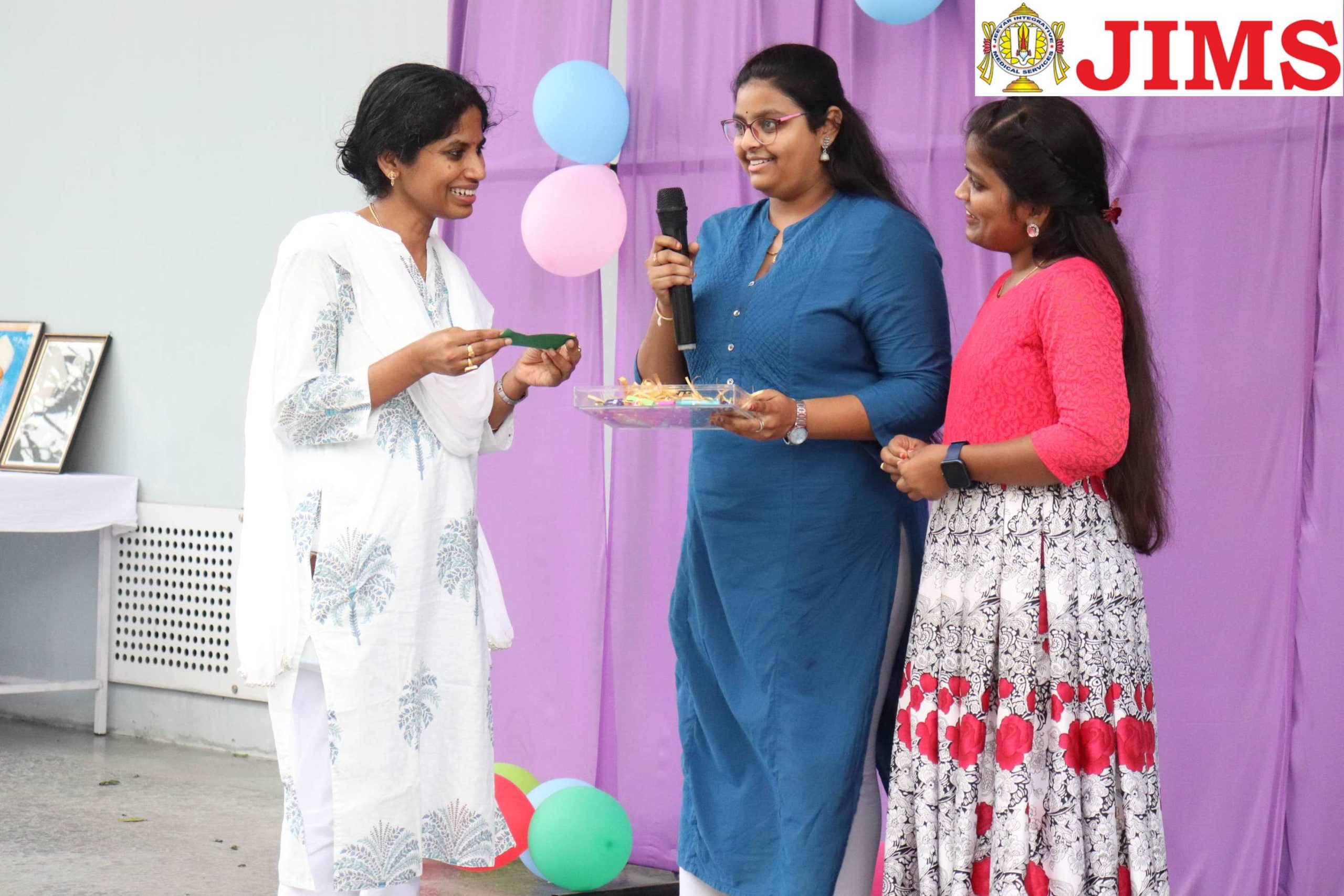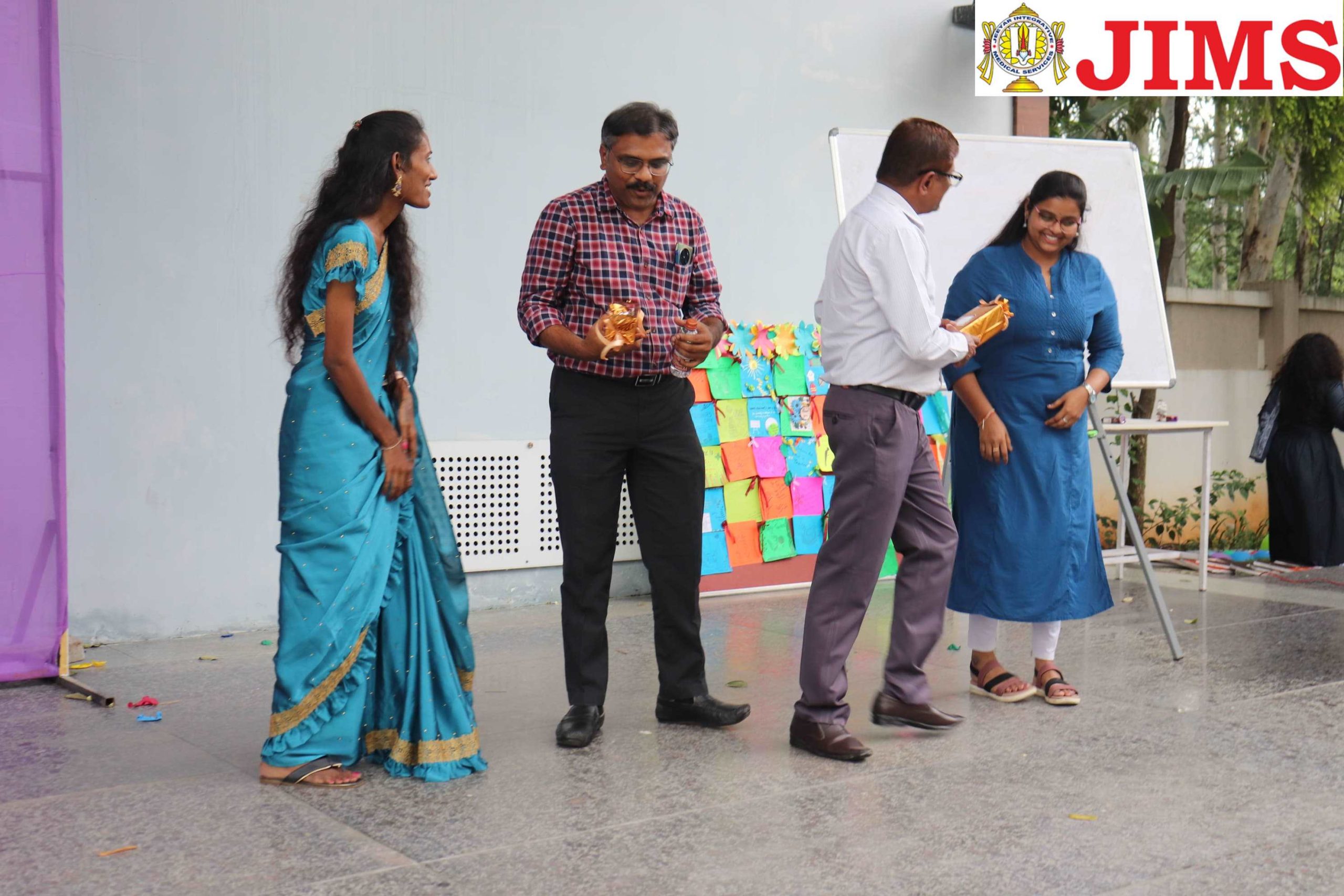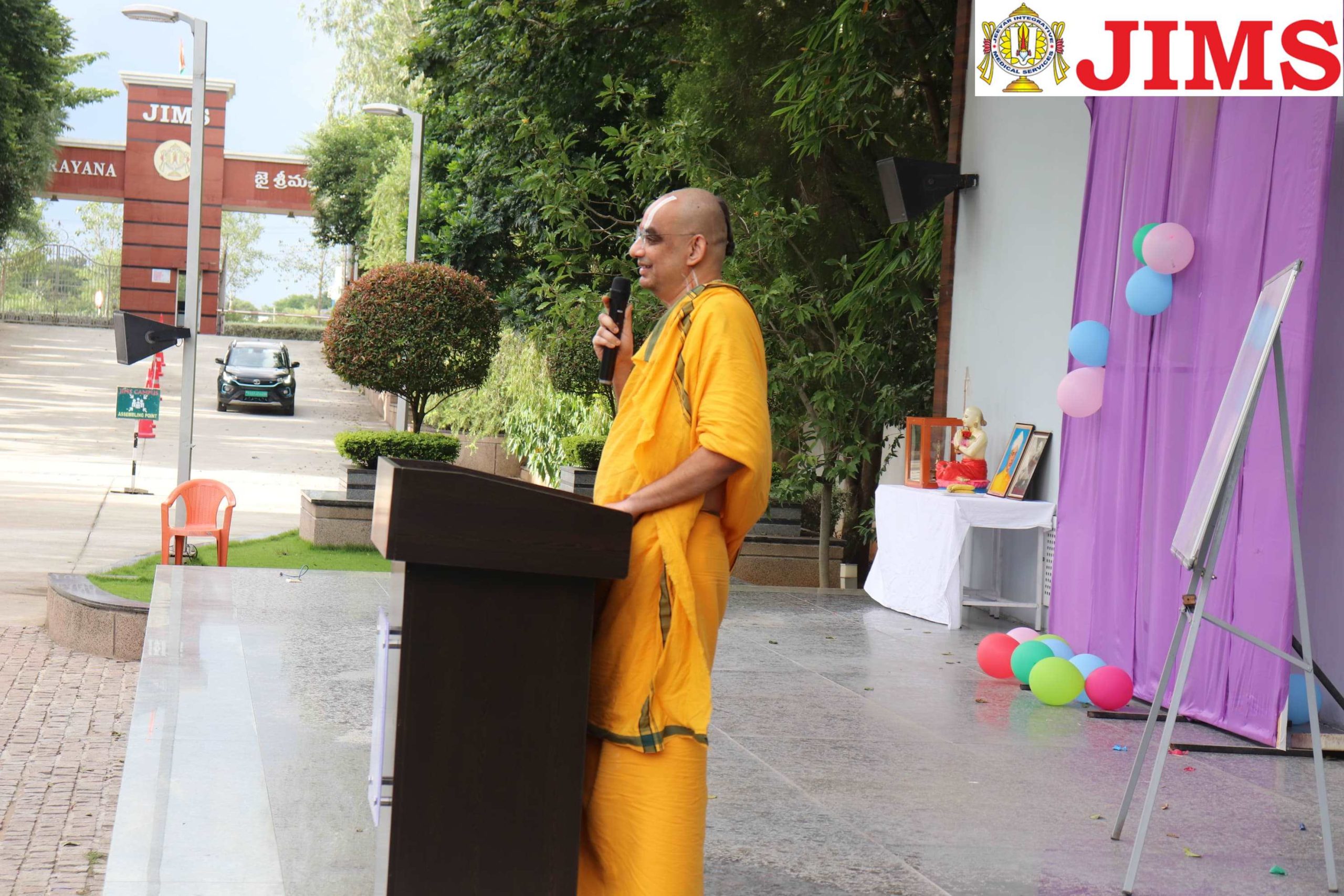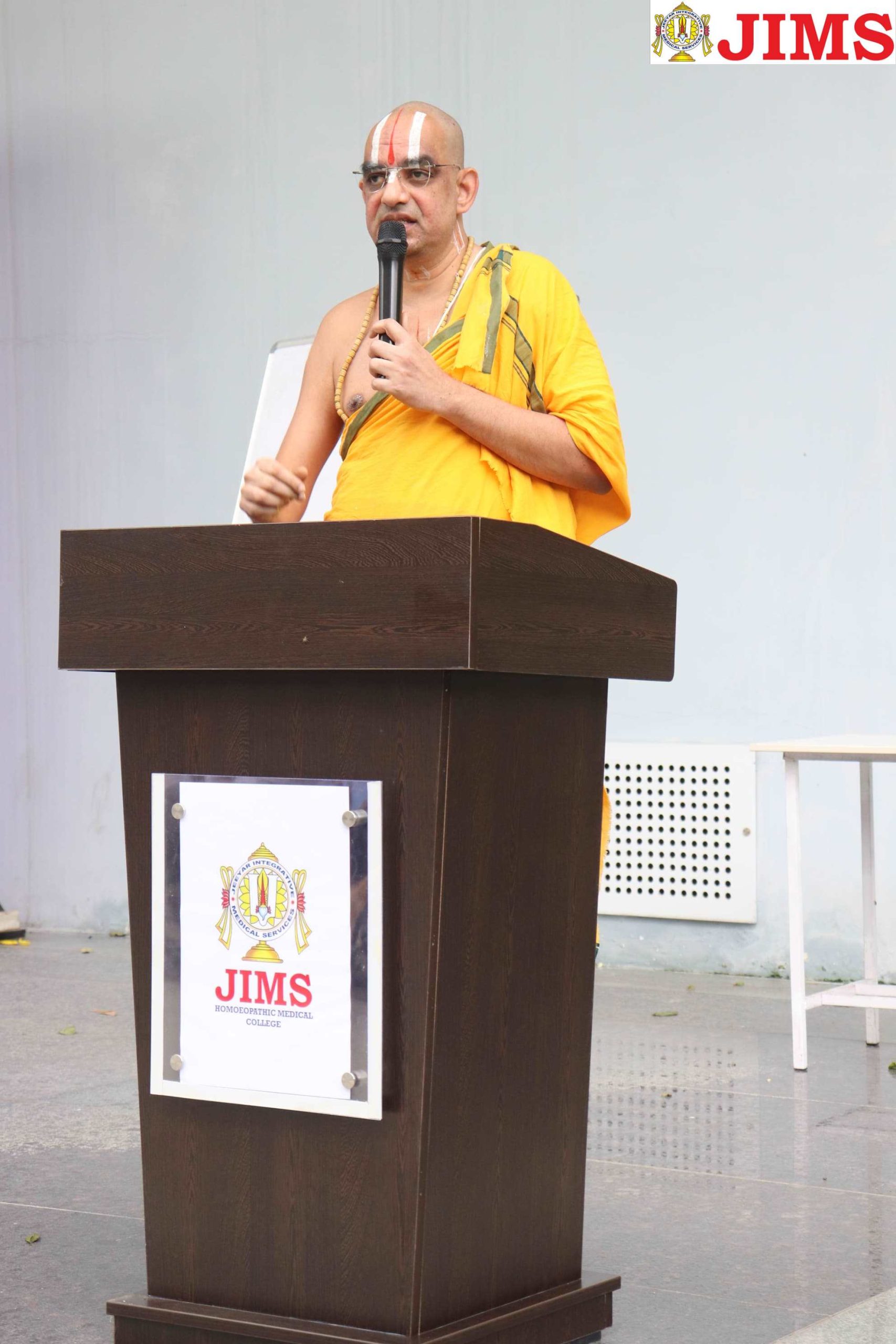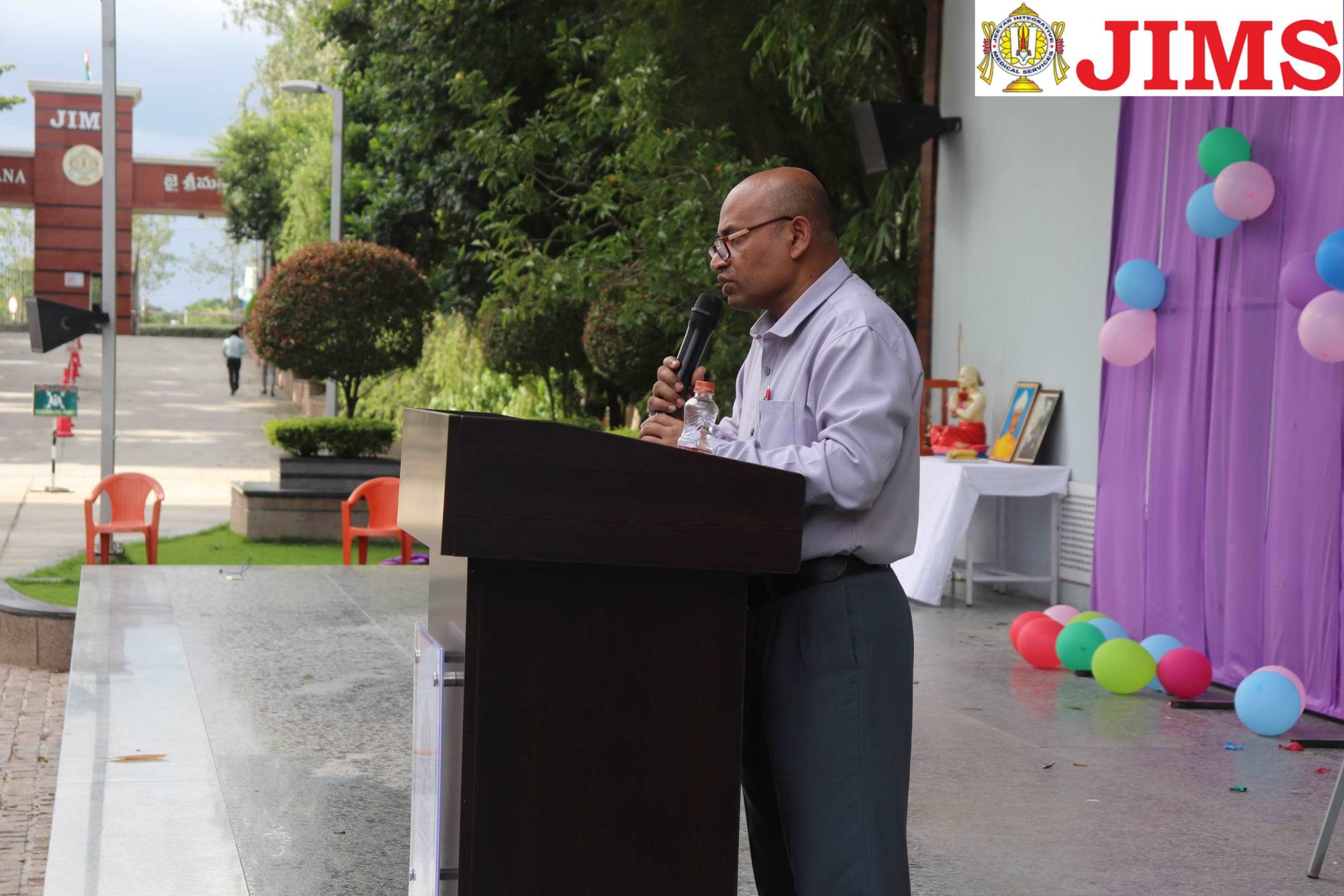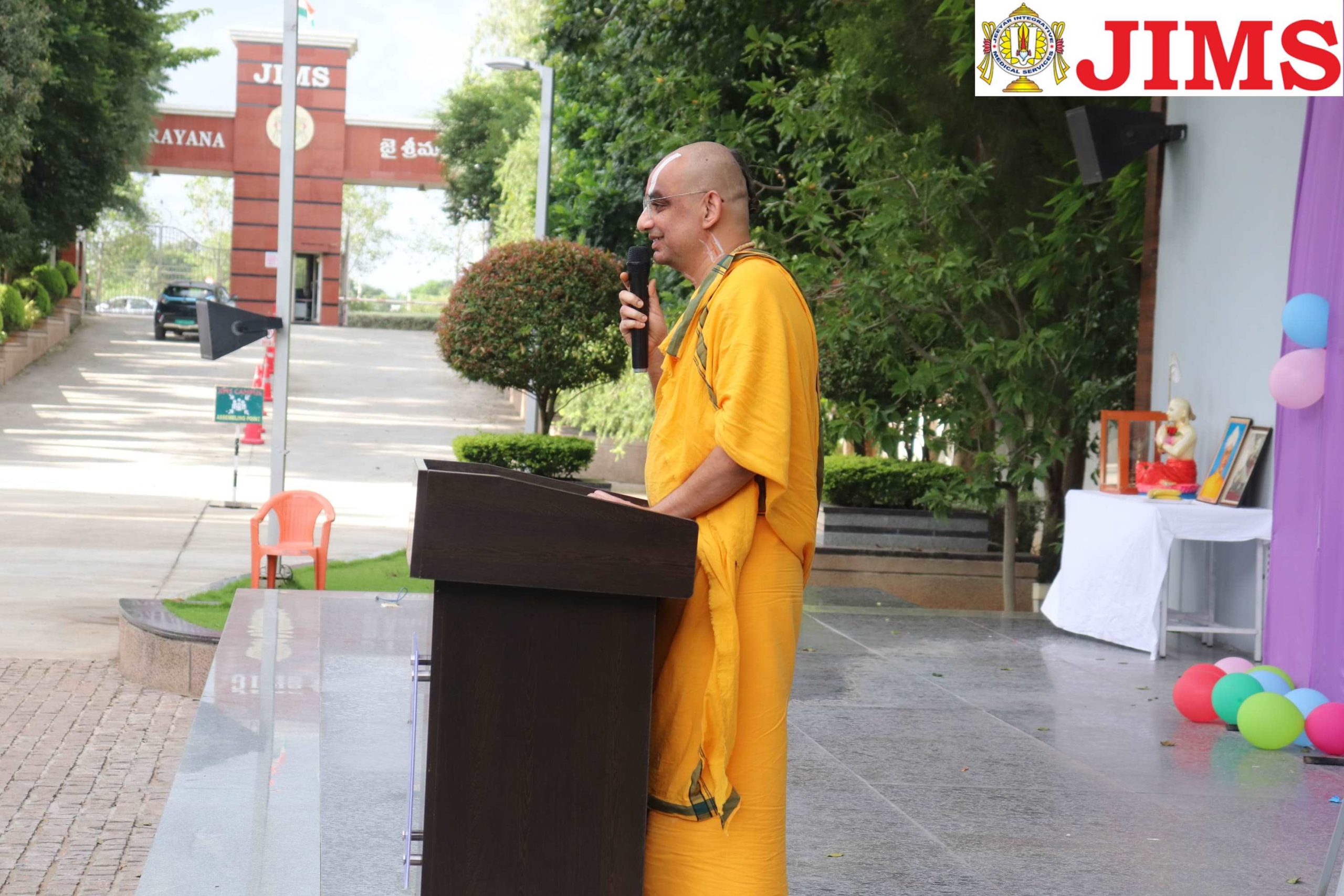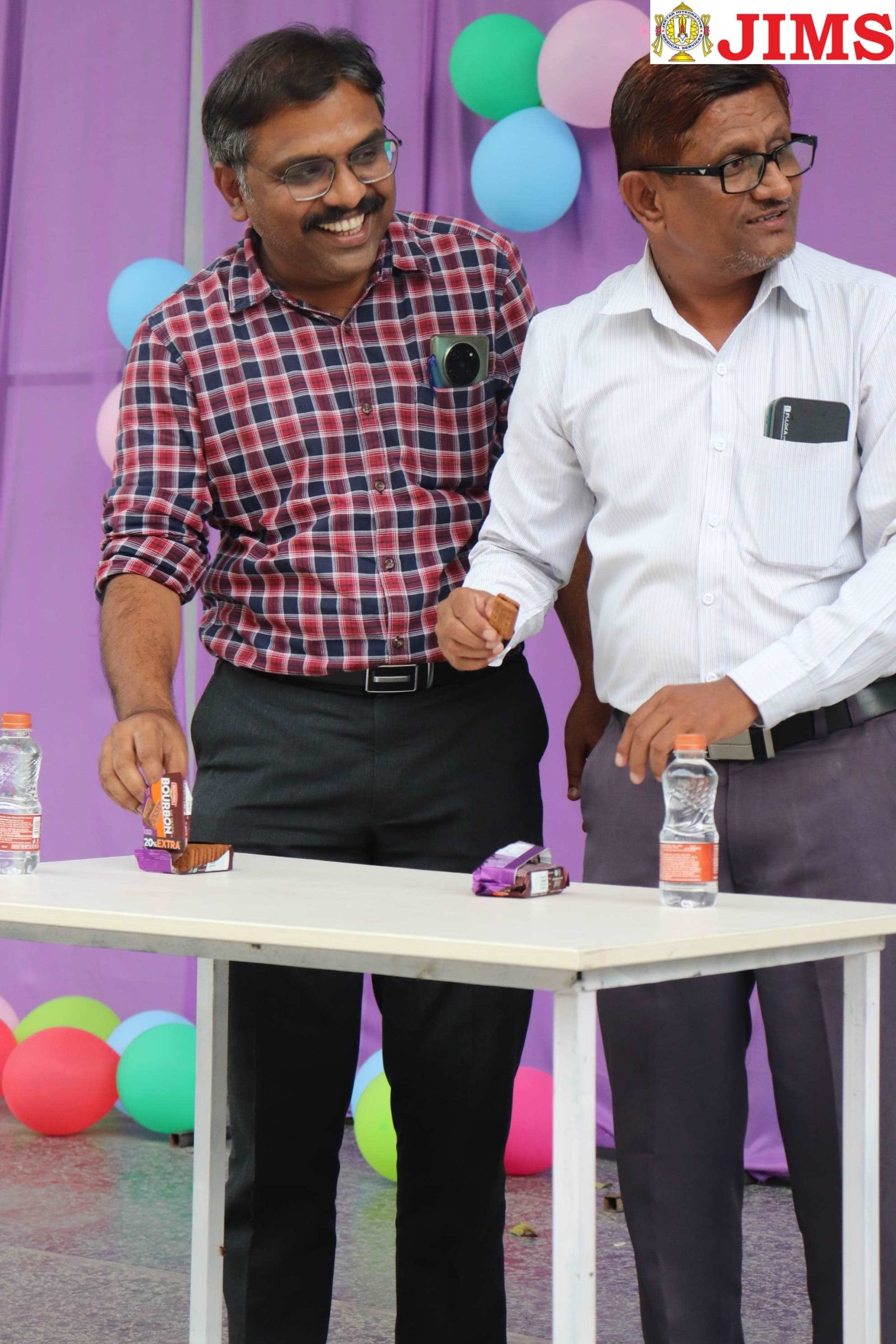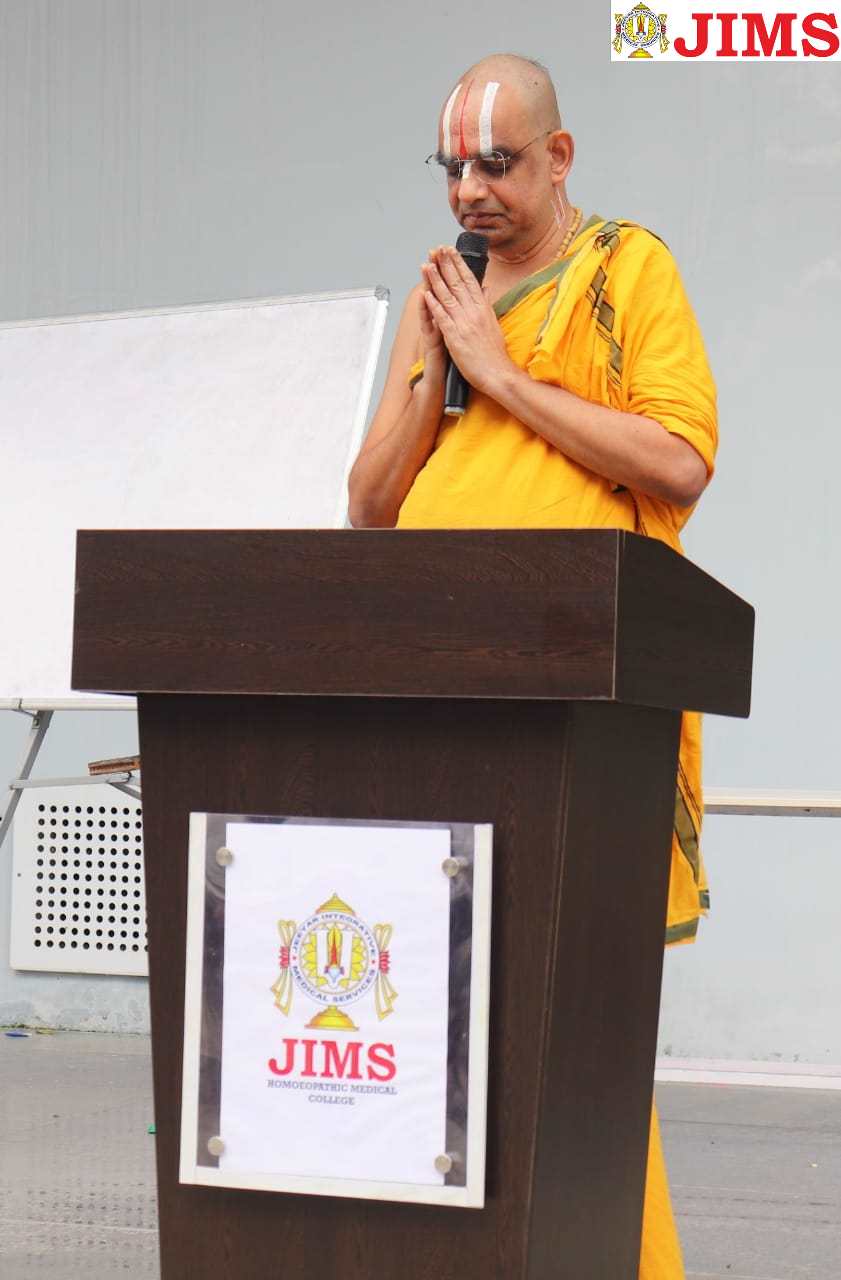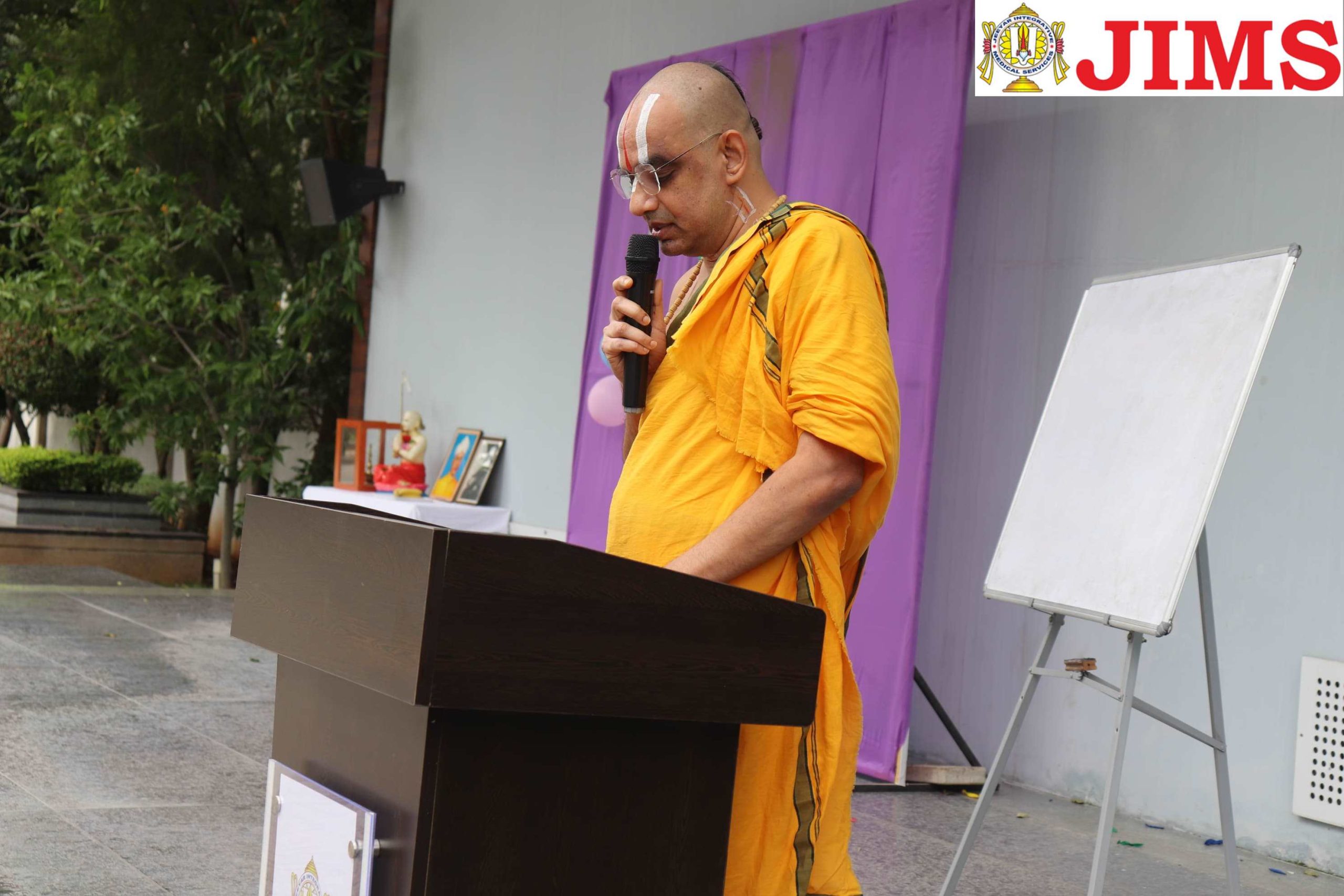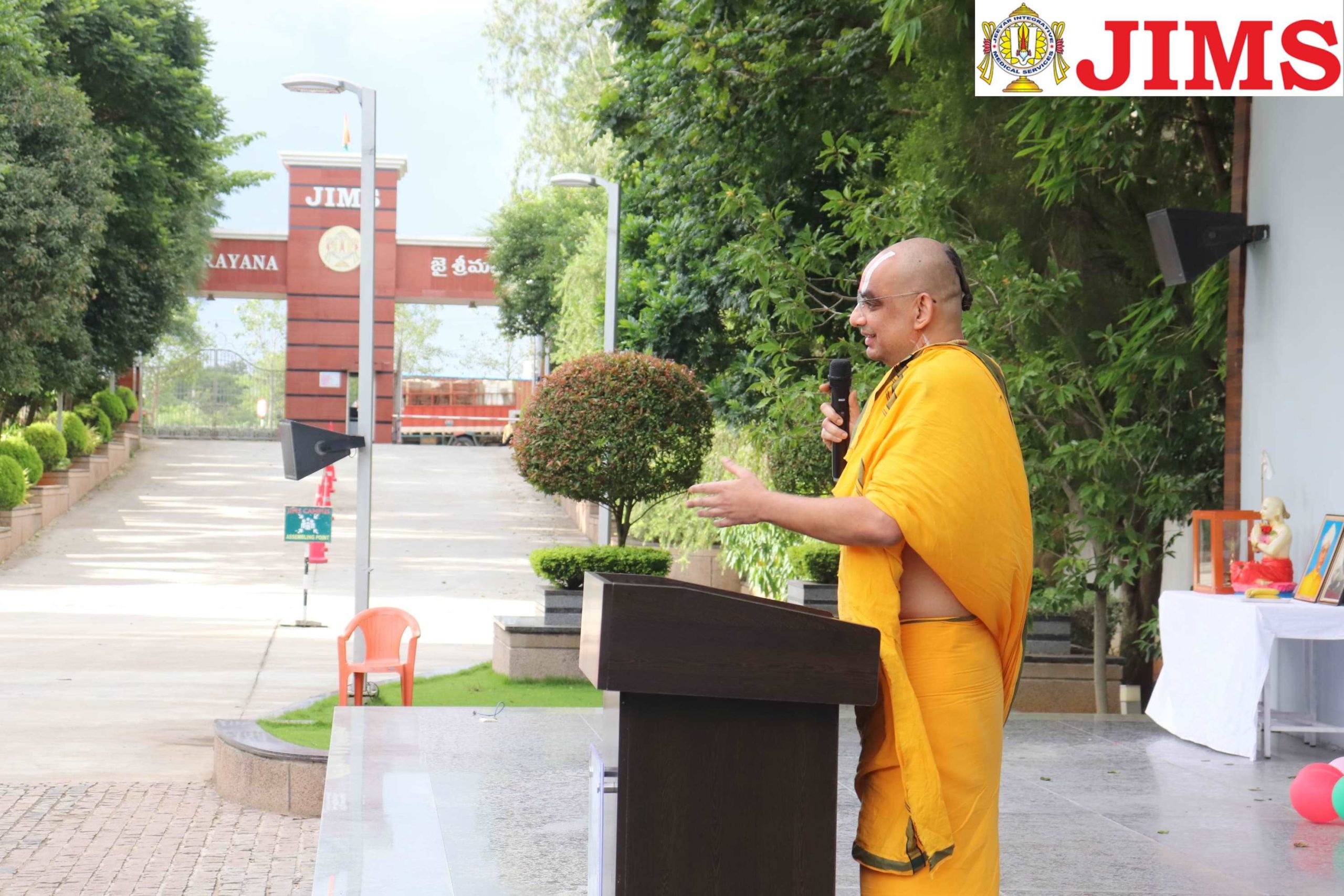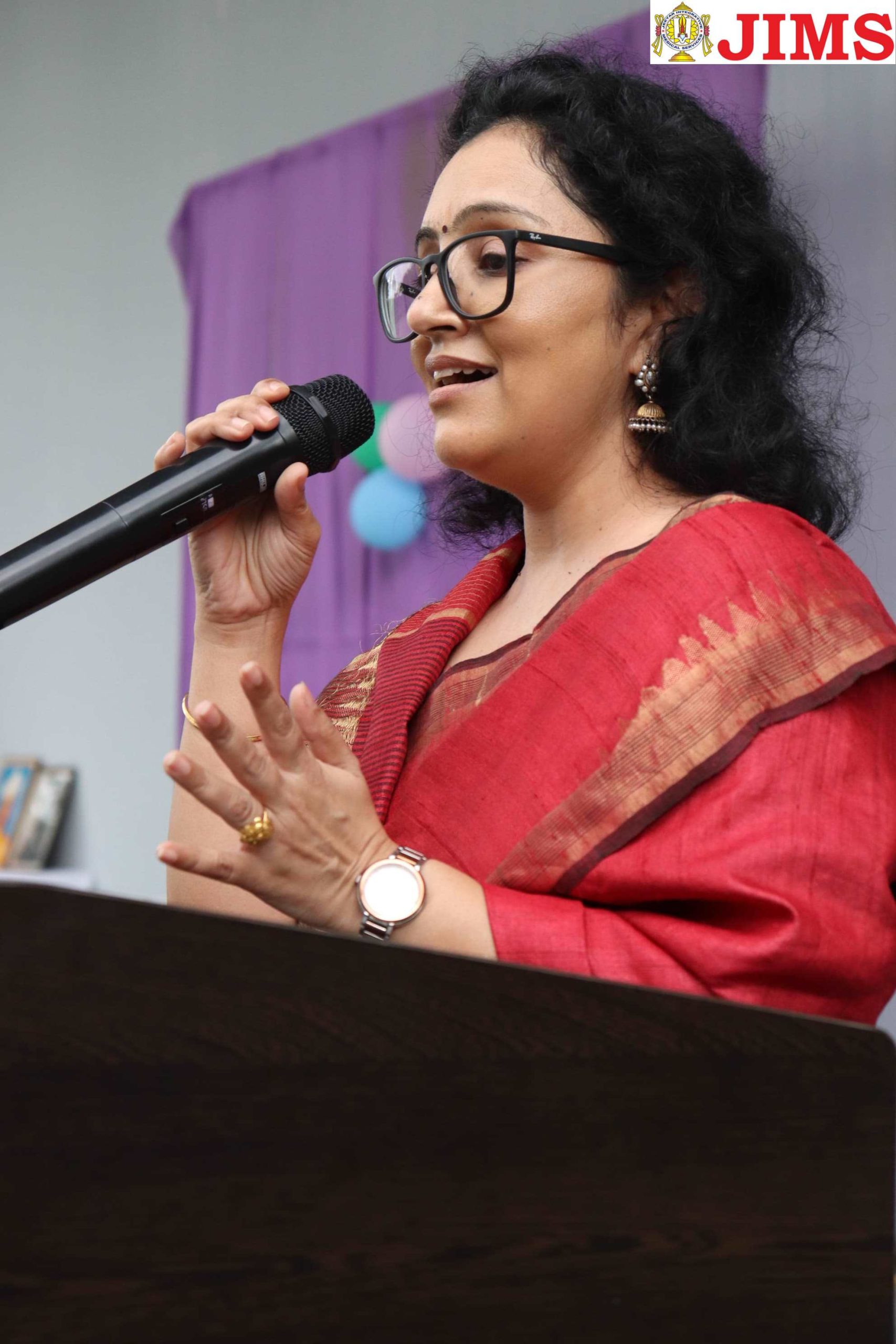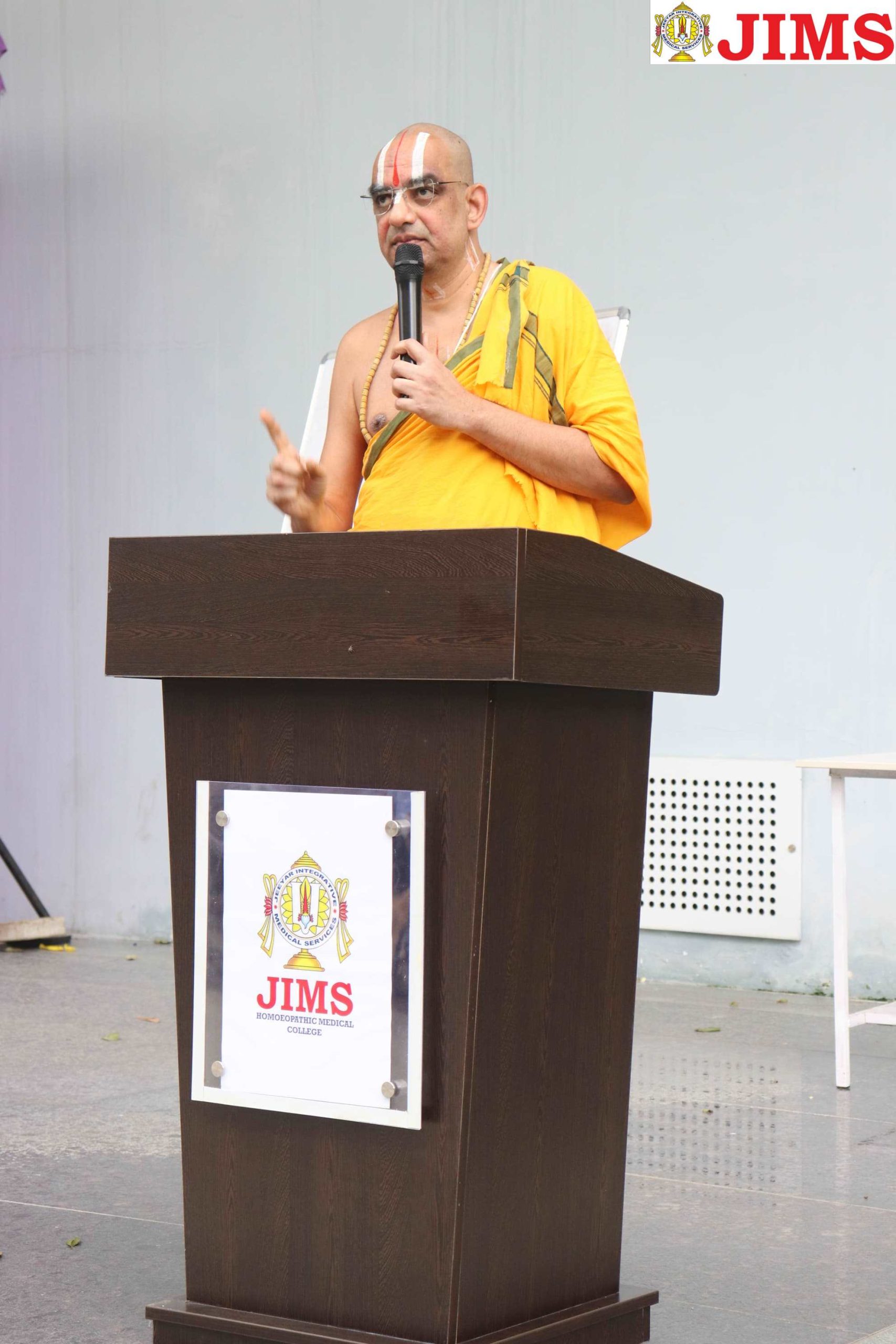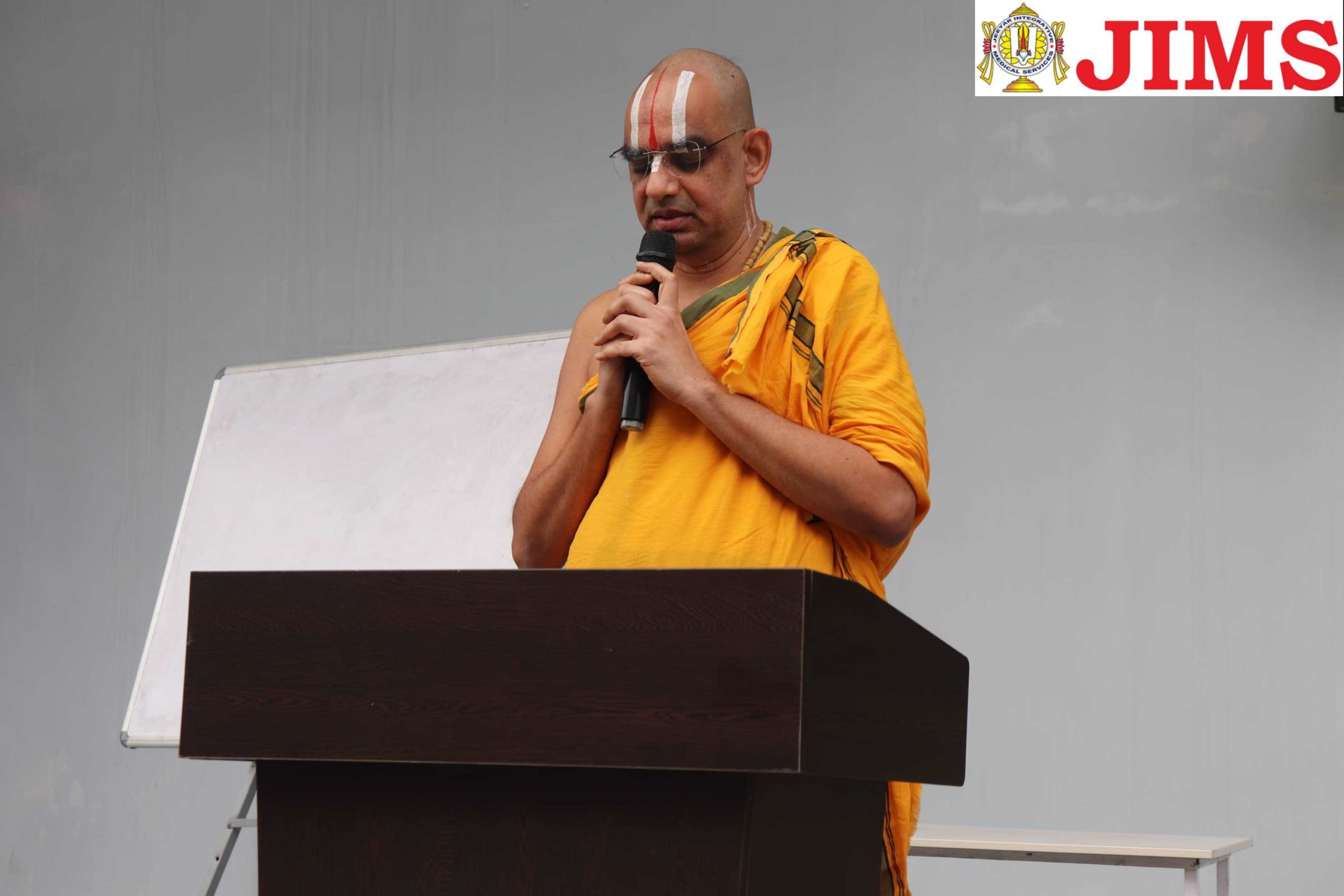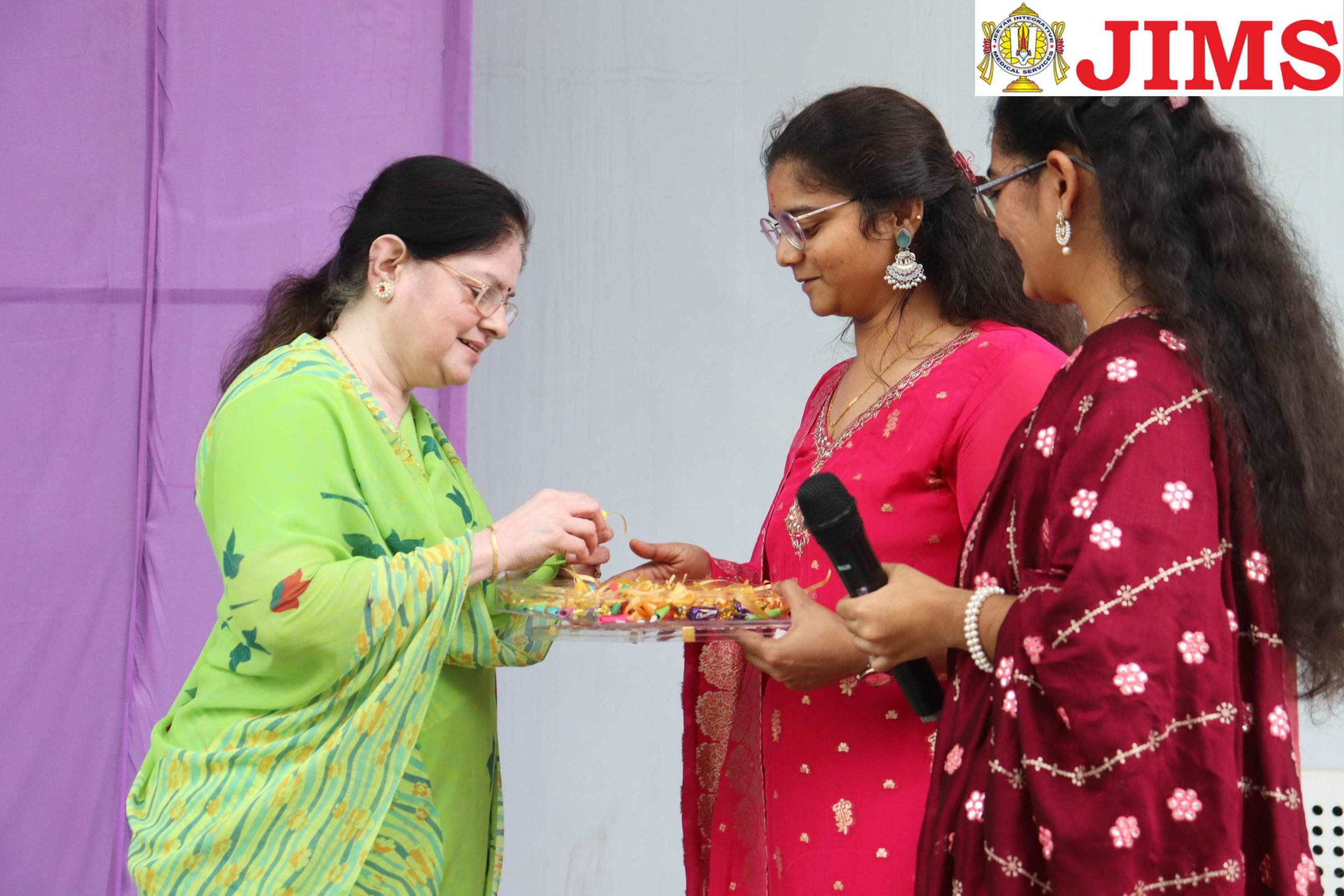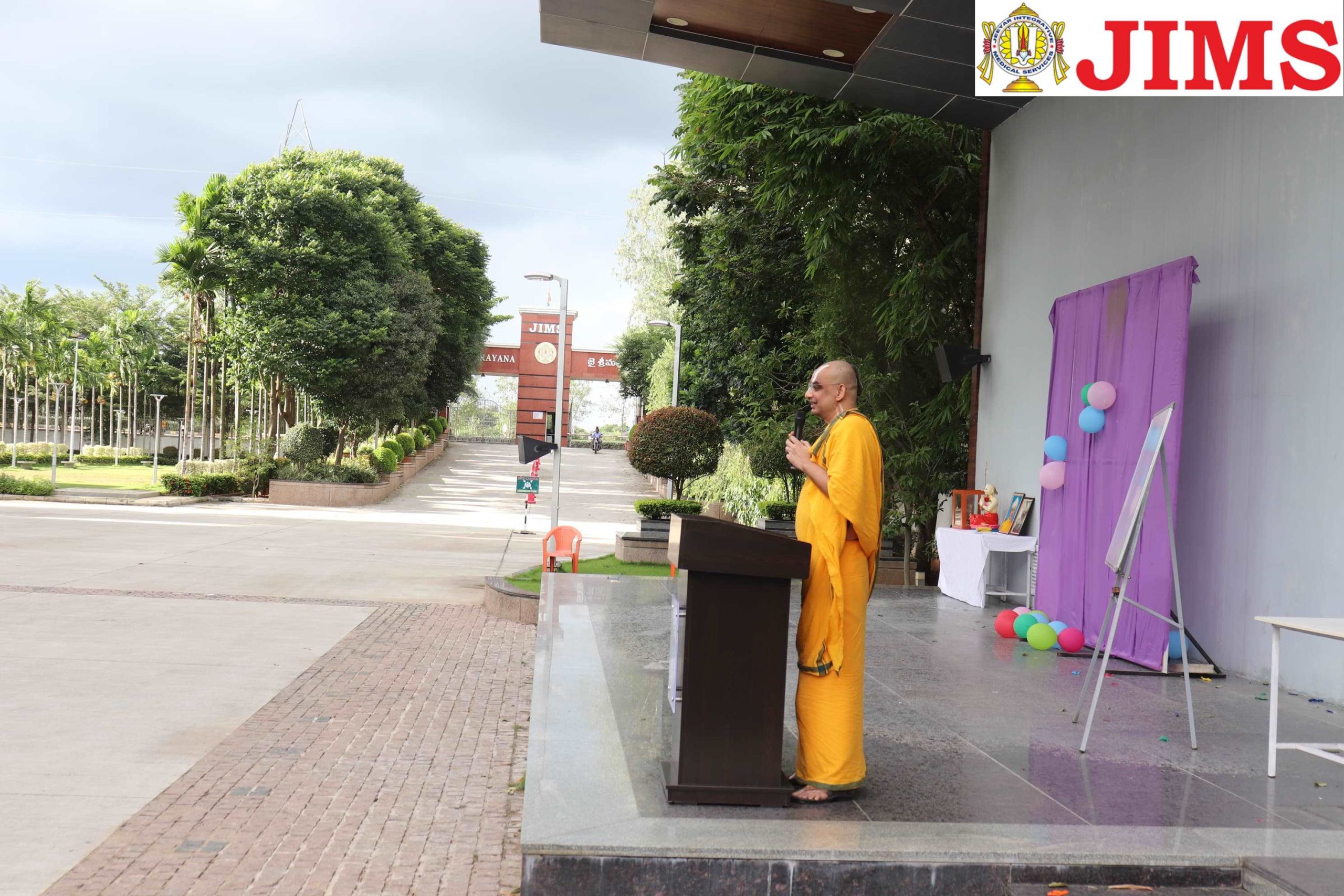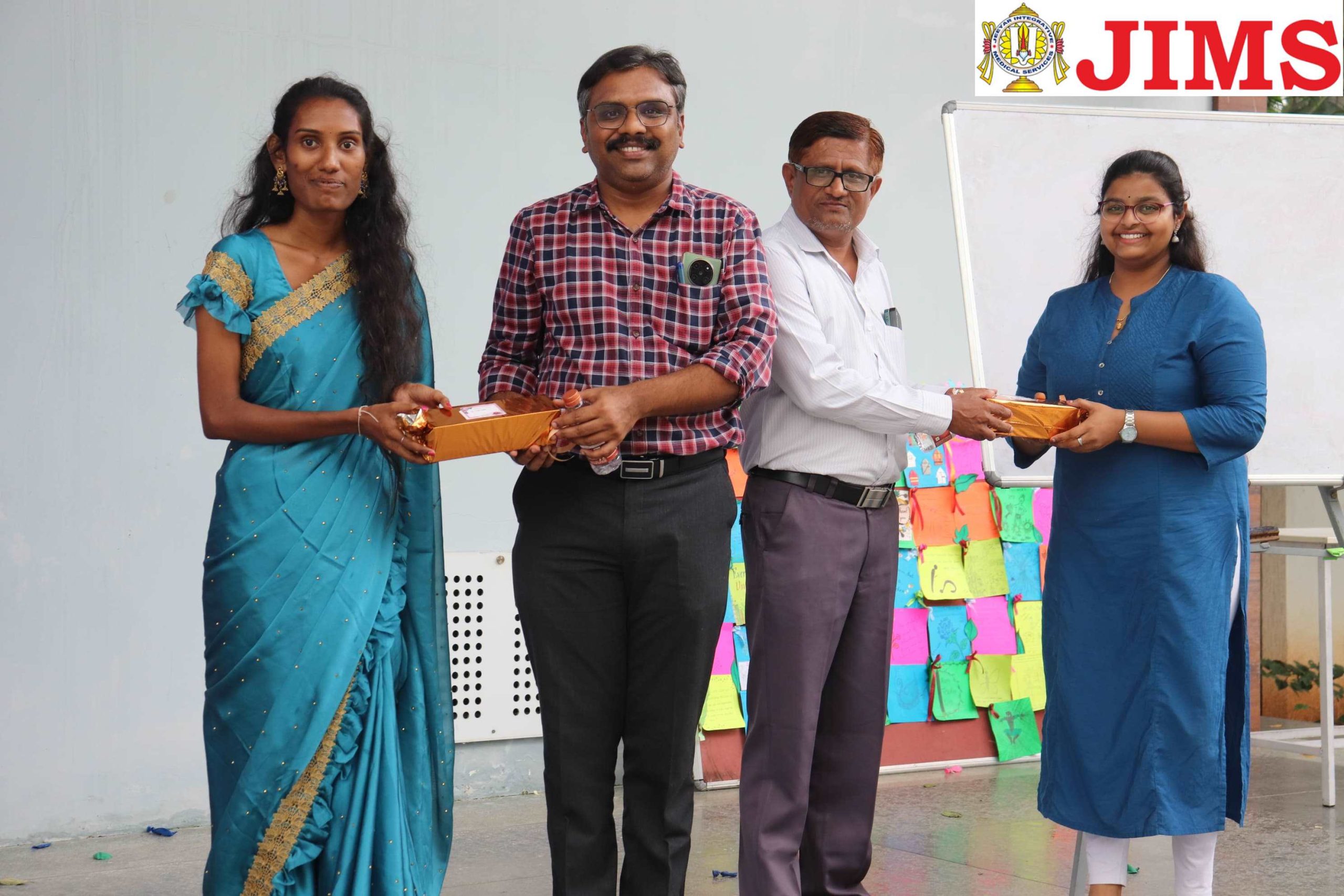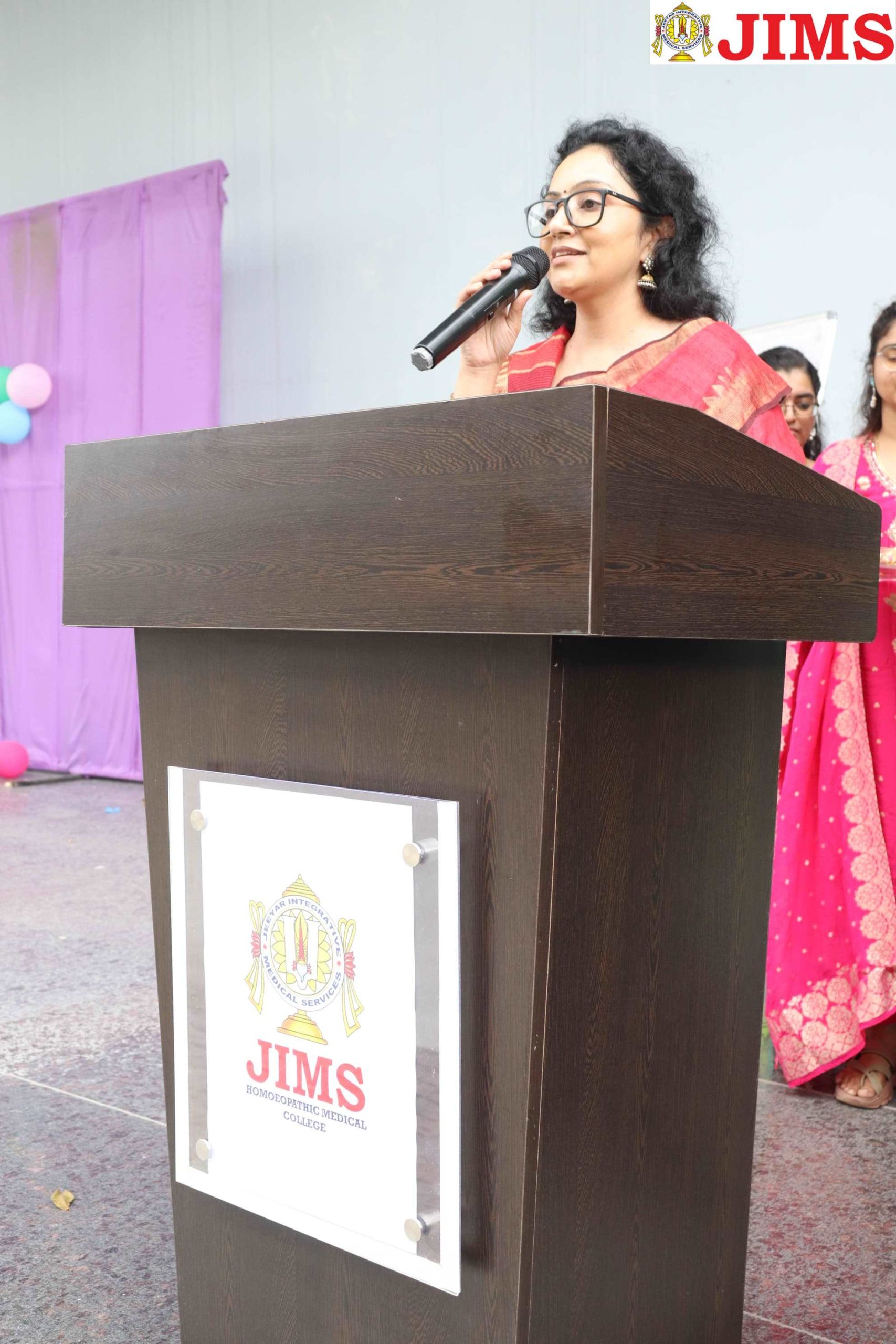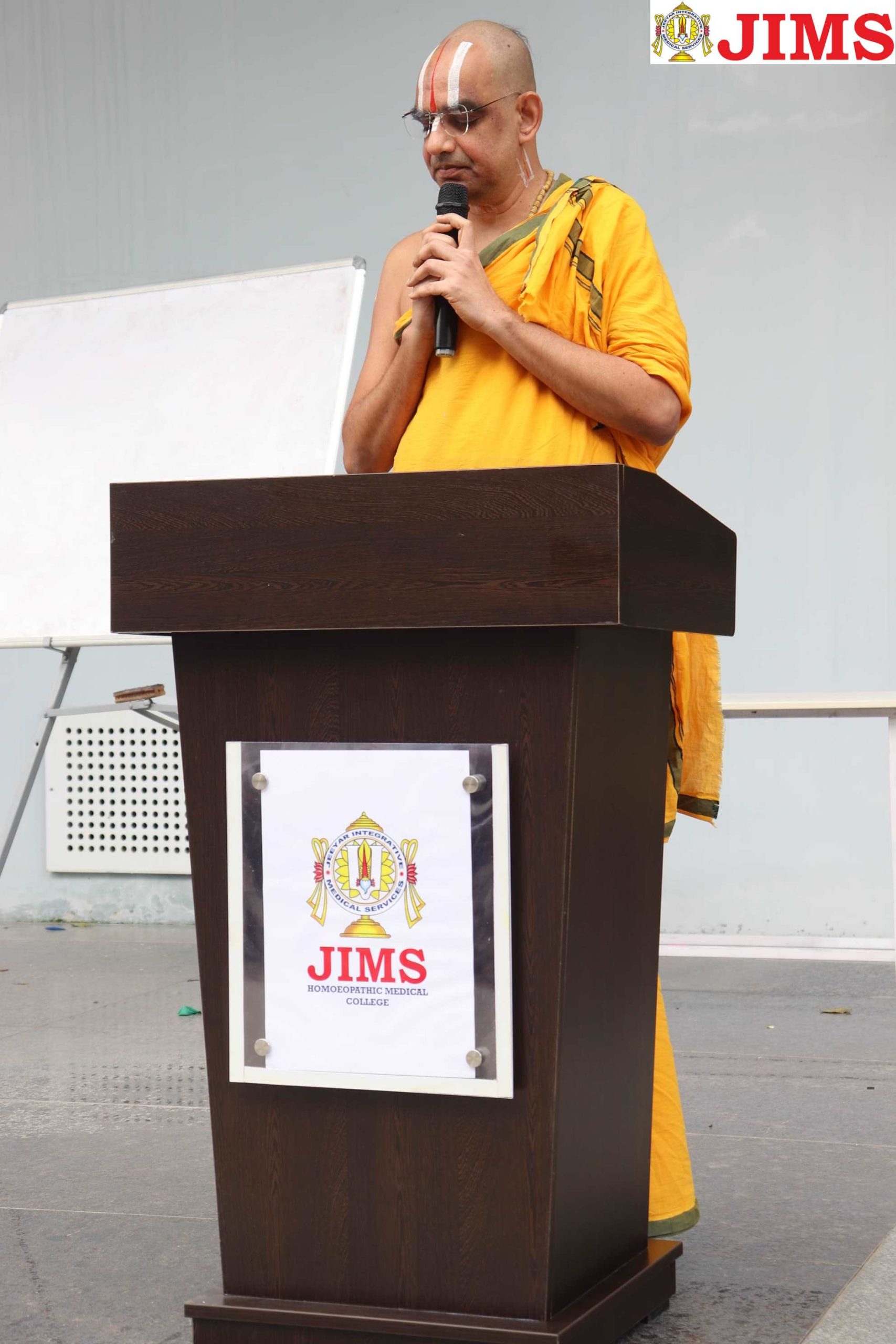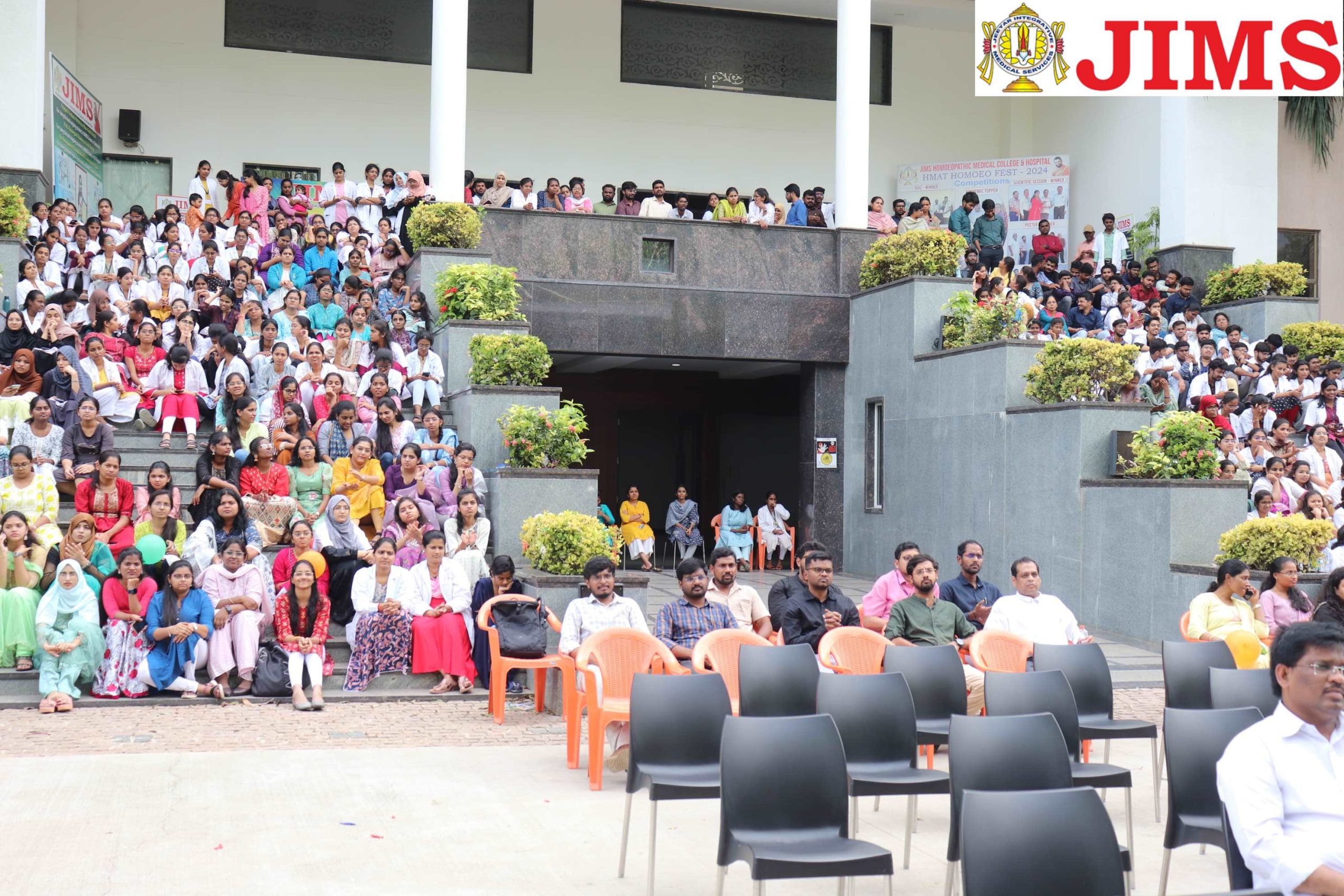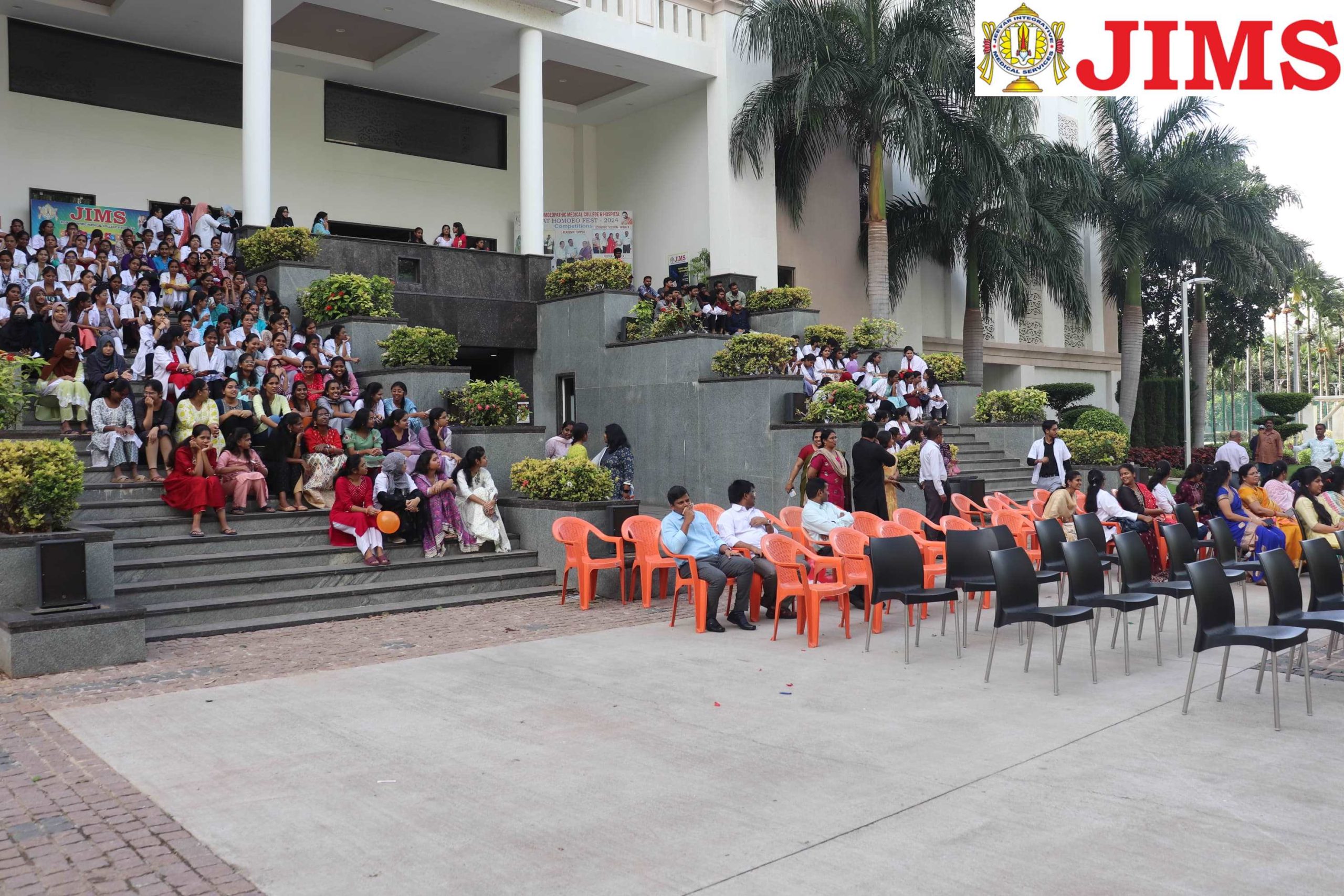
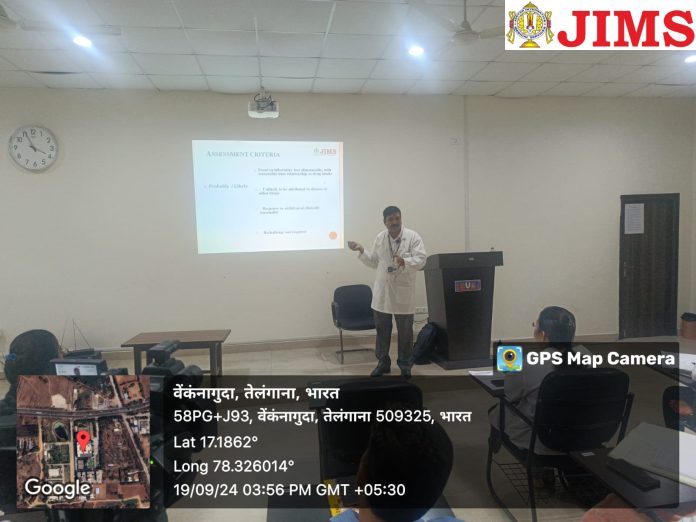
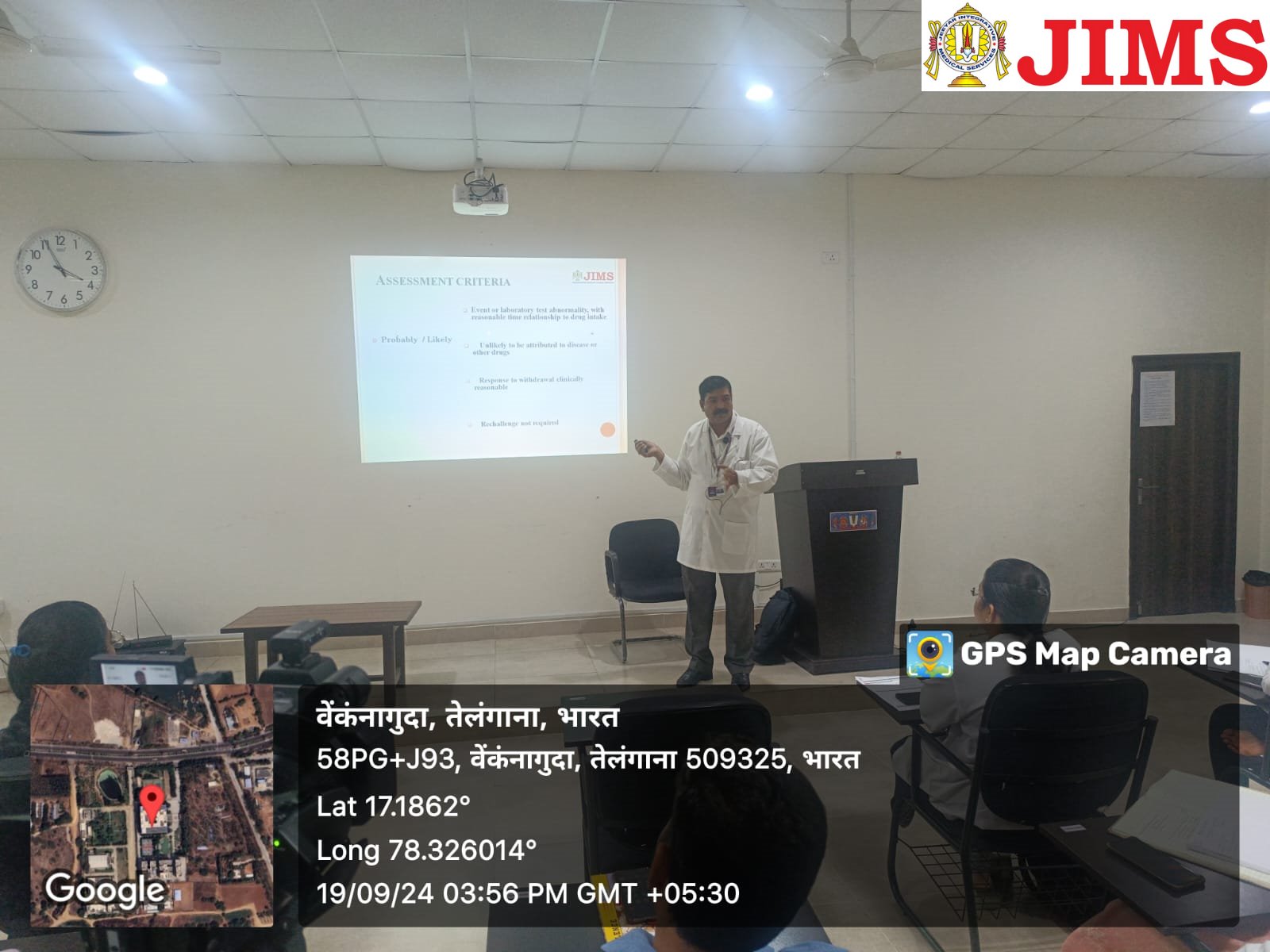
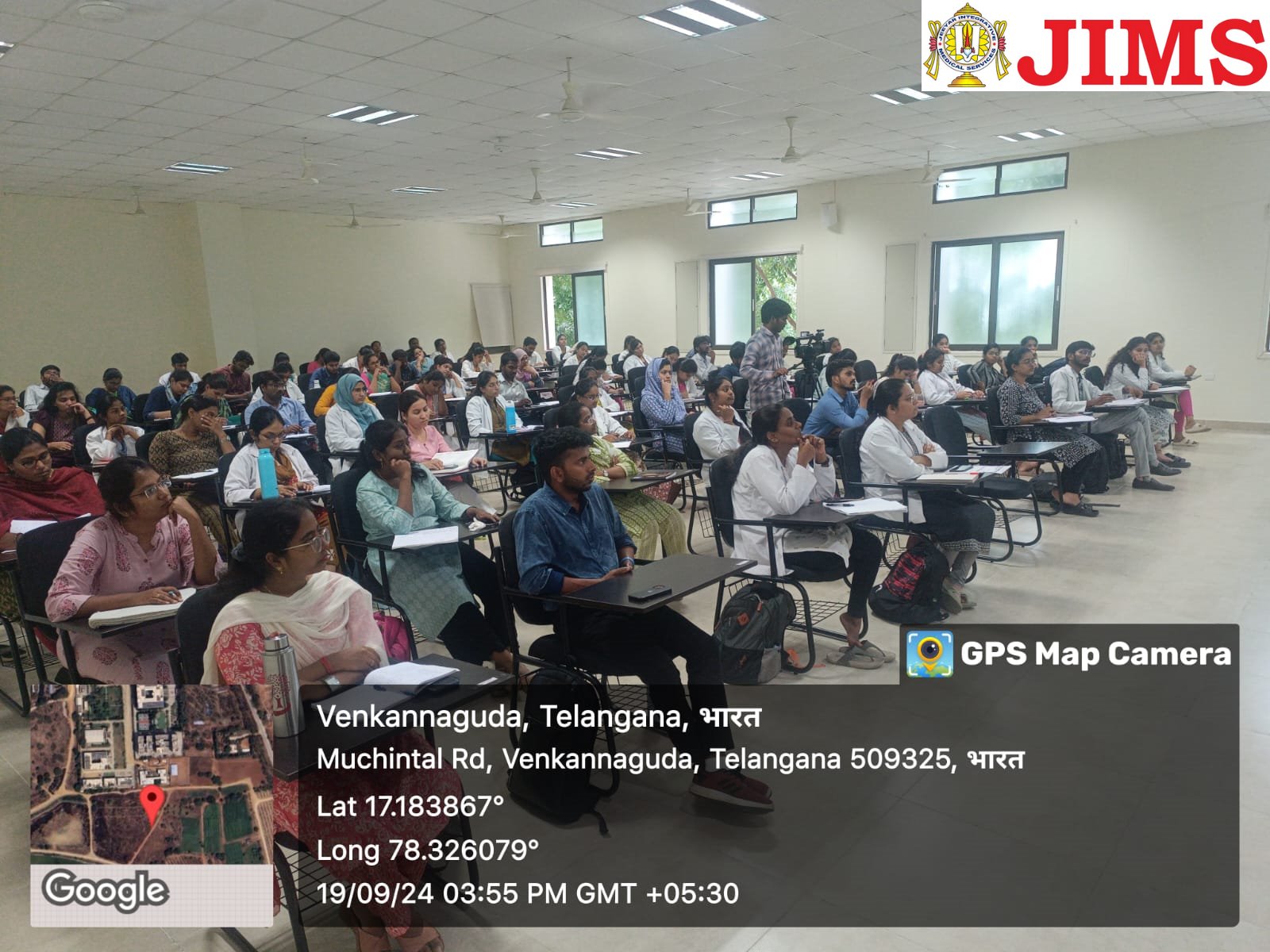
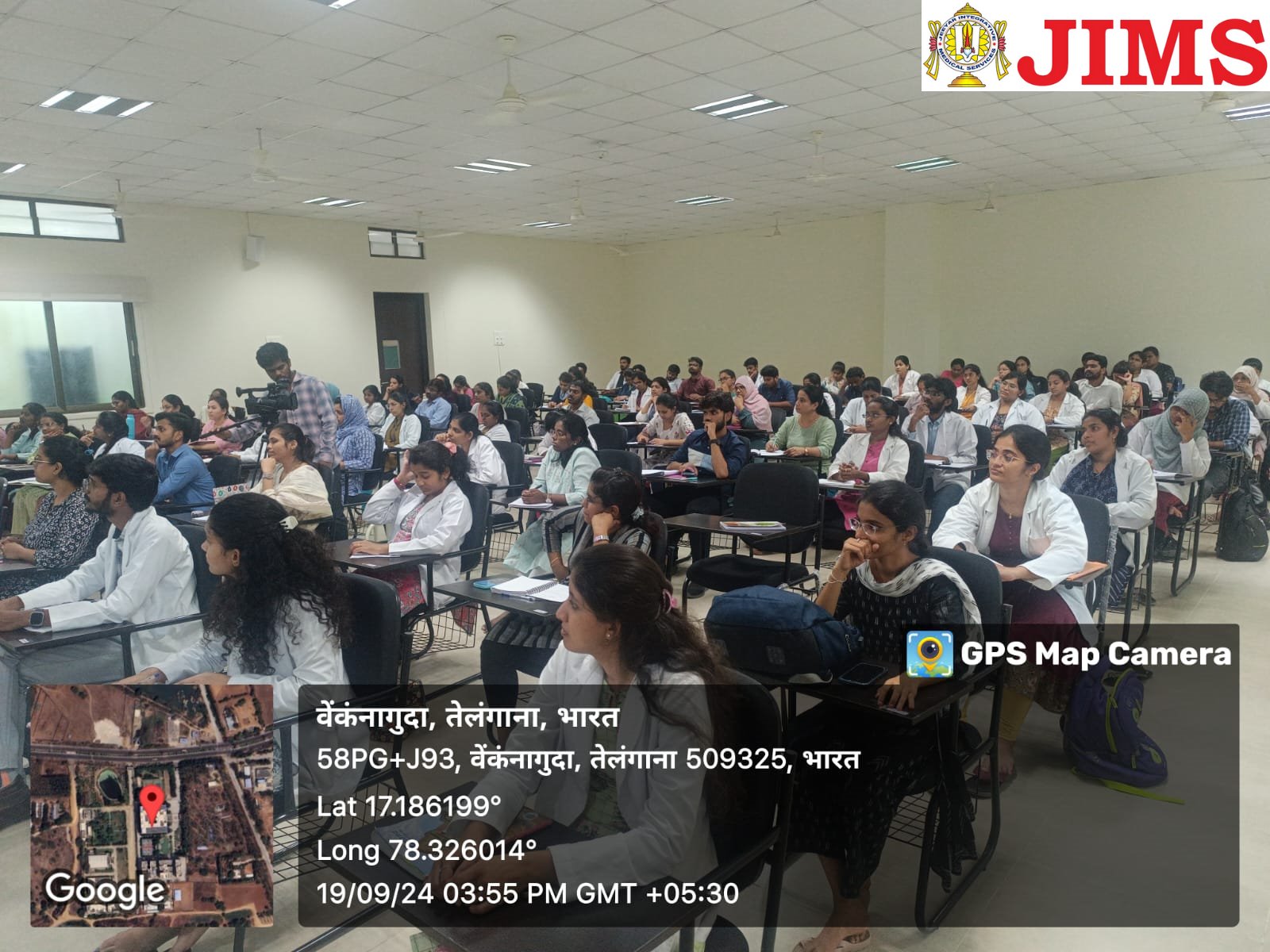
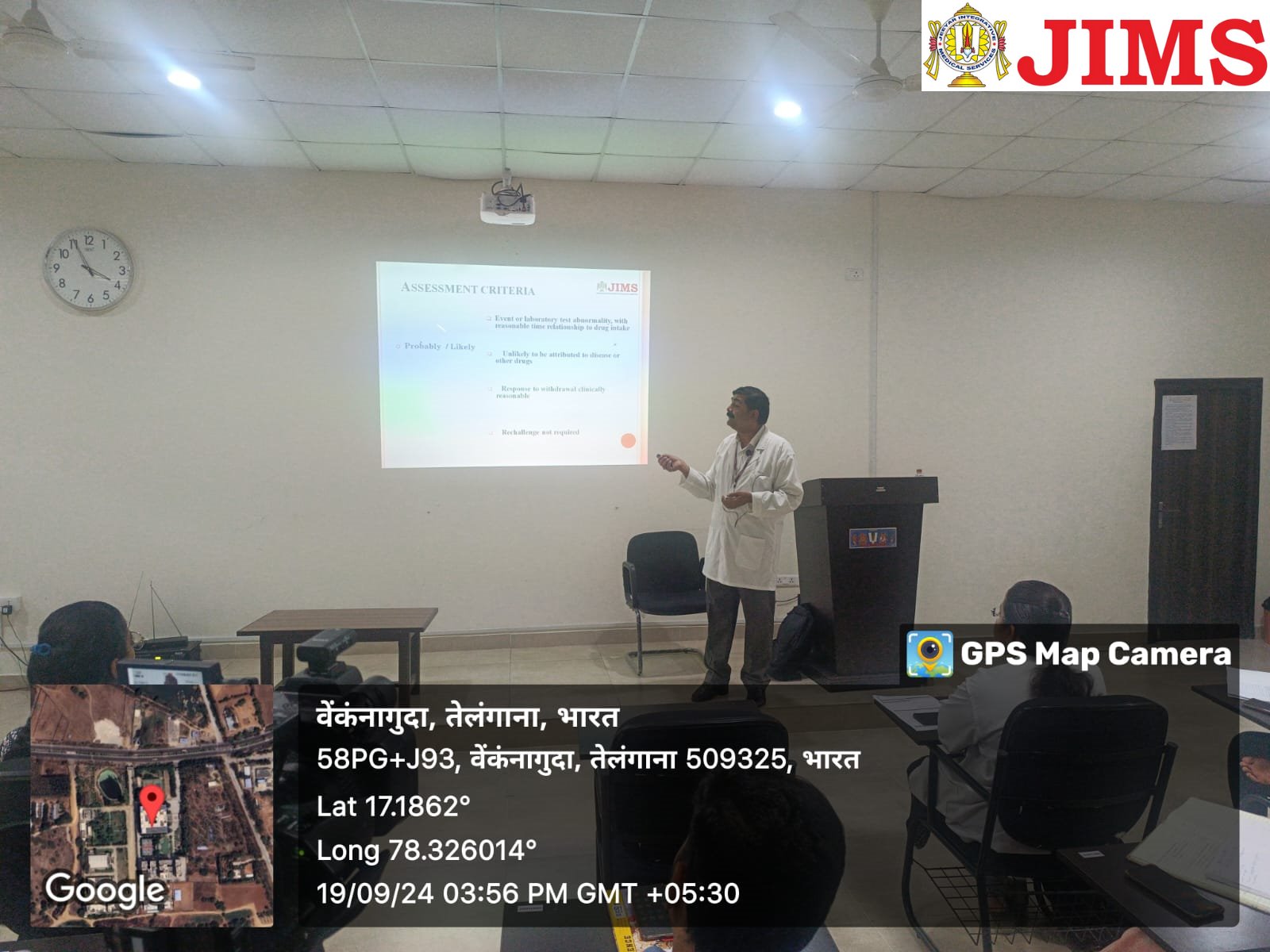
Department of Homoeopathic Pharmacy, JIMS Homoeopathic Medical College and Hospital, organized a lecture on “ADRs & Pharmacovigilance” for PG trainees (M.D Hom, Part-1 & Part-2) on 19.09.2024.
Key Takeaways:
– Adverse Drug Reactions (ADRs) & Adverse Drug Events
– Classification, assessment, and management of ADRs
– Pharmacovigilance program in India
– Reporting suspected ADRs
– Homoeopathic medicine and clinical practice considerations
Expert Insights:
Dr. K. Raghuramchandra, Professor, Dept. of Homoeopathic Pharmacy, JIMS
Beneficiaries: 94 PG trainees
Objective: To equip future homoeopathic practitioners with knowledge on ADRs and pharmacovigilance, ensuring patient safety.
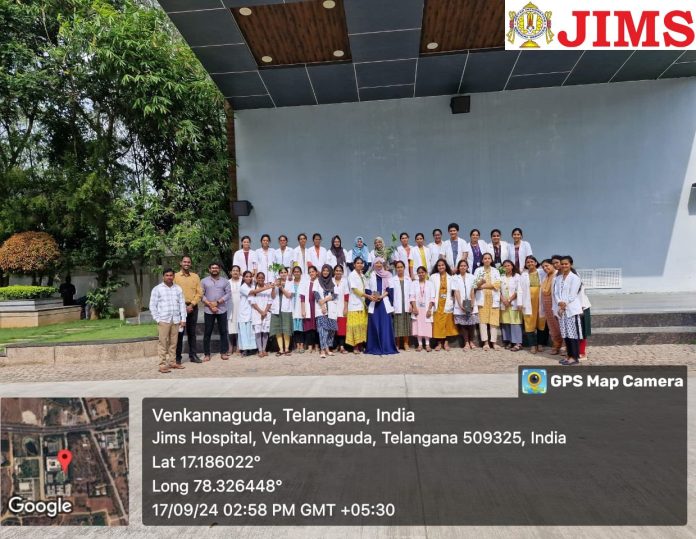
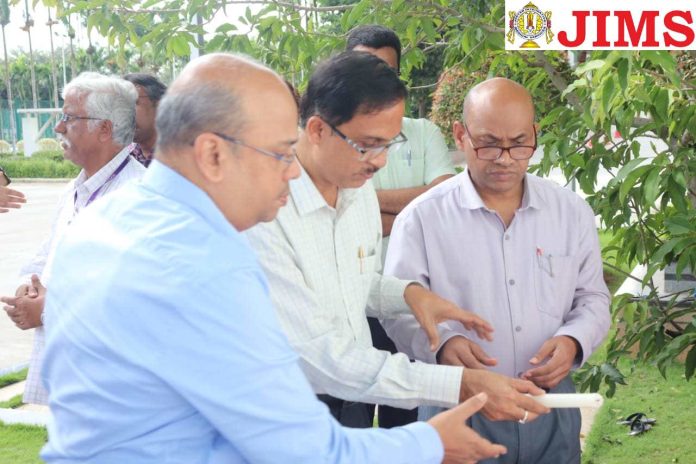
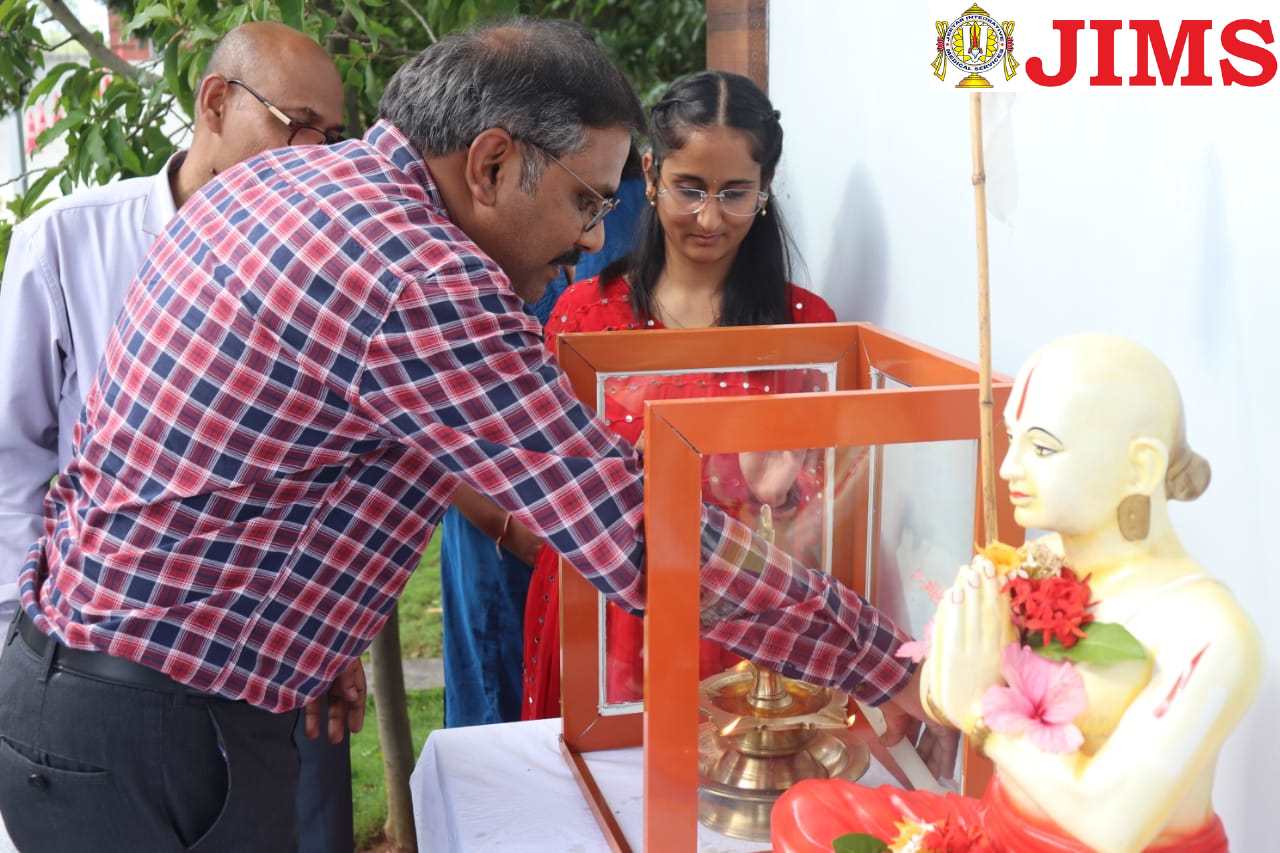
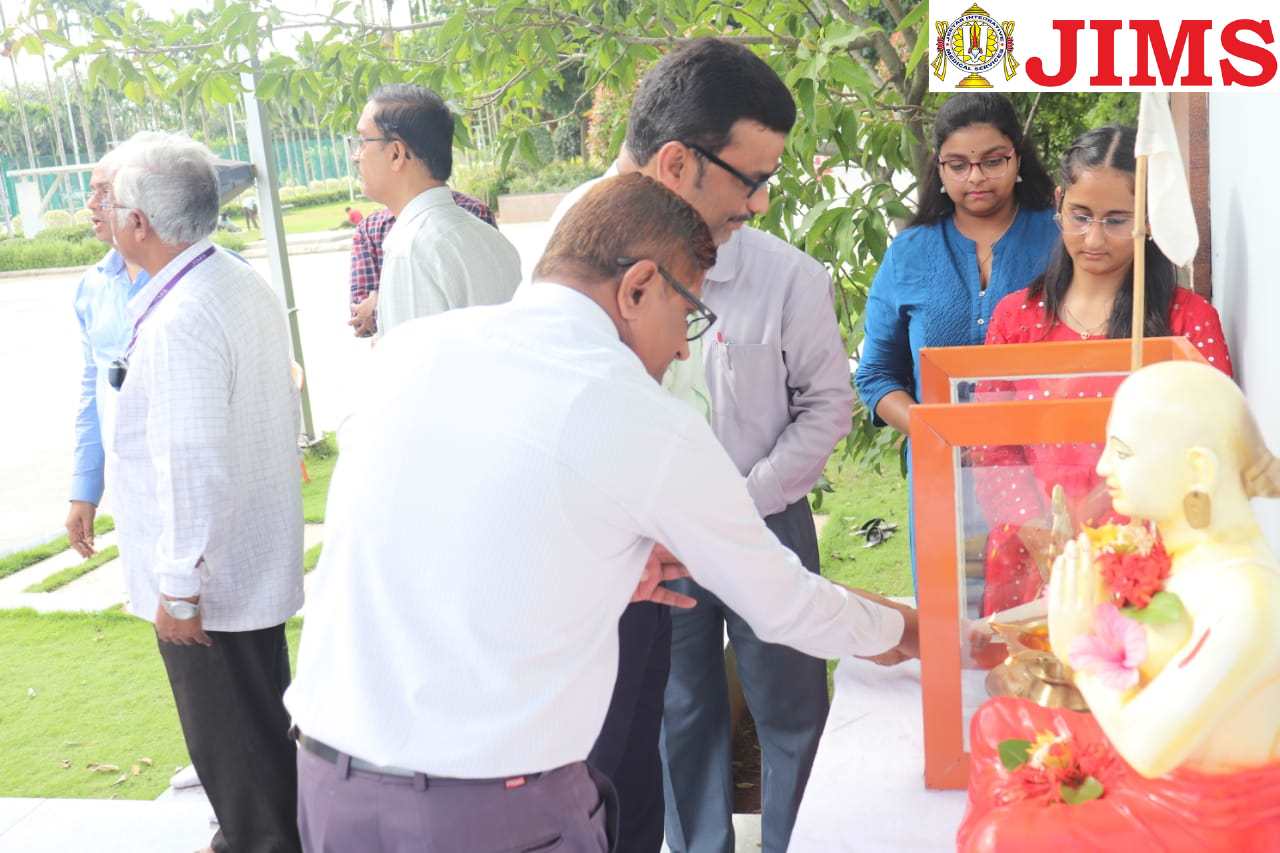
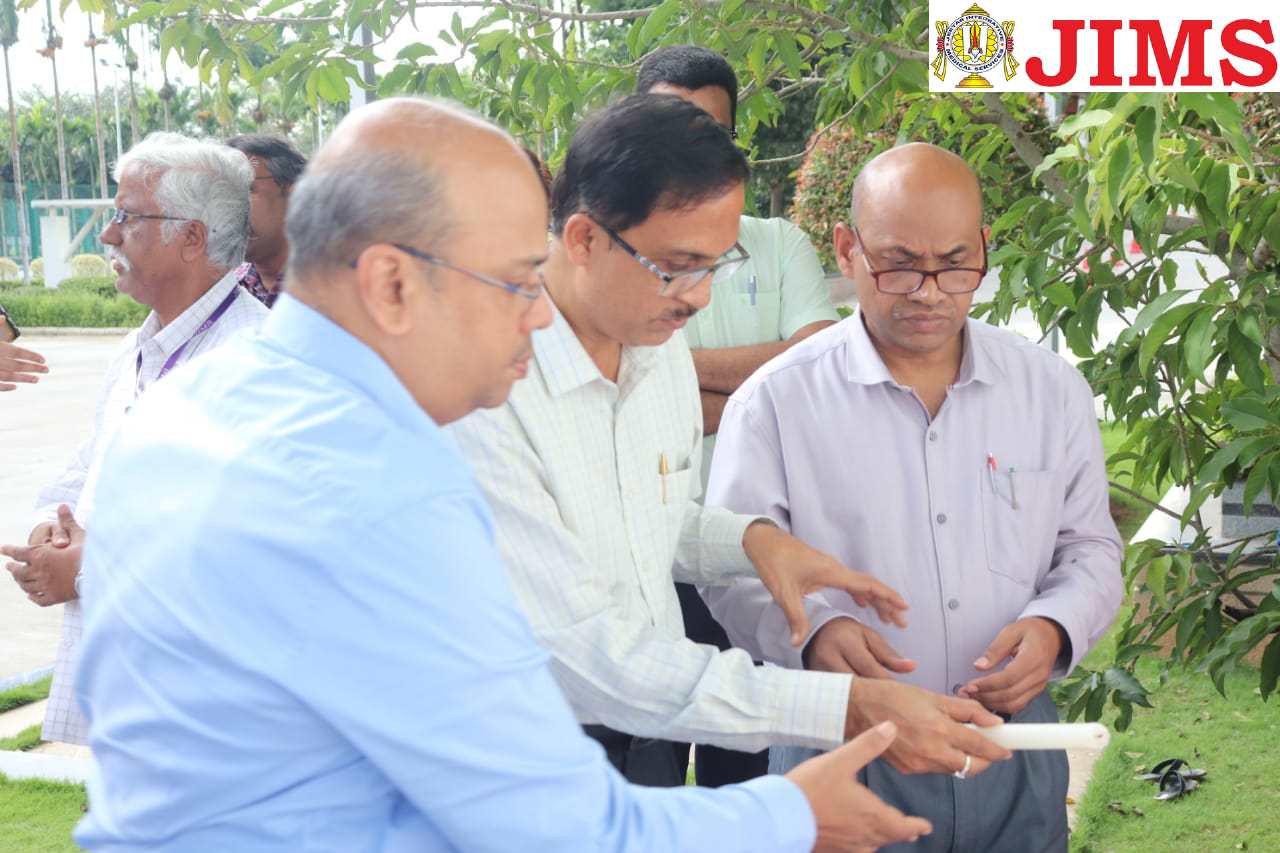
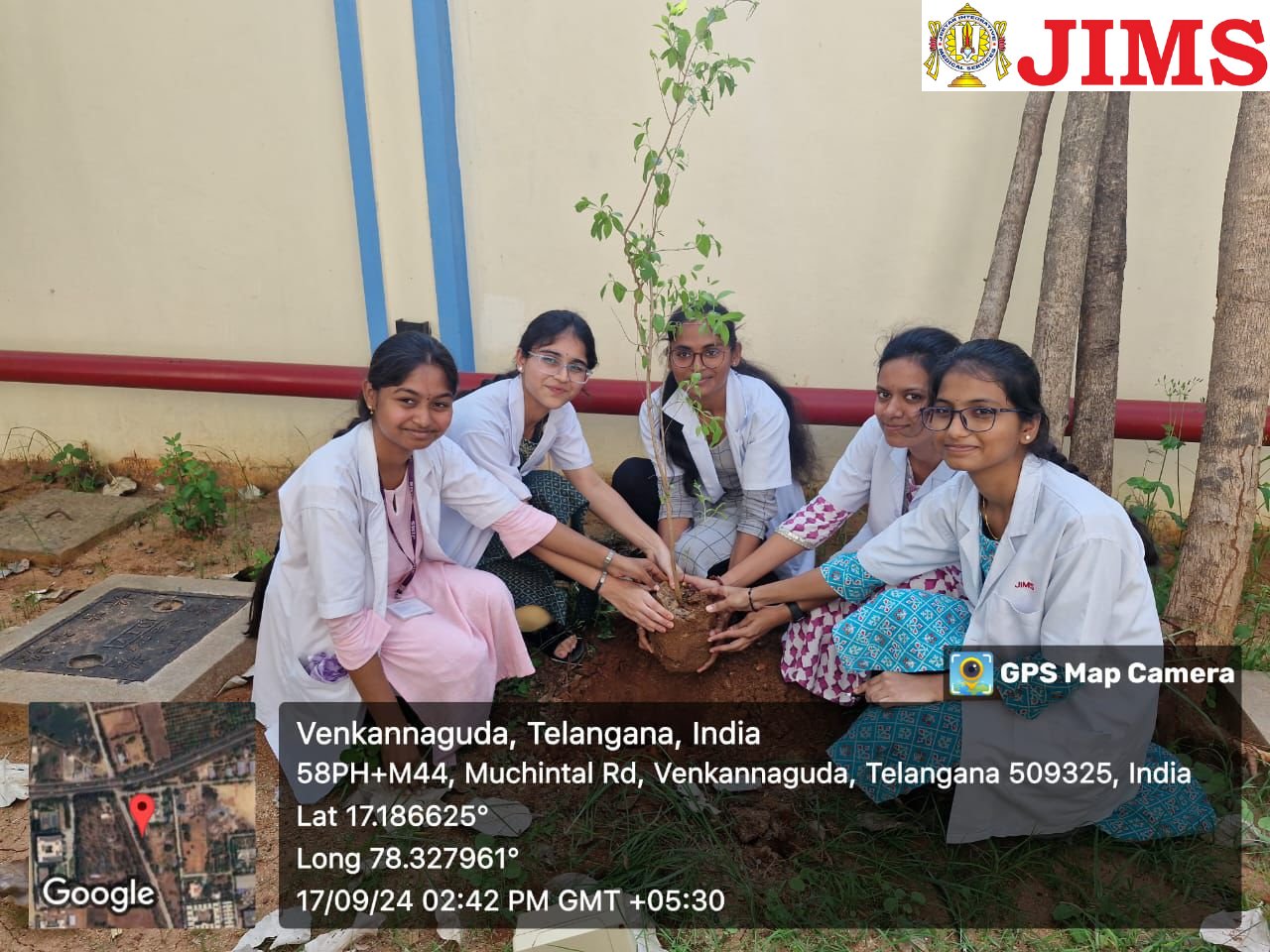
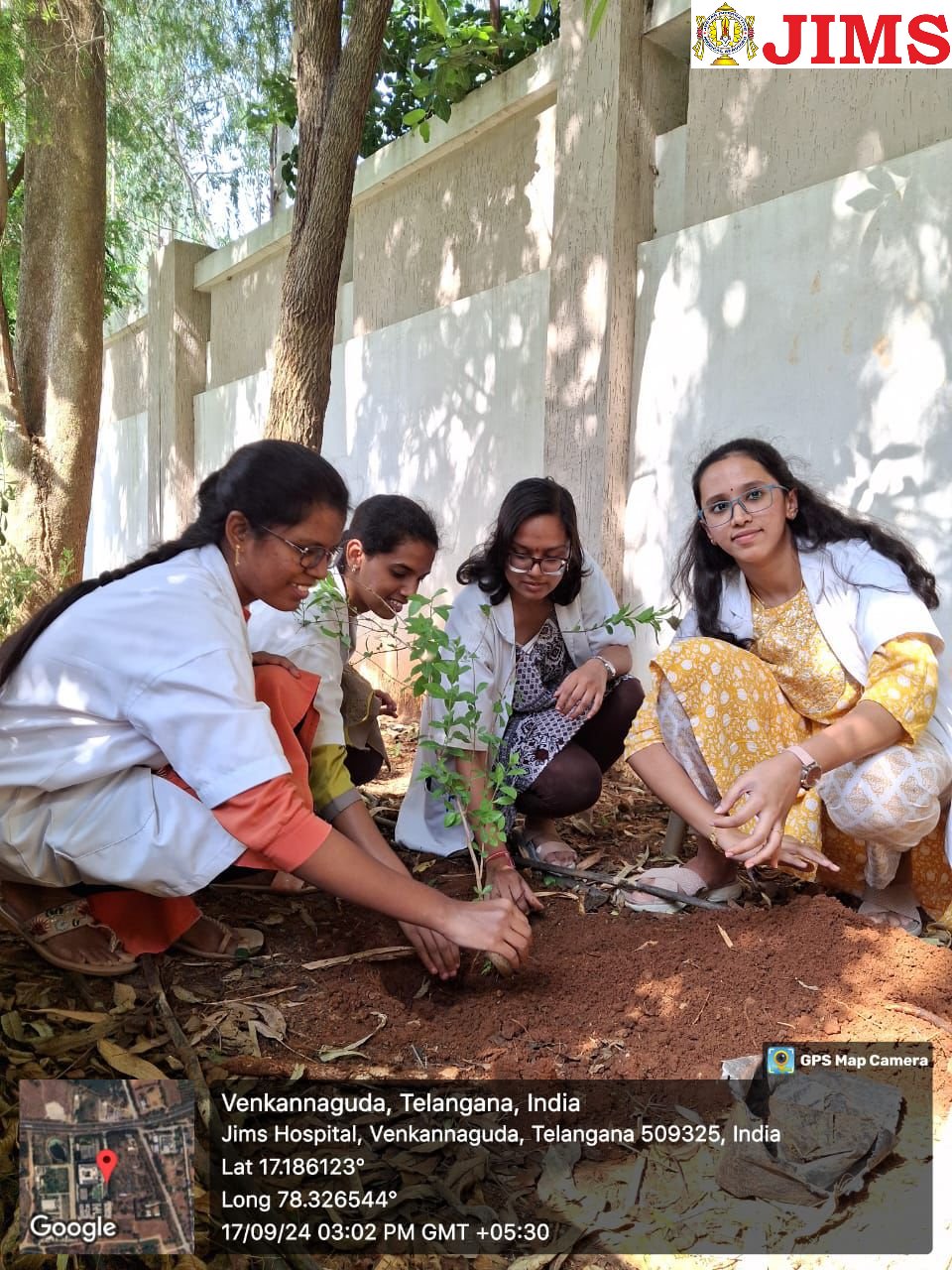
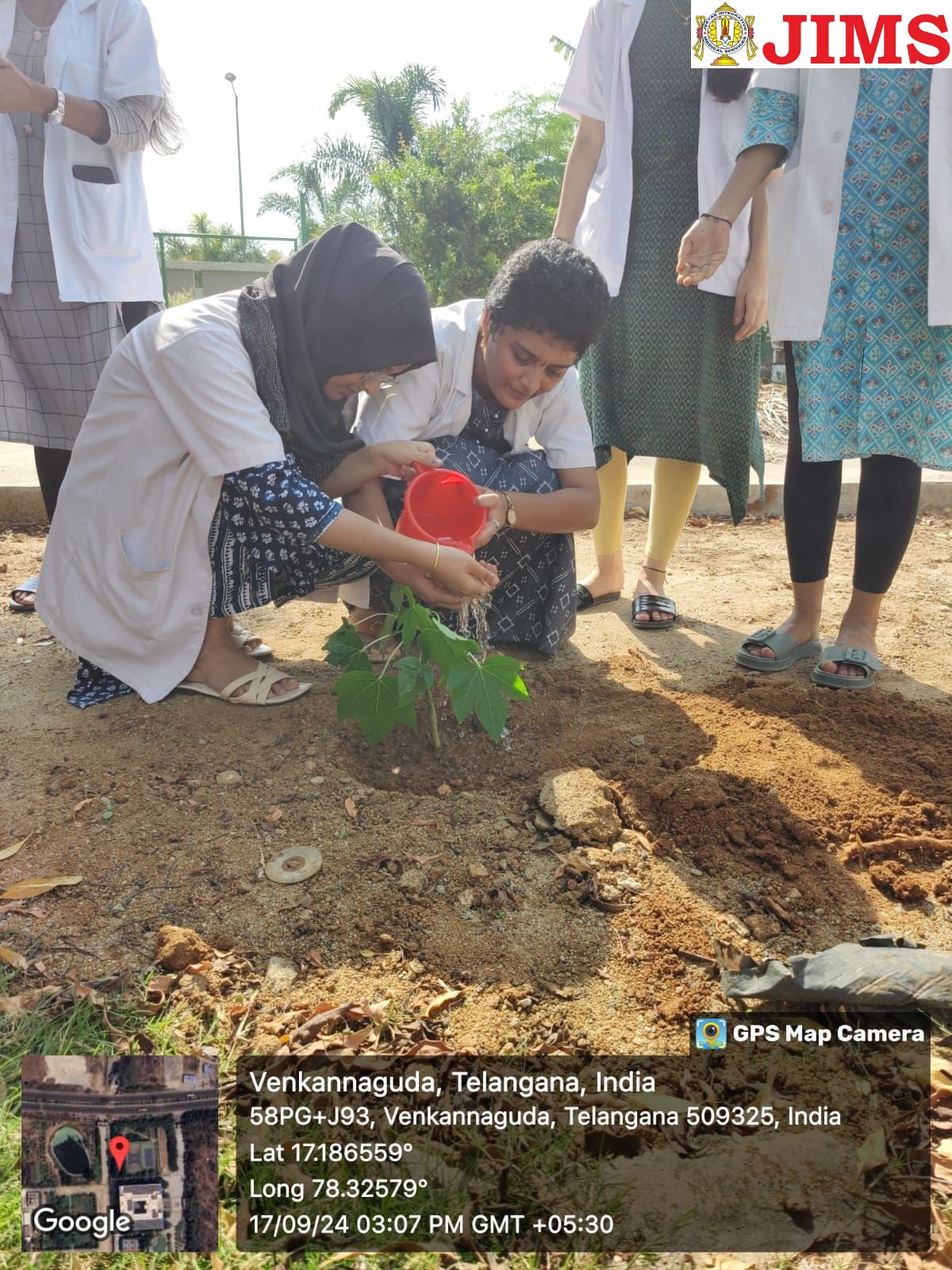
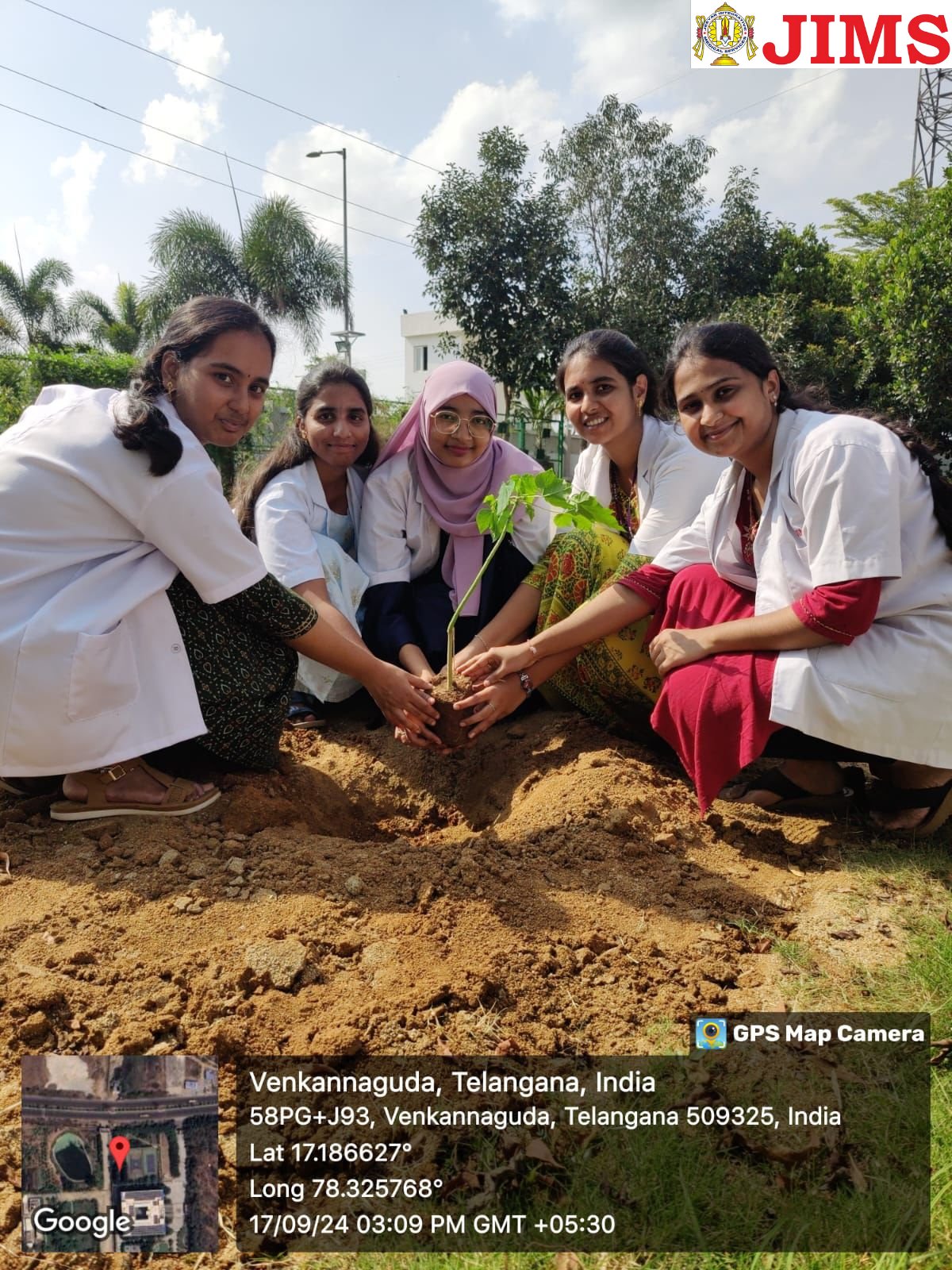
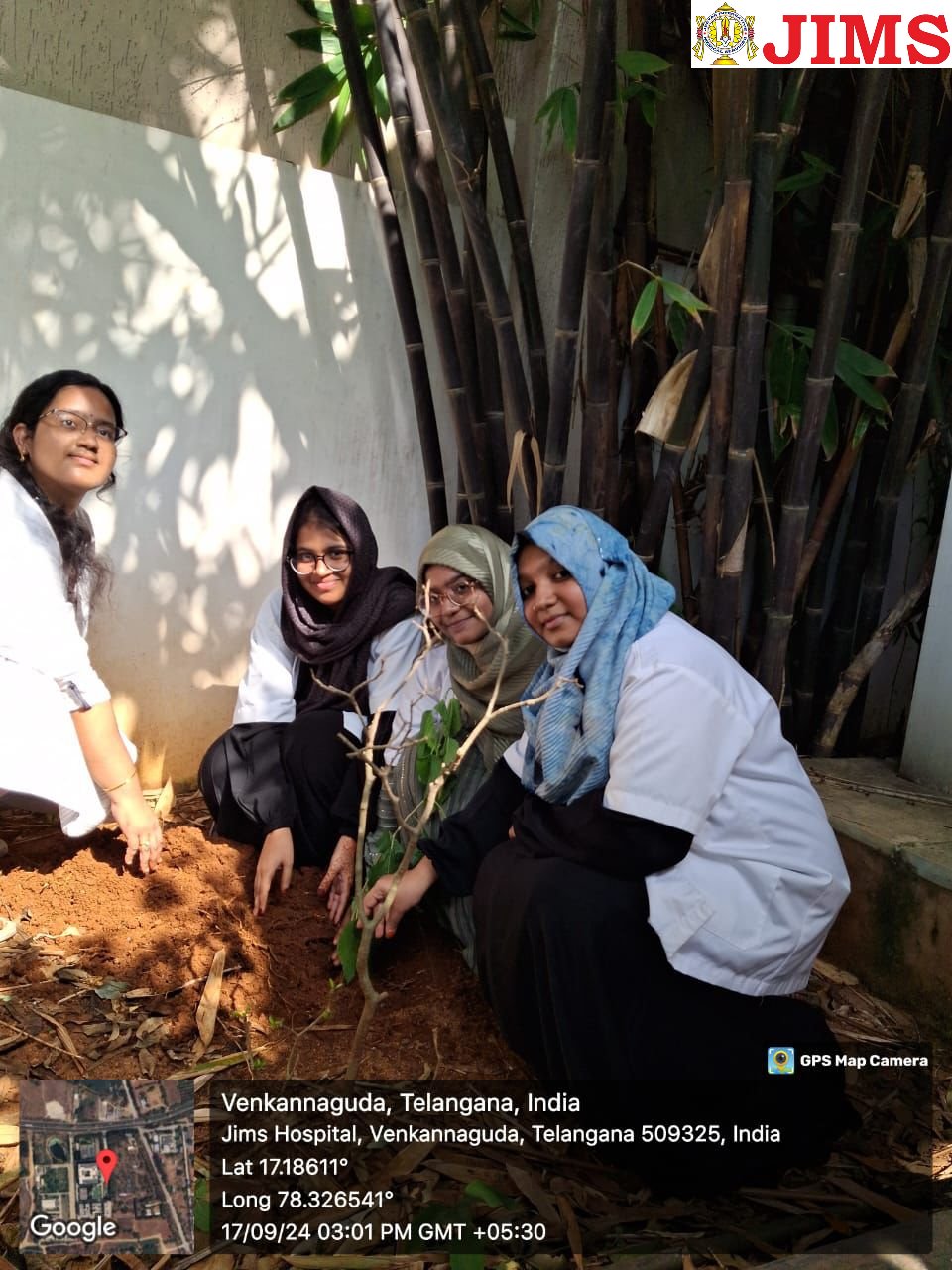
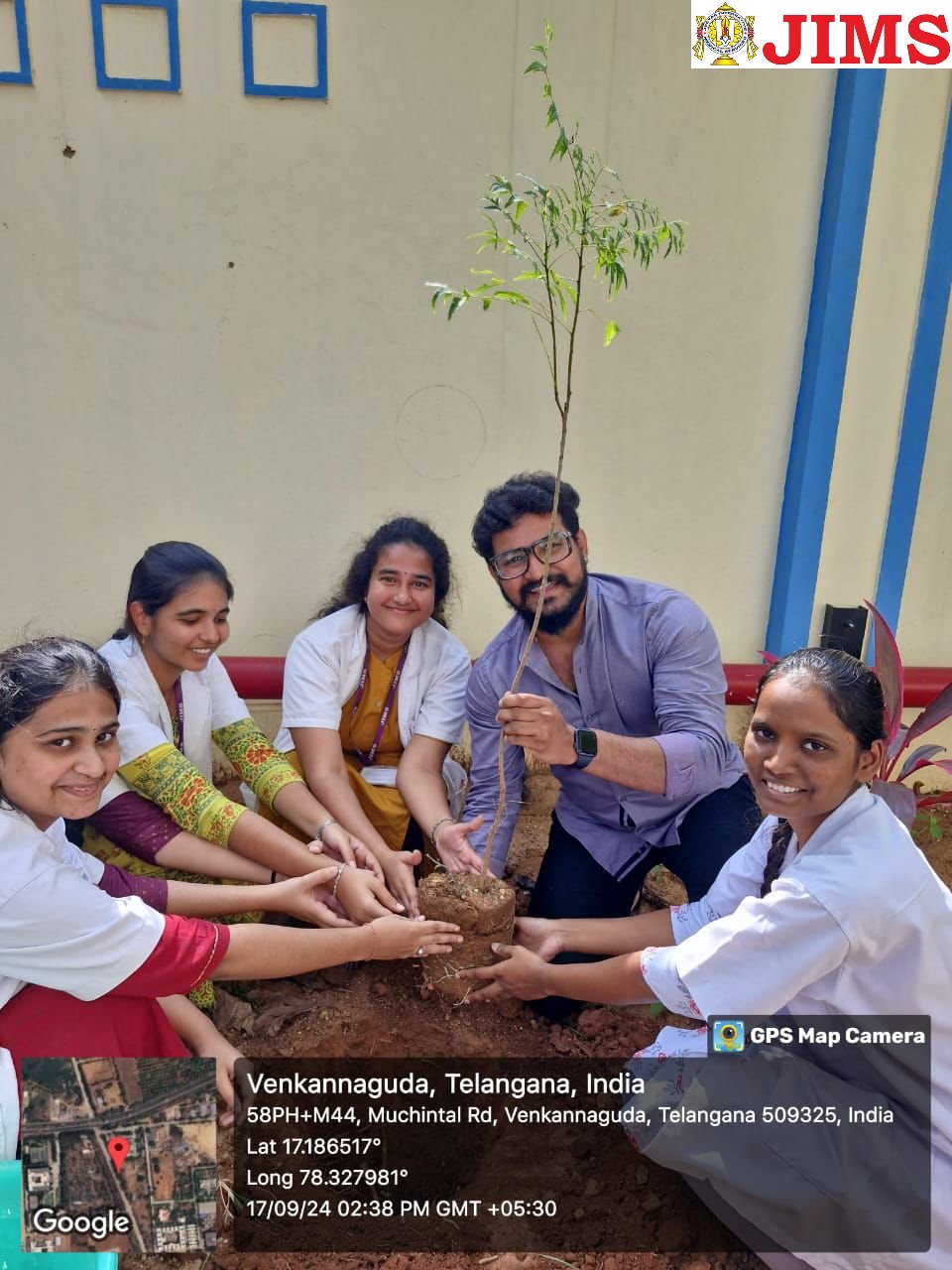
JIMS Homoeopathic Medical College and Hospital proudly conducted the ‘Ek Ped Maa Ke Naam’ #Plant4Mother Campaign, a tree plantation drive, on September 17, 2024.
Aligning with Swachhata Hi Seva program and National Commission for Homoeopathy’s guidelines, our team promoted environmental conservation and community service.
Highlights:
– Plants are planted around college and hospital premises
– Active participation by Principal, Faculty of Community Medicine, and NSS Volunteers
This initiative reinforces JIMS’ commitment to:
Environmental sustainability
Community service
Inspiring a healthier and greener future
Let’s work together for a better tomorrow!
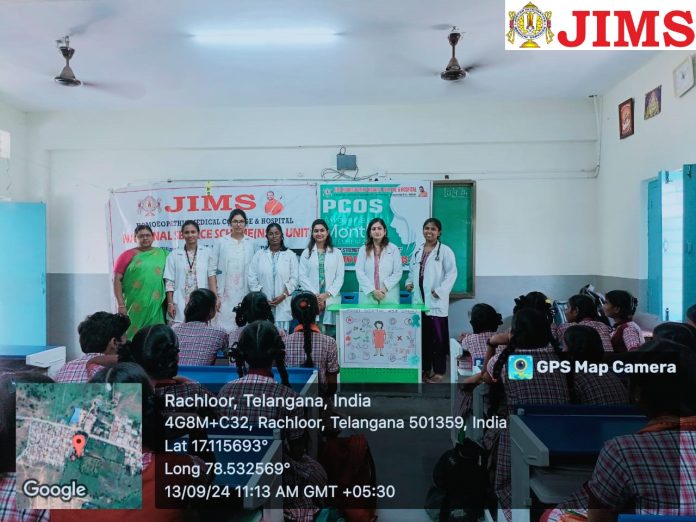
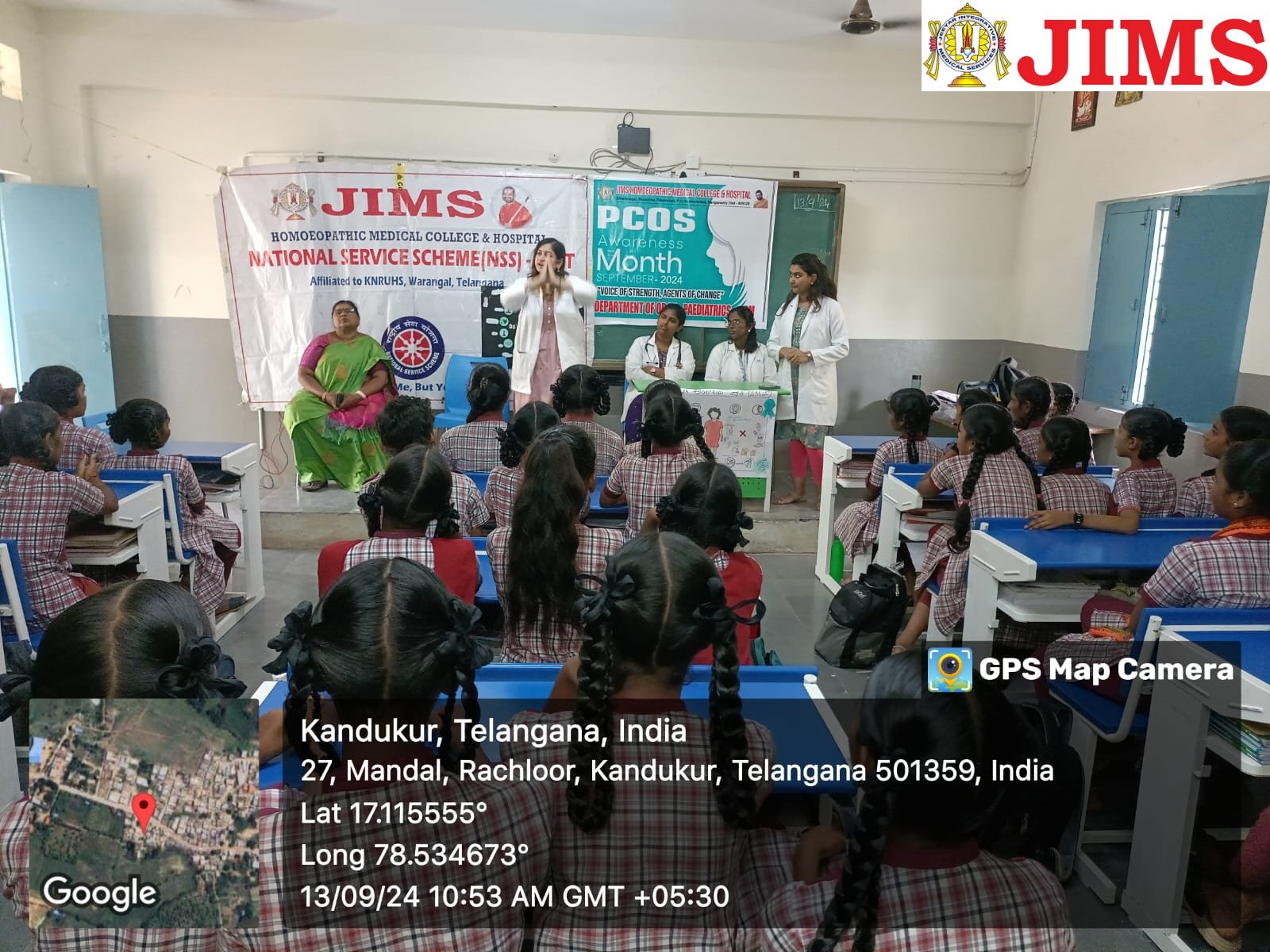
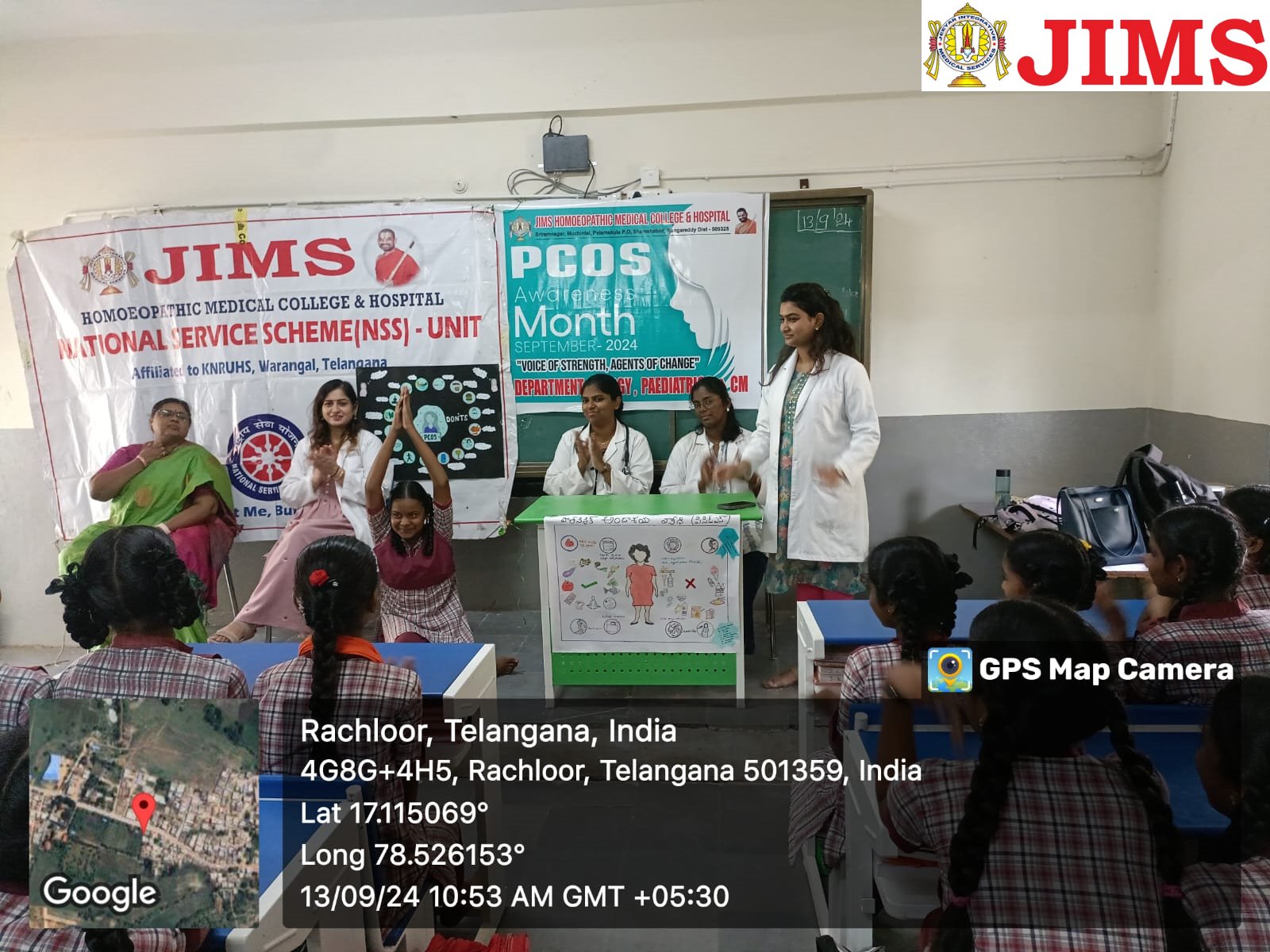
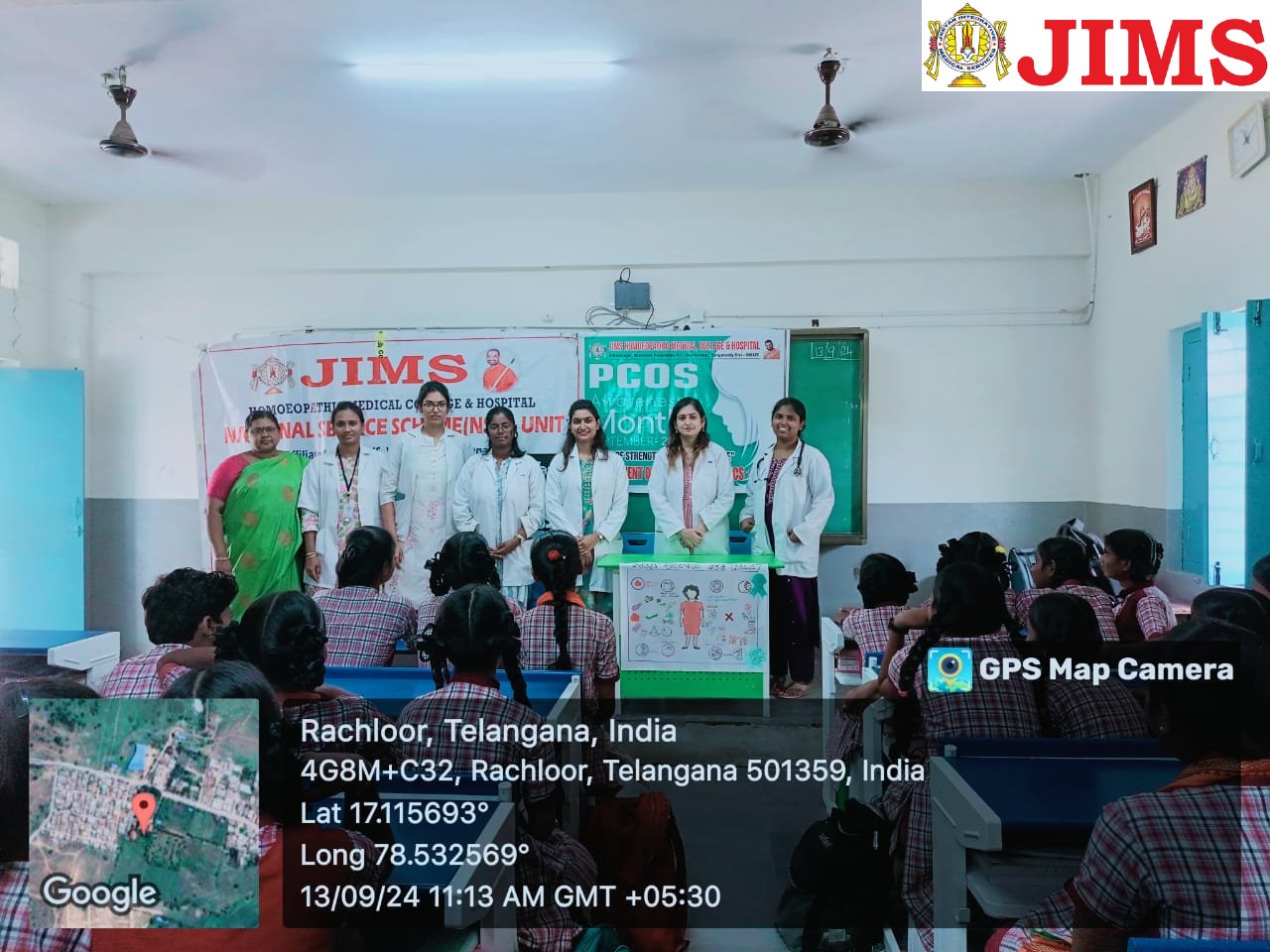
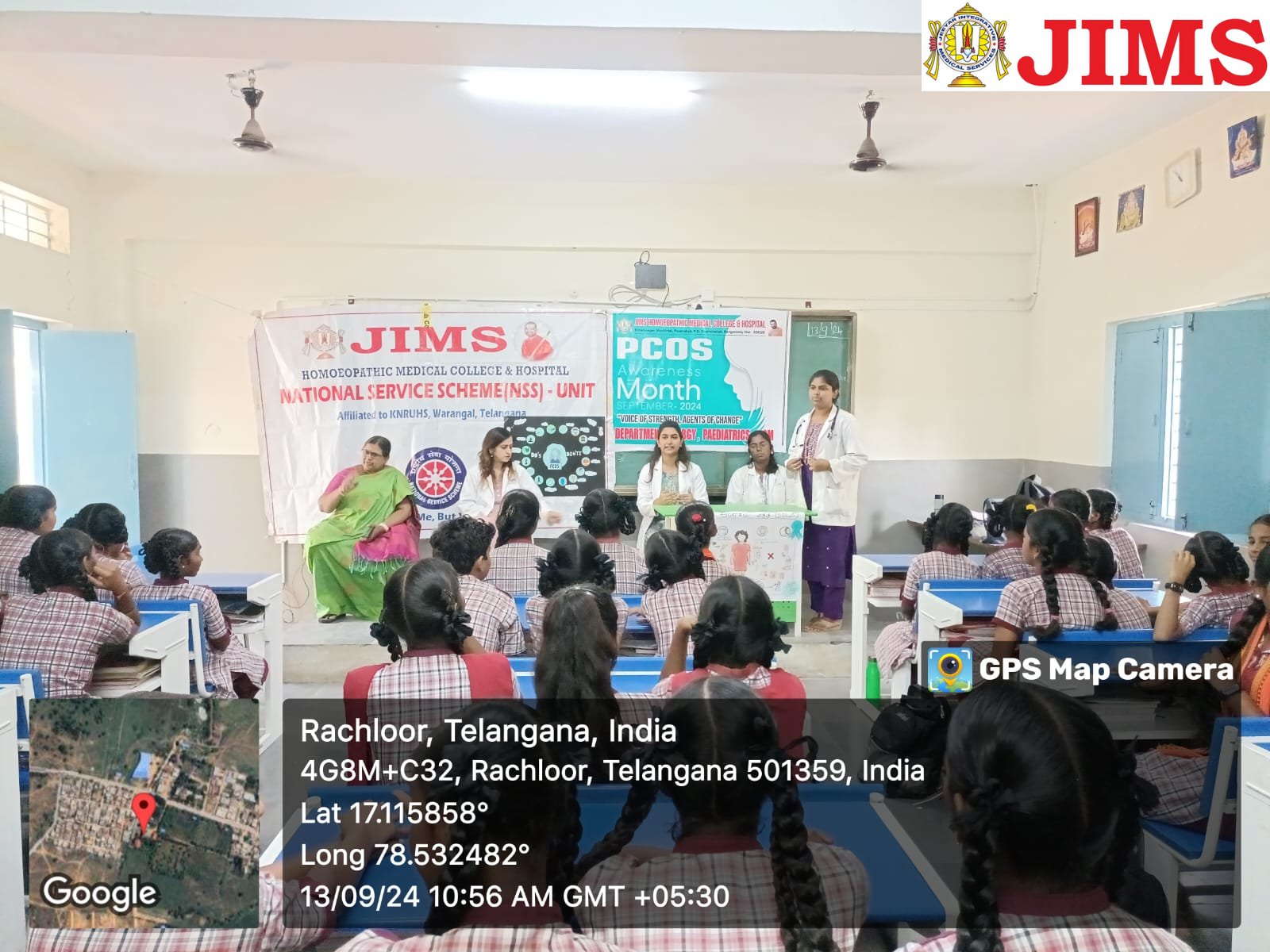
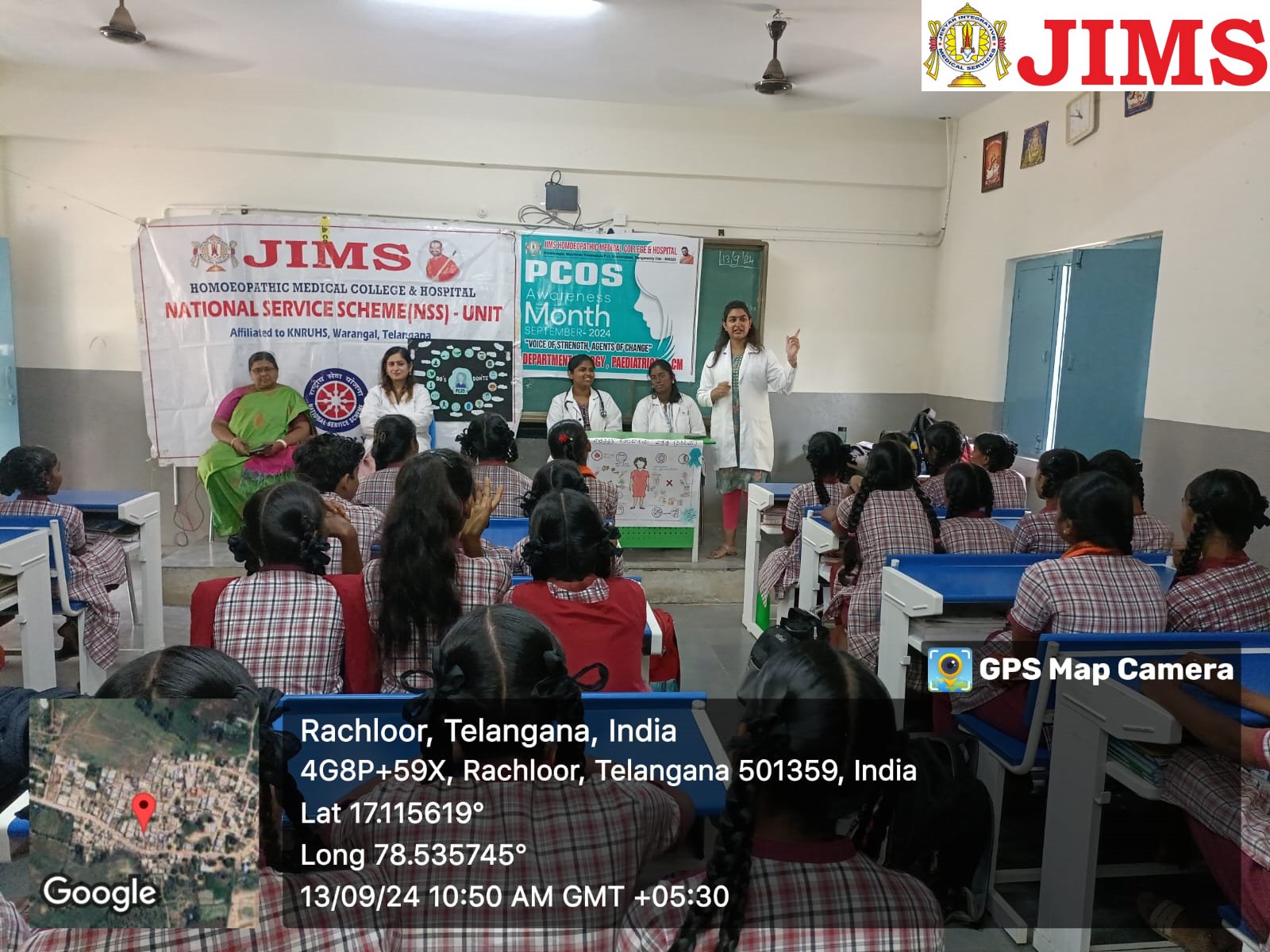
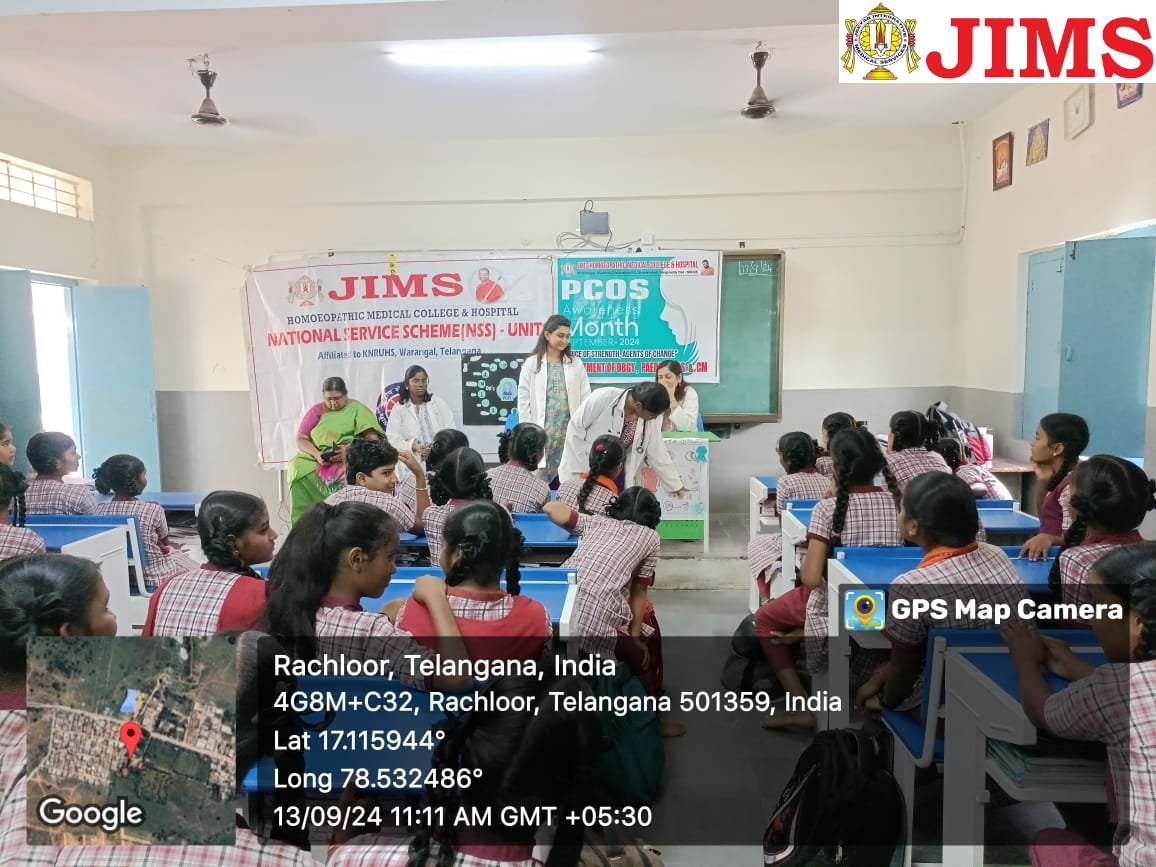
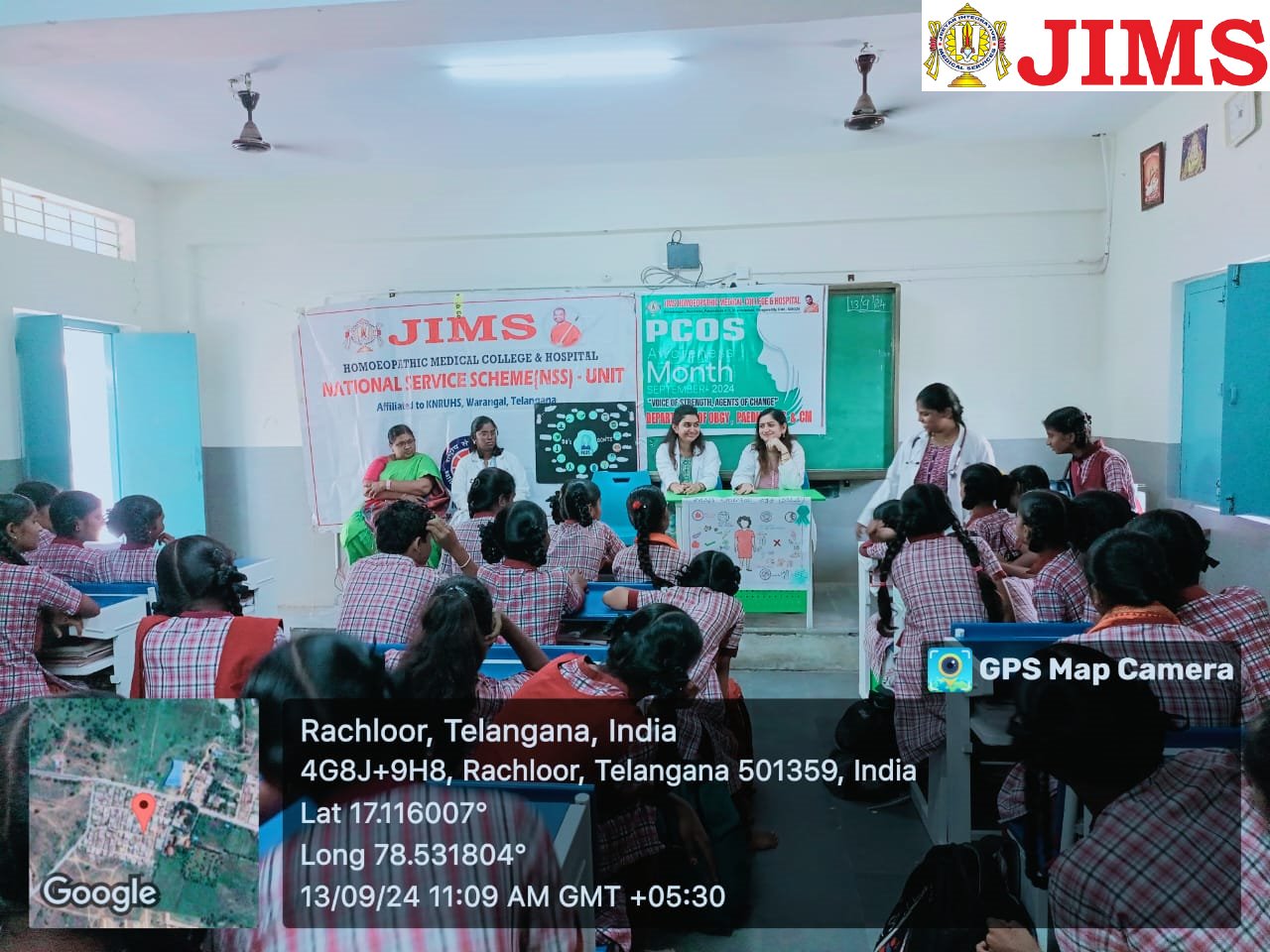
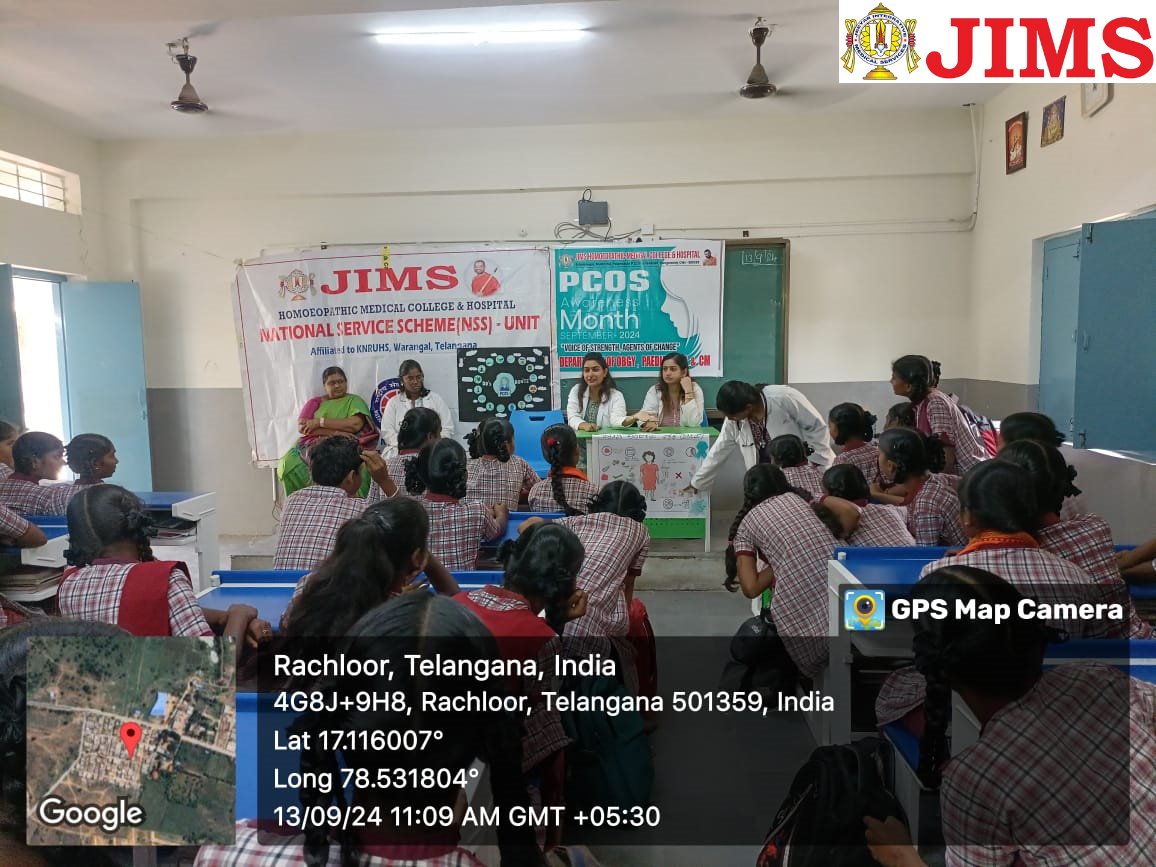
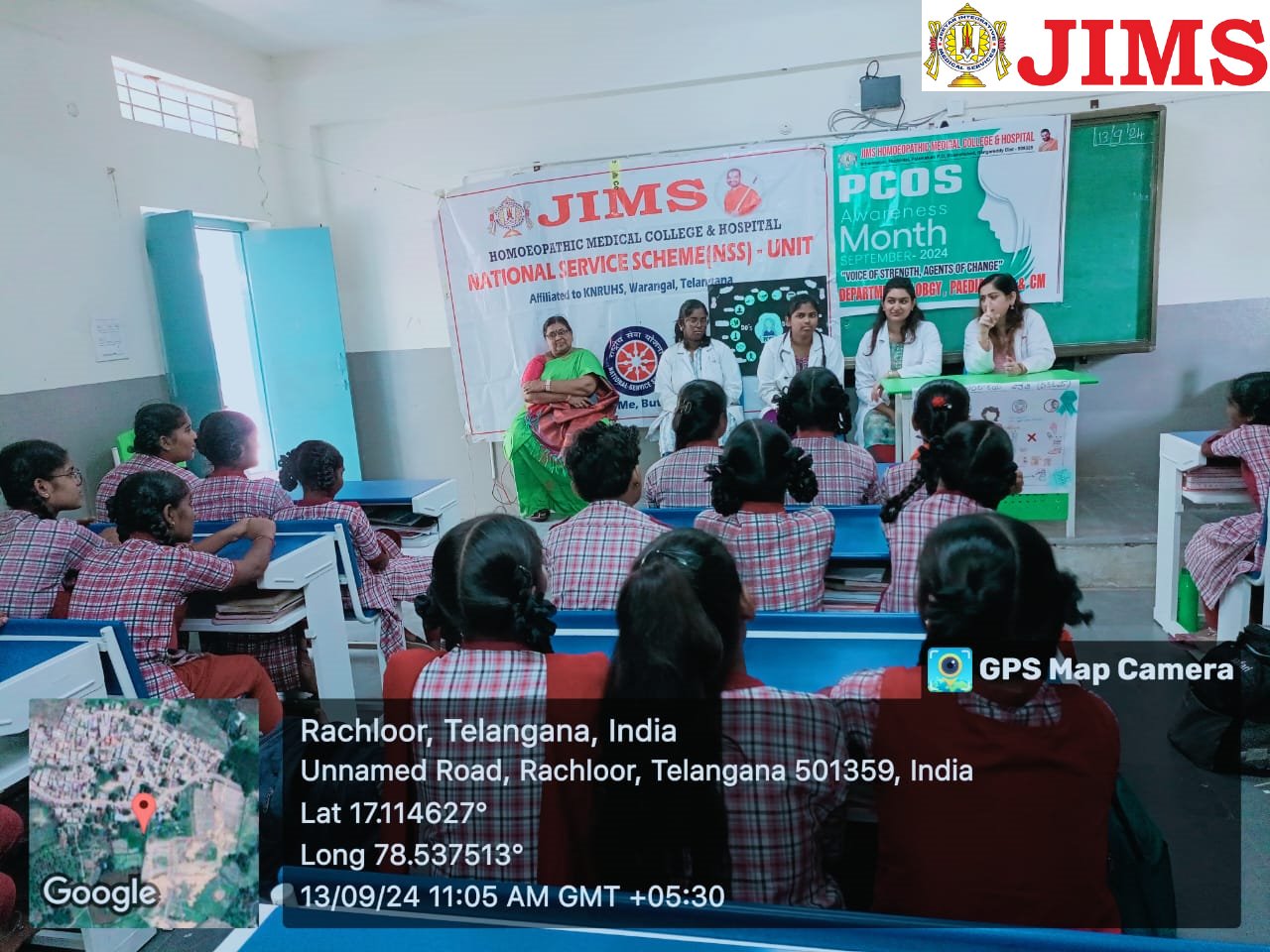
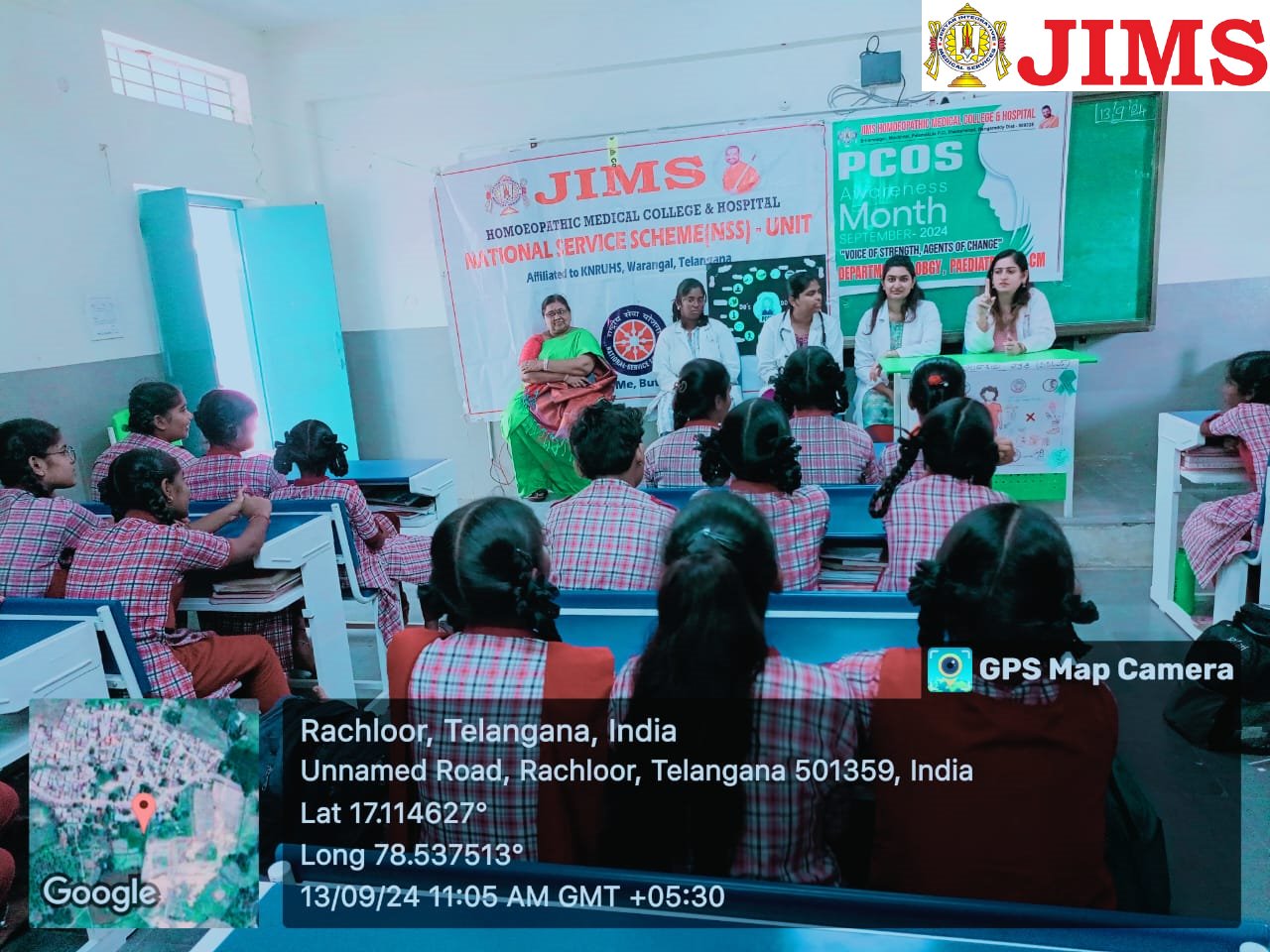
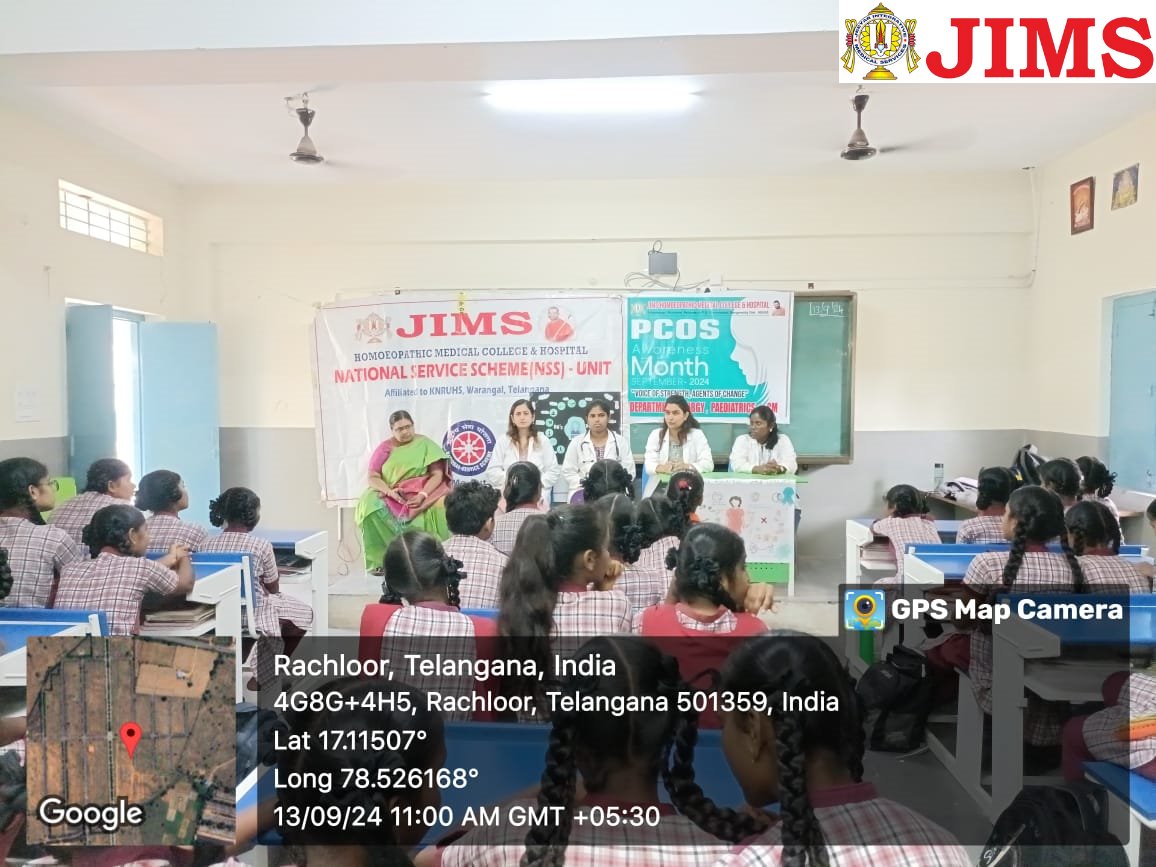
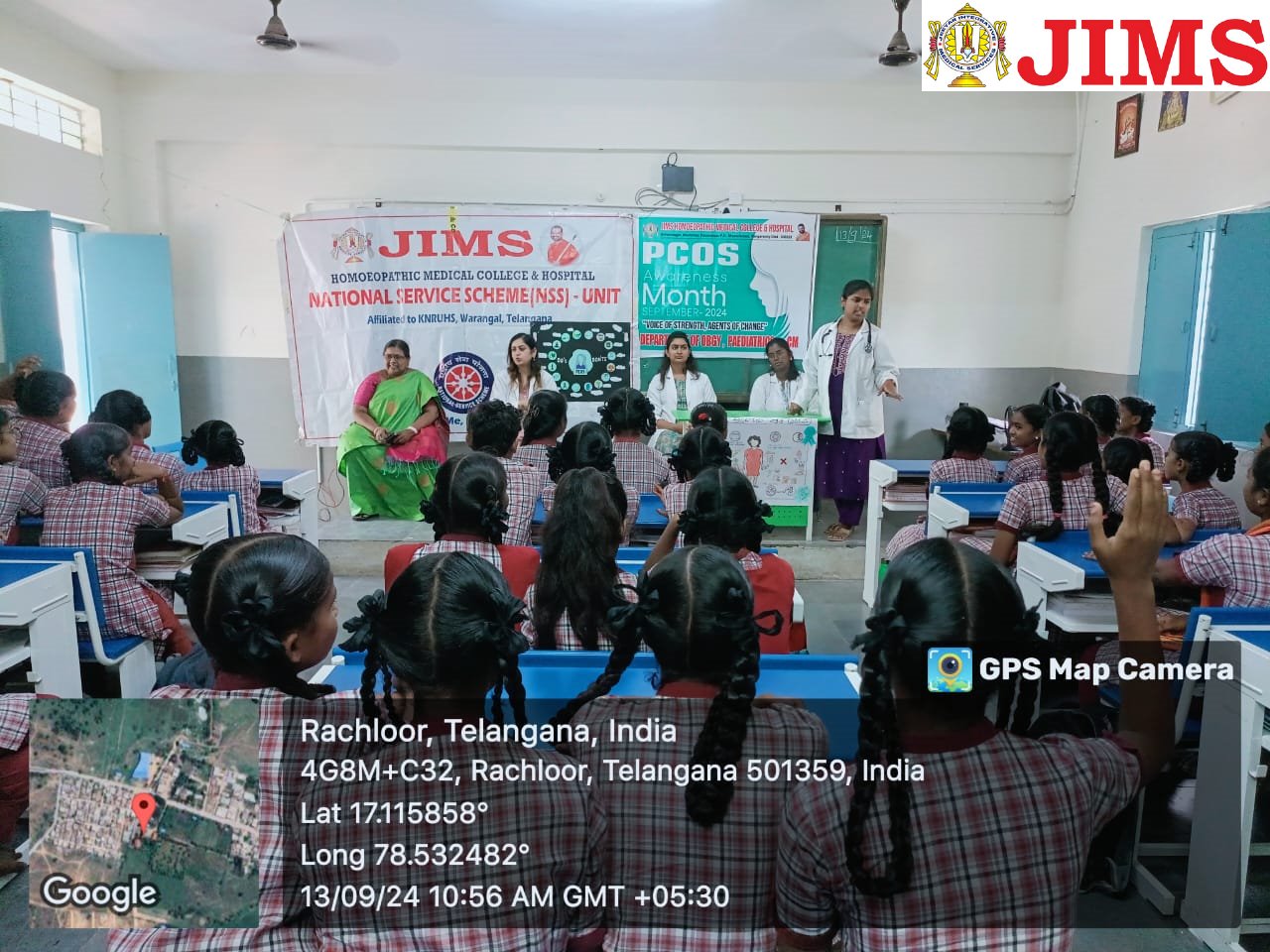
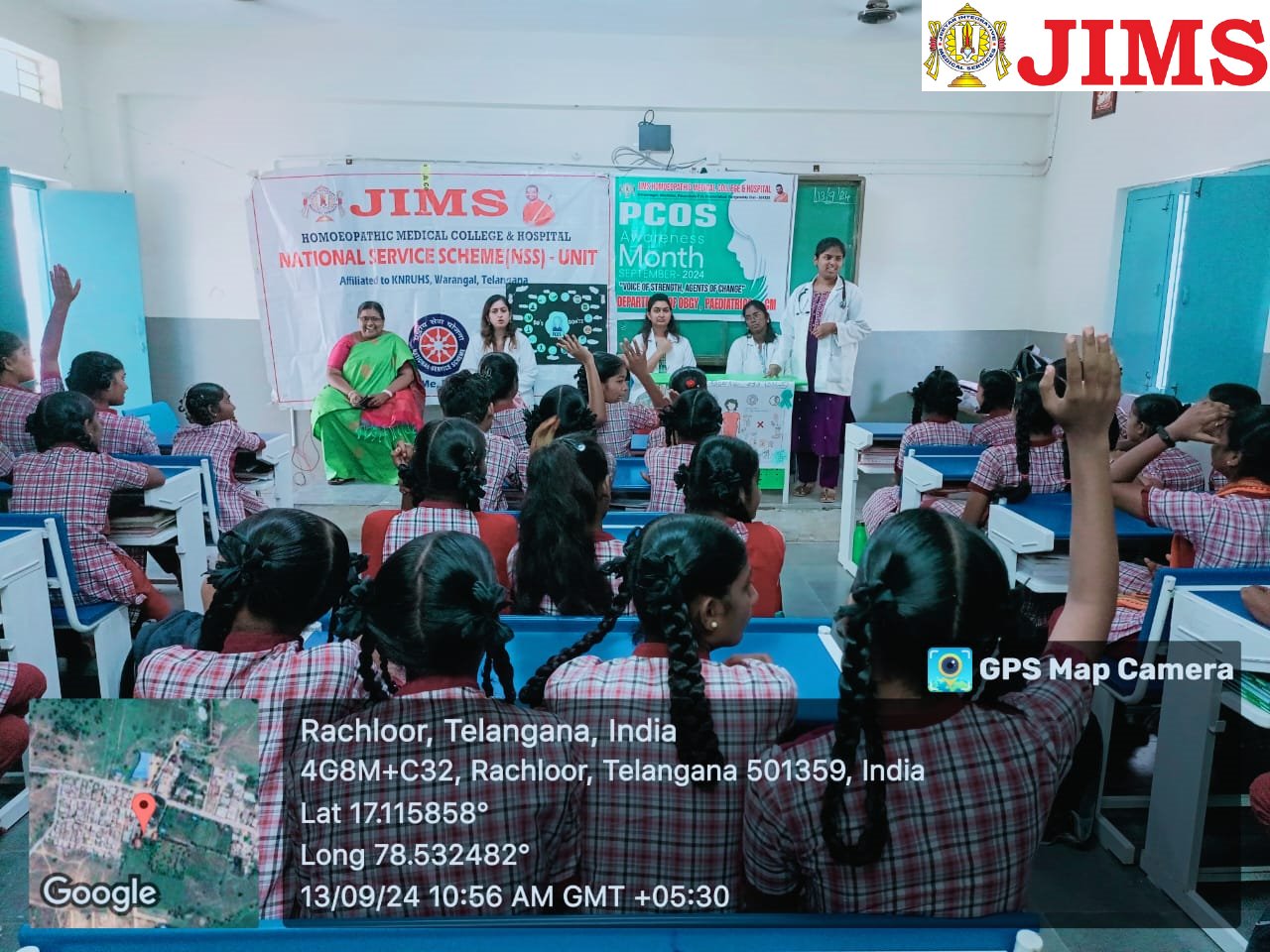
JIMS Homoeopathic Medical College & Hospital Dept of Obstetrics & Gynaecology, Paediatric & Community Medicine conducted a PCOS Awareness Program at Zilla Parishad High School, Rachaloor on 13 th September 2024.
53 students (Classes 8, 9, and 10) attended the program.
The program aimed to educate students about Polycystic Ovarian Syndrome (PCOS), its symptoms, causes, and management options.
Dr. Shivani Wadhwa, Professor,HOD Department of OBG & GYN, supervised and presented the program, which included interactive sessions by PGs Dr. Madhanu Divya, Dr. Logos and attending PG & interns are Dr. Indu Keerthana Manisha and Akhila.
The program was well-received by the students, who actively participated in the discussions and asked insightful questions. The presenters effectively communicated complex information in a simple and easy-to-understand manner, making the program a huge success.
Objectives:
– To create awareness about PCOS among adolescent girls
– To educate students about the symptoms, causes, and management options of PCOS
– To promote healthy lifestyle choices and stress management techniques
Outcome:
– Students gained knowledge and understanding of PCOS and its implications
– Students learned about the importance of healthy lifestyle choices and stress management techniques
– The program encouraged students to ask questions and seek help if needed
Conclusion:
The PCOS awareness program at Zilla Parishad High School, Rachaloor, was a successful initiative that educated and empowered adolescent girls to take control of their reproductive health. We look forward to conducting more such programs in the future.
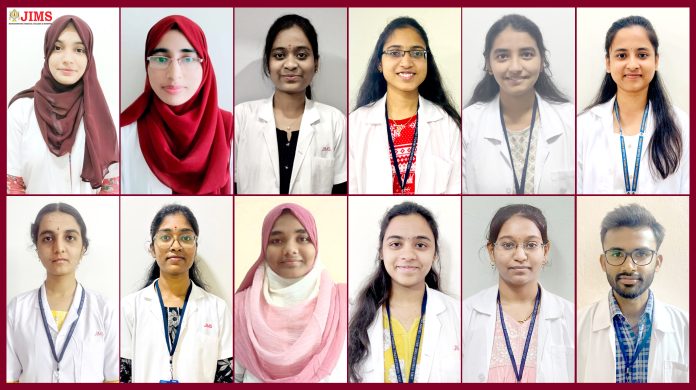
“Proud Moment for JIMS Homoeopathic Medical College and Hospital!
We are thrilled to announce that we have achieved an outstanding 96% passing result in KNR University for the 3rd year BHMS exams!
12 of our students secured 1st class, and 84 students achieved 2nd class!
This consistent excellence is a testament to the hard work and dedication of our students, teachers, and staff. We are beaming with pride!
Congratulations to all the students and teachers who made this possible!

Homeopathy, a system of medicine founded on the principles of treating “like with like,” relies heavily on the concept of individualization. At the heart of this practice is repertorisation, a critical process that helps practitioners identify the most appropriate remedy for a patient’s unique symptoms. This blog delves into the essence of repertorisation, offering insights into its significance, methodology, and practical application in homeopathic practice.
What is Repertorisation?
Repertorisation is a systematic method used to match a patient’s symptoms with the most suitable homeopathic remedy. The process involves the use of a repertory—a comprehensive reference book or software containing a categorized list of symptoms and their corresponding remedies. By analyzing the patient’s symptoms and comparing them with the repertory, homeopaths can narrow down the list of potential remedies and select the most fitting one.
The Importance of Repertorisation
Individualization:
Homeopathy emphasizes treating the individual as a whole rather than merely addressing isolated symptoms. Repertorisation aids in this by considering the complete symptom picture of the patient, including physical, emotional, and mental aspects.
Precision:
It enhances the precision of remedy selection. Instead of relying solely on intuition or experience, repertorisation provides a structured and methodical approach to remedy selection.
Documentation and Tracking:
It allows practitioners to document their thought process and track the progress of treatment, providing a clearer rationale for remedy choice and adjustments.
The Repertorisation Process
Case Taking:
The first step is a thorough case taking, where the homeopath collects detailed information about the patient’s symptoms, including their nature, modalities (factors that worsen or improve symptoms), and any concomitant symptoms.
Symptom Analysis:
The symptoms are then analyzed and categorized. Symptoms are often divided into general, mental, and physical categories. Each symptom is further detailed to capture its specificity and uniqueness.
Selecting the Repertory:
Choose an appropriate repertory based on the nature of the symptoms. Different repertories might focus on various aspects of symptoms, so selecting one that aligns with the patient’s presentation is crucial.
Repertorisation:
Input the symptoms into the repertory, either manually or using software tools. The repertory will generate a list of remedies that correspond to the symptoms. This step might involve analyzing the rubrics (categories of symptoms) and assessing the remedy’s relevance.
Evaluating Remedies:
The next step is to evaluate the remedies suggested by the repertorisation process. This involves considering the totality of symptoms, including any unique or rare symptoms that might point to a specific remedy.
Selecting the Remedy:
Based on the analysis, select the remedy that best matches the overall symptom picture. It’s essential to choose a remedy that resonates with the patient’s total experience rather than just the dominant symptoms.
Monitoring and Adjusting:
After administering the remedy, monitor the patient’s response and adjust the remedy if necessary. Repertorisation is not a one-time process but rather a dynamic tool that can be revisited as the patient’s condition evolves.
Tips for Effective Repertorisation:
Thorough Case Taking: The accuracy of repertorisation is directly related to the quality of the case taking. Ensure you capture all relevant details and nuances of the patient’s symptoms.
Understand the Repertory:
Familiarize yourself with the structure and contents of the repertory you’re using. Knowing how to navigate and interpret the repertory is crucial for effective repertorisation.
Use Technology Wisely:
Modern software tools can significantly aid in repertorisation by providing comprehensive analyses and suggestions. However, always combine technological outputs with your clinical judgment and experience.
Continuous Learning:
Stay updated with advancements in repertorisation techniques and remedies. Regularly review and refine your skills to enhance your practice.
Collaboration:
Discuss complex cases with peers or mentors. Collaborative input can offer new perspectives and improve the repertorisation process.
Conclusion:
Repertorisation is a cornerstone of homeopathic practice that bridges the gap between the patient’s symptoms and the selection of an appropriate remedy. Mastery of this technique enhances the precision and effectiveness of homeopathic treatment, ensuring that each patient receives personalized and targeted care. By understanding and applying repertorisation diligently, homeopaths can uphold the principles of individualized treatment and achieve better outcomes in their practice.
By Dr.Vishal Deshpande
Professor and Hod dept.of case taking &Repertory.