
Home Blog Page 24

Nature’s Medicine: Homoeopathic Remedies for Everyday Health

0
Nature's Medicine: Homoeopathic Remedies for Everyday Health
Nature's Medicine: Homoeopathic Remedies for Everyday Health ( Pic Credit: freepik.com )

The monsoon season, while bringing much-needed relief from the intense heat, also introduces a range of health challenges. Increased humidity and rainfall can lead to waterborne diseases, respiratory issues, and skin infections. Thankfully, Homoeopathy provides a natural and effective approach to both prevent and treat these monsoon-related ailments.

Common Monsoon-Related Diseases:
Waterborne Diseases: Cholera, Diarrhoea, Dysentery, and Gastroenteritis.
Respiratory Issues: Bronchitis, Asthma, and Allergies.
Skin Infections: Fungal infections, Ringworm, and Scabies.
Vector-Borne Diseases: Dengue, Malaria, and Chikungunya.

Homoeopathic Remedies:

Arsenicum album:
For diarrhoea or dysentery with burning pain, worse at night. Symptoms include frequent, small, dark, offensive stools. Thirsty but drinks little, often; restlessness and anxiety. Symptoms worsen after midnight, from cold, and from eating.

Bryonia:
Useful for a dry, painful cough, worsened by movement or deep breathing. Chest feels tight with stitching pains and difficulty breathing, accompanied by headaches aggravated by movement or coughing. The patient may be irritable and prefers solitude.

Graphites:
Effective for skin eruptions, eczema, or fungal infections with itching and burning. Features thick, yellow, sticky discharge and crusty, scaly skin, particularly on the face or hands.

Eupatorium perfoliatum:
Suitable for fever with chills, headache, and body aches, along with bone pain that feels like broken bones. The patient is thirsty but drinks little, and symptoms worsen from movement, cold, and exposure.

Pulsatilla:
For thick, yellow, bland discharge from the eyes or nose, with itching, burning, or stinging sensations. Symptoms are changeable, with a desire for fresh air and worsening in warm rooms.

Gelsemium:
Addresses fatigue, weakness, and lack of energy, along with dullness and mental fogginess. Headaches feel heavy or pressured, and symptoms worsen from cold, damp weather, or exposure.

Preventive Measures:
Keep yourself dry and clean.
Avoid eating from street vendors.
Drink boiled water.
Use mosquito nets and repellents.

Conclusion:
Homoeopathy offers a natural and effective way to manage and prevent monsoon-related diseases. By incorporating these remedies into your healthcare routine, you can maintain good health and enjoy the monsoon season without the worry of falling ill. For personalized advice and treatment, consult a Homoeopathic practitioner.

Dr. Harishma Purvanthi
MD Scholar
Department of Practice of Medicine
JIMSHMCH
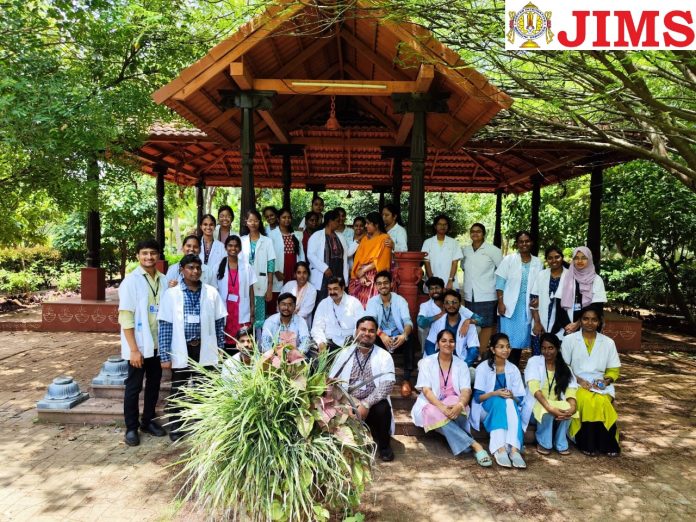
A visit to the medicinal plant garden By Department of Homoeopathic Pharmacy – Gallery

0
A visit to the medicinal plant garden By Department of Homoeopathic Pharmacy

A visit to the medicinal plant garden By Department of Homoeopathic Pharmacy

0
A visit to the medicinal plant garden By Department of Homoeopathic Pharmacy

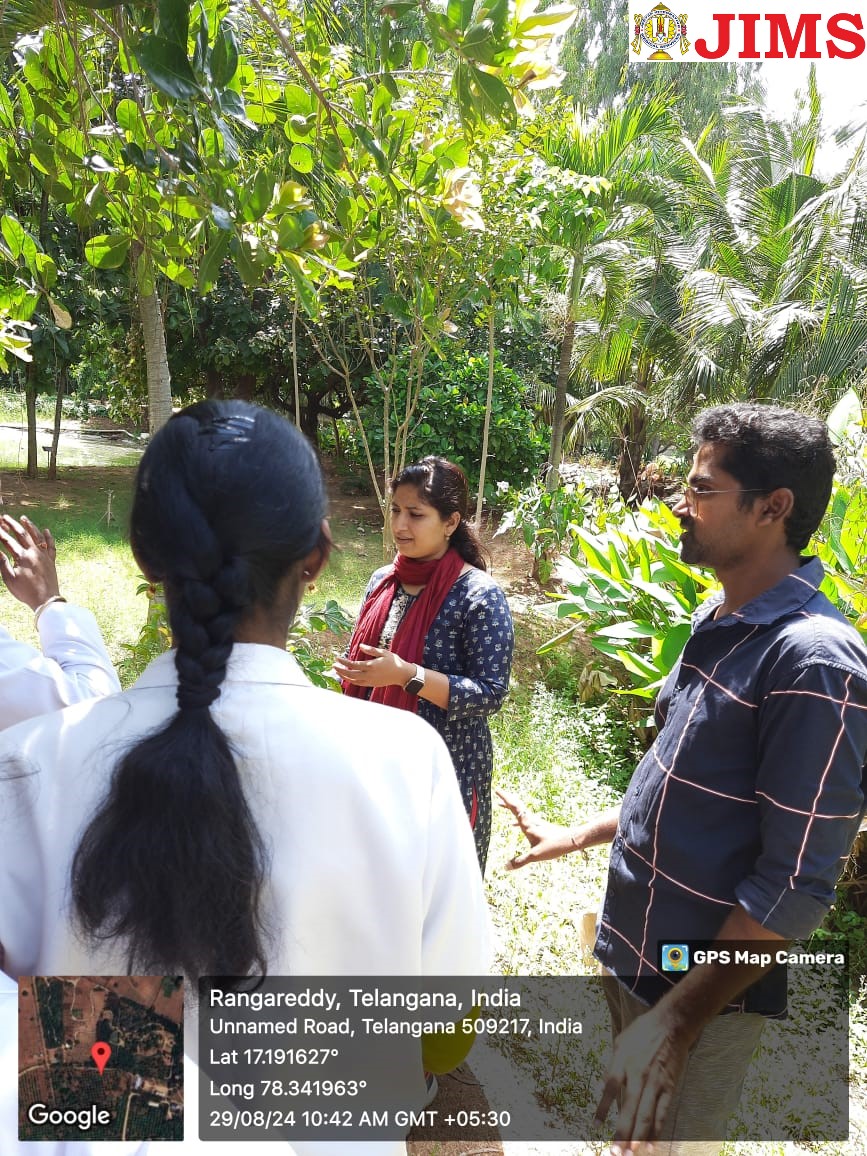
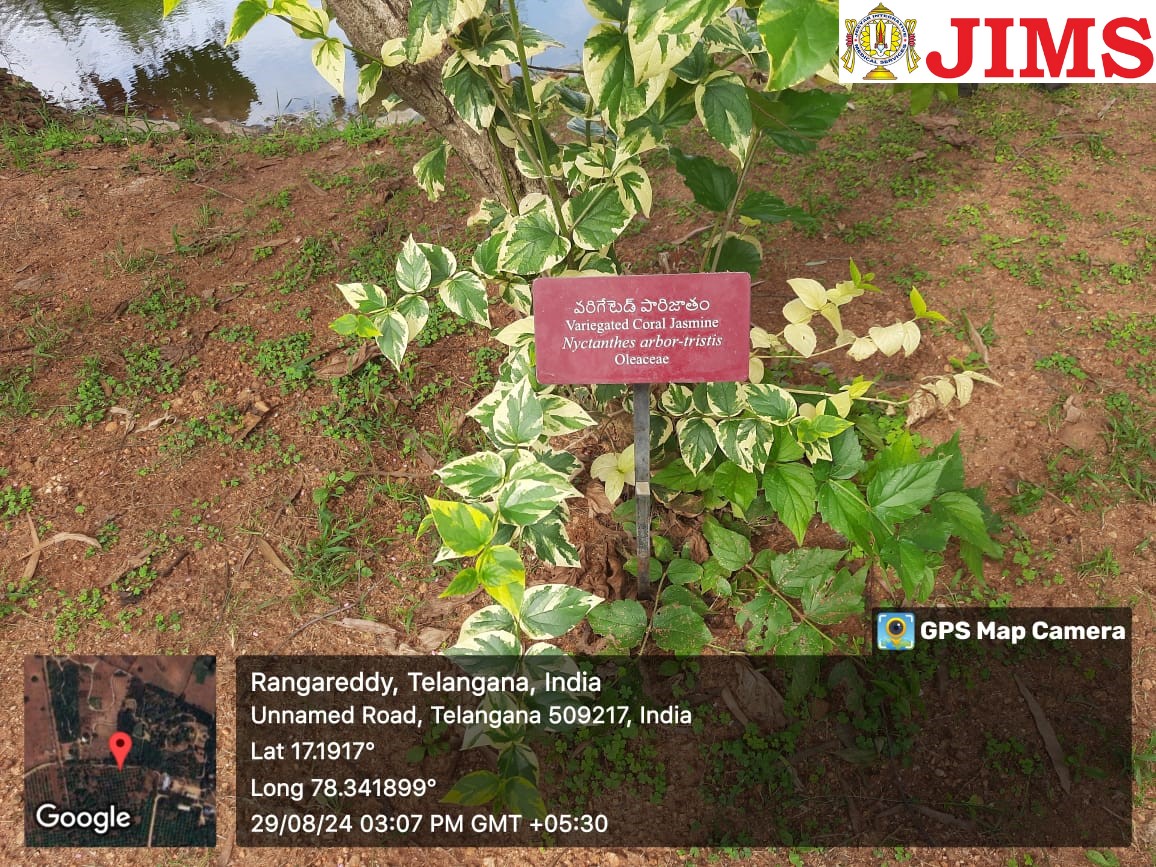
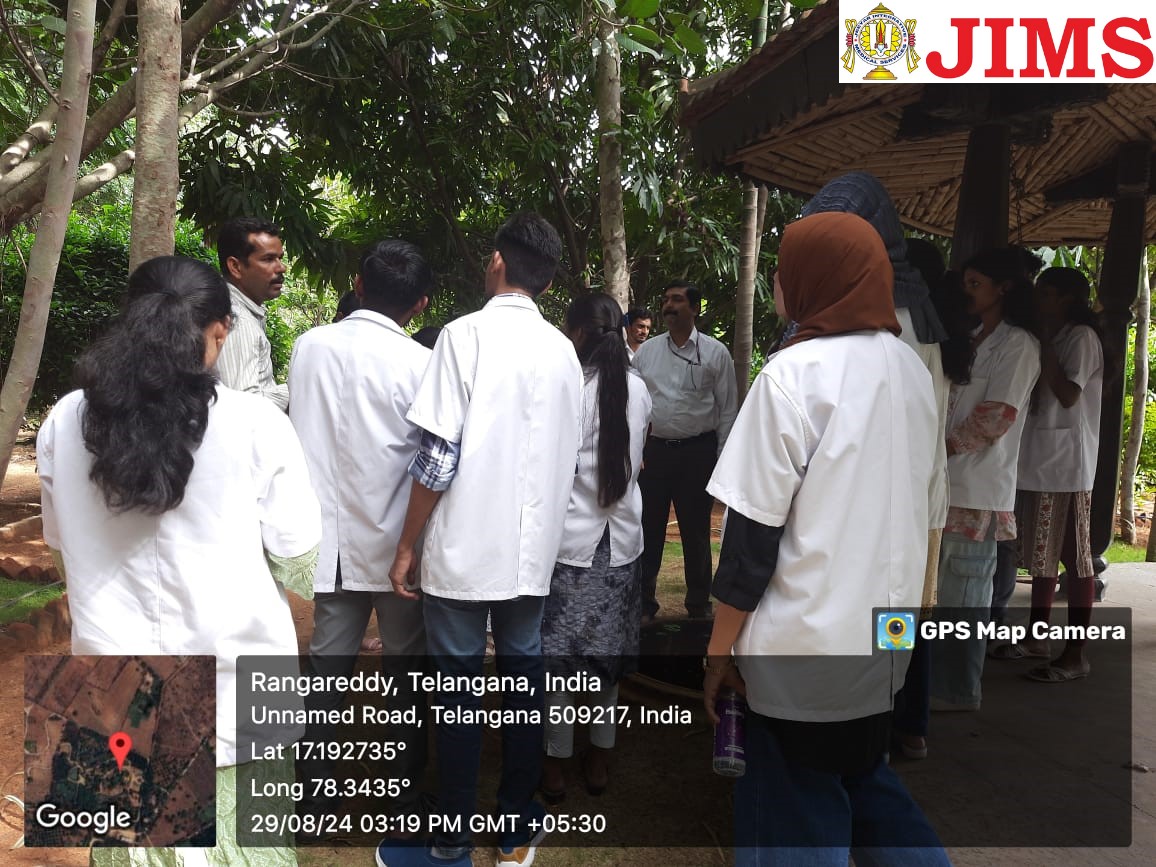
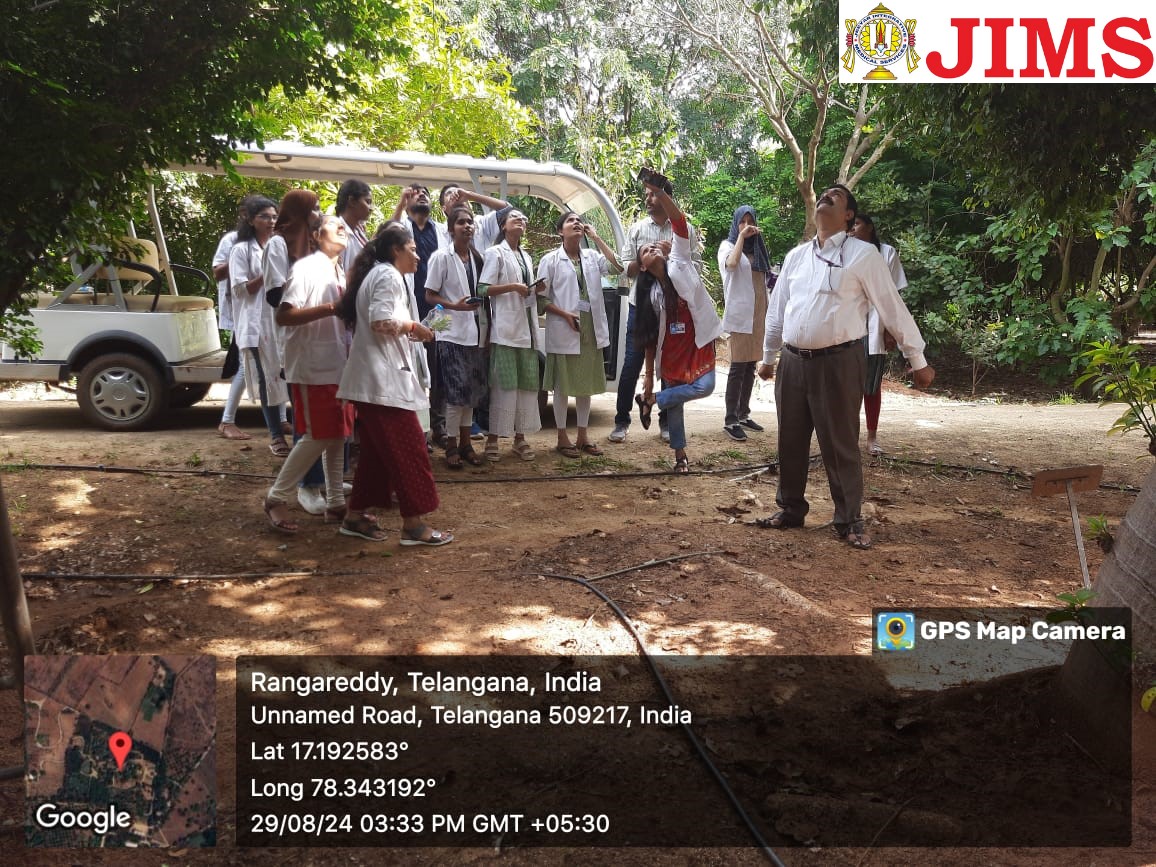
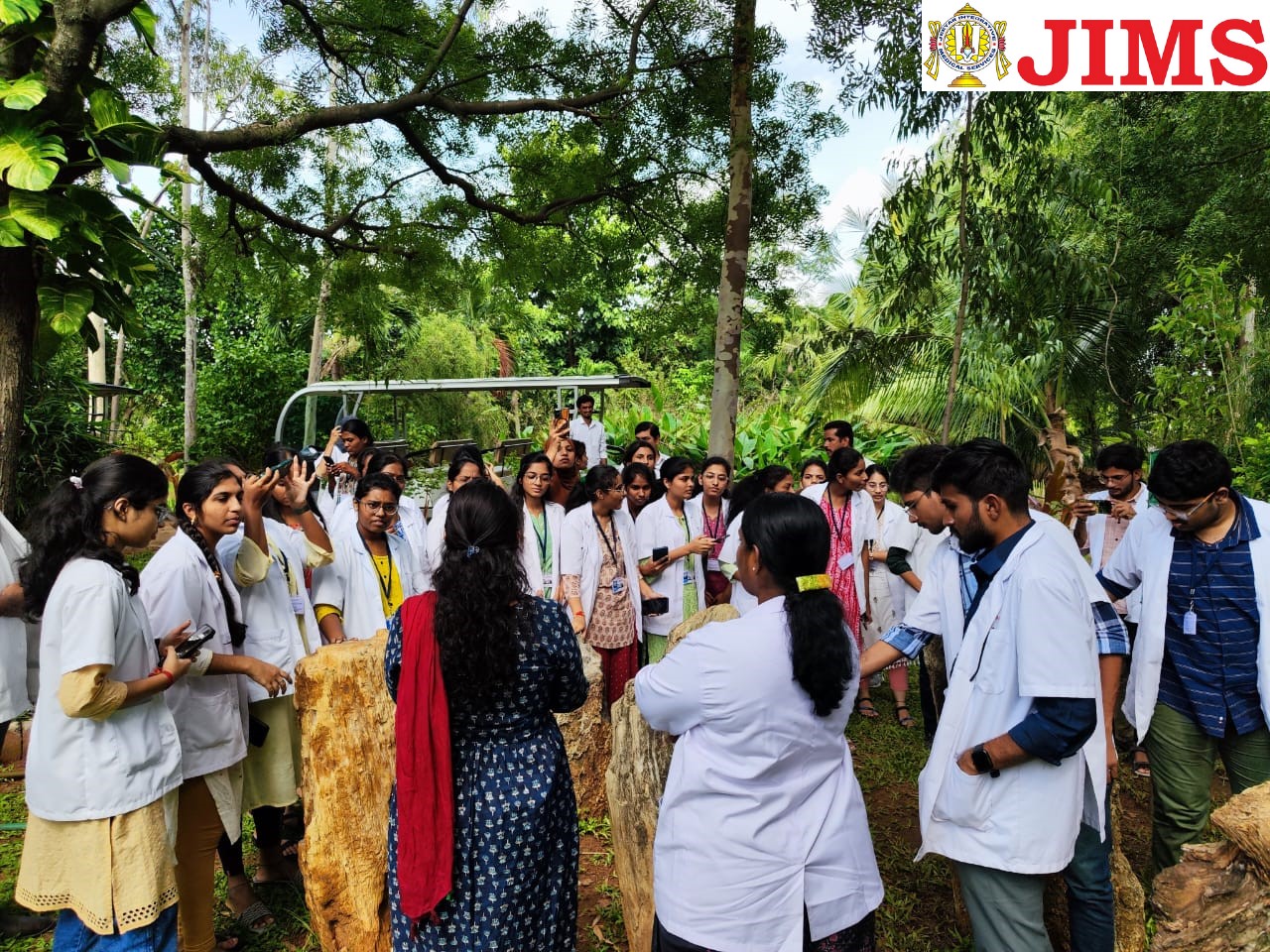
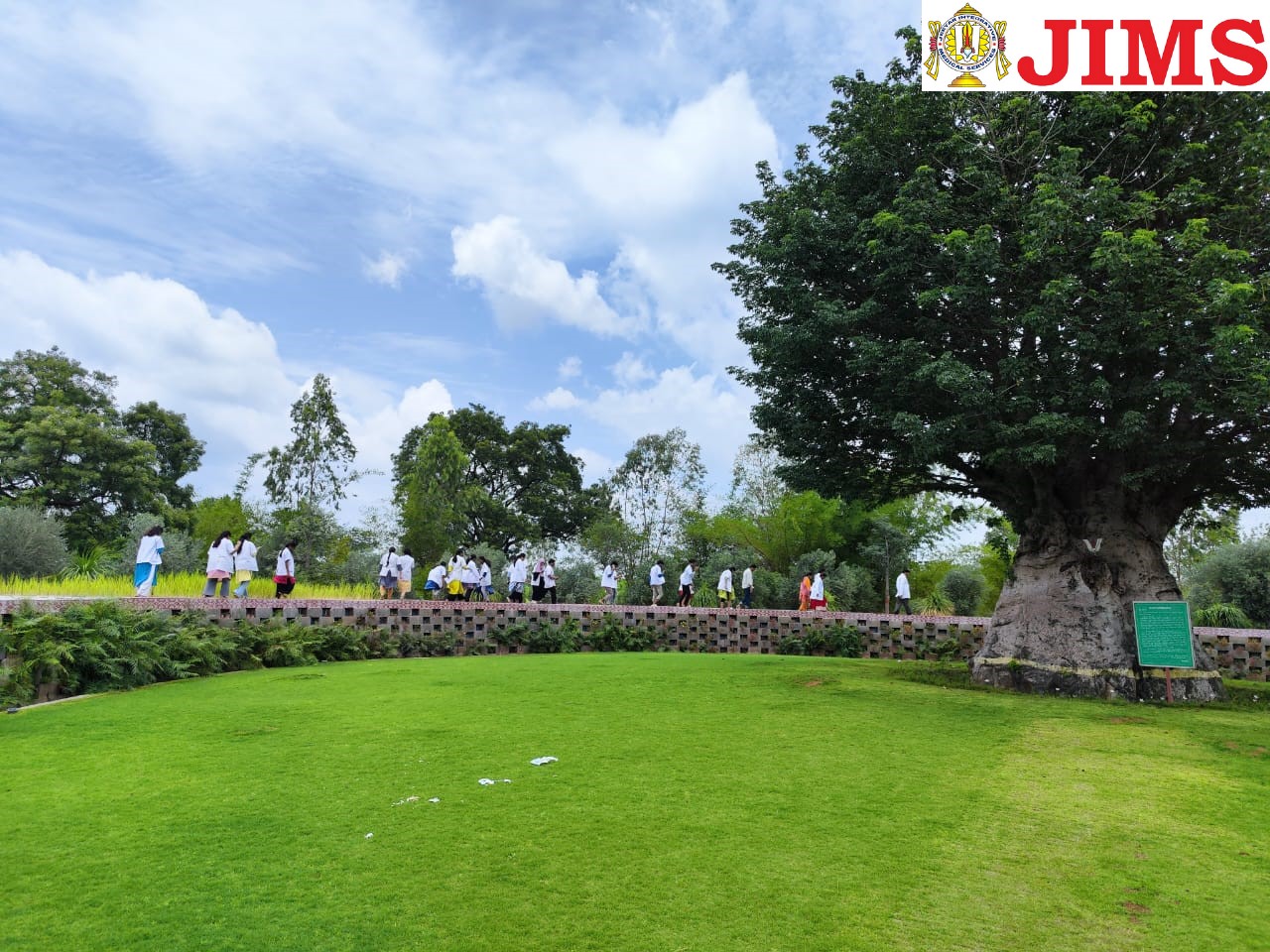
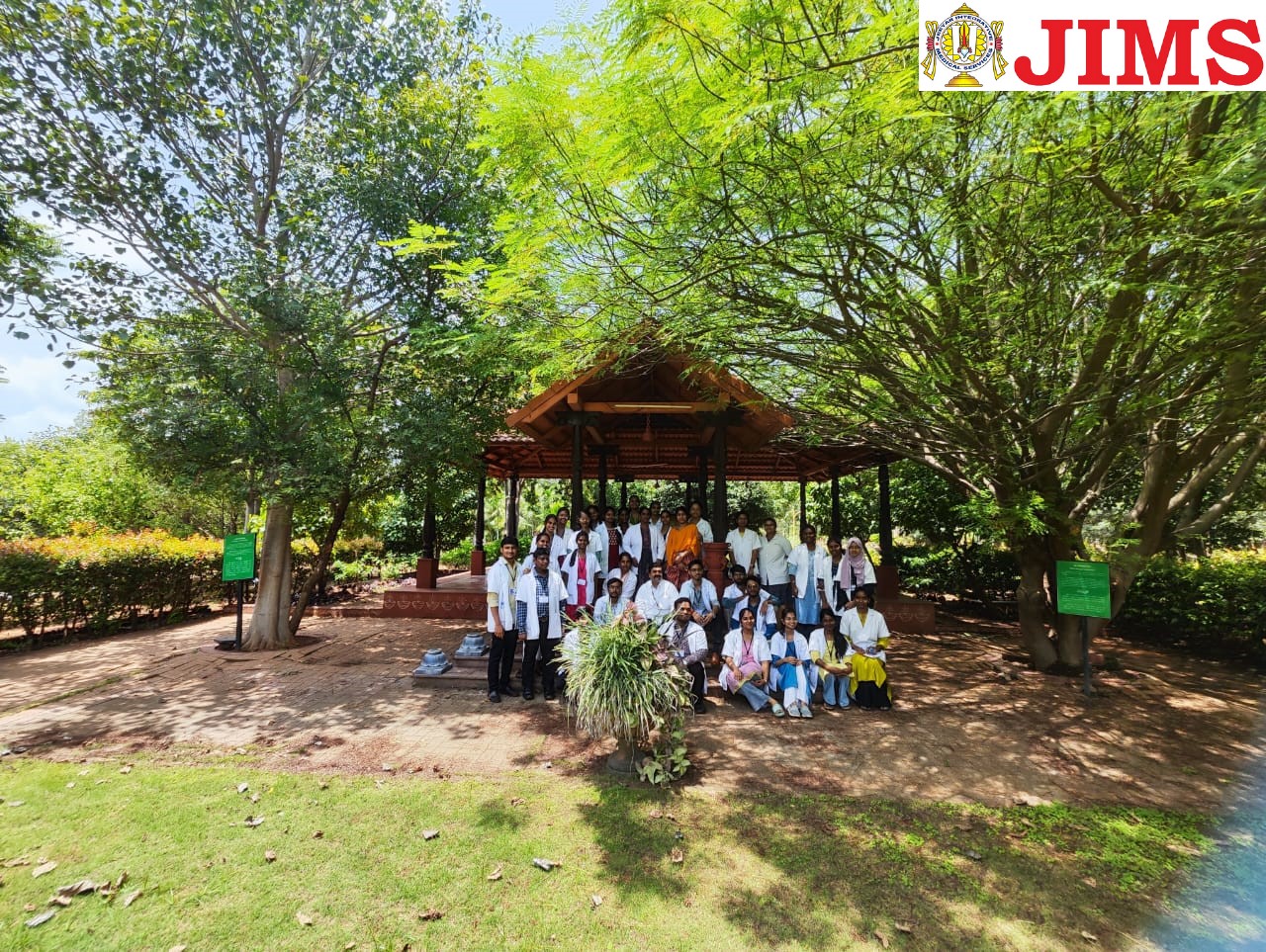
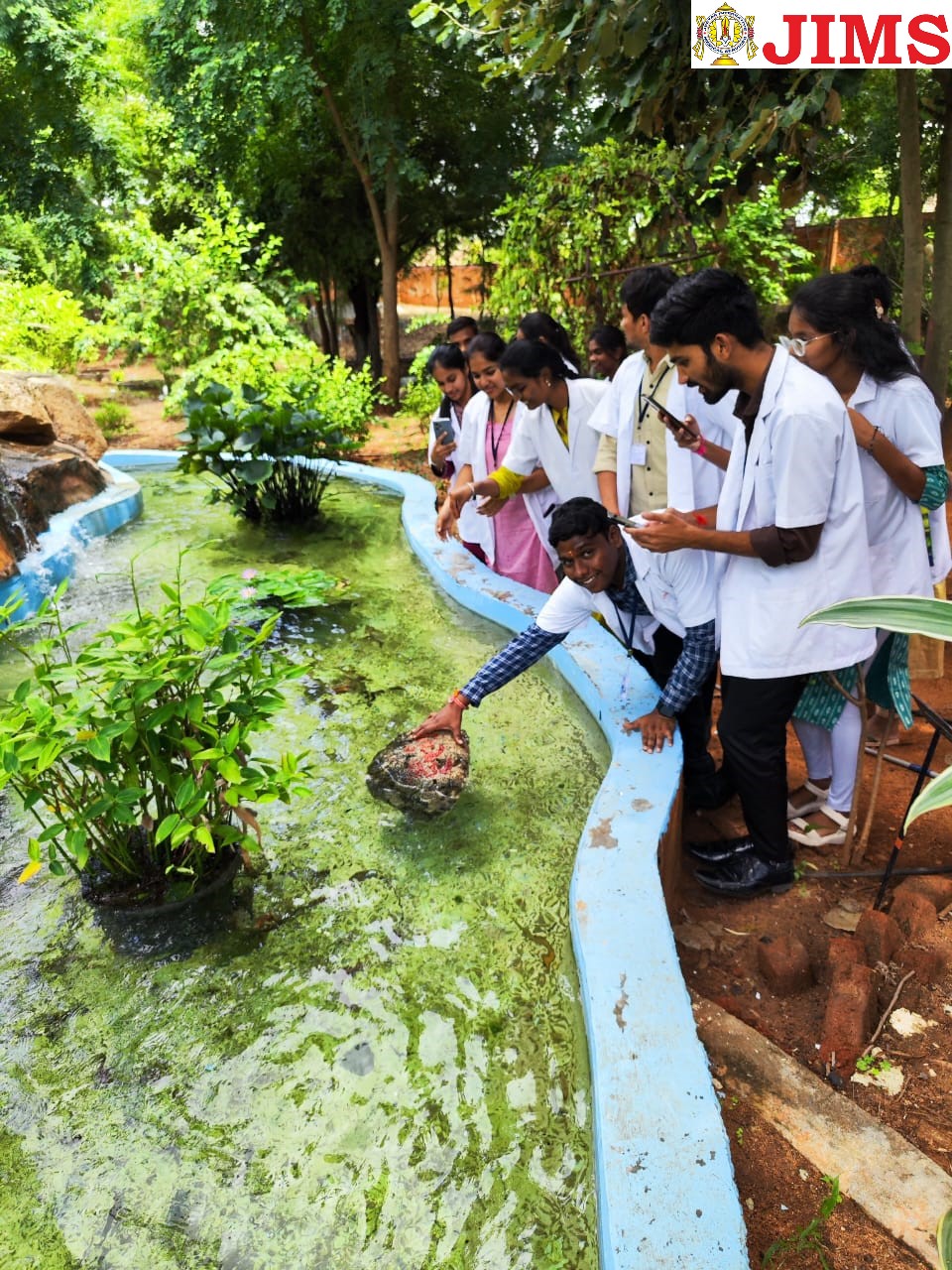
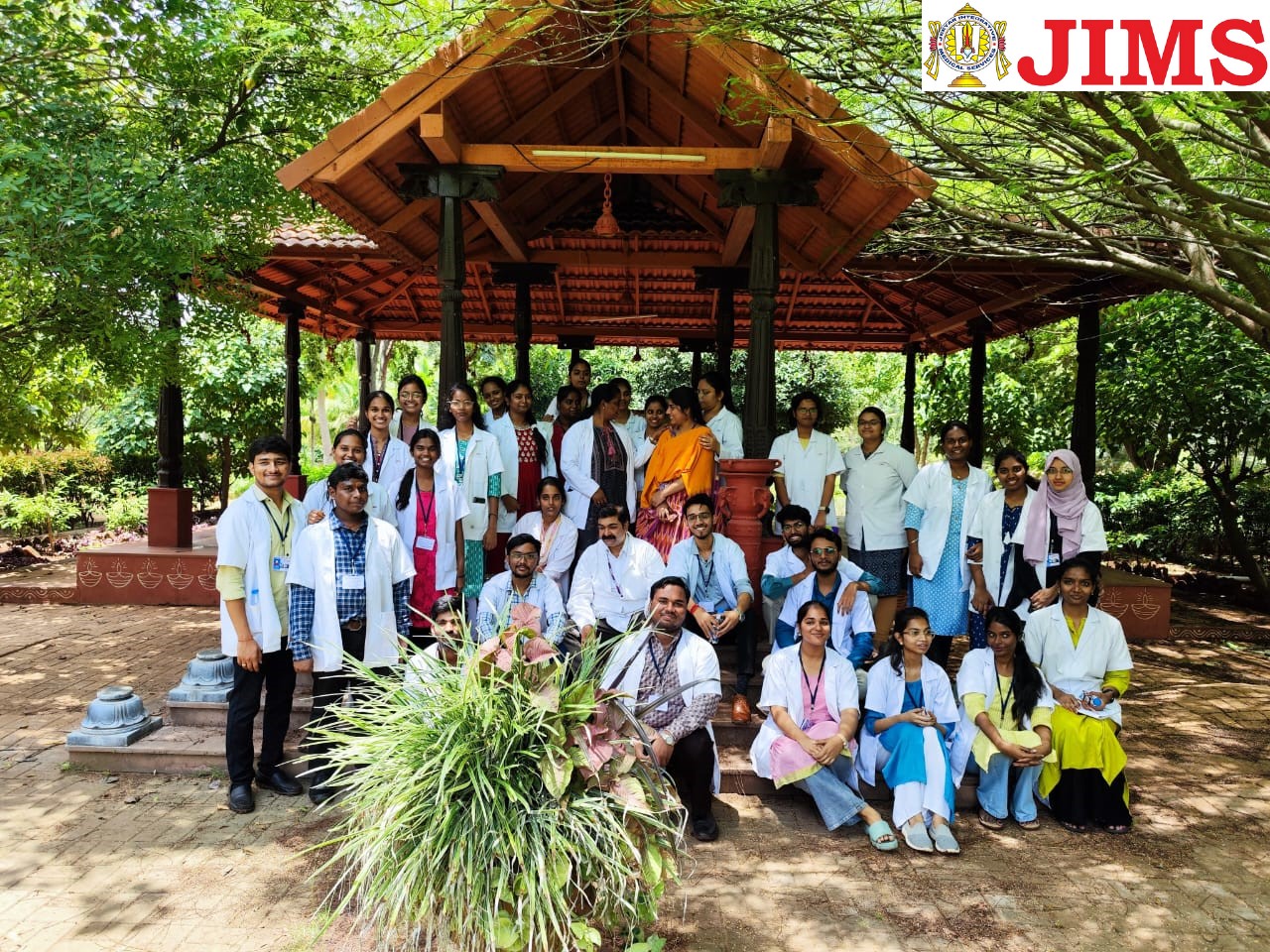
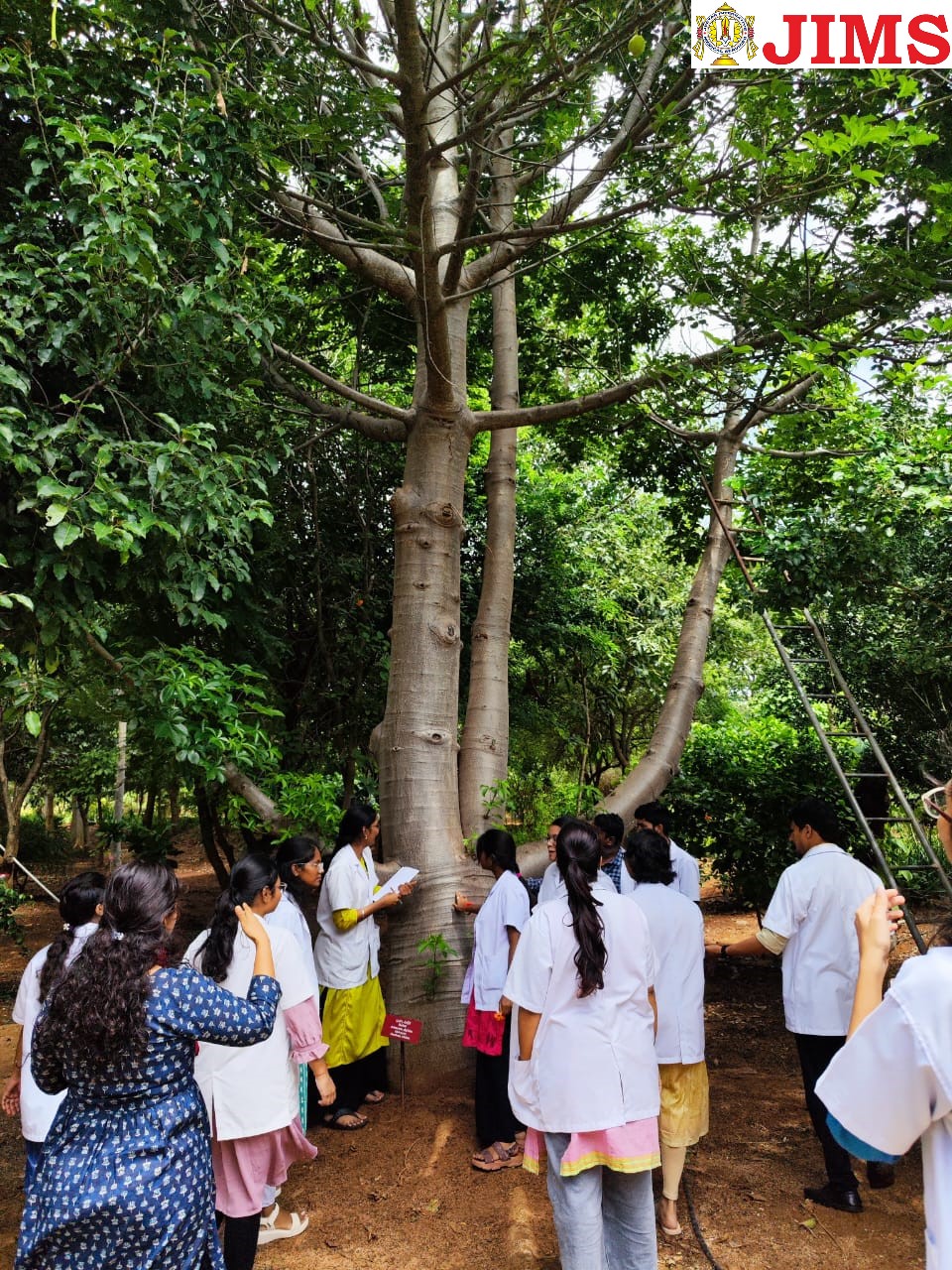
A visit to the Medicinal Plant Garden, Sunandanam, was a wonderful experience for the I BHMS (2023-24) batch students and PGTs of JIMS Homoeopathic Medical College & Hospital’s Department of Homoeopathic Pharmacy. On August 29th and 30th, 2024, three practical batches explored the garden, learning about medicinal plants and their properties.

Located in Gollur village, Telangana, Sunandanam is a concept garden that integrates stress-free living, meditation, aroma, and soul therapy with medicinal plants cultivated in an organic environment. The garden features over 180 varieties of medicinal plants, including endangered species.

Our faculty members, Dr. K. Raghuramchandra, Dr. Dharani Dass, and Dr. Ayesha Naaz, along with the Sunandanam team, including Mrs. Sameera, Mr. Vamshi Krishna, and Mr. Raghavendra, provided valuable insights into the identification, medicinal values, and cultivation methods of the plants.

The visit concluded with refreshments, leaving us with a deeper appreciation for the power of medicinal plants and their role in promoting a healthy lifestyle.

Clinical Examination of the Digestive System: A Guide for BHMS Students – Gallery

0
Clinical Examination of the Digestive System A Guide for BHMS Students

Clinical Examination of the Digestive System: A Guide for BHMS Students

0
Clinical Examination of the Digestive System A Guide for BHMS Students

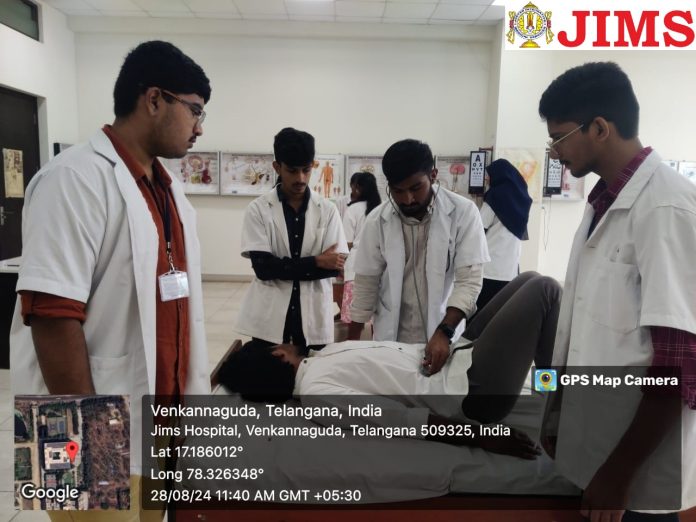
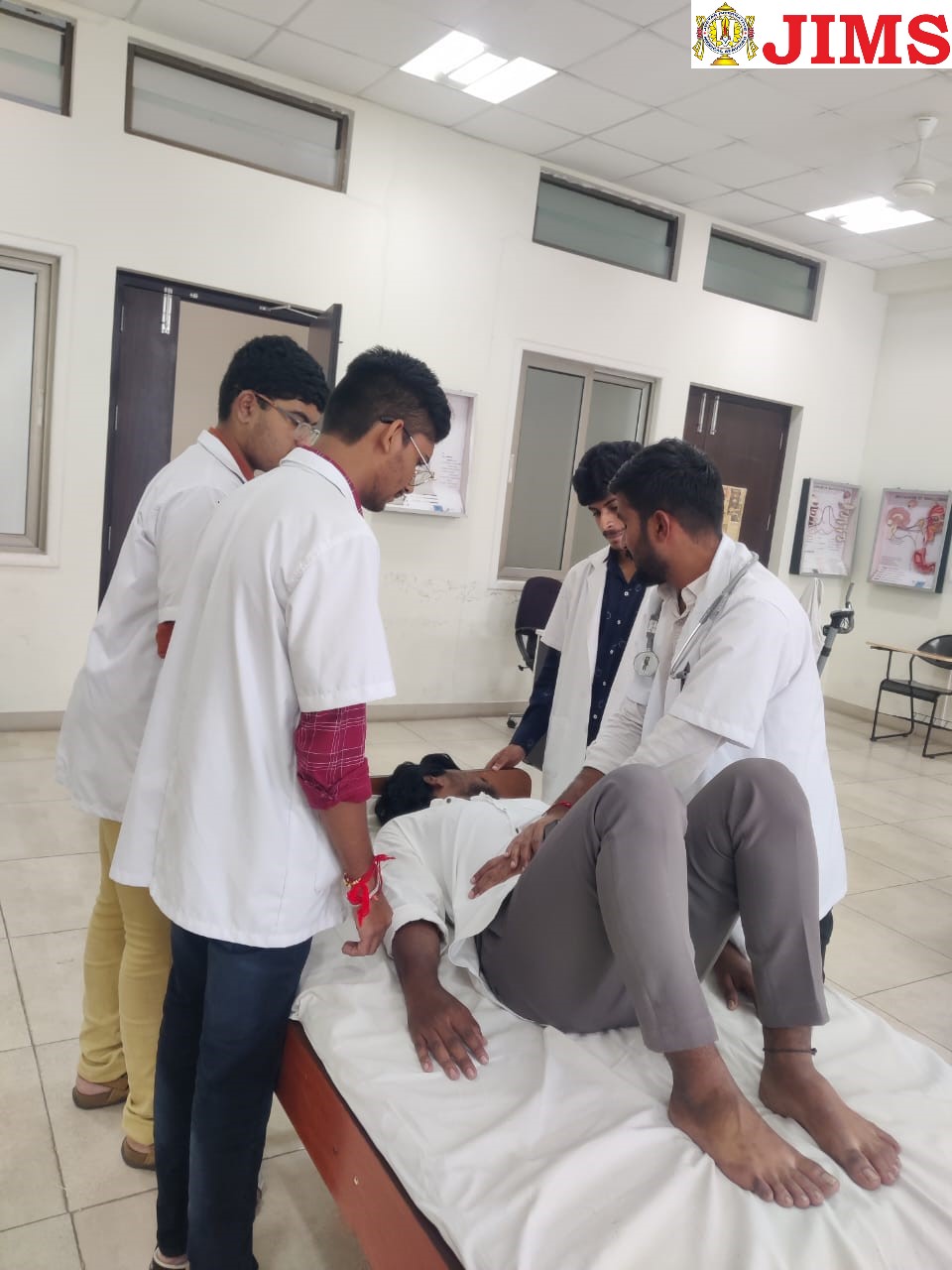
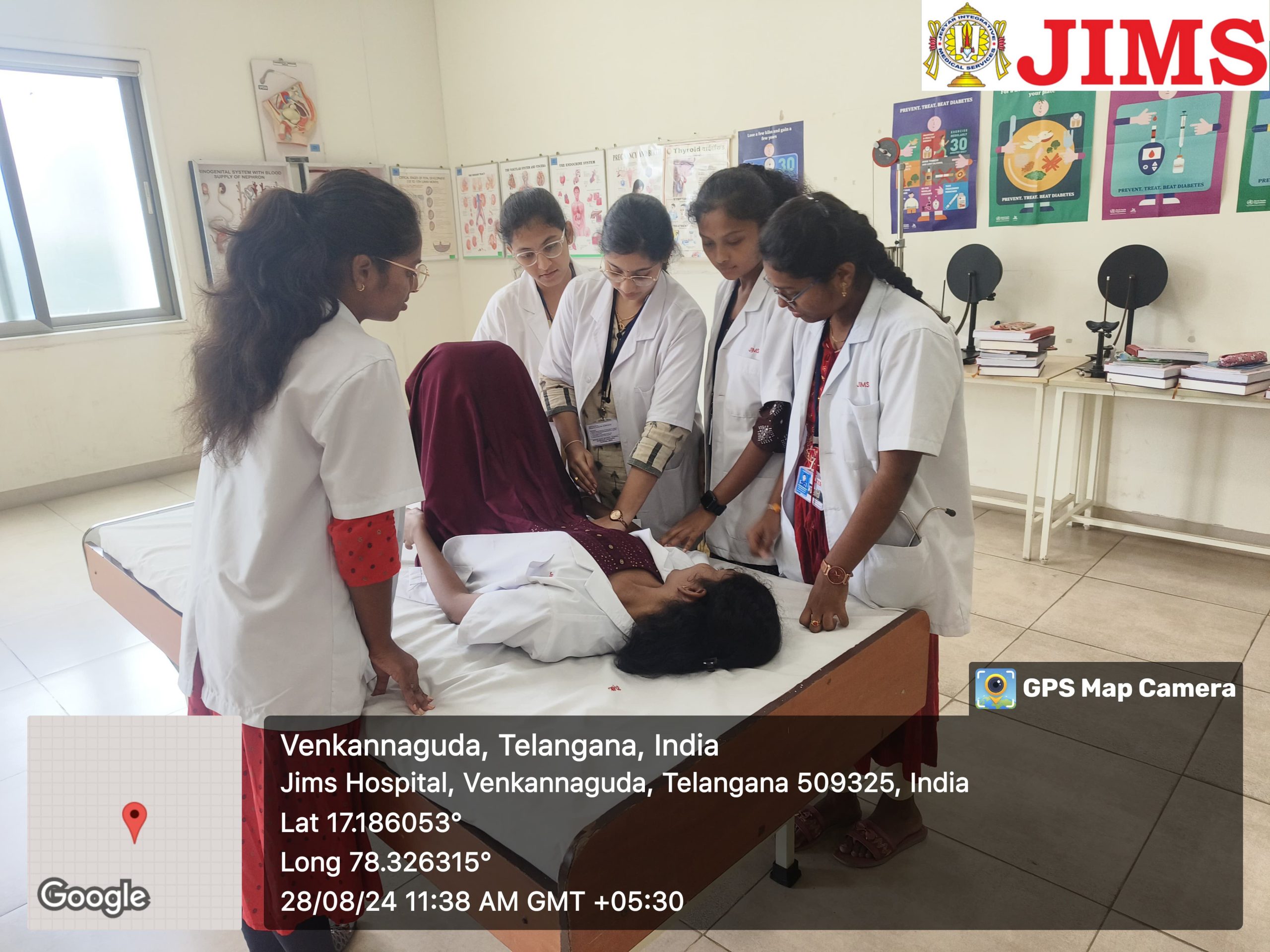
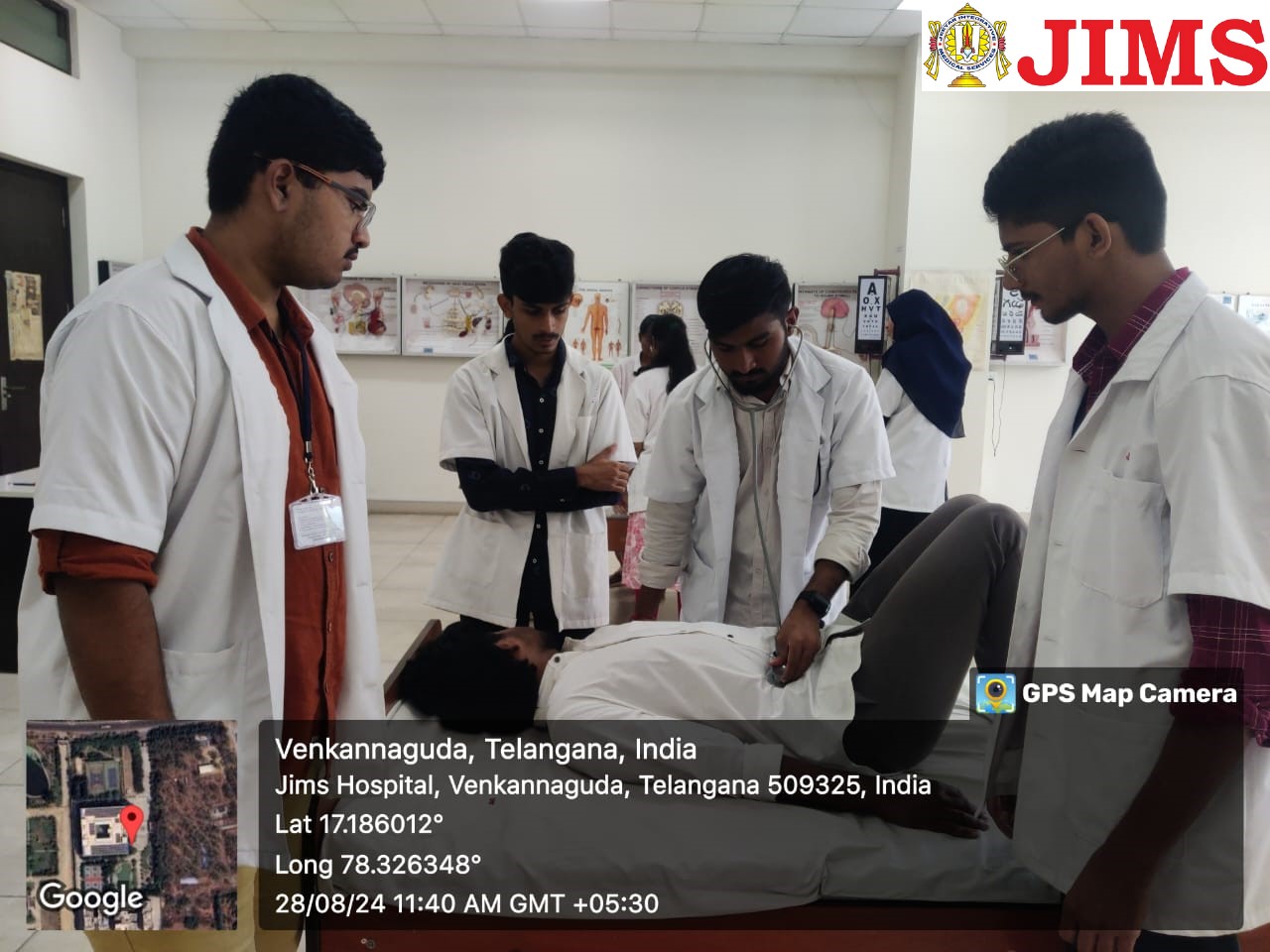
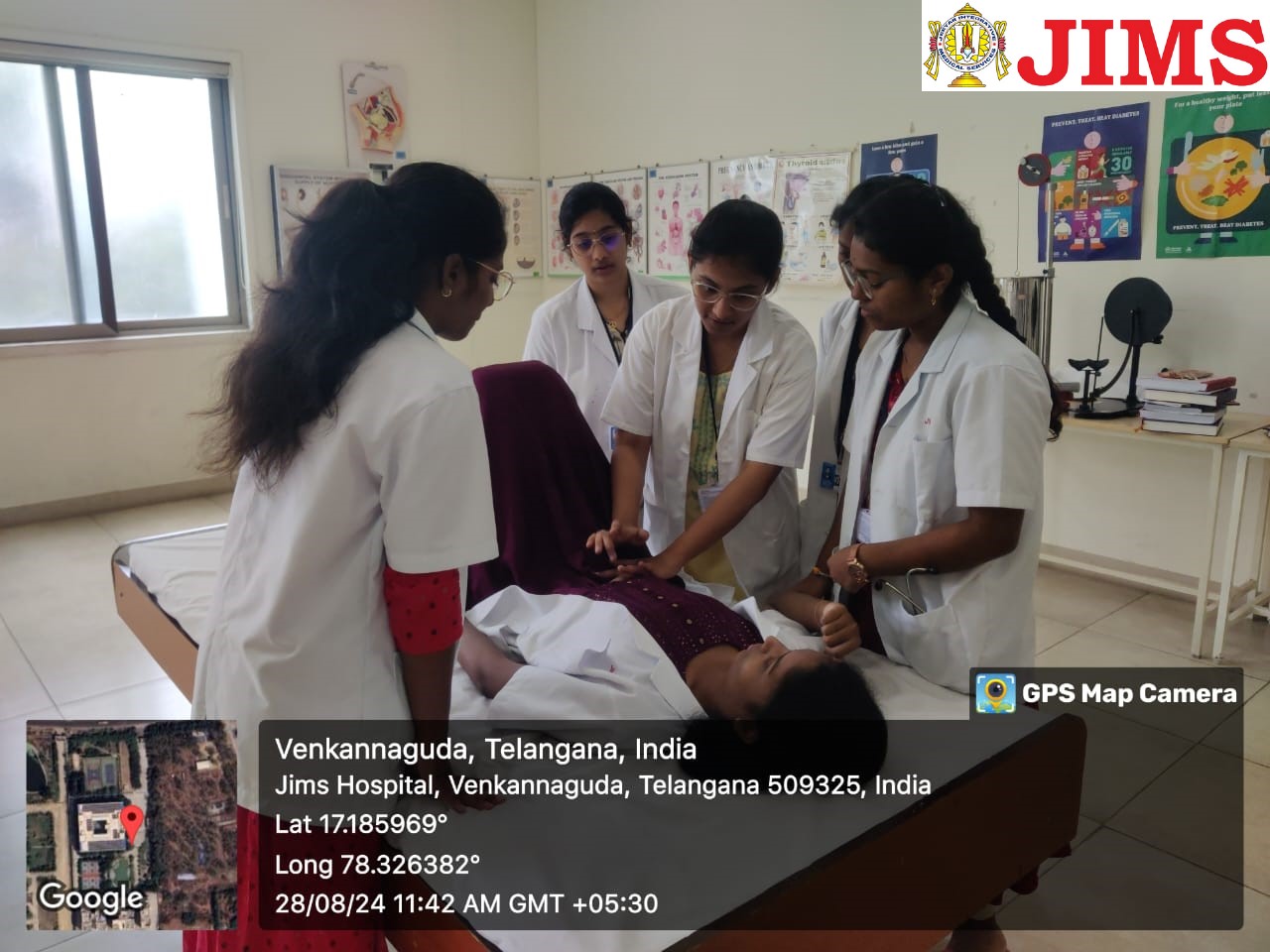
Clinical Examination of the Digestive System: A Guide for 1st BHMS Students by Department of Physiology and Biochemistry, JIMS Homoeopathic Medical College and Hospital

🔍 Introduction: Understanding the digestive system is crucial for diagnosing and managing various gastrointestinal conditions. Here’s a comprehensive guide to help you navigate a clinical examination of the digestive system.

1. Patient History:
🗣 Key Questions to Ask:
Symptoms: Ask about abdominal pain, nausea, vomiting, changes in bowel habits, or difficulty swallowing.
Ingestion History: Inquire if there’s been any recent ingestion of foreign bodies or unusual objects.

2. Physical Examination:
A. Inspection: 👁 What to Look For:
General appearance: Check for signs of discomfort or distress.
Abdominal Inspection: Look for distention, visible masses, or asymmetry.

B. Palpation: 🤲 Techniques:
Light Palpation: Start with gentle palpation to detect tenderness, rigidity, or abnormal masses.
Deep Palpation: Assess deeper structures for any significant masses or abnormalities.

C. Percussion: 🎵 Sounds to Listen For:
Tympany: Indicates gas.
Dullness: Could suggest fluid or solid masses.

D. Auscultation: 👂 Bowel Sounds:
Listen for the presence, frequency, and quality of bowel sounds. Absent or abnormal sounds can indicate issues like obstruction or inflammation.

3. Diagnostic Tests:
A. Imaging Studies:
X-ray: Identifies radiopaque foreign bodies and provides a general view of abdominal contents.
Ultrasound: Useful for visualizing soft tissues and detecting radiolucent objects.
CT Scan: Offers detailed images, especially helpful for small or obscured foreign bodies.

B. Endoscopy:
Upper Endoscopy: For examining the esophagus, stomach, and duodenum.
Colonoscopy: For assessing the large intestine and rectum.

4. Management and Follow-up:
Foreign Body Removal: May involve endoscopy or surgery, depending on the location and type.
Monitoring: Watch for potential complications like perforation or infection.
Follow-Up Care: Provide guidance on recovery, diet, and warning signs of complications.

Tips for Success:
Practice Makes Perfect: Regularly practice the examination techniques to build proficiency.
Use Case Studies: Engage with real or simulated cases to apply your knowledge practically.
Ask Questions: Always clarify doubts and seek feedback to enhance your clinical skills.
📚 Keep Learning, Keep Exploring! 🌟

Guest Lecture on Homeopathy and Mental Health – Gallery

0
Guest Lecture on Homeopathy and Mental Health

Guest Lecture on Homeopathy and Mental Health

0
Guest Lecture on Homeopathy and Mental Health

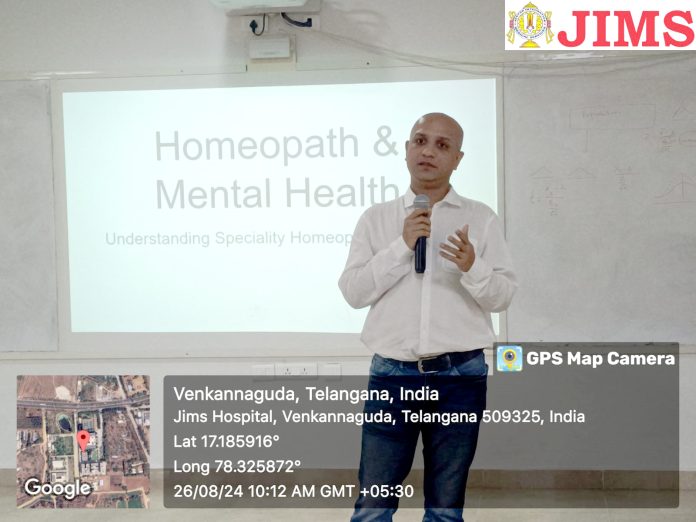
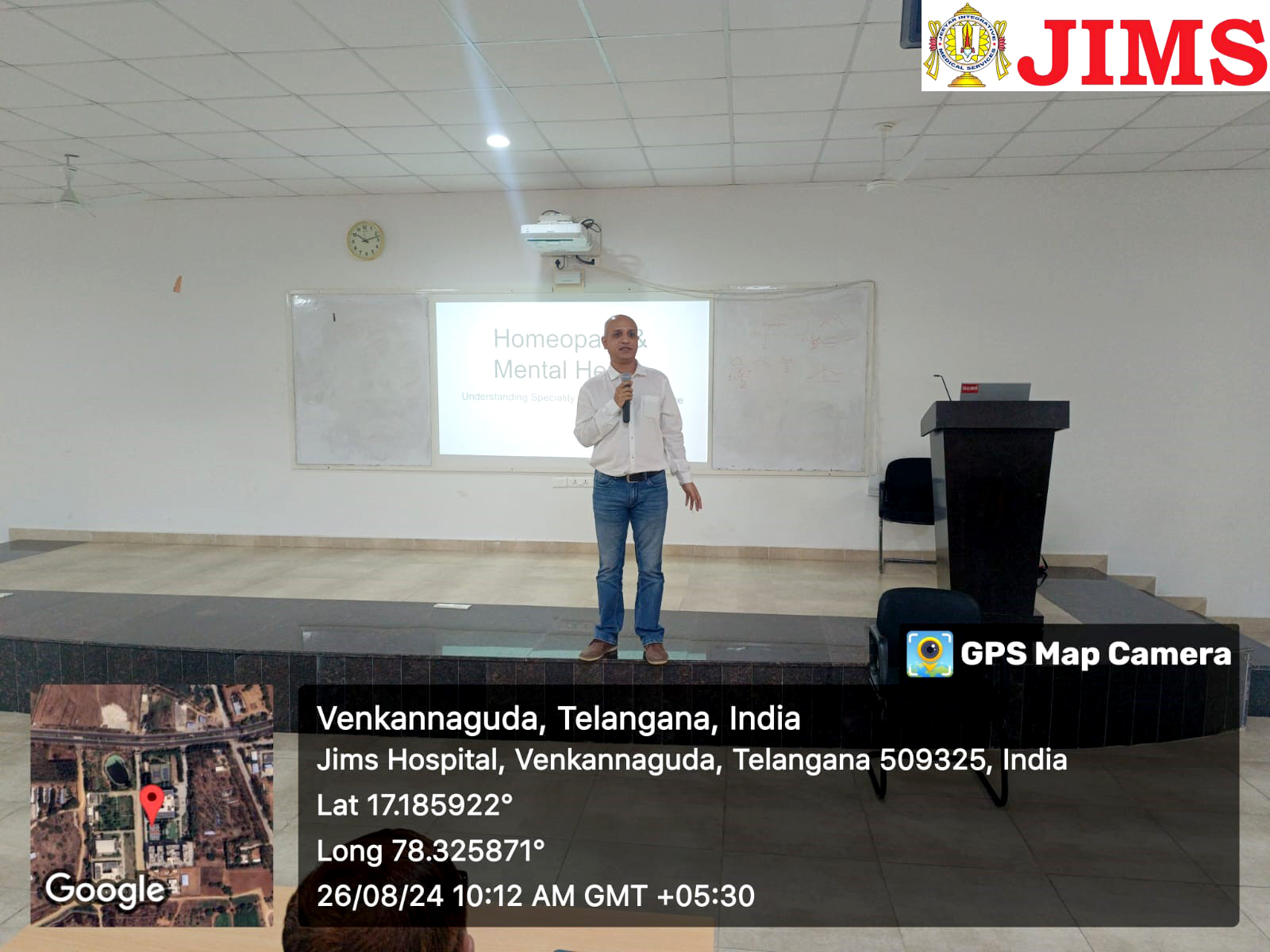
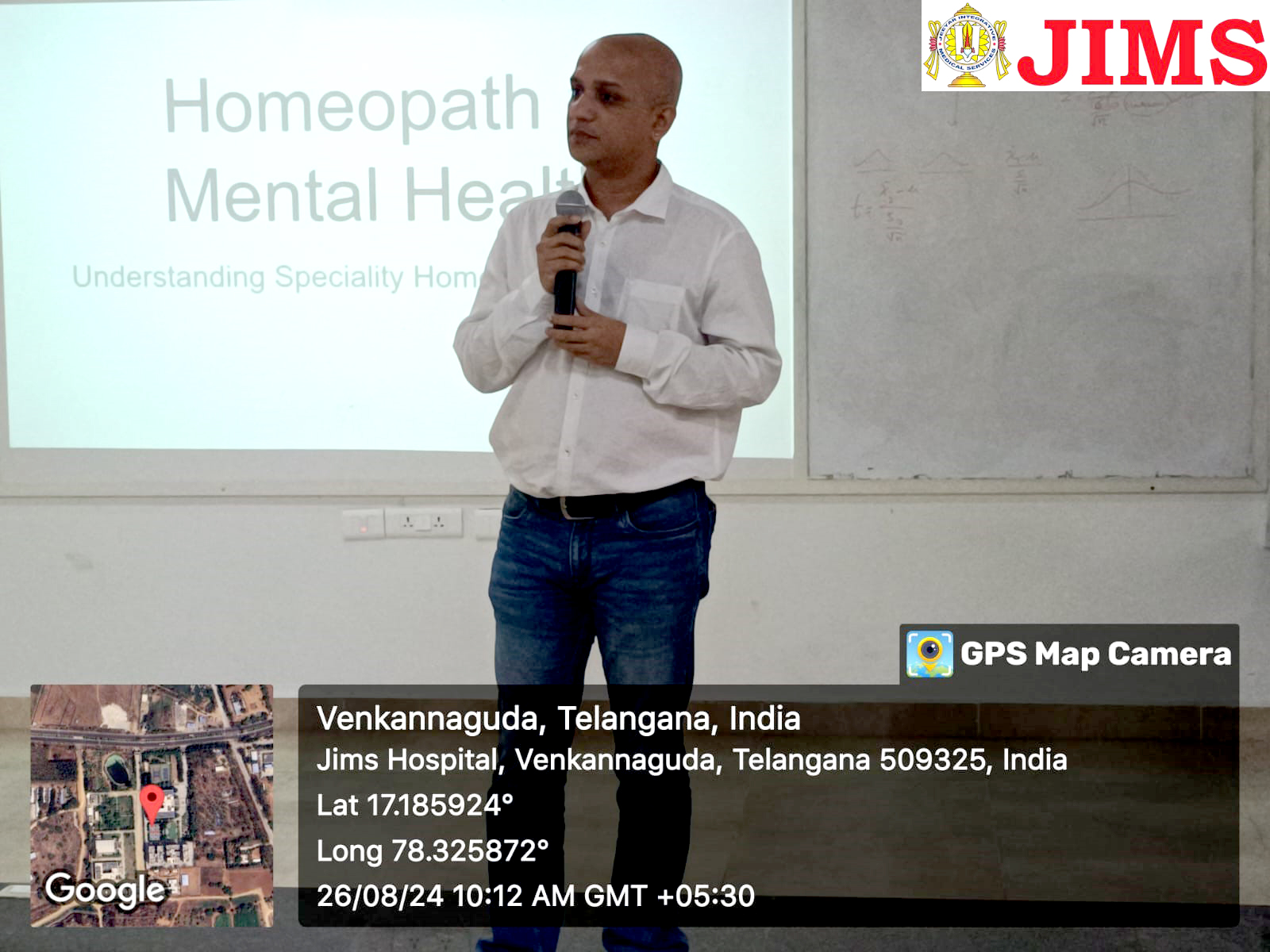
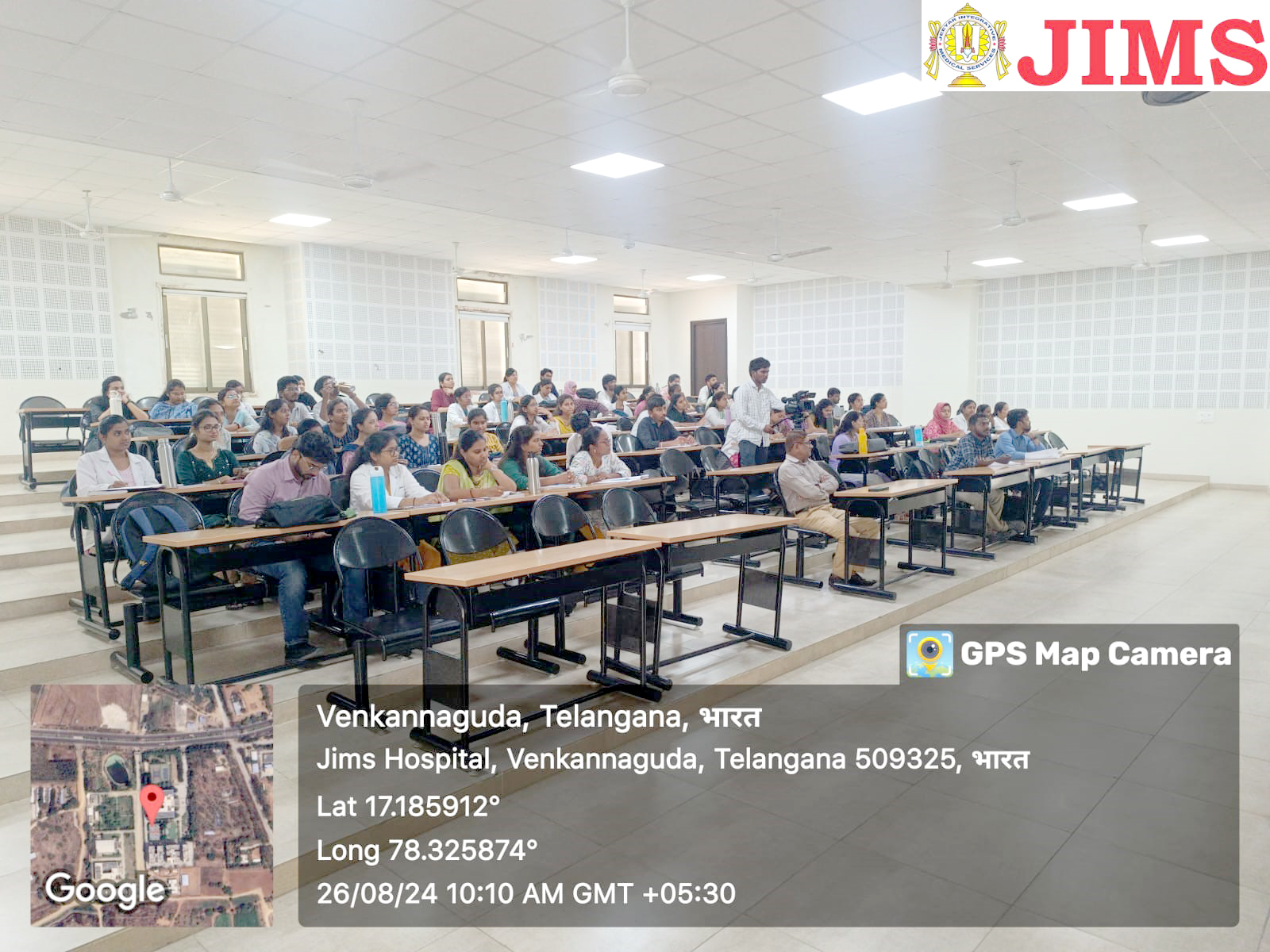
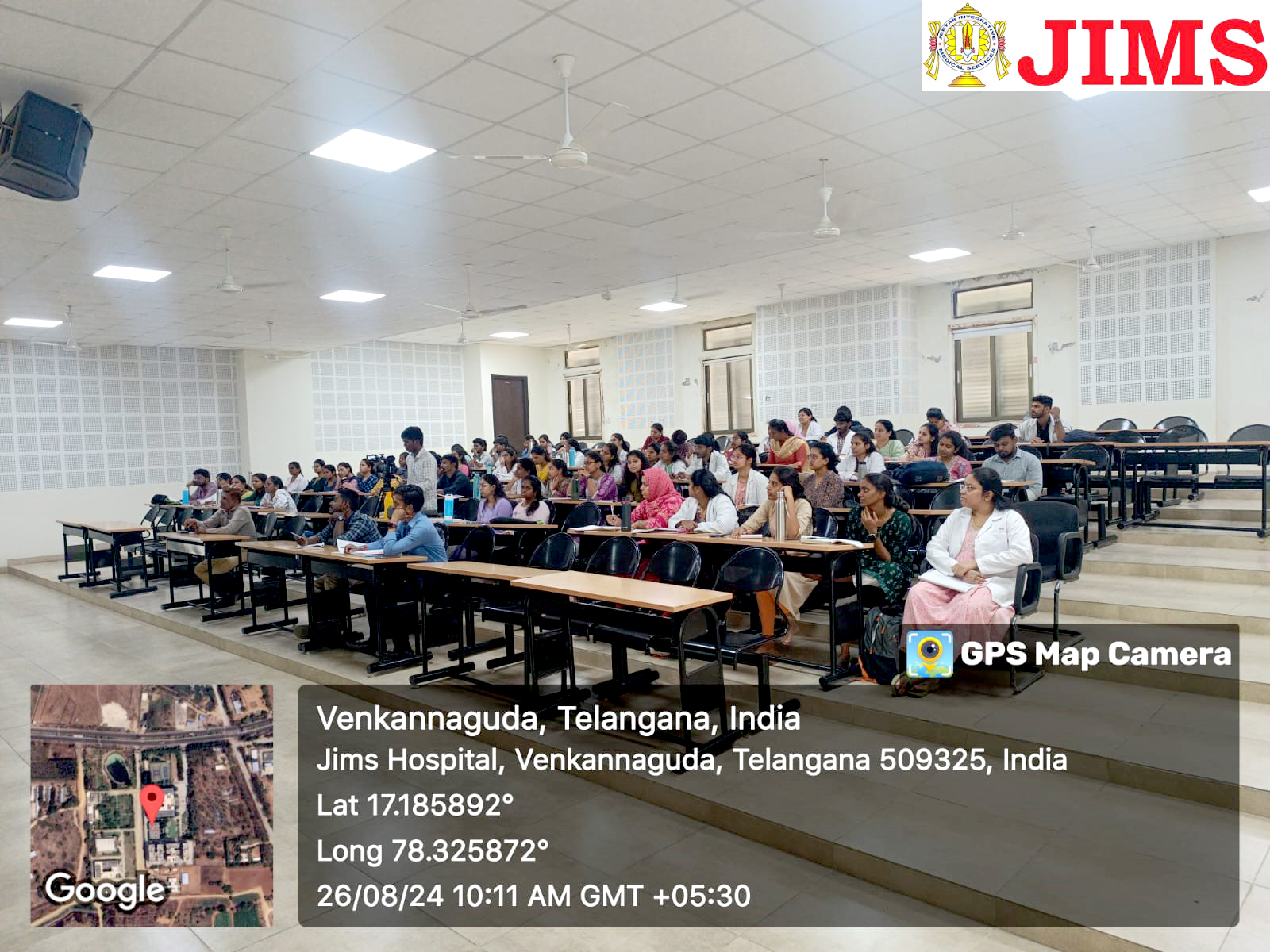
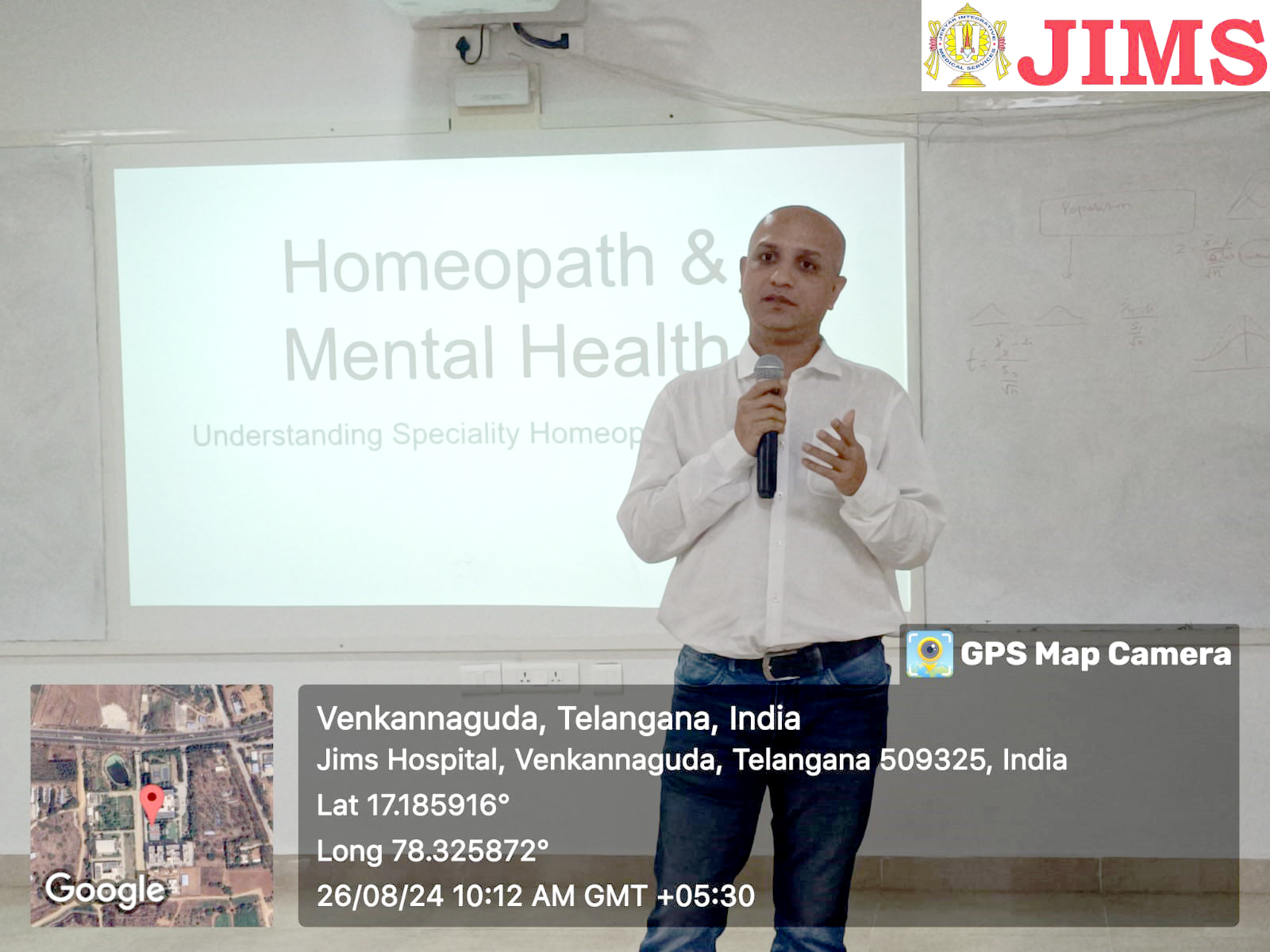
On August 26, 2024, JIMS Homeopathic Medical College and Hospital hosted a one-day guest lecture featuring Dr. Aditya Tiwari, a renowned homeopathic practitioner. Dr. Tiwari delivered an insightful presentation on the topic of “Homeopath and Mental Health,” which attracted both PG scholars and faculty members.

The session provided a deep dive into the role of homeopathy in addressing mental health issues, exploring various approaches and methodologies. Attendees had the opportunity to engage with Dr. Tiwari’s expertise and discuss the integration of homeopathic practices in mental health care.

This lecture was an excellent opportunity for both students and faculty to expand their knowledge and engage in meaningful dialogue about the intersection of homeopathy and mental health.

Guest Lecture by Dr. Sameer Chaukar

0
Guest Lecture by Dr. Sameer Chaukar

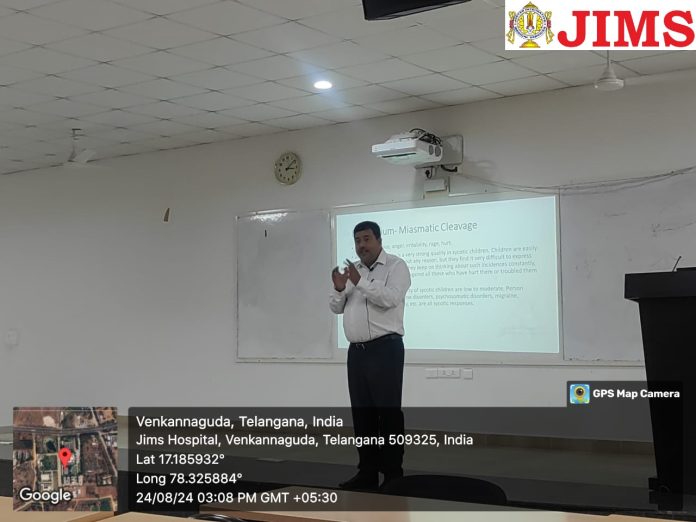
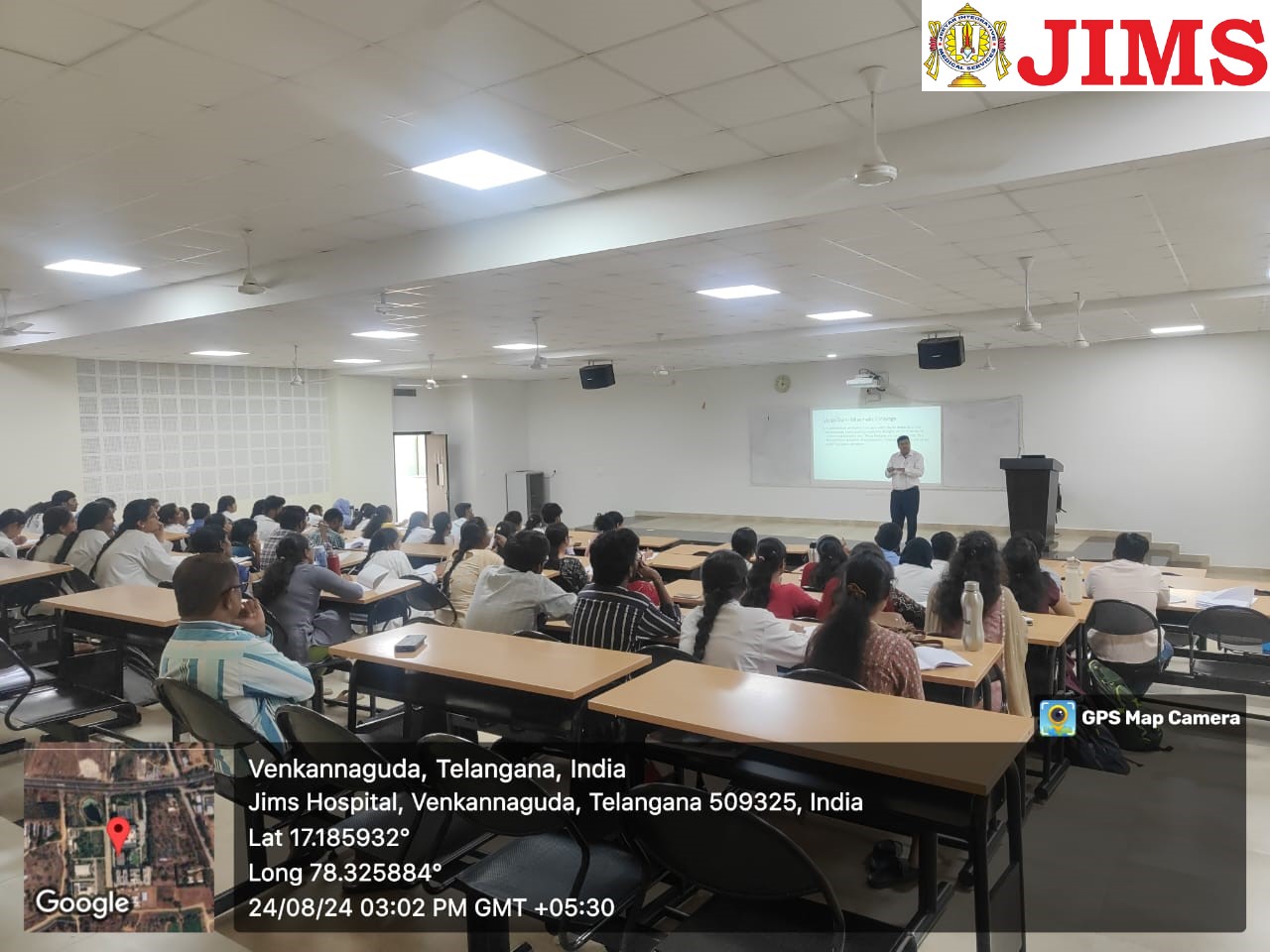
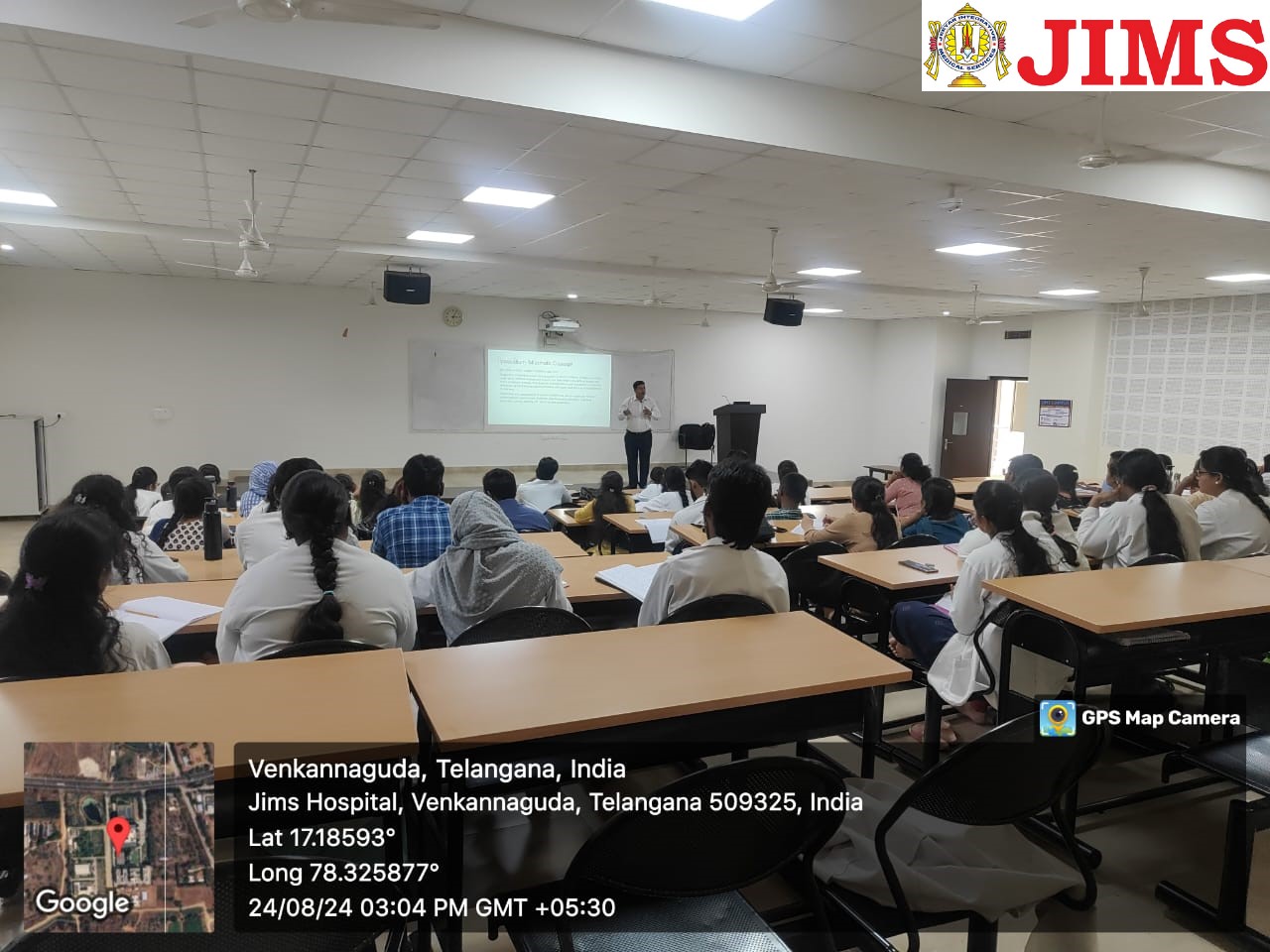
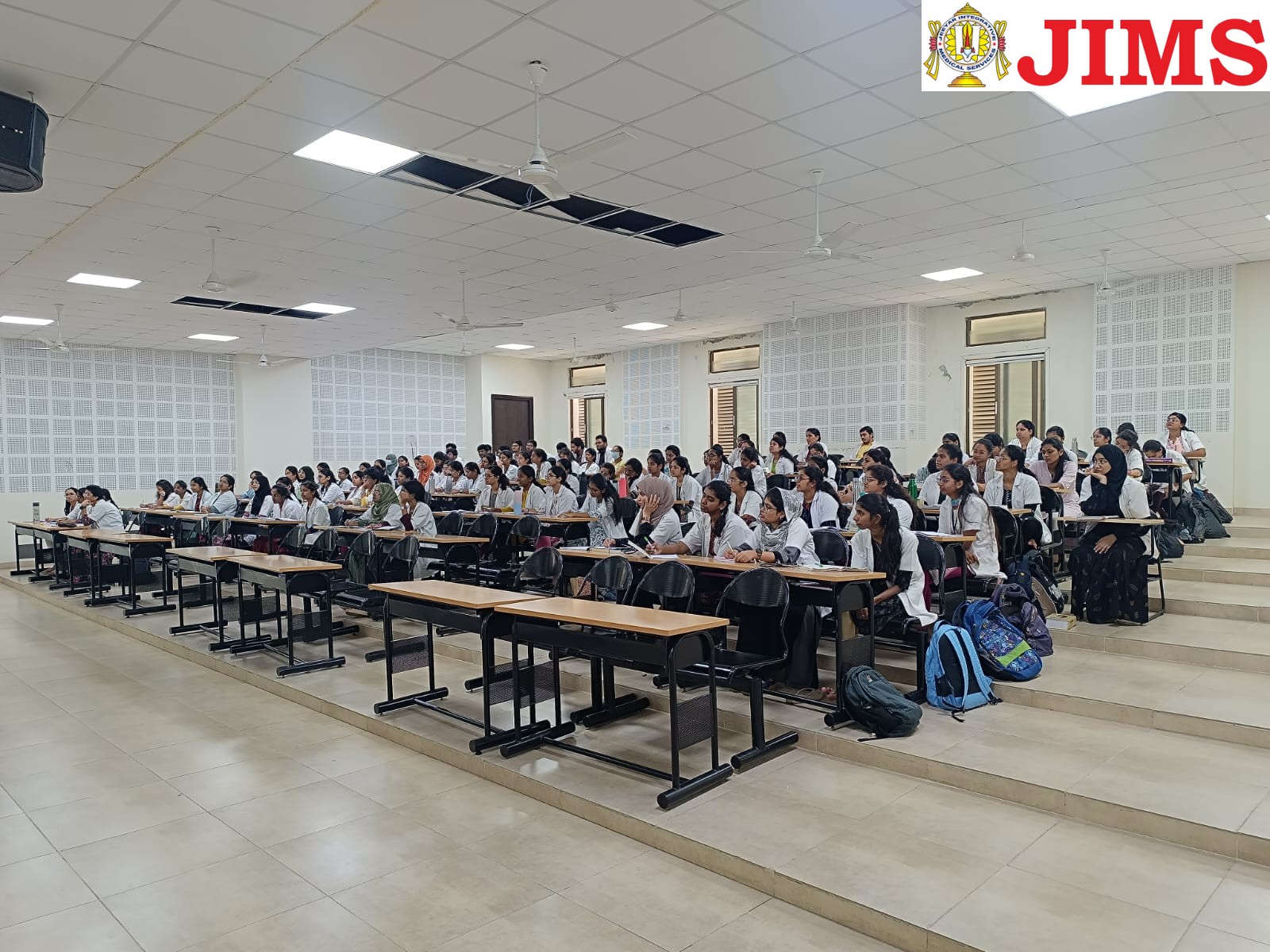
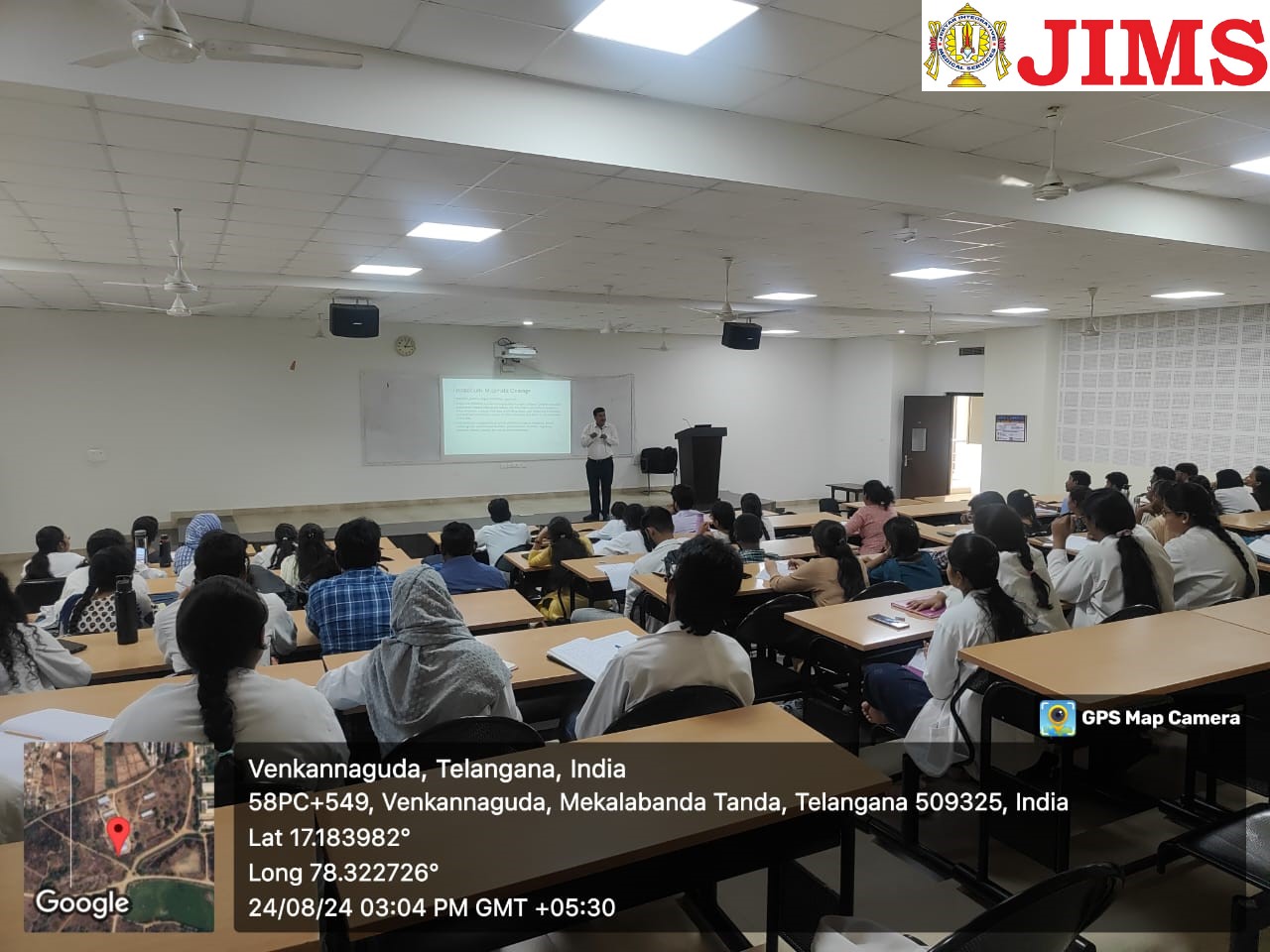
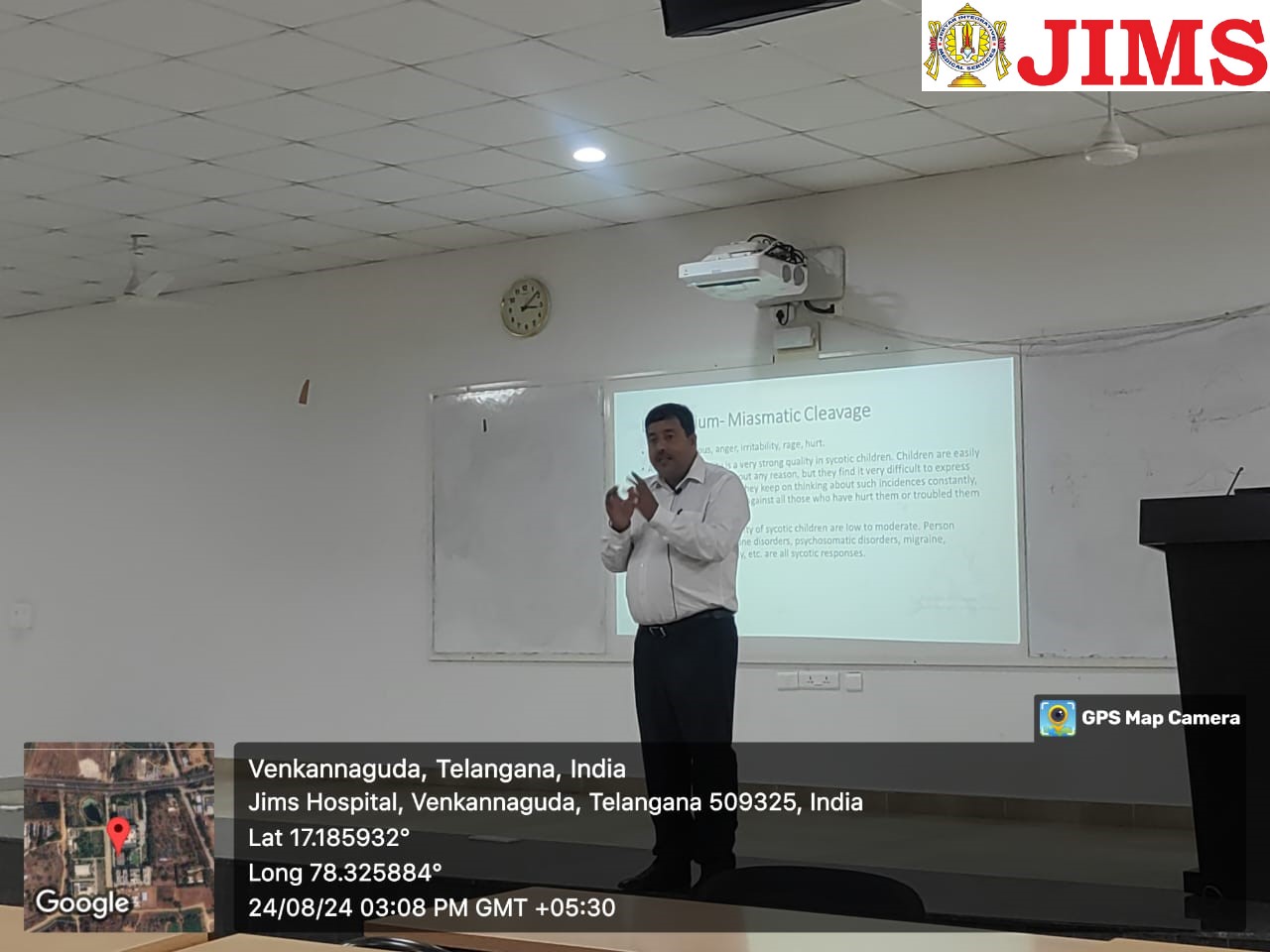
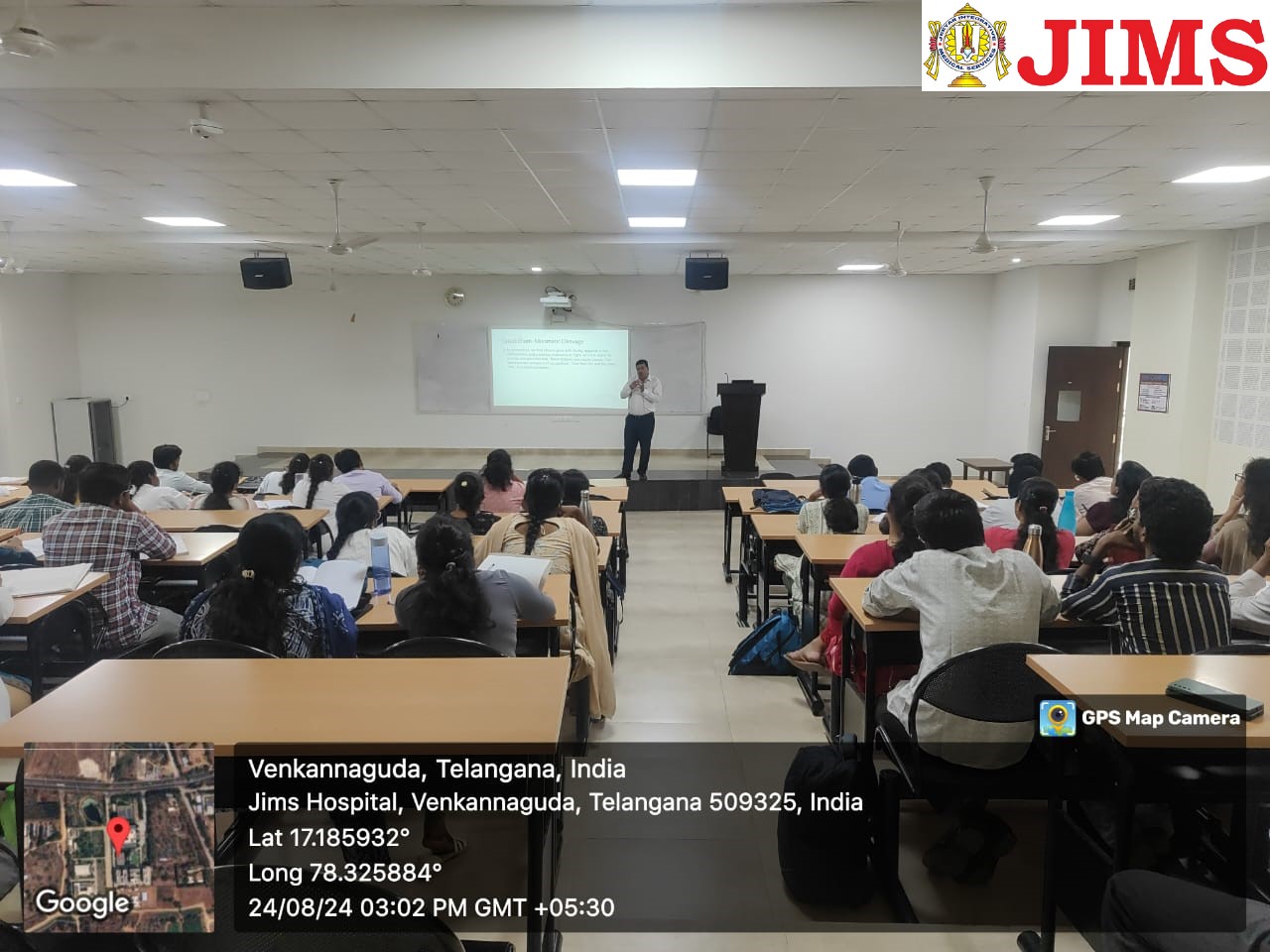
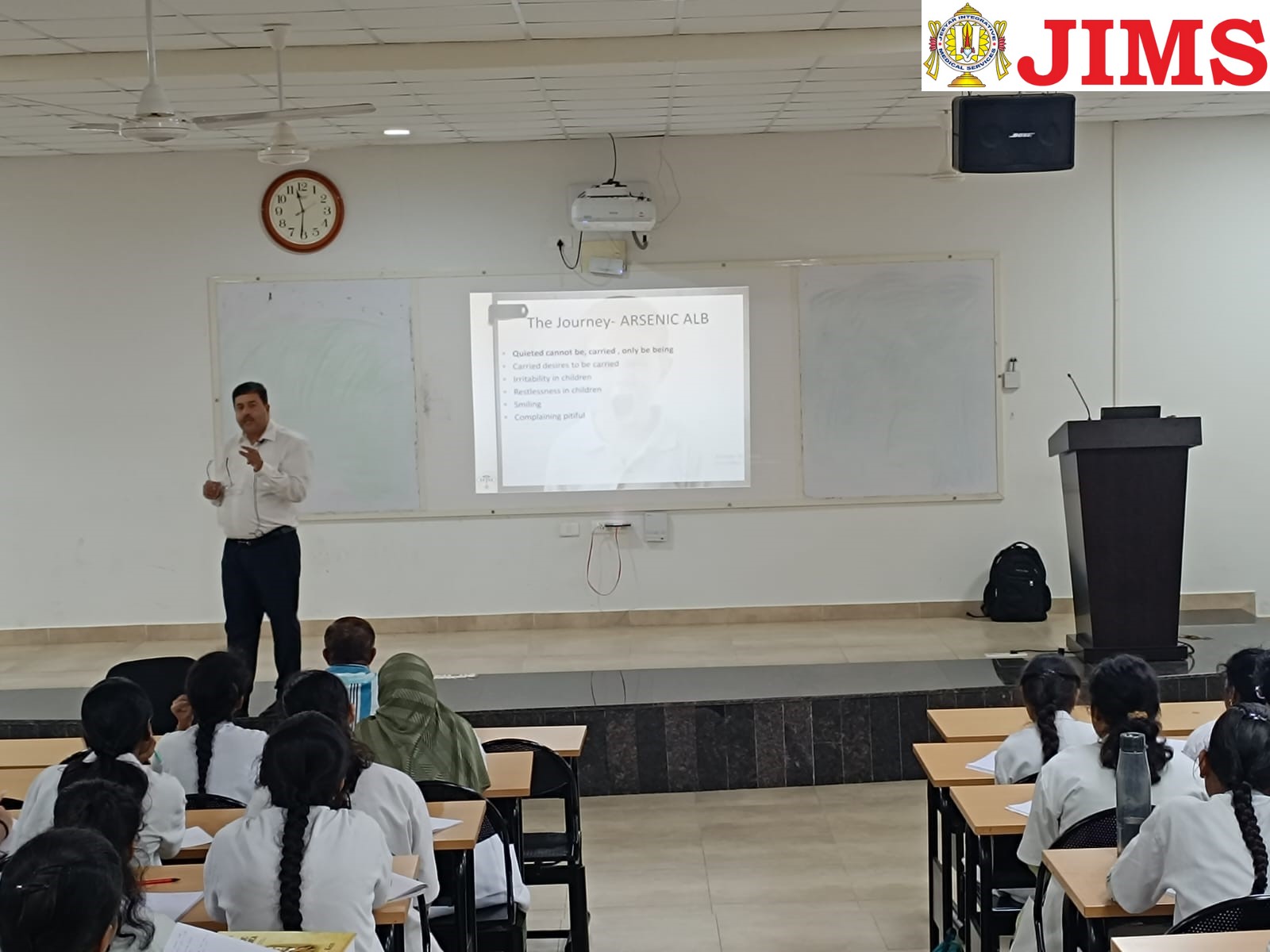
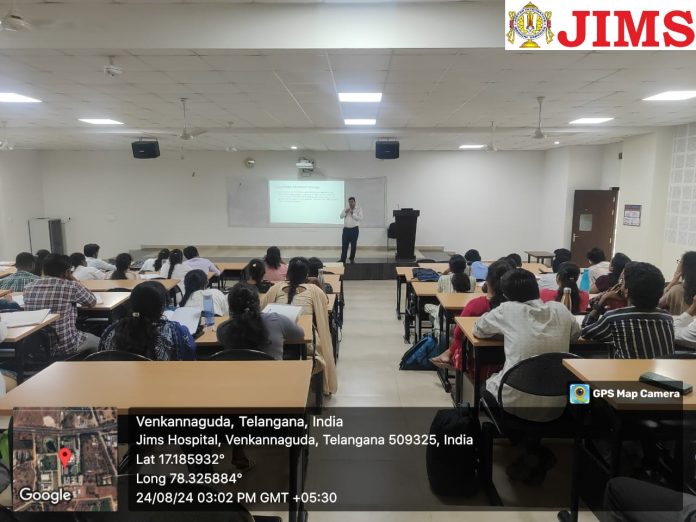
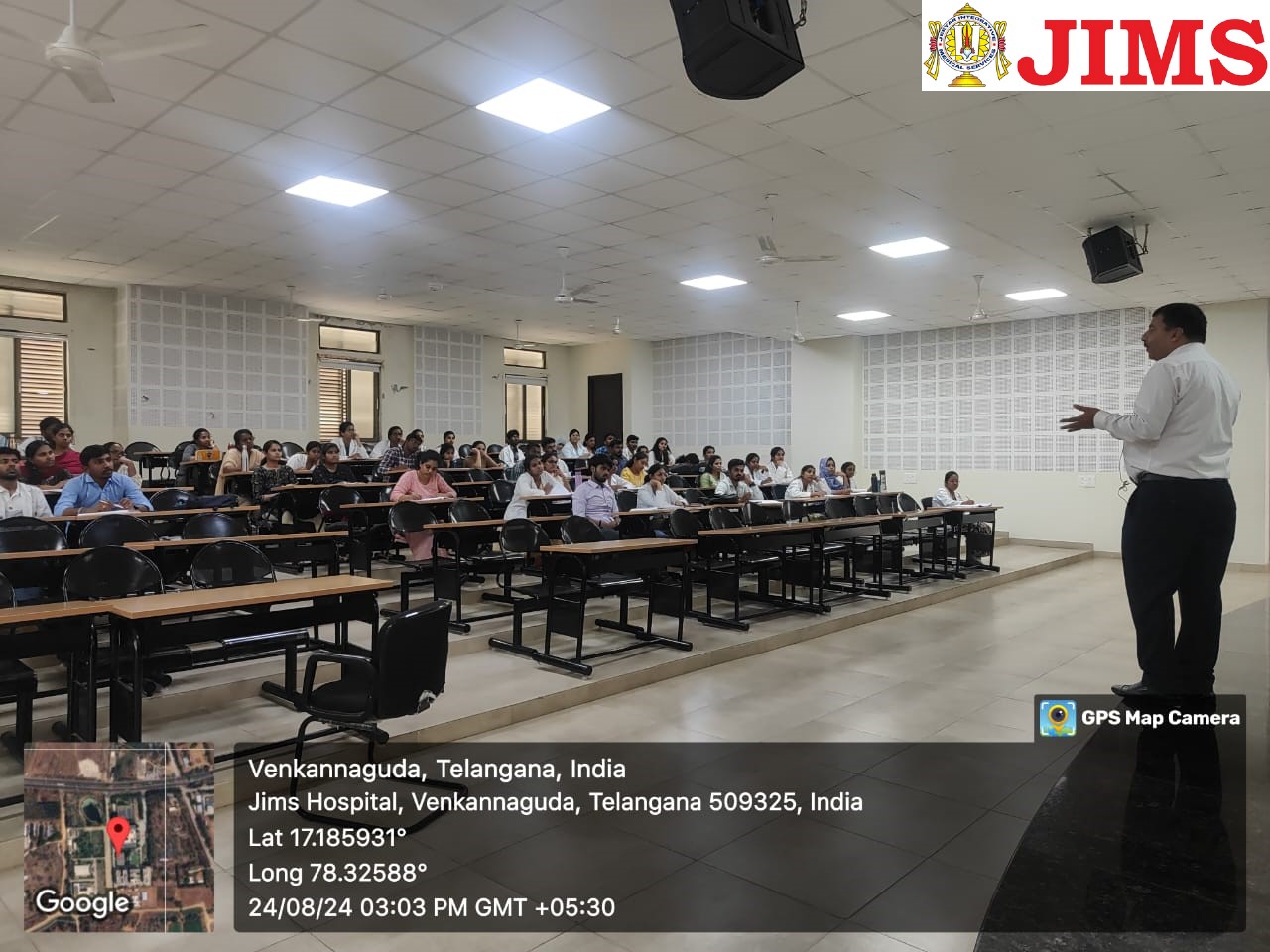
JIMS Homoeopathic Medical College and Hospital held a guest lecture on August 24th, featuring Dr. Sameer Chaukar, Dean of Batra’s Homoeopathy. The event was divided into two sessions:

PG Scholars: Dr. Chaukar discussed “Tri Masmatic Materia Medica of Lycopodium.”
UG Students: The focus was on “Study of Materia Medica from Repertory.”
The sessions were attended by both students and faculty members, providing a valuable opportunity for learning and discussion.

Guest Lecture by Dr. Sameer Chaukar – Gallery

0
Guest Lecture by Dr. Sameer Chaukar