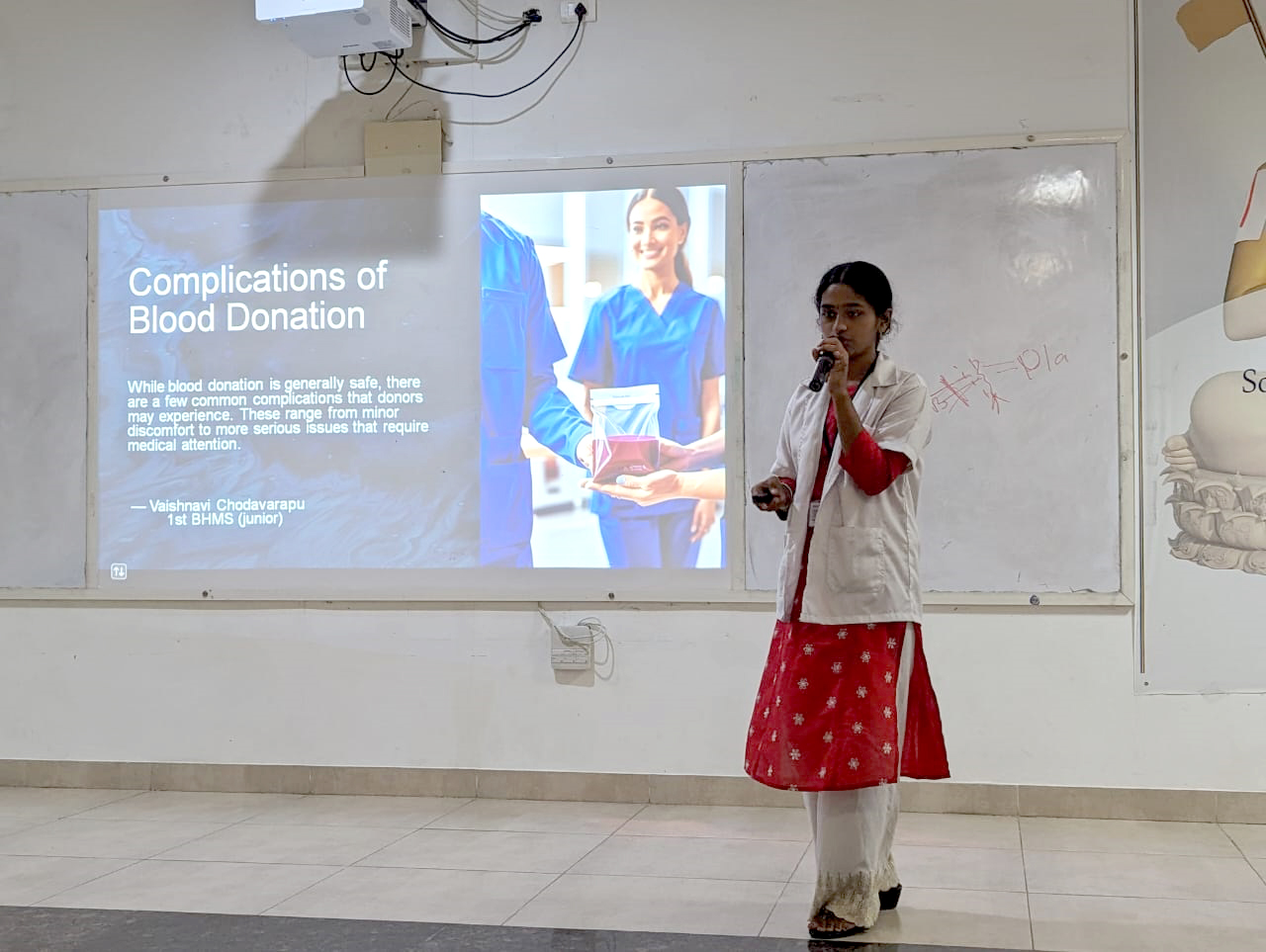
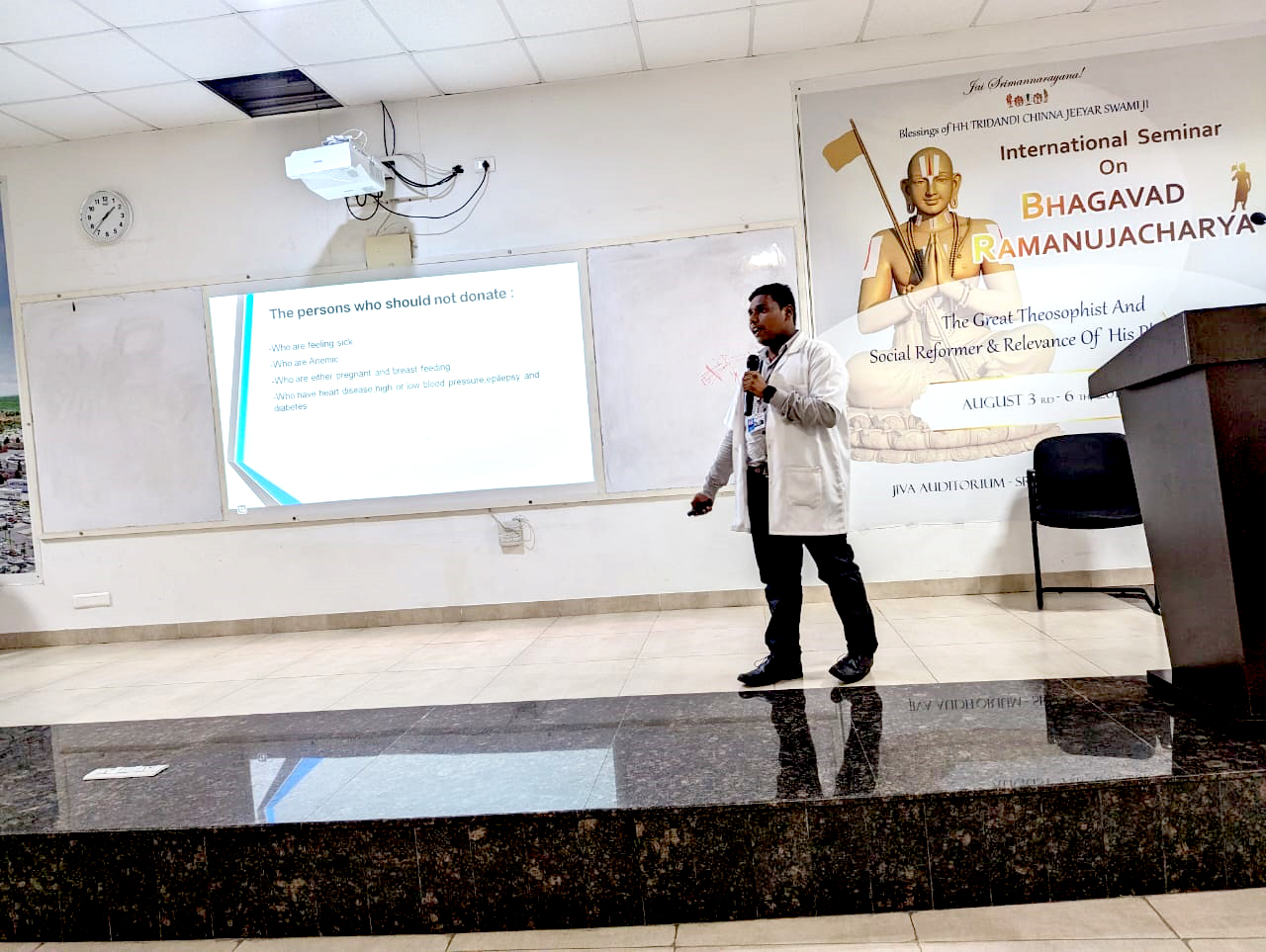
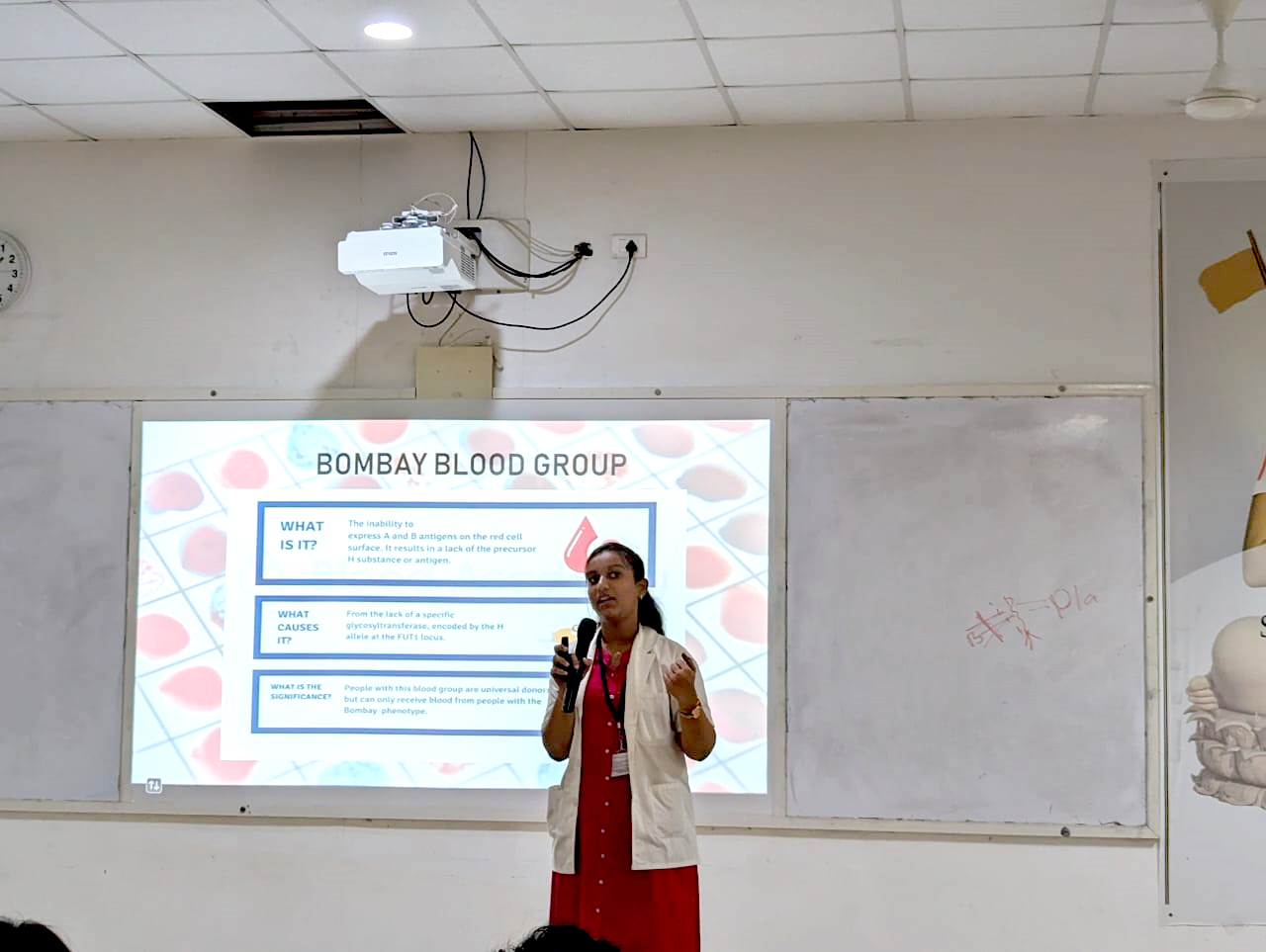
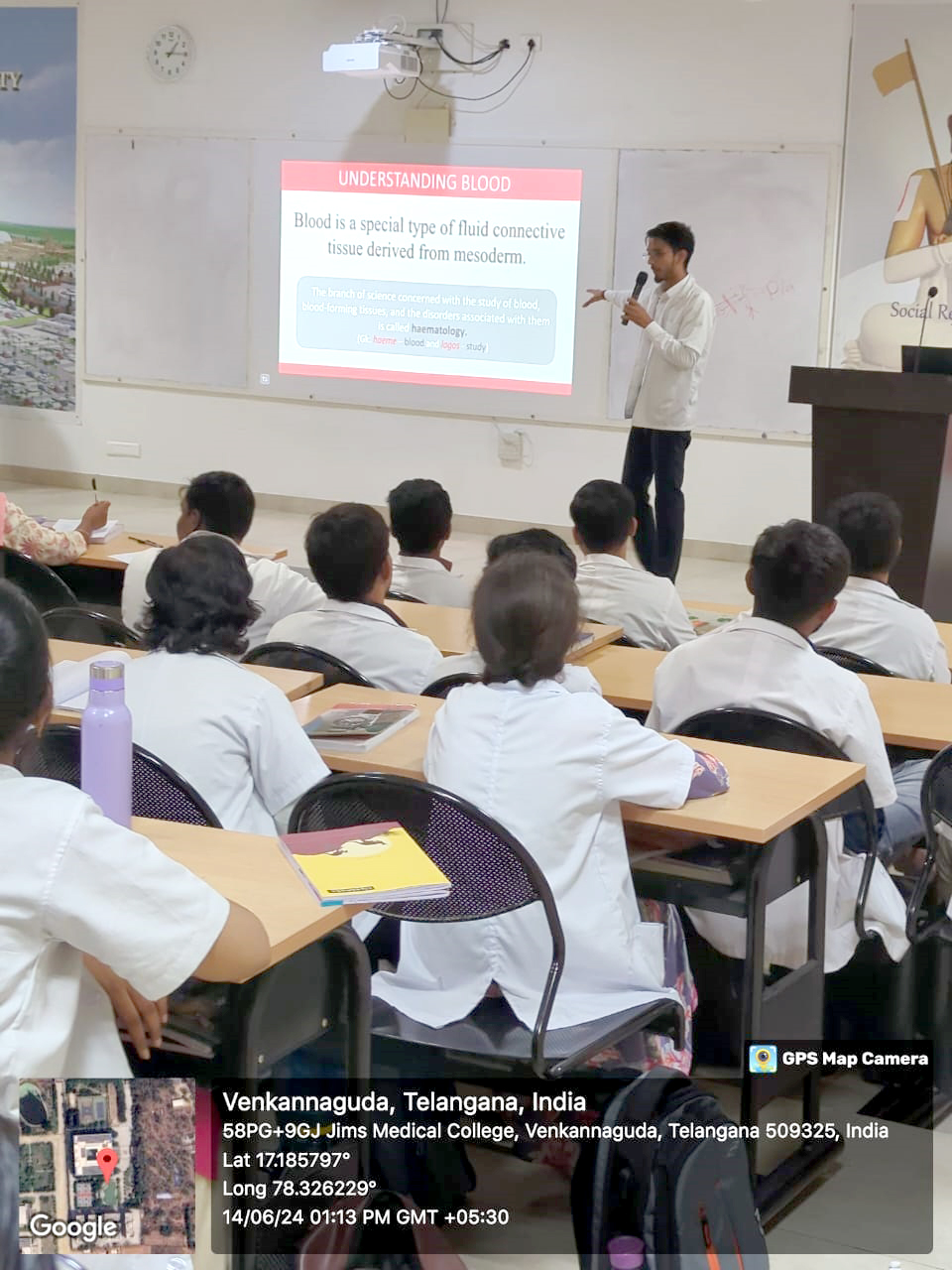
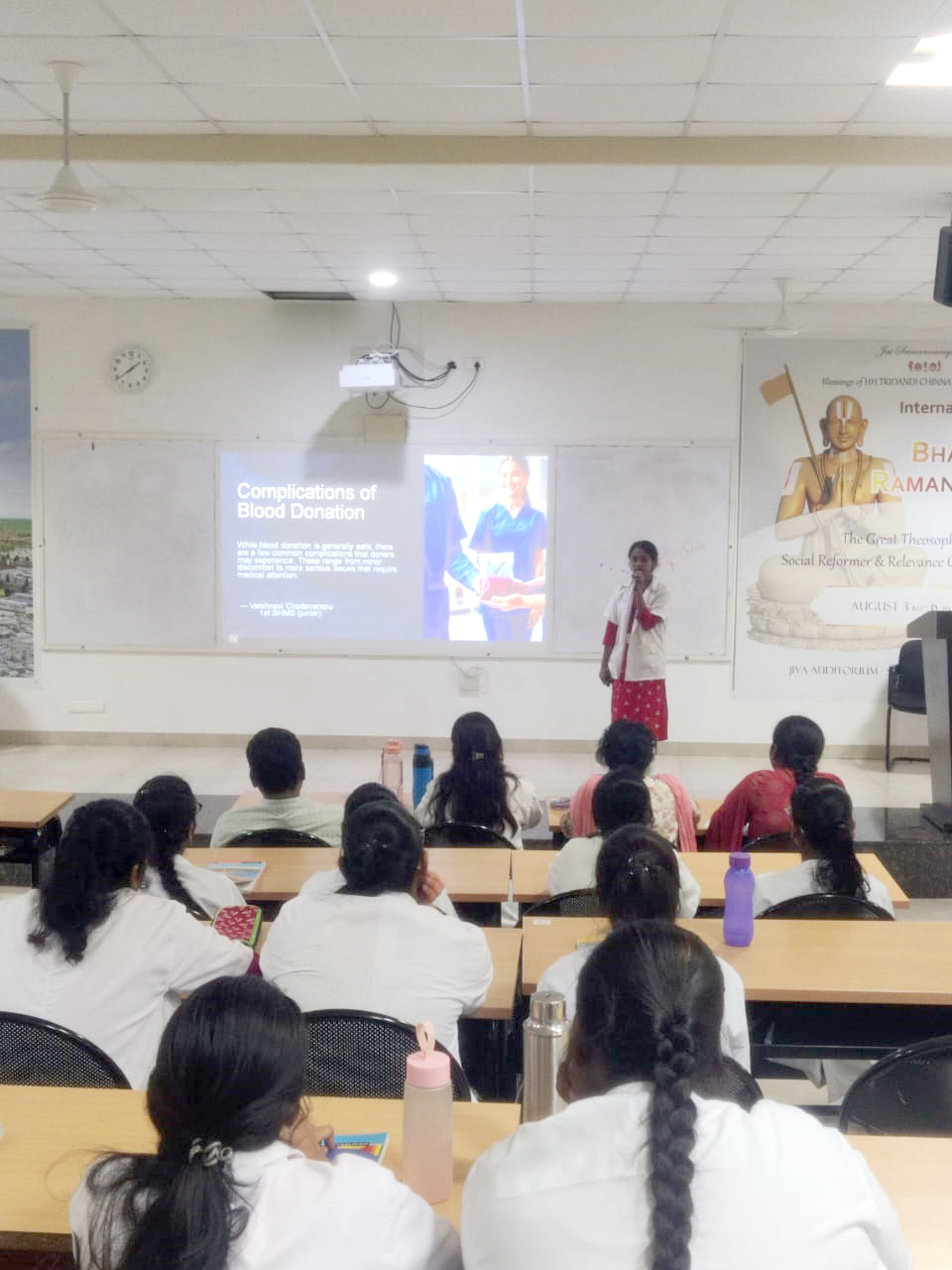
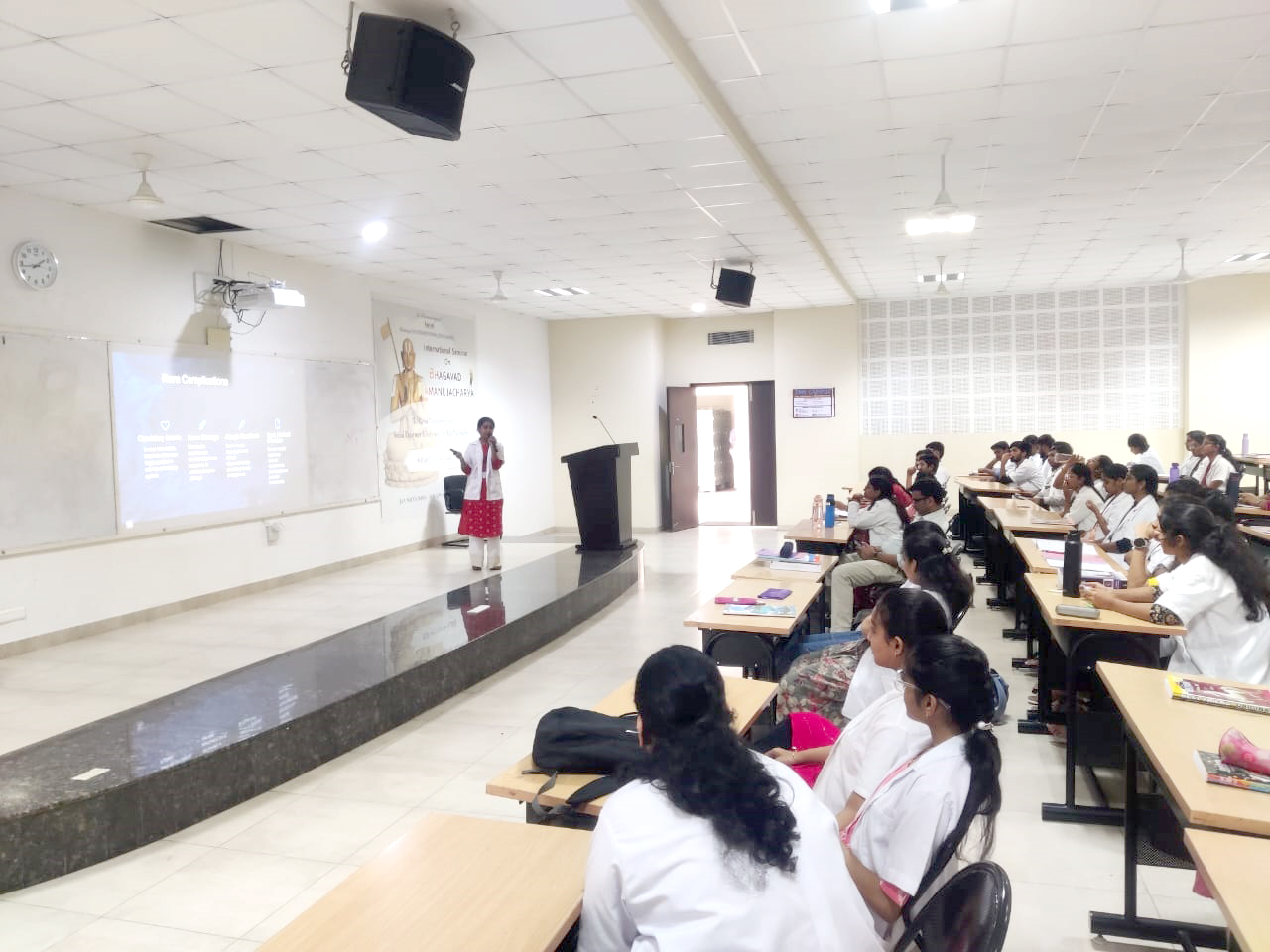
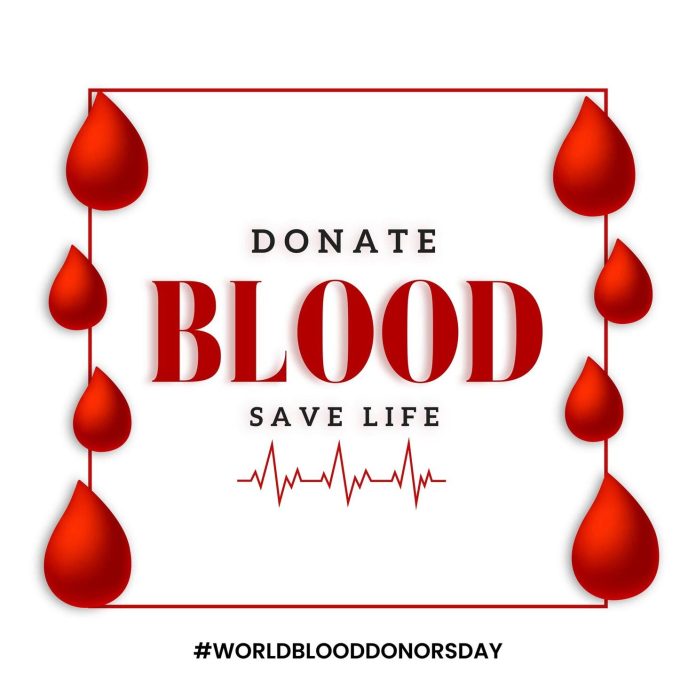
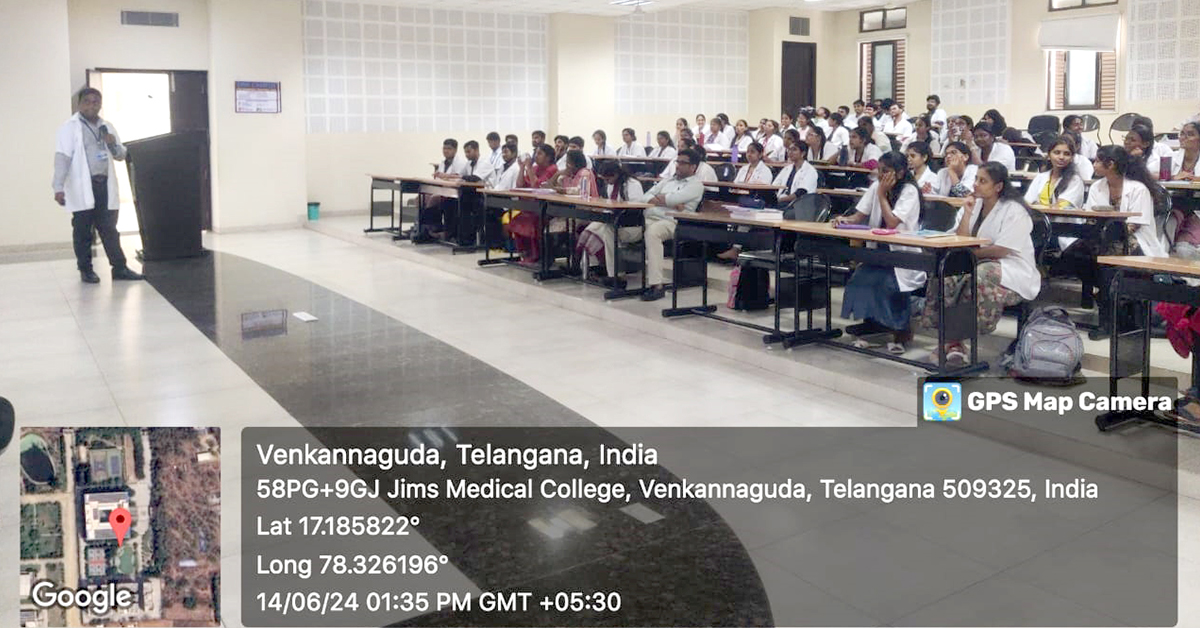
14TH JUNE 2024 – WORLD BLOOD DONOR DAY
IMPORTANCE OF BLOOD DONATION
Blood donation is incredibly important for several reasons:
- Saving Lives: Donated blood is used in various medical procedures to save lives. It’s crucial for patients undergoing surgeries, organ transplants, treatment for cancer, and those suffering from medical conditions such as anemia and hemophilia.
- Emergency Situations: During natural disasters, accidents, or other emergencies, the need for blood can surge dramatically. Having a ready and well-stocked blood supply ensures that hospitals can respond promptly to such situations.
- Chronic Conditions: People with chronic illnesses like sickle cell anemia require regular blood transfusions to manage their condition and improve their quality of life.
- No Substitute for Blood: Despite advances in medical science, there’s still no substitute for human blood. Synthetic blood products are still in development, and for now, donated blood remains the only source.
- Short Shelf Life: Blood has a limited shelf life. Red blood cells, for instance, can typically be stored for up to 42 days. Platelets have an even shorter shelf life of just 5 days. Regular donations are essential to ensure a continuous supply.
- Unexpected Needs: Blood usage can be unpredictable. A sudden surge in demand, such as during a mass casualty event, can quickly deplete existing supplies. Regular donations help maintain a sufficient inventory to meet unexpected needs.
- Community Support: Blood donation fosters a sense of community and solidarity. It’s a simple yet powerful way for individuals to contribute to the welfare of others and make a tangible difference in people’s lives.
- Health Benefits for Donors: Donating blood has health benefits for the donors themselves. It stimulates the production of new blood cells, reduces the risk of certain diseases, and can help in the early detection of health issues through the pre-donation screening process.
In summary, blood donation is a vital aspect of healthcare systems worldwide, playing a critical role in saving lives, supporting medical treatments, and fostering community well-being.
Dr. Santosh Kumar
Professor & HOD
Department of Physiology & Biochemistry.
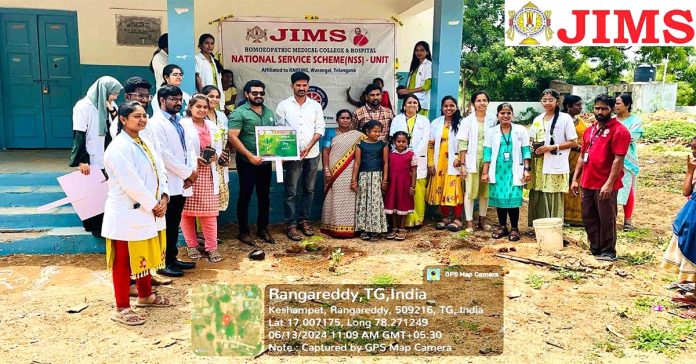
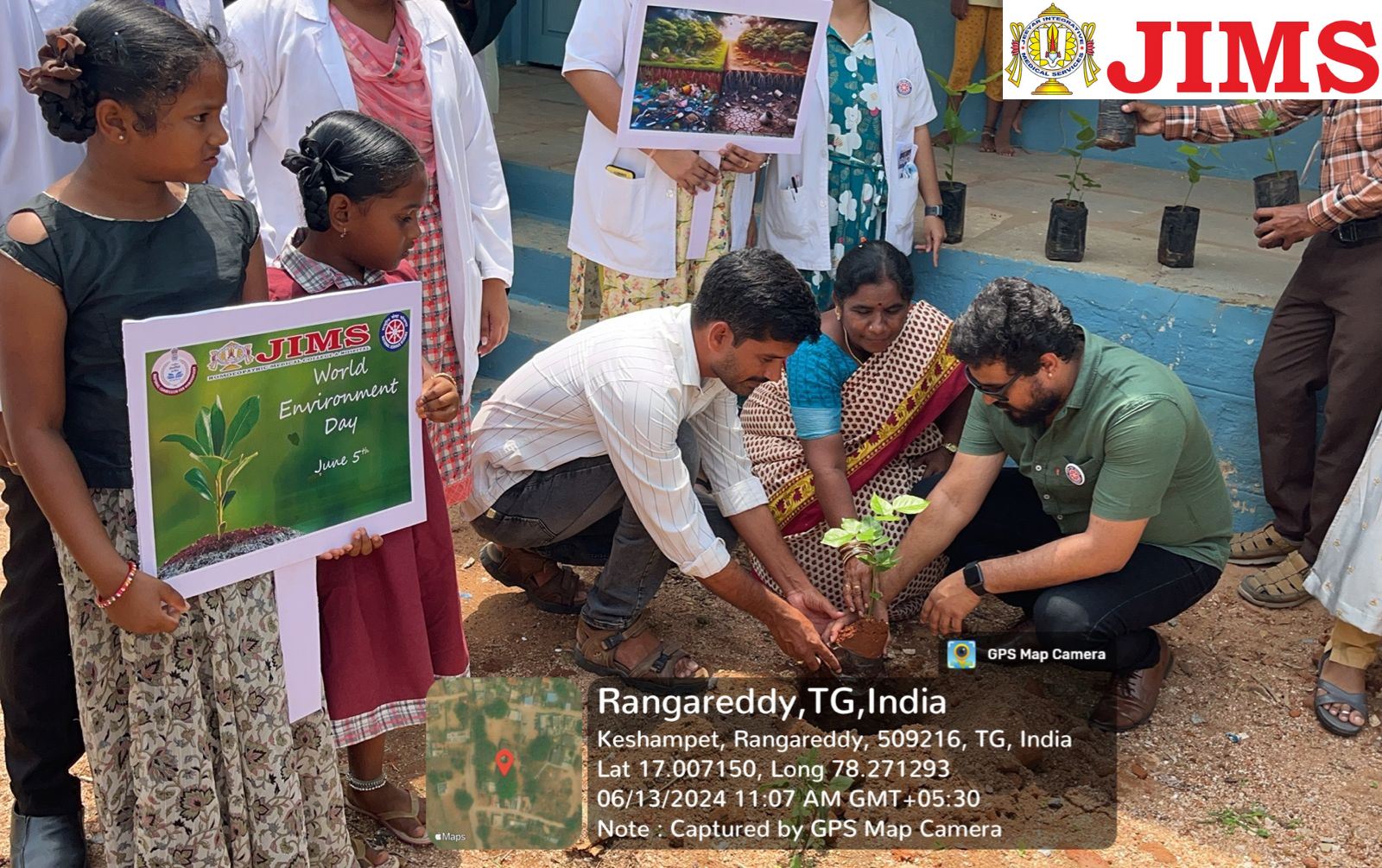
World Environment Day 2024
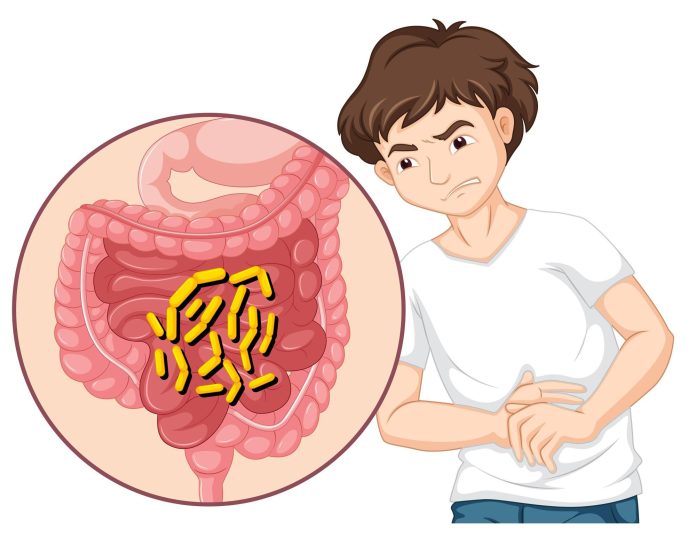
Scope of Homoeopathy in Worms
Worms is a common condition of the childhood all over the world. All children suffer from worms at some point of time. Worms can be asymptomatic or may give rise to number of symptoms and complications.
Children residing in crowded spaces, in unhygienic conditions, consuming contaminated food and water, walking or playing barefoot and those in contact with animals are at high risk of getting infected with worms. Children having low immunity often have a tendency to repeated infections, have heavy infestation and also suffer from complications.
Intestines are the favoured site for worms to live in the human host, but skin, lungs, lymphatics, and brain are other organs where worms may live and produce symptoms. Abdominal bloating, pain, nausea, vomiting, loose motions, indigestion, itching of the anus or vagina, cough, wheezing and allergy are the commonest symptoms of worms. Worms are a leading cause of anaemia and poor growth in children. Many symptoms unrelated to the organs affected by worms are found to disappear after eradication of worms.
In spite of effective deworming, most children are subject to recurrent infections or chronic subclinical infestation which does not get resolved completely.
Homoeopathy has an excellent scope in the treatment of worms. Homoeopathy has number of remedies which cure varied symptoms that worms present with. Homoeopathic treatment cures the tendency to repeated infection by building natural immunity against it. Homoeopathy helps to clear obstinate infestation of worms which is resistant to the regular anti helminthic treatment. Homoeopathic remedies also improve general health of the child and prevent complications due to worms.
Dr. Navin Pawaskar,
Director,
JIMS Healthcare.
Homoeopathy & Weaning principles
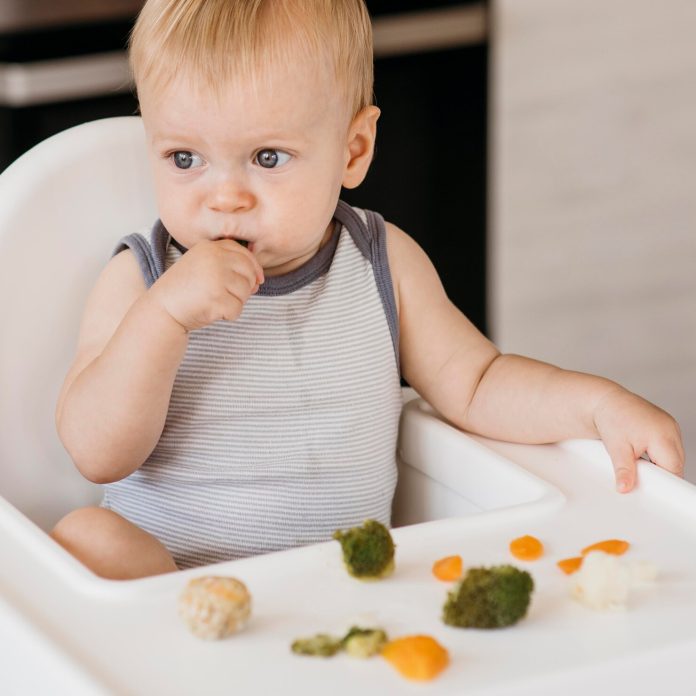
Weaning means accustoming the child to alternative foods in place of breast milk or formula foods. After about 4-6 month’s of age, breast milk is insufficient to meet with the caloric as well as nutritive requirements of the child. Hence it has to be supplemented with food from outside.
Weaning is the first step in the development of diet pattern of the child and has far reaching consequences in defining the food habits in future. Successful weaning is an essential step in the overall growth and development of the child.
Weaning should be done gradually and with maximum comfort of the mother and the baby. Readiness is the key, at the same time voluntary efforts are needed to achieve it. One food item should be introduced at a time followed by another. Cereals, vegetables, fruits, eggs, dairy and lastly poultry and fish, is the sequence in which foods should be introduced. Foods rejected once should be reintroduced after a while. A balance of carbohydrates, proteins, fats, fibre and water is needed to prevent problems due to weaning.
Force feeding, anxiety, punishment are to be avoided completely. Rather, the child should be encouraged to participate in self feeding, lot of praise, cuddling and positive reinforcement are successful in achieving an effortless and happy weaning.
The commonest problems encountered are, resistance to weaning by the child, poor intake, lability of moods, rejection of food, vomiting, diarrhoea or constipation, disturbances of digestion, colic, nutritional deficiencies, growth failure, anaemia, infections and allergies. A patient approach is needed to tackle these problems and to get to the goal.
Homoeopathy helps greatly in treating problems in this crucial phase of development of the child. Right from emotional reactions to infections and allergies homoeopathy has answer to each. Homoeopathy treats every child distinctly, and provides holistic solution to the problem. Homeopathic and biochemic remedies are used to even treat nutritional deficiencies. Homeopathic medicines are safe and without any side effects which makes them best suited for long term use to tide over multiple problems during weaning.
Dr. Navin Pawaskar,
Director,
JIMS Healthcare.

Homoeopathy & Vaccination
Vaccination is an important practice for prevention of infectious illnesses in community medicine. Vaccination prepares the host immunity to fight and prevent the infection. There are various vaccinations that are administered to children and adults. As children are more vulnerable to the onslaught of infections, well defined immunisationprogrammes are implemented by every country. Various life threatening infections are practically eradicated from the world community due to successful vaccination programmes like, small pox, polio, tetanus.
Various products are used for vaccination purpose like, live attenuated virus or dead virus antigen or antibodies or immunoglobulins, purified proteins etc. Apart from these, they also contain antibiotics, stabilisers, preservatives etc which are derived from heavy metals like mercury, lead etc.
Mild to severe reactions to vaccinations are known. Ranging from low grade fever to severe skin and brain affections have been seen post vaccination. Autism, Mental retardation, ADHD and like illnesses are also suspected to be linked to bad effects of vaccinations.
Prevention of disease has been an important concept in Homoeopathy. In epidemics of infections, “homeopathic genus epidemicus” given to non infected persons prevented disease and kept them in a healthy state. Similarly specific medicines prepared from the offending virus or bacteria have been used to prevent those illnesses. E.g. Variolinum for small pox, Morbillinum for measles, Influenzinum for flu, Diphtherinum for Diphtheria, Pertussinum for whooping cough, Pneumococcinum for Pneumococcal and Staphylococcinum for staphylococcal infections are used successfully. These medicines do not have adverse reactions, are safer and very effective.
Homoeopathy also helps treating children with bad effects of vaccinations. Thuja, Silicea, Mezerium, Medorrhinum are some of the homeopathic remedies that are used in such cases. They heal the immediate and late effects of vaccination and restore health of the child.
Dr. Navin Pawaskar,
Director,
JIMS Healthcare.
Homoeopathy in Nocturnal Enuresis
Nocturnal Enuresis refers to a condition characterised by involuntary passage of urine especially at night in sleep. Nocturnal enuresis is a cause of concern if it persists beyond age 5 as, most children get toilet trained by that age.
Nocturnal enuresis can be primary, where the child has never gained full control over urination. In certain cases, children who have earlier gained control develop incontinence later. The second variety is called the secondary Nocturnal enuresis. Most cases are of the primary variety.
Causes of nocturnal enuresis are not certain but in most cases psychological factors are present. In some cases though, anatomical abnormalities of the urinary tract, urinary infections and certain biochemical abnormalities in the hormones related to urine formation are also found to be the causes. Traumatic experiences or stress may cause secondary enuresis in toilet trained children.
Nocturnal enuresis is emotionally distressing for the parents which often leads to negative behaviour towards the child. It leads to further stress and embarrassment for the child which may lead to exaggeration of the symptoms and also secondary psychological disturbances such as loss of confidence, social isolation or depression.
Some children suffering from nocturnal enuresis sleep deeper and experience nightmares oftener as compared to other children of the same age. Treatment of infection in small number of cases helps. Reassurance and techniques such as urinating at regular intervals throughout the night are effective but are not successful in all cases.
A homeopathic physician understands the mental as well as the physical make up of the child, takes into consideration the psychological disturbances if any and prescribes medicines based on the totality of the case. A patient, empathetic approach towards the suffering child is reassuring and helps both, parents and the child. In large number of cases, homoeopathy treats enuresis gently and permanently.
Dr. Navin Pawaskar,
Director,
JIMS Healthcare.
Role of Homoeopathy in Growth retardation
Normal growth and development are the cornerstones of health of a child. They encompass the physical, mental, emotional and social dimensions.
Growth and development occur in phases and have peculiar pace and characteristics. They are quantitative and qualitative; specific and general. Growth and development exhibit a range like other parameters of assessment of health do. Anything within the range is considered as normal and outside the range is abnormal. Hence, growth and development are assessed by comparison with the average, yet every child has a unique pattern.
Impairment of growth has far reaching consequences on a child’s future. It is important to investigate the cause of growth retardation and treat it on time. Numerous causes such as, genetic abnormalities, malnutrition and deficiencies, exposure to toxins and radiation, infectious diseases, endocrine diseases, pituitary tumours, emotional and constitutional factors affect the normal growth of the child. It is important to investigate the cause of growth retardation and treat it on time.
A homeopathic physician often encounters complaints of retarded growth in paediatric practice. Most cases are constitutional type and are unexplained in nature. Homoeopathy defines disease not merely as a symptom complex, but as a deviation of state of health of the mind, body and spirit. Homoeopathy individualises the patient and analyses the disease by its characteristic pattern. Hence homeopathic treatment is customised, best suited medicine is given to each patient which brings about a cure. Under the right homeopathic treatment, all round development of the child occurs.
Dr. Navin Pawaskar,
Director,
JIMS Healthcare.