
Role of Homoeopathy in diseases of Teeth by Dr. Navin Pawaskar
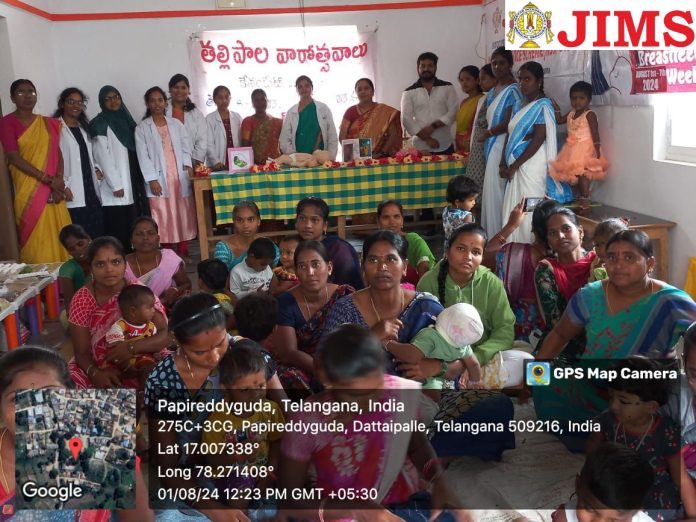
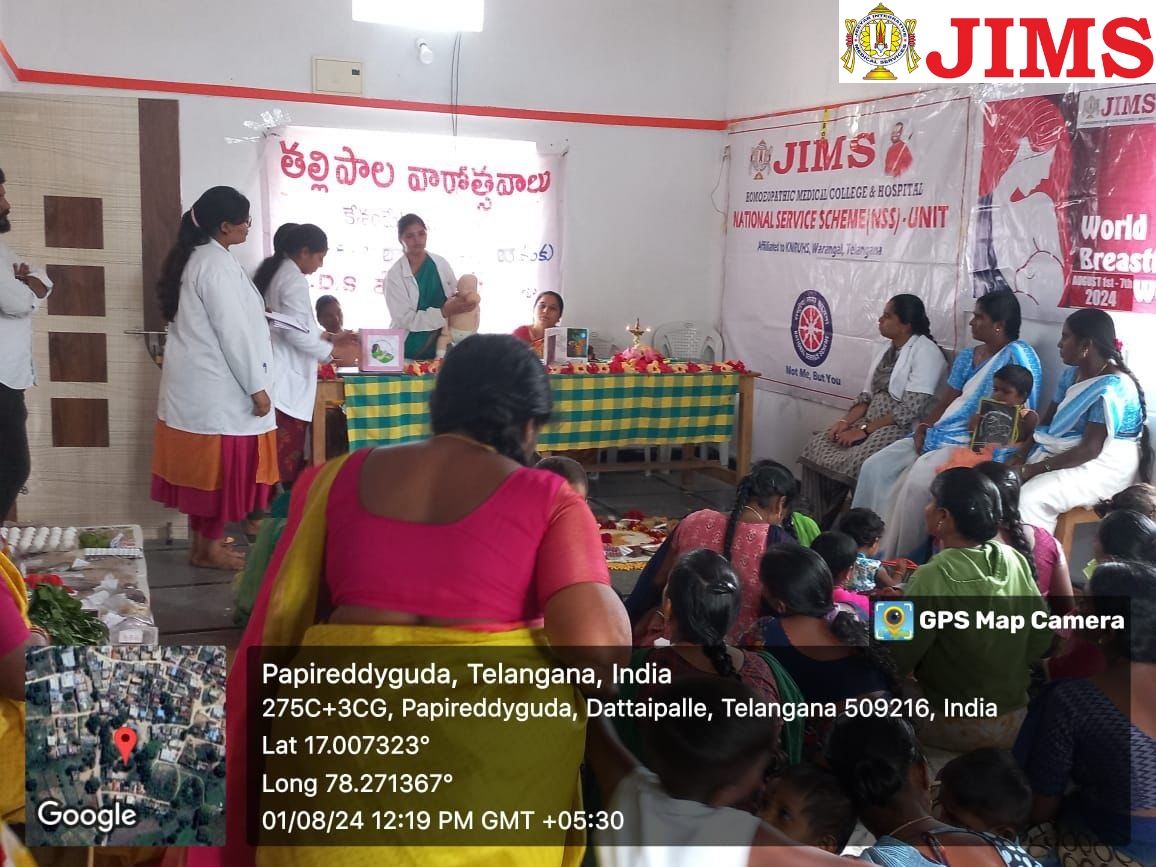
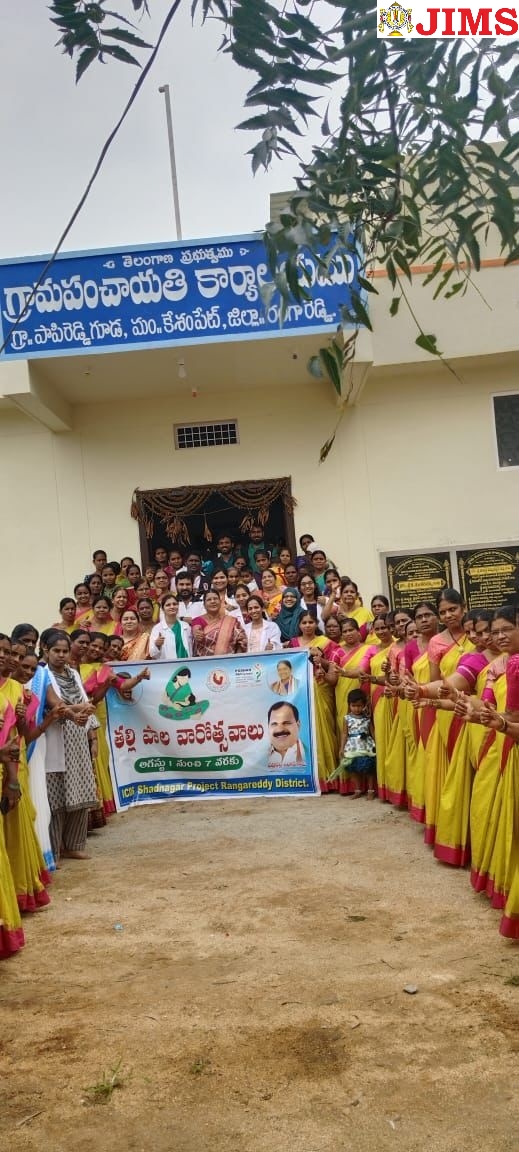
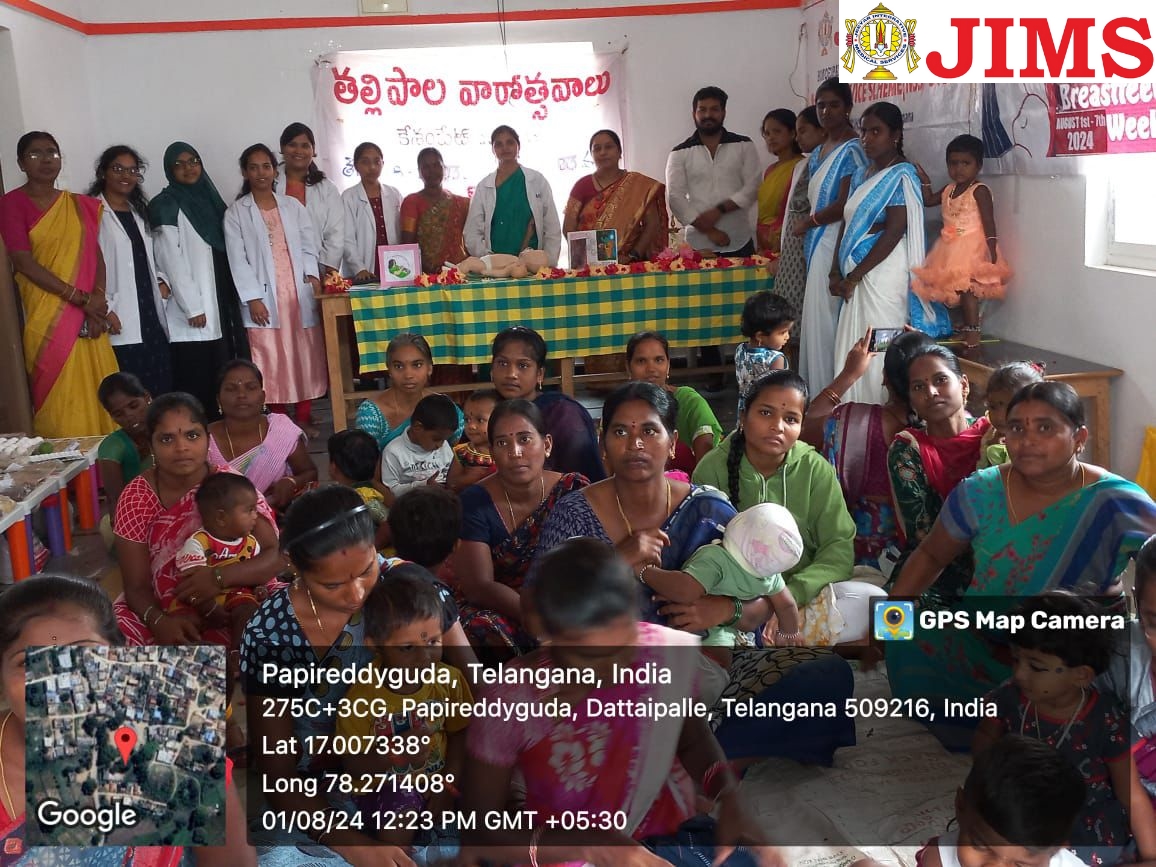
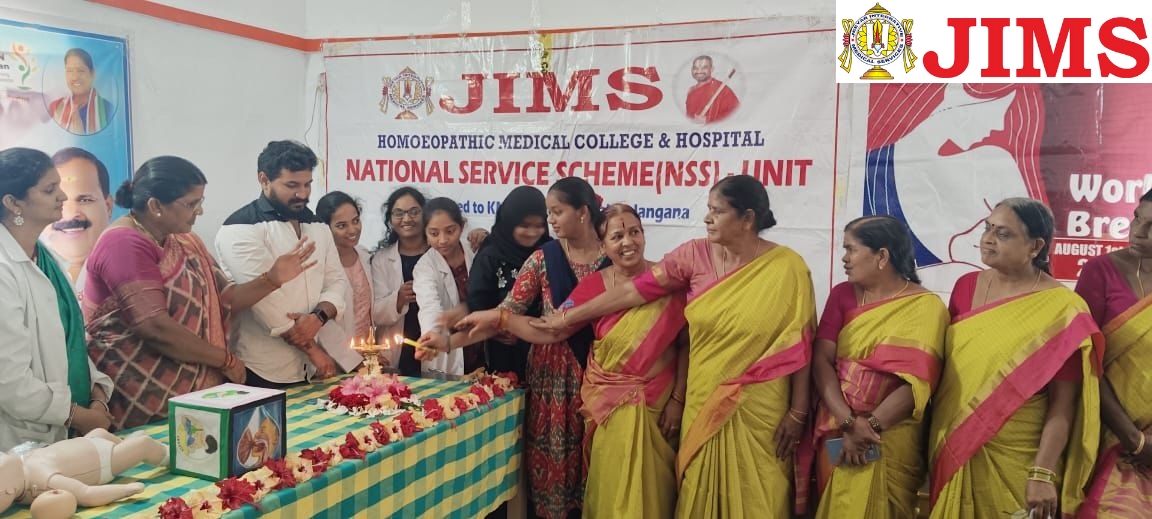
Observation of World Breastfeeding Week by NSS Unit of JIMS Homoeopathic Medical College & Hospital
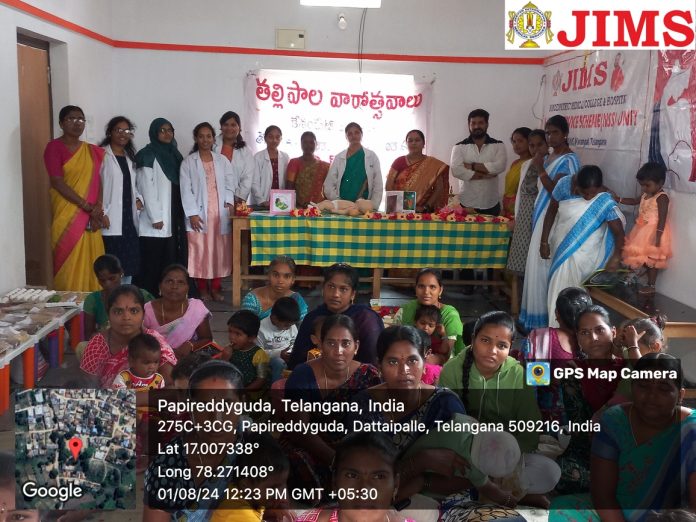
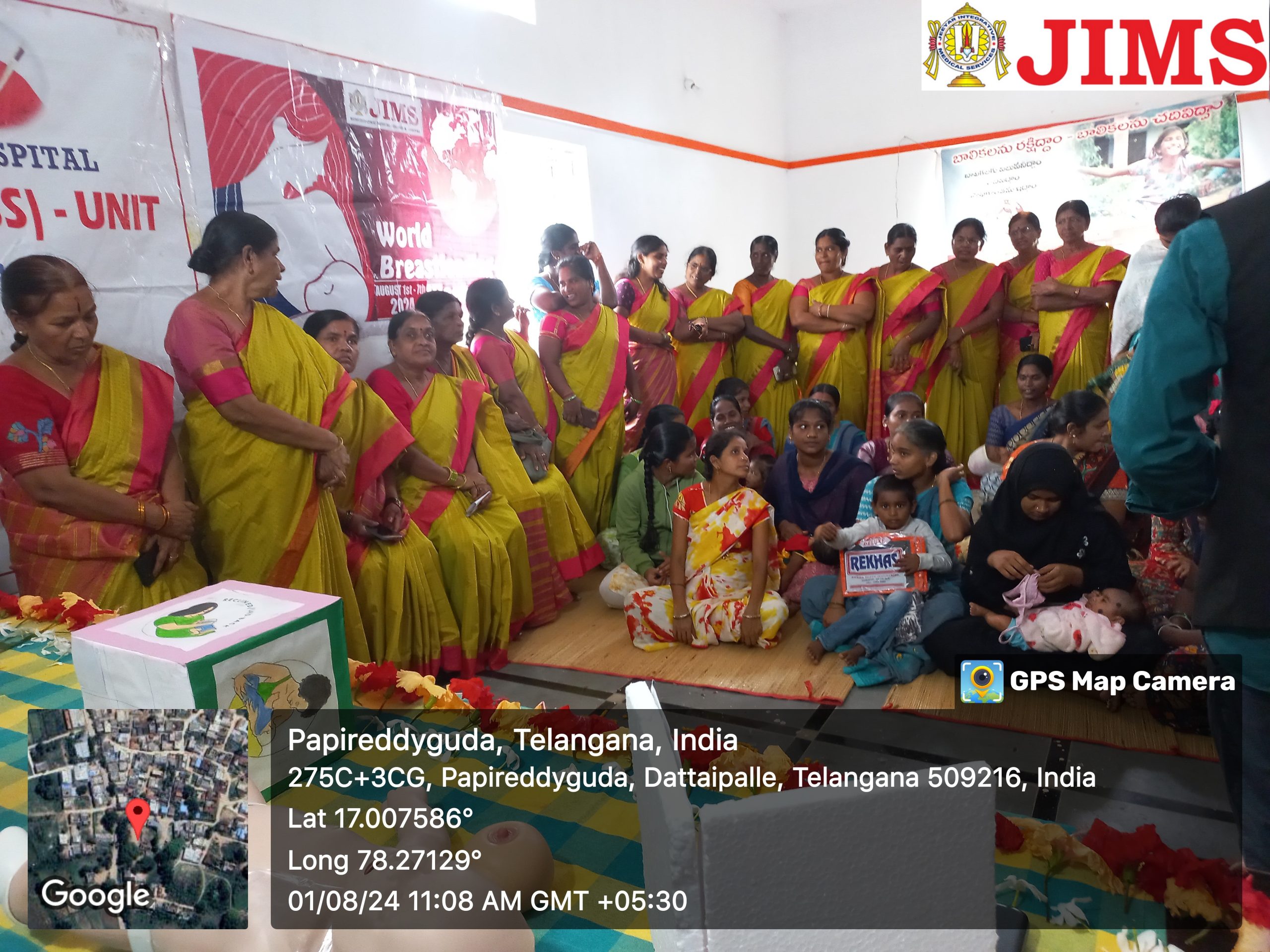
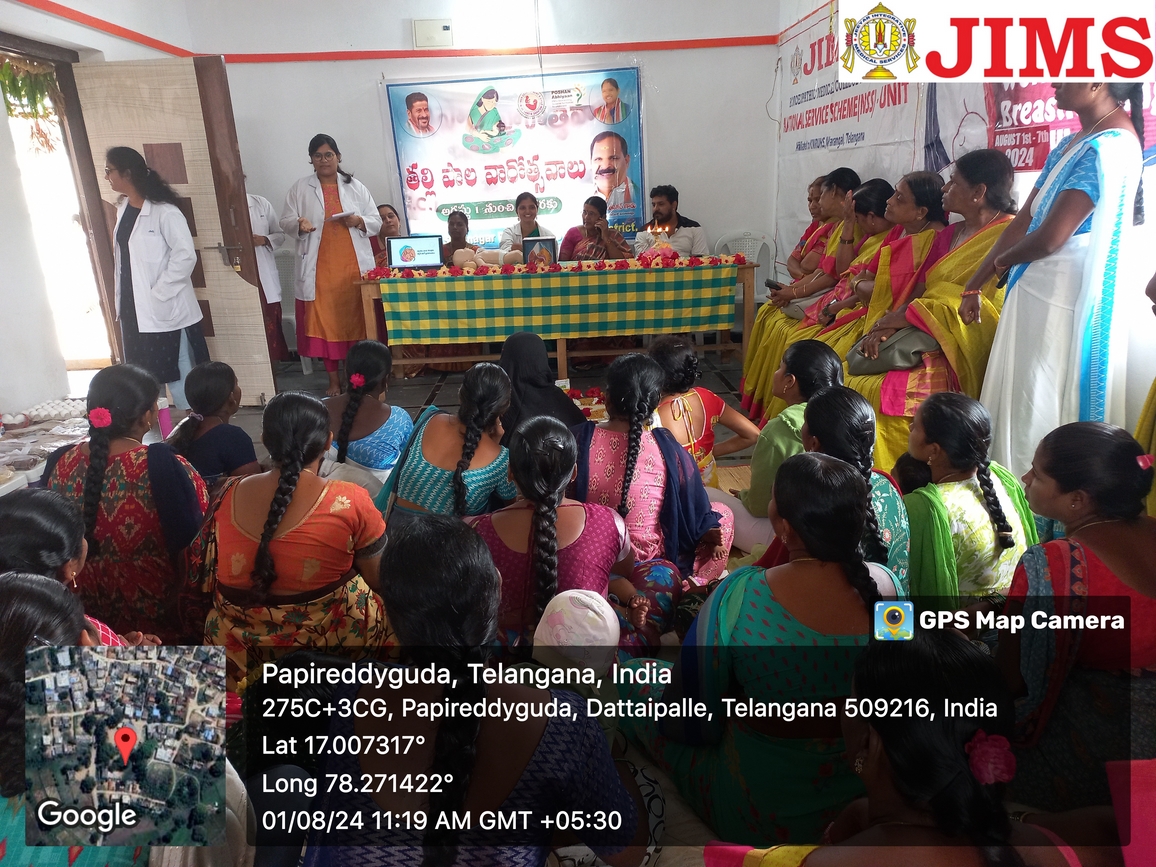
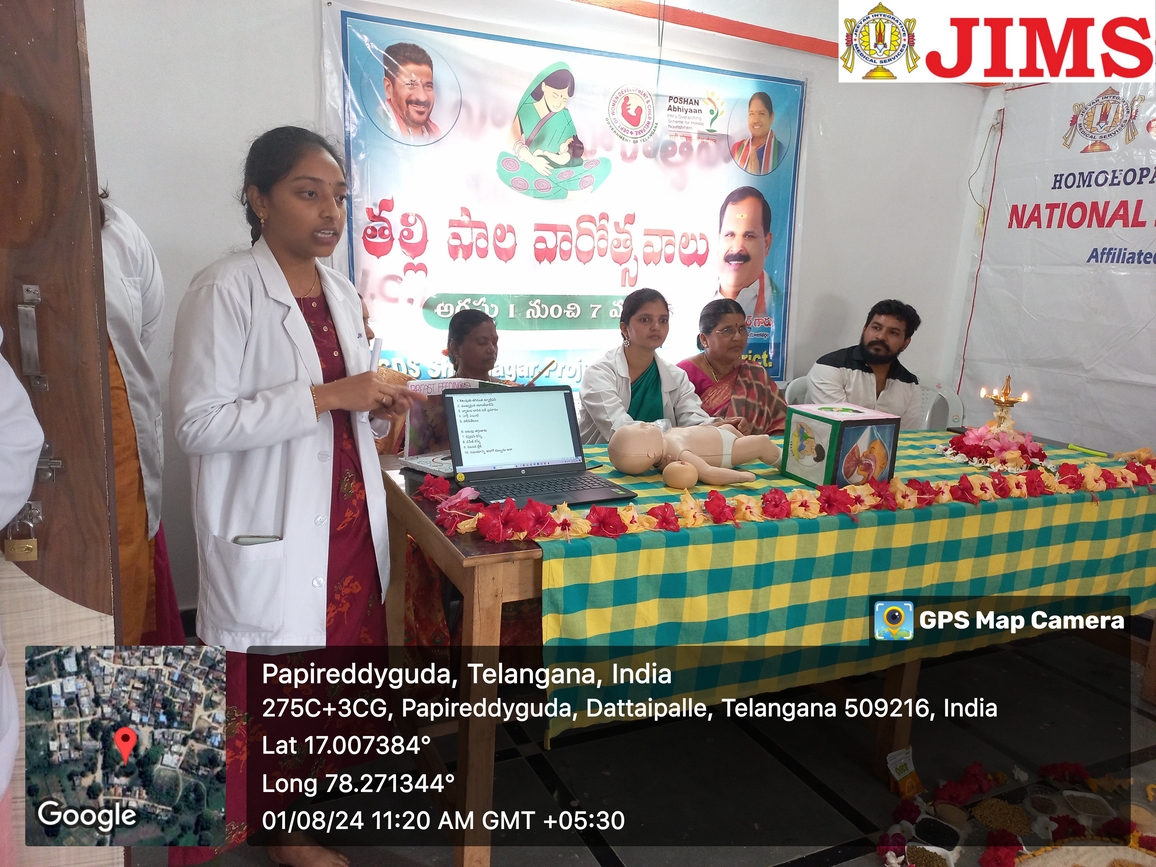
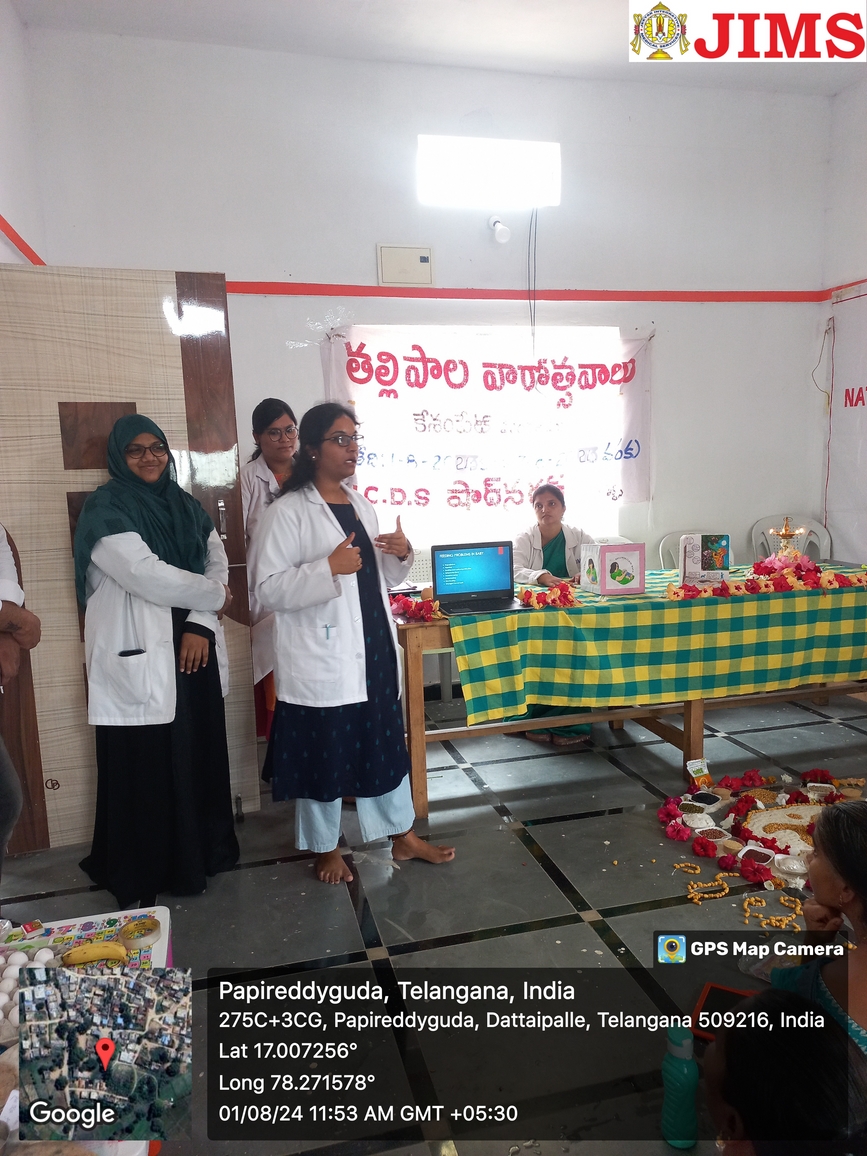
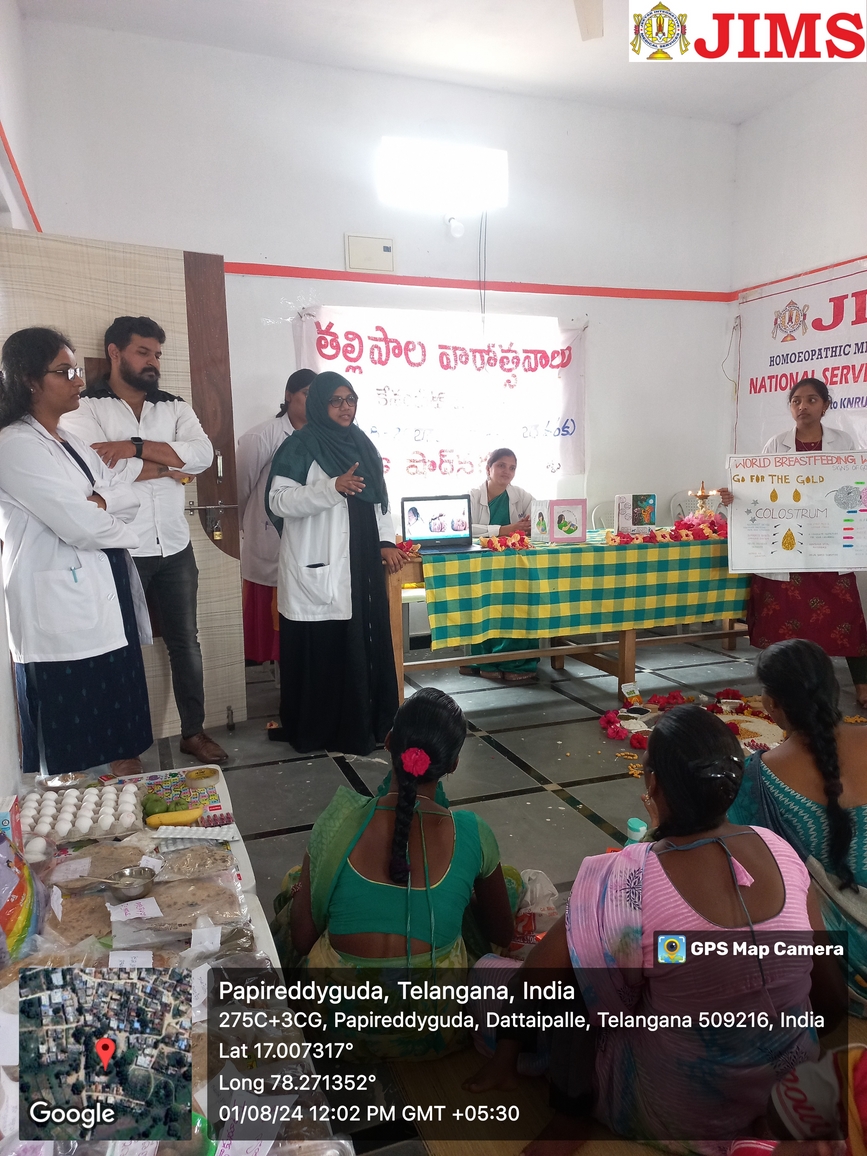
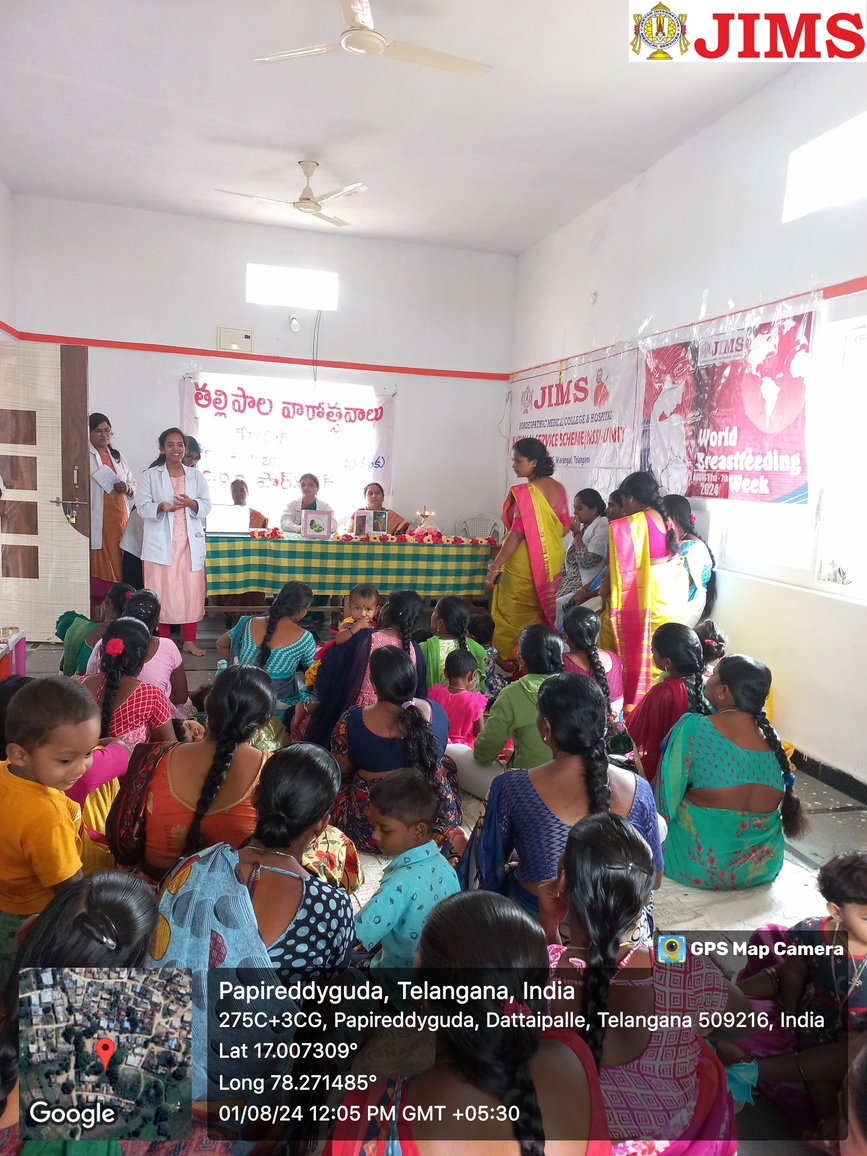
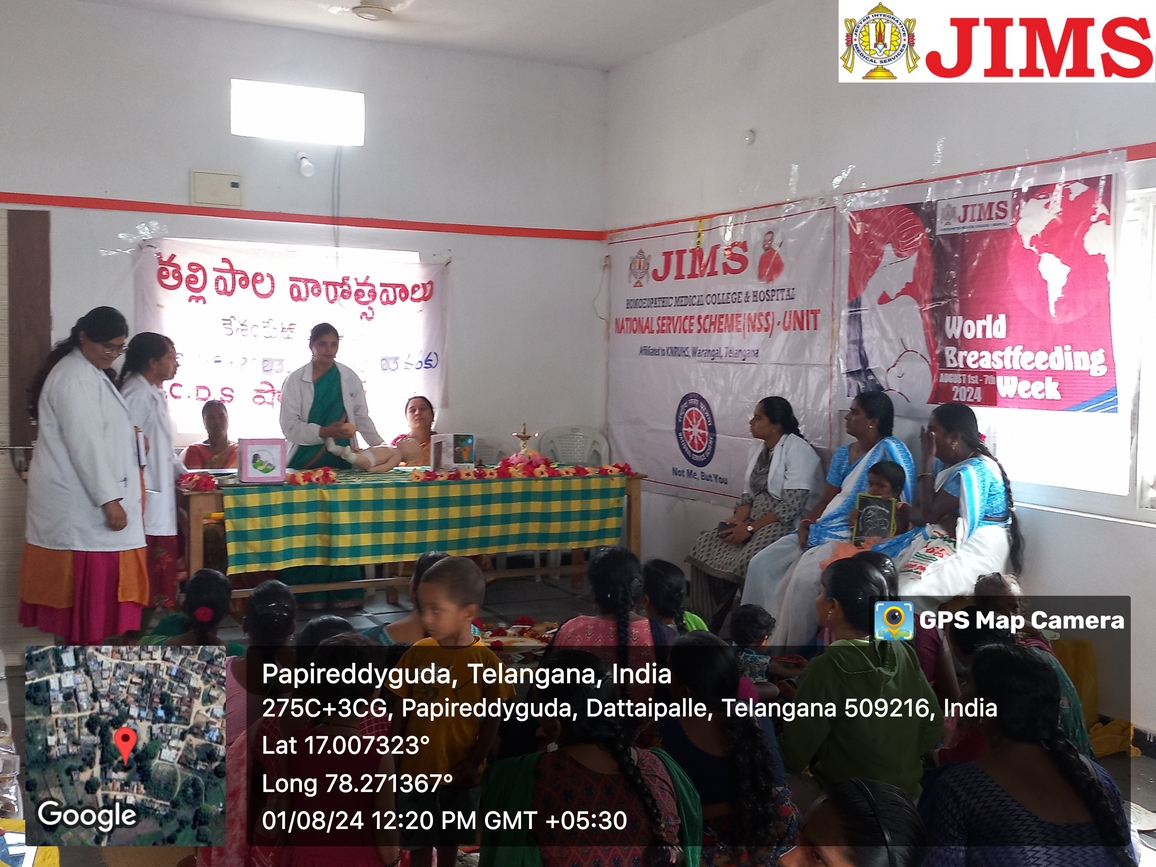
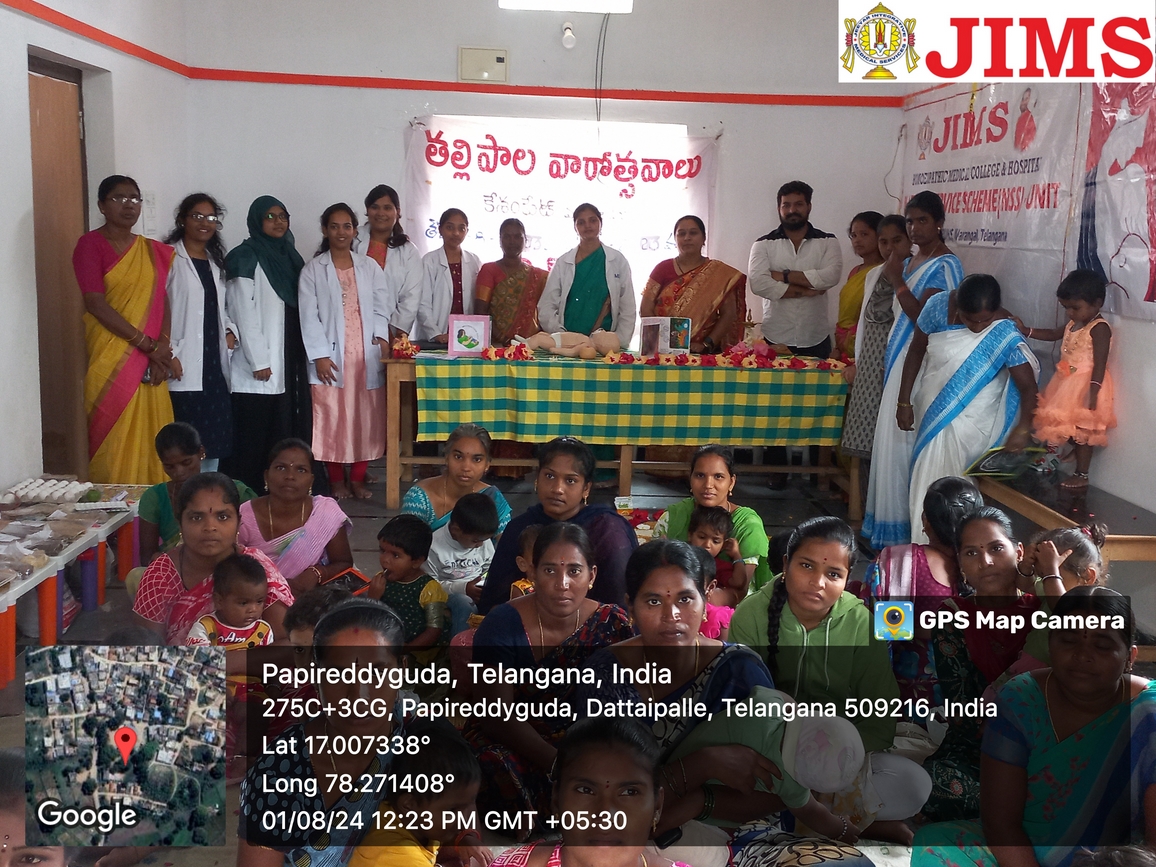
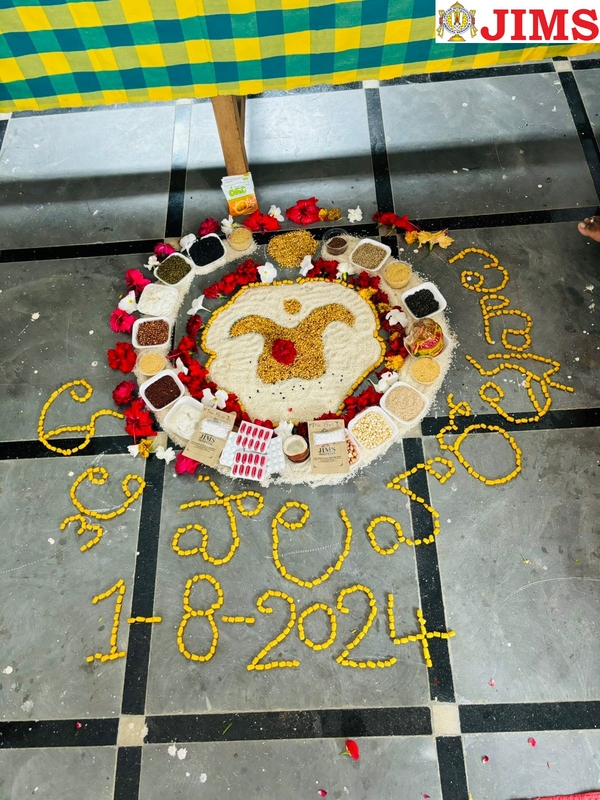
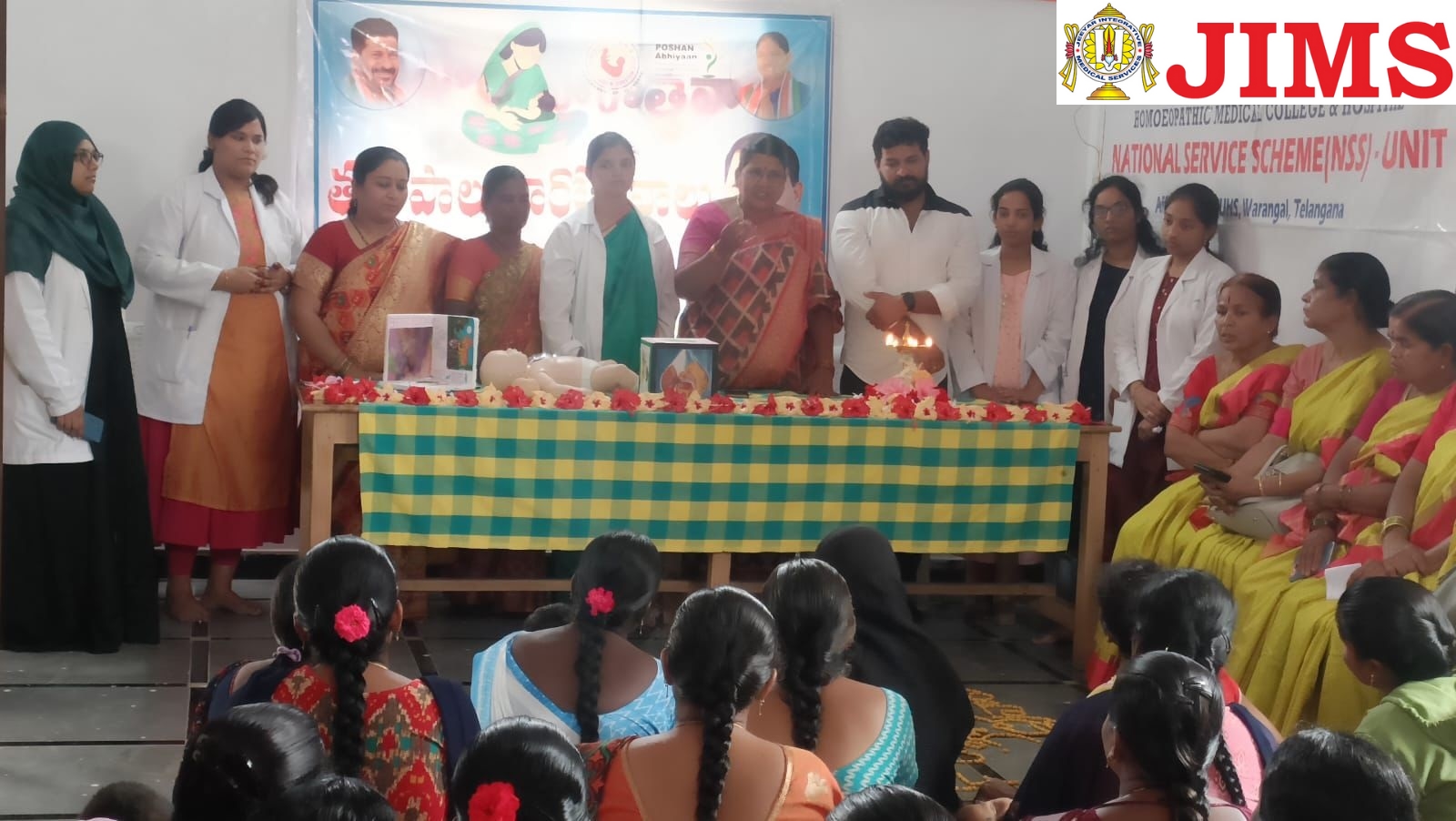
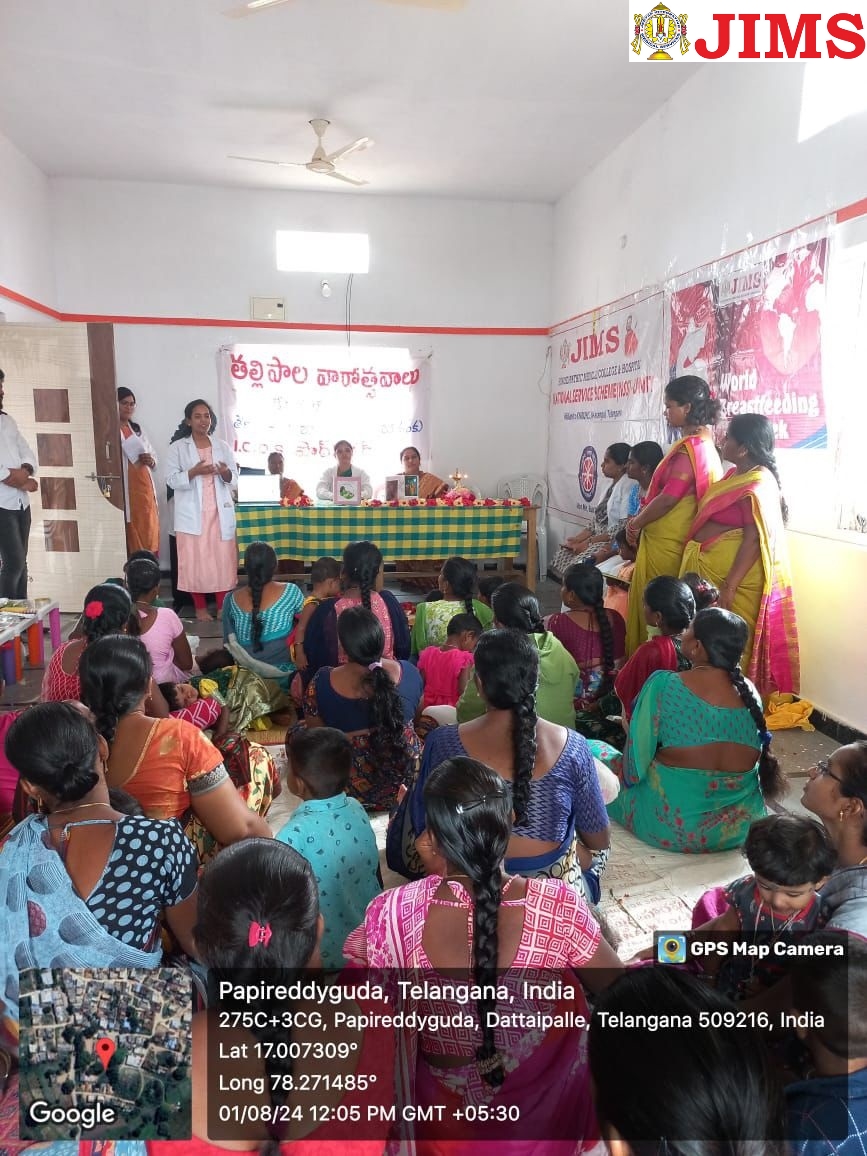
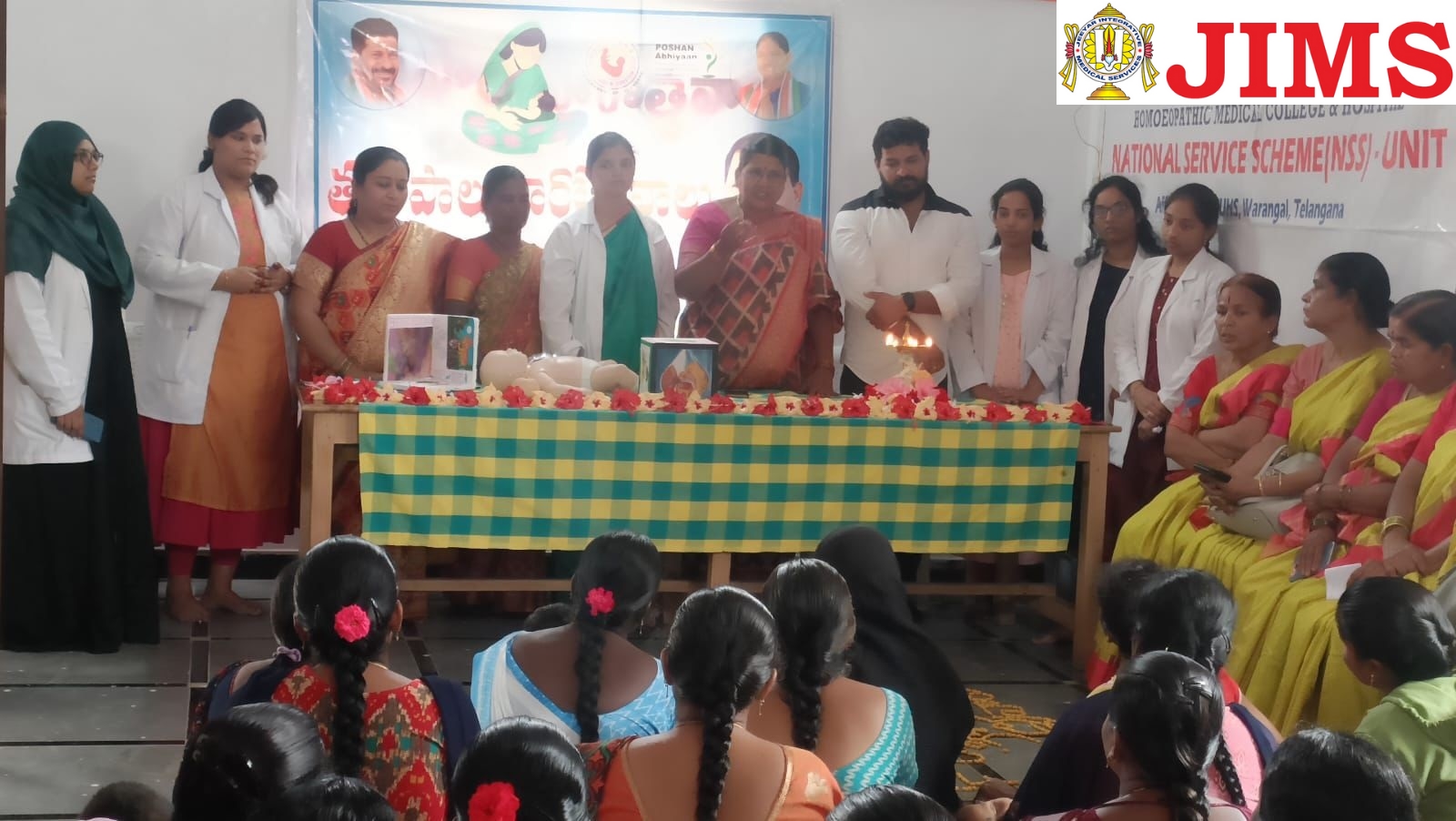
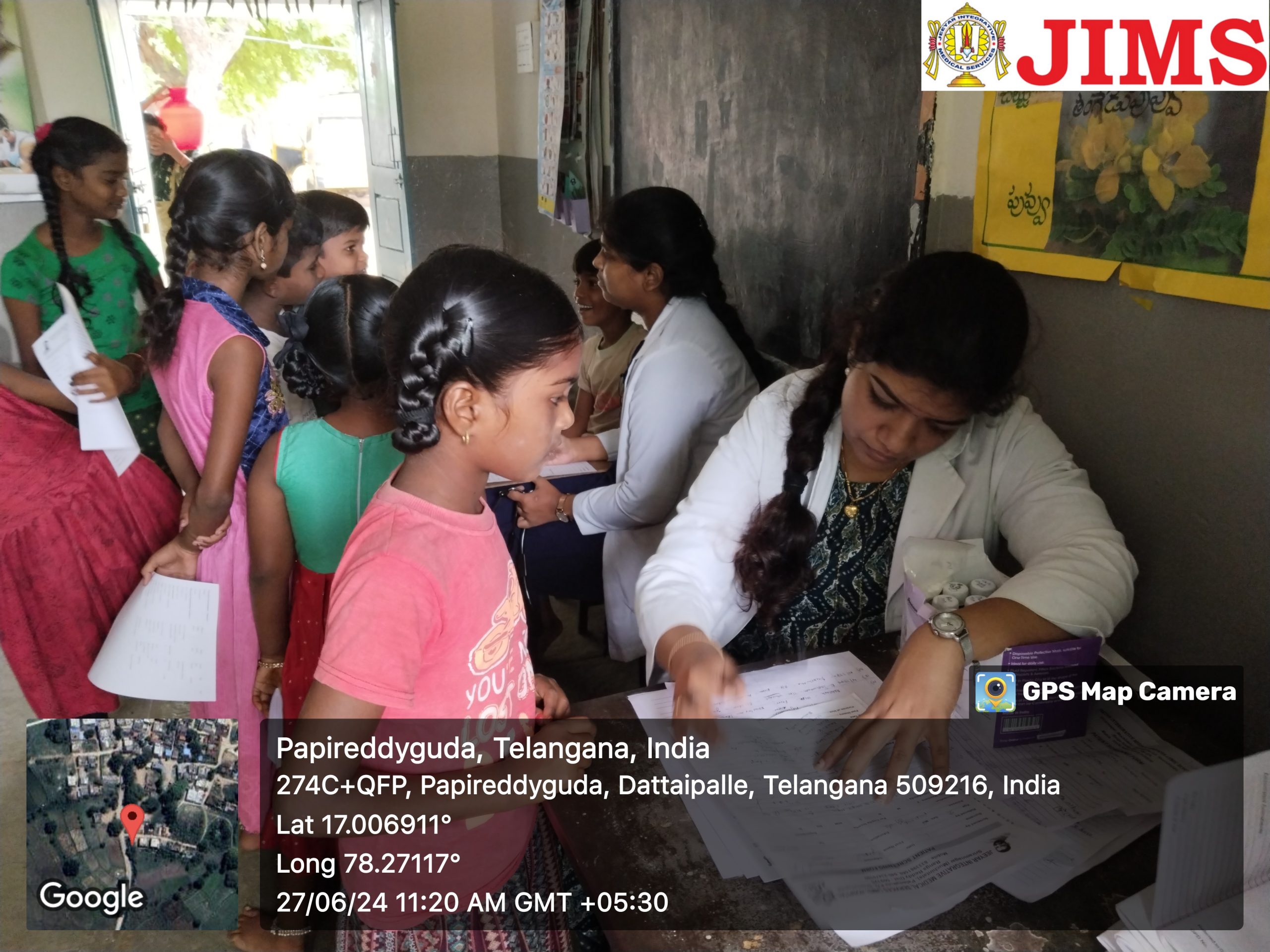
In celebration of World Breastfeeding Week, the NSS Unit of JIMS Homoeopathic Medical College & Hospital organized an impactful awareness program in Papireddyguda village, Keshampet Mandal, Rangareddy.
Our dedicated students led interactive sessions with pregnant women, lactating mothers, and other community members. The focus was on the theme “Closing the Gap: Breastfeeding Support for All” and the critical importance of breastfeeding for both maternal and child health.
We were privileged to have the Gram Sarpanch, CPDO, and Anganwadi workers present, underscoring the community’s unified effort to promote effective breastfeeding practices.
This initiative aims to empower women with essential knowledge and support, helping them make informed decisions about breastfeeding and nurturing their children.
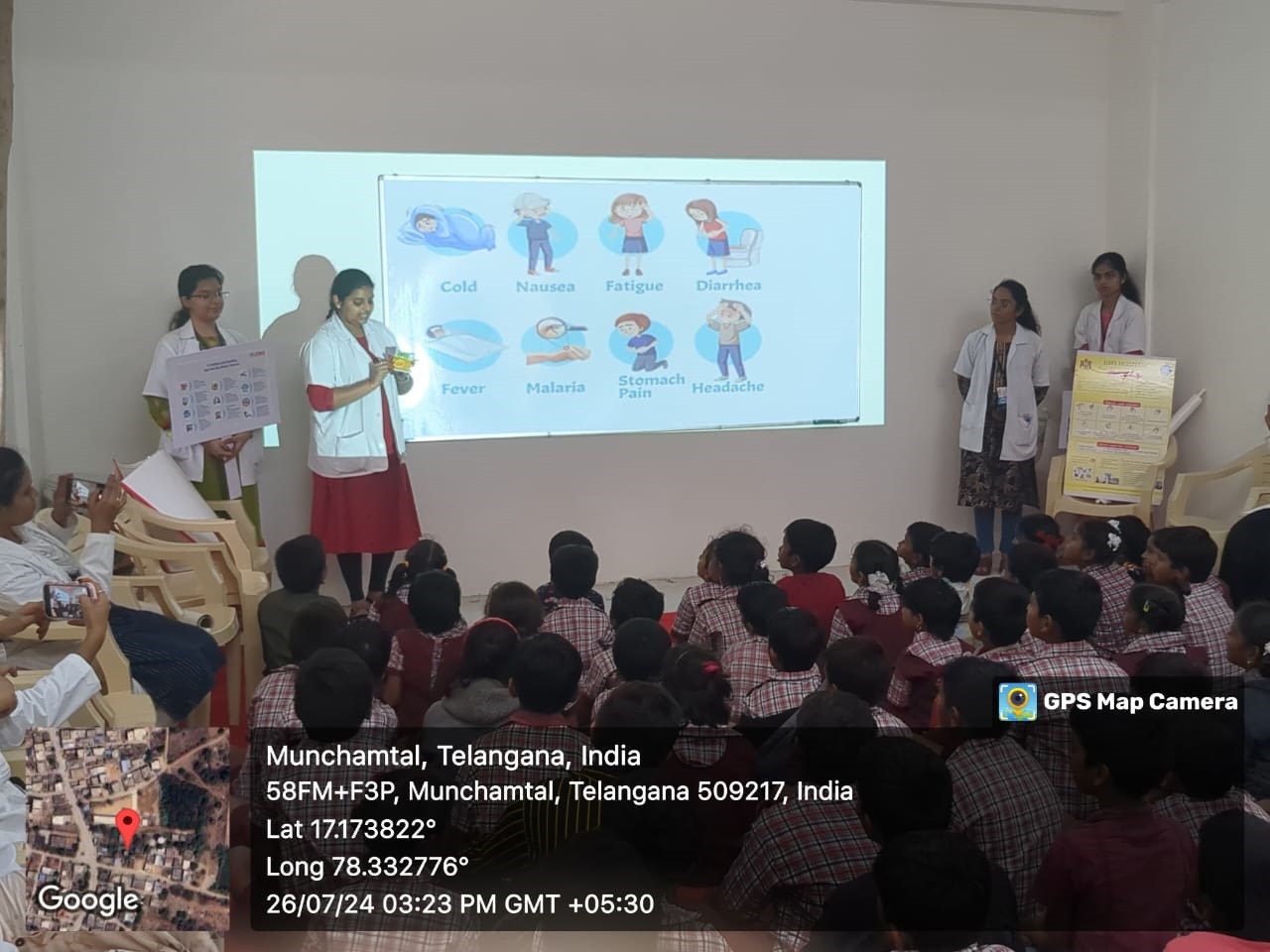
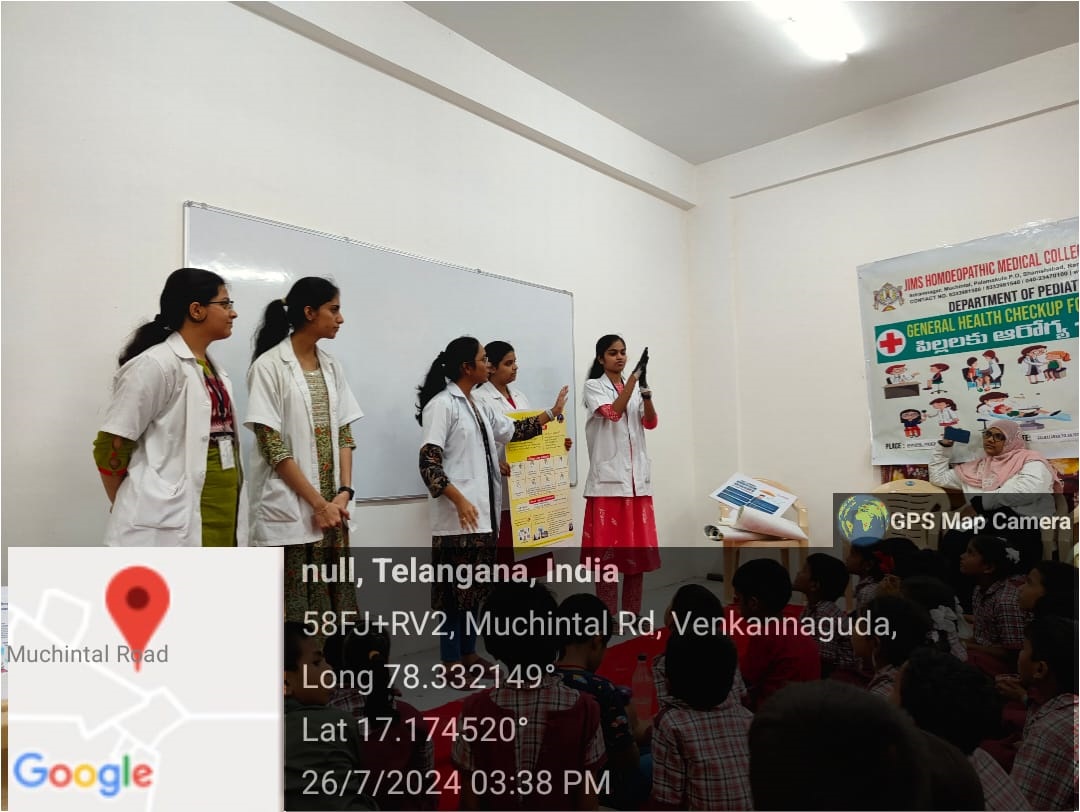
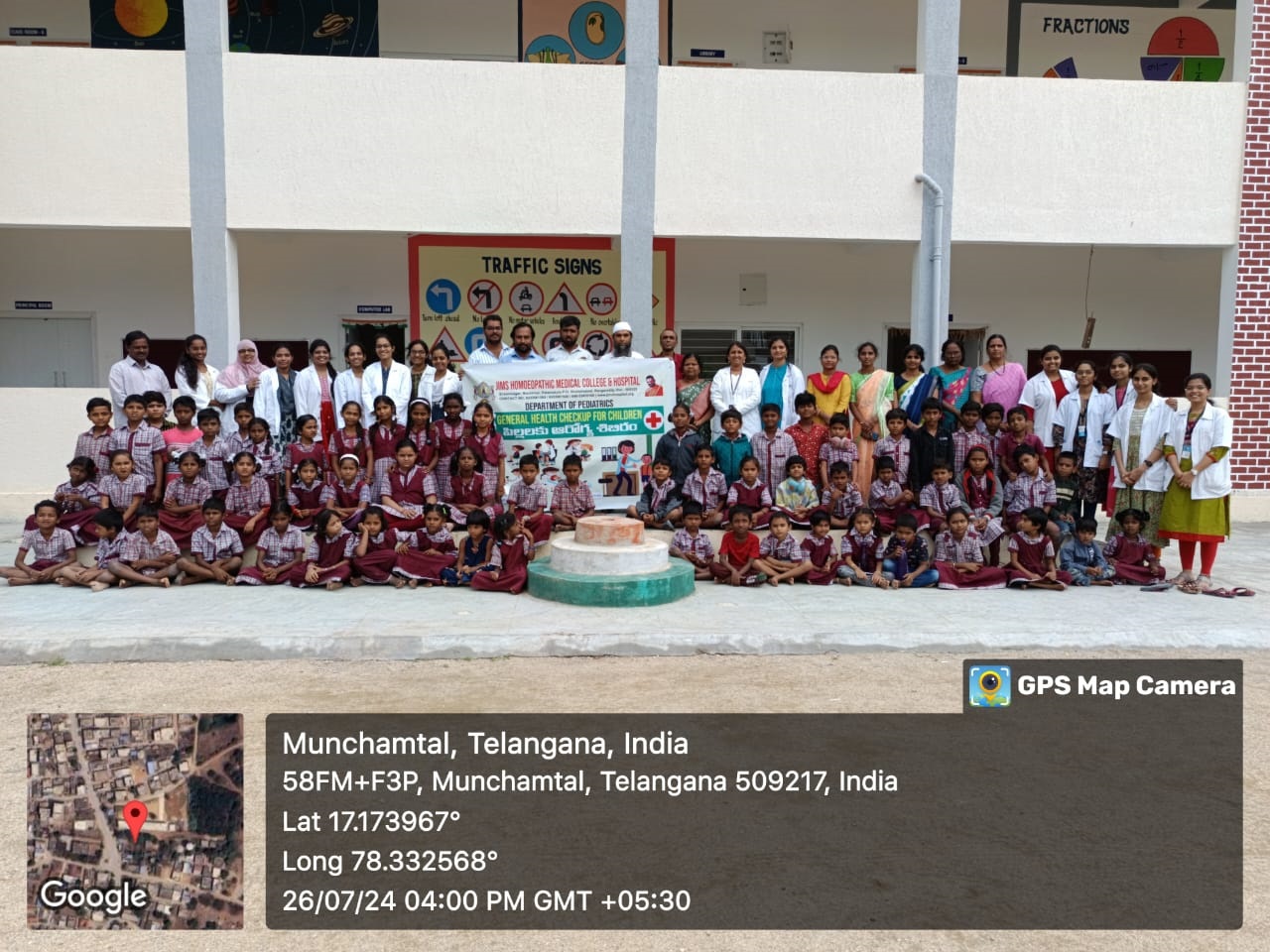
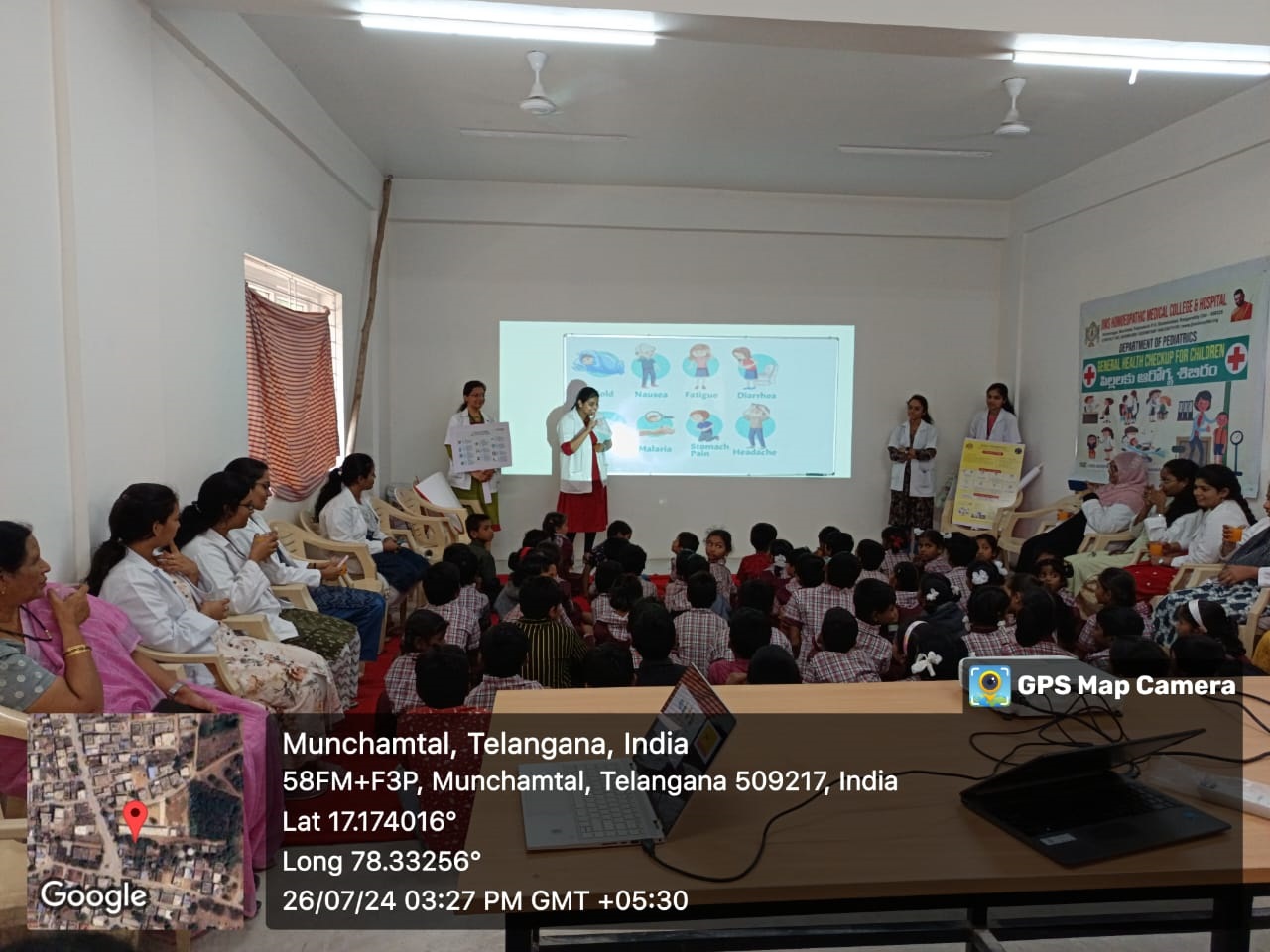
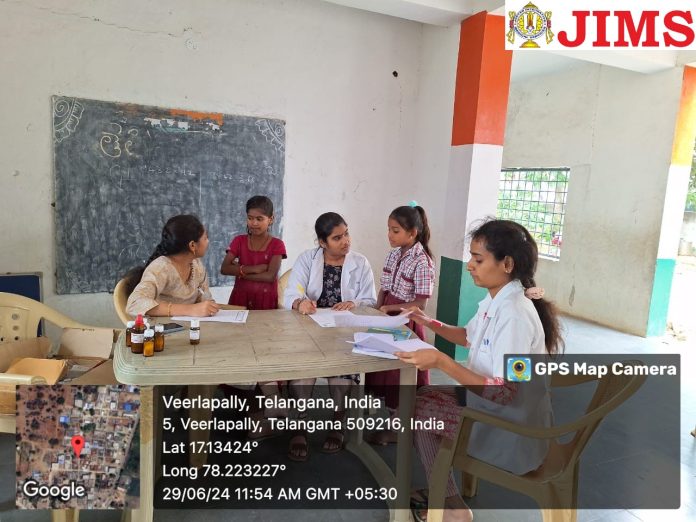
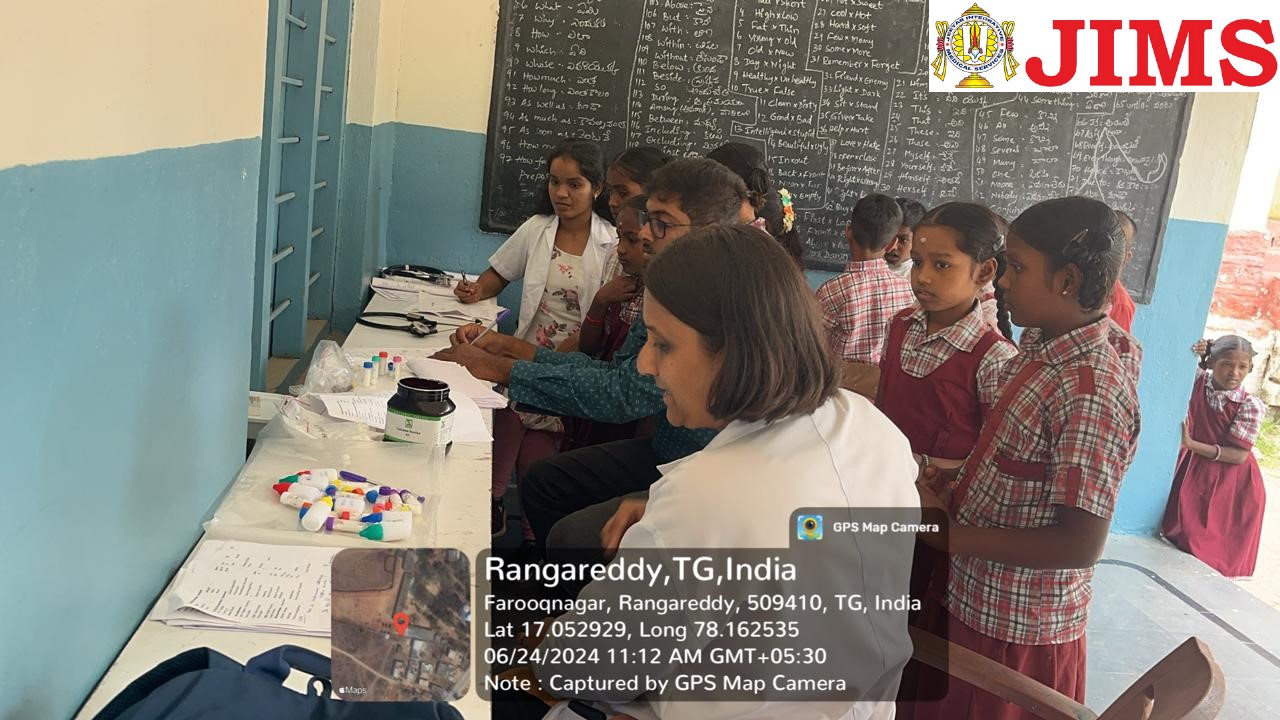
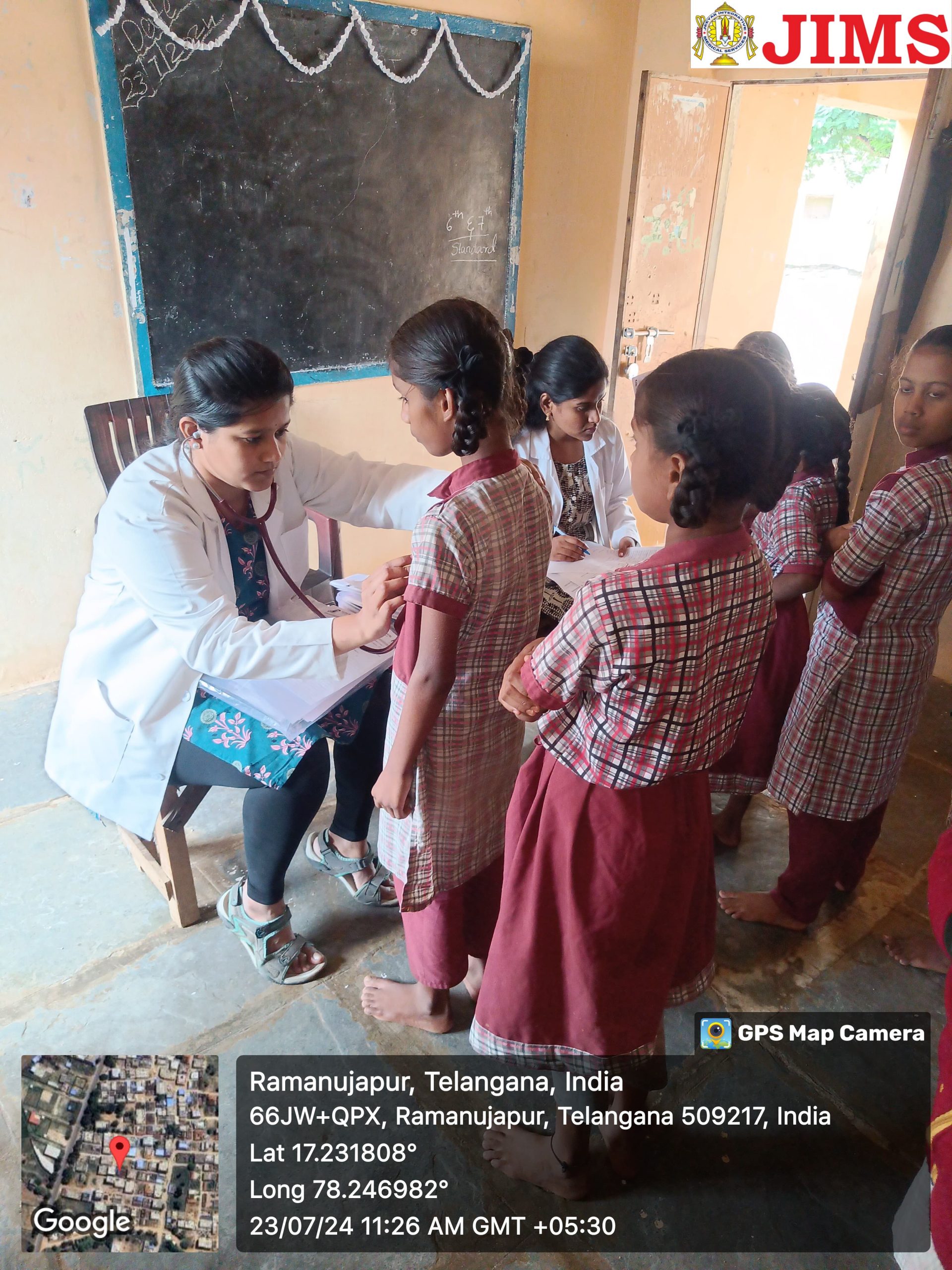
World ORS Day 2024: Awareness Program at Mandal Parishad Upper Primary School, Muchintal
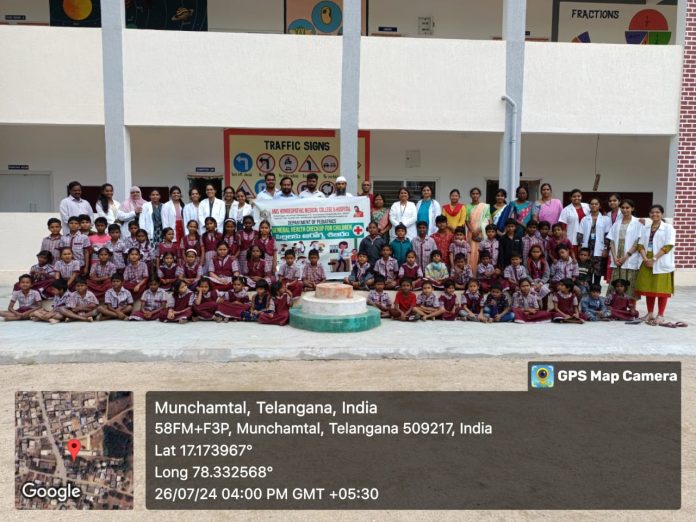
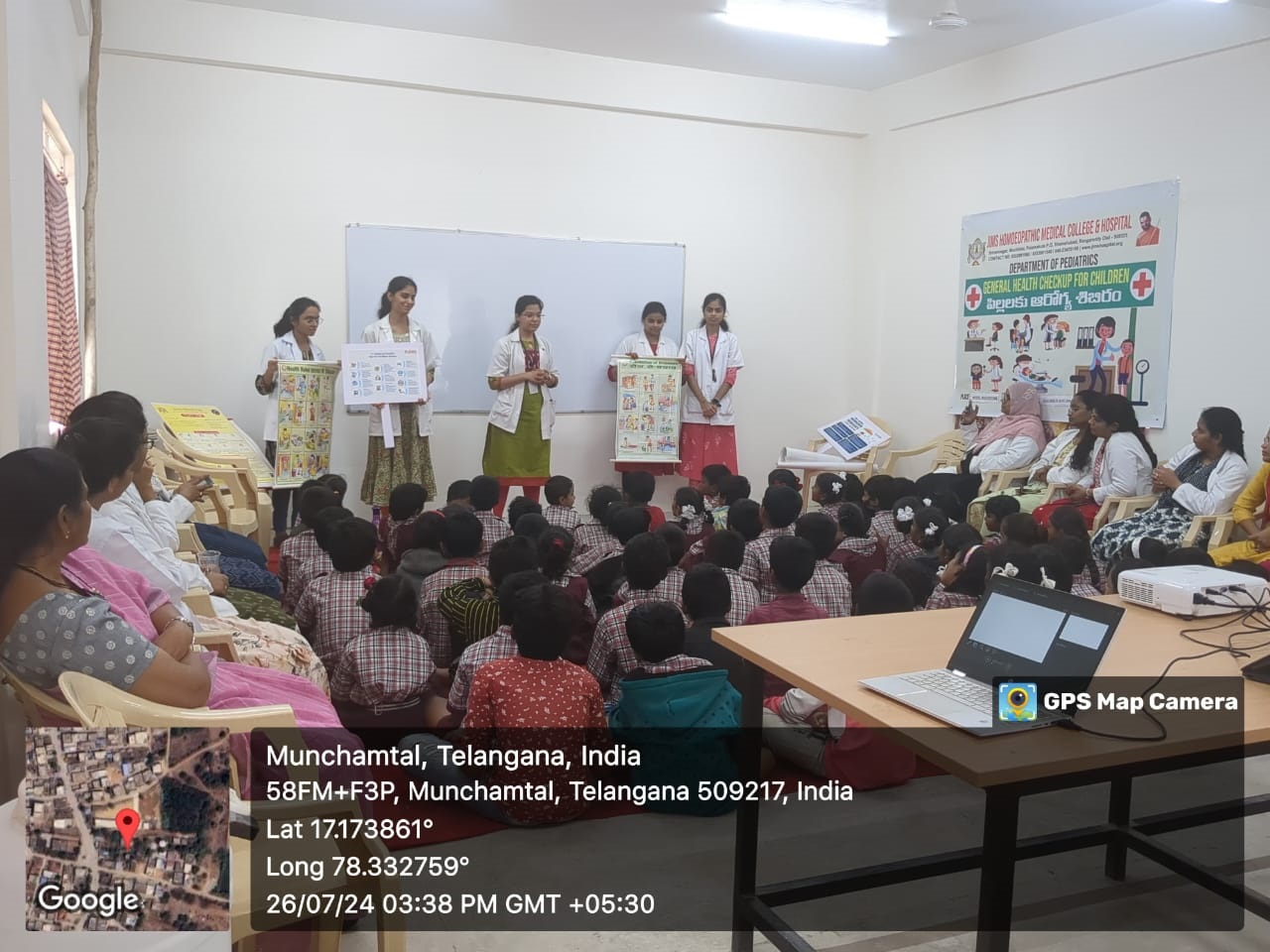
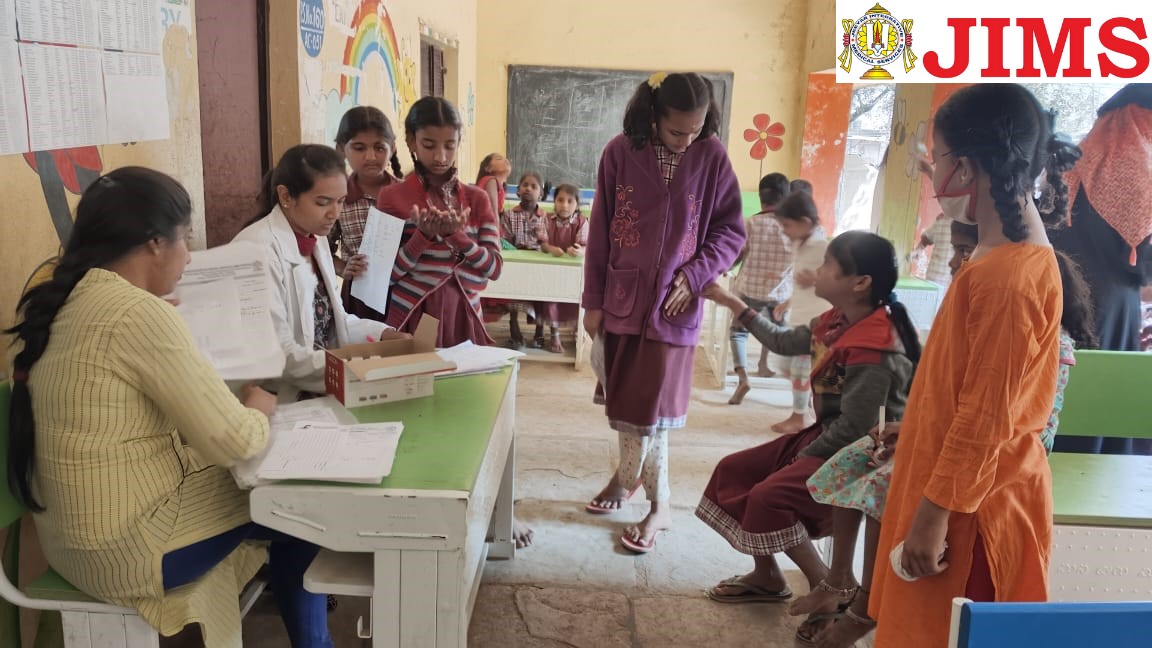
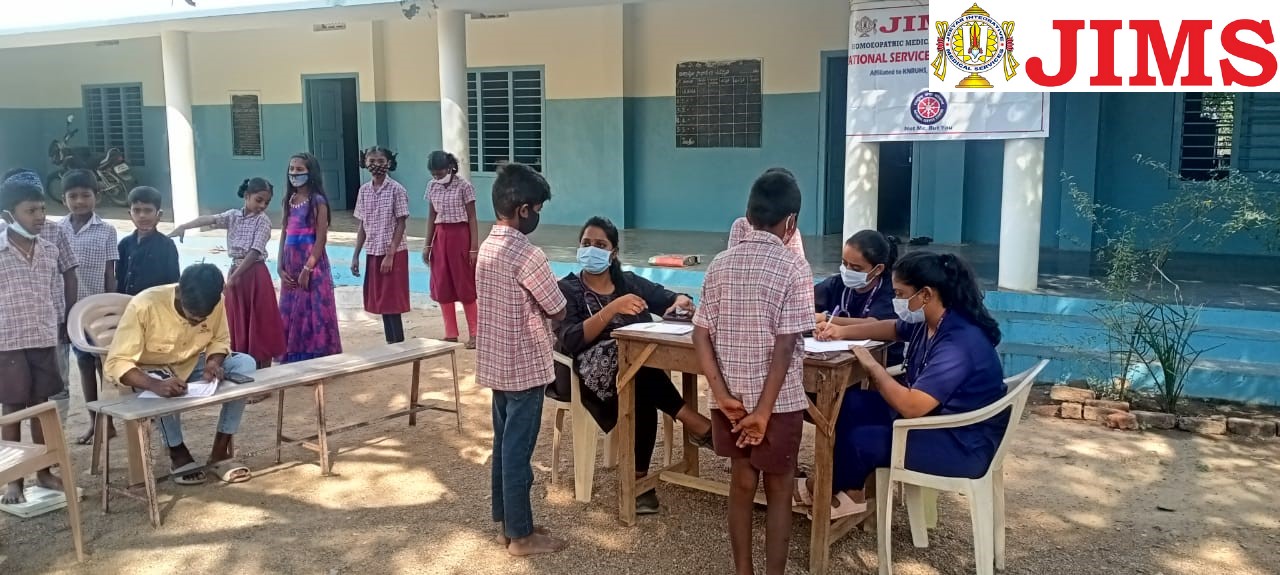
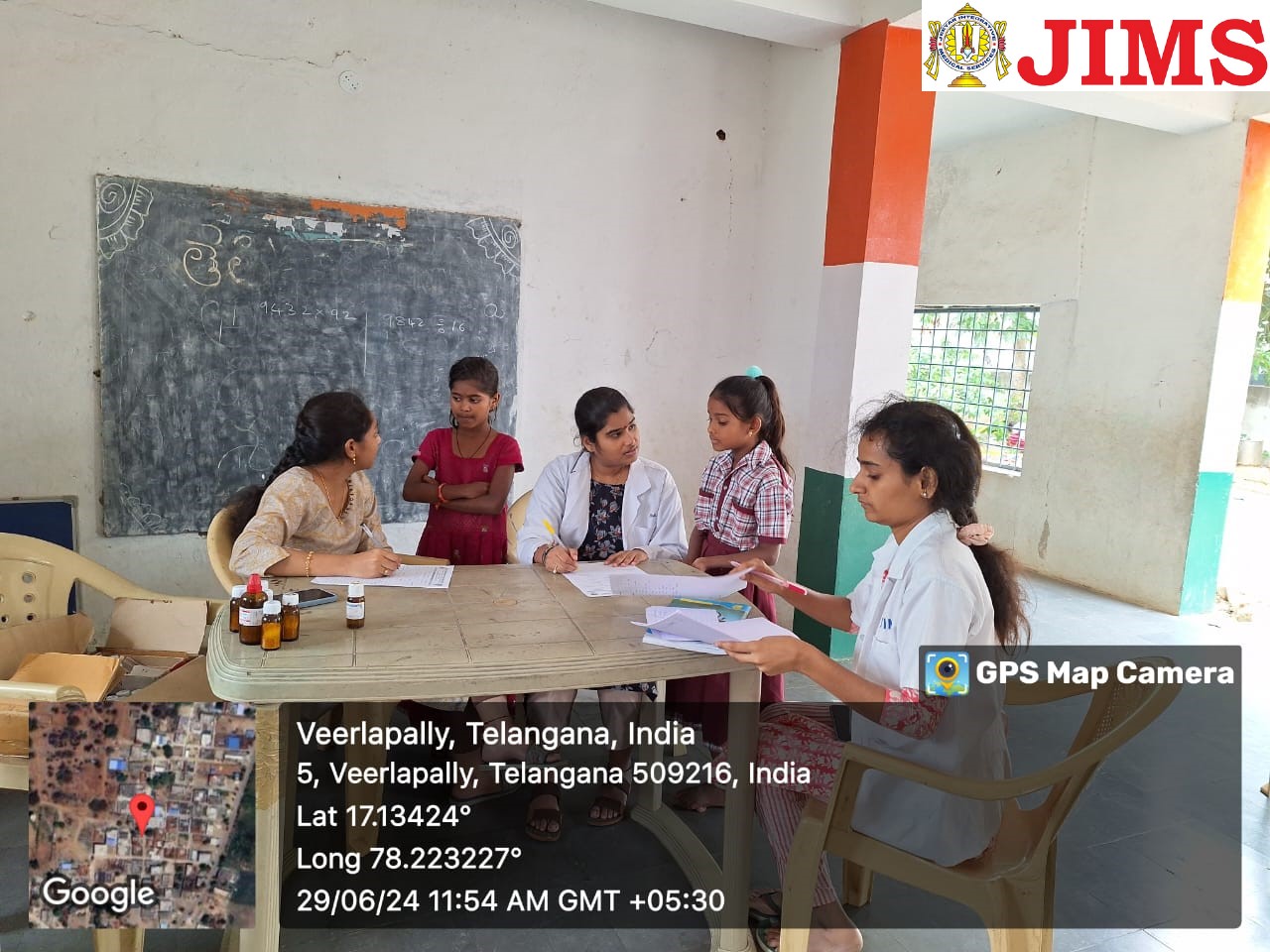
In celebration of World ORS Day 2024, with the theme ‘Create Awareness about the Magic Mixture,’ JIMS Homoeopathic Medical College and Hospital organized a significant awareness program at Mandal Parishad Upper Primary School, Muchintal on July 26, 2024. This initiative, spearheaded by the Department of Paediatrics and the Department of Community Medicine, aimed to educate students about monsoon diseases, their prevention, and the critical role of Oral Rehydration Solution (ORS) in managing diarrhoeal diseases.
The program saw active participation from final year BHMS students who delivered informative sessions on the symptomatology of common monsoon illnesses. They emphasized preventive measures such as maintaining personal hygiene and consuming safe, healthy food to avoid water-borne diseases prevalent during the monsoon season.
Key highlights of the program included:
Educational Talks: Final year BHMS students explained the causes, symptoms, and preventive strategies for monsoon-related diseases.
ORS Awareness: Detailed discussions on the uses, benefits, and preparation of Oral Rehydration Solution. Students were taught how to prepare ORS using sachets and the formula for making homemade ORS.
Practical Demonstrations: Proper hand washing techniques were demonstrated to ensure students understood the importance of hygiene in disease prevention.
The event was attended by the Headmistress, teachers, non-teaching staff, and 60 students of the school. Dr. Mohammed Irfan, Dr. Poonam N. Sutar, Dr. Ramya Krishna, and PG scholars from the Department of Paediatrics, alongside the dedicated final year BHMS volunteers, played a crucial role in spreading awareness and supporting the ORS campaign.
This program not only highlighted the importance of ORS in treating diarrhoeal diseases but also reinforced the significance of maintaining good hygiene practices. The collaborative efforts of all involved made this event a success, contributing positively to the health and well-being of the students.
Obsessive-Compulsive Disorder (OCD) and Homoeopathy

Obsessive-Compulsive Disorder (OCD) is a mental health condition characterized by persistent, unwanted thoughts (obsessions) and repetitive behaviors (compulsions). Homeopathic management of OCD typically involves individualized treatment based on the specific symptoms and experiences of the person. Homeopathy is a holistic system of medicine that aims to stimulate the body’s own healing processes.
Here are some key points about homeopathic management of OCD:
Individualized Treatment: Homeopathy treats each person as a unique individual, so two people with OCD may receive different homeopathic remedies based on their specific symptoms, emotional state, and overall health.
Symptom-Based Approach: Homeopaths consider not only the OCD symptoms but also the overall mental and emotional state of the person. They may ask detailed questions about the nature of obsessions and compulsions, triggers, and how the symptoms affect daily life.
Homeopathic Remedies: There are various homeopathic remedies that may be considered for OCD, such as Arsenicum album, Natrum muriaticum, and Thuja occidentalis, among others. The choice of remedy depends on the individual’s symptoms and constitution.
Holistic Approach: Homeopathy considers mental, emotional, and physical aspects of health interconnected. Treatment aims to restore balance in the entire person rather than just alleviating symptoms.
Consultation with a Homeopath: It’s important for individuals with OCD seeking homeopathic treatment to consult with a qualified and experienced homeopath. The homeopath will conduct a thorough assessment to determine the most appropriate remedy and treatment plan.
Integration with Conventional Treatment: Homeopathic treatment can be used alongside conventional therapies for OCD, such as cognitive-behavioral therapy (CBT) and medications prescribed by a psychiatrist. It’s crucial to inform all healthcare providers about any treatments you are undergoing.
Long-Term Management: Like any chronic condition, managing OCD with homeopathy may require ongoing treatment and monitoring. The frequency and duration of treatment will vary depending on the individual’s response.
It’s essential to approach homeopathic treatment of OCD with realistic expectations and in collaboration with healthcare professionals. While some people may find relief from symptoms with homeopathy, others may require a combination of therapies. Always discuss any treatment decisions with your healthcare team to ensure comprehensive care.
Dr. SANTOSH KUMAR
PROFESSOR &HOD
DEPARTMENT OF PHYSIOLOGY AND BIOCHEMISTRY.
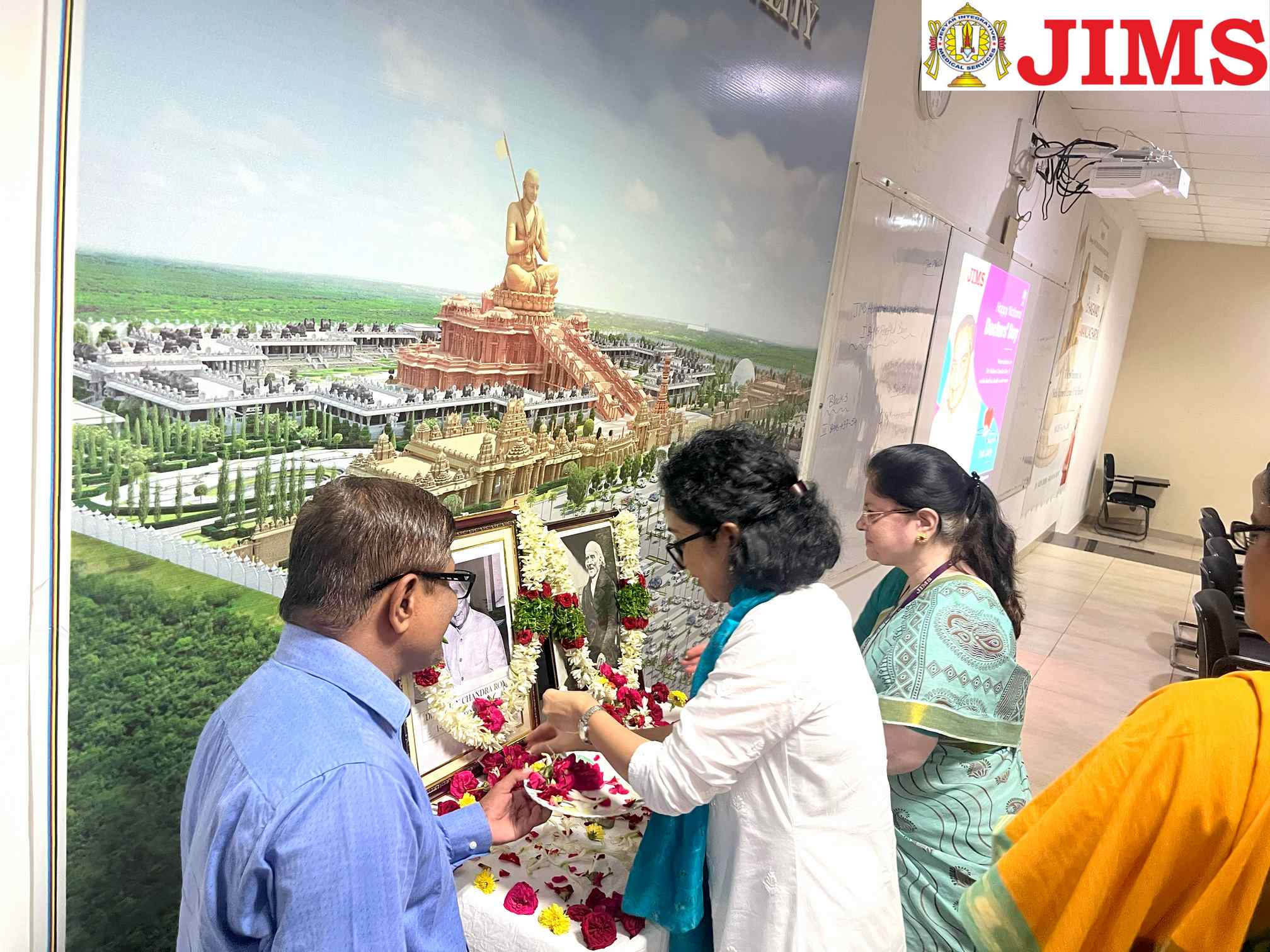
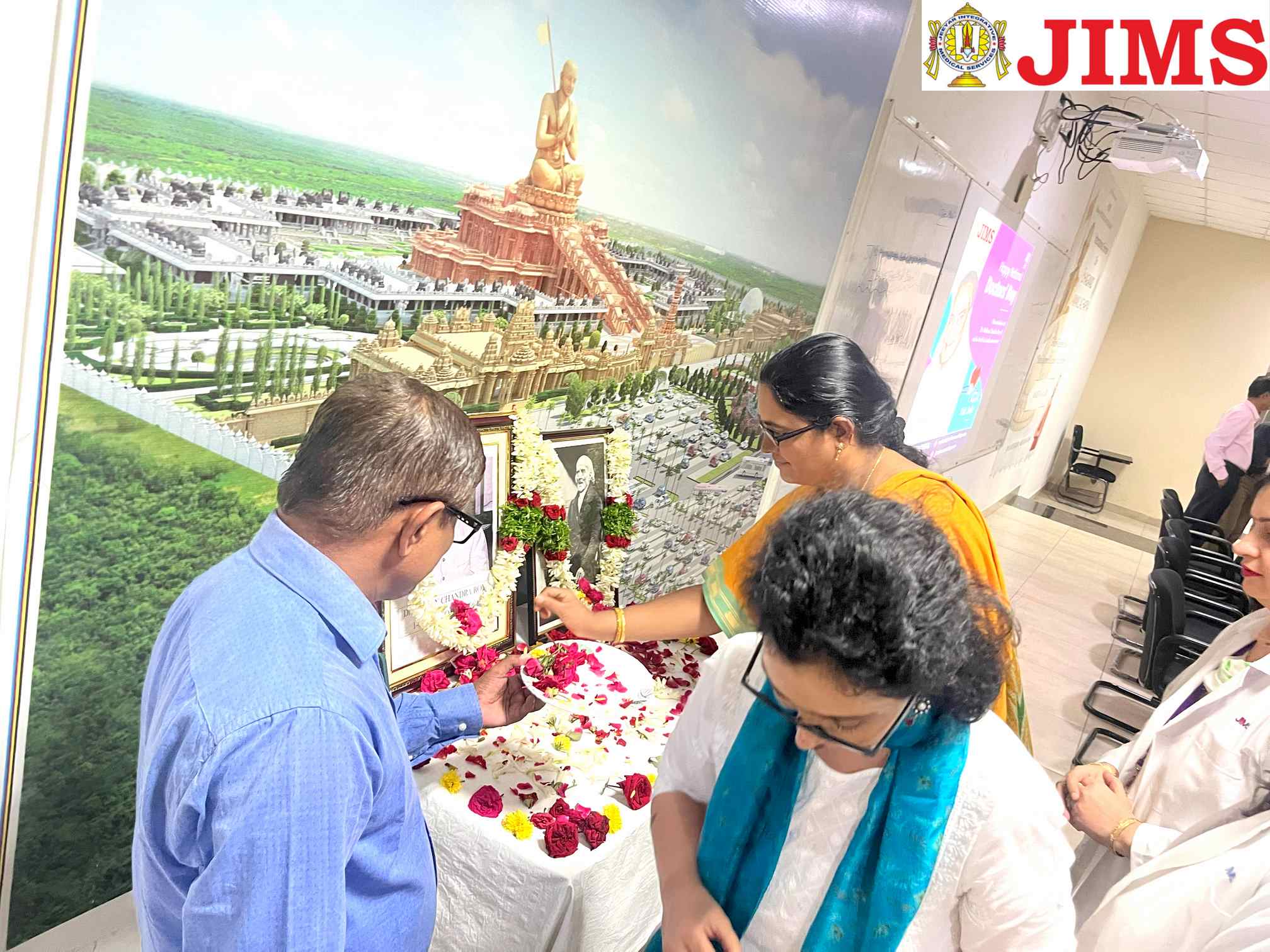
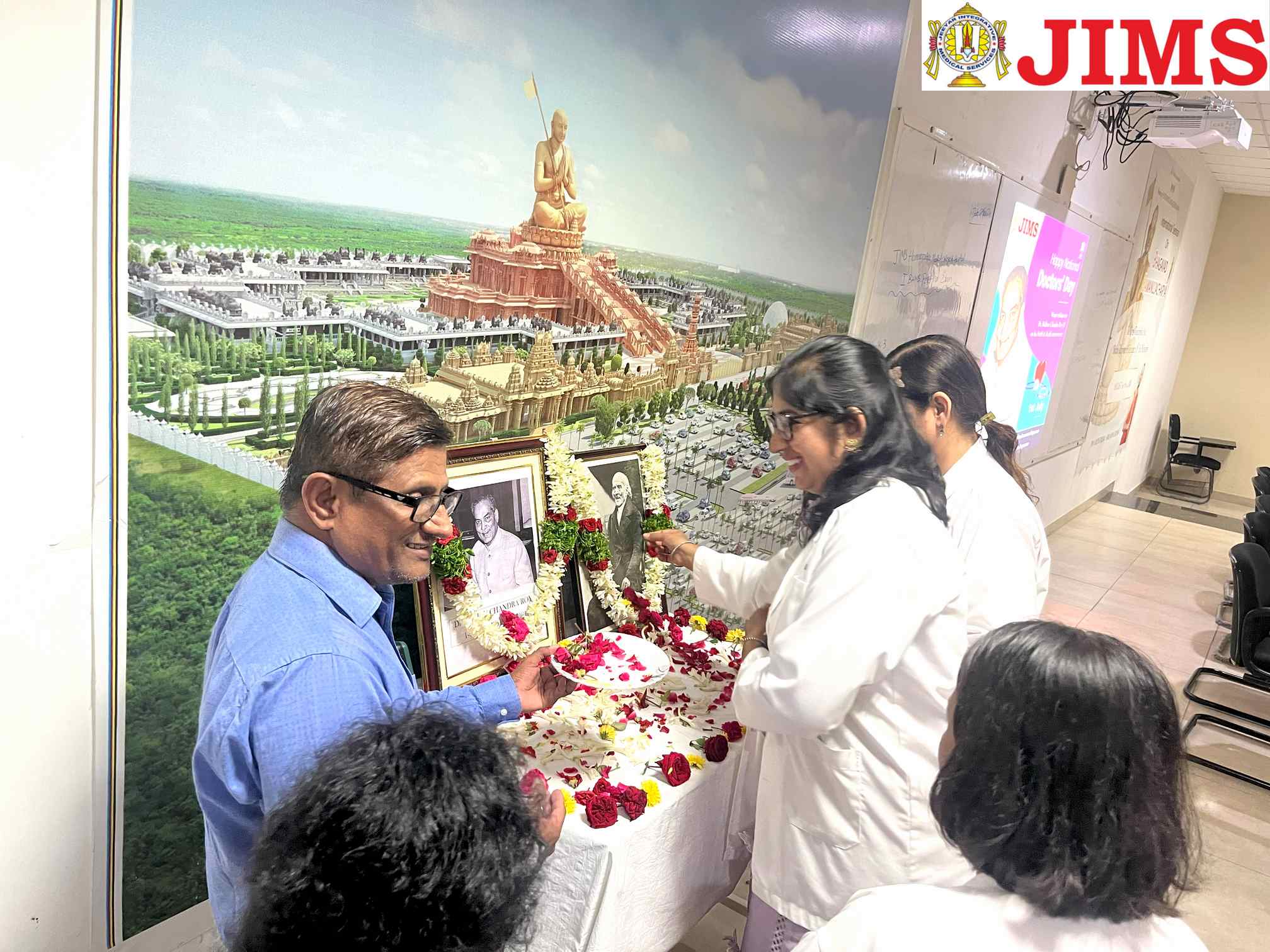
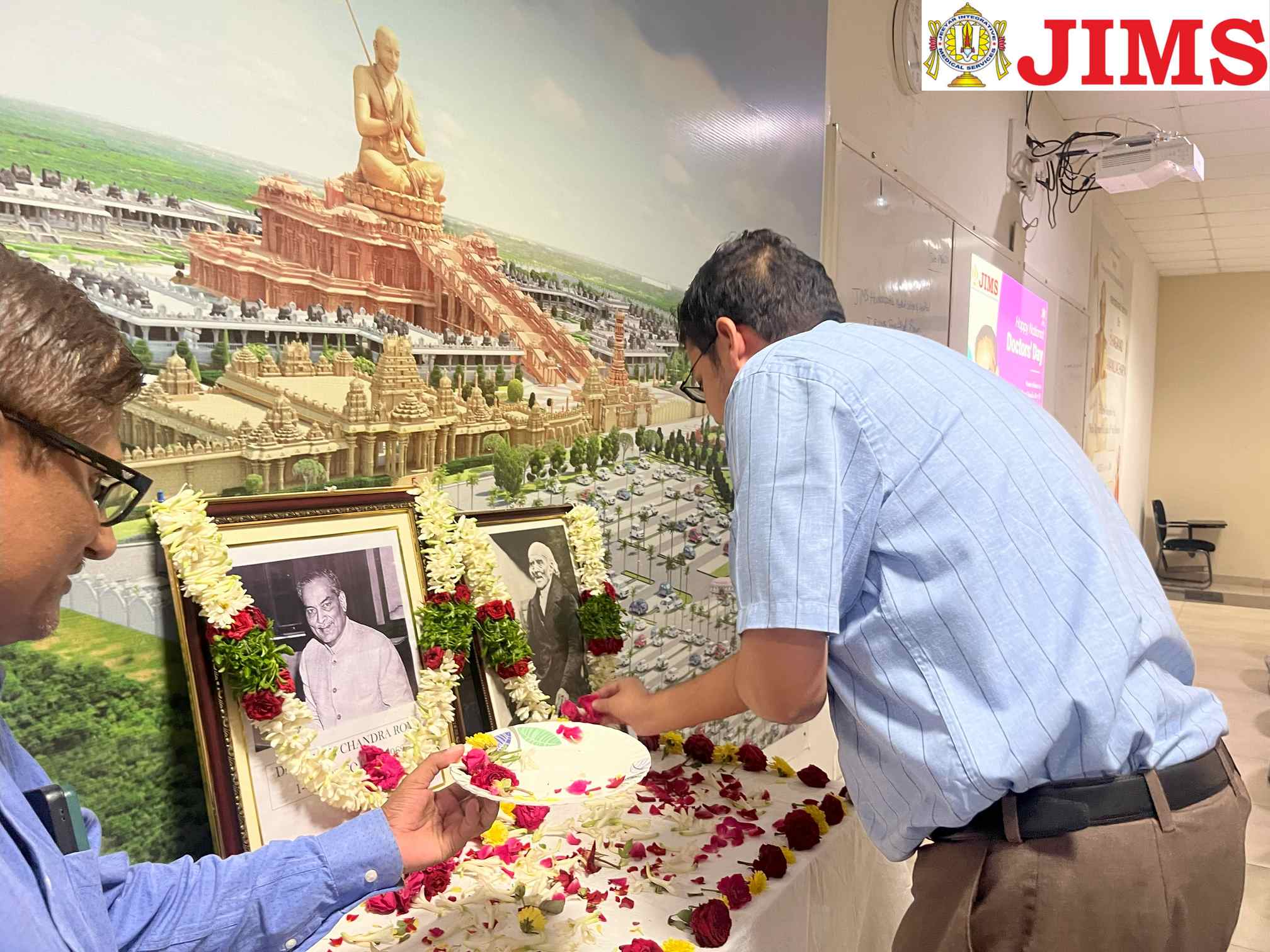
National Doctors Day – 2024
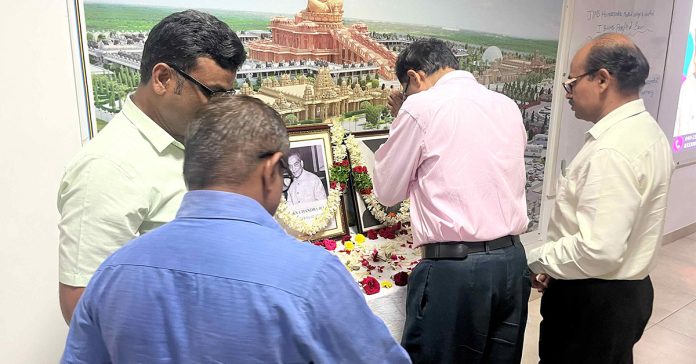
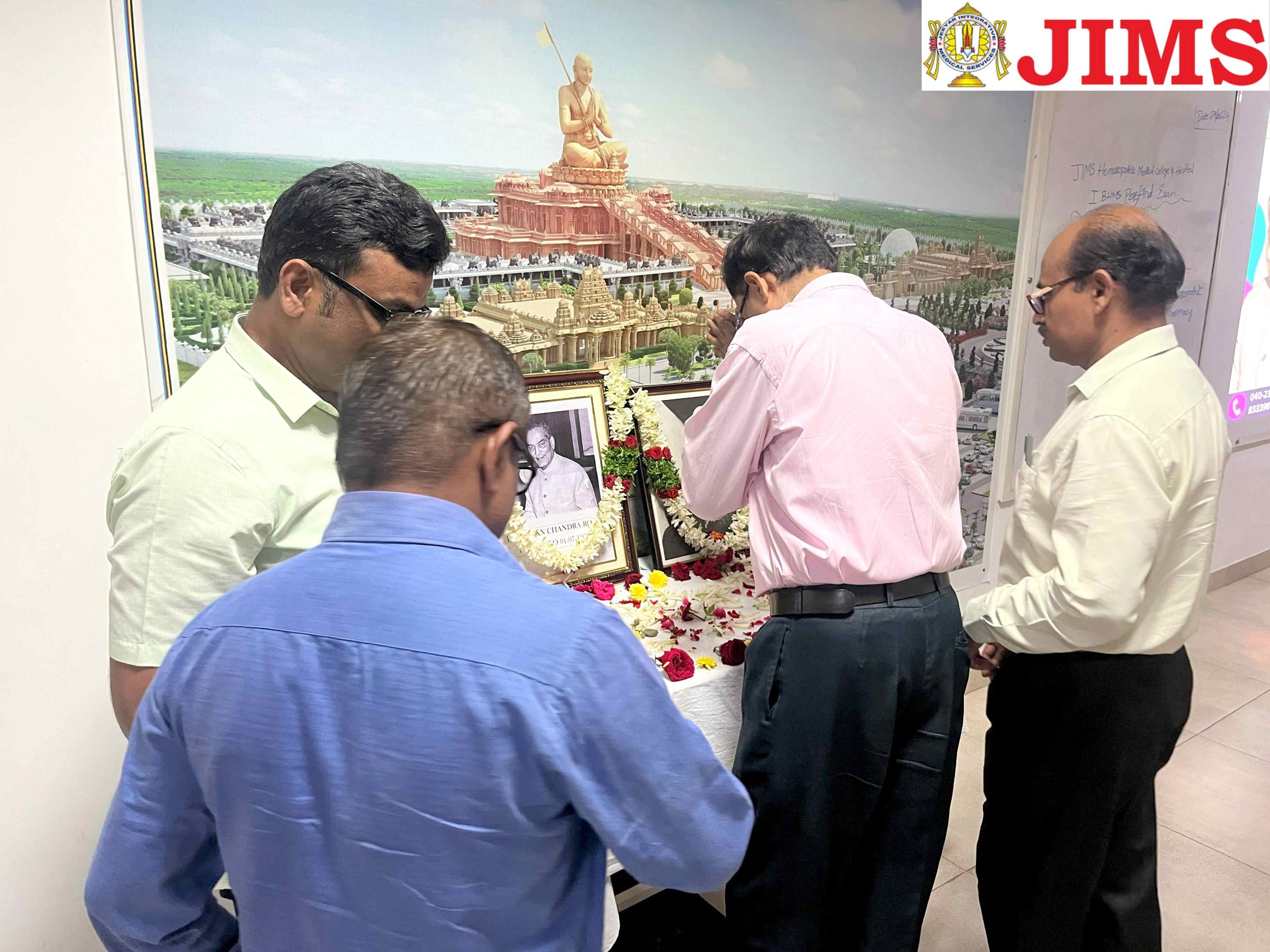
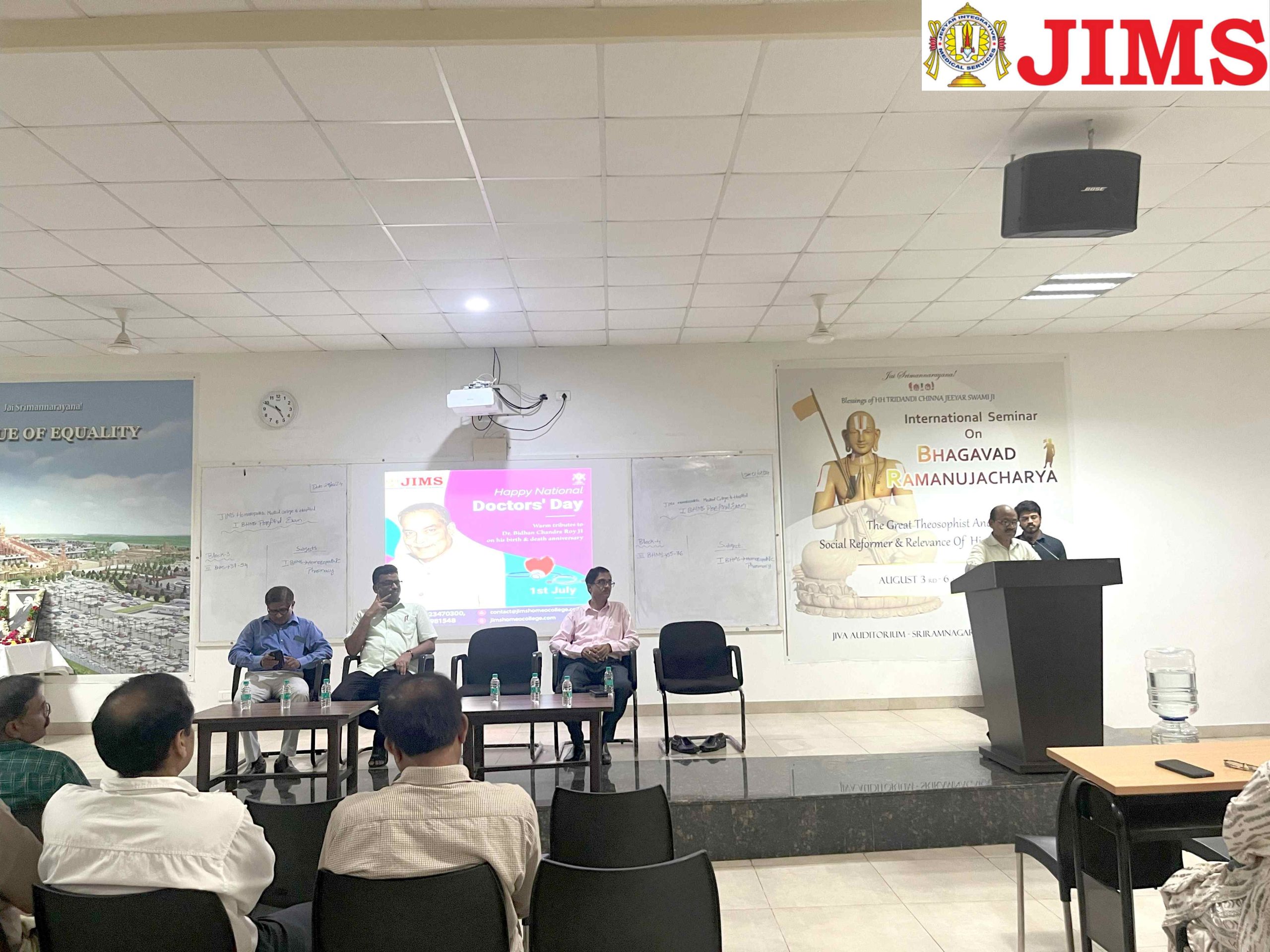
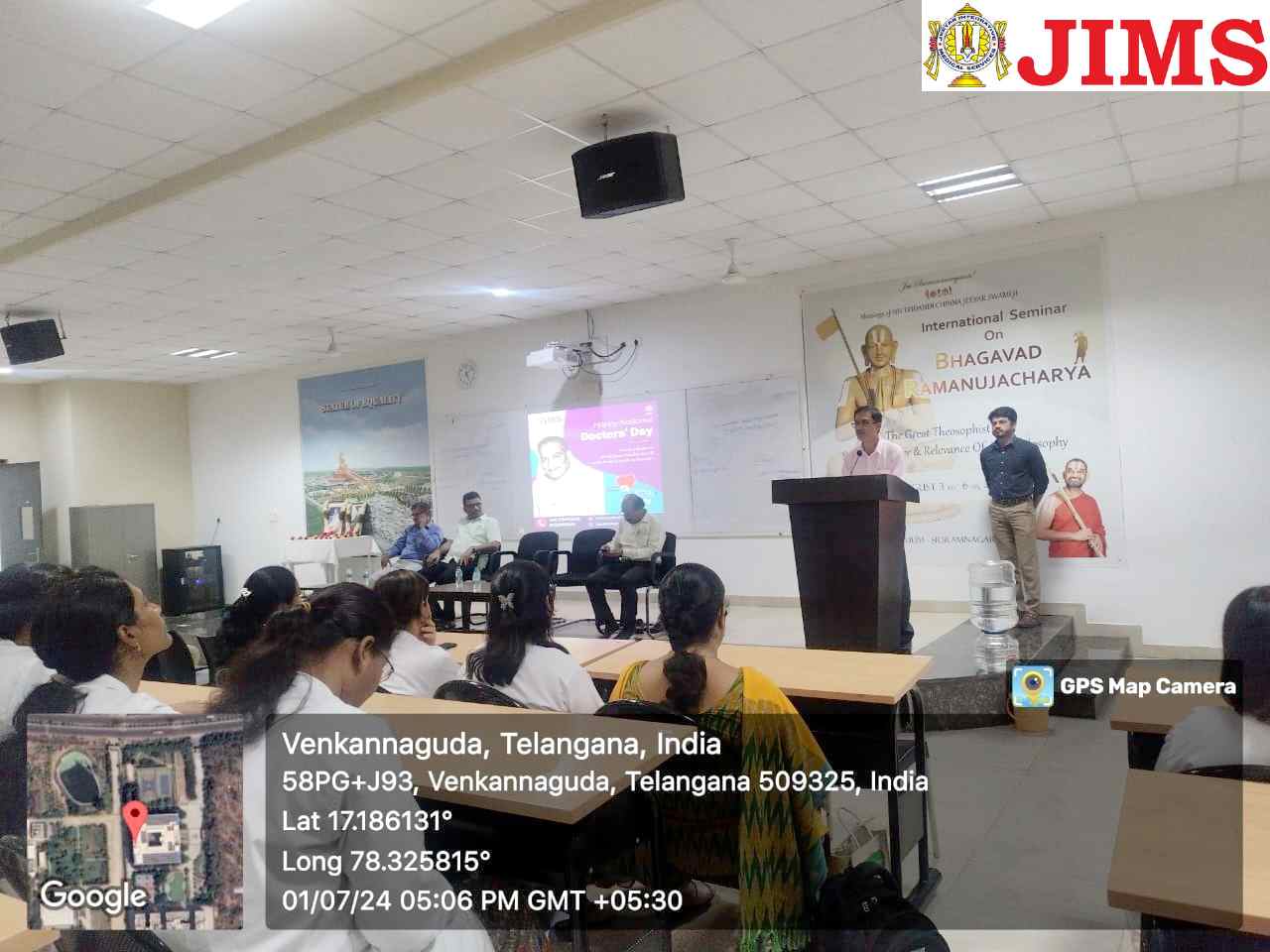
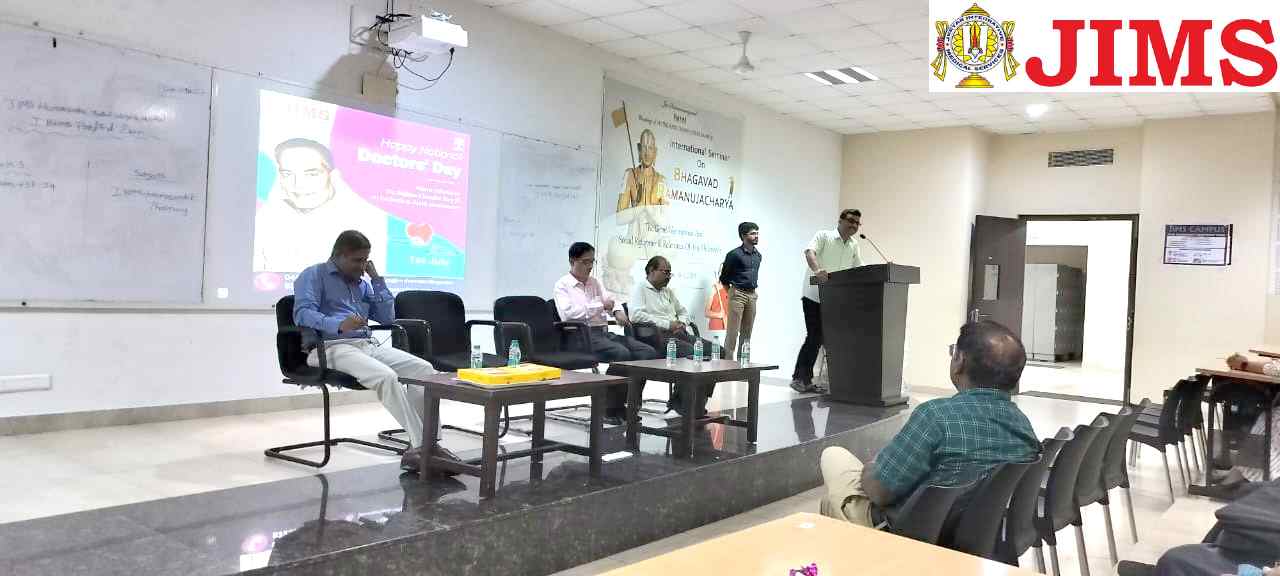
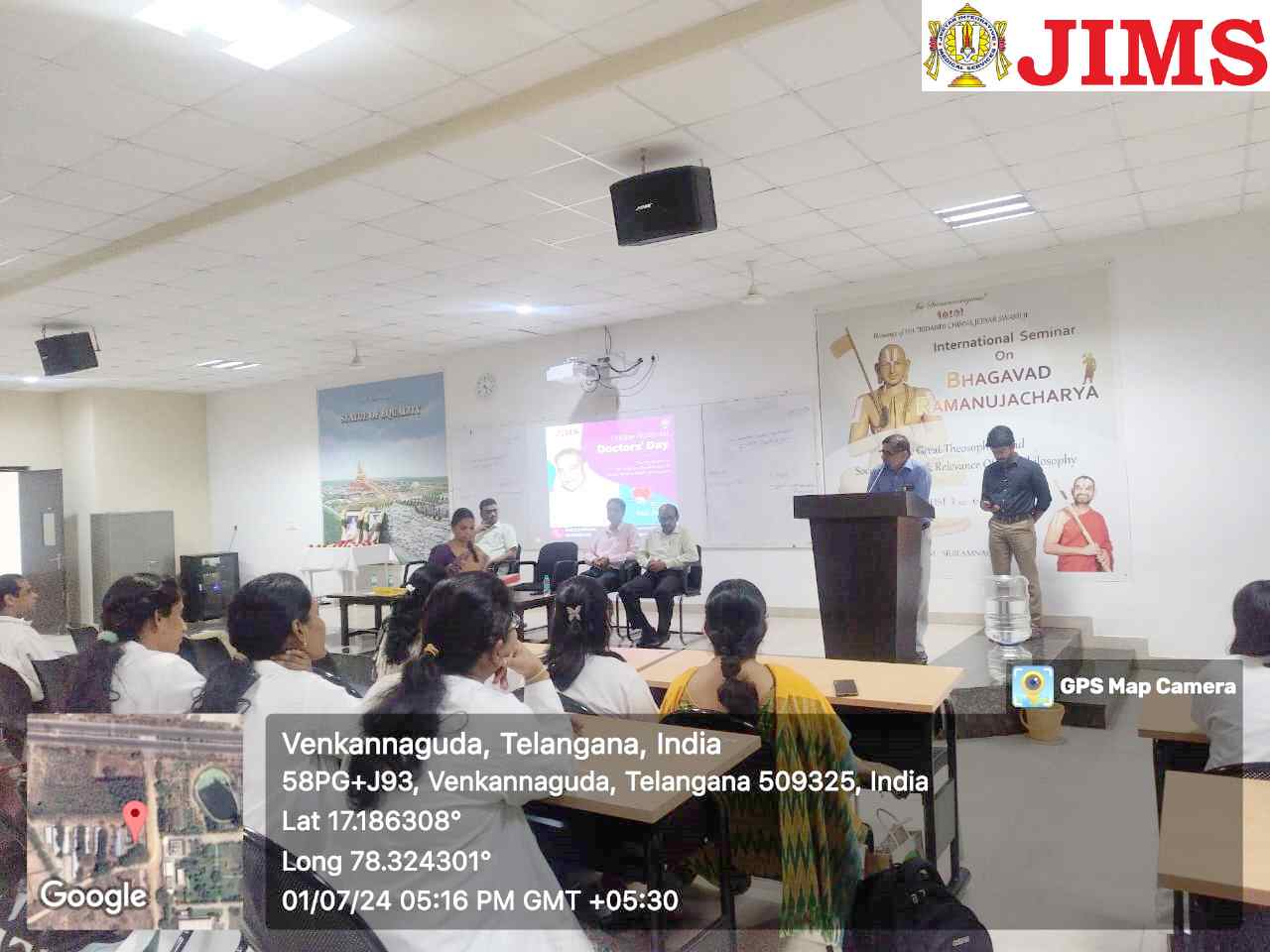
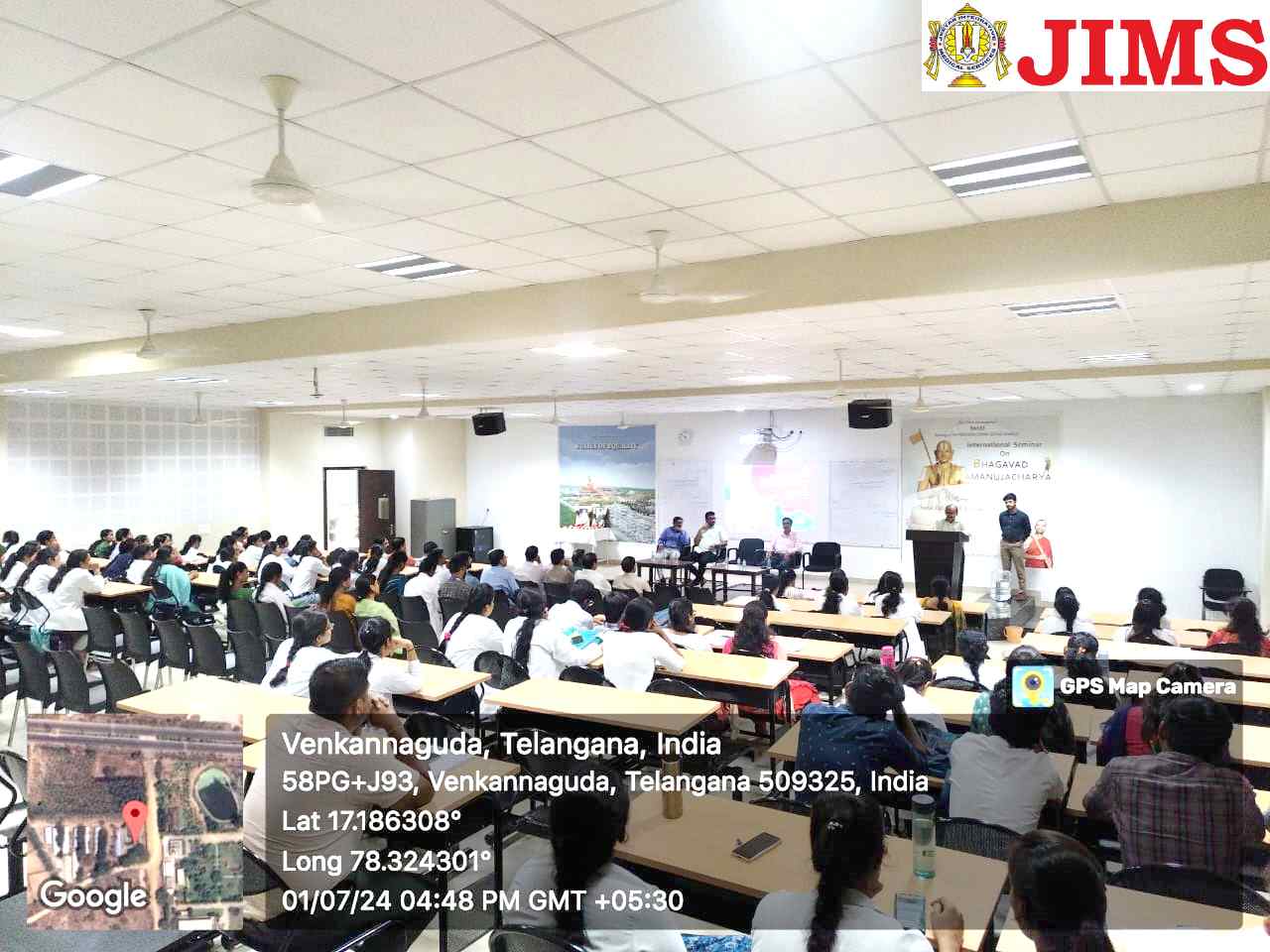
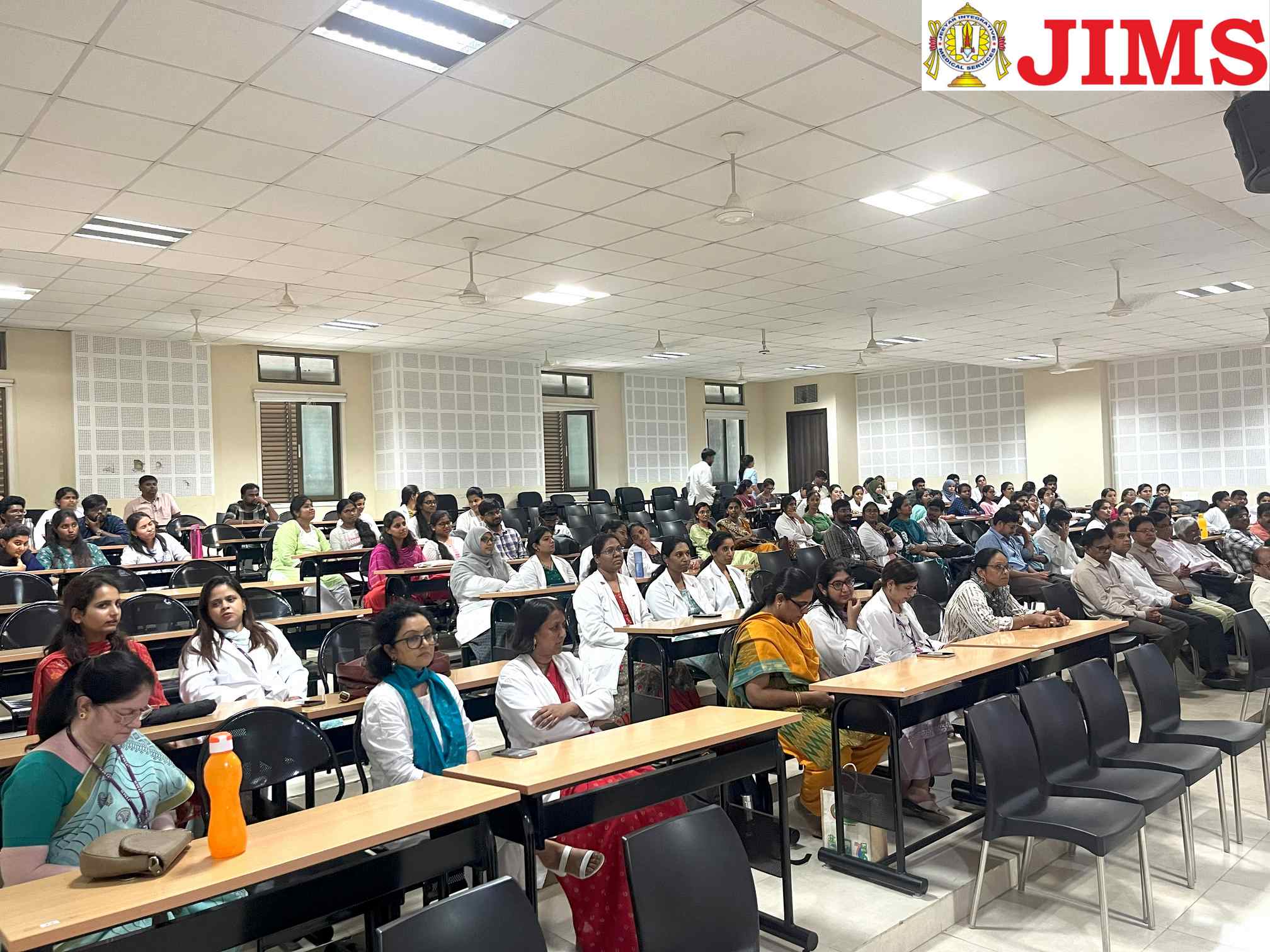
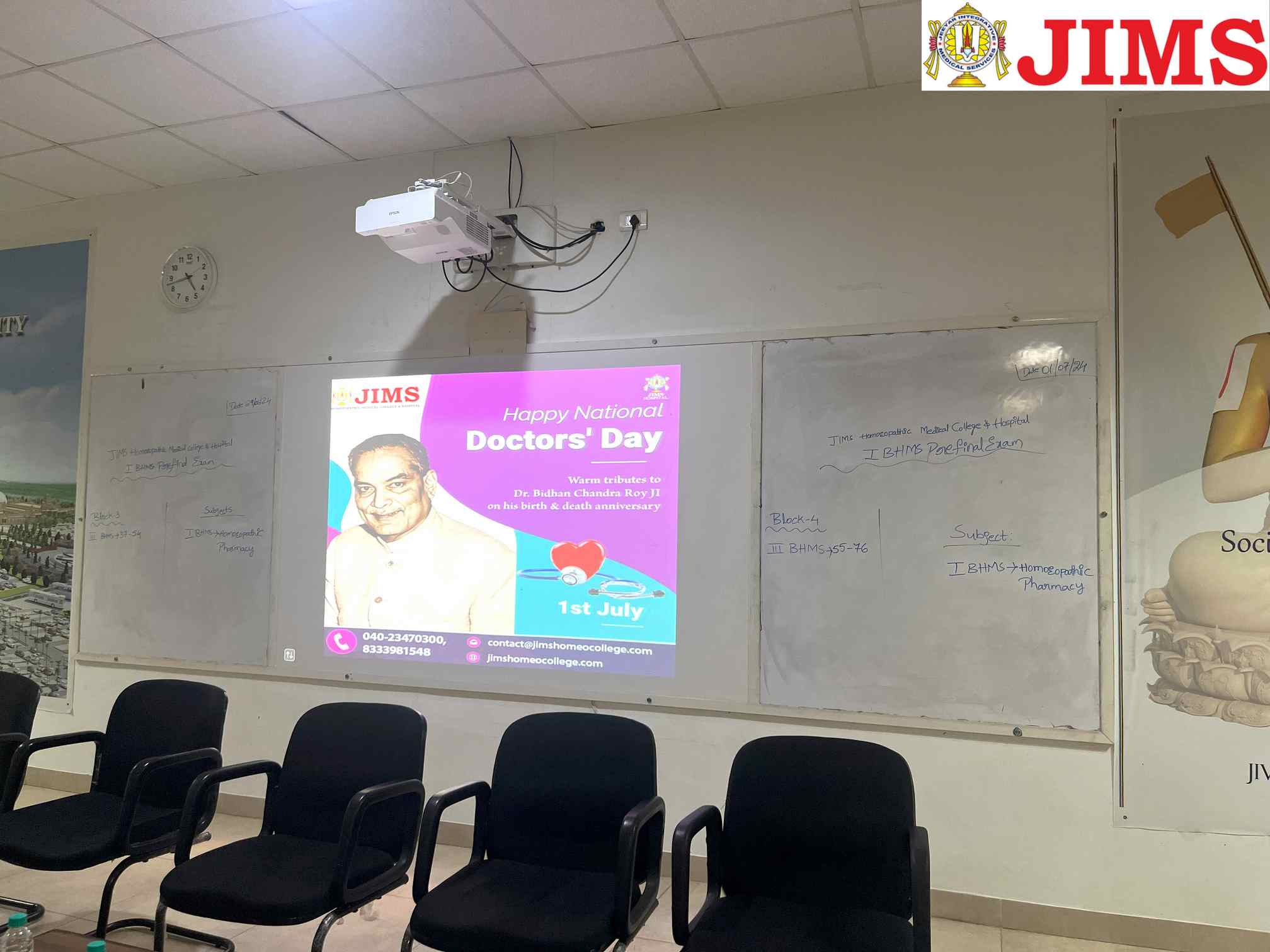
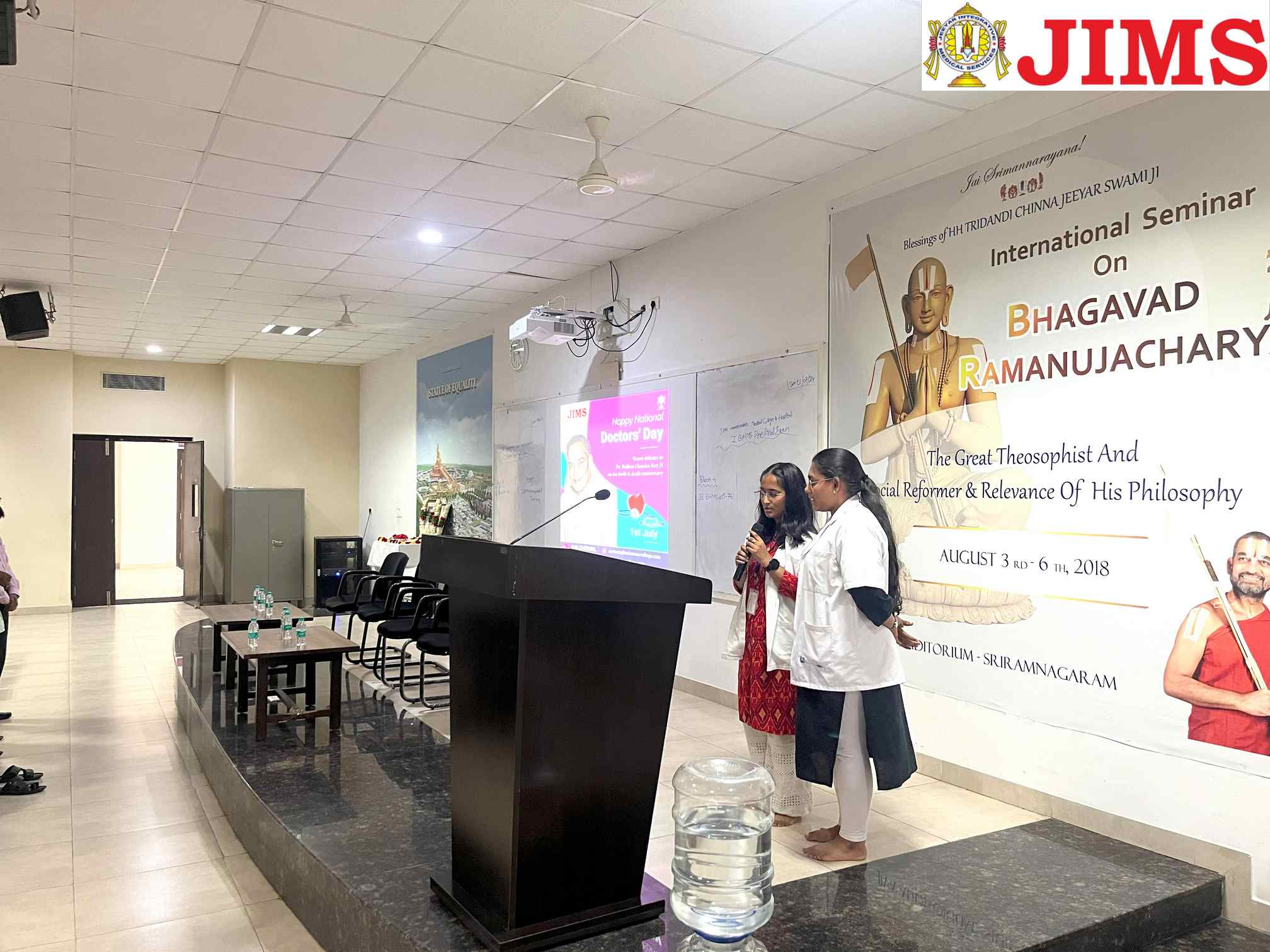
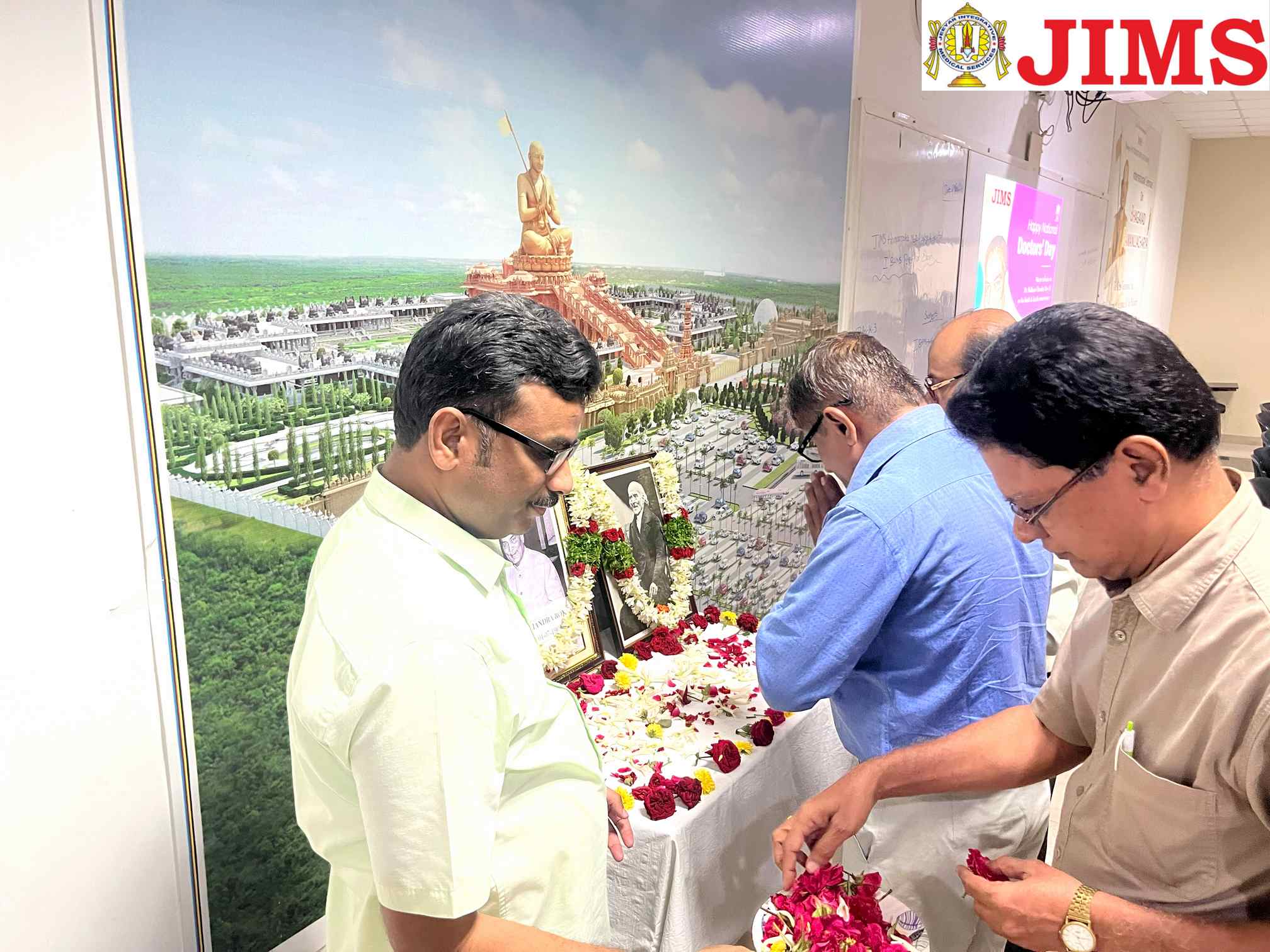
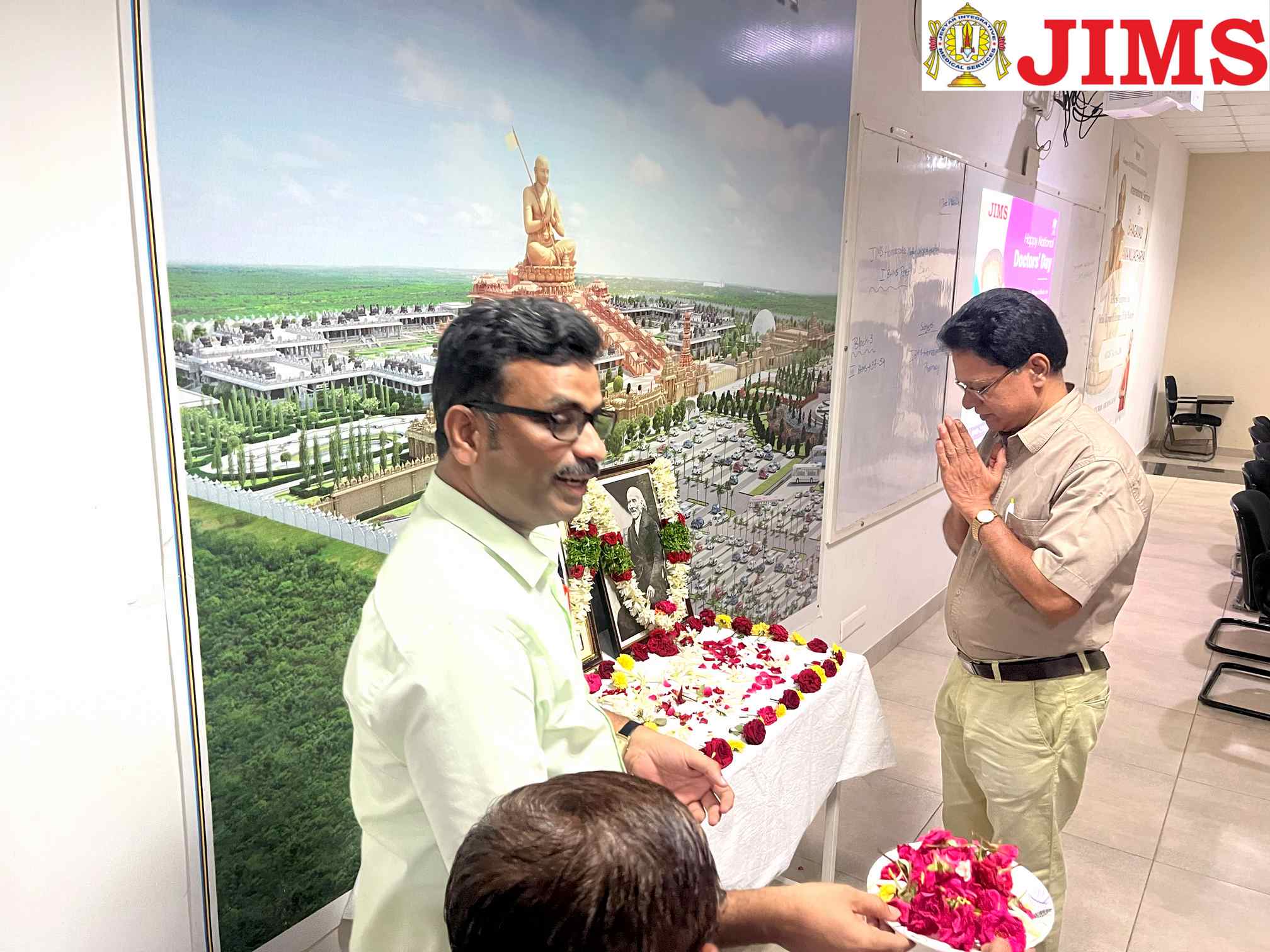
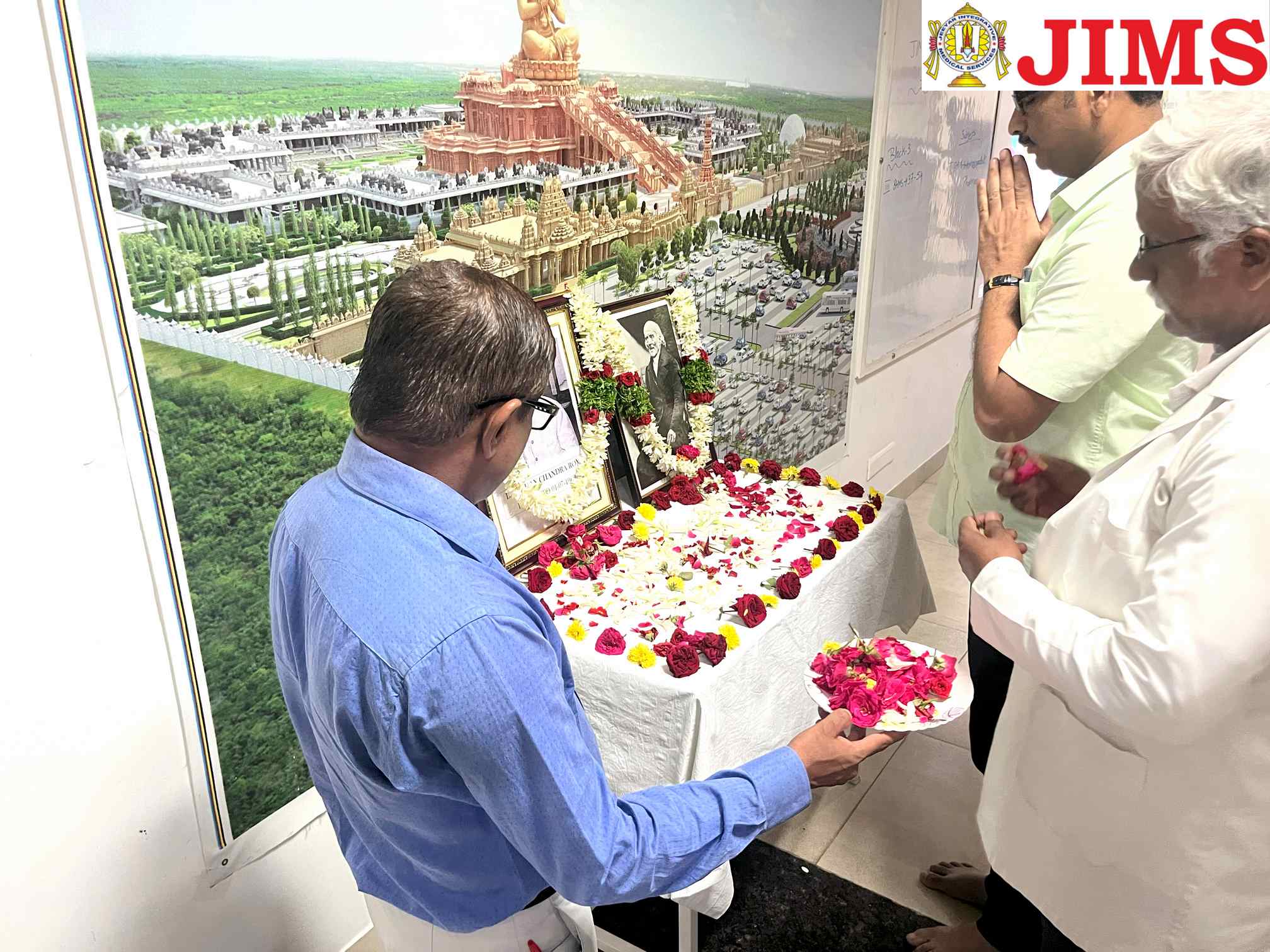
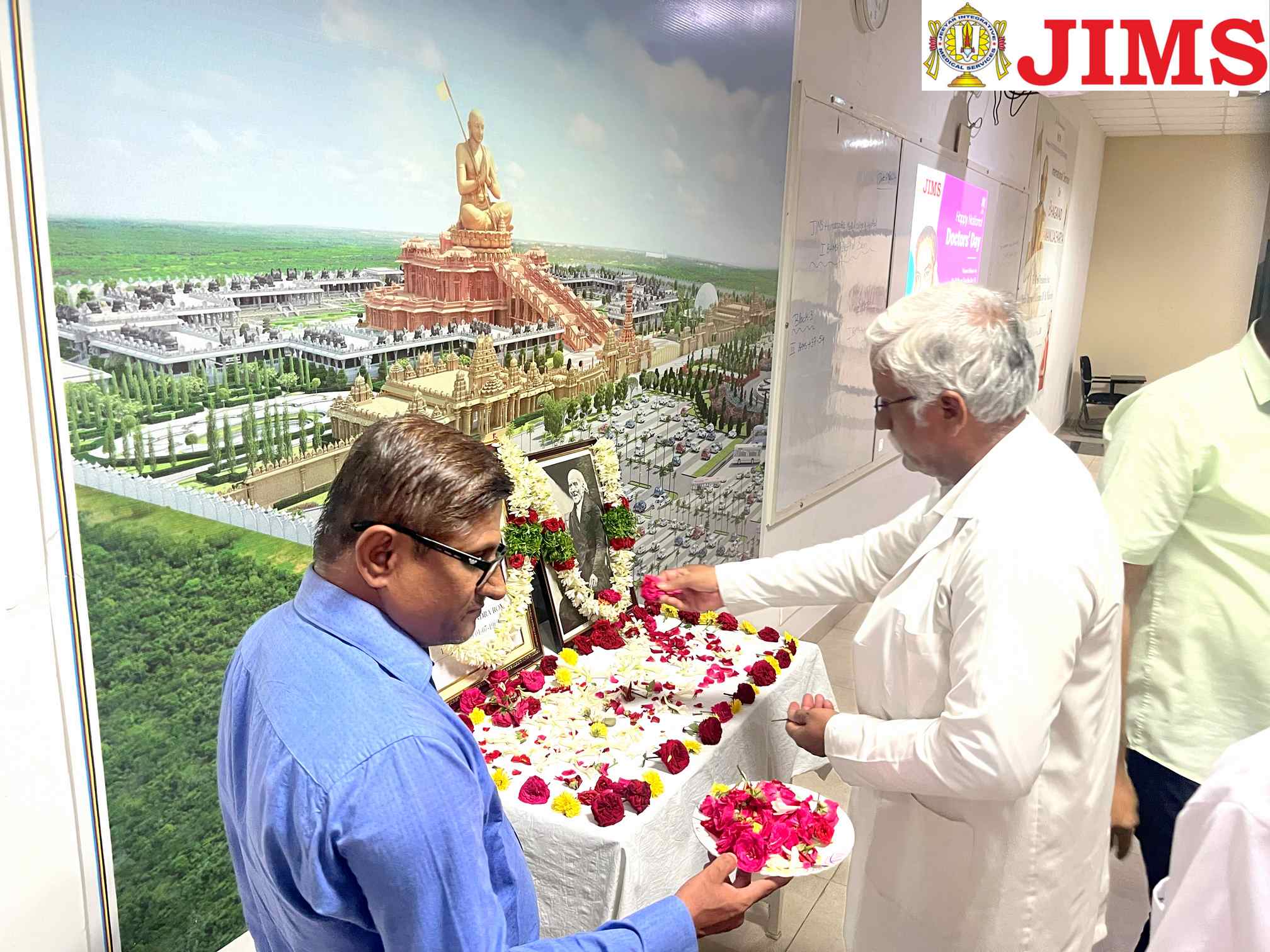
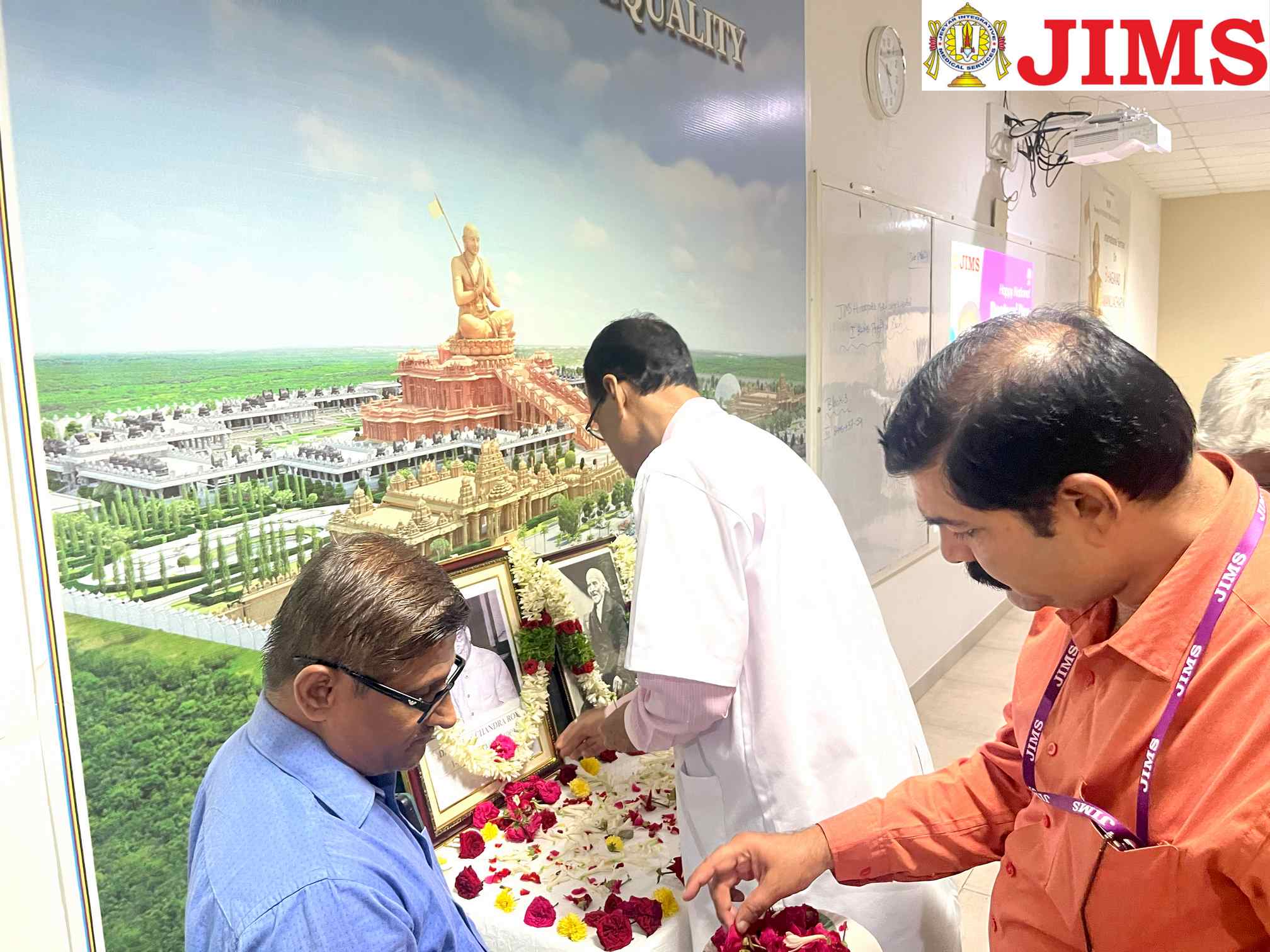
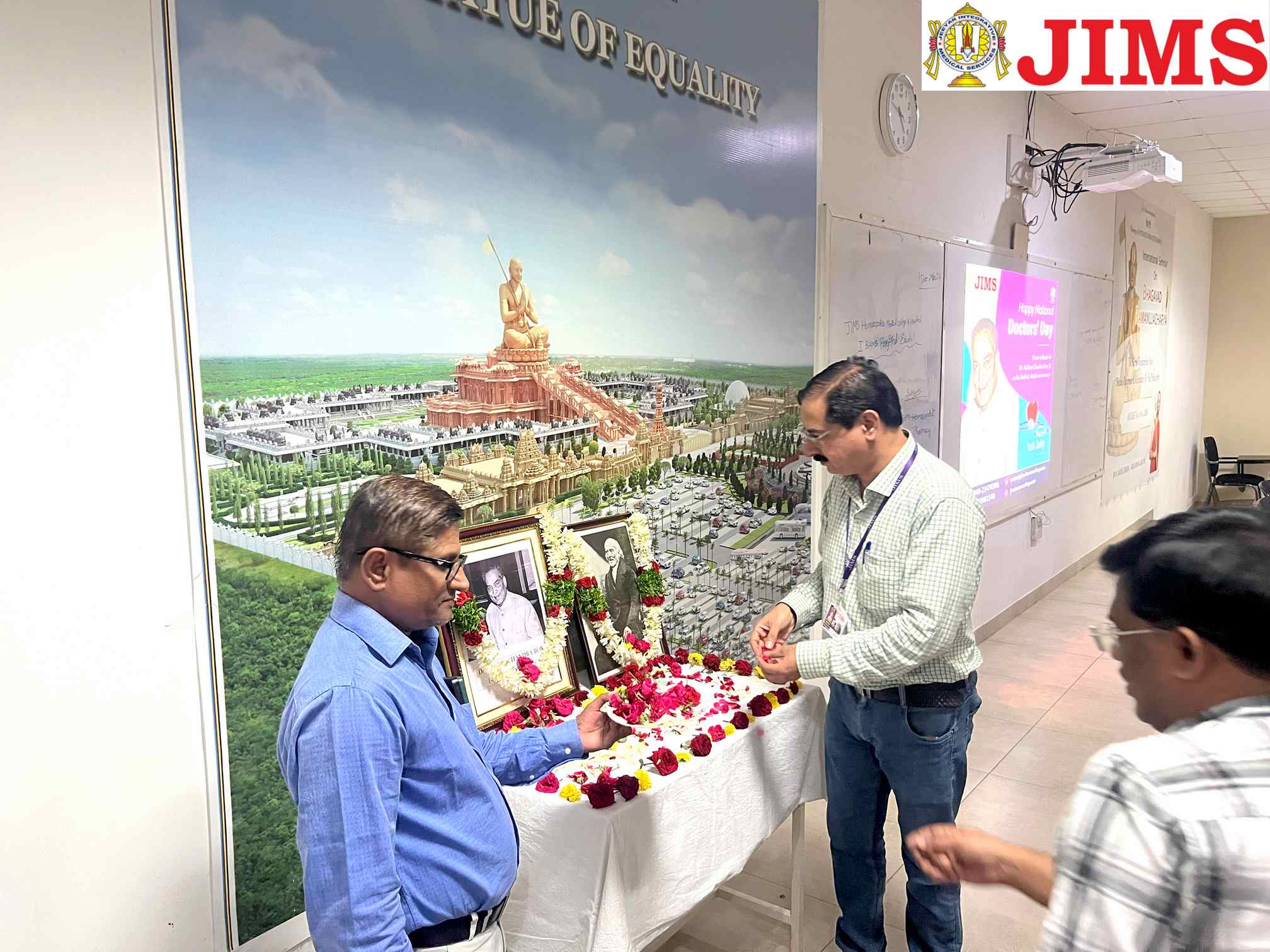
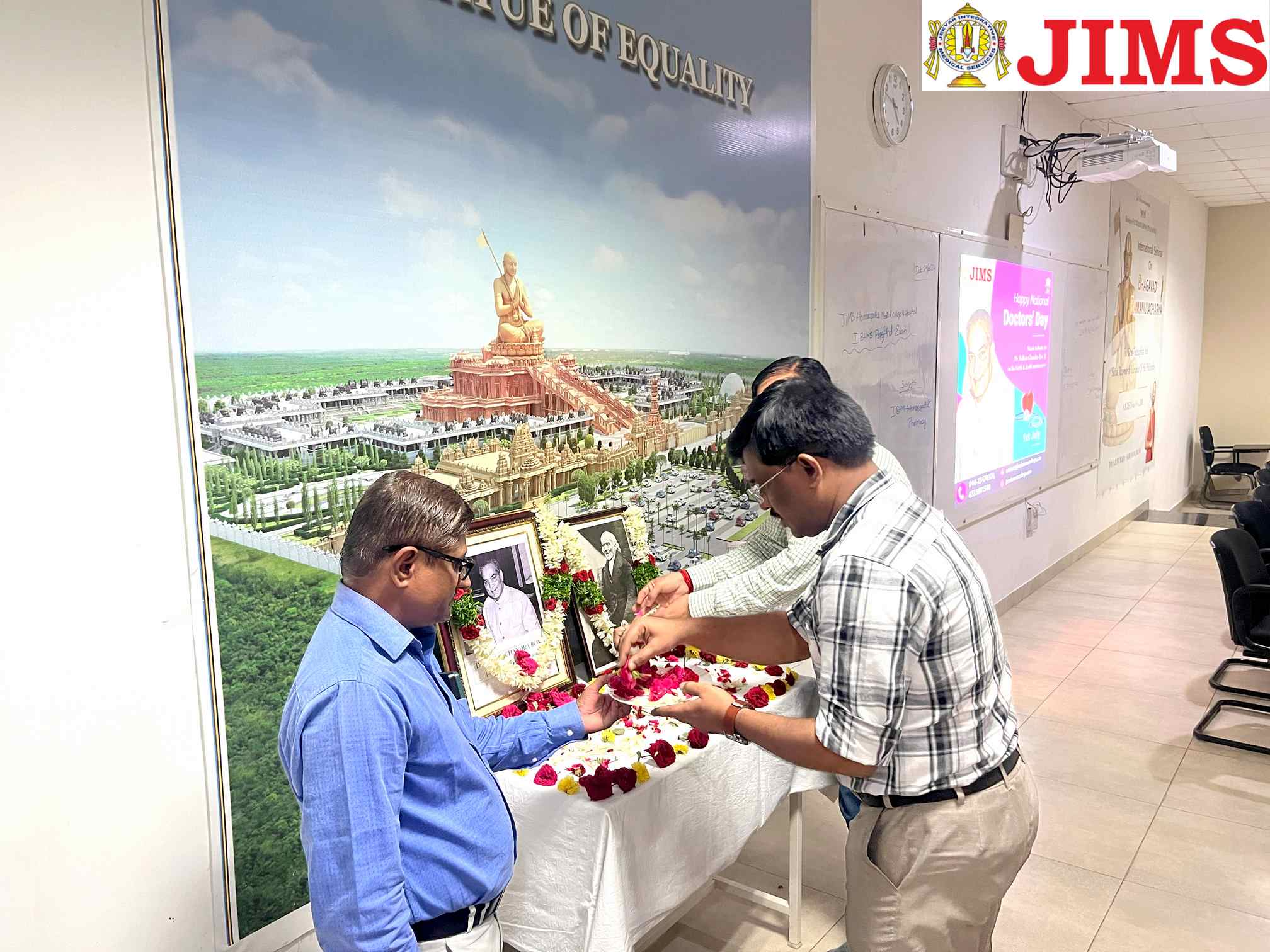
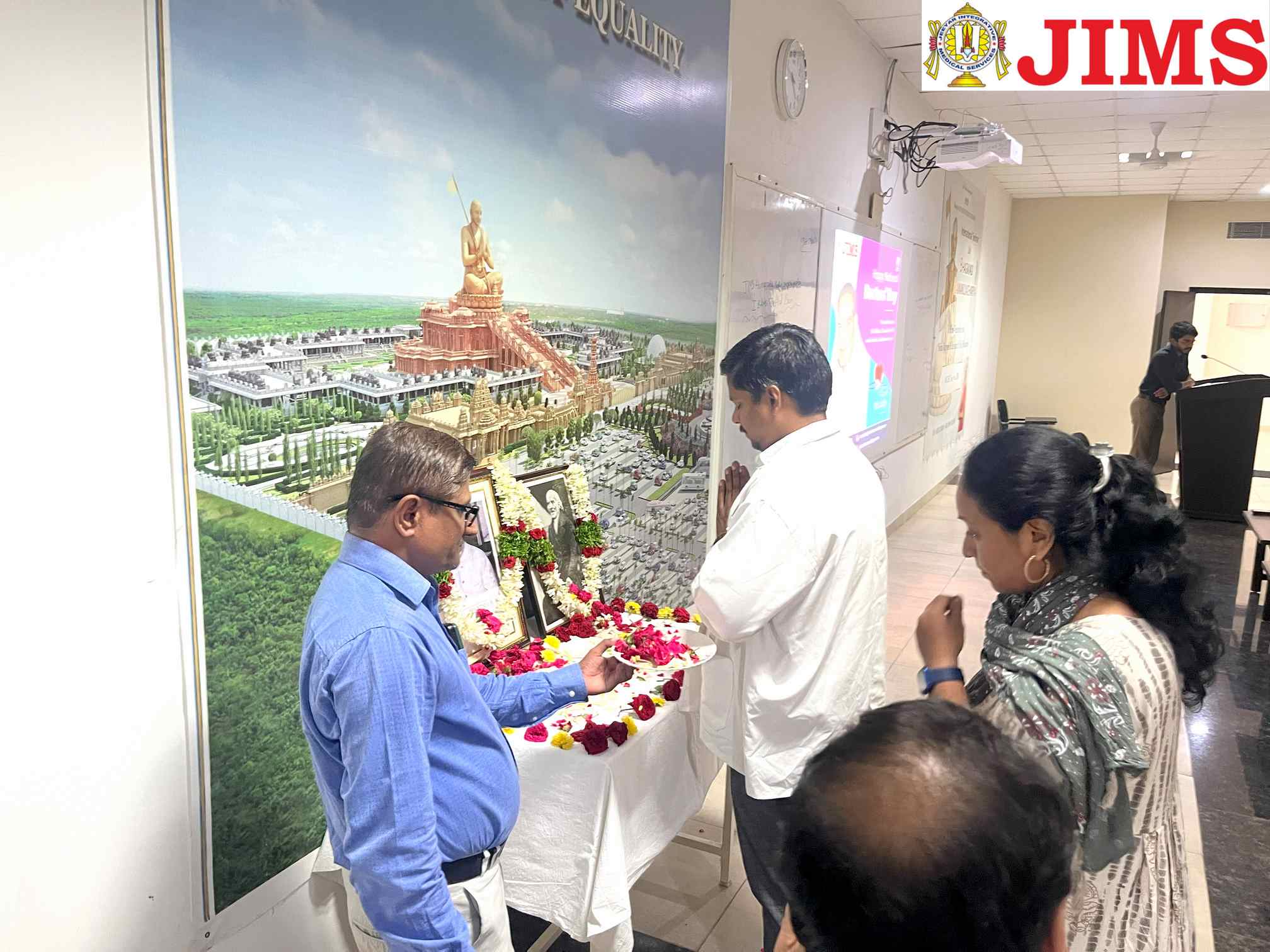
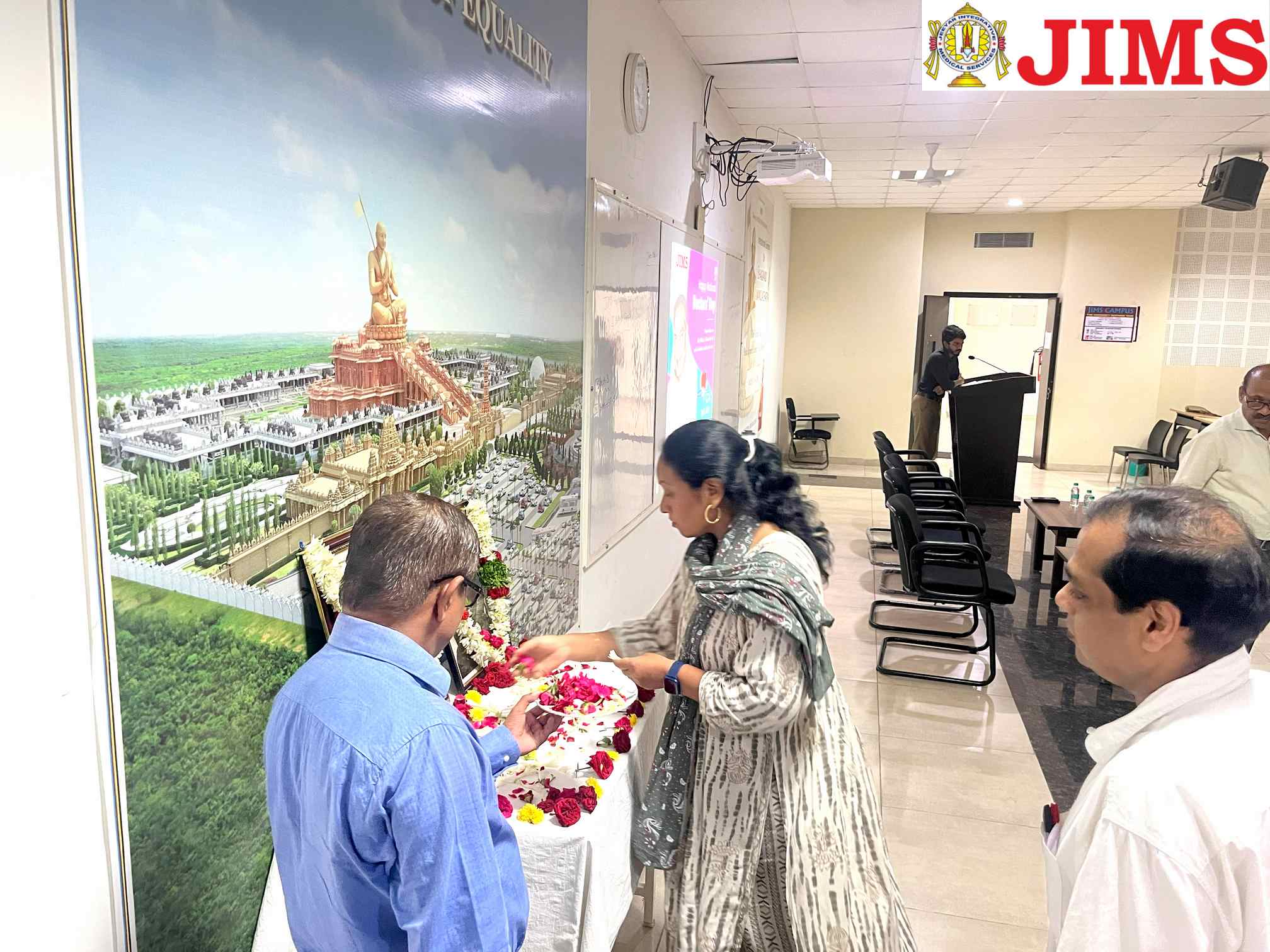
JIMS Homoeopathic Medical College and Hospital organized a meaningful celebration for National Doctor’s Day, honoring the renowned Dr. Bidhan Chandra Roy. Dr. Roy’s contributions to medicine were highlighted during the event, emphasizing his dedication and impact on the health domain.
Dr. N. C Dhole, the Principal, addressed the gathering, encouraging attendees to emulate Dr. Roy’s qualities of patience, dedication, and selfless service to the community. This underscores the importance of not only academic knowledge but also the compassionate practice of medicine.
Dr. Pravas Pal, the Medical Superintendent, shared inspirational incidents from Dr. Roy’s life, inspiring everyone to enhance their clinical skills and academic knowledge. Such stories serve as reminders of the profound impact doctors can have on individuals and communities.
Dr. Santosh Kumar, Vice Principal, and Dr. Vishal Deshpande, PG Coordinator, expressed gratitude to all doctors for their efforts in improving people’s lives and alleviating their suffering. Their acknowledgment reflects the collective appreciation for the dedicated work of healthcare professionals.
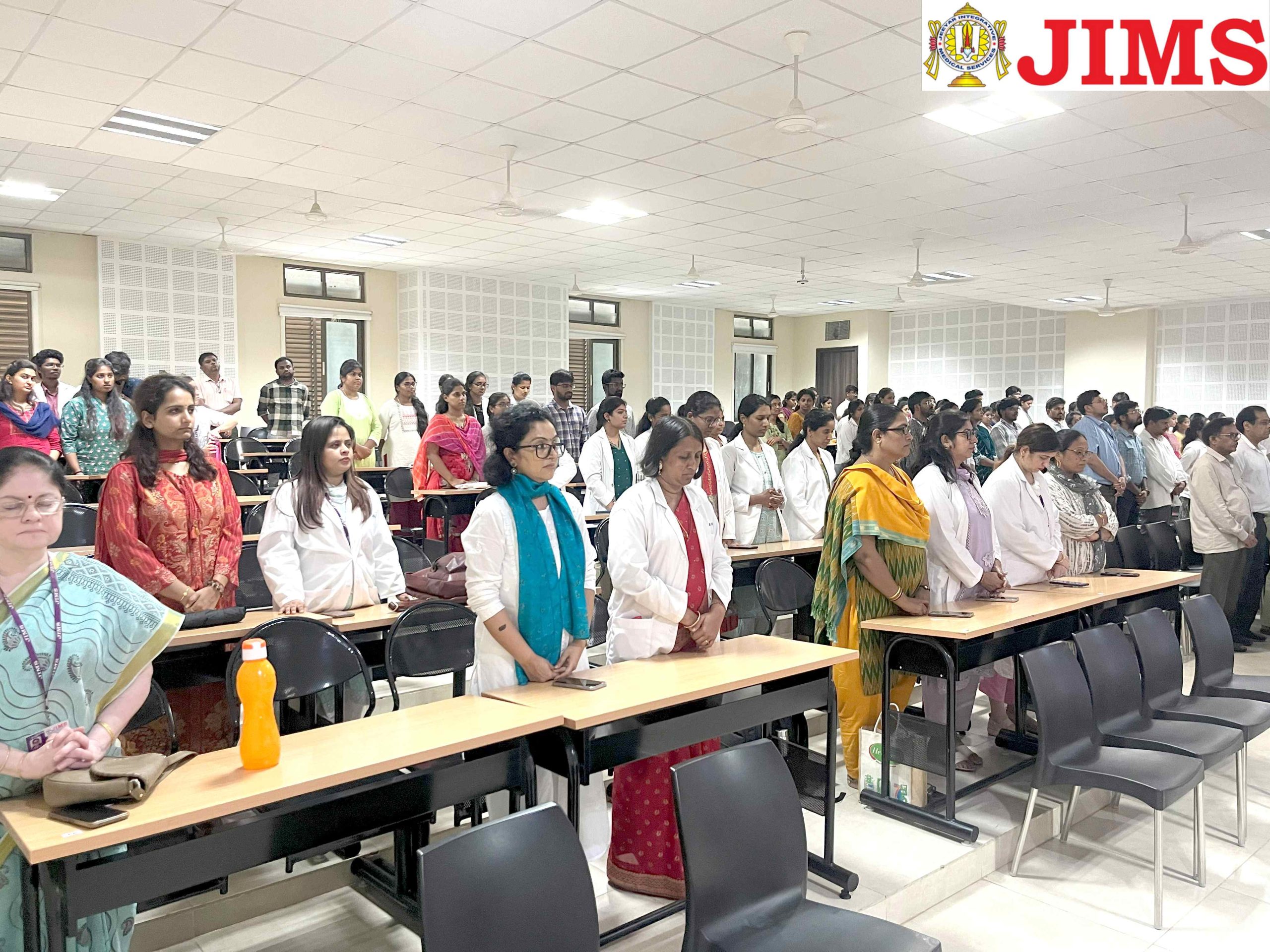
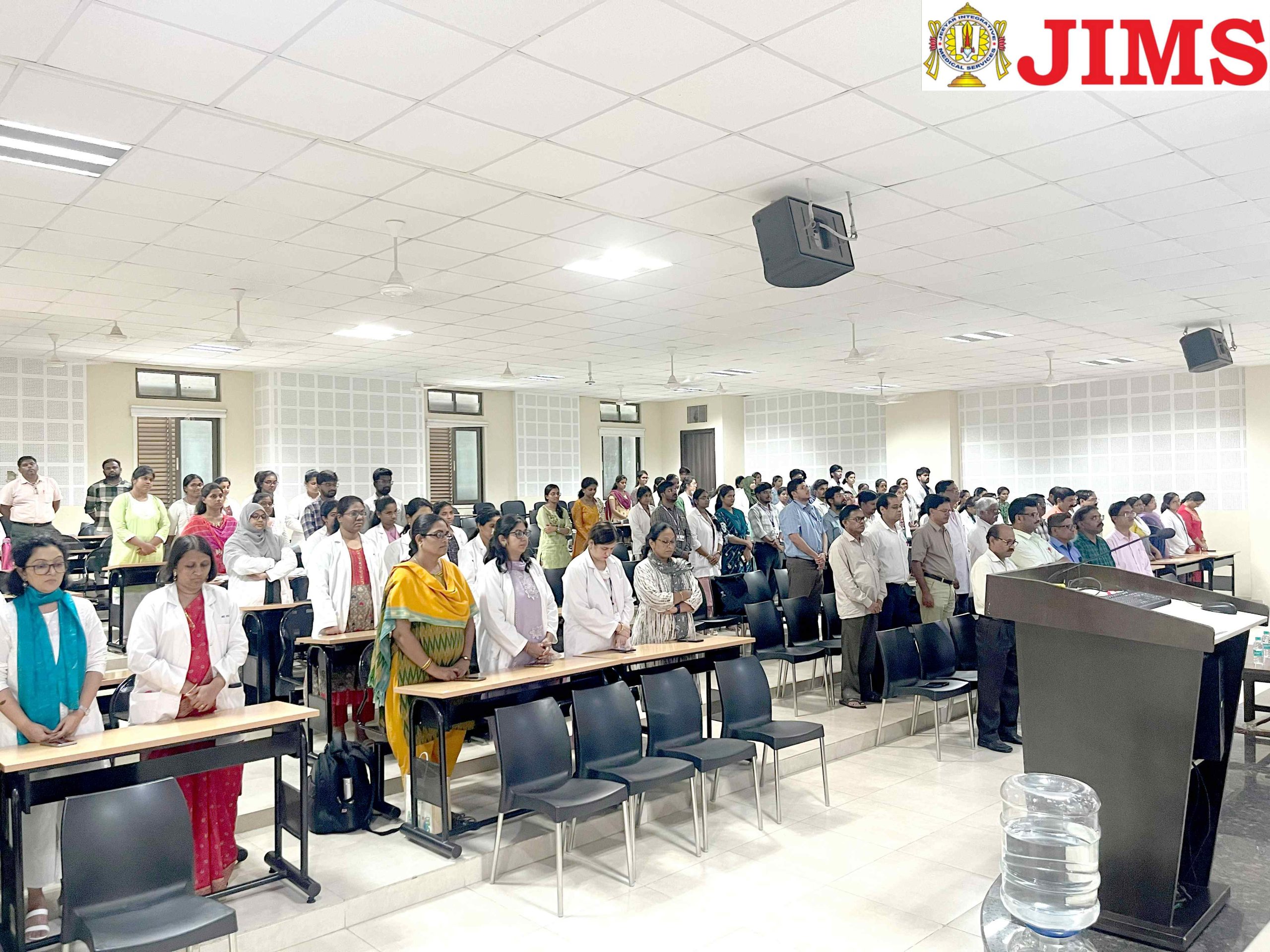
The event was well-attended by faculty members and PG scholars, fostering a sense of unity and shared purpose in advancing healthcare. Overall, the celebration of National Doctor’s Day at JIMS Homoeopathic Medical College and Hospital appears to have been a thoughtful tribute to Dr. Bidhan Chandra Roy and a reaffirmation of the medical community’s commitment to service and excellence.
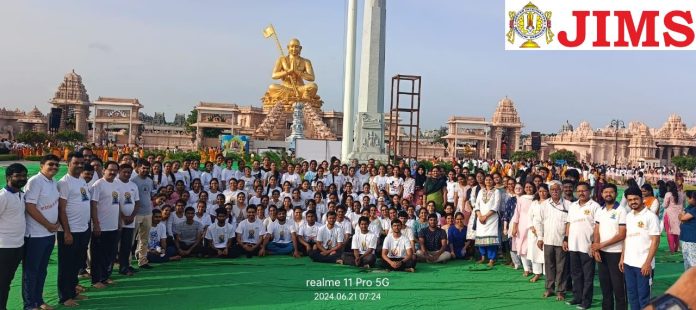
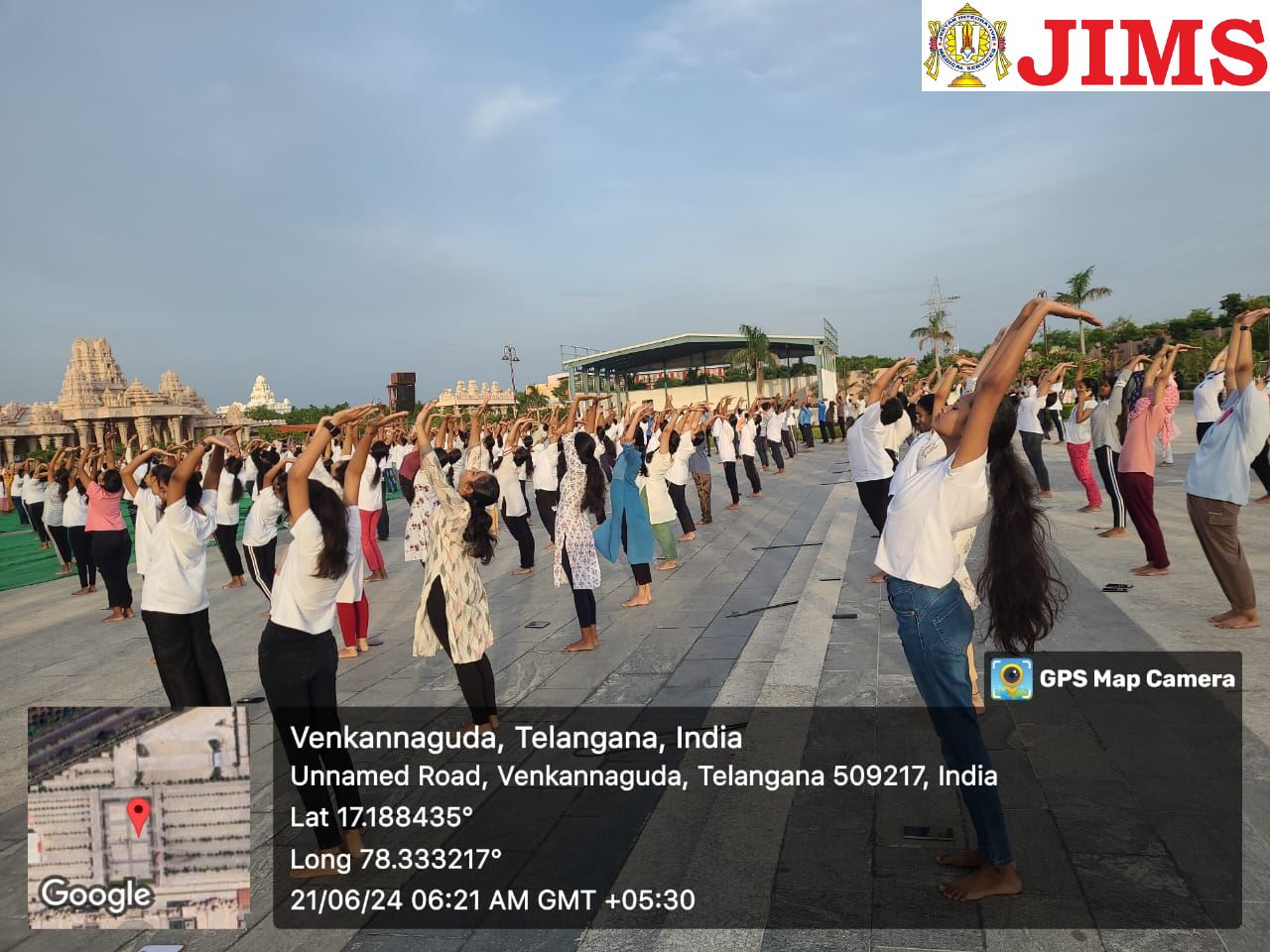
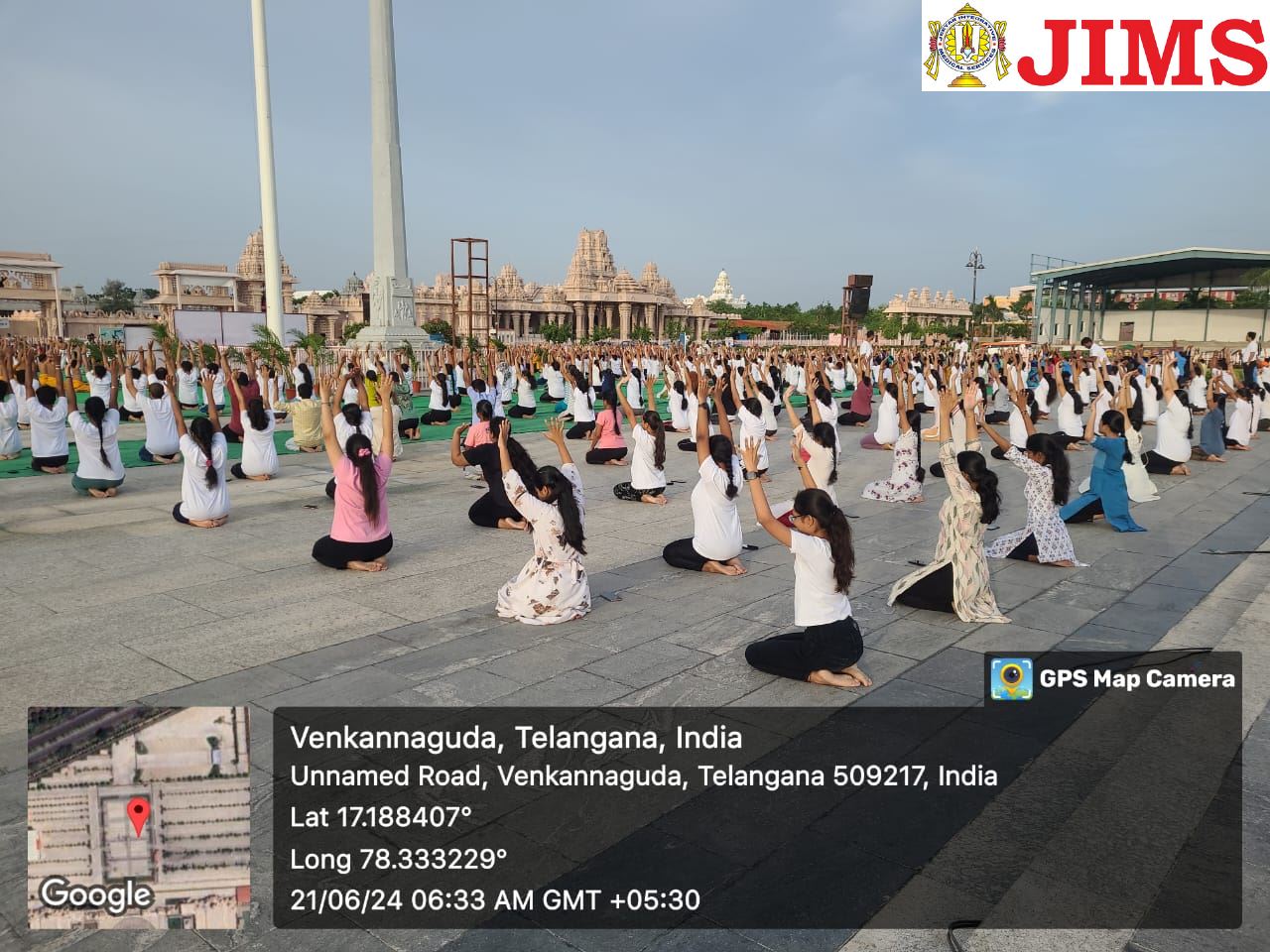
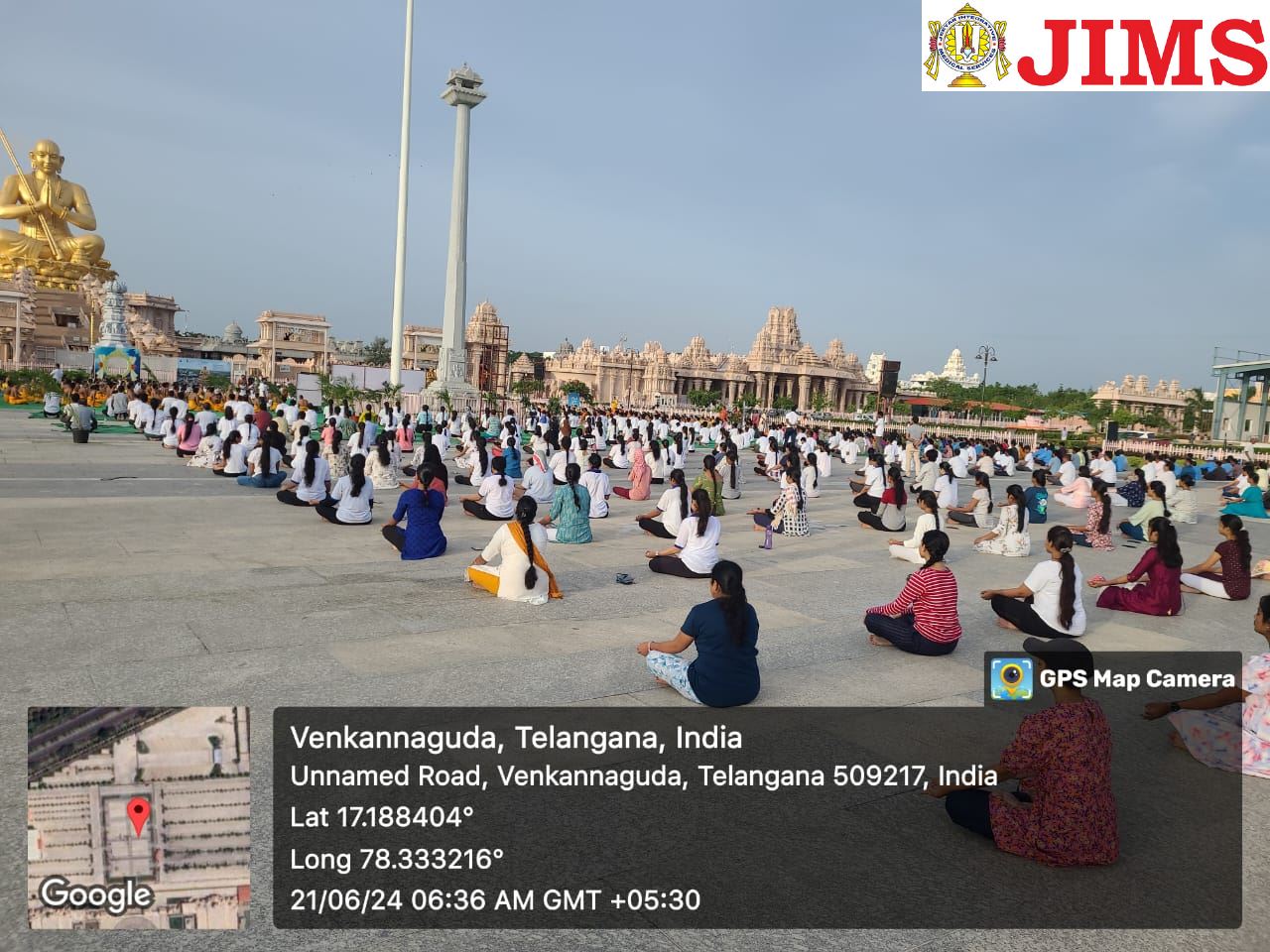
‘International Day of Yoga’ – 2024
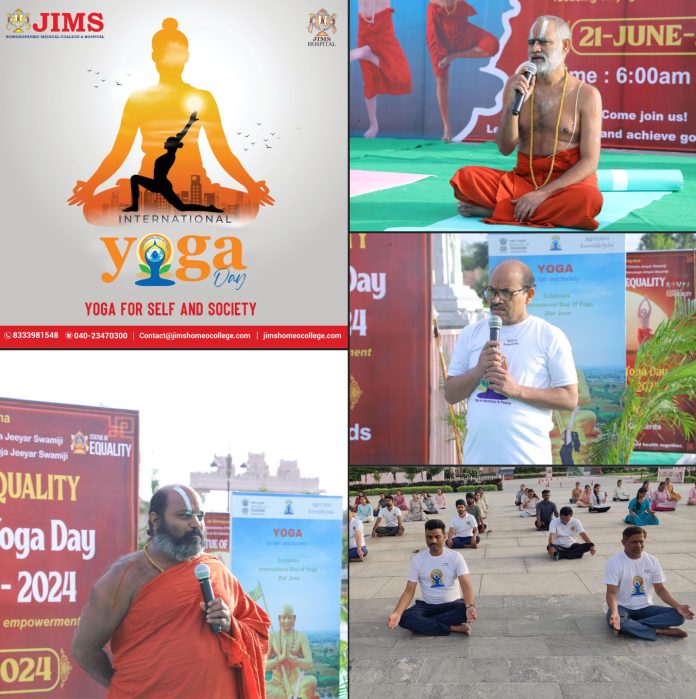
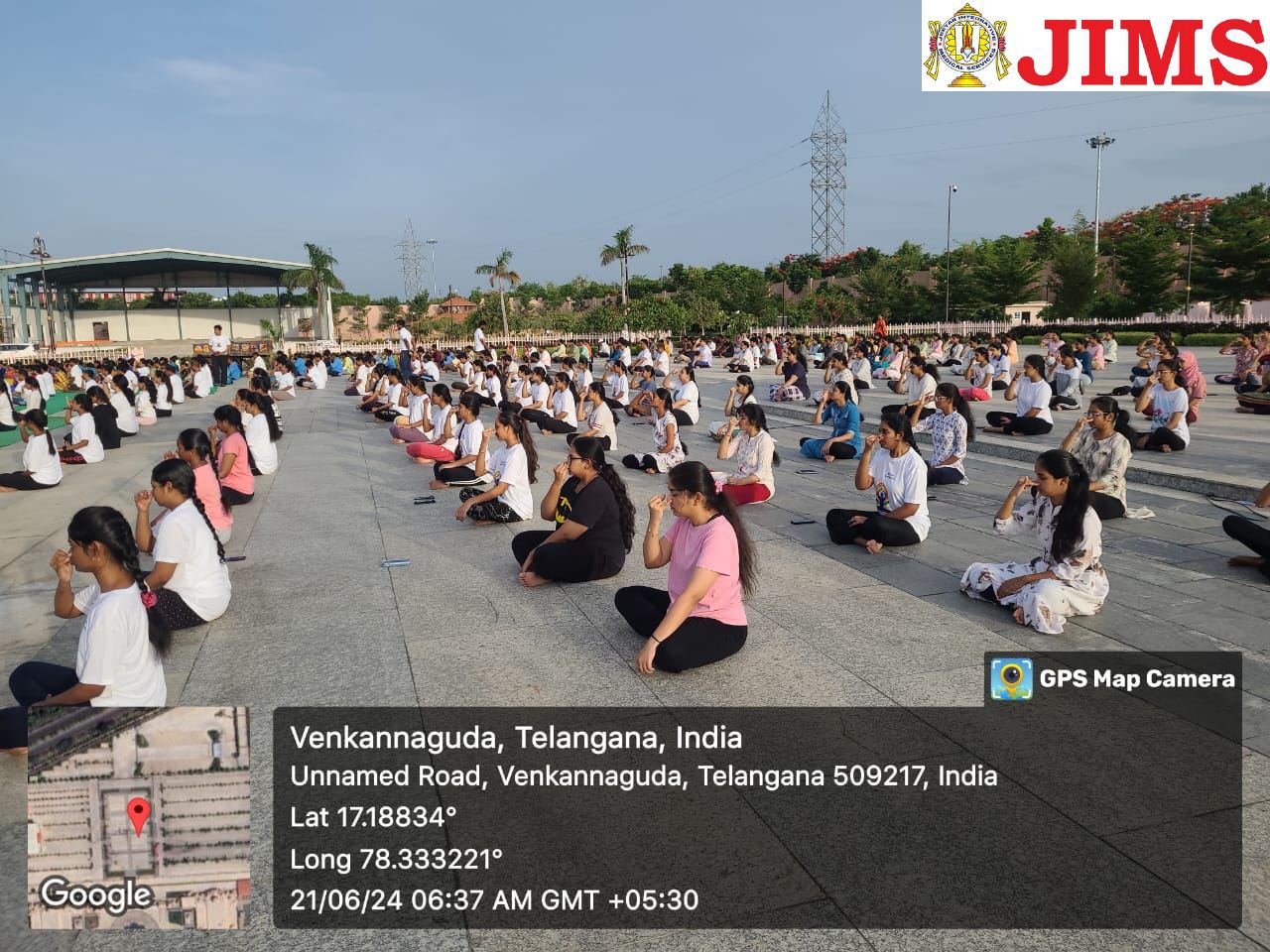
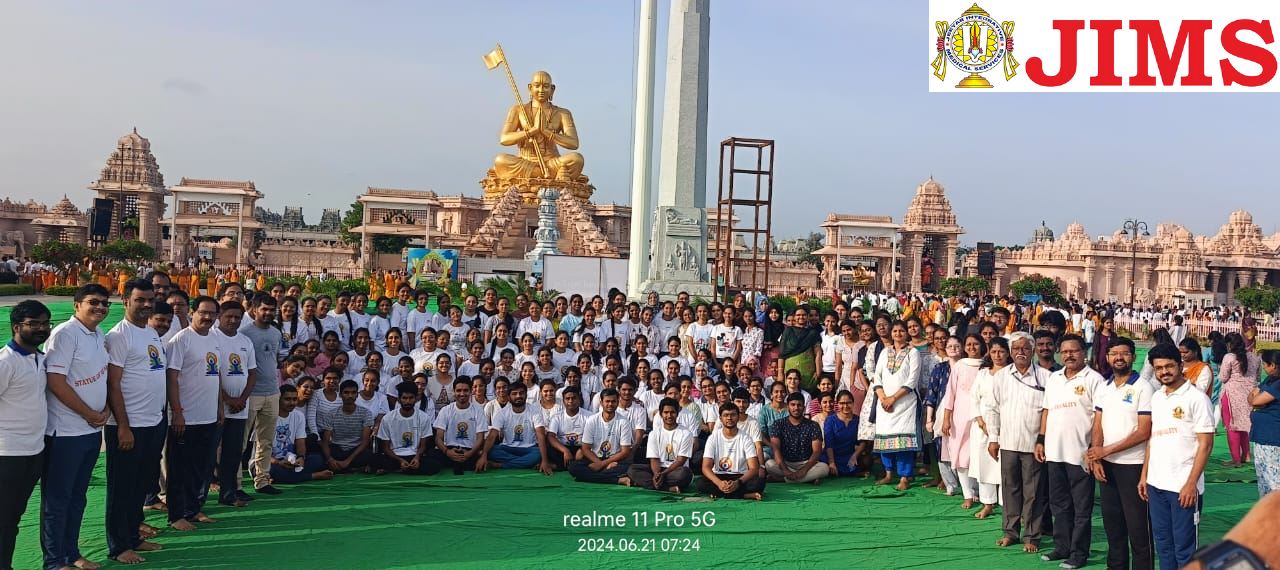
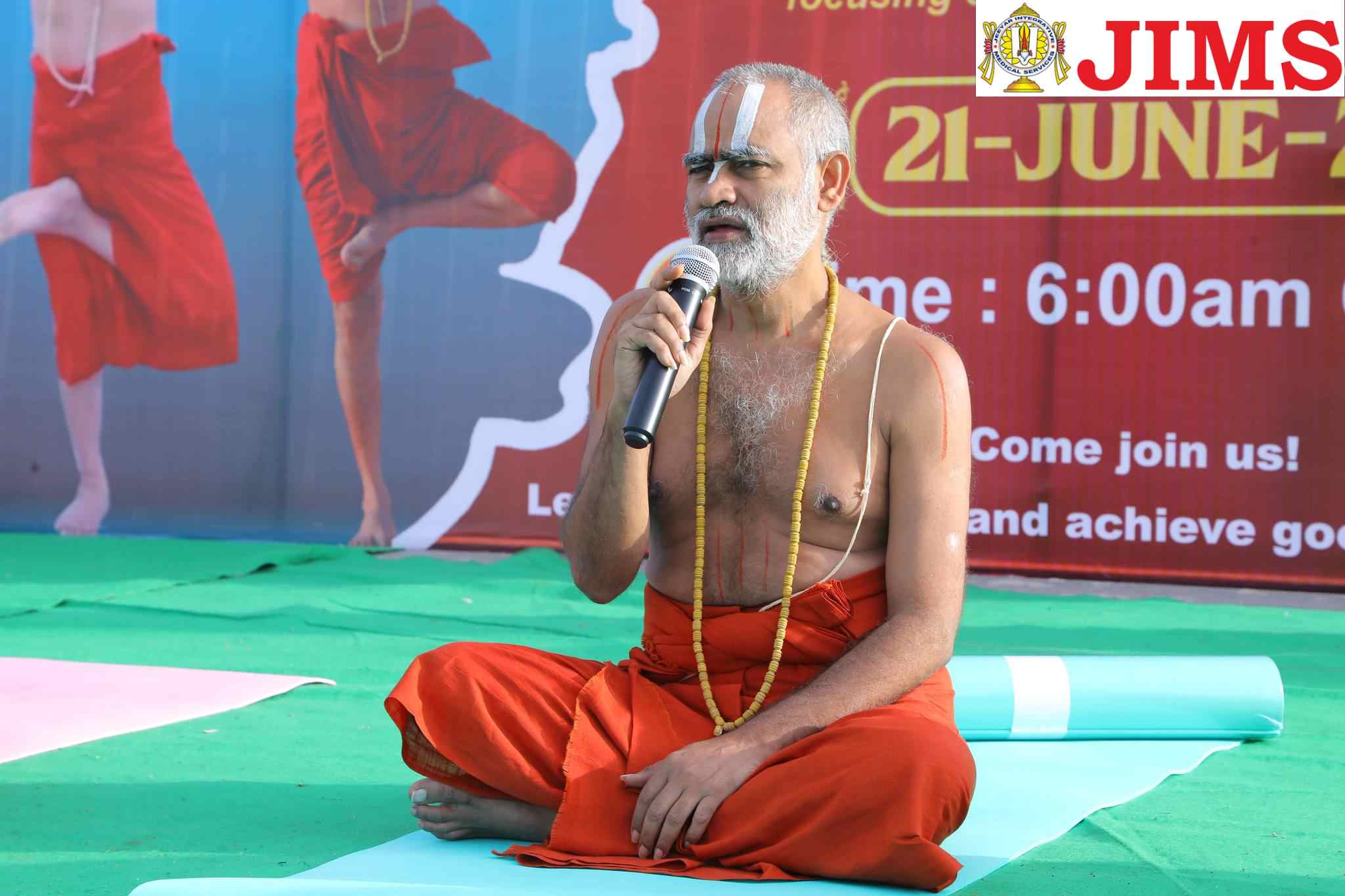
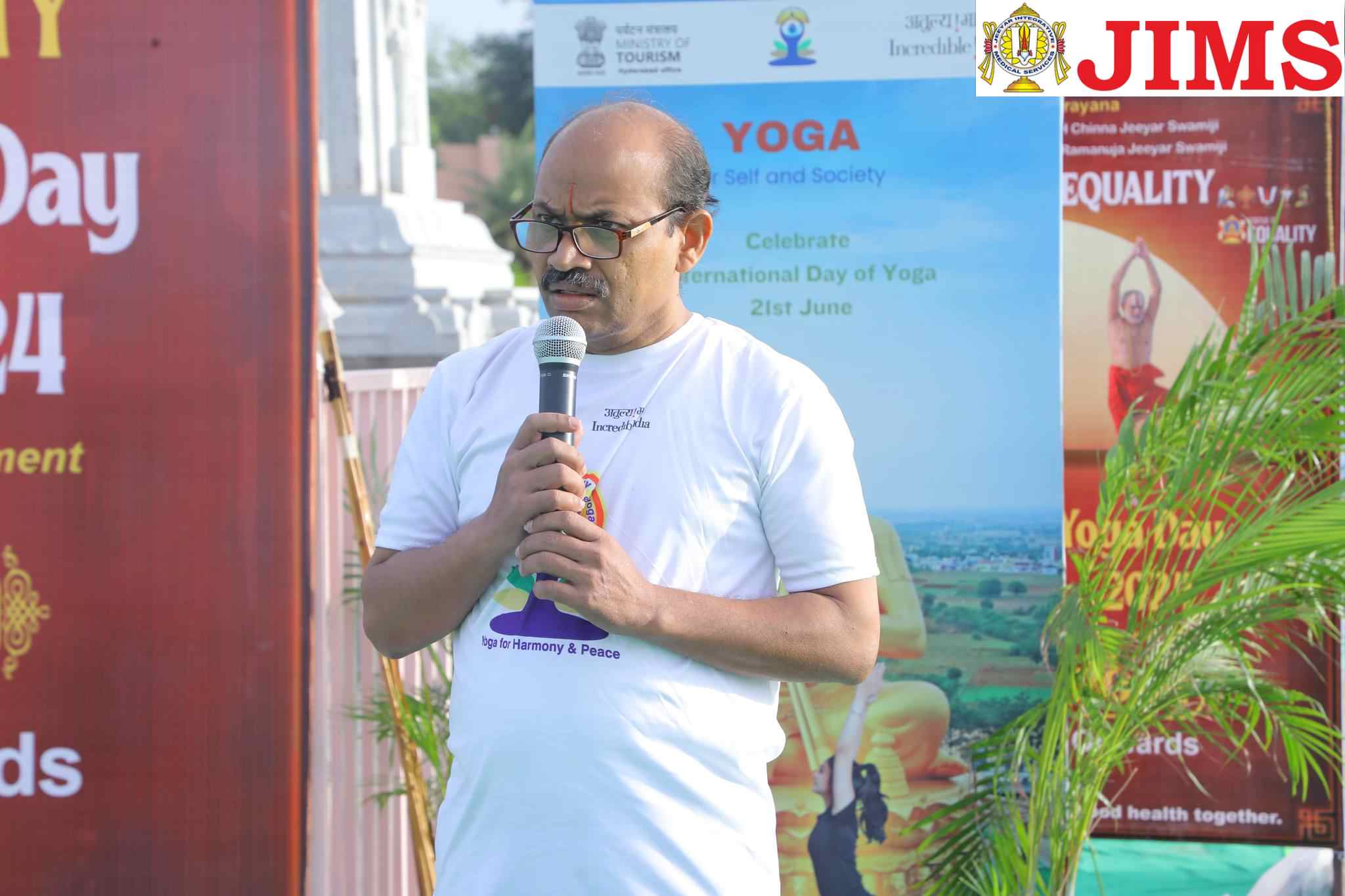
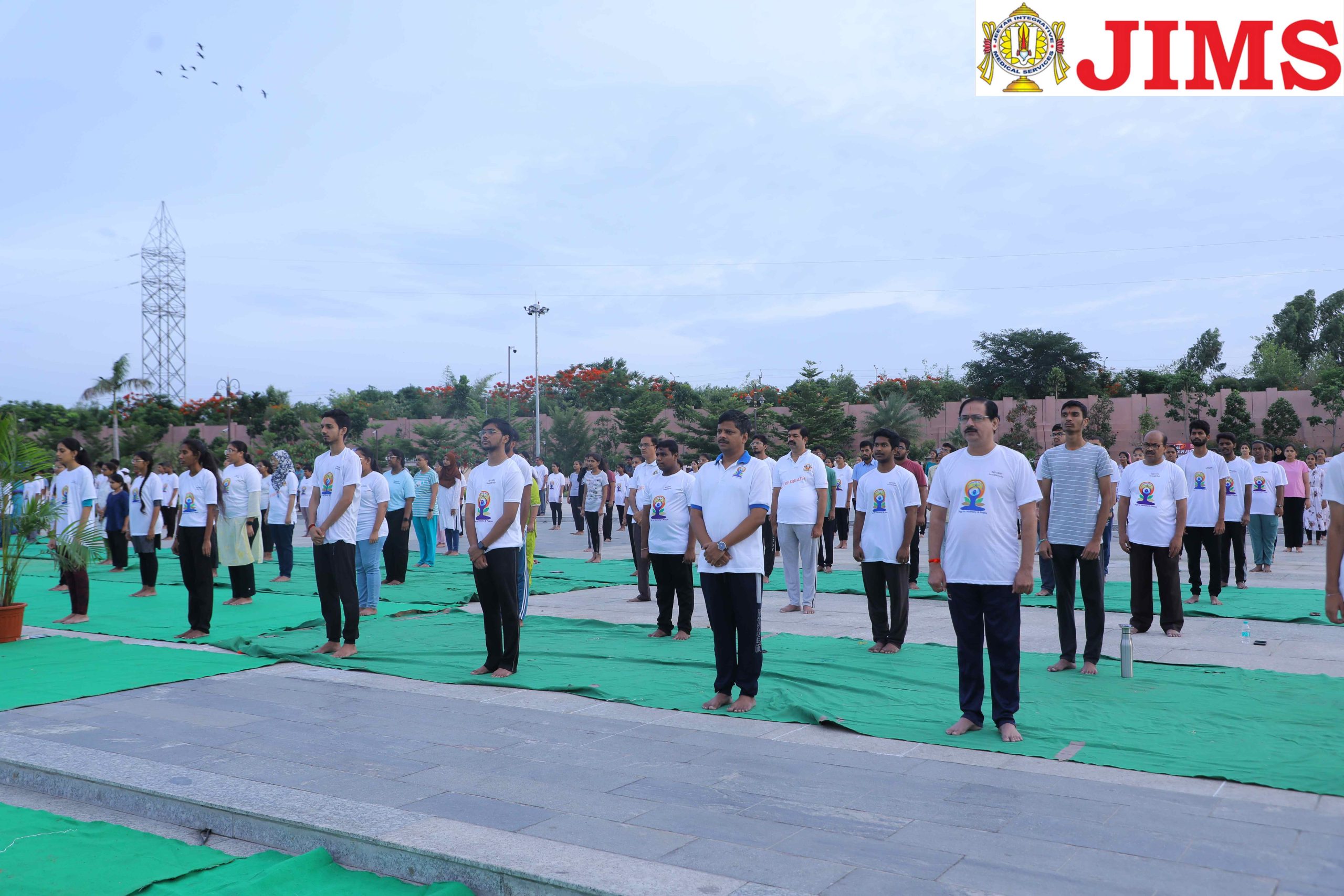
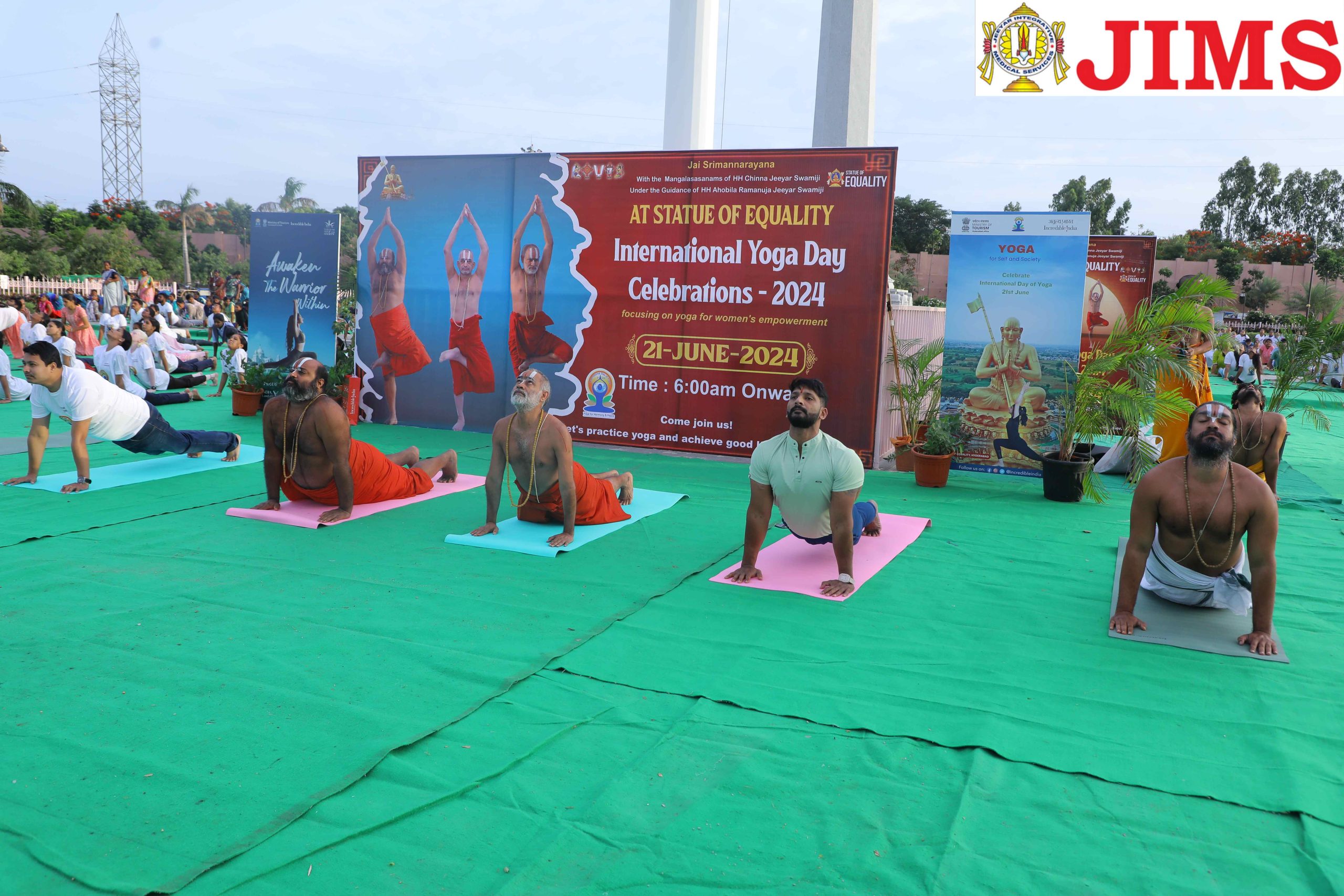
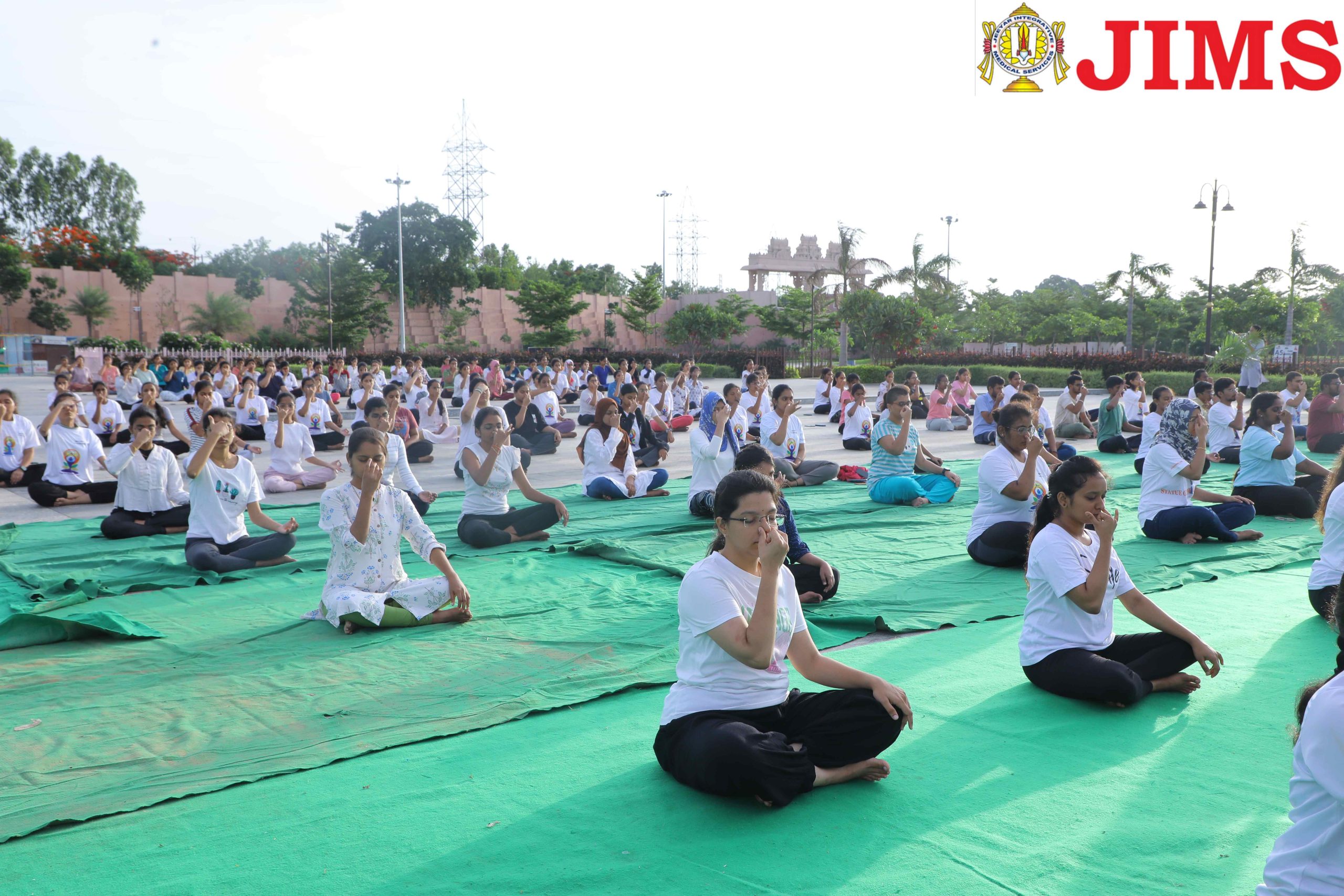
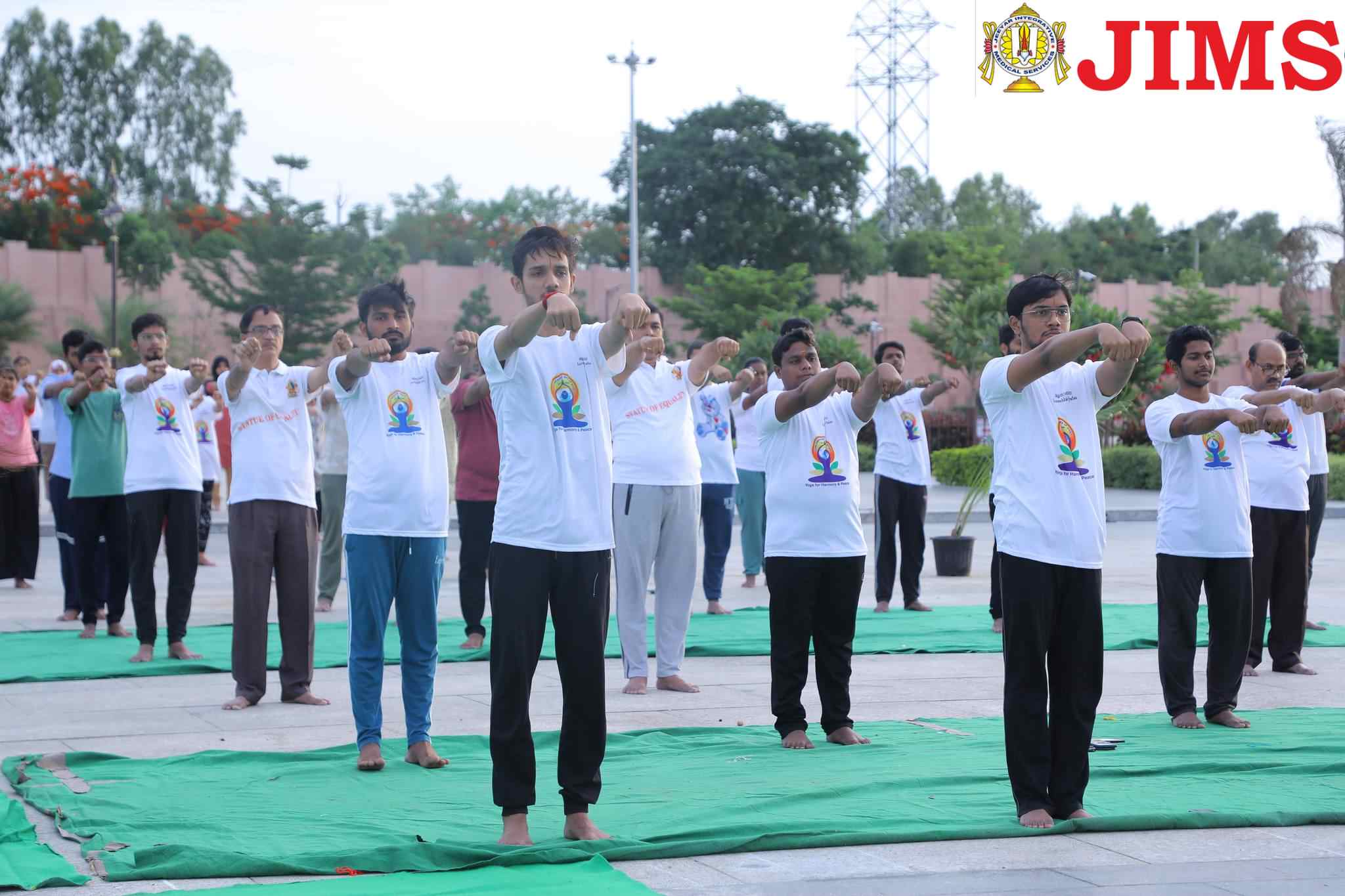
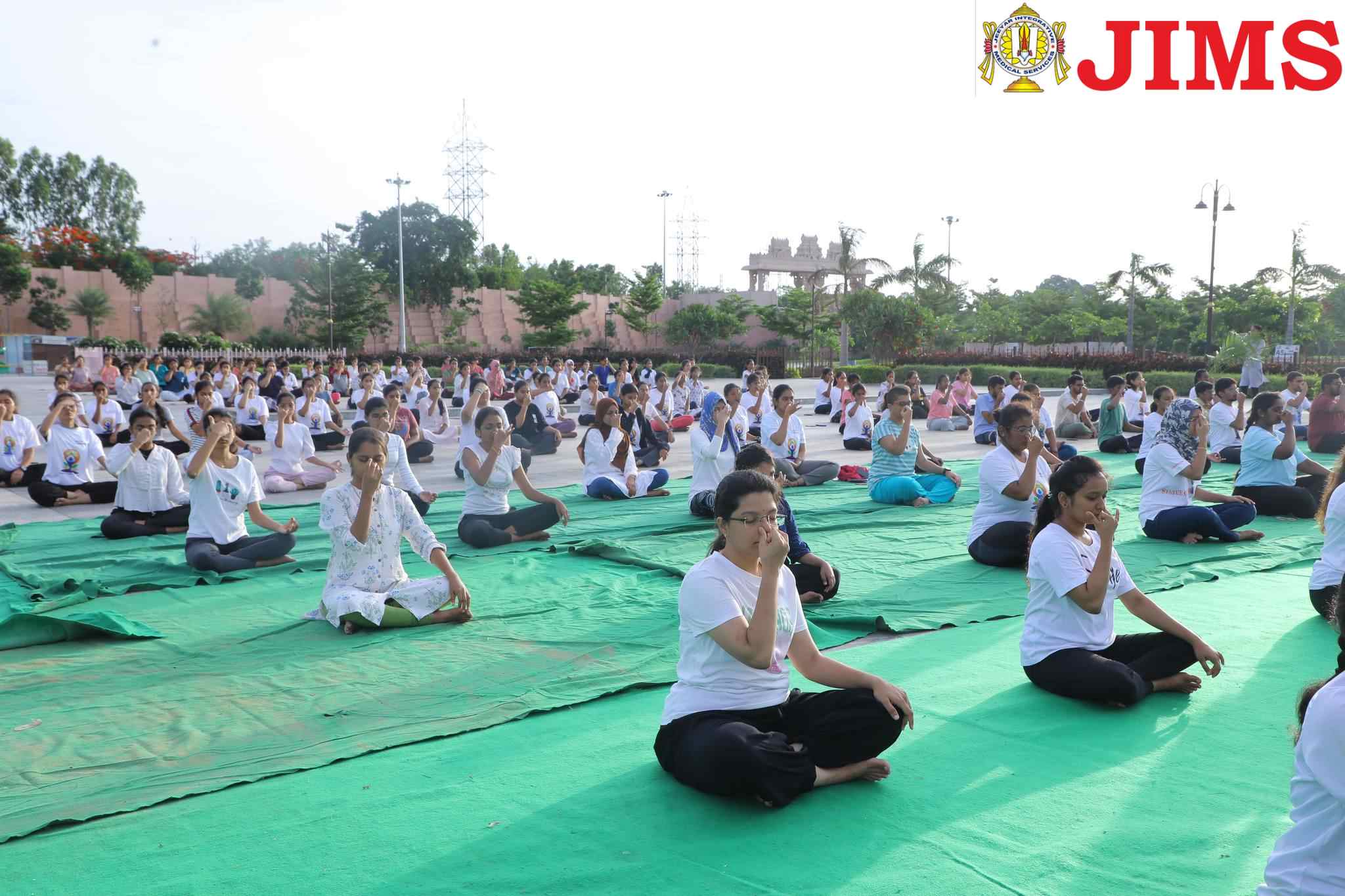
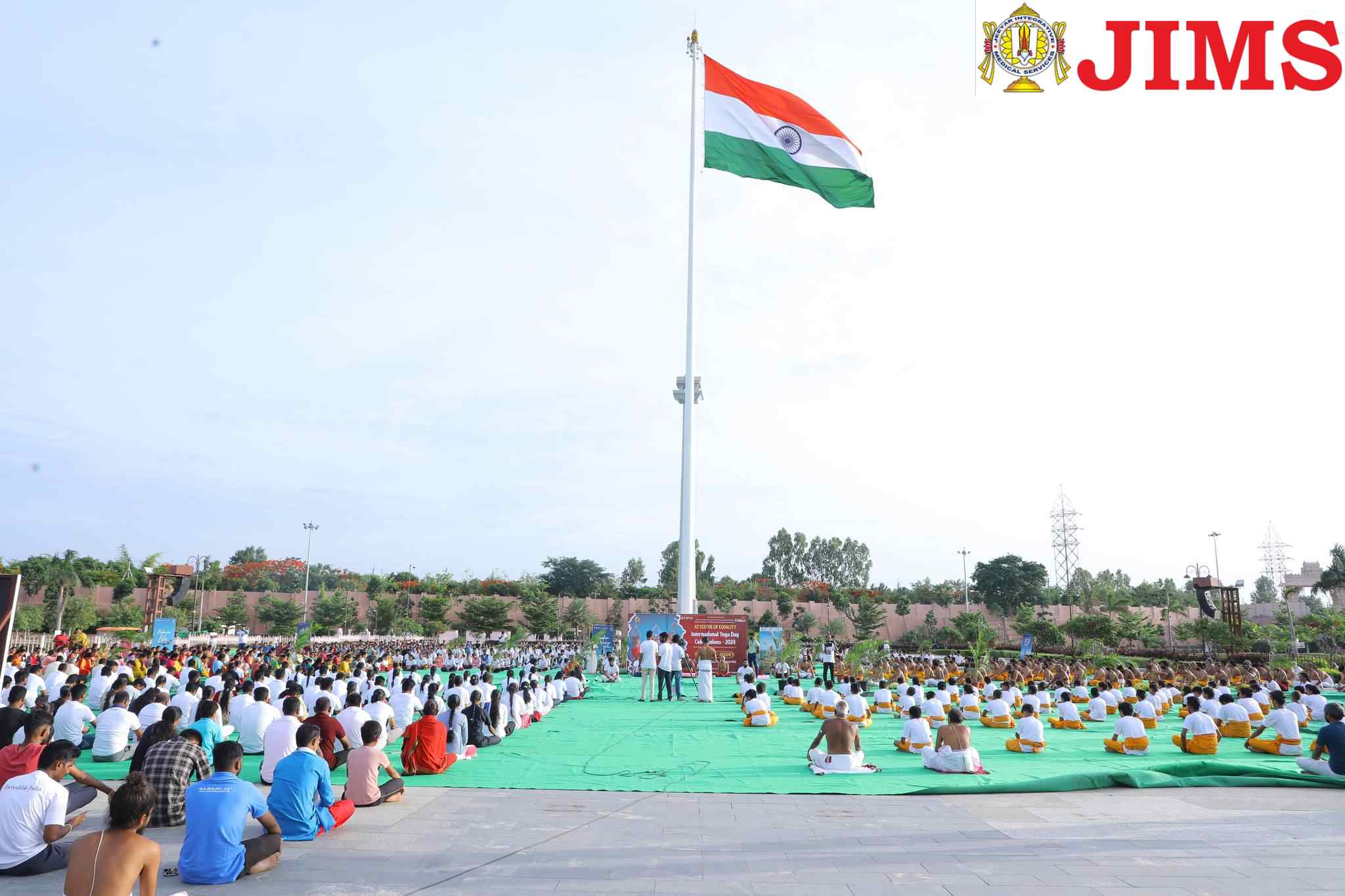
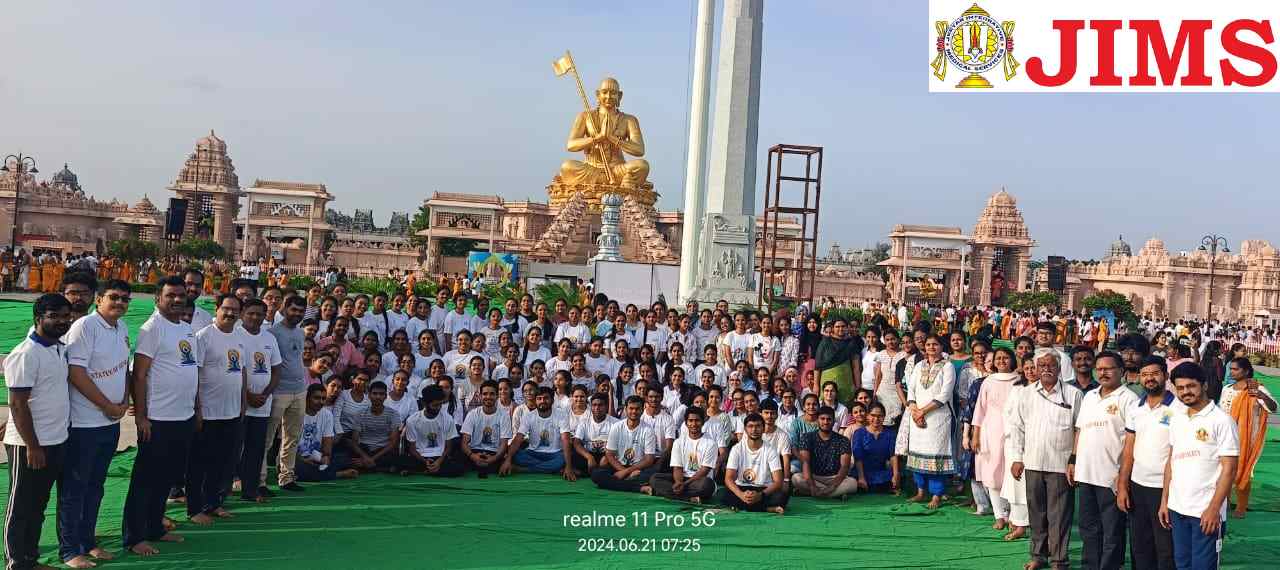
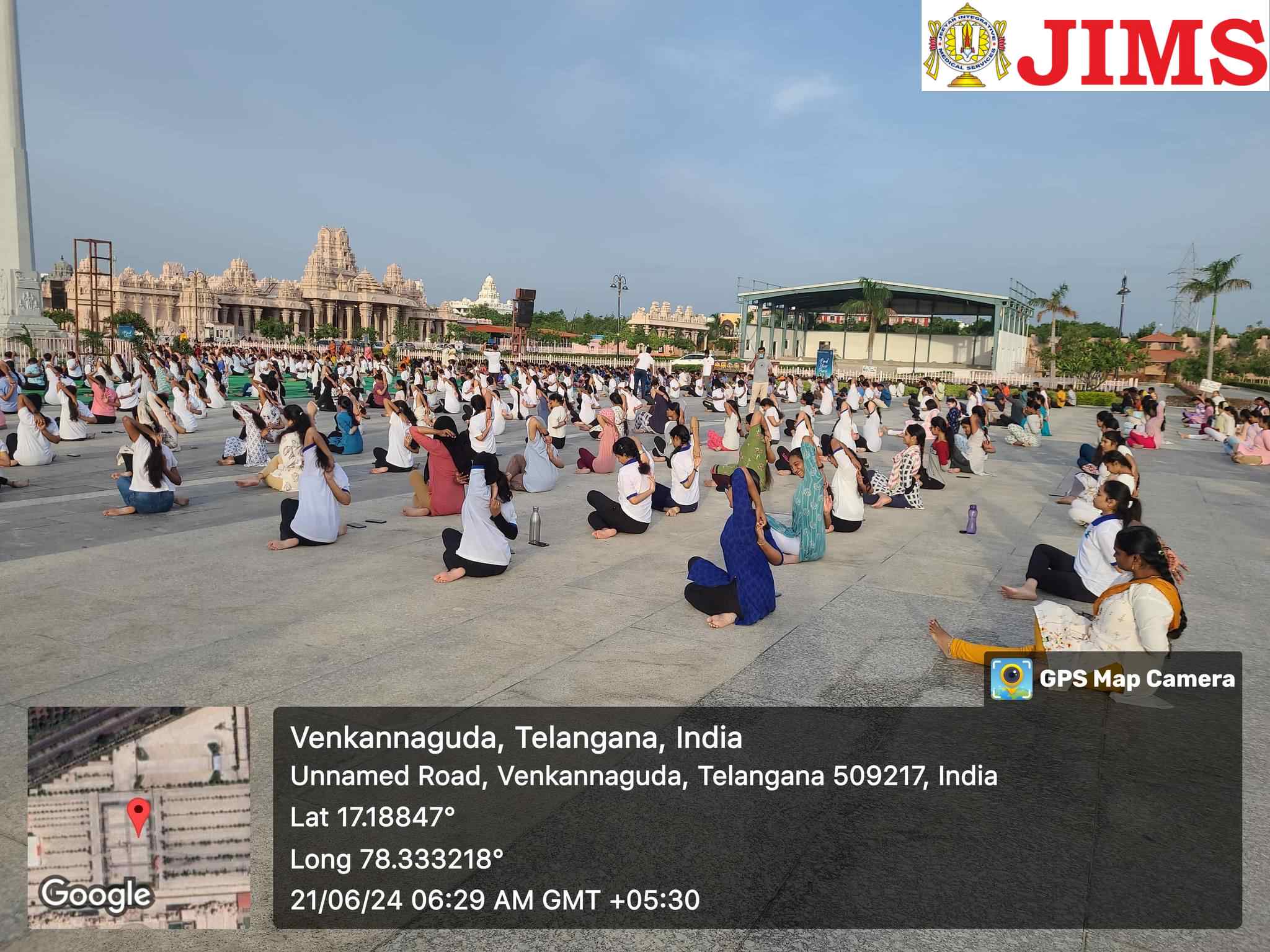
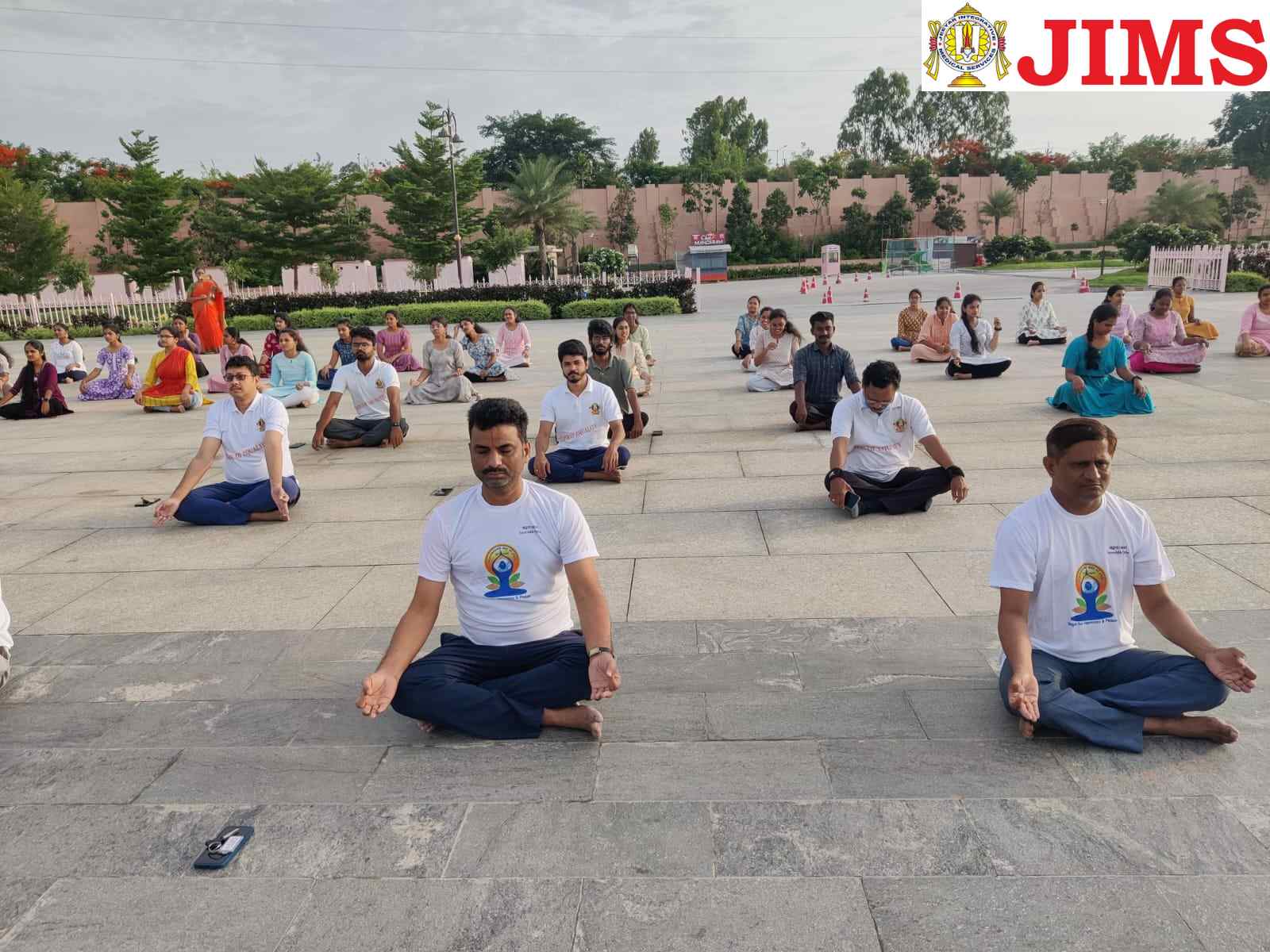
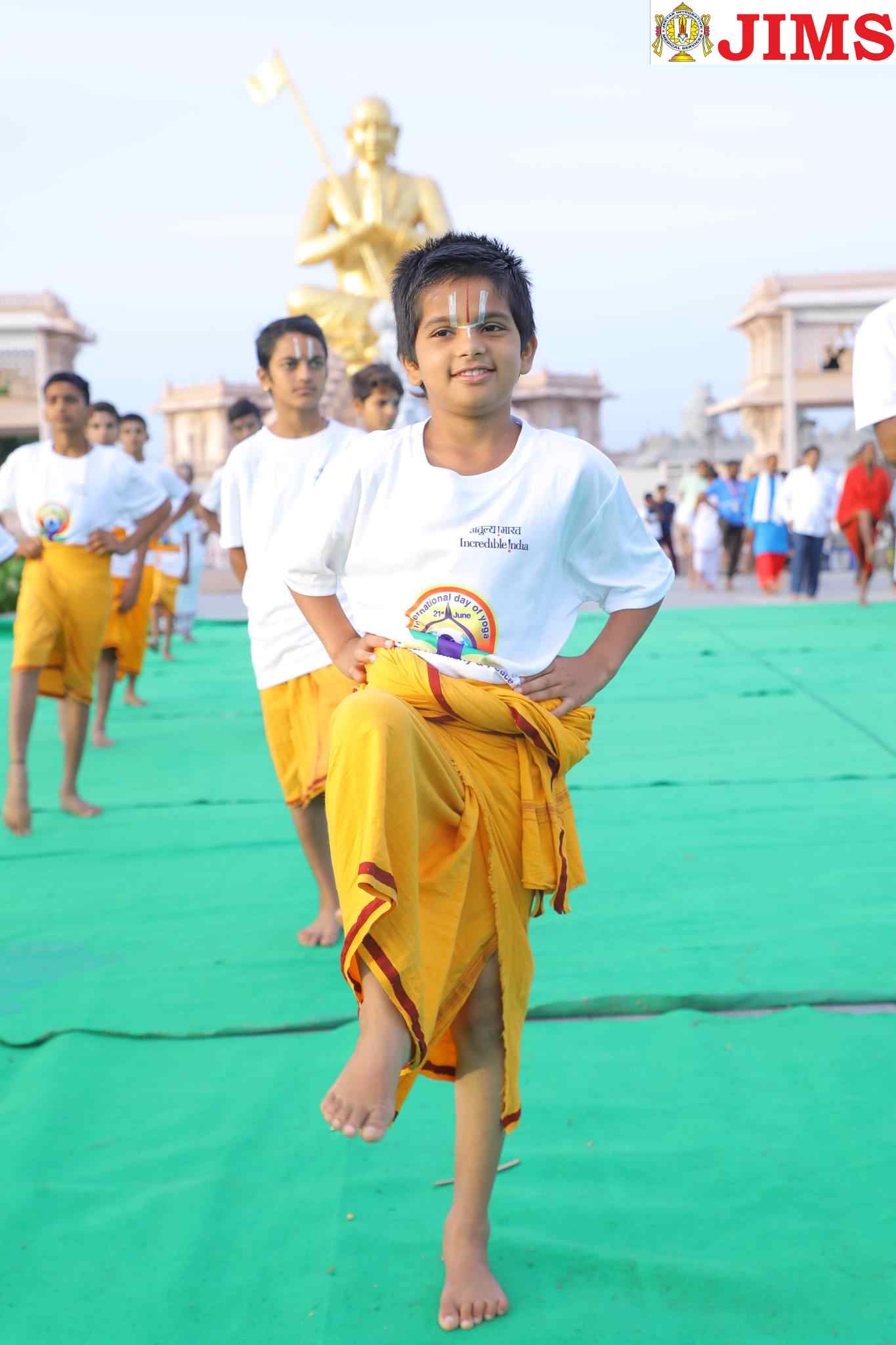
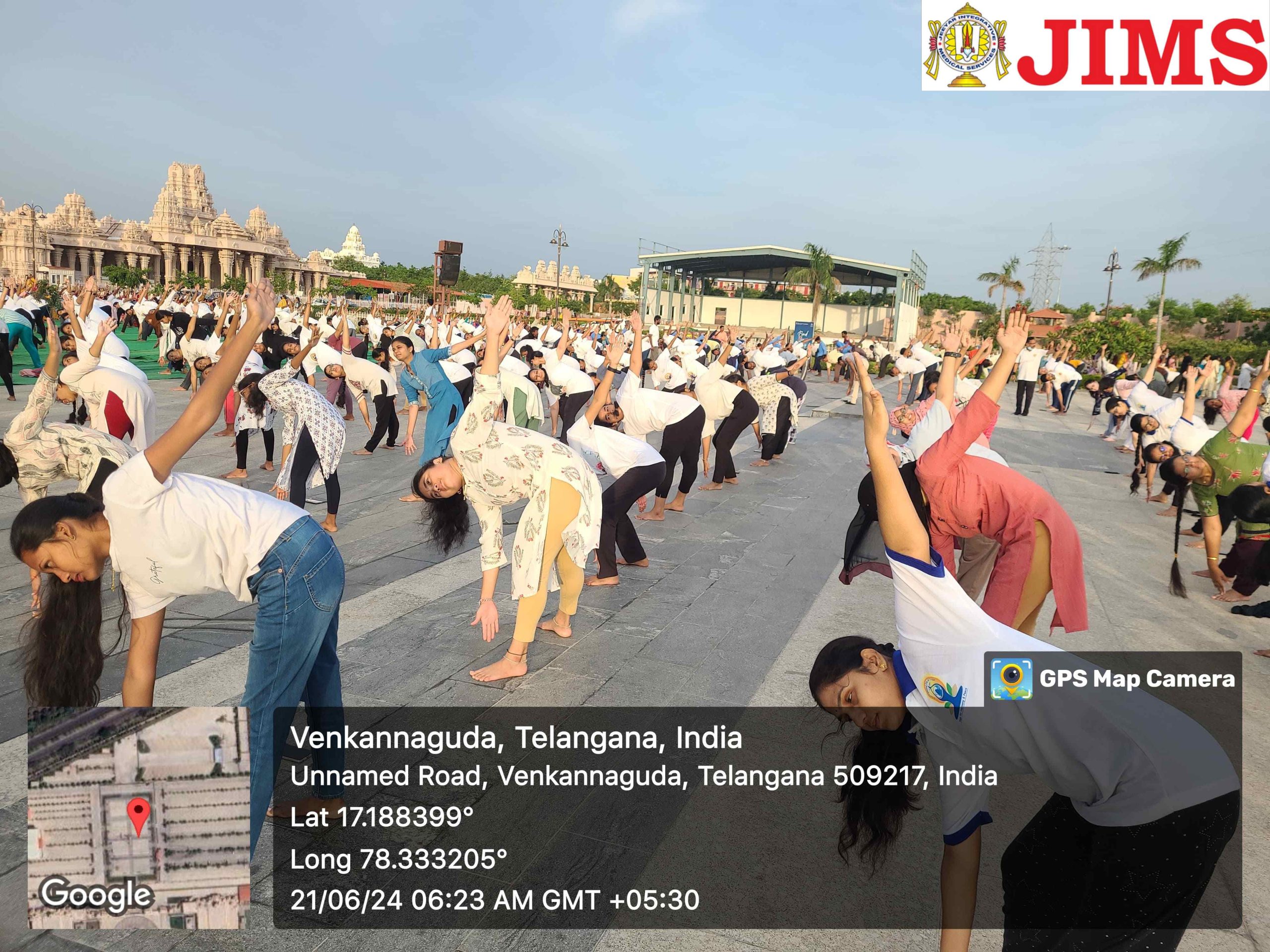
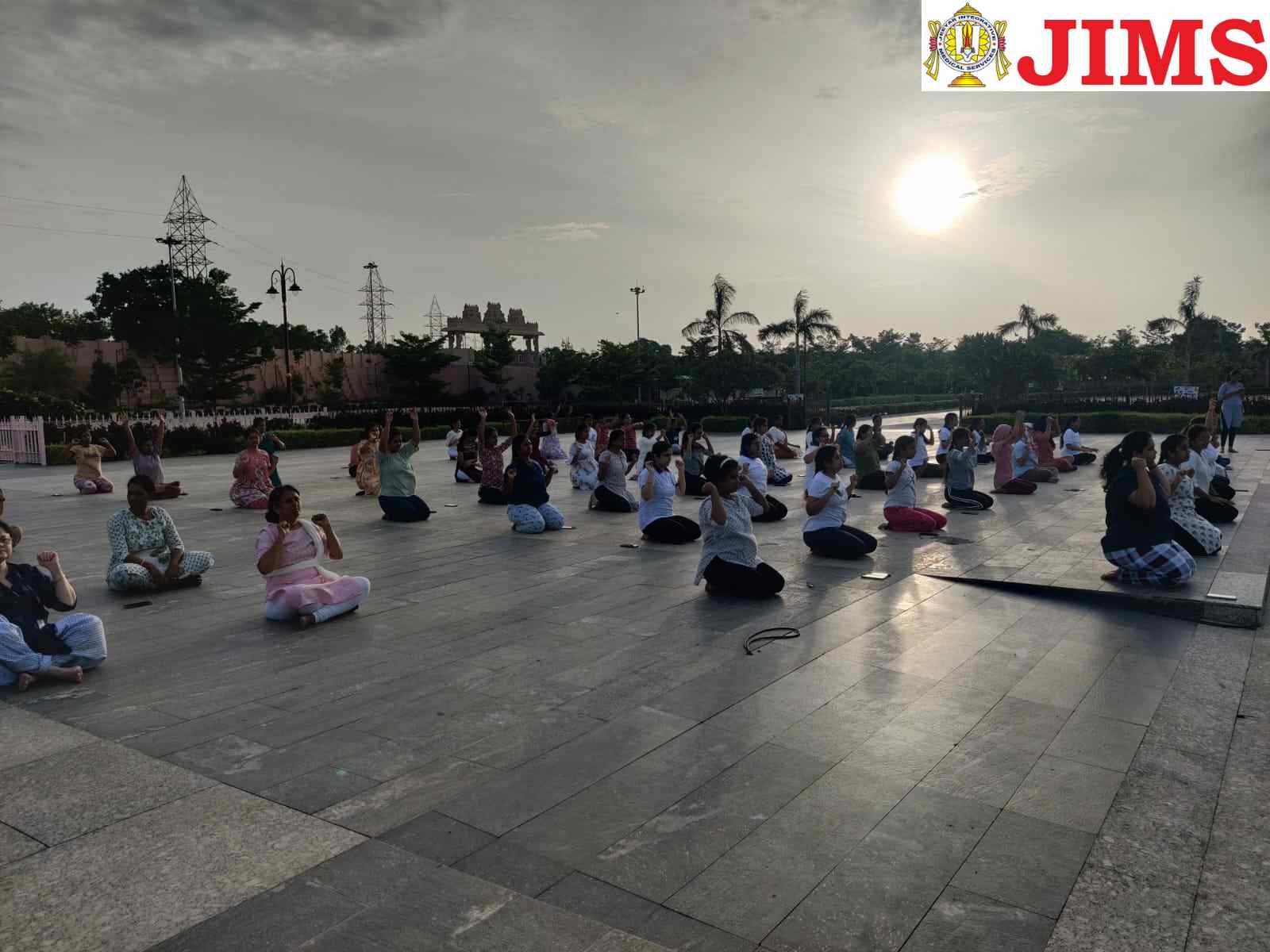
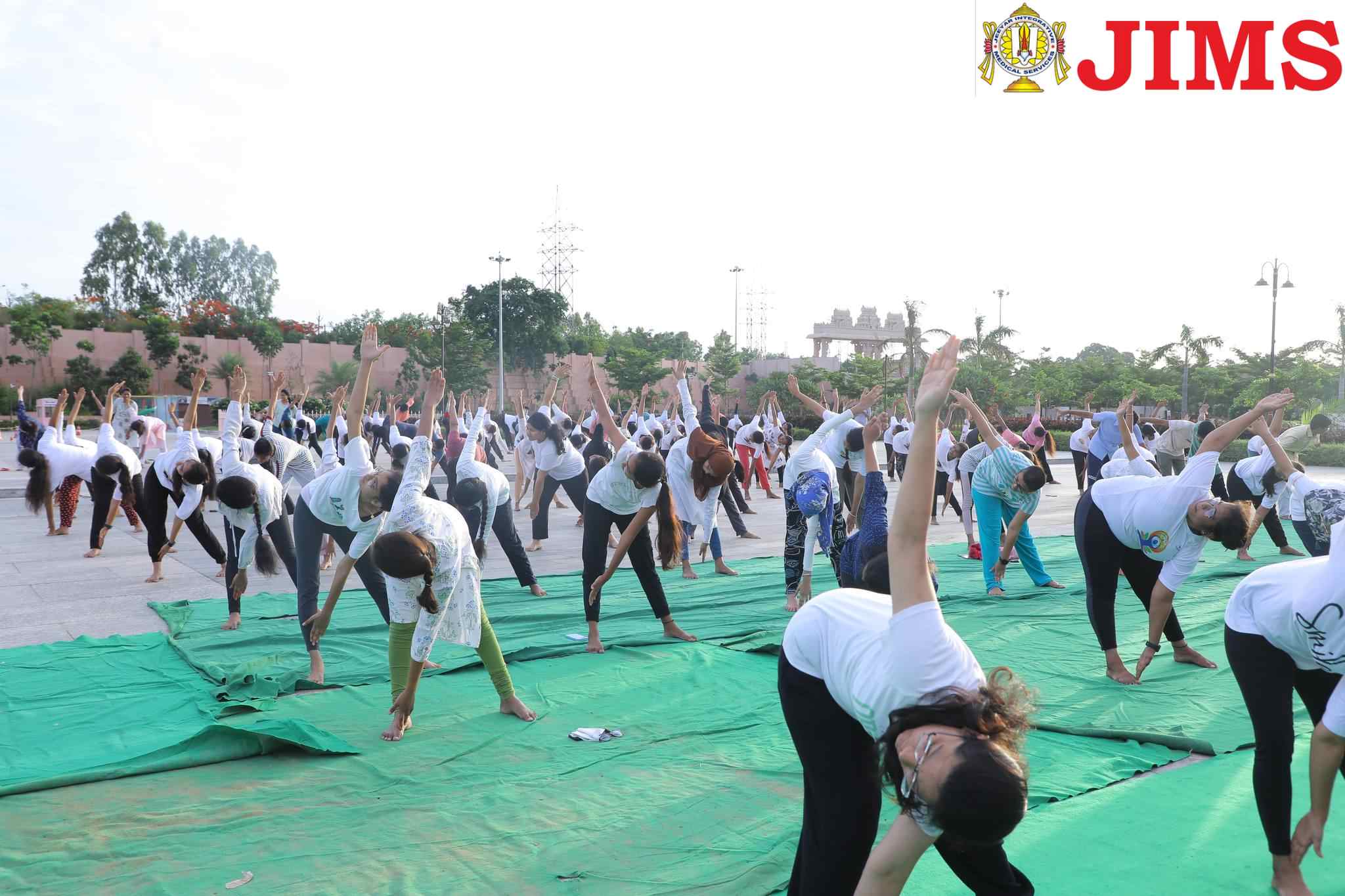
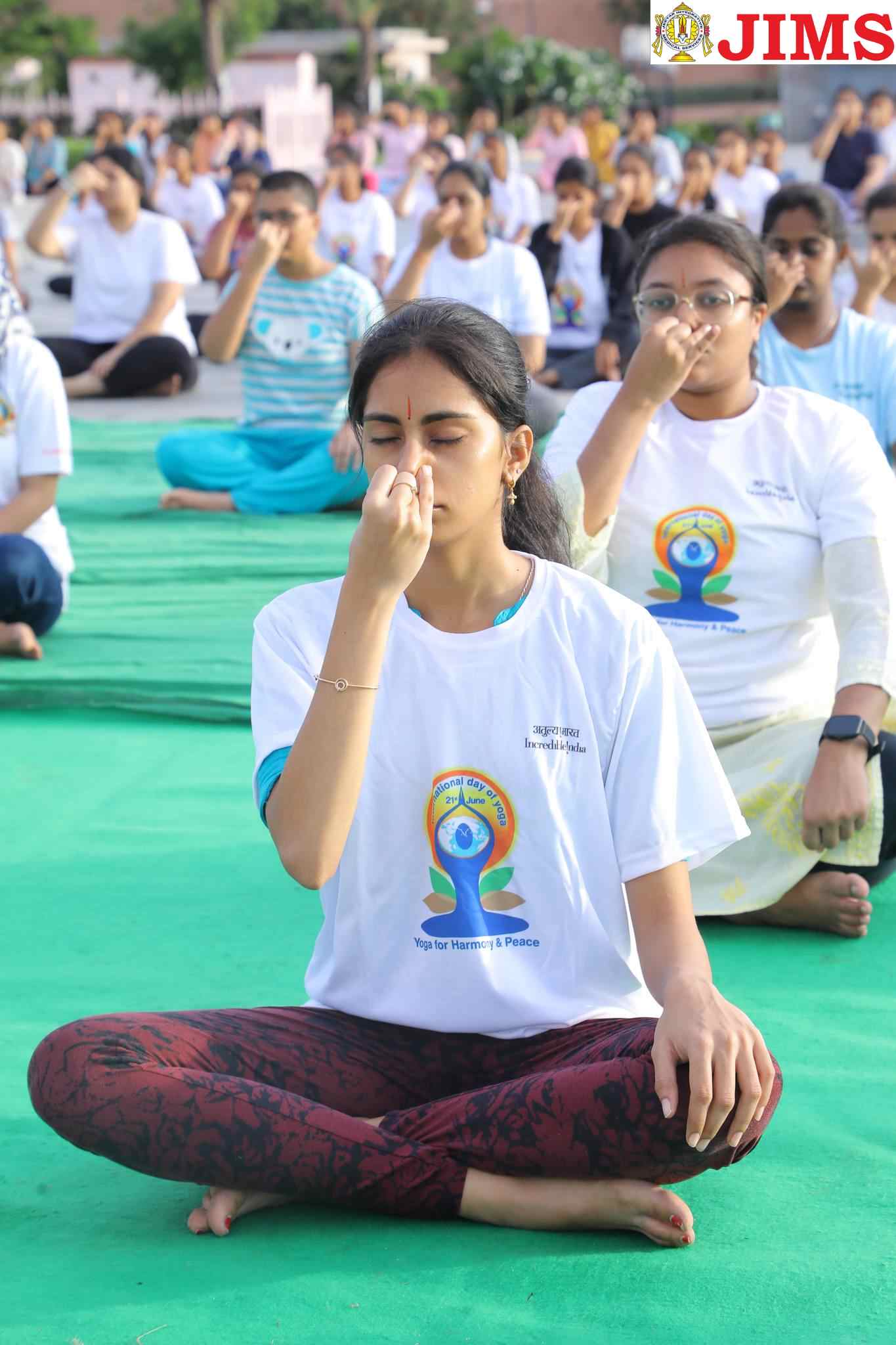
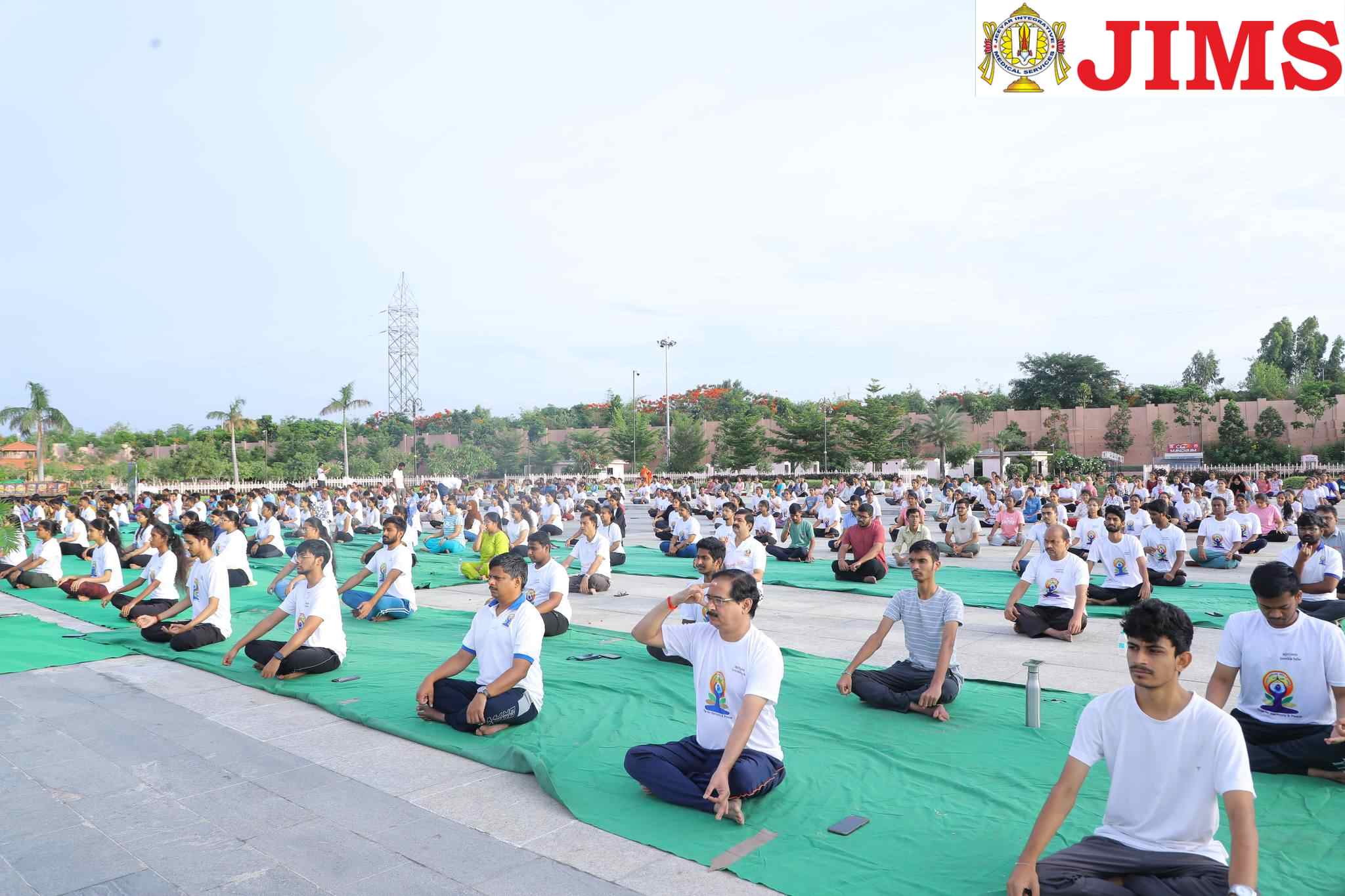
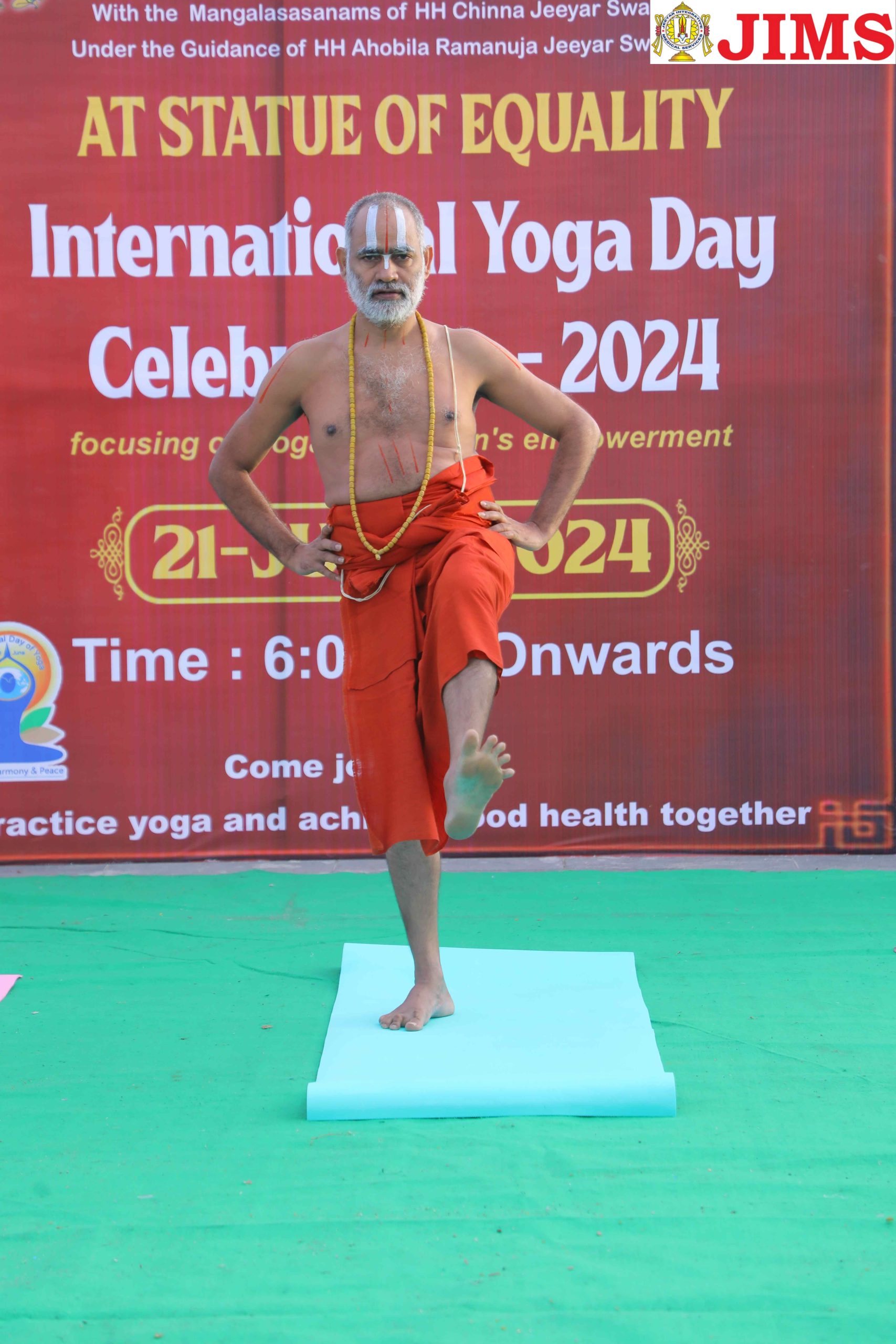
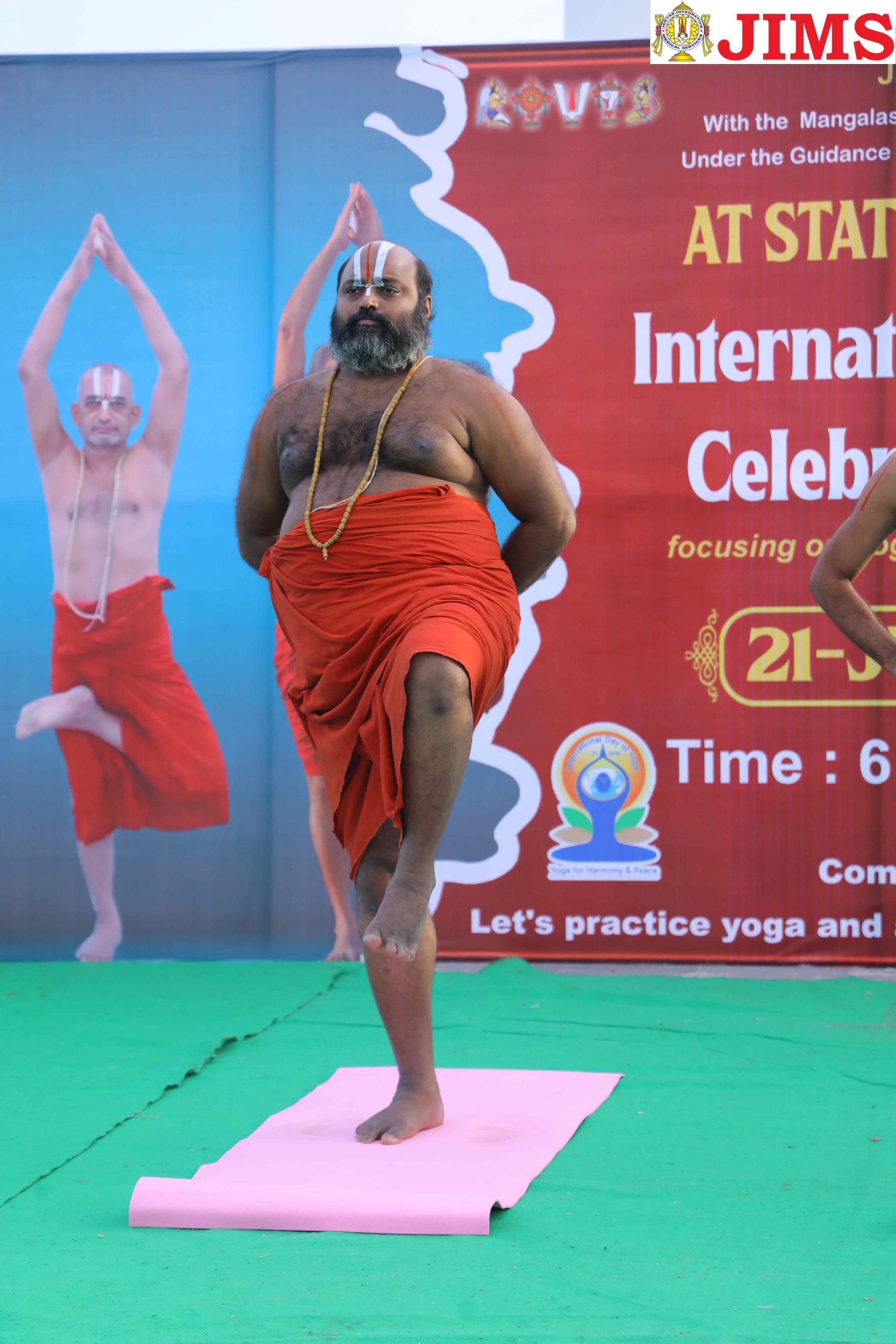
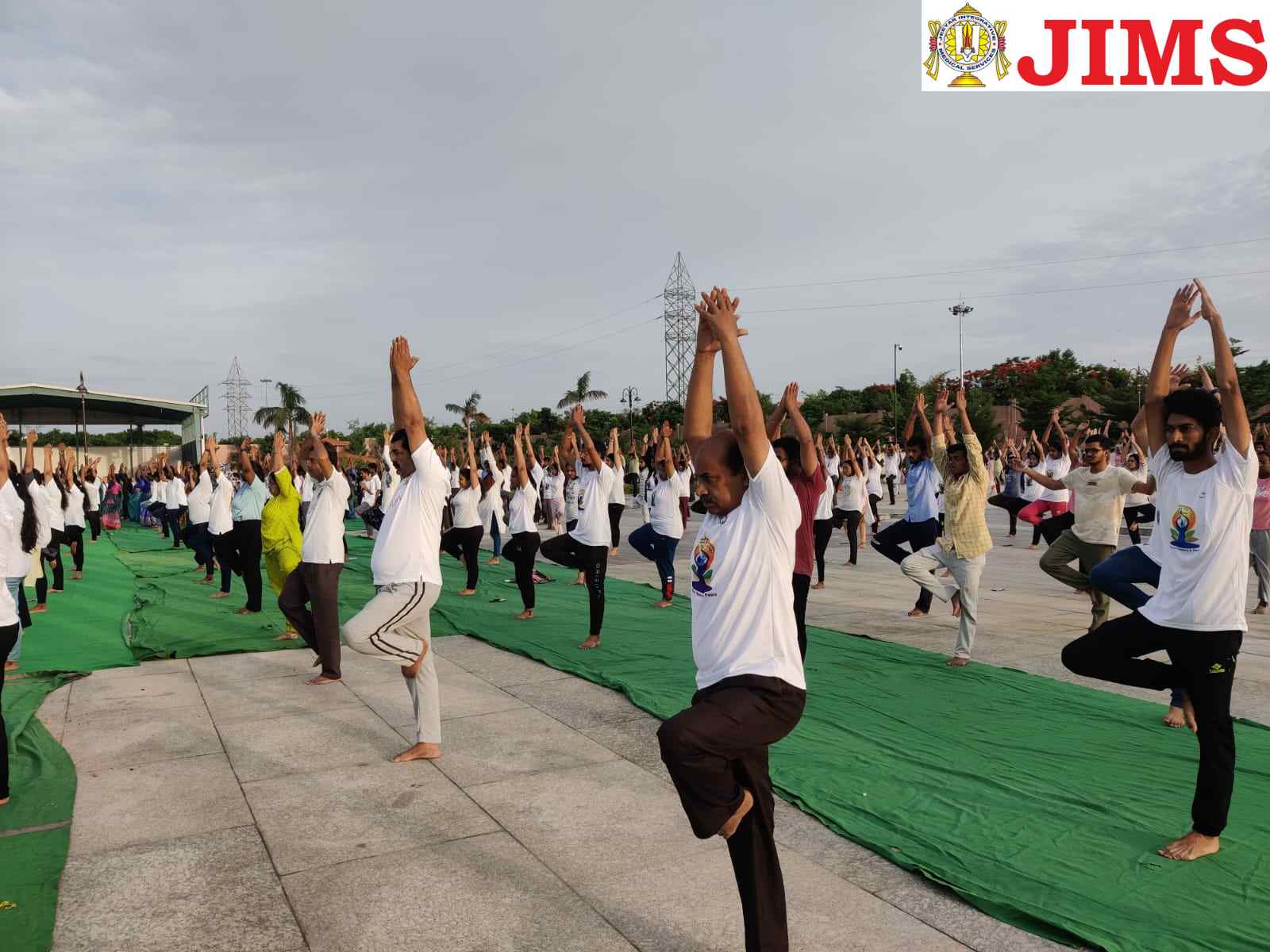
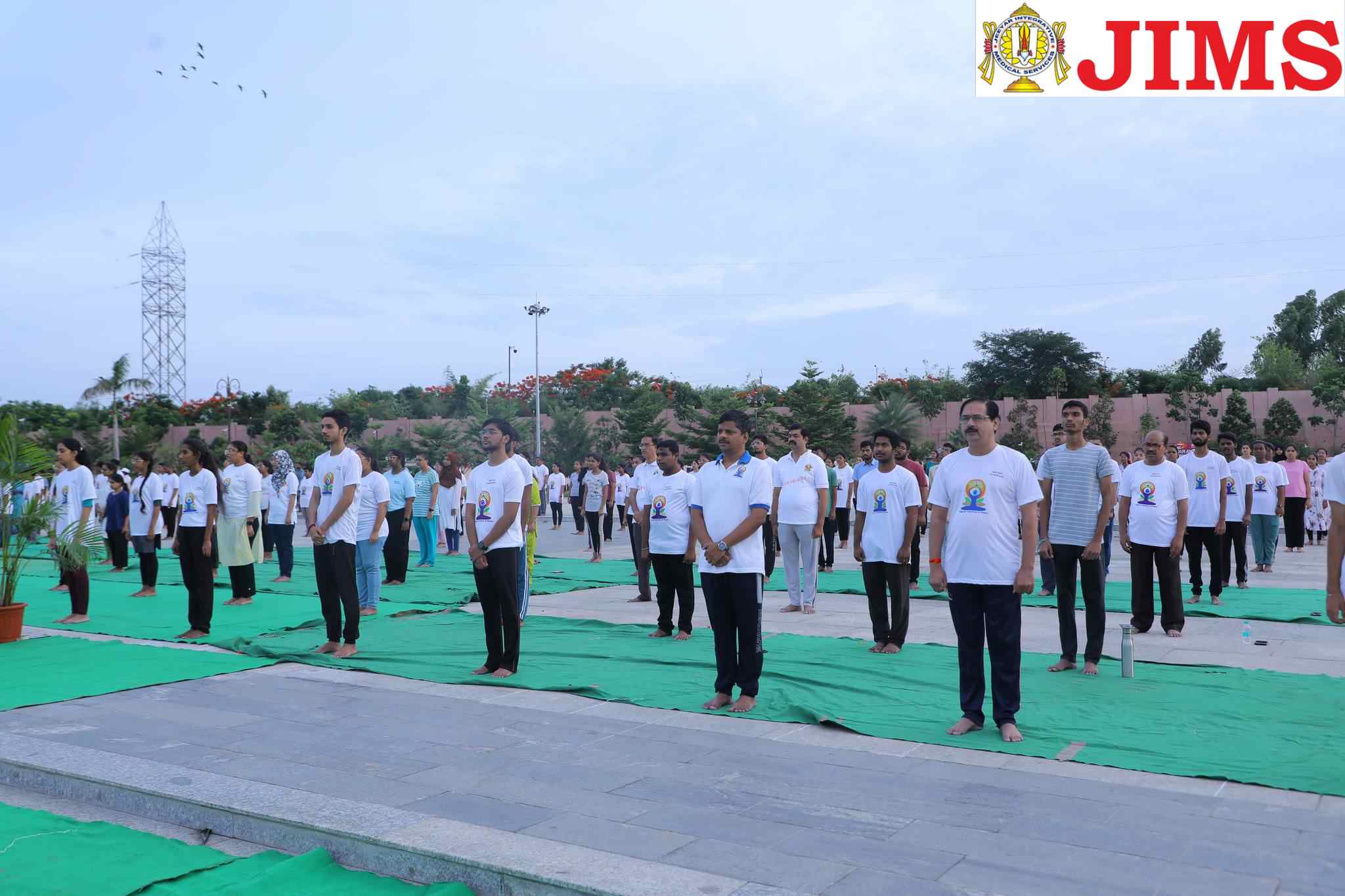
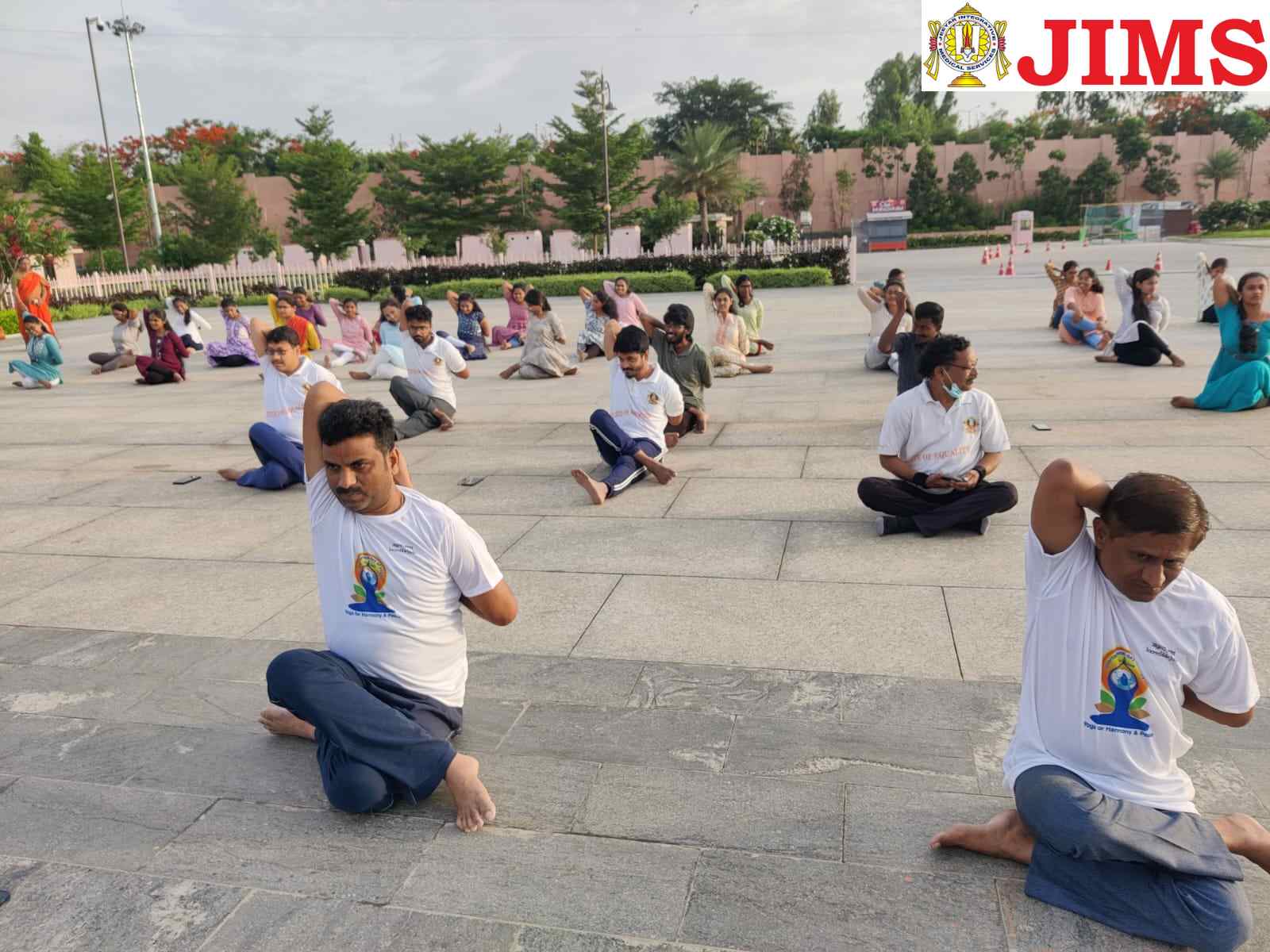
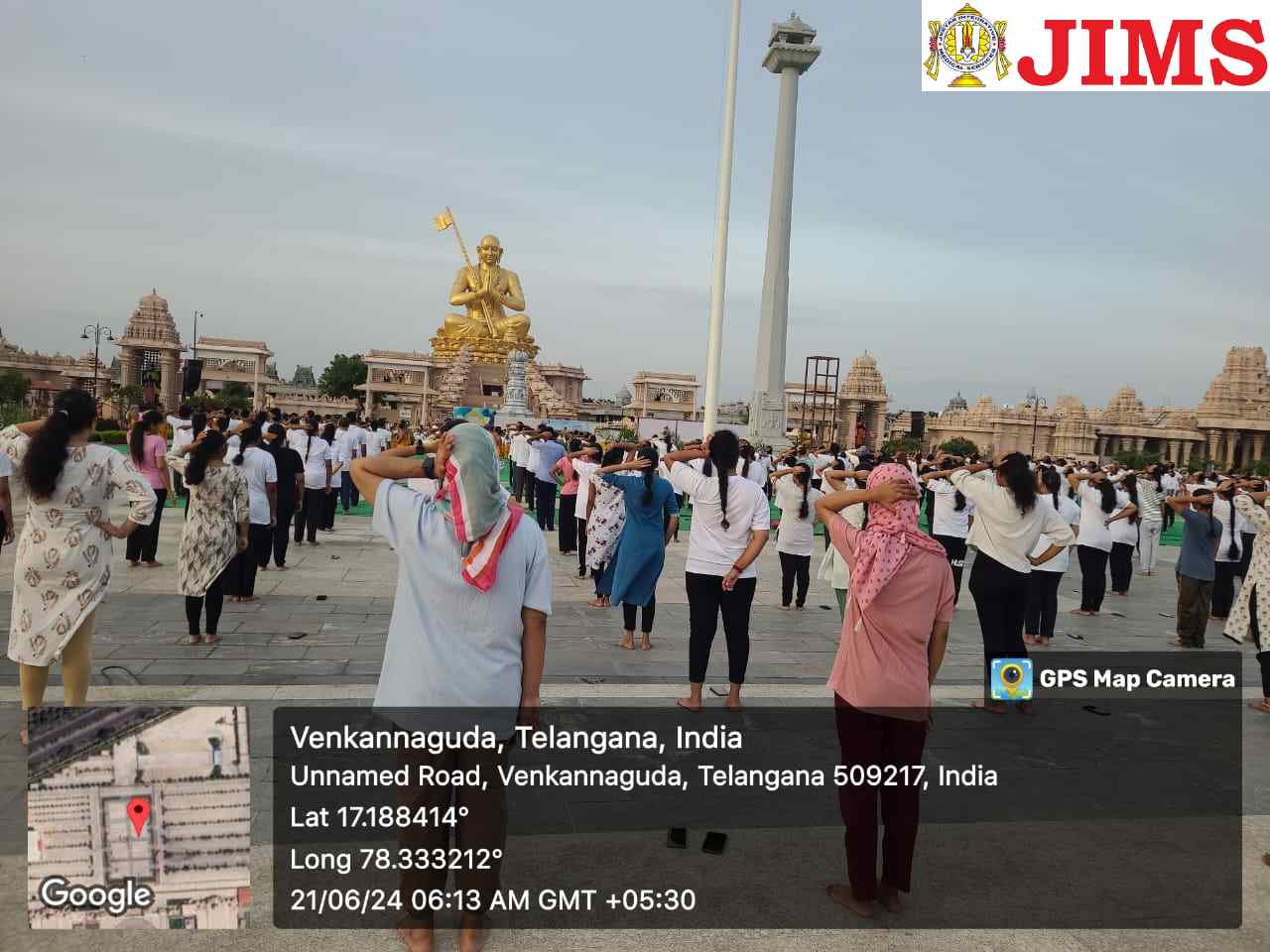
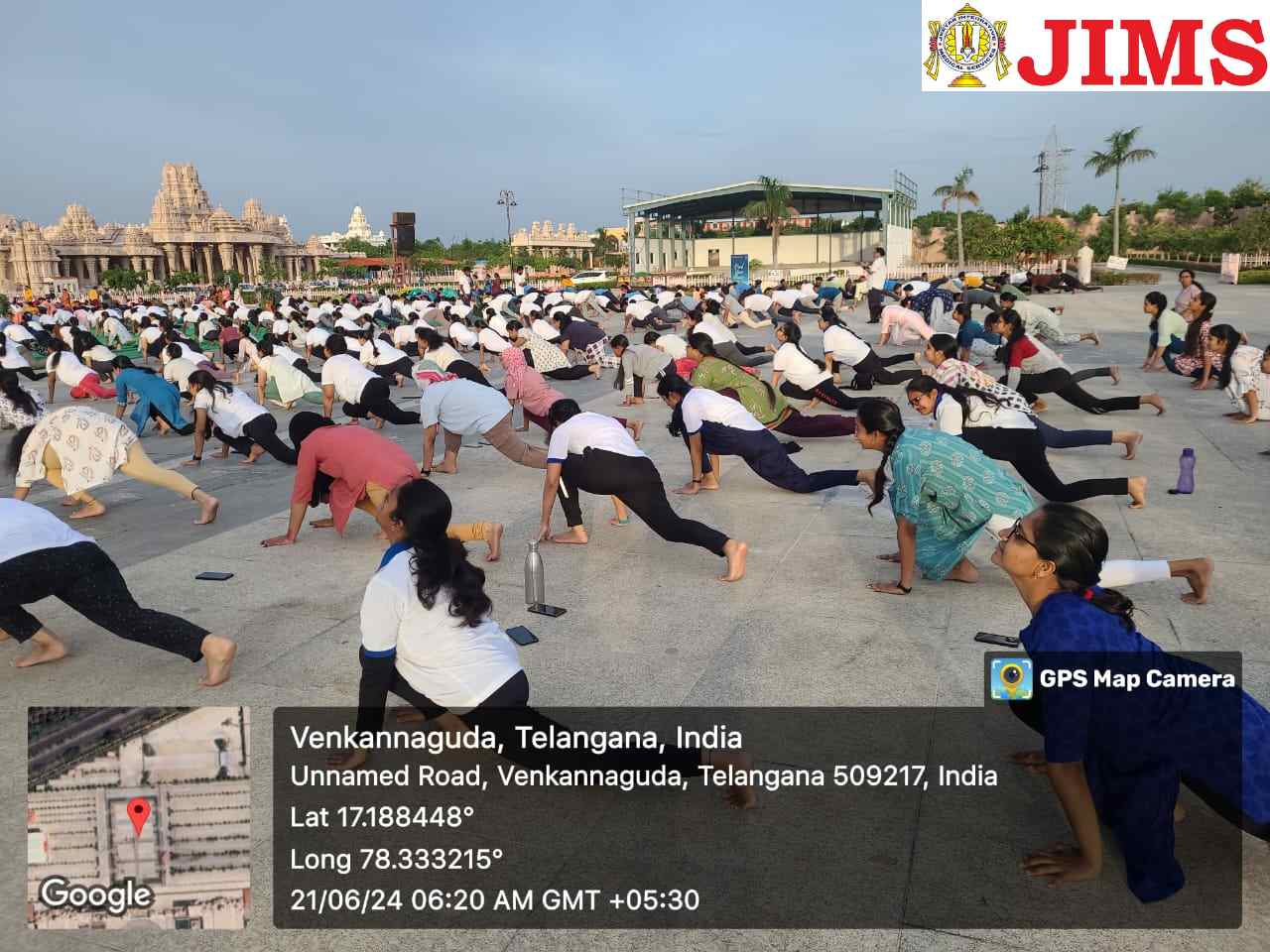
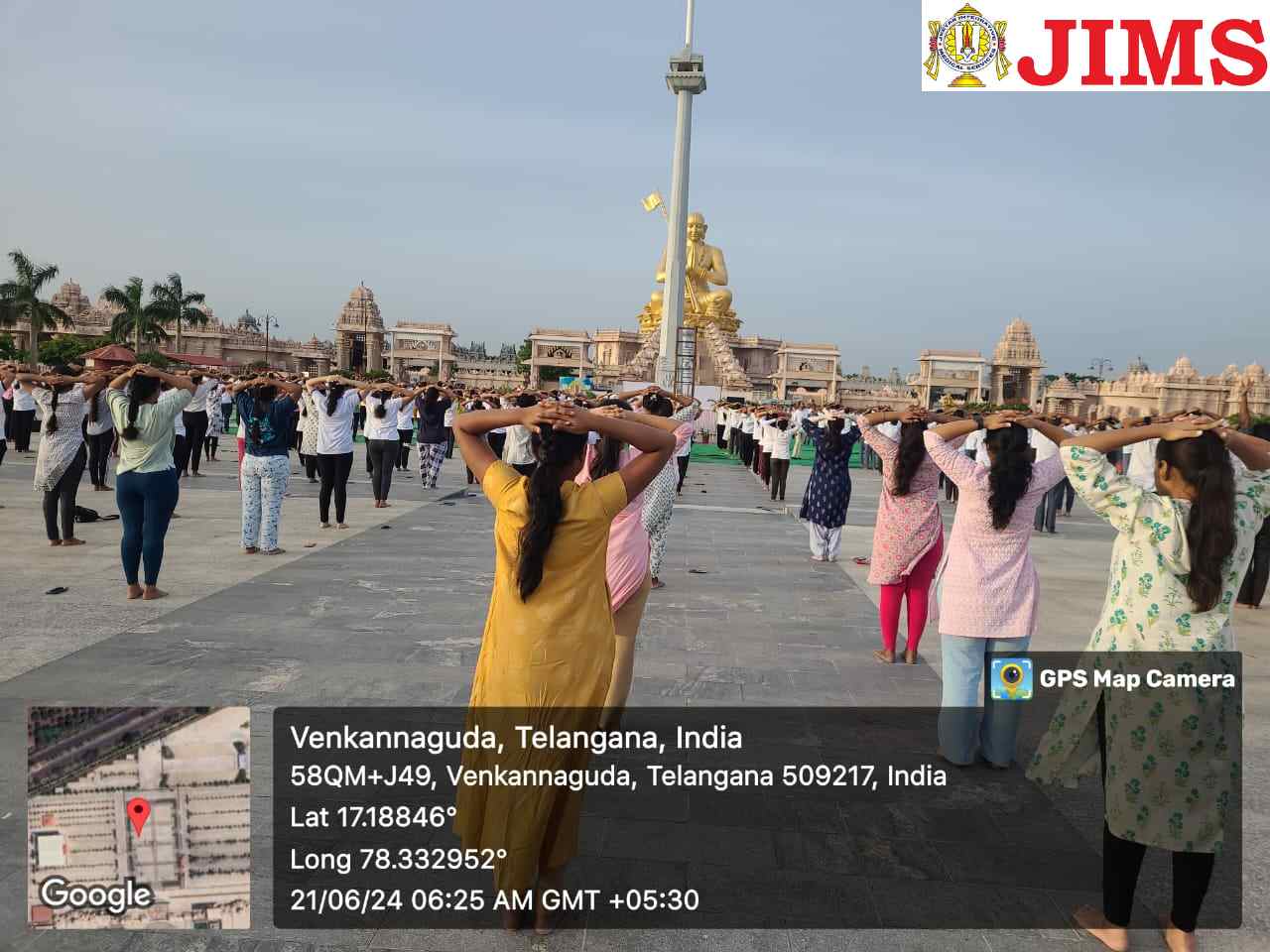
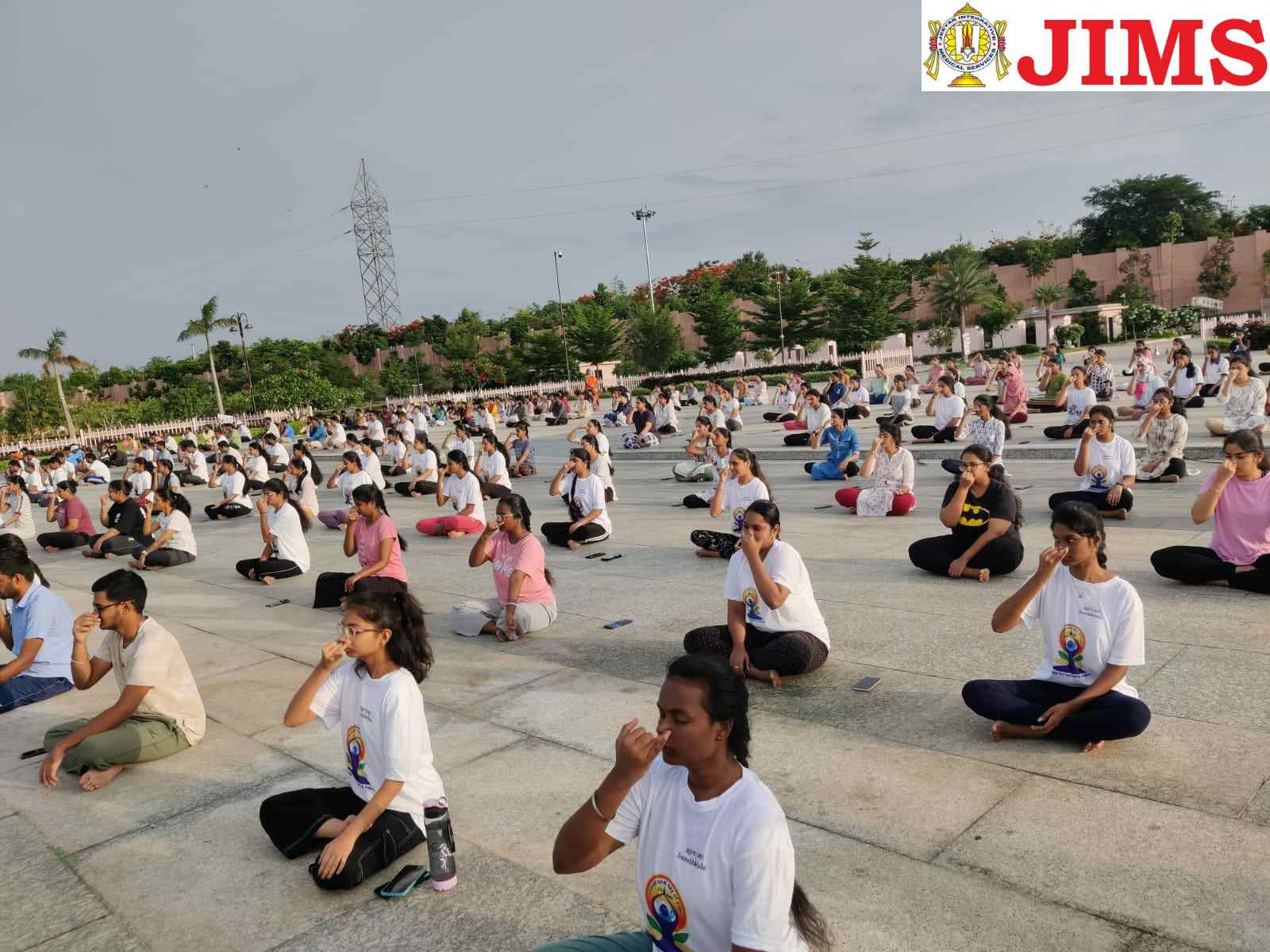
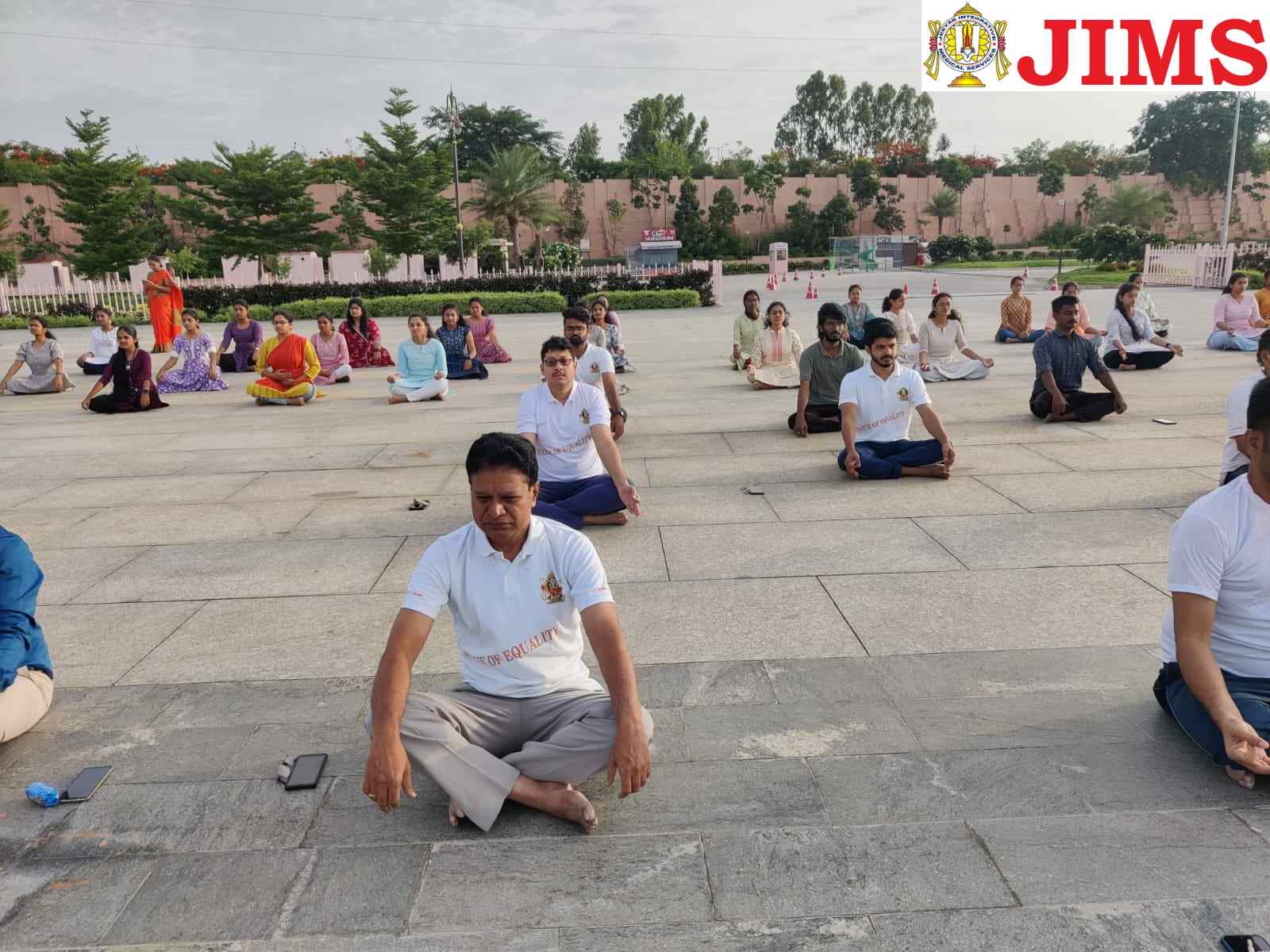
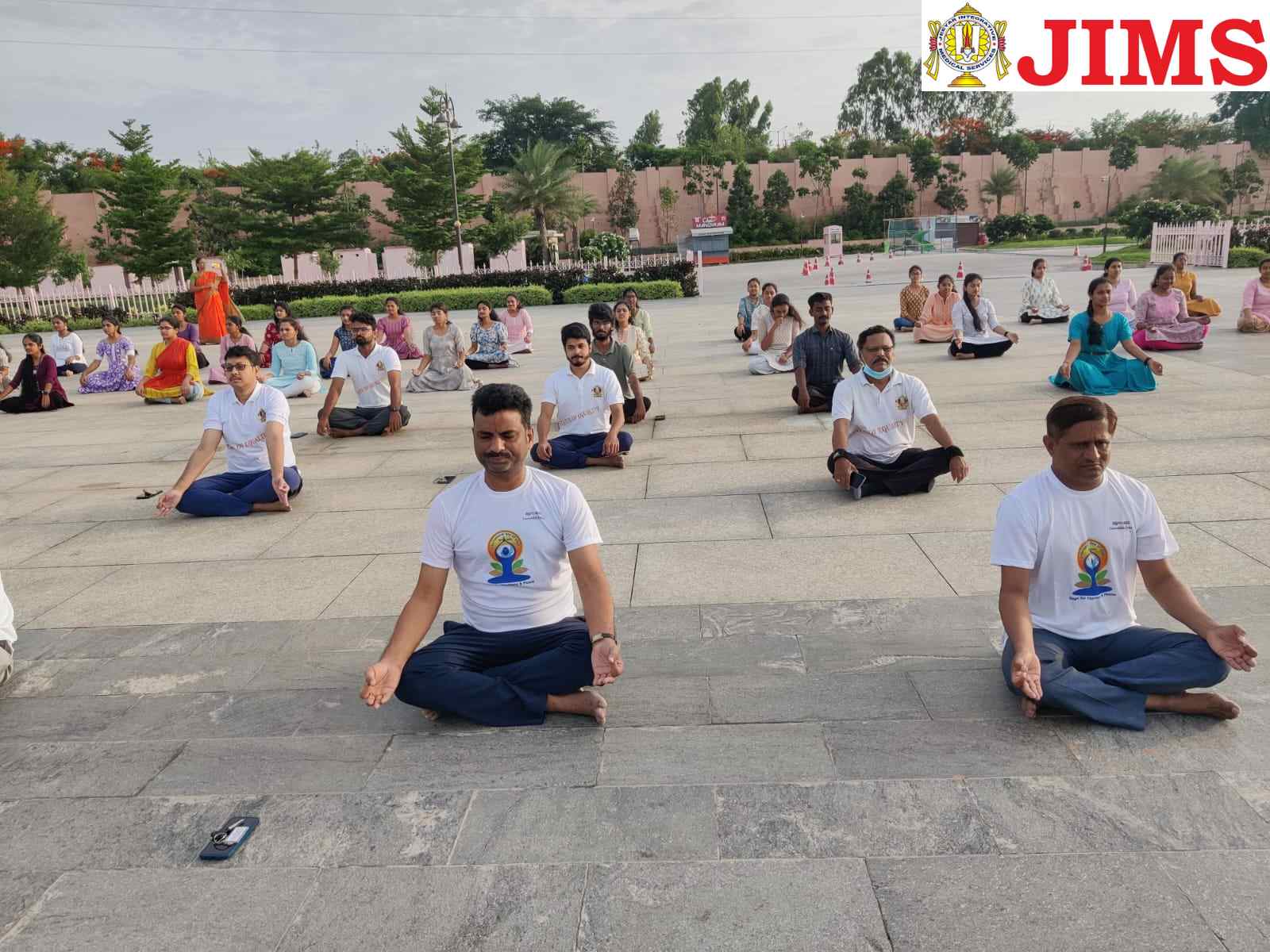
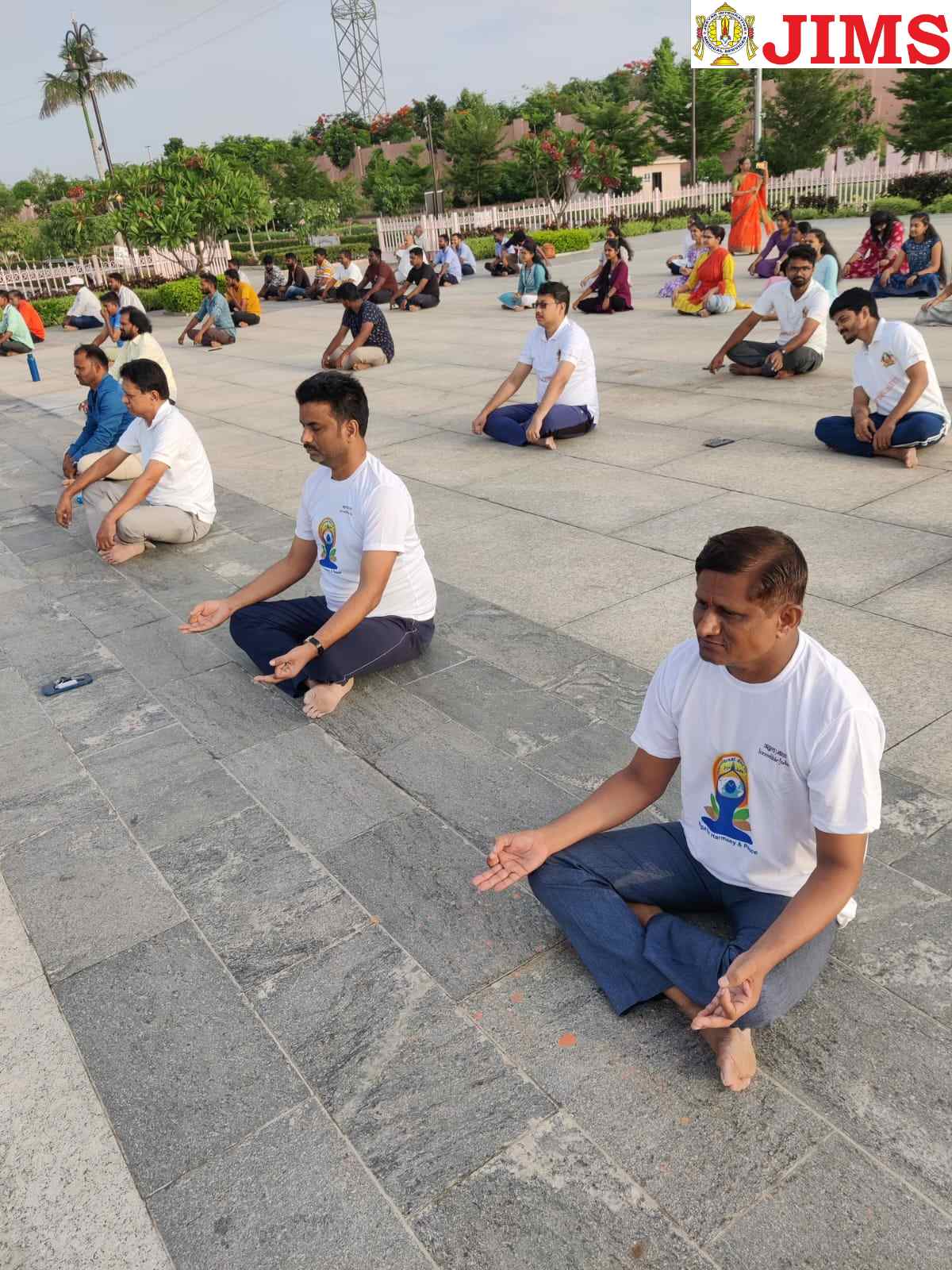
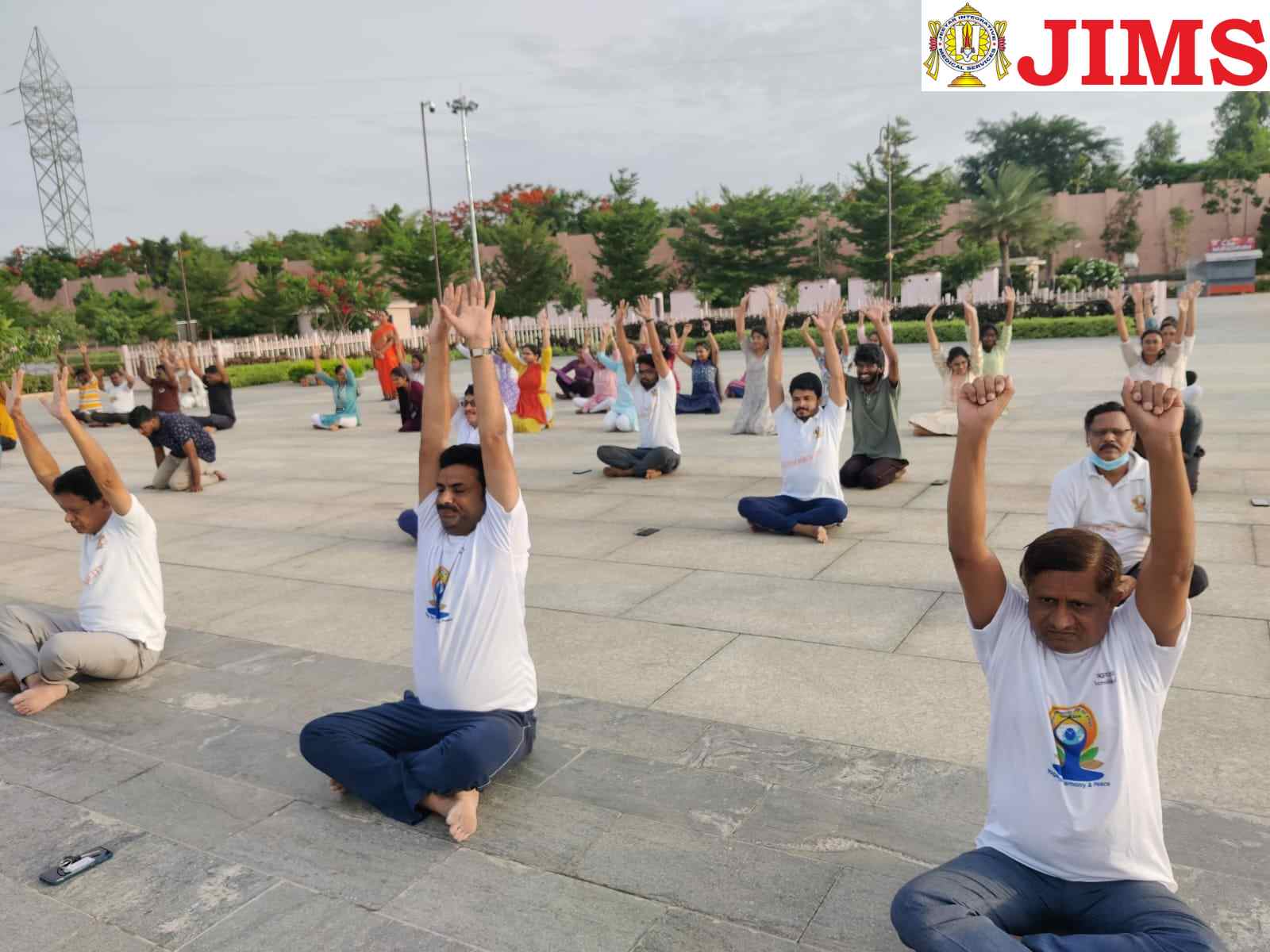
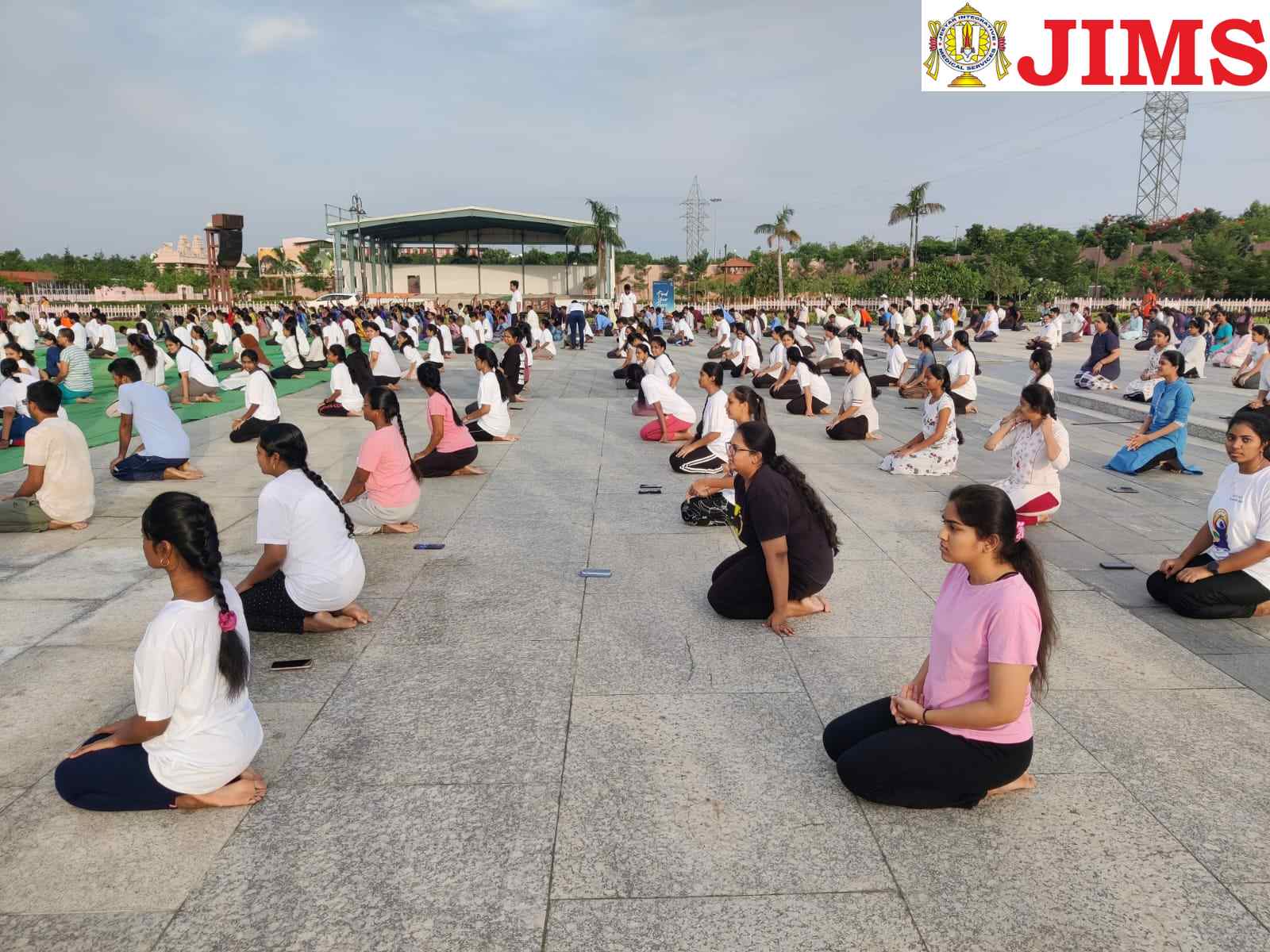
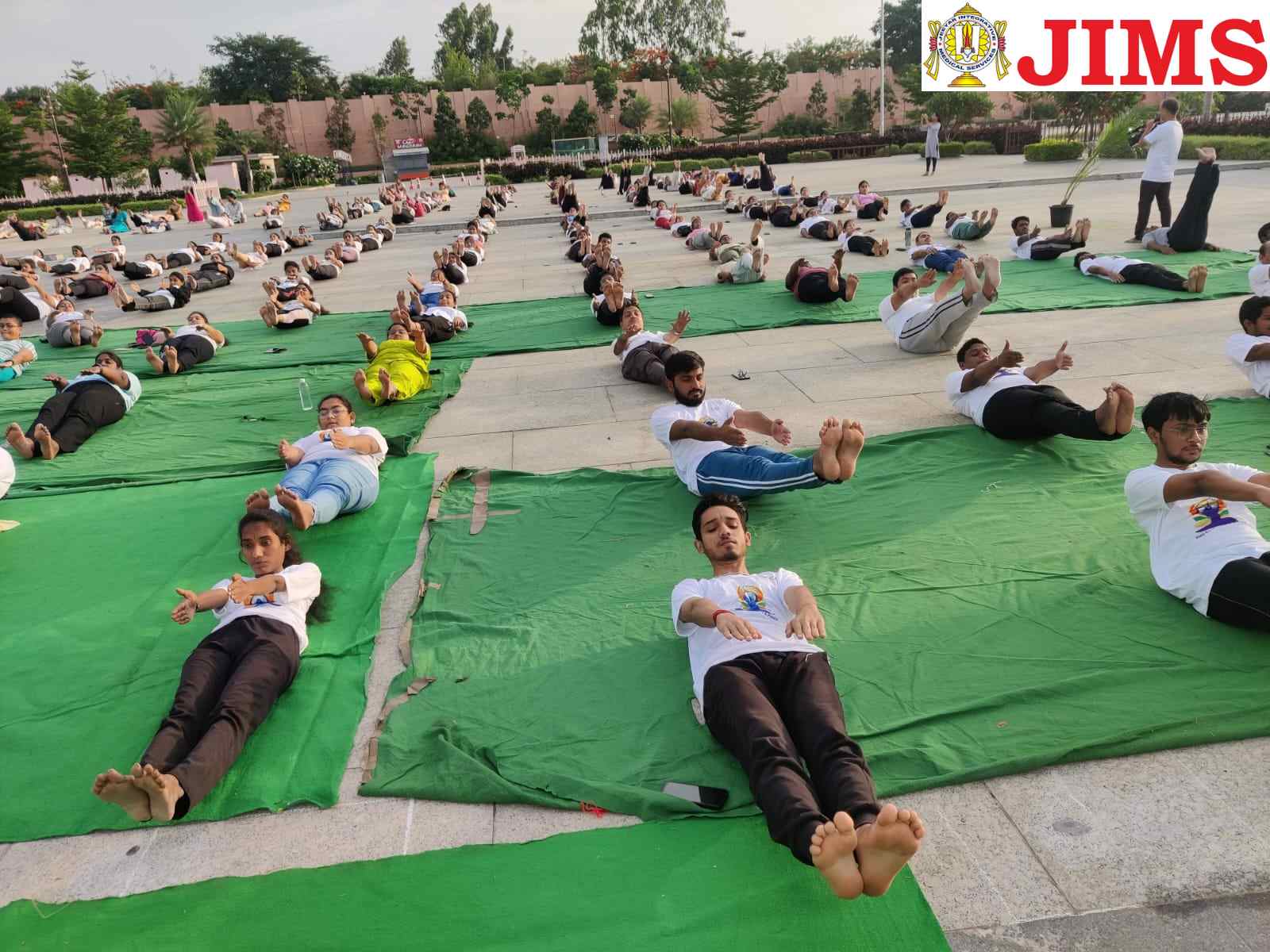
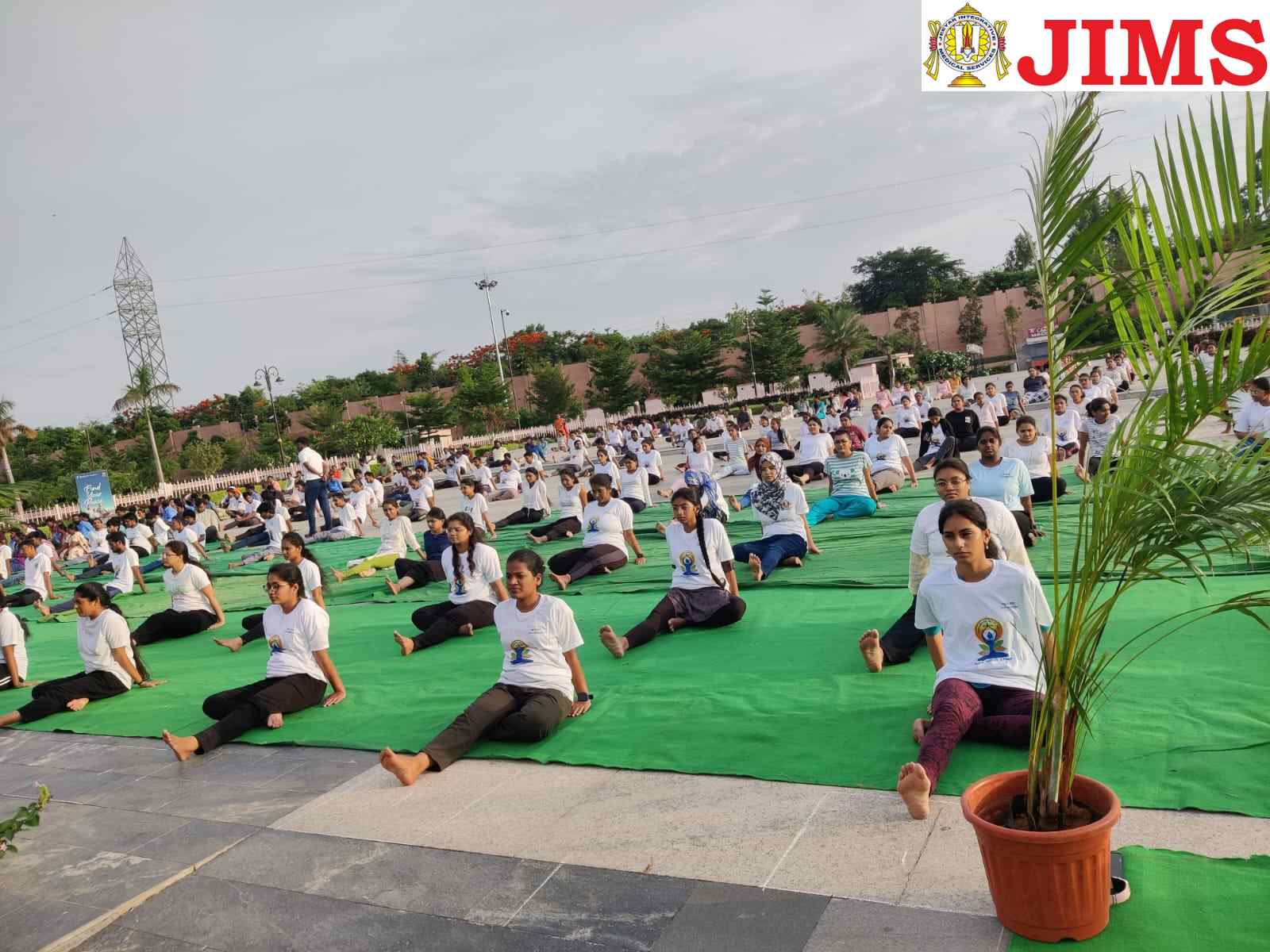
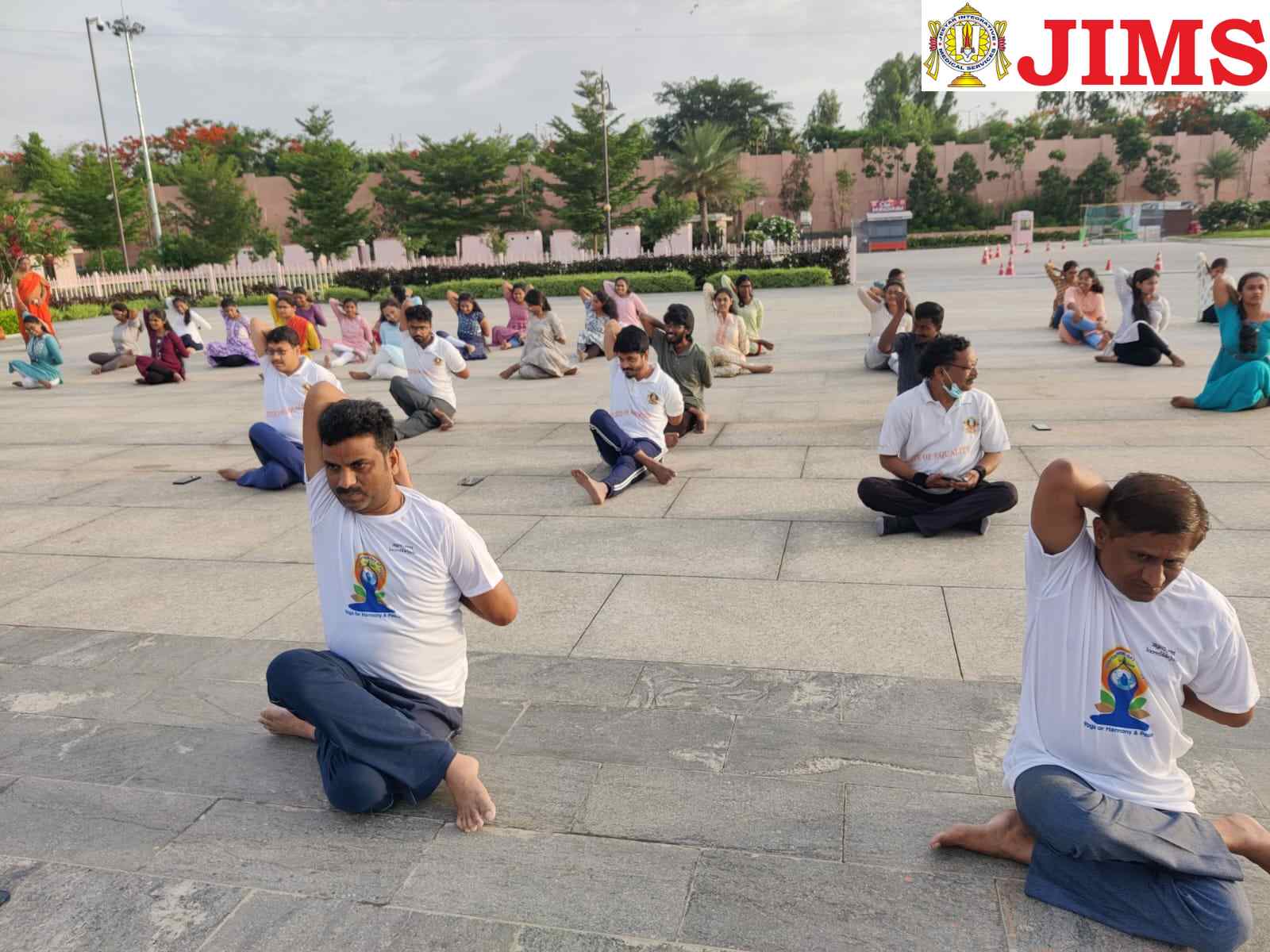
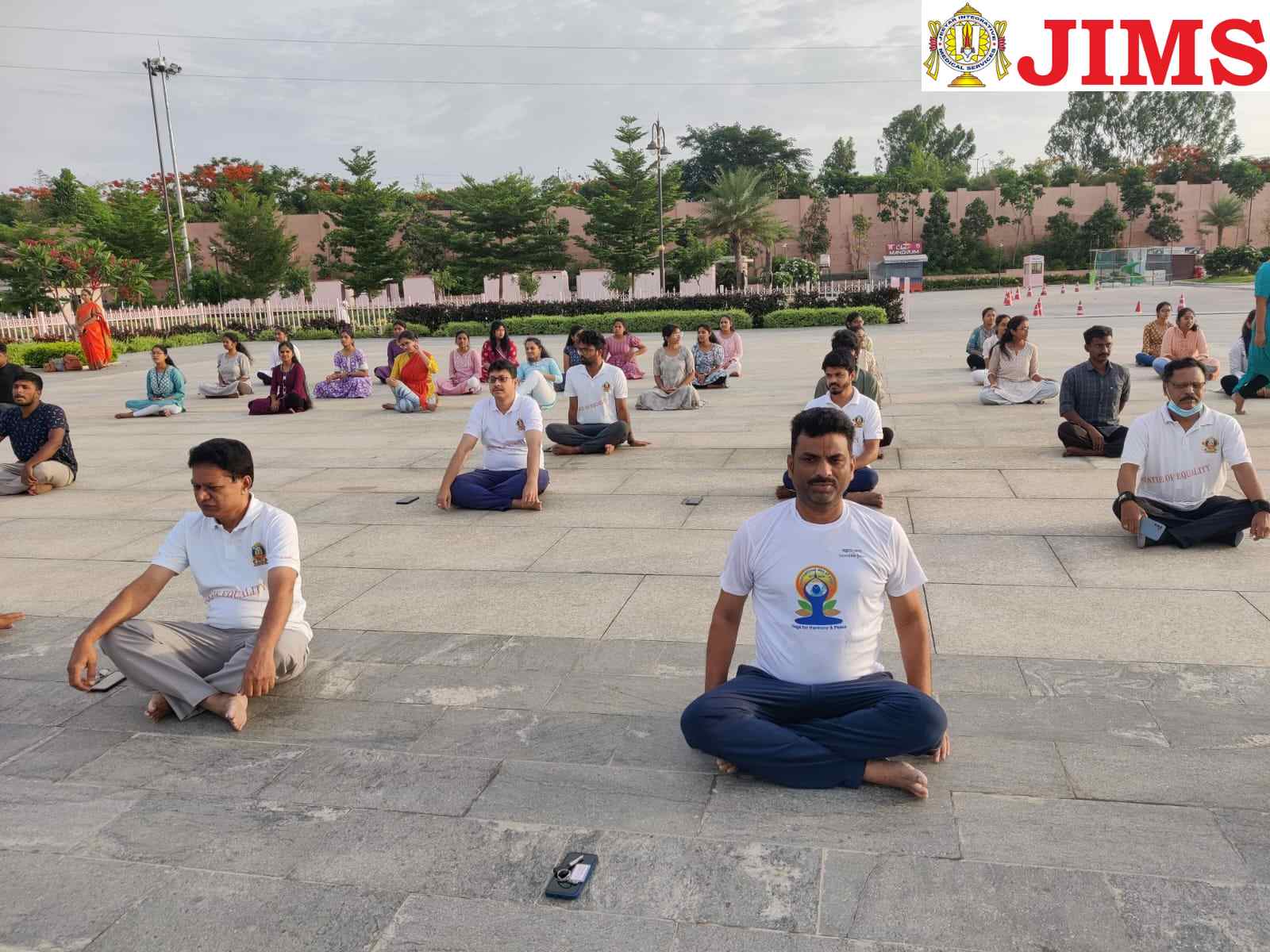
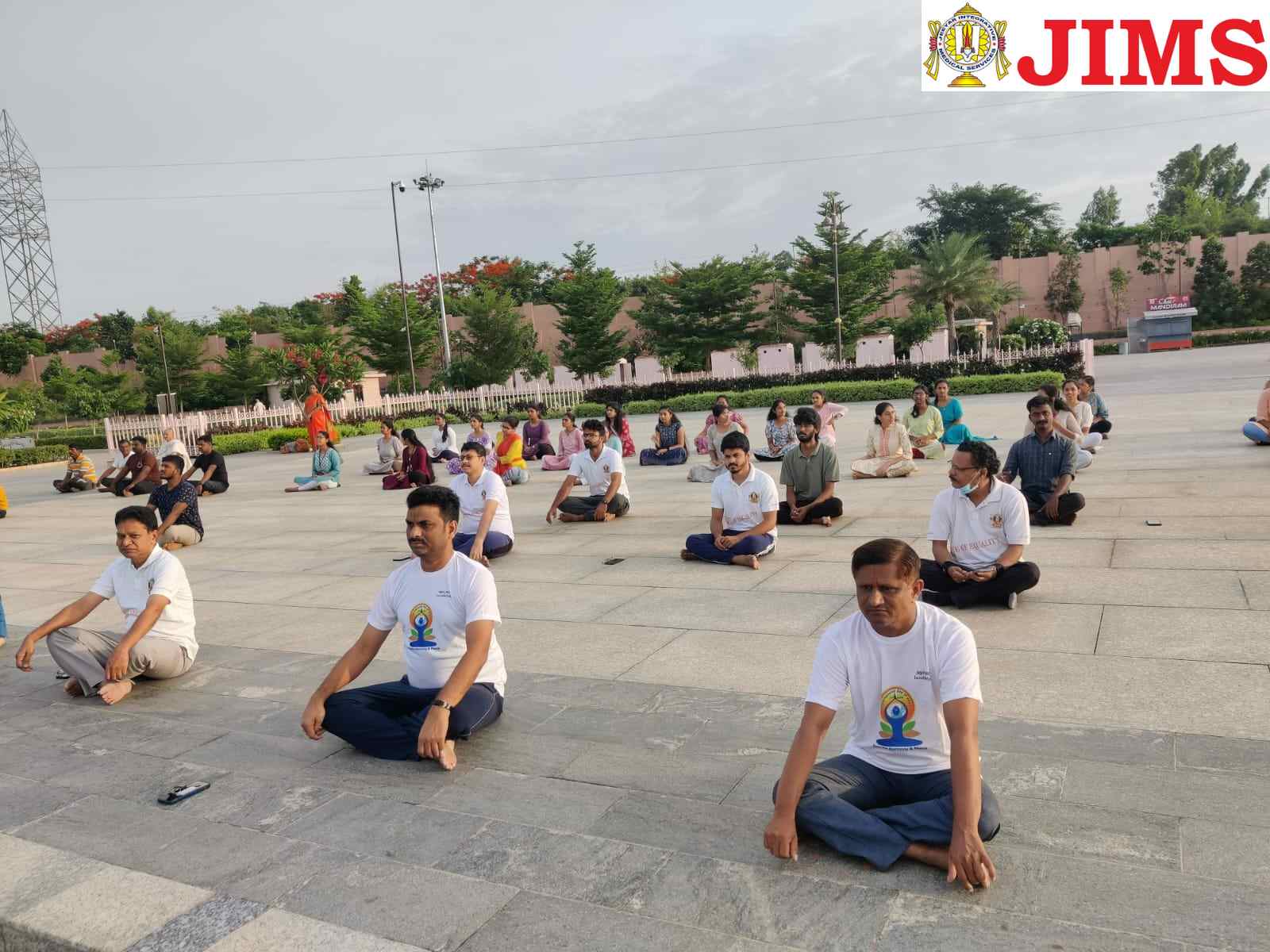
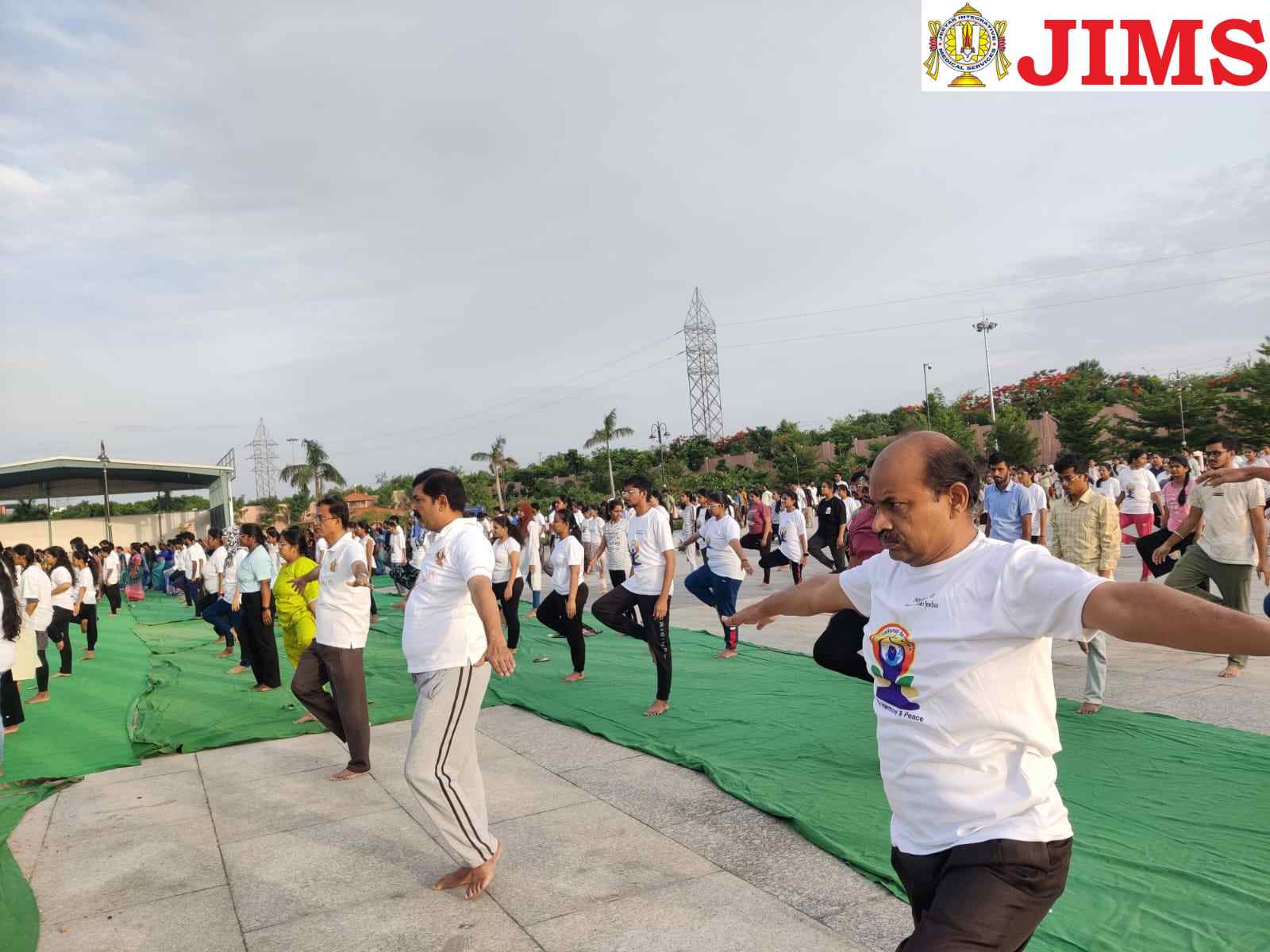
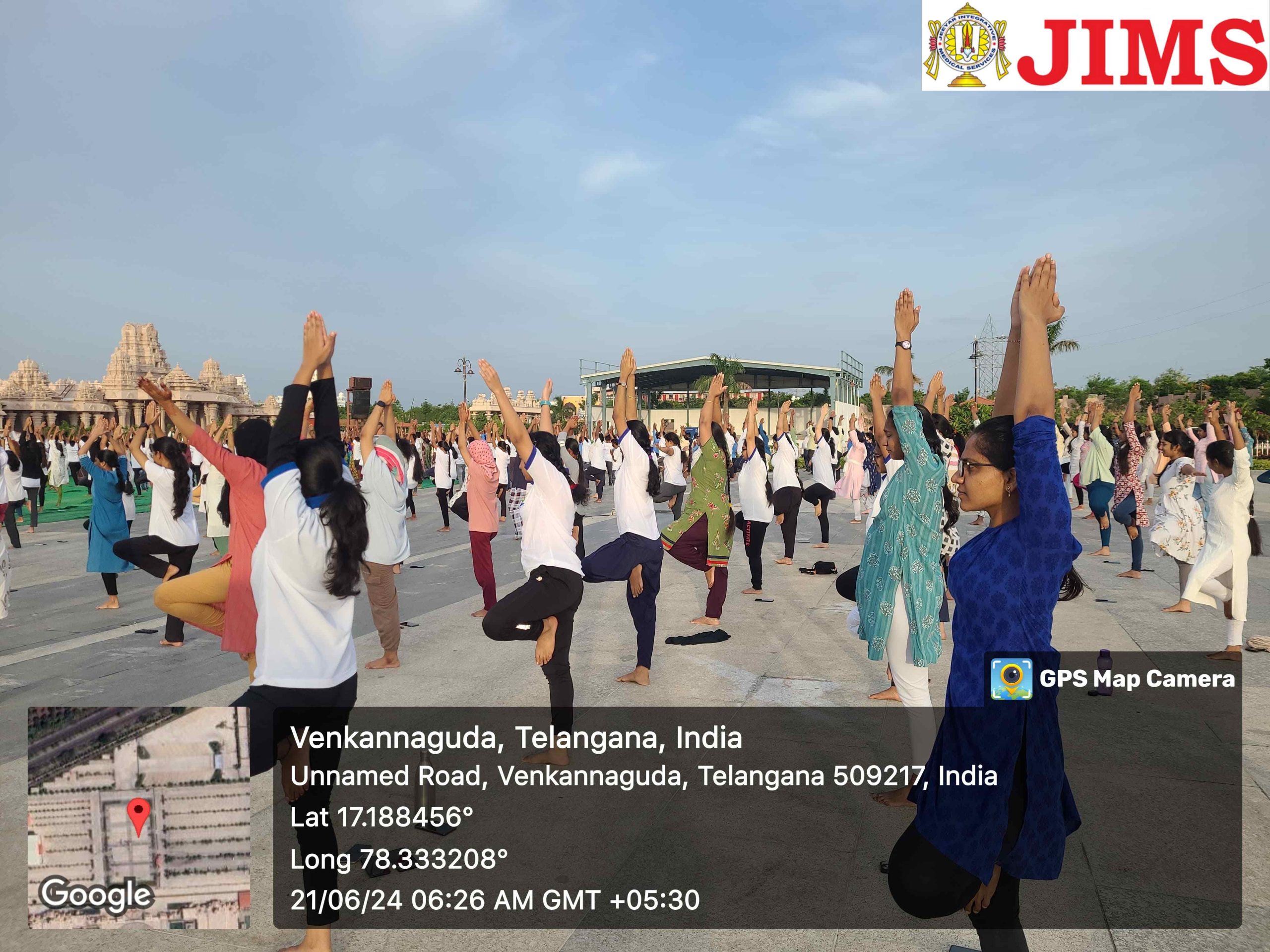
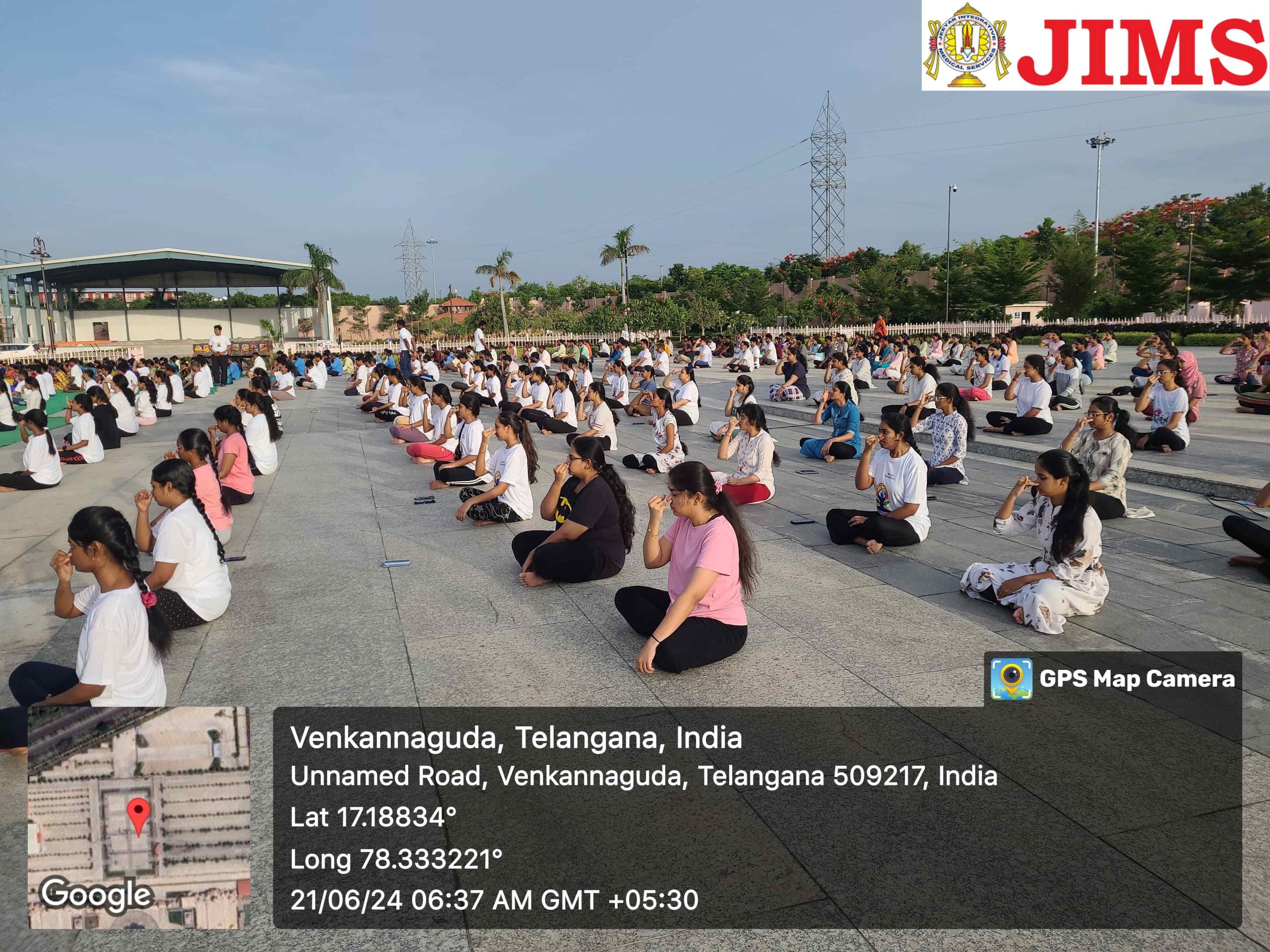
The ‘International Day of Yoga‘ celebration held at the Statue of Equality in Hyderabad on 21st June 2024 was a momentous occasion, organized by the Jeeyar Integrative Vedic Academy and JIMS Homoeopathic Medical College & Hospital in collaboration with the Ministry of Tourism, Government of India, Hyderabad.
The event highlighted yoga as a crucial element of our cultural and spiritual heritage, drawing participants from various institutions such as JIMS Homoeopathic Medical College & Hospital, Netra Vidhyalaya and JIVA Gurukulam.
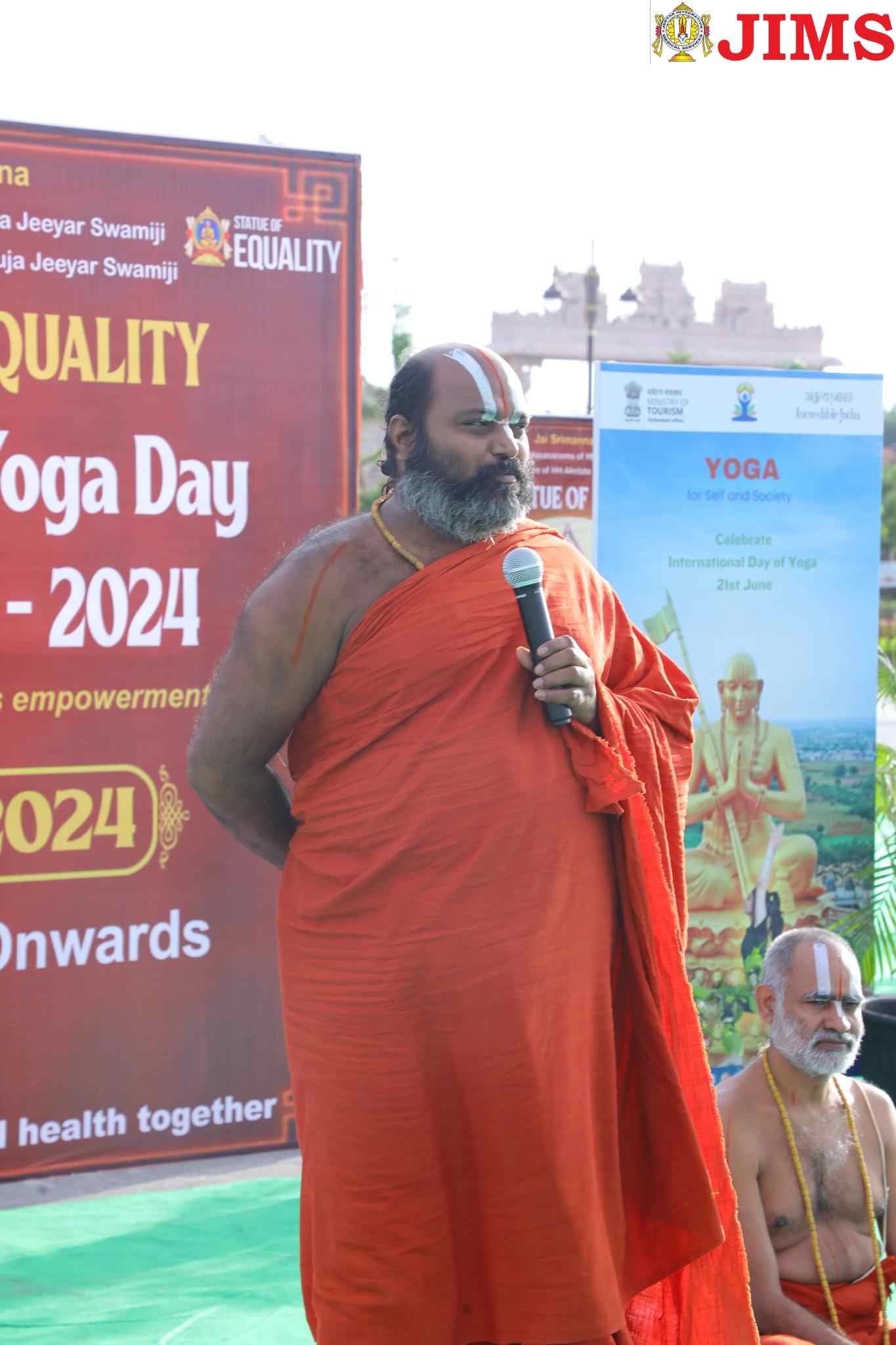
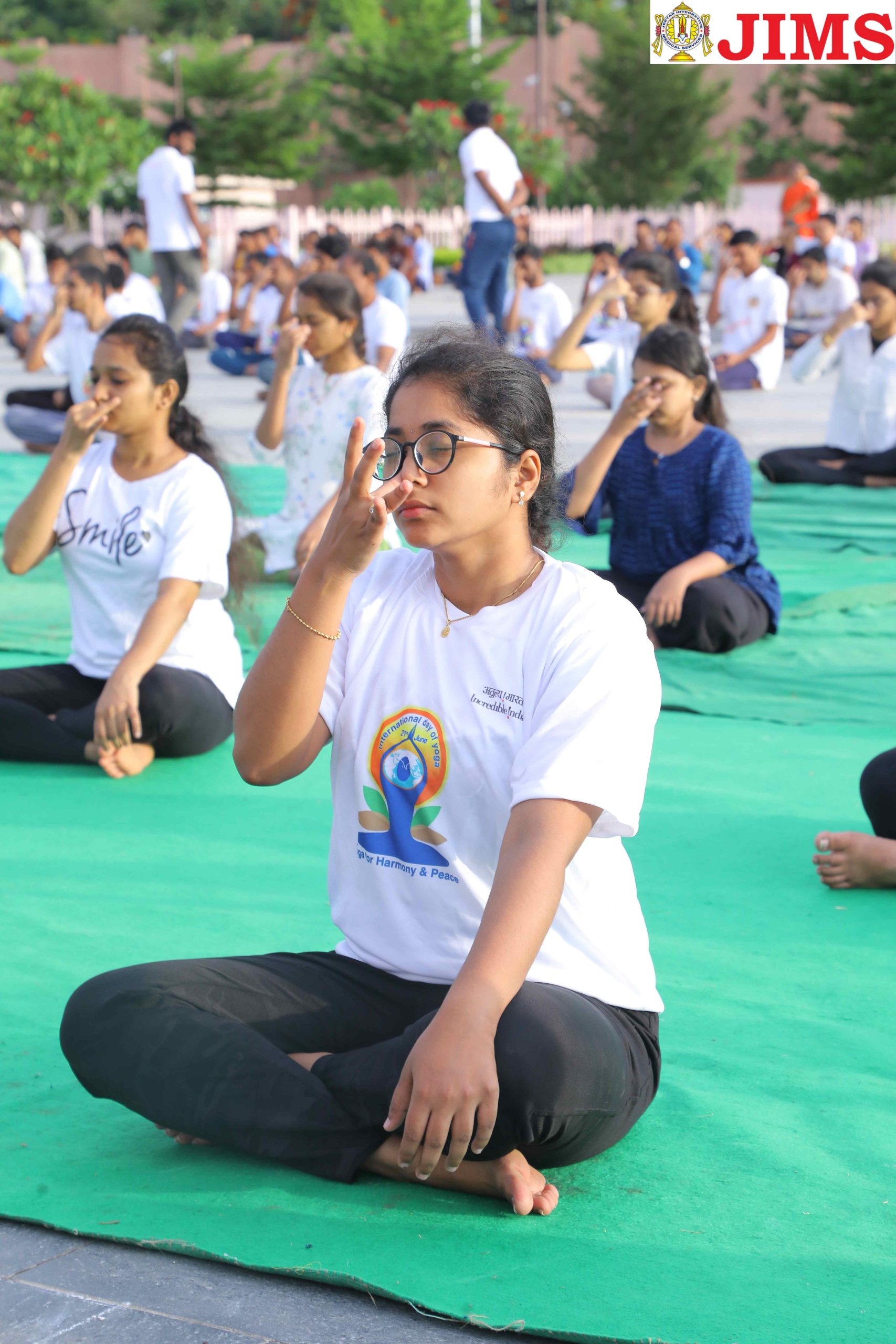
The ceremony commenced with a prayer followed by yoga asanas and pranayama symbolizing the unity and harmony intrinsic to yoga practice. Distinguished dignitaries including His Holiness Sri Ahobila Ramanuja Jeeyar Swamiji, His Holiness Sri Devanatha Jeeyar Swamiji, and Mr. Praveen Kumar, Tourist Officer of India tourism, Sri T.S Krishna Swamiji, Joint Secretary JIVA graced the occasion. They shared profound insights on the multifaceted benefits of yoga for physical, mental, and spiritual well-being, urging attendees to integrate yoga into their daily lives.
Dr. N. C Dhole, Principal of JIMS Homoeopathic Medical College and Hospital, delivered a keynote address emphasizing the theme ‘Yoga for Self and Society’. His speech resonated with the audience, encouraging them to prioritize self-care through yoga to attain a happier and healthier life.
The event served as a platform to inspire youth and participants to embrace yoga, fostering a deeper appreciation for this ancient practice. It brought together faculty members, students, interns, and postgraduate scholars, reinforcing the community’s commitment to promoting yoga as a cornerstone of holistic well-being.
IMPORTANCE OF YOGA IN HOMOEOPATHY
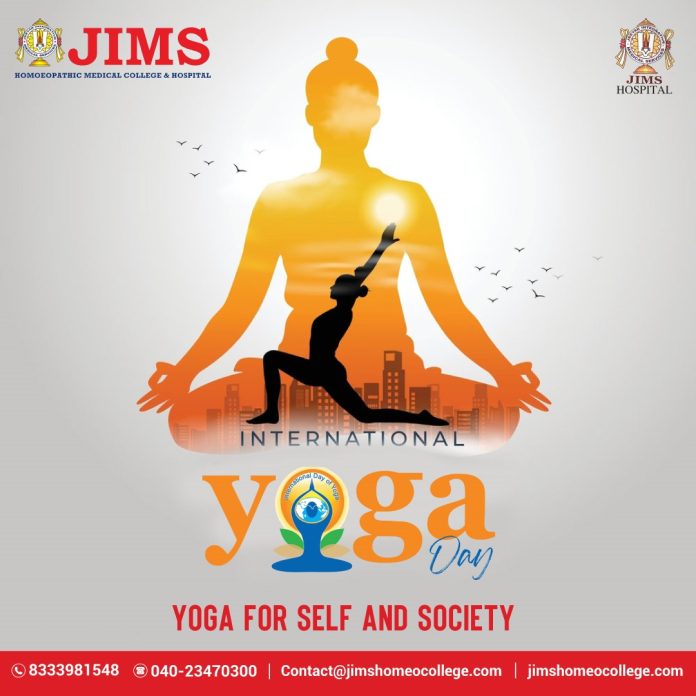
Yoga and homeopathy are both holistic systems of healing that share fundamental principles despite being distinct practices. Here’s why yoga is considered important in the context of homeopathy:
- Holistic Approach: Both yoga and homeopathy emphasize treating the whole person rather than just the symptoms of a disease. They acknowledge the interconnectedness of physical, mental, and emotional aspects of health.
- Stress Management: Yoga is renowned for its ability to reduce stress through various techniques such as asanas (postures), pranayama (breathing exercises), and meditation. Since stress is often a significant factor in many illnesses, including those treated by homeopathy, yoga can complement homeopathic treatments by promoting relaxation and overall well-being.
- Enhanced Vitality: Yoga practices are designed to enhance vitality and improve the body’s natural healing abilities. This can potentially support and accelerate the healing process initiated by homeopathic remedies, which aim to stimulate the body’s innate healing mechanisms.
- Improved Resilience: Regular practice of yoga can strengthen the immune system and improve resilience against illnesses. This can be particularly beneficial for individuals undergoing homeopathic treatment, as a strong immune system supports the body’s response to remedies.
- Psychological Benefits: Yoga promotes mental clarity, emotional balance, and mindfulness, which are essential for overall health and are also beneficial for patients undergoing homeopathic treatment. A calm mind and balanced emotions can aid in the effectiveness of homeopathic remedies.
- Lifestyle Alignment: Both yoga and homeopathy advocate for a healthy lifestyle that includes balanced nutrition, adequate sleep, regular exercise, and stress management. When practiced together, they reinforce these principles, enhancing the overall therapeutic effect.
- Preventive Health: Yoga’s emphasis on maintaining health and preventing illnesses aligns with homeopathy’s goal of preventing disease progression and promoting long-term well-being. Incorporating yoga into one’s routine can thus support the preventive aspect of homeopathic treatments.
In summary, yoga and homeopathy complement each other by promoting holistic health, reducing stress, enhancing vitality, improving resilience, and supporting overall well-being. When integrated thoughtfully, they can synergistically contribute to a patient’s journey towards health and healing.
Dr. SANTOSH KUMAR
PROFESSOR &HOD
DEPARTMENT OF PHYSIOLOGY AND BIOCHEMISTRY.