Home Blog Page 20

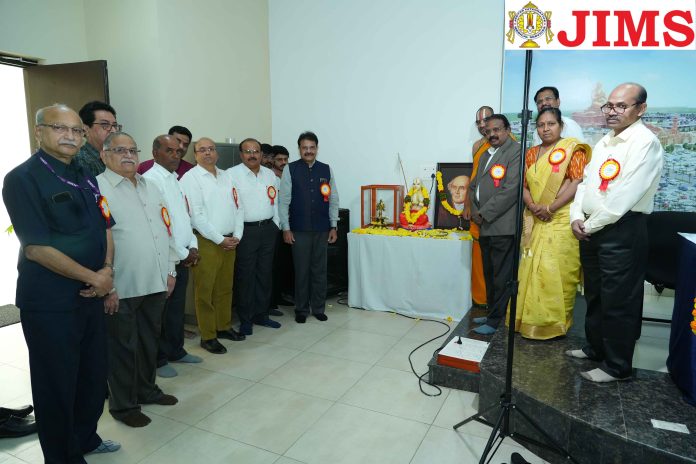
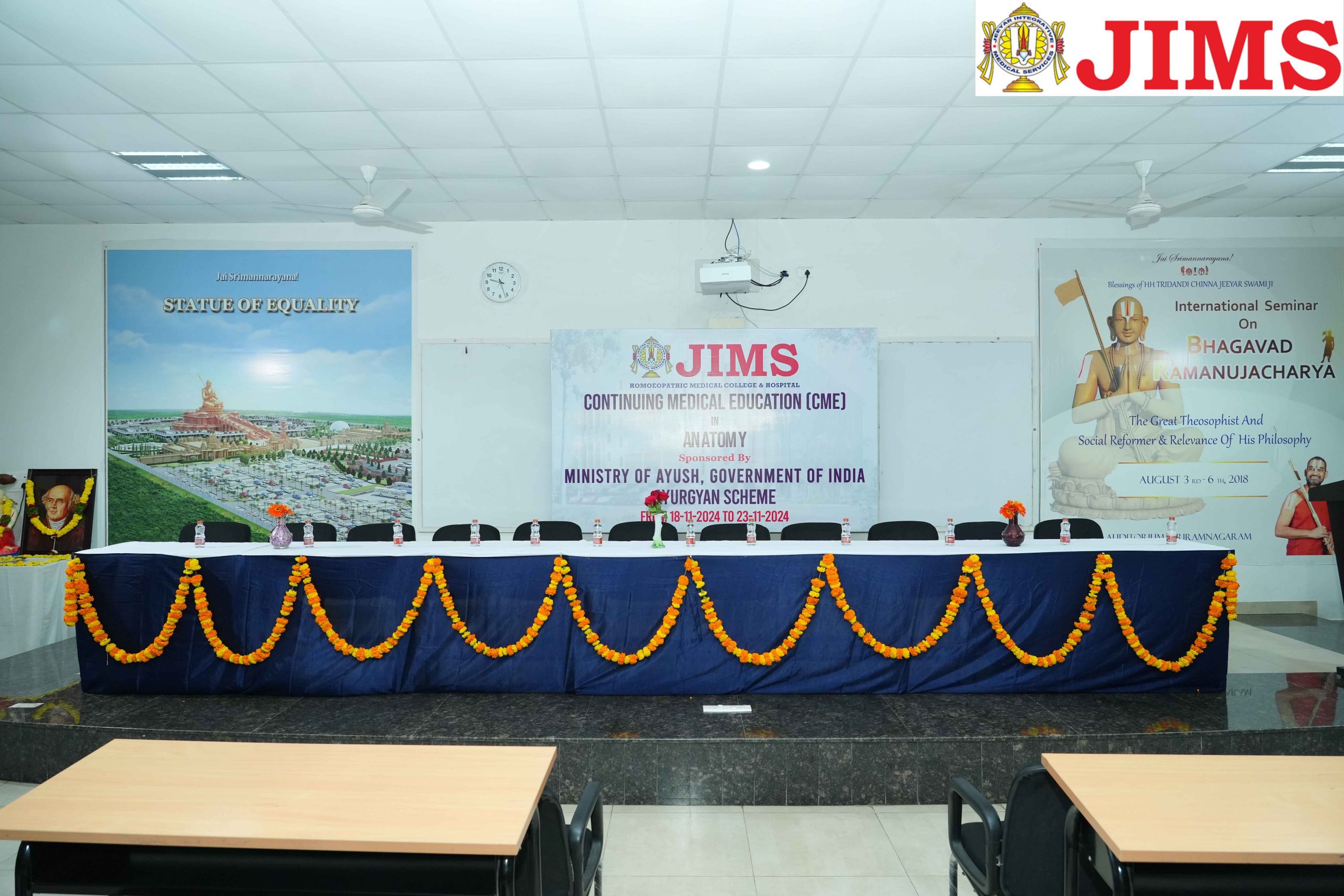
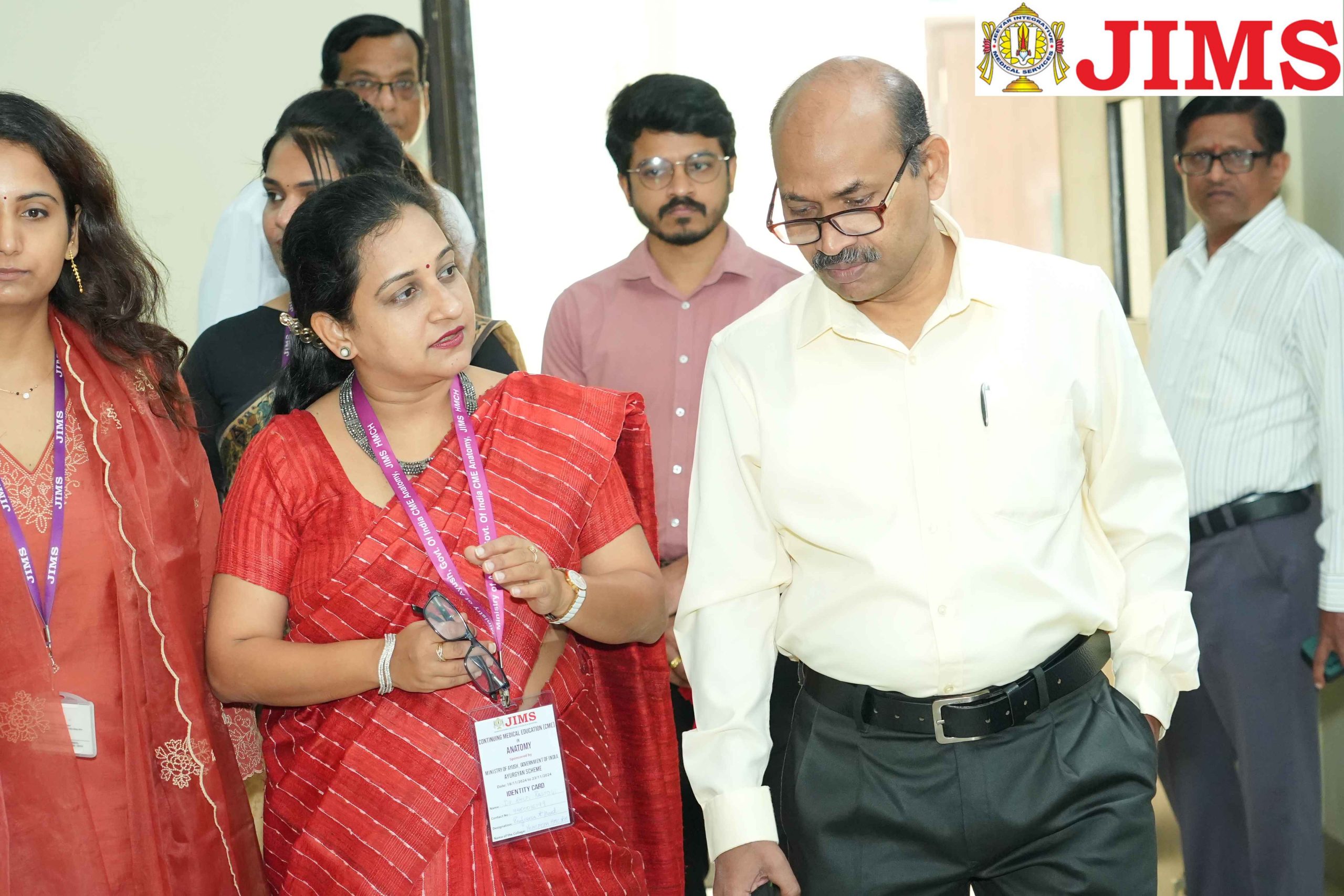
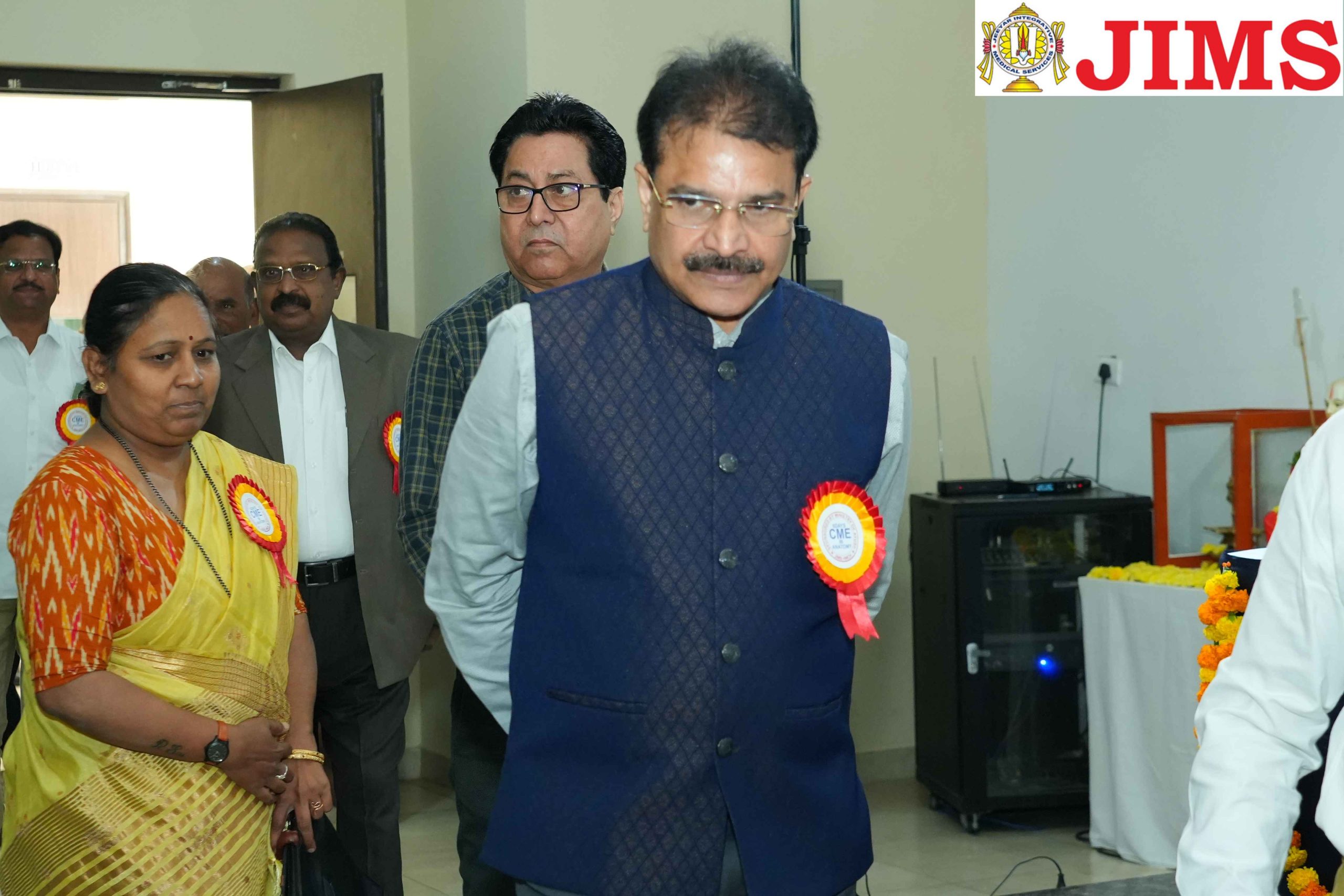
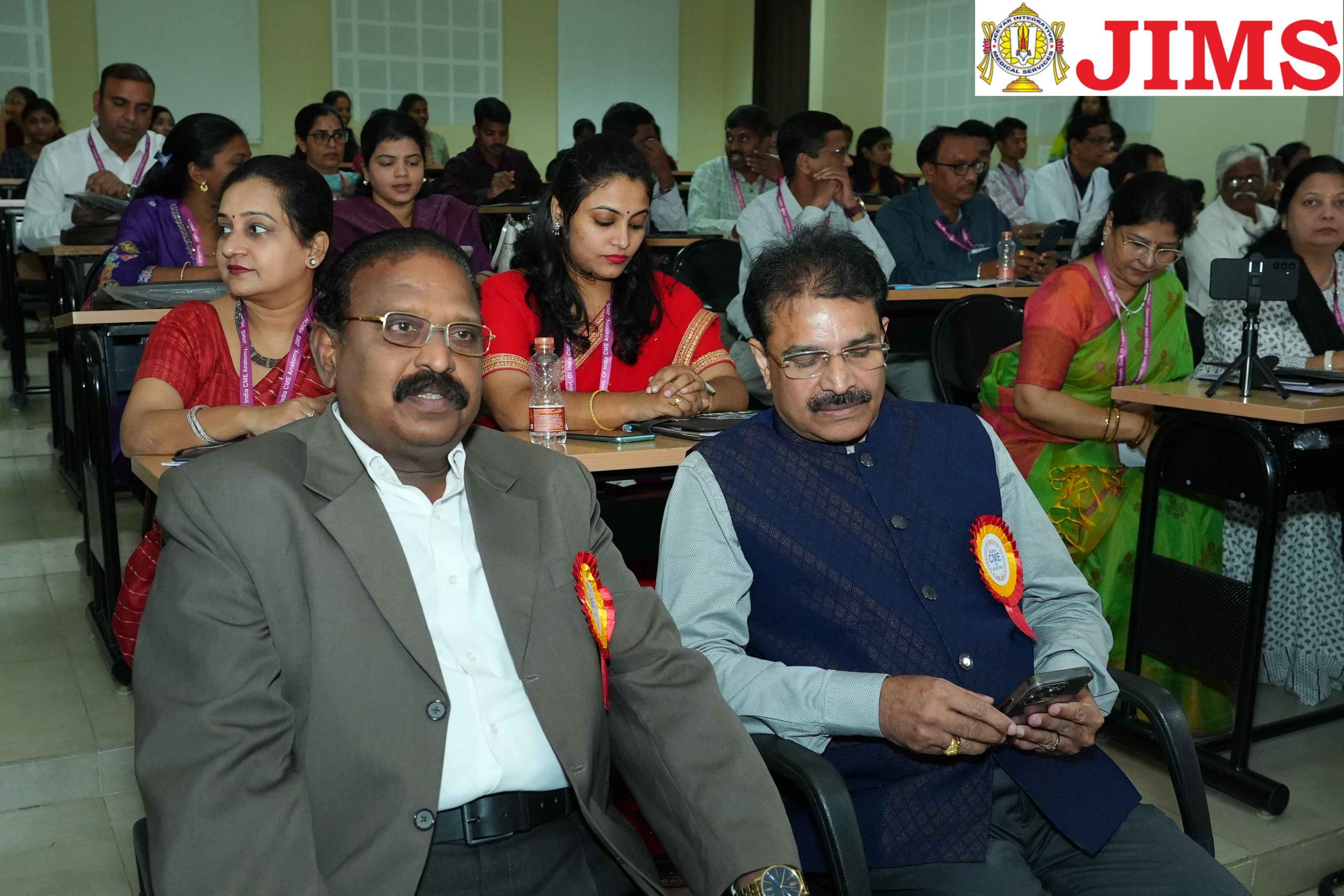
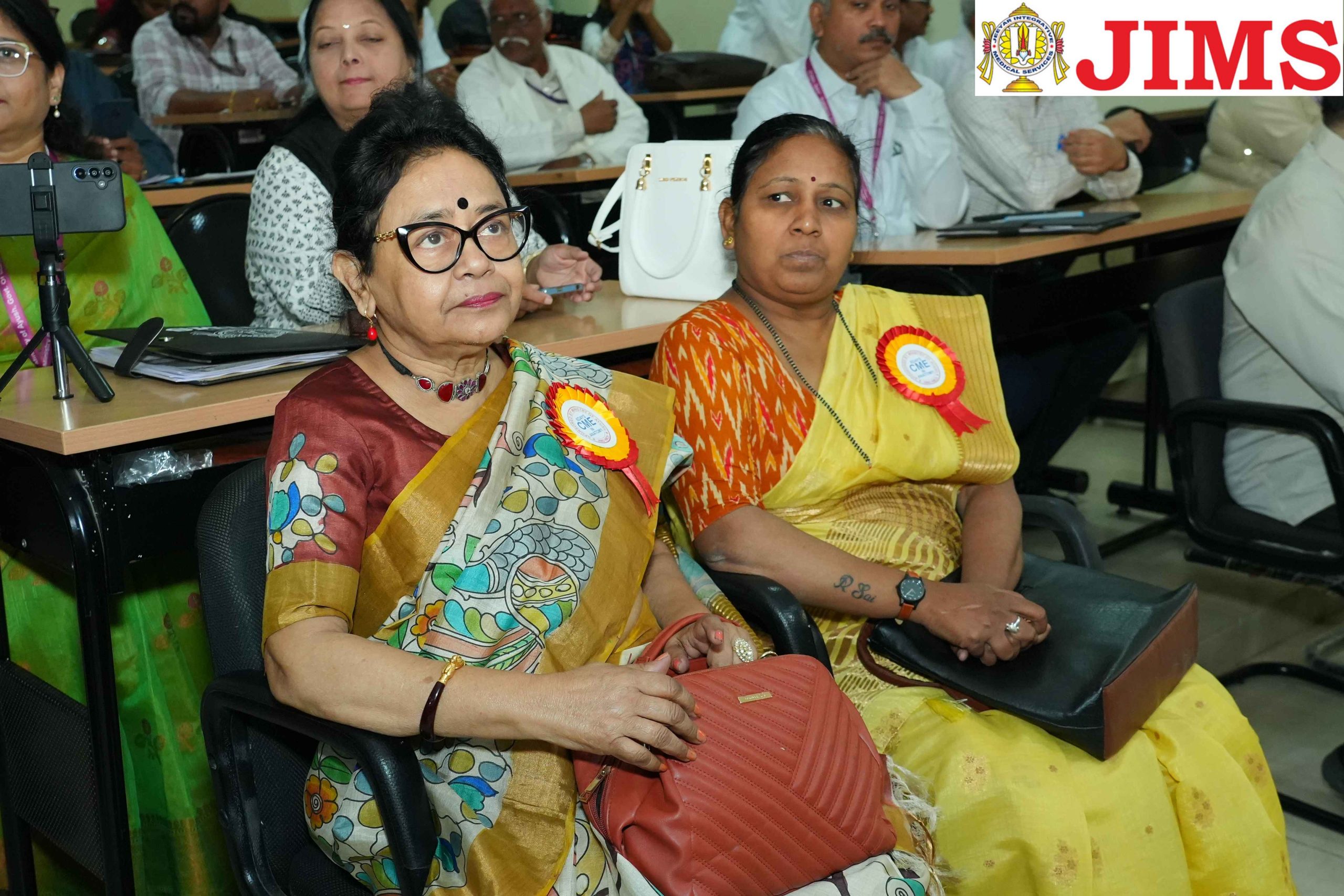
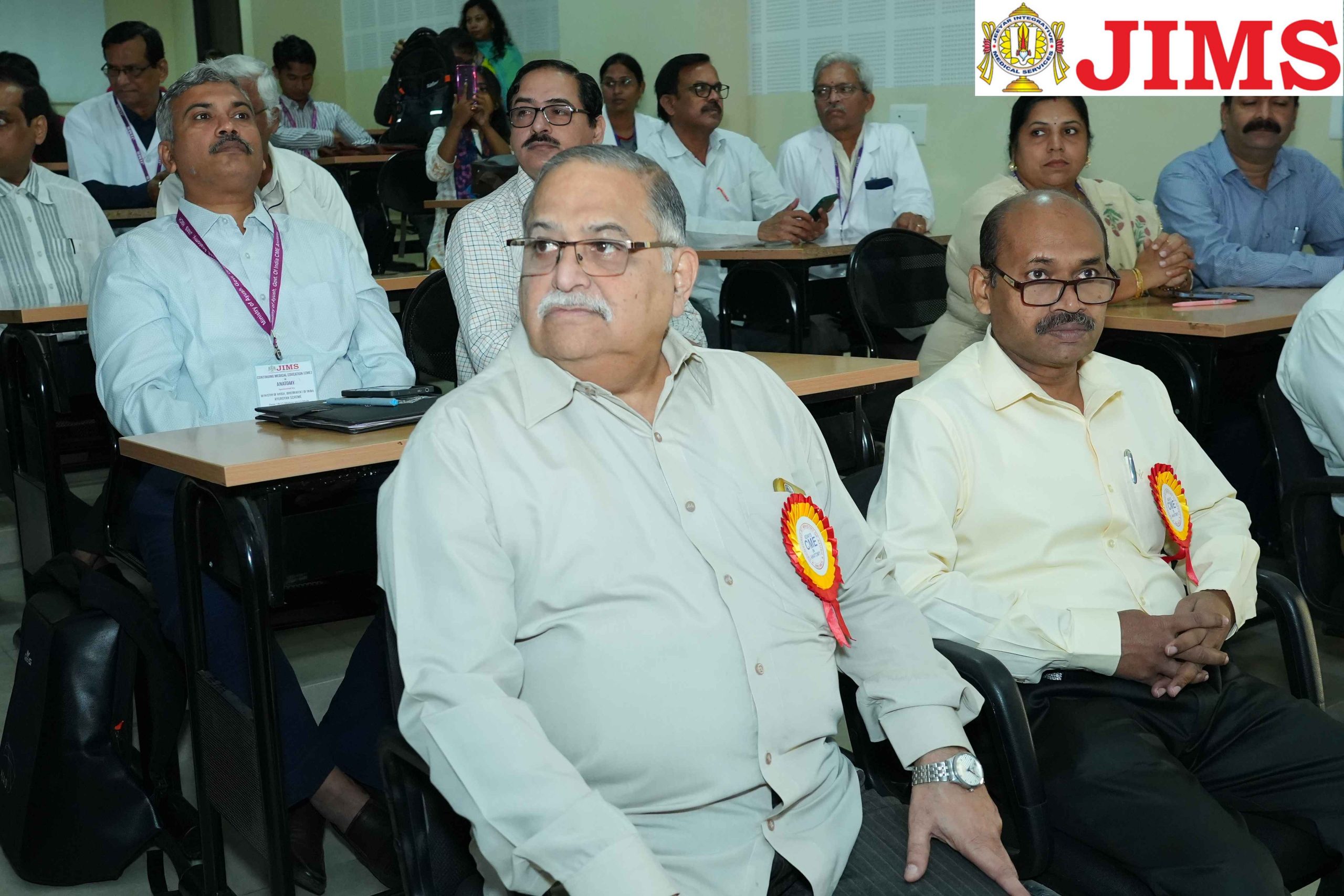
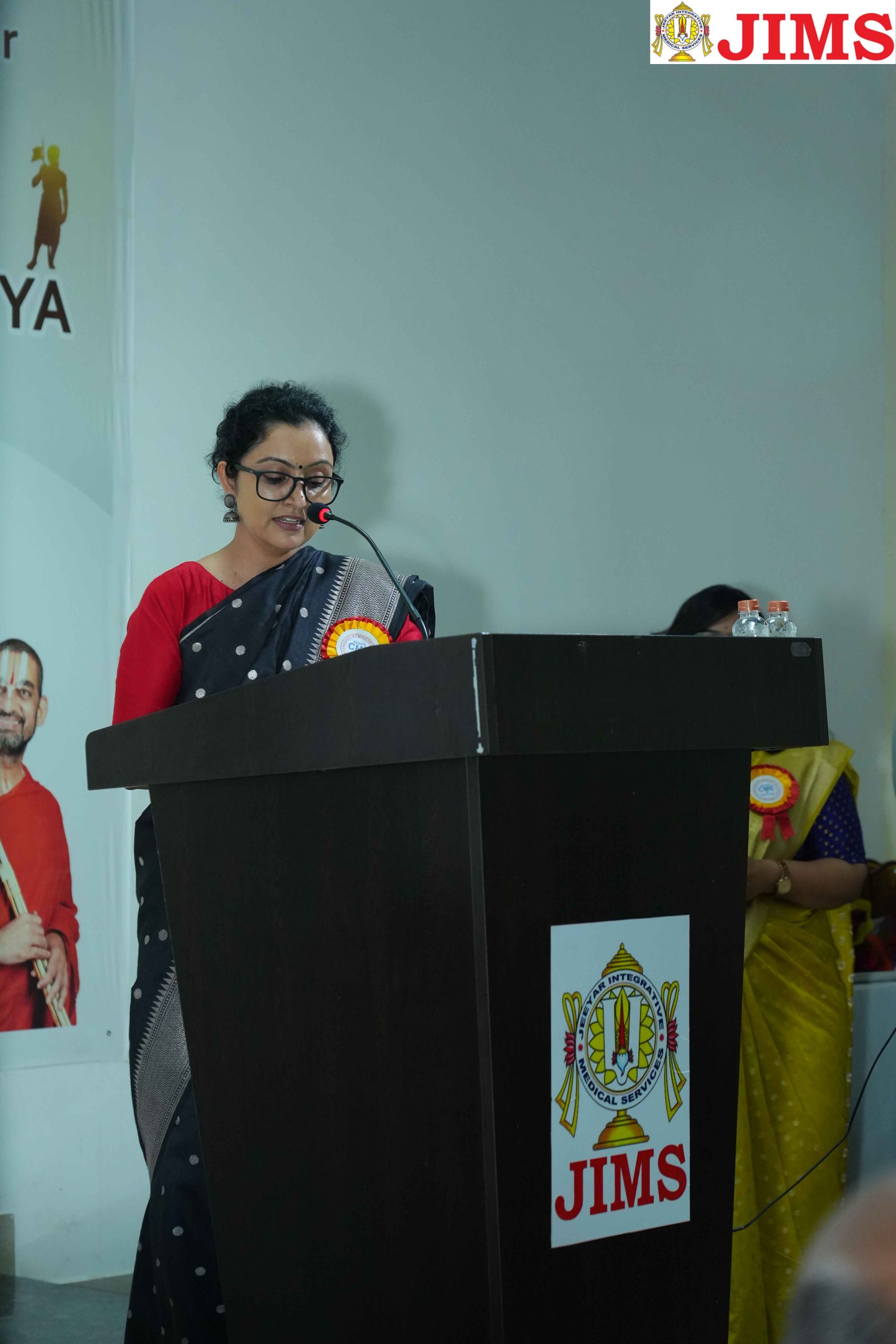
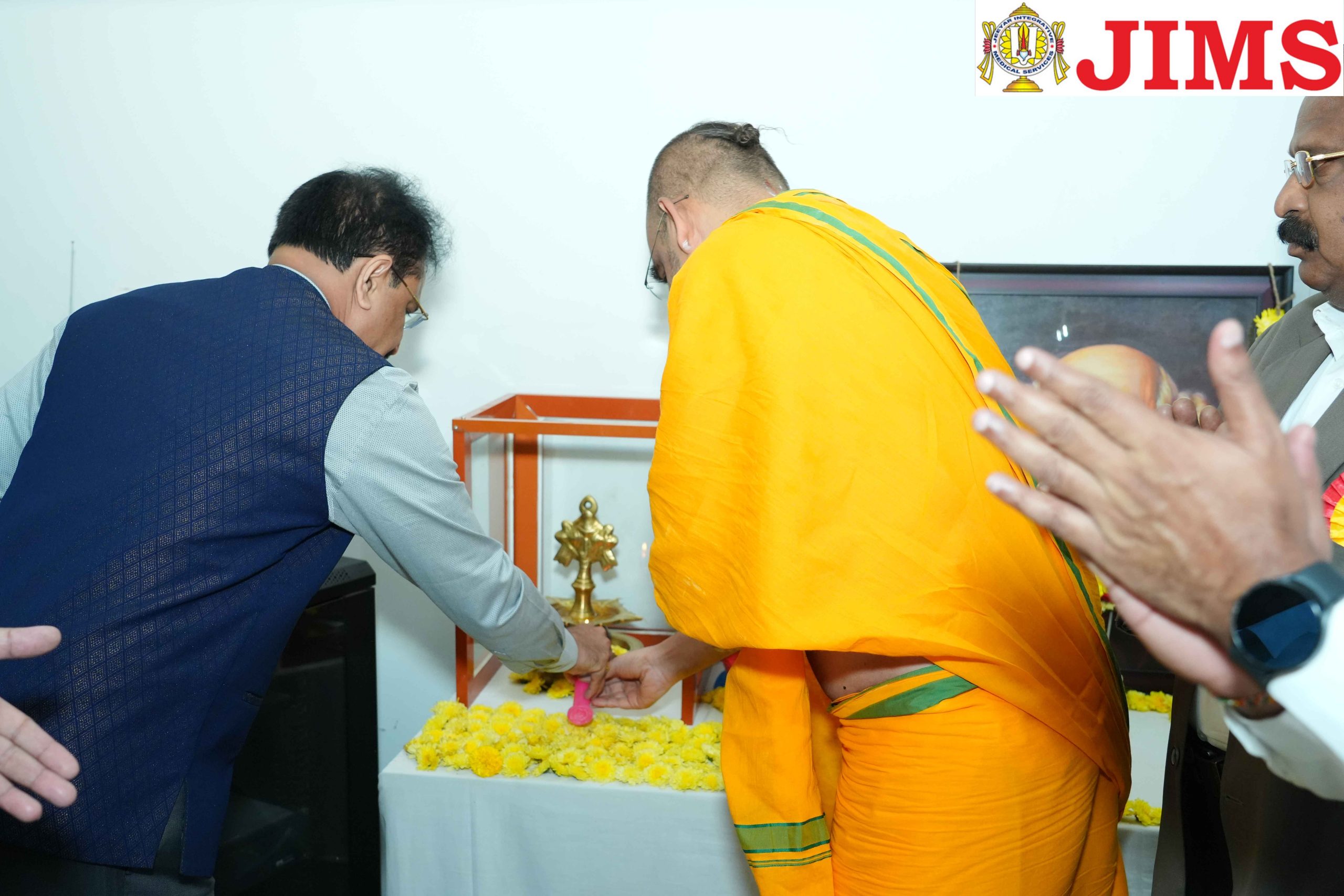
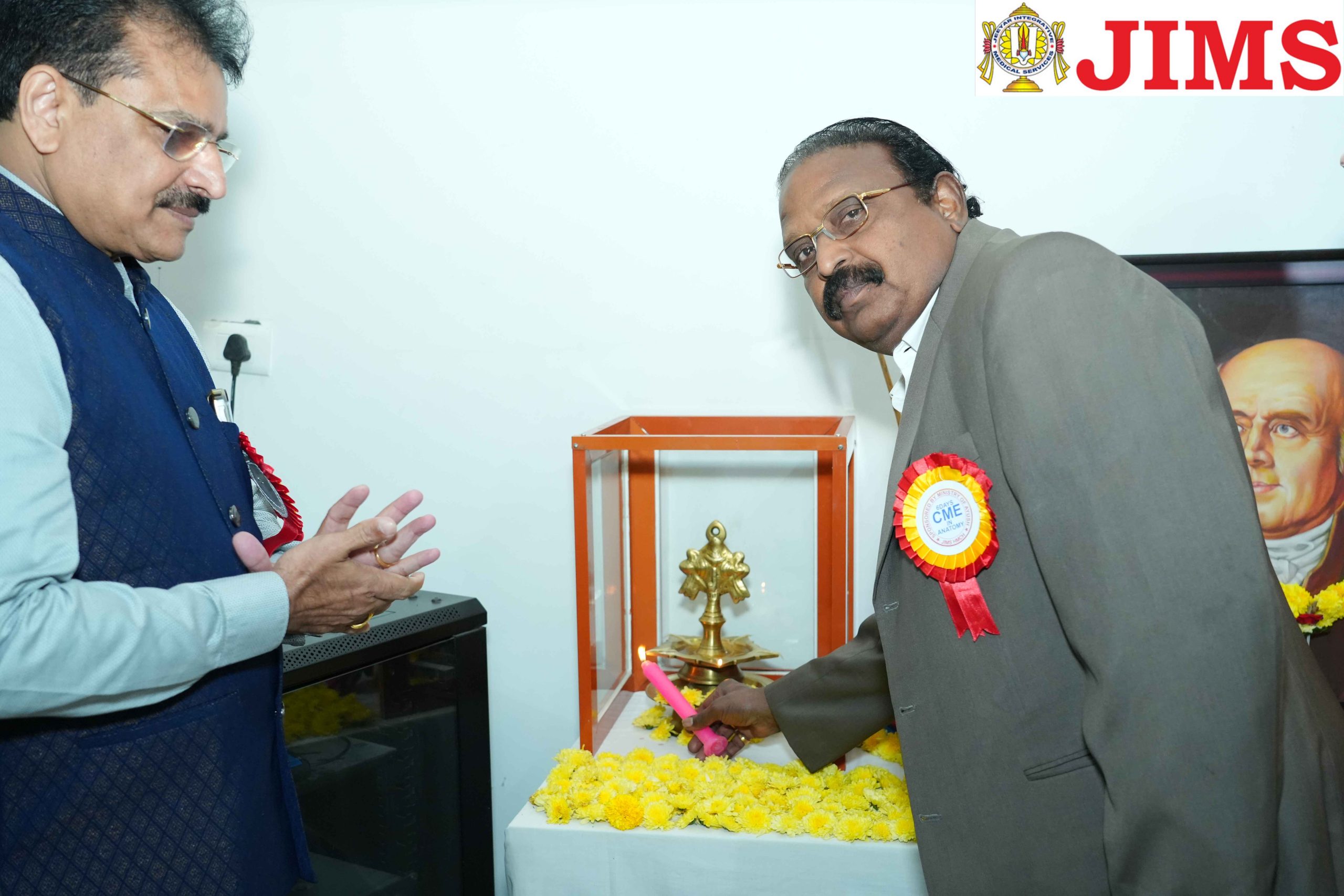
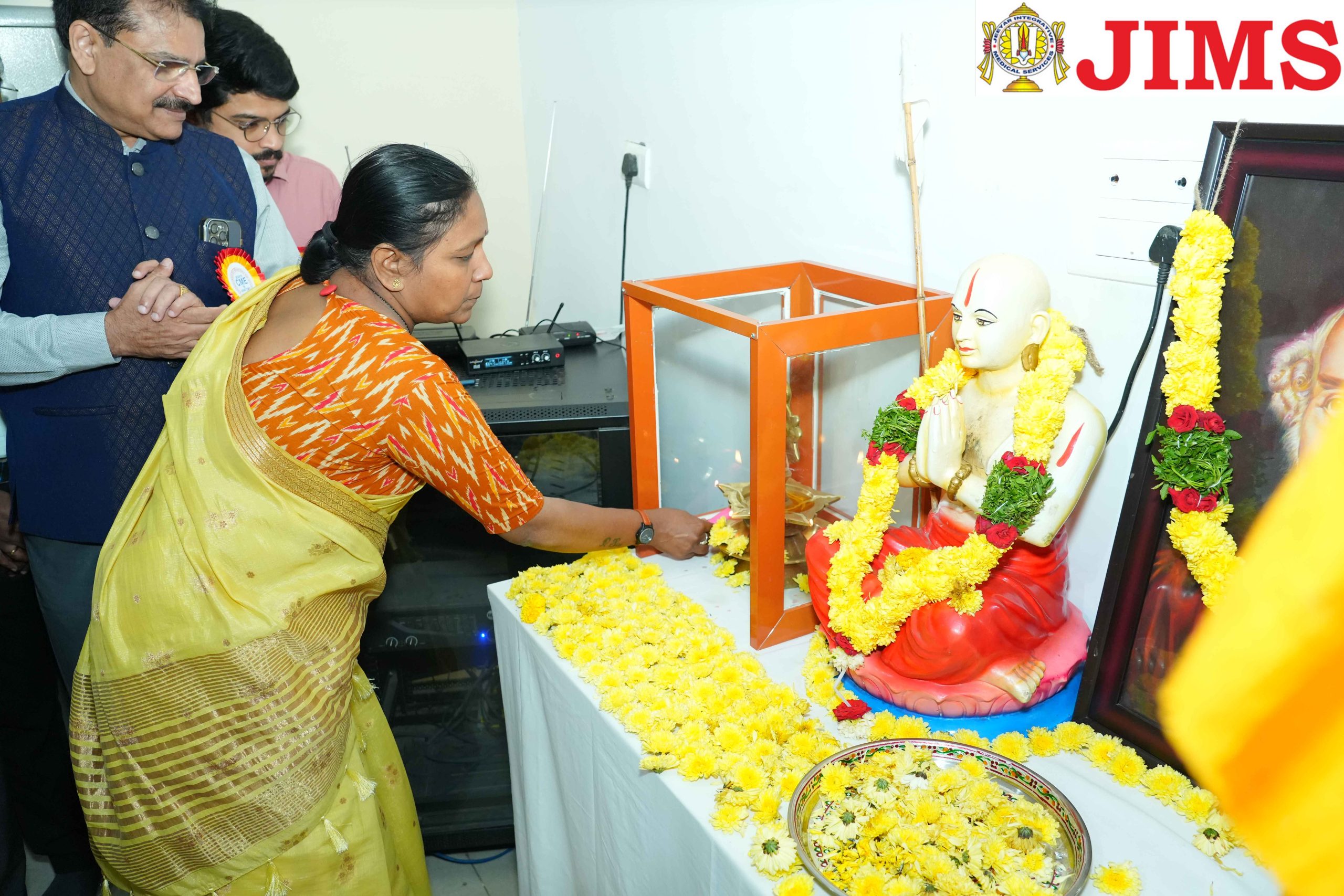
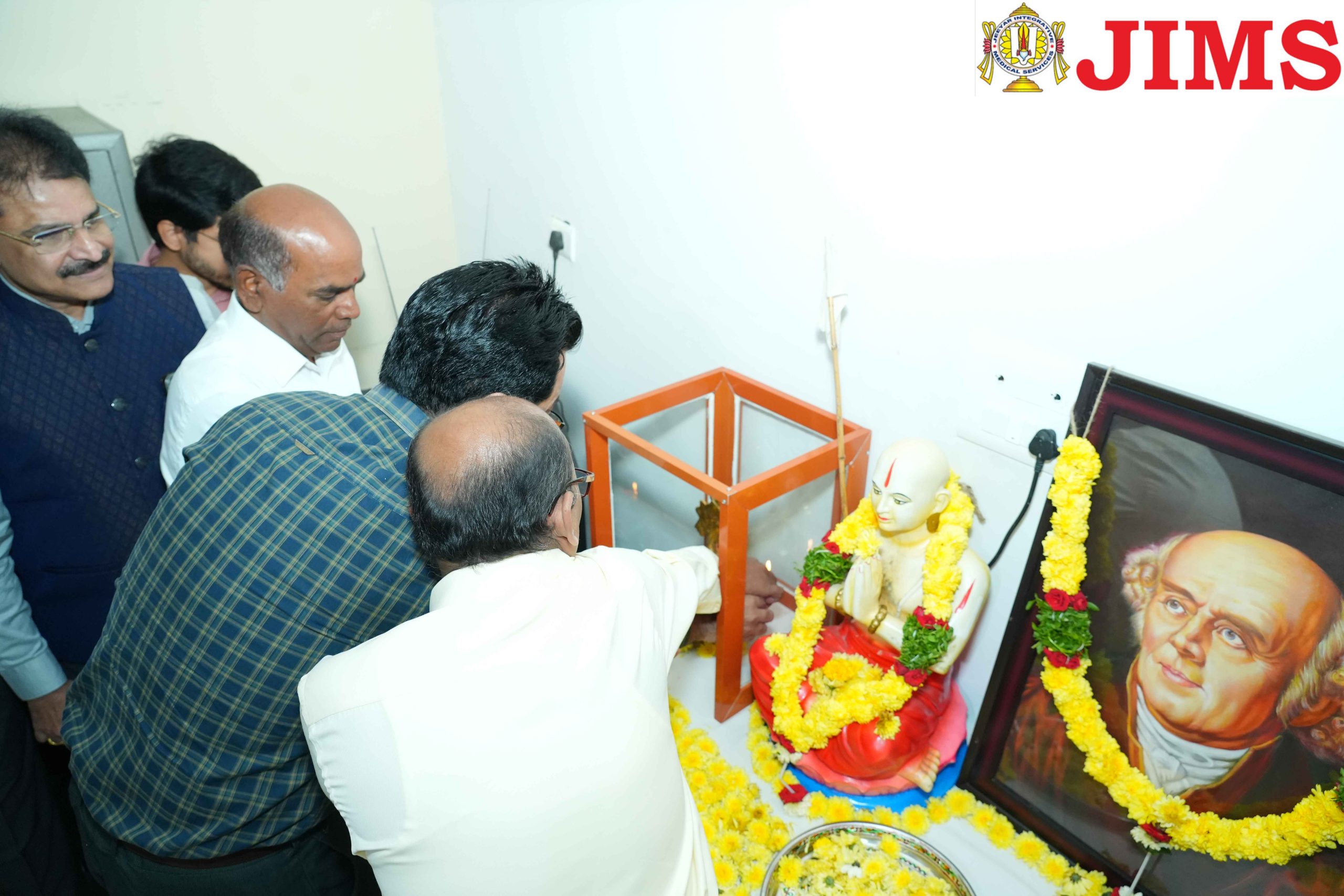
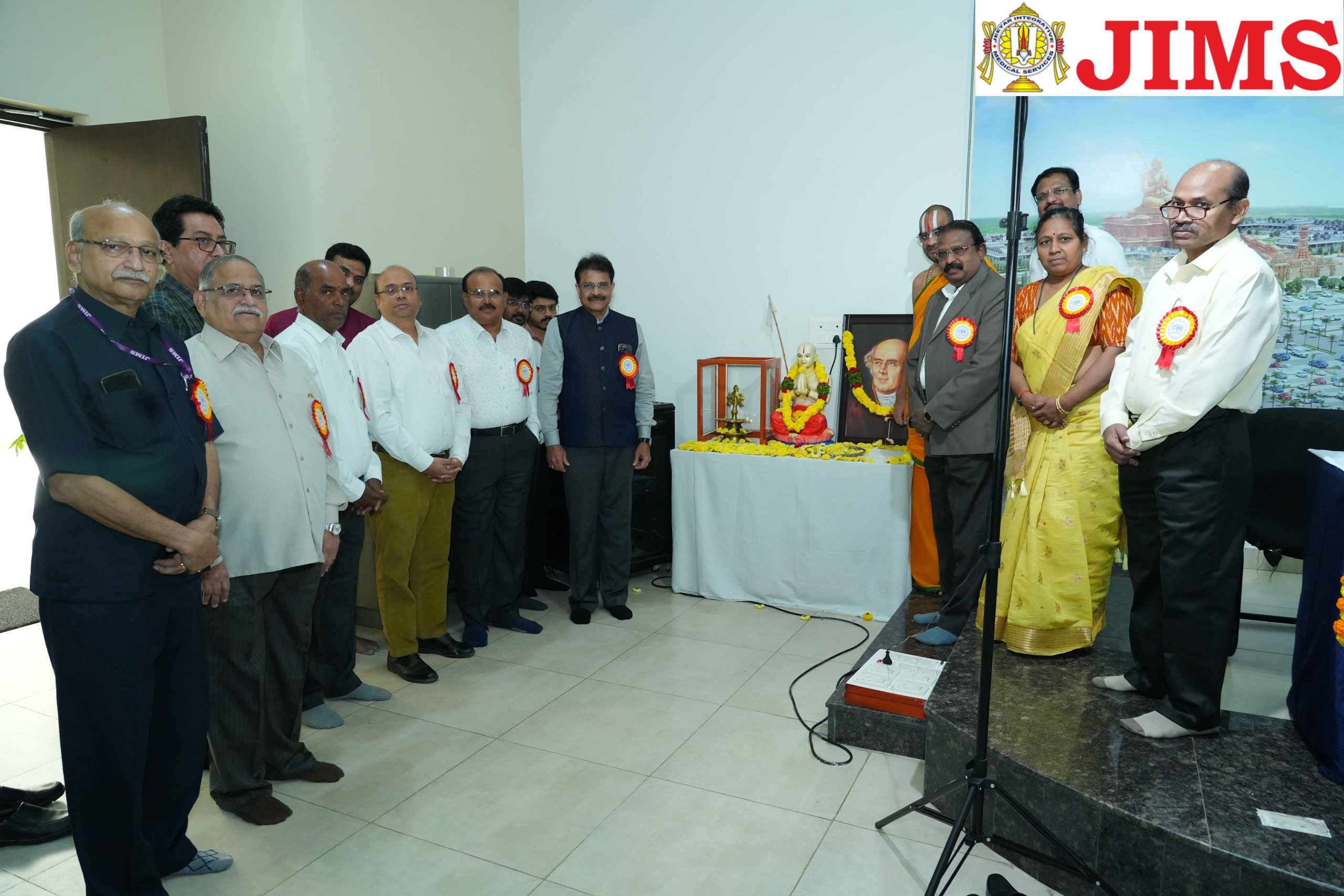
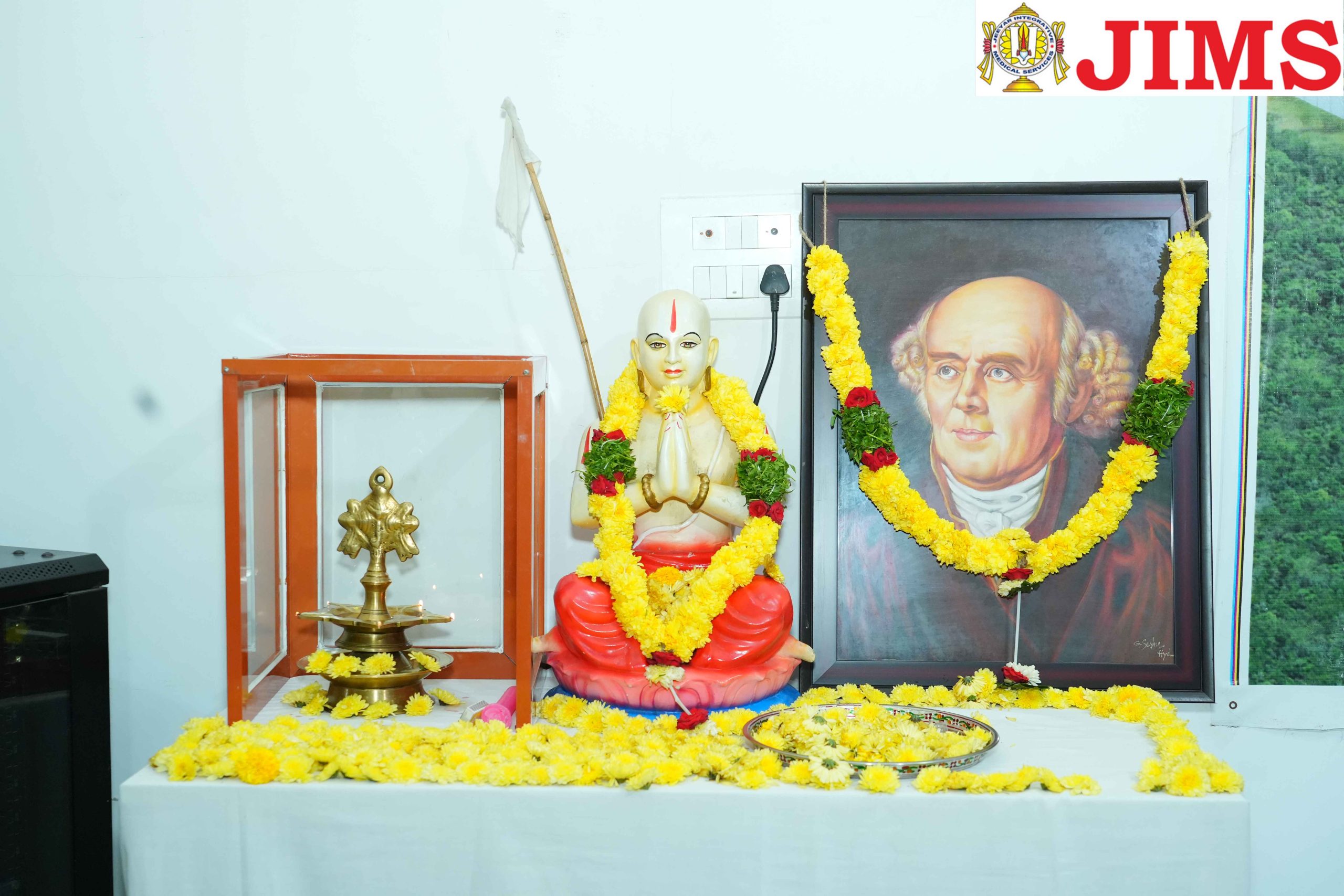
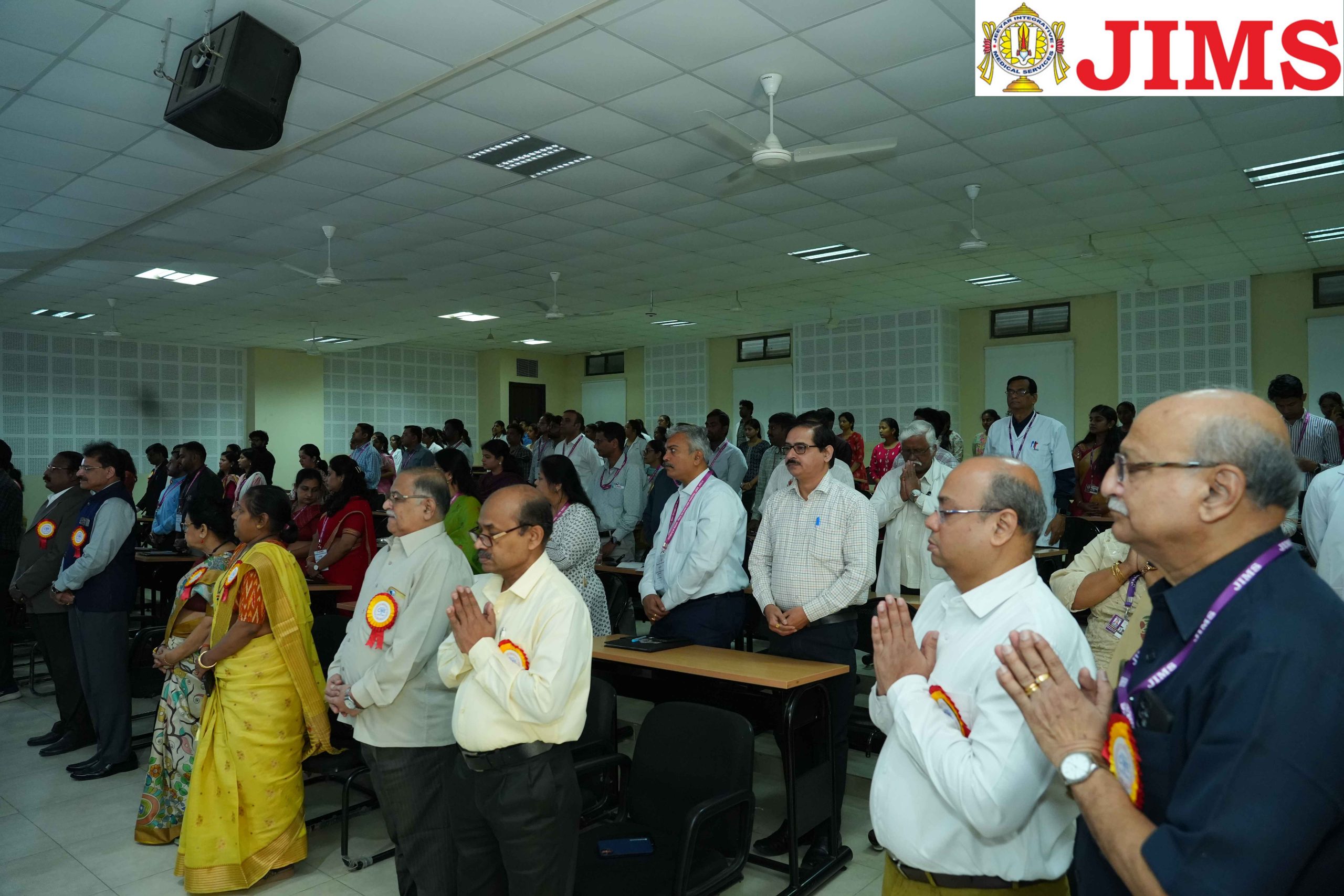
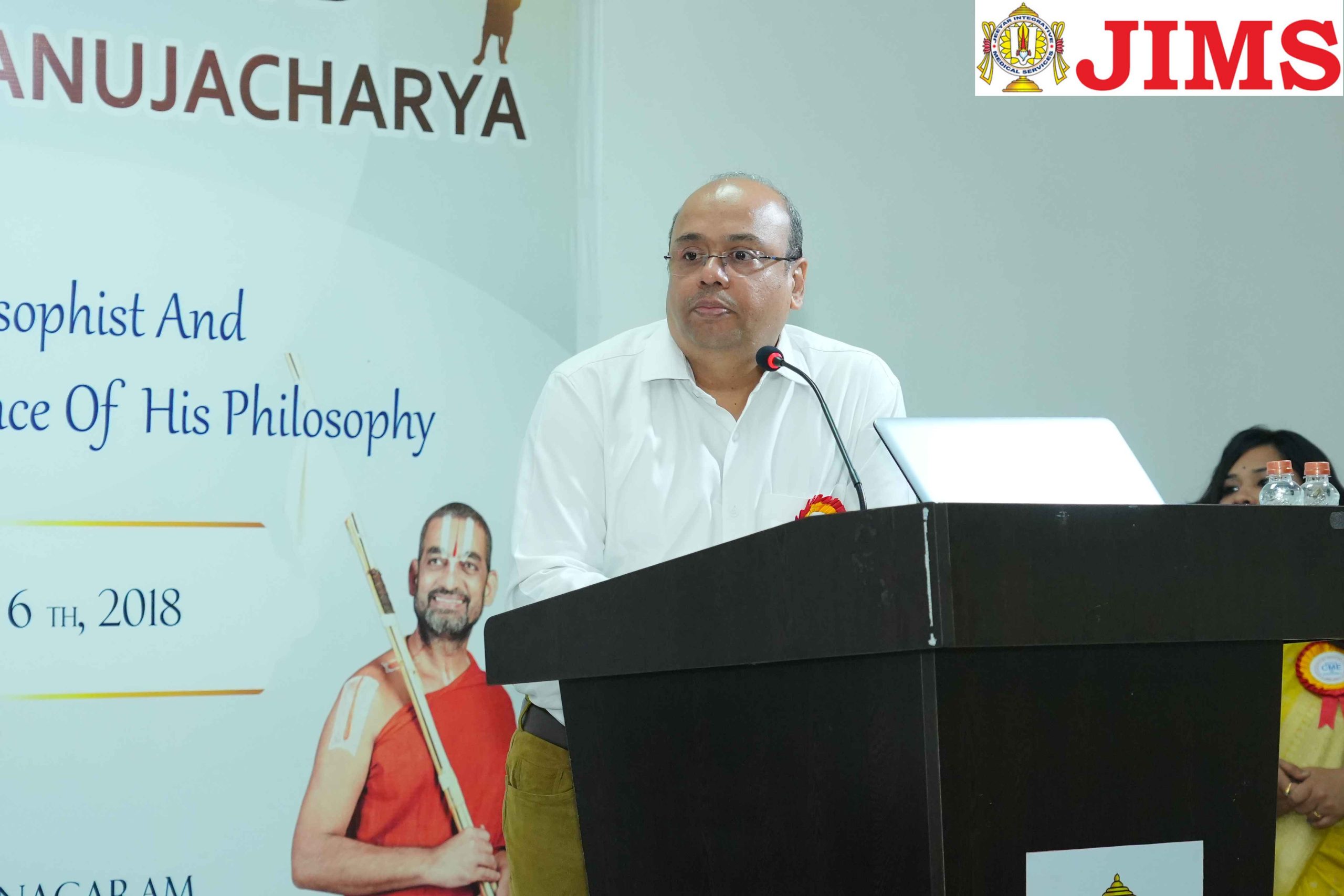
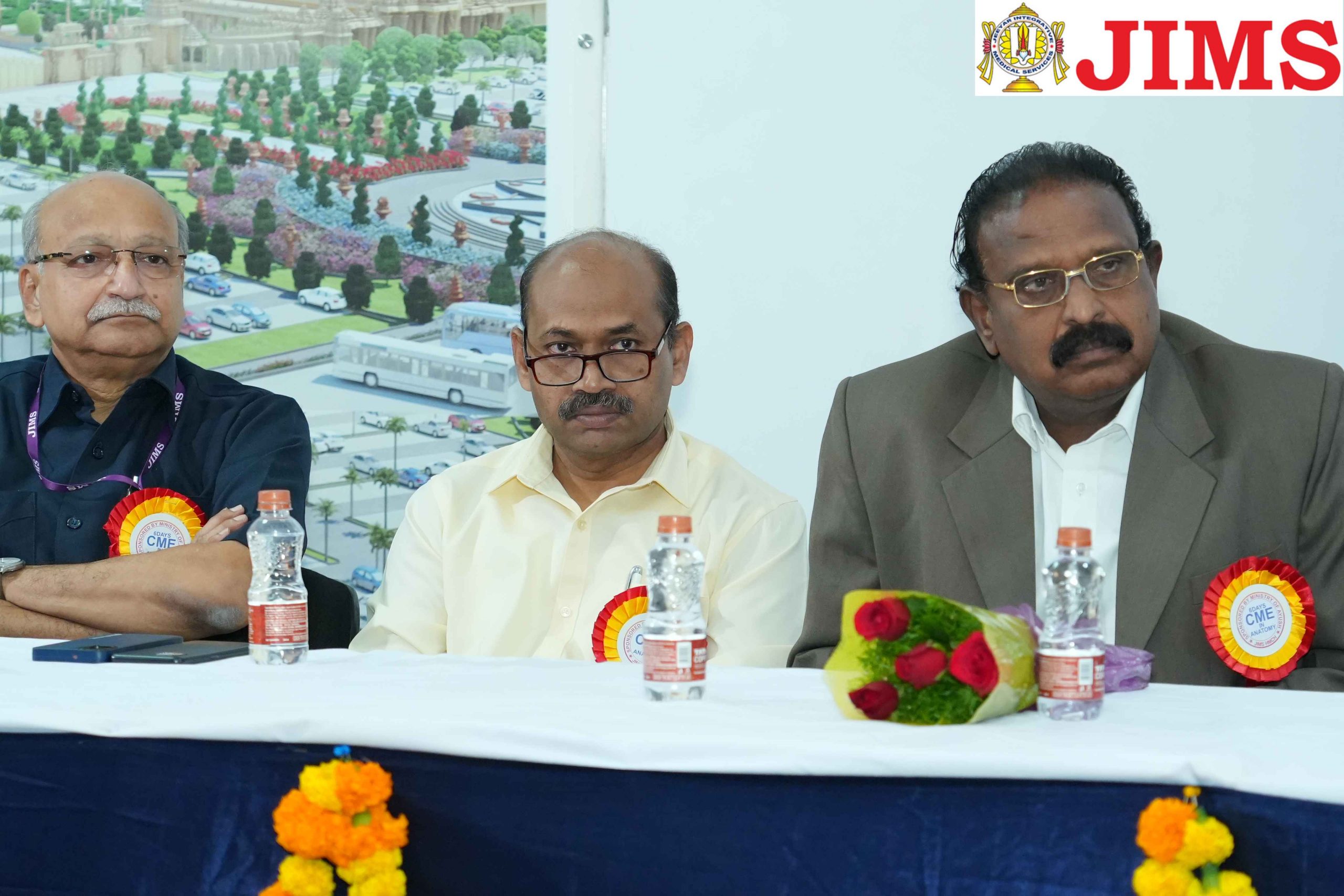
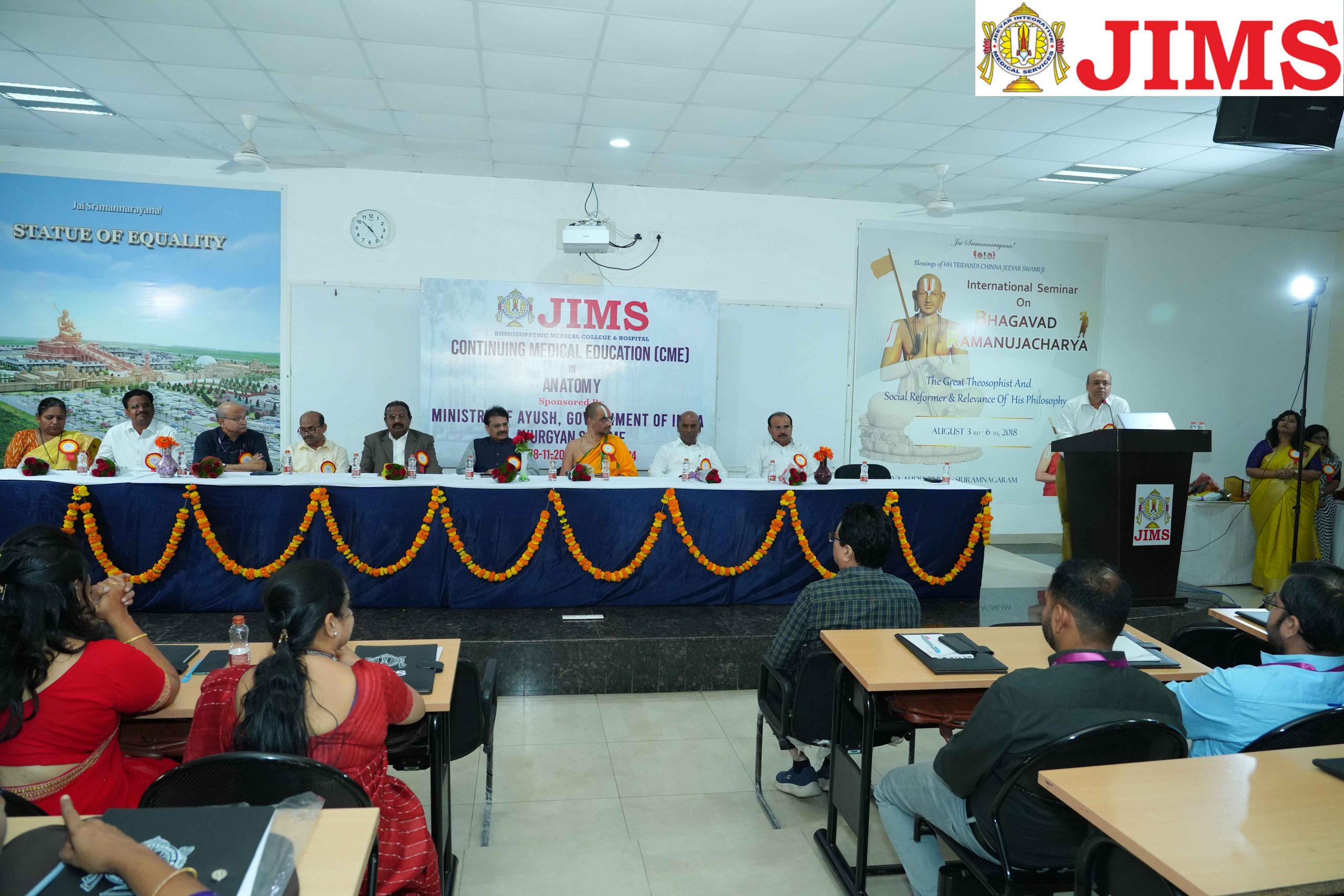
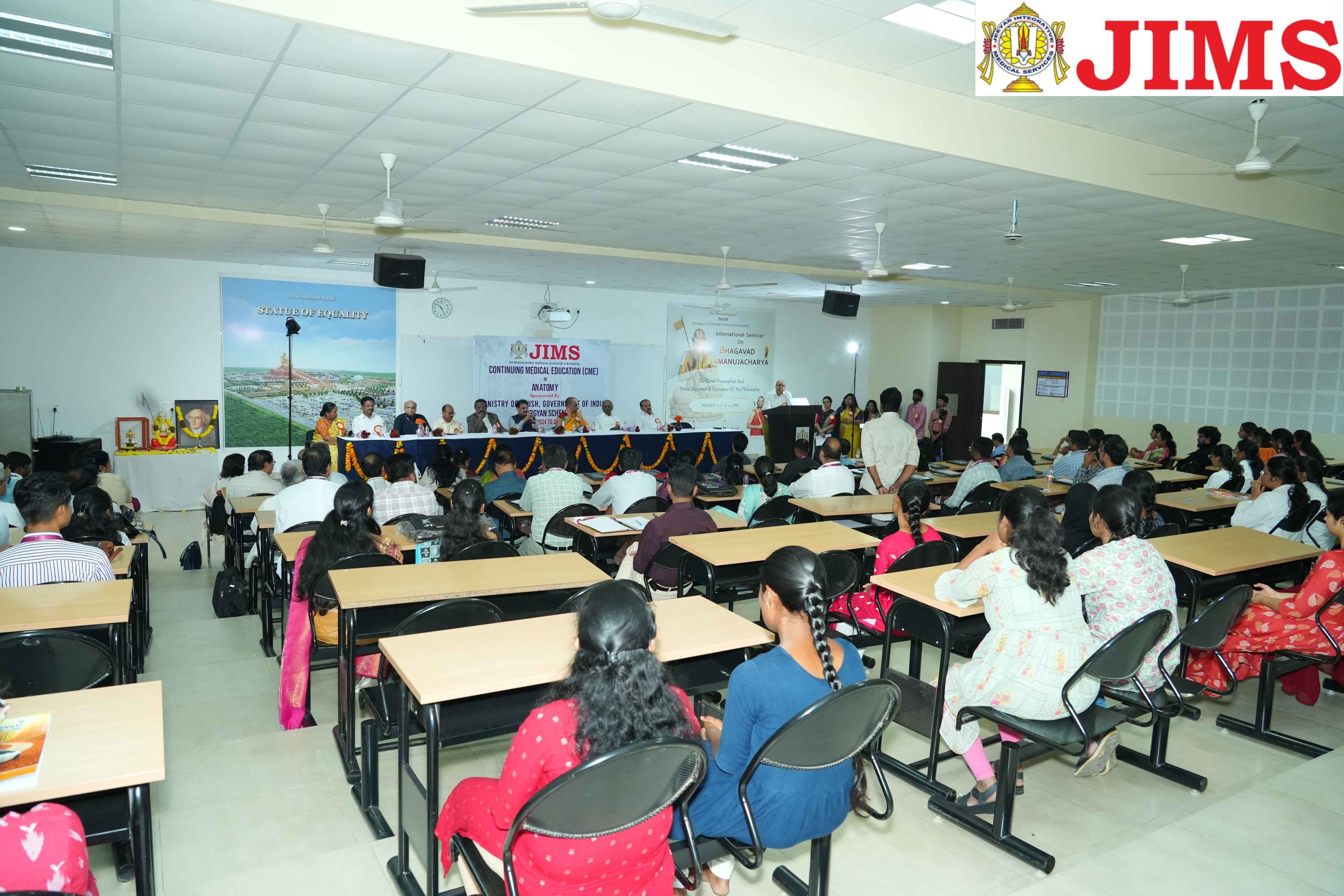
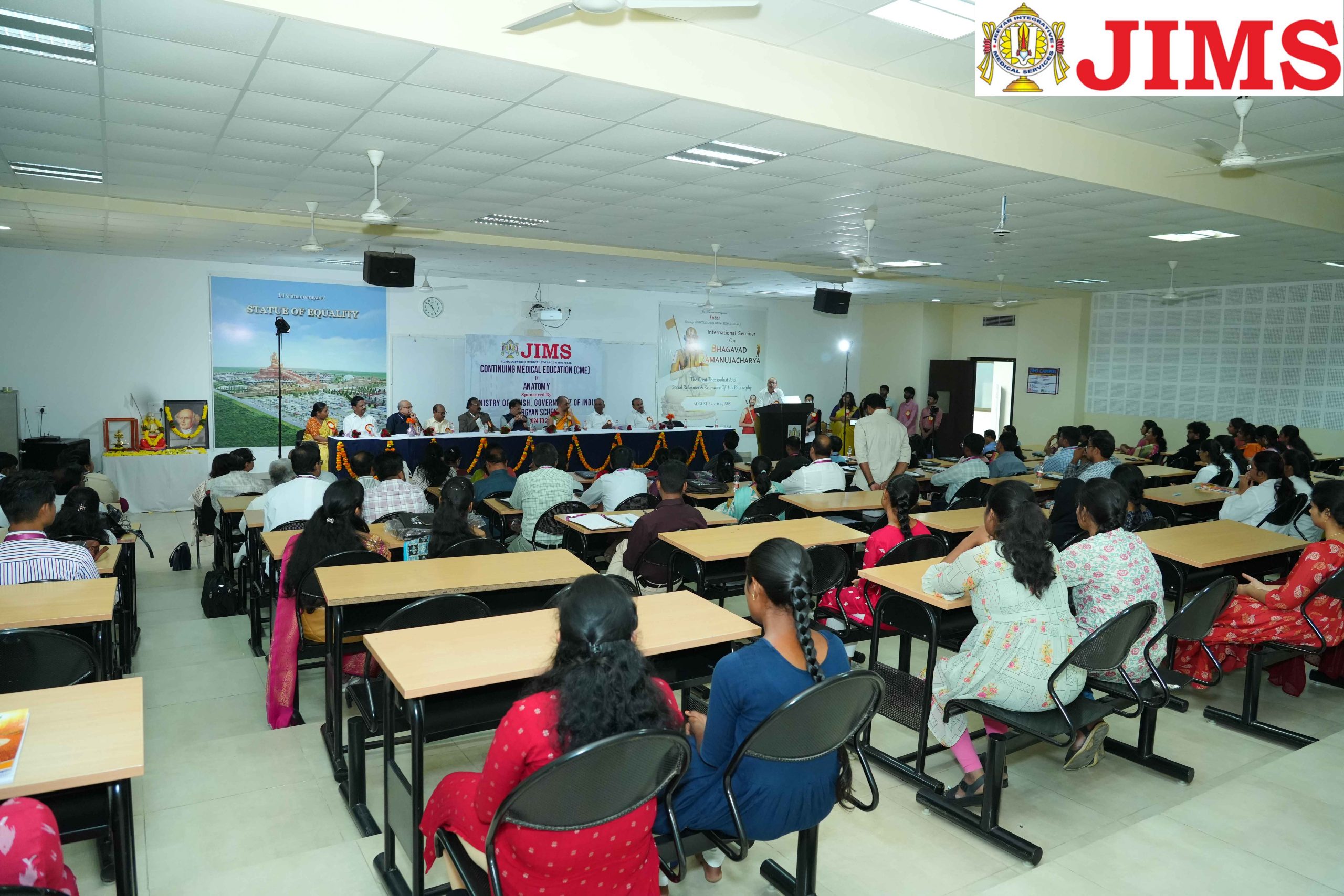
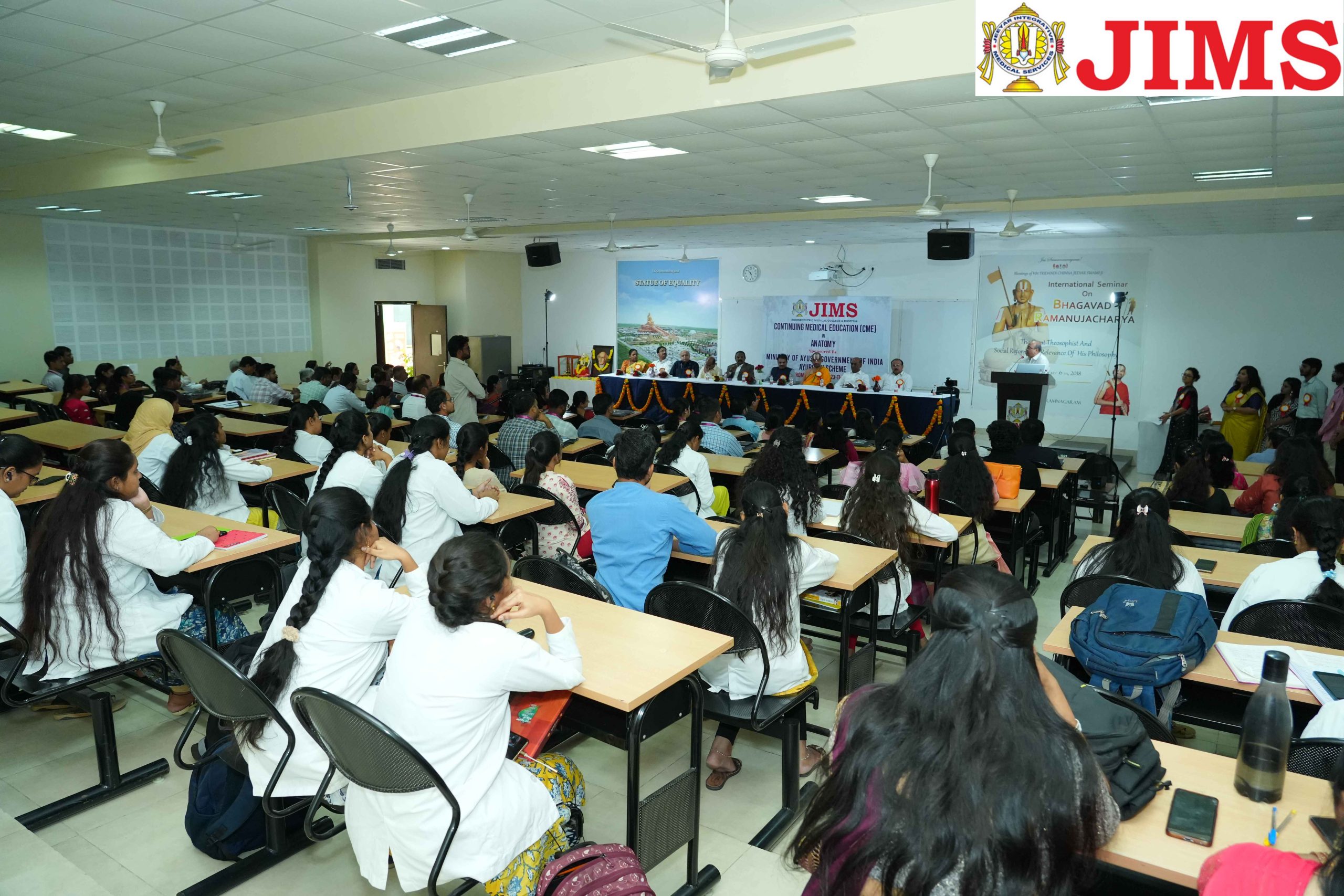
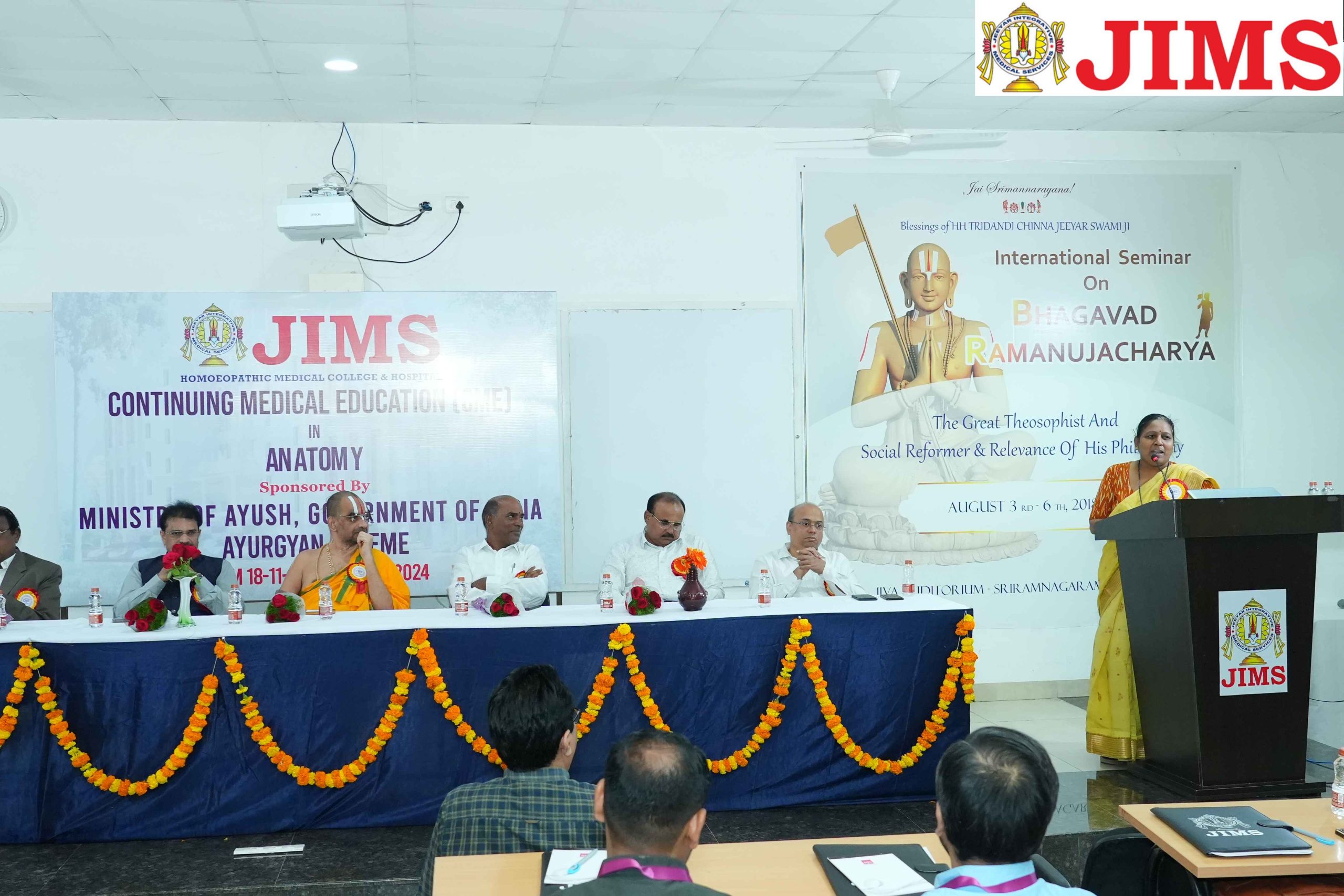
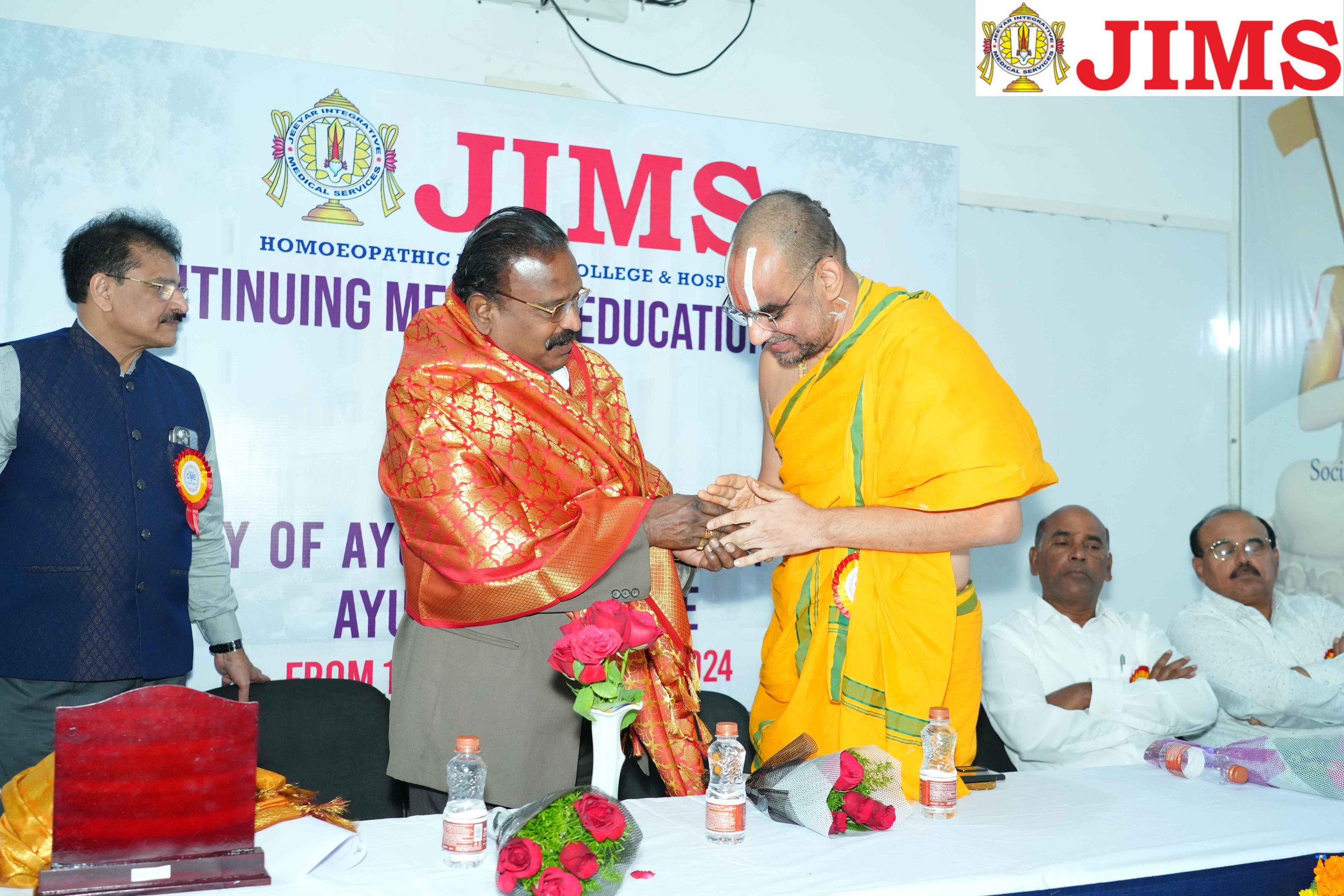
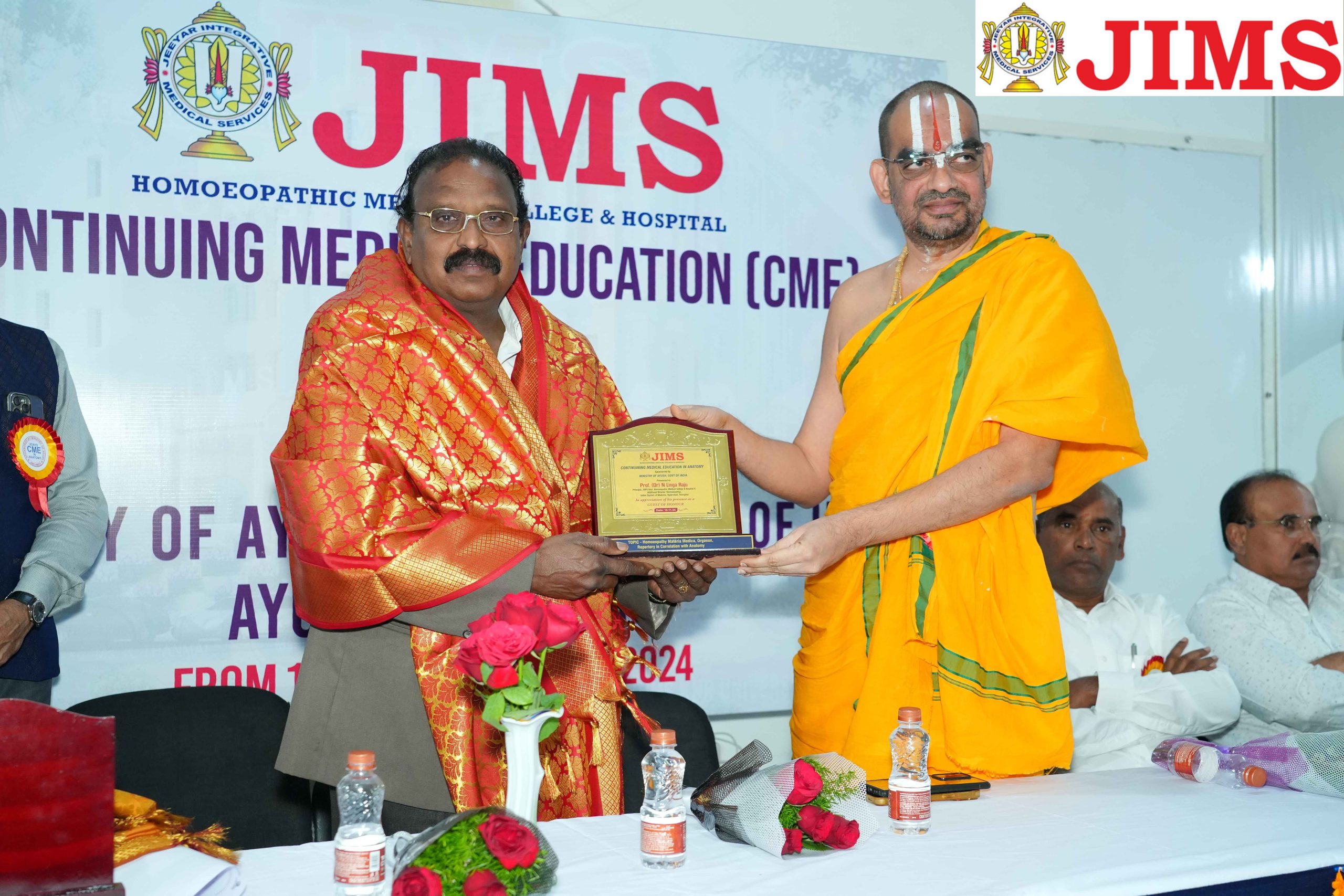
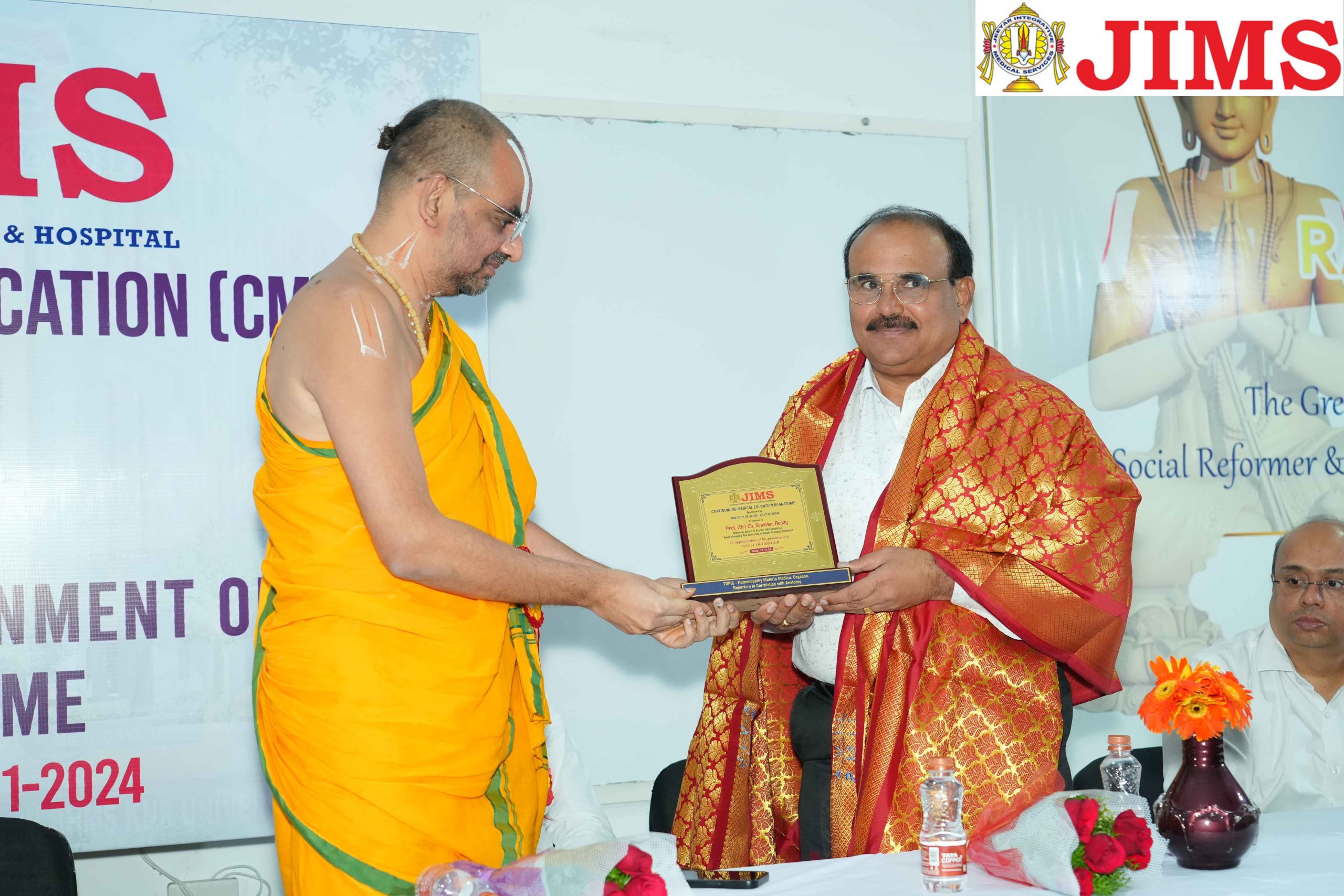
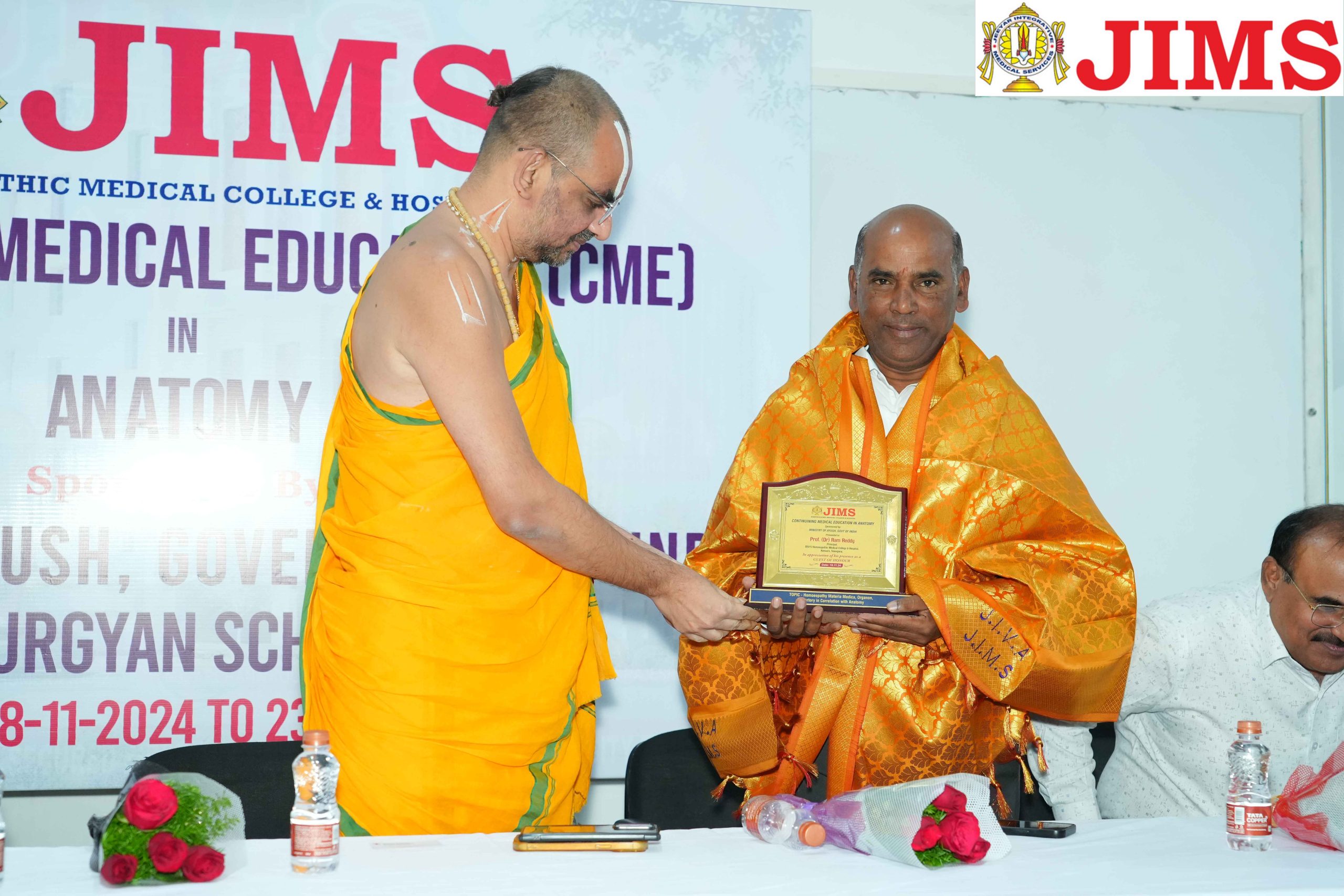
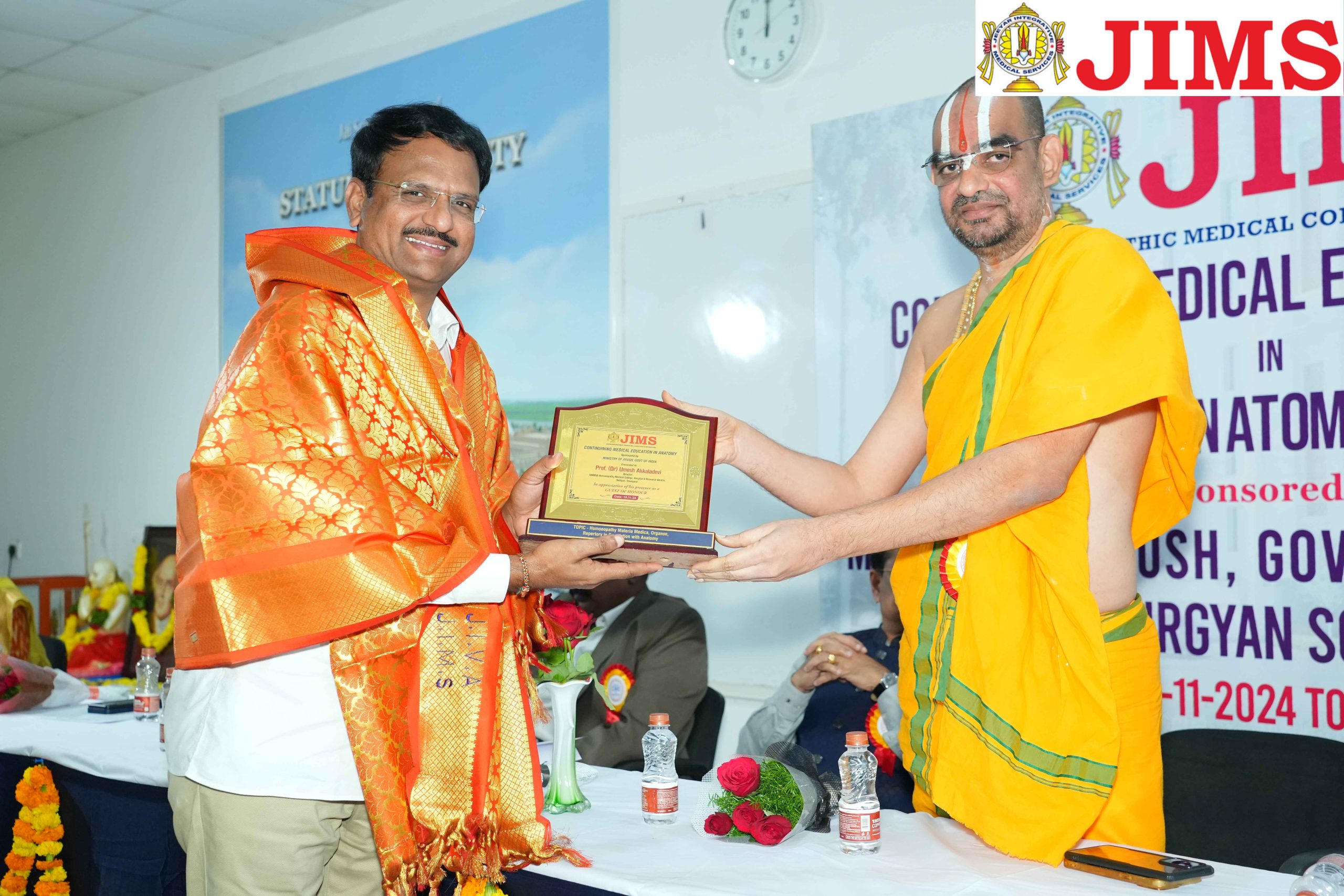
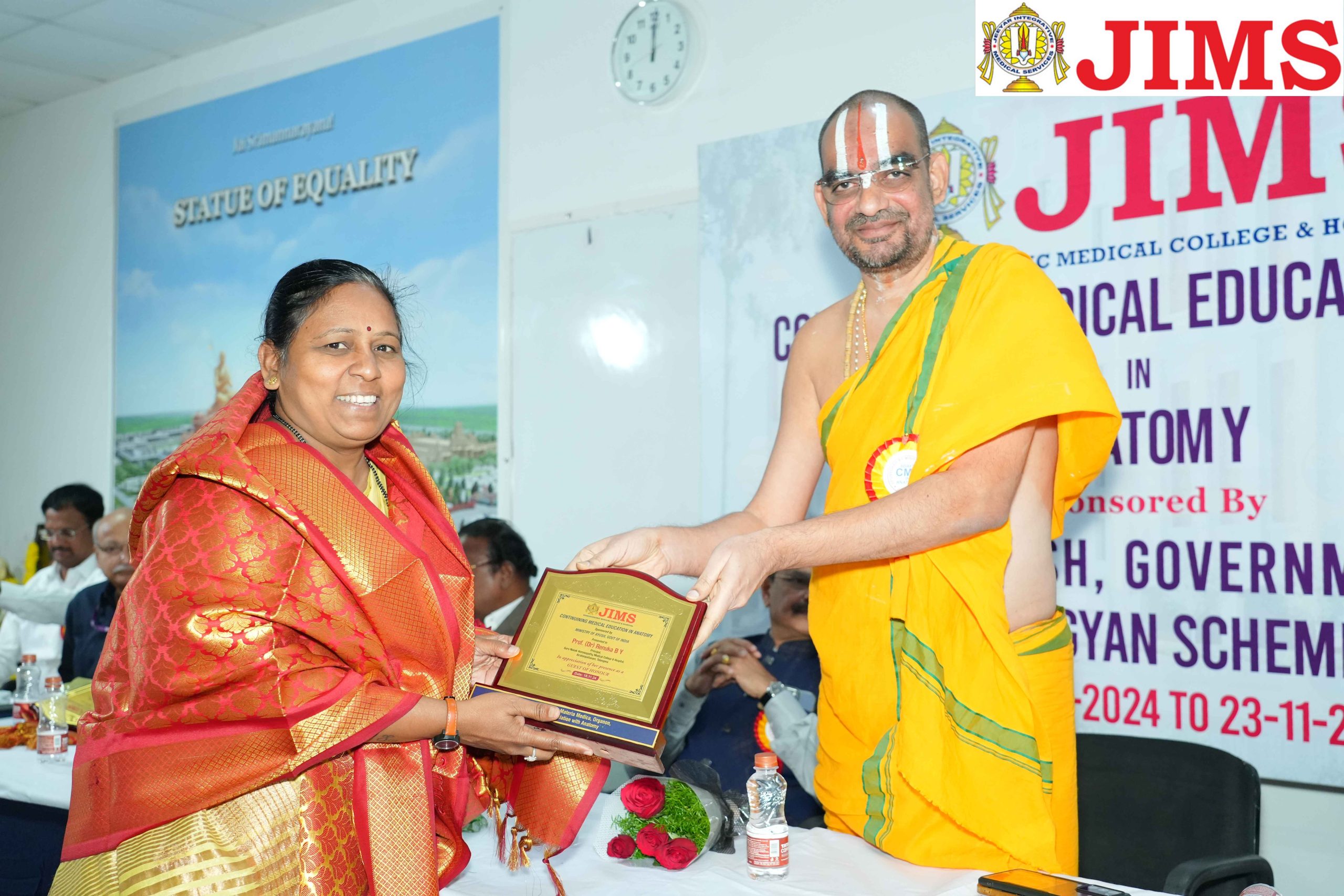
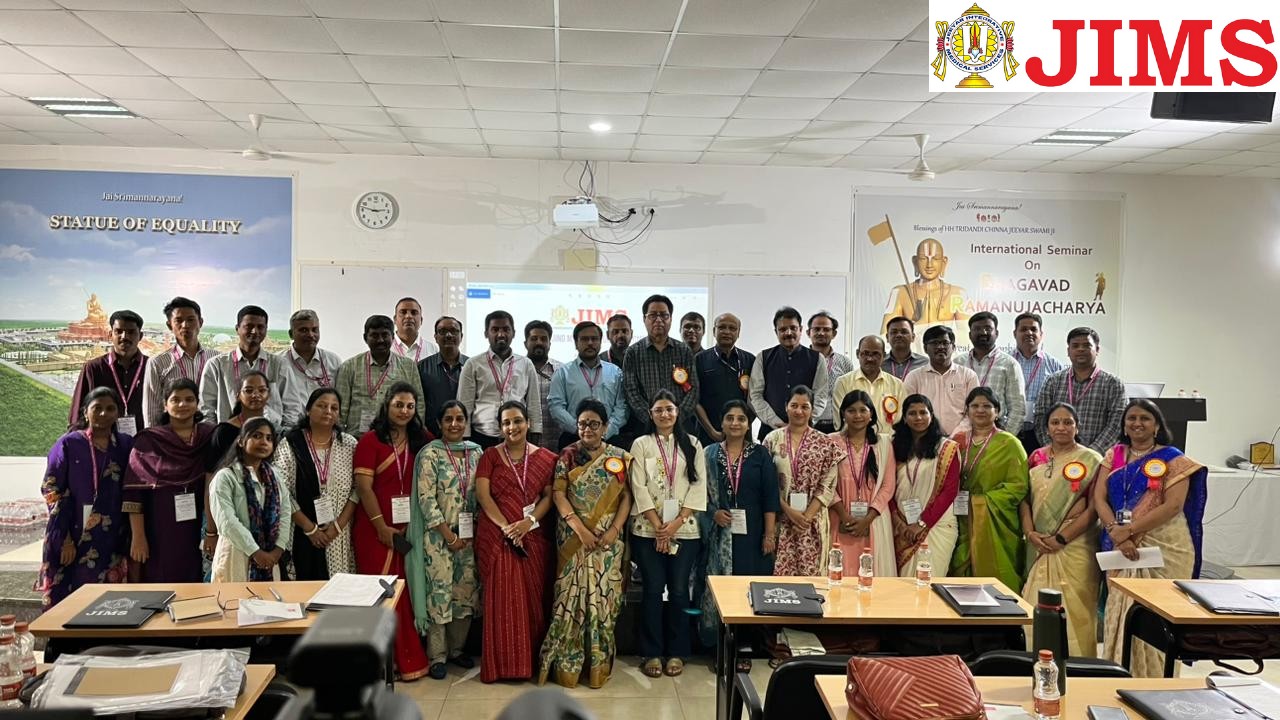
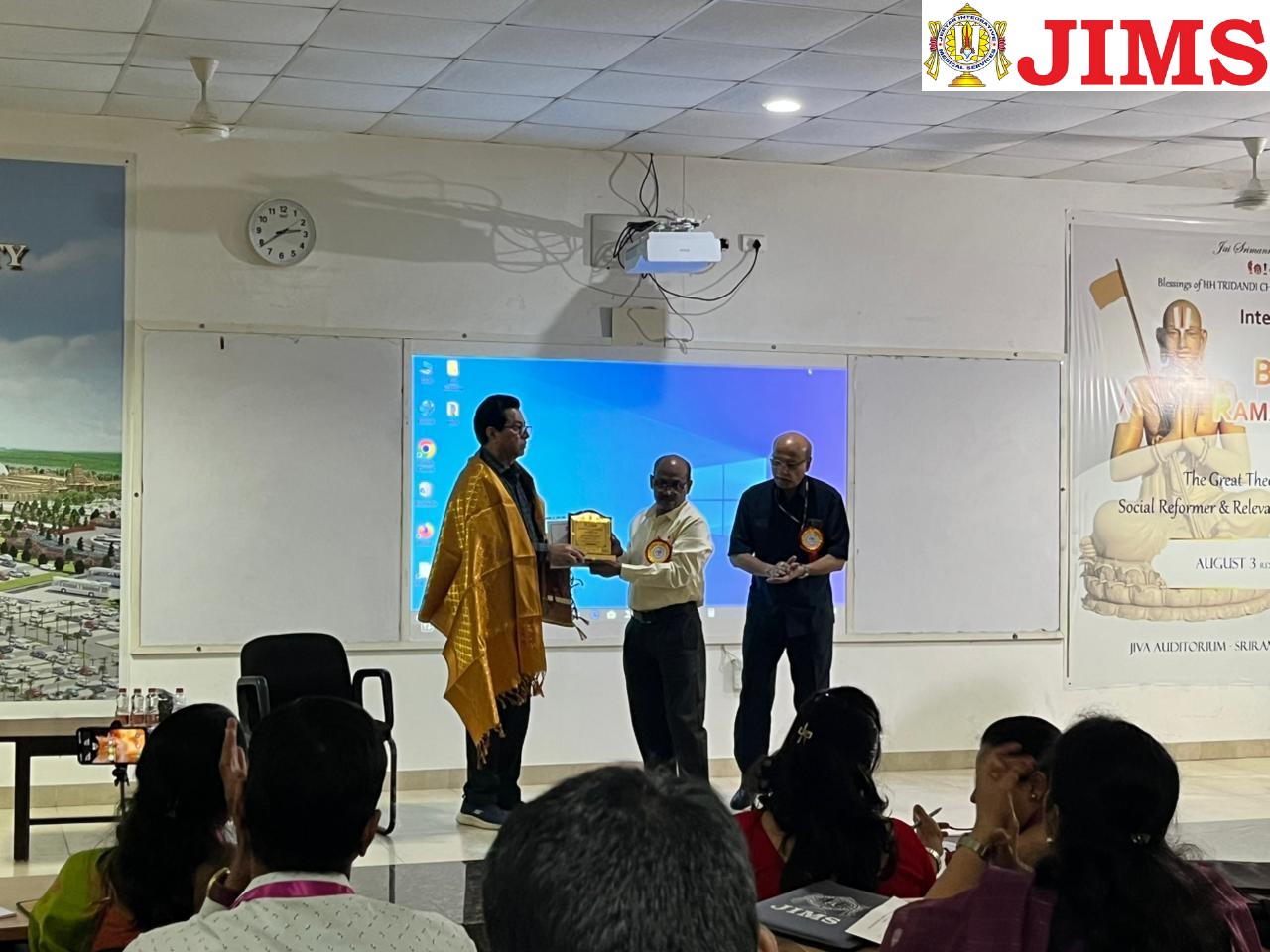
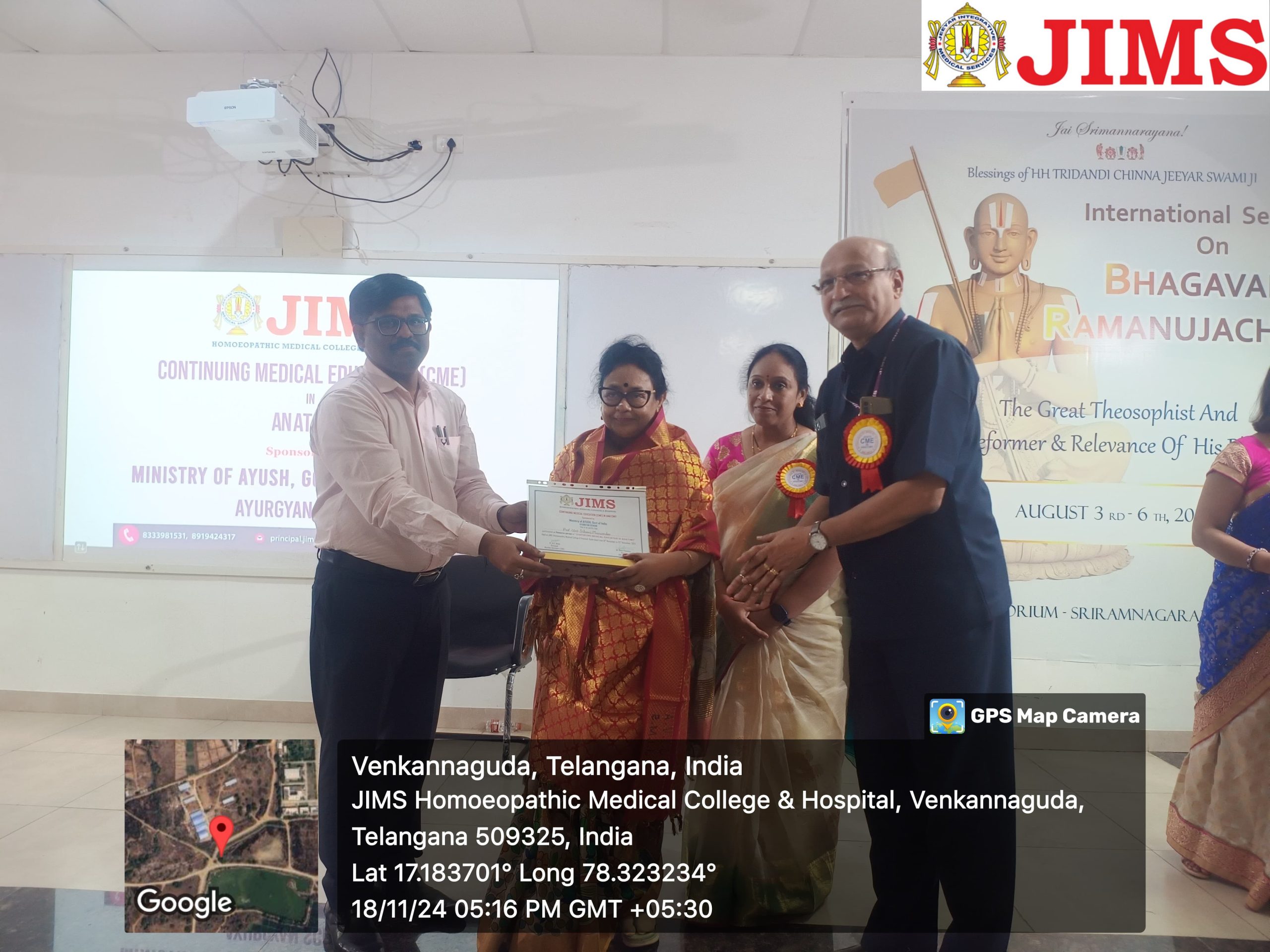
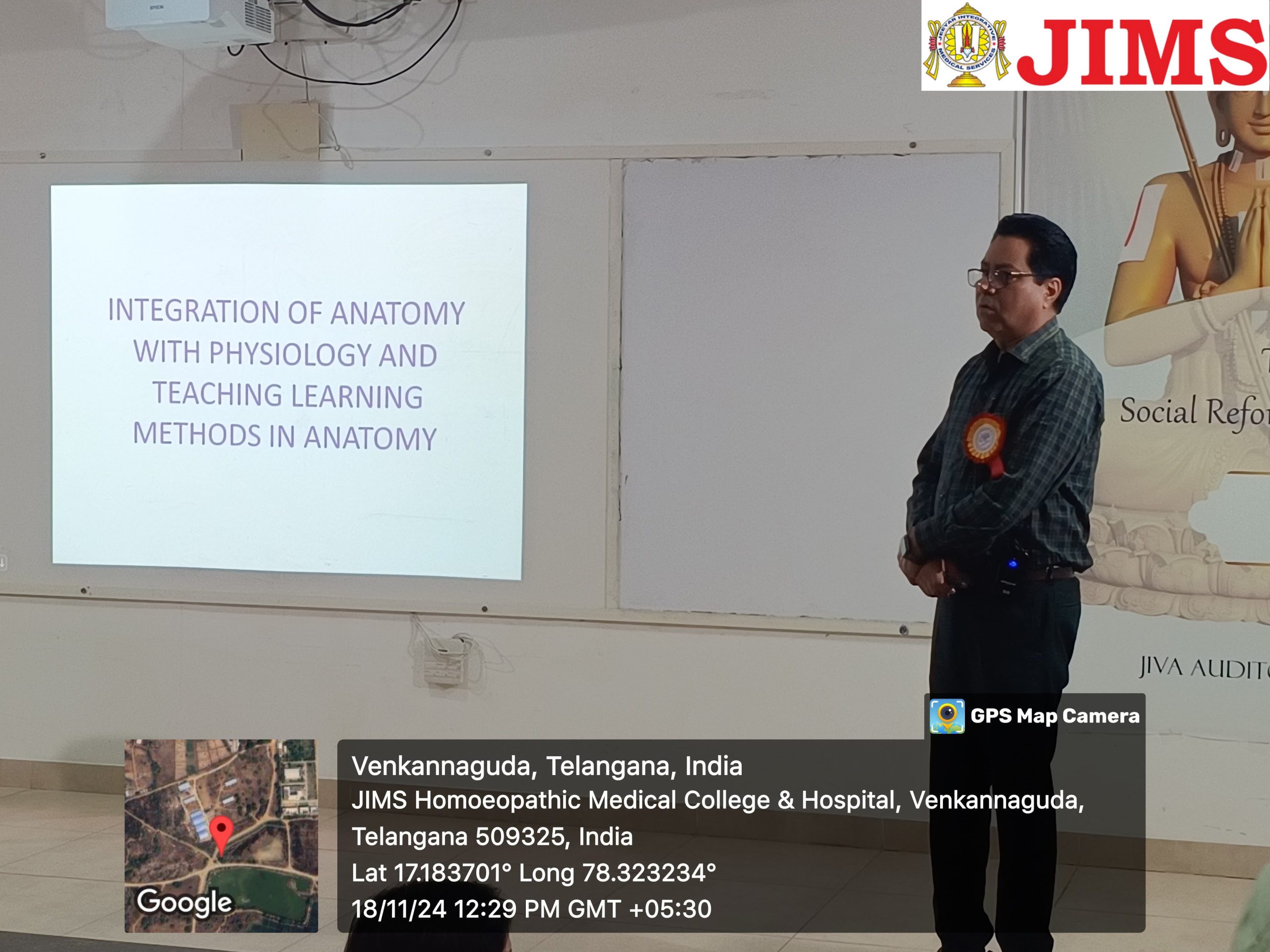
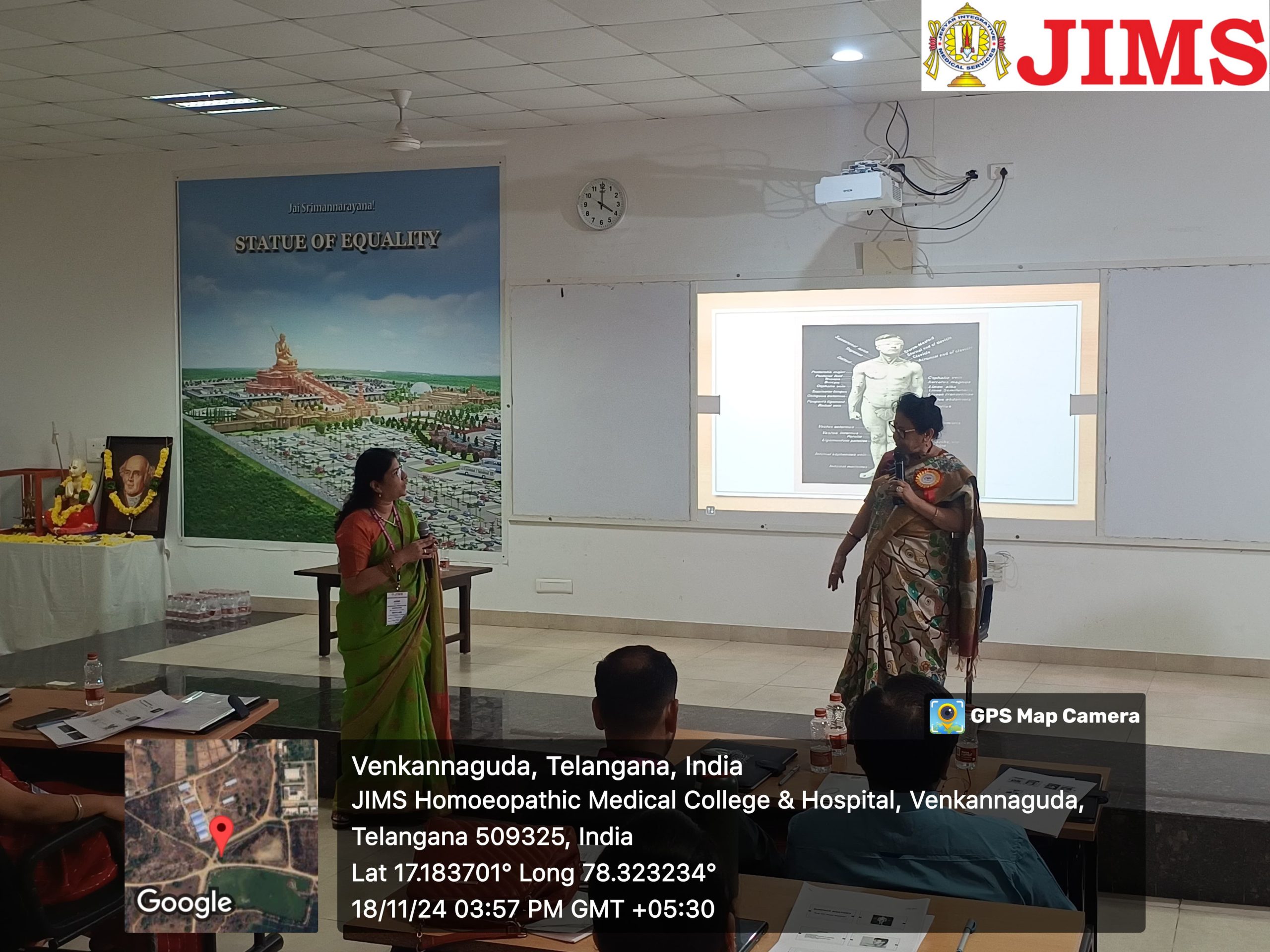
CME IN ANATOMY – DAY 1 GALLERY

0
CME IN ANATOMY DAY 1 GALLERY

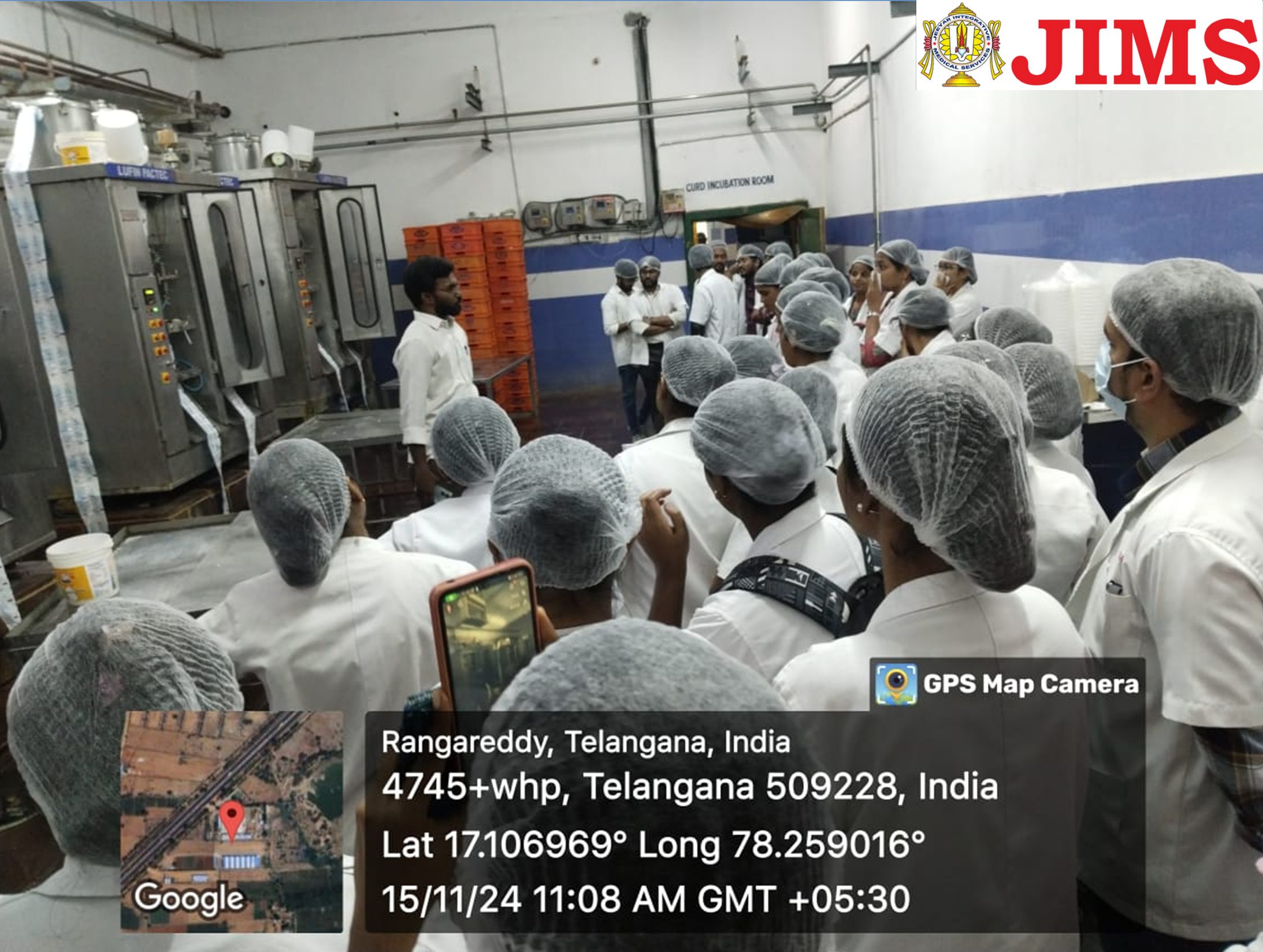
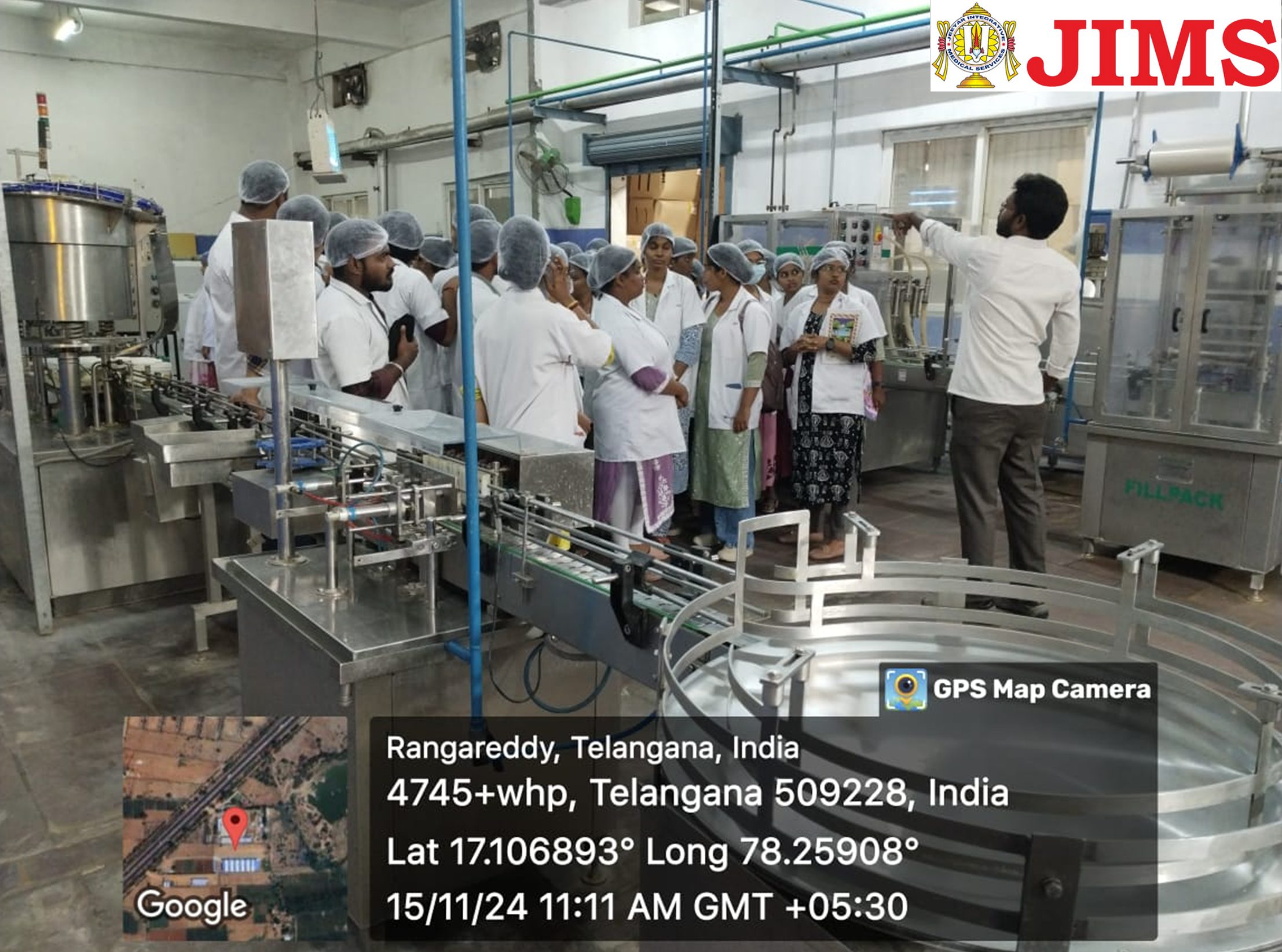
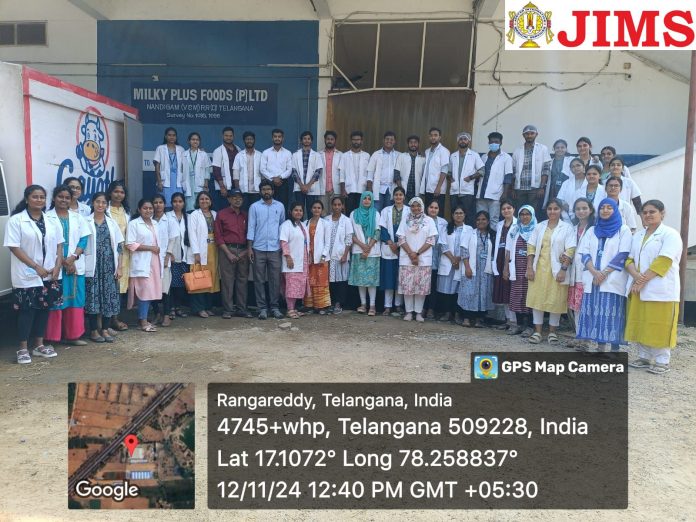
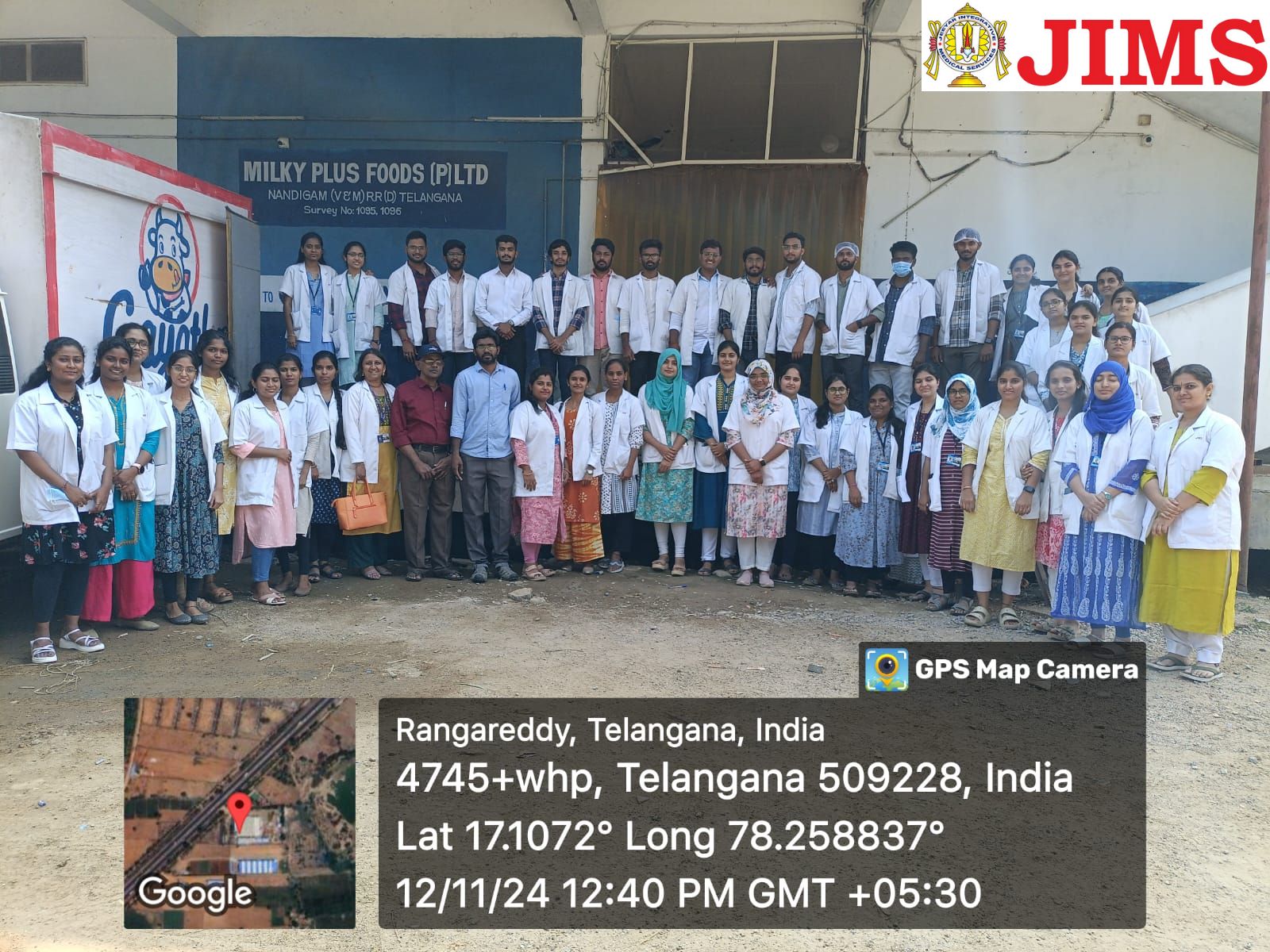
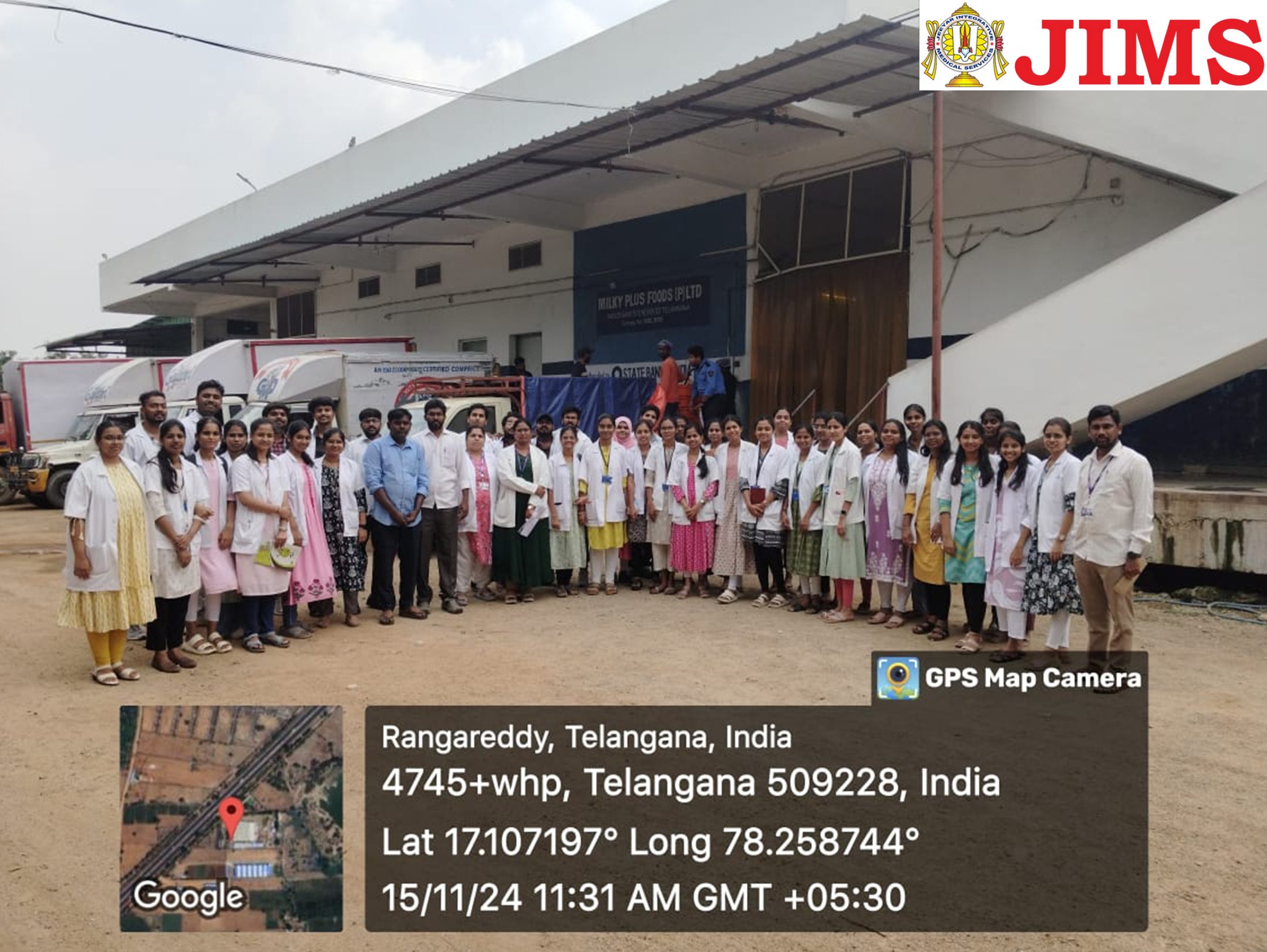
Department of Community Medicine Visit to Milky Plus Foods Pvt. Ltd. (Milk Dairy)

0
Department of Community Medicine Visit to Milky Plus Foods Pvt. Ltd. (Milk Dairy)
  • Number of Students:  87
  • Number of teachers: 4
  • Overview of the tour:  The visit was to introduce the students to the various methods of pasteurization of milk, test conducted to evaluate the efficacy of pasteurization and to educate them about milk hygiene and prevention of milk borne diseases.

87 students visited the Milky Plus Foods Pvt. Ltd. (Milk Dairy) in 2 batches on 12th and 15th November 2024. The students along with the faculty reported at the venue at 10.00 am  

Firstly the students were introduced to the in-charge of the milk dairy. They were taken around the plant to see how milk is collected & stored in large containers and through different channels supplied to the other units where various milk products are prepared. Students were shown the curd, favored milk, khoya, ghee processing and packaging units.

Further they were taken to the milk processing unit where the in-charge explained every step included in the process of pasteurization of milk with different methods like Holder method, HTST and UHT method. Thereafter the students were taken to the laboratory were efficacy of pasteurization is verified by test like phosphate test etc. He emphasized the need for maintenance of milk hygiene as to prevent milk borne diseases.
World Diabetes Day – JIMS college

0
World Diabetes Day - JIMS college

Fireless cooking competition, poster and model competition, paper presentation and quiz competition 
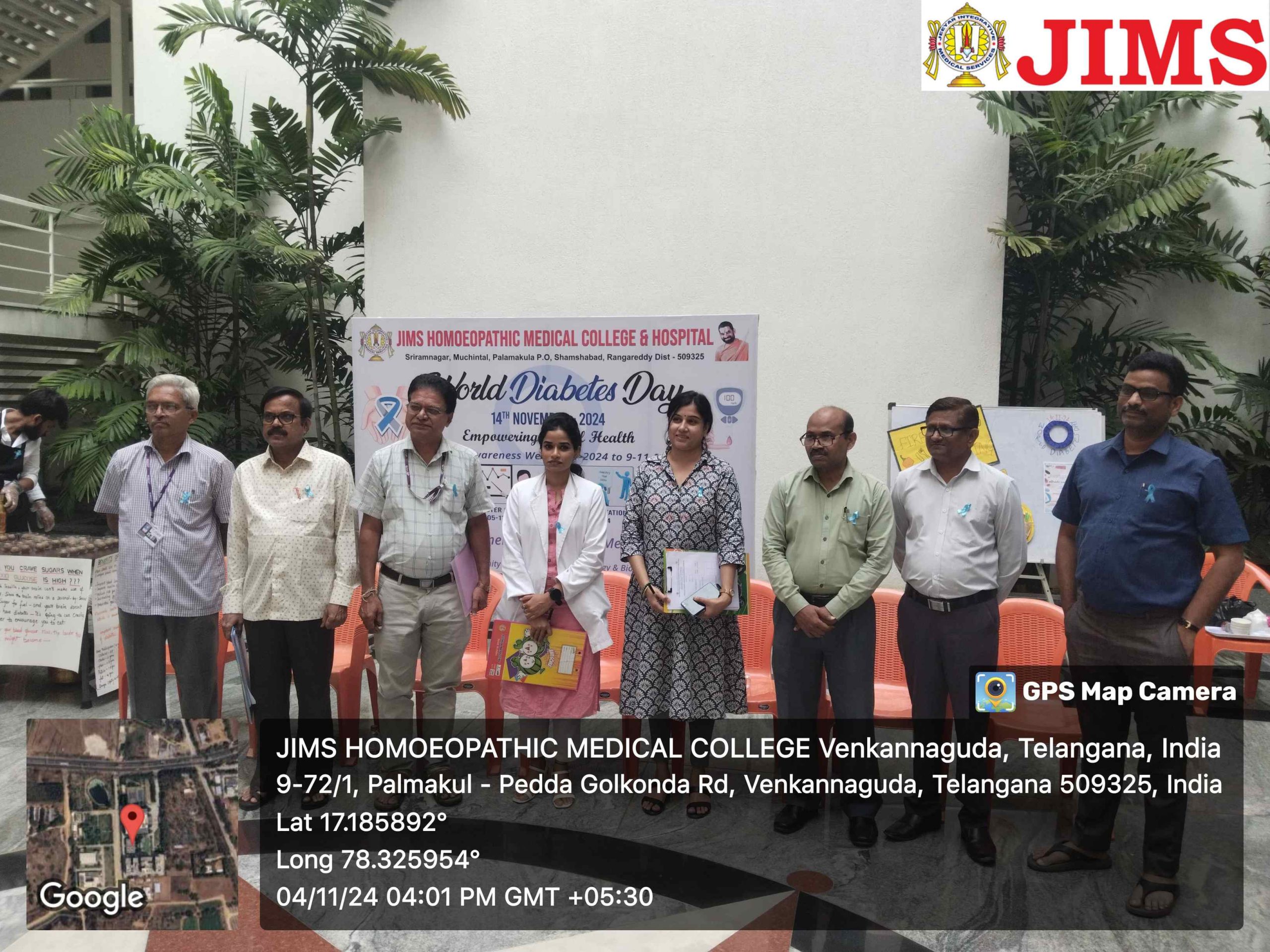
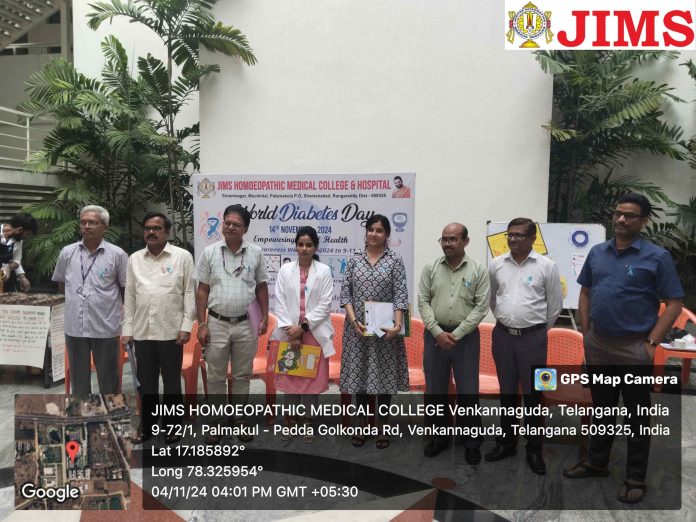
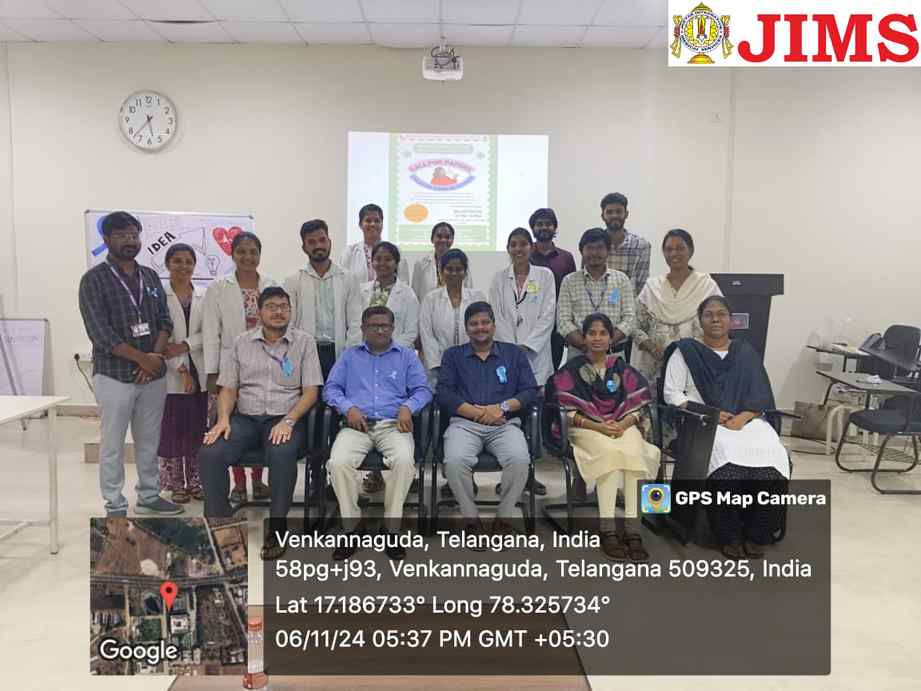
World Diabetes Day – 2024

0
World Diabetes Day - 2024

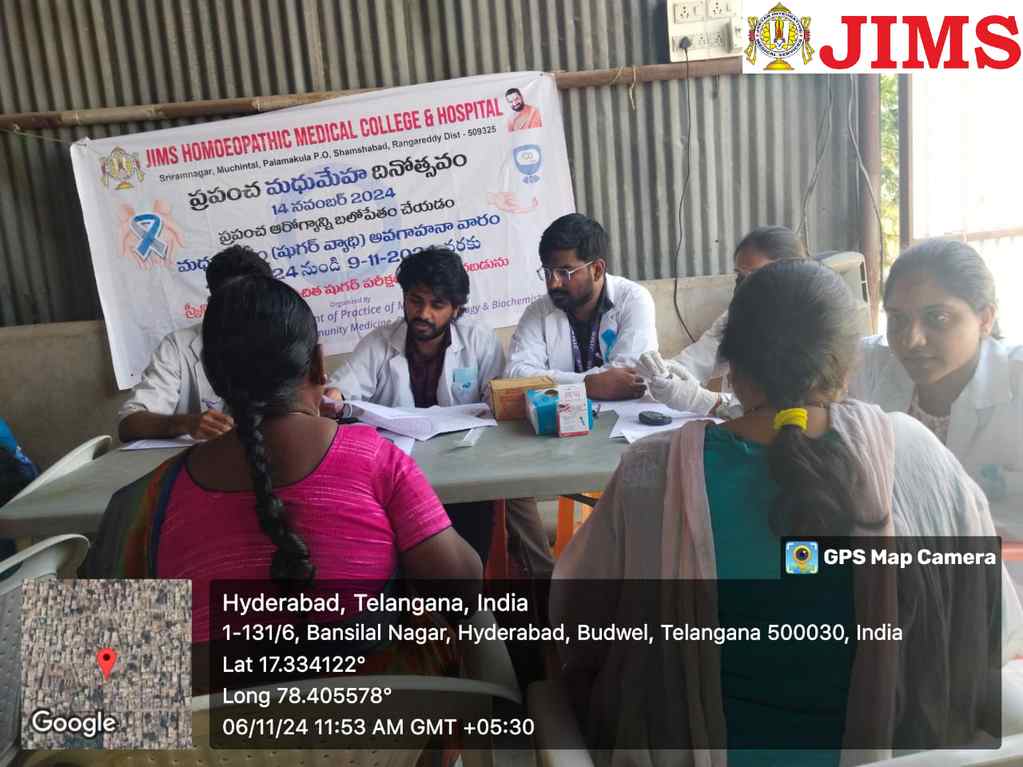
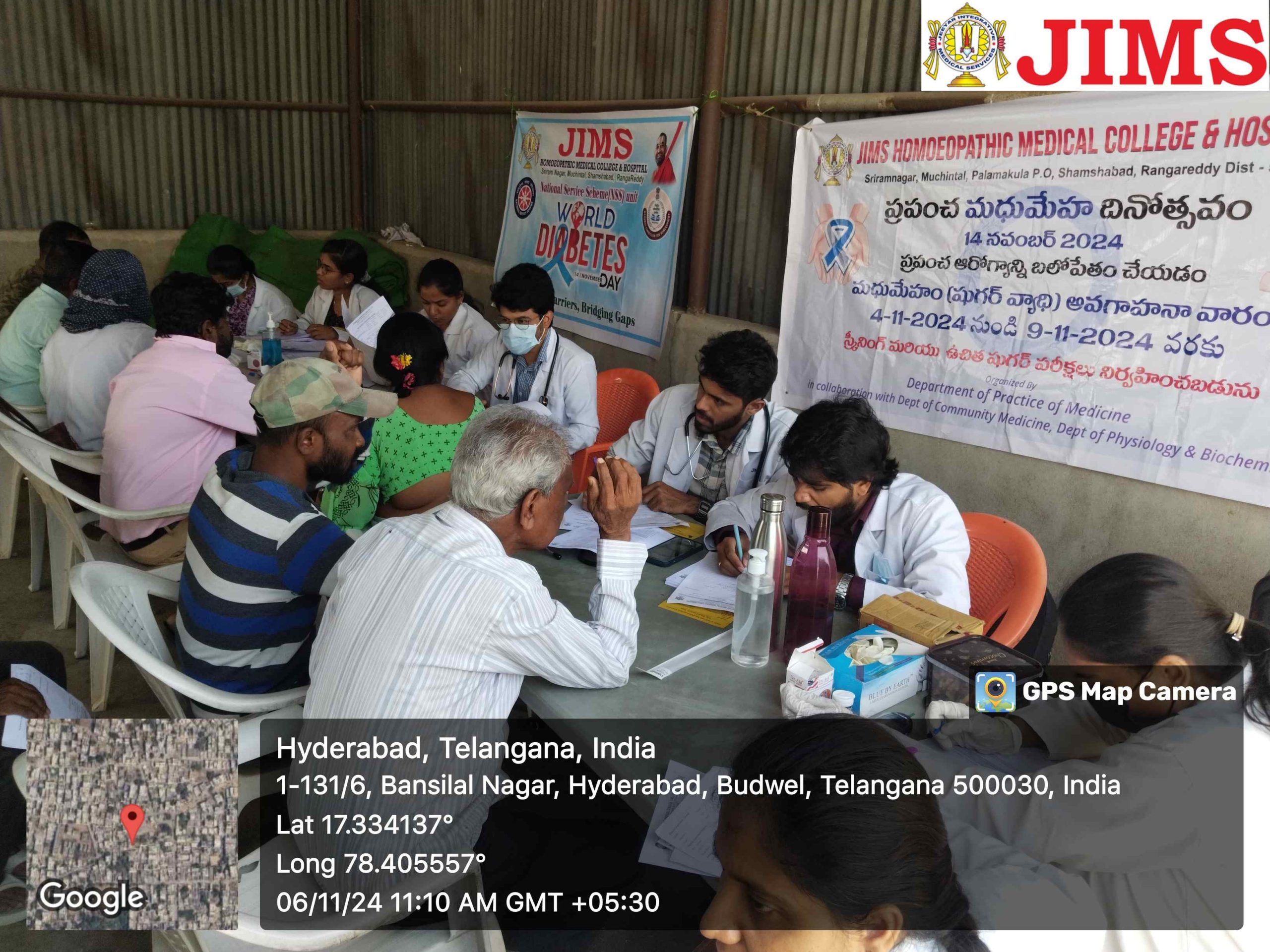
A Video presentation on the Diabetes Awareness Week (4th November to 9th November) in view of WORLD DIABETIC DAY conducted by Department of Practice of Medicine in collaboration with Department of Physiology and Biochemistry and Department of Community Medicine under the guidance of management of JIMS Homoeopathic Medical College.
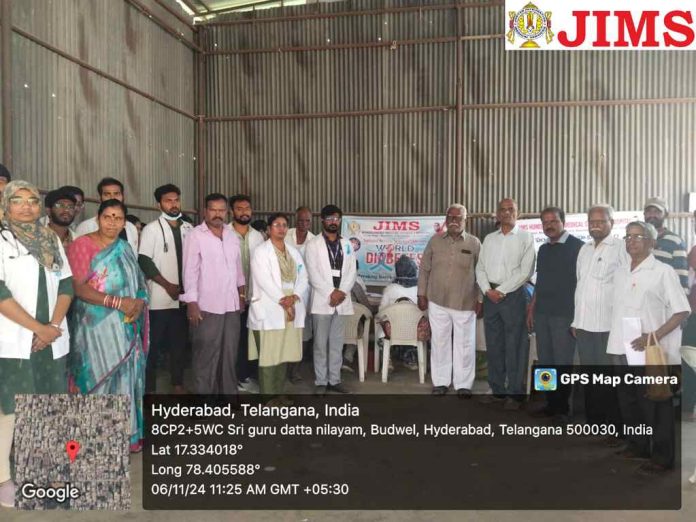
World Diabetes Day – Screening & Awareness Programme

0
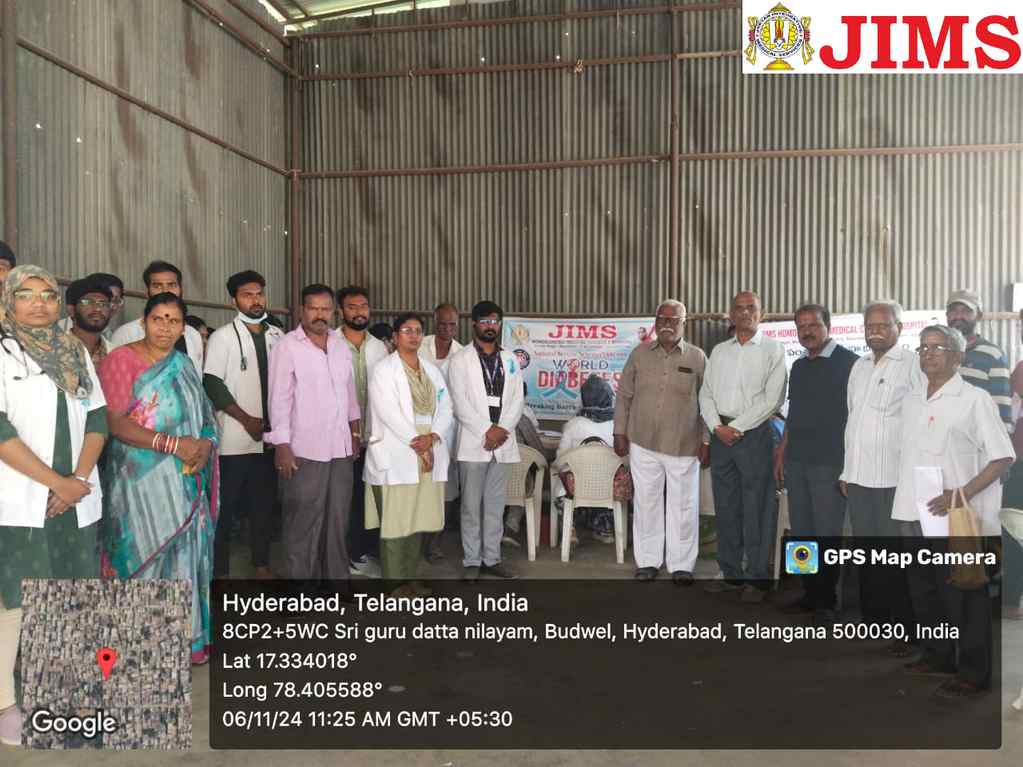
World Diabetes Day - Screening & Awareness Programme

Screening & Awareness Programme

An insight on Homoeopathic Research!

0
An insight on Homoeopathic Research!
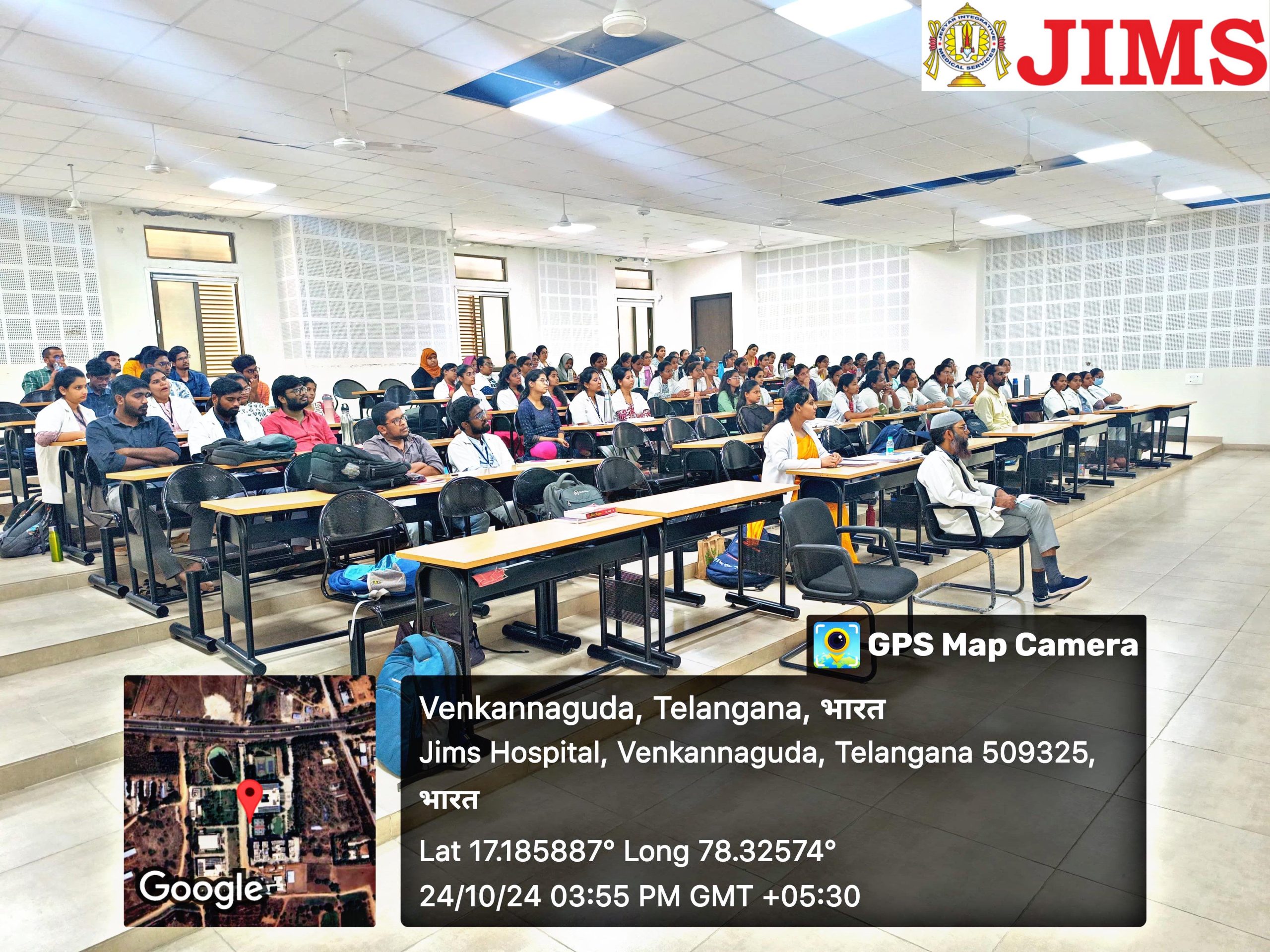
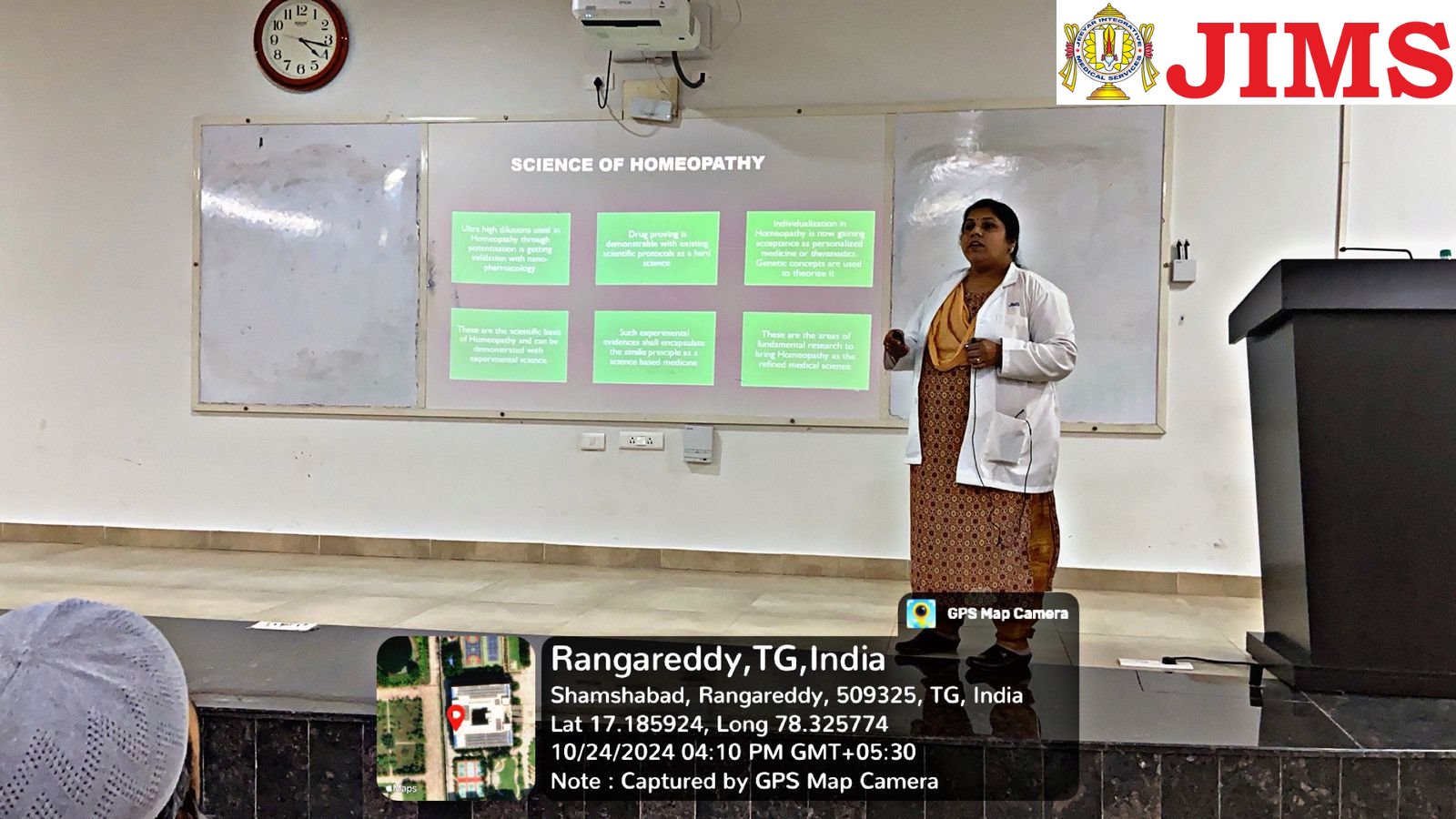
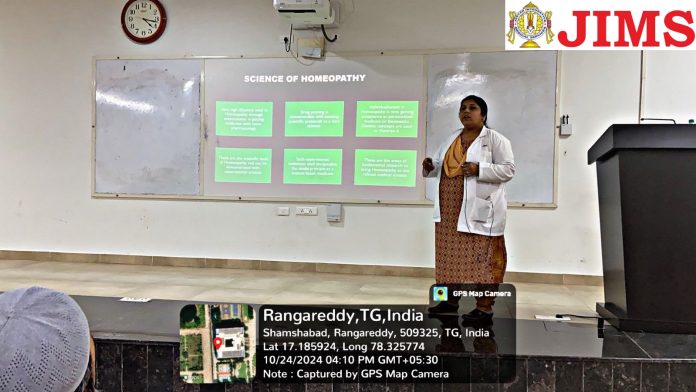
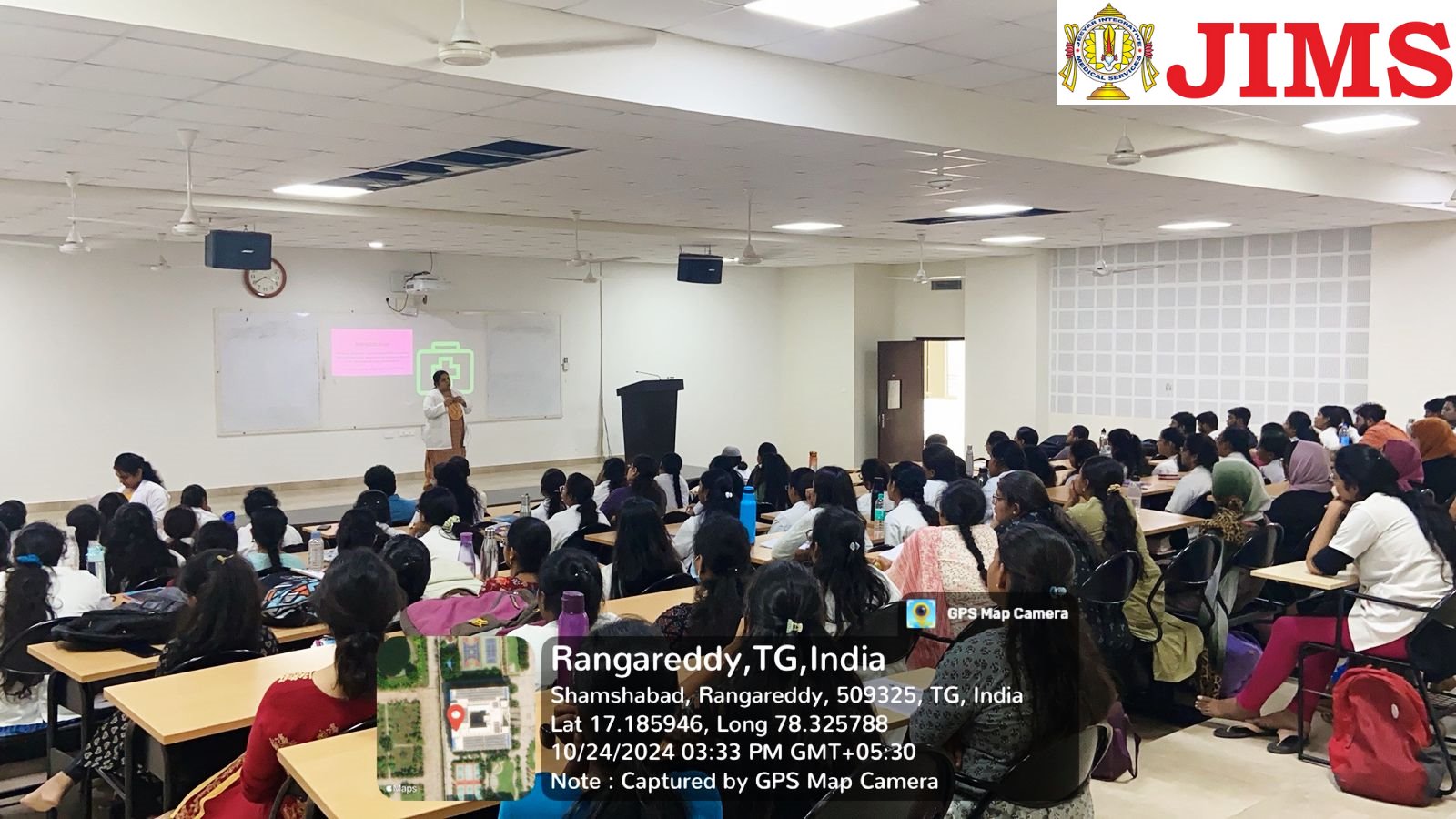
JIMS Homoeopathic Medical College and Hospital, department of research in collaboration with department of community medicine, organized an Orientation programme on the title “ Review of Journals and various types of Research studies” on 24.10.2024 for the Interns.
Speaker: Dr Chandraja CV
Supervisor: Dr Mohammed Irfan
Moderator: Dr Susira Suresh
Key Takeaways:
-Characteristics of research
-Essentialities and objectives of research
-Types of clinical research
-Difference on experimental and observational research with examples
-Journal review & Scientific design of research
-Research publications and Homeopathic clinical database
A pre and post session evaluation was done in form of MCQs for the audience which shows an appreciable improvement on the topic.
A feed back was also collected from the Interns which reveals a positive attitude towards the benefits of the session.

“World Down Syndrome Awareness Programme”

0
World Down Syndrome Awareness Programme
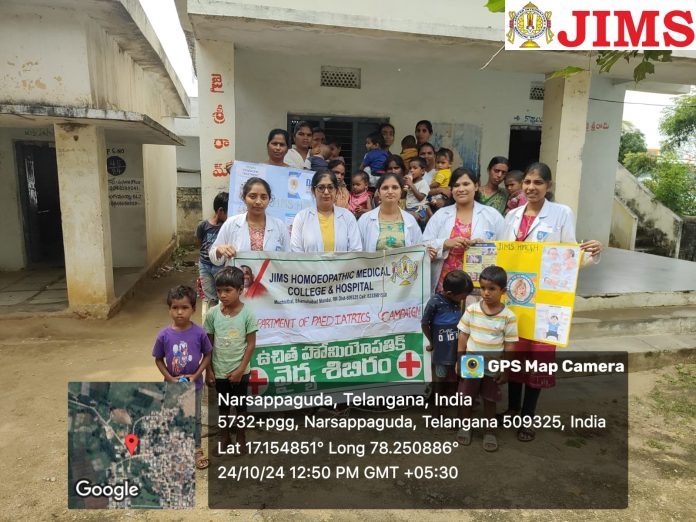
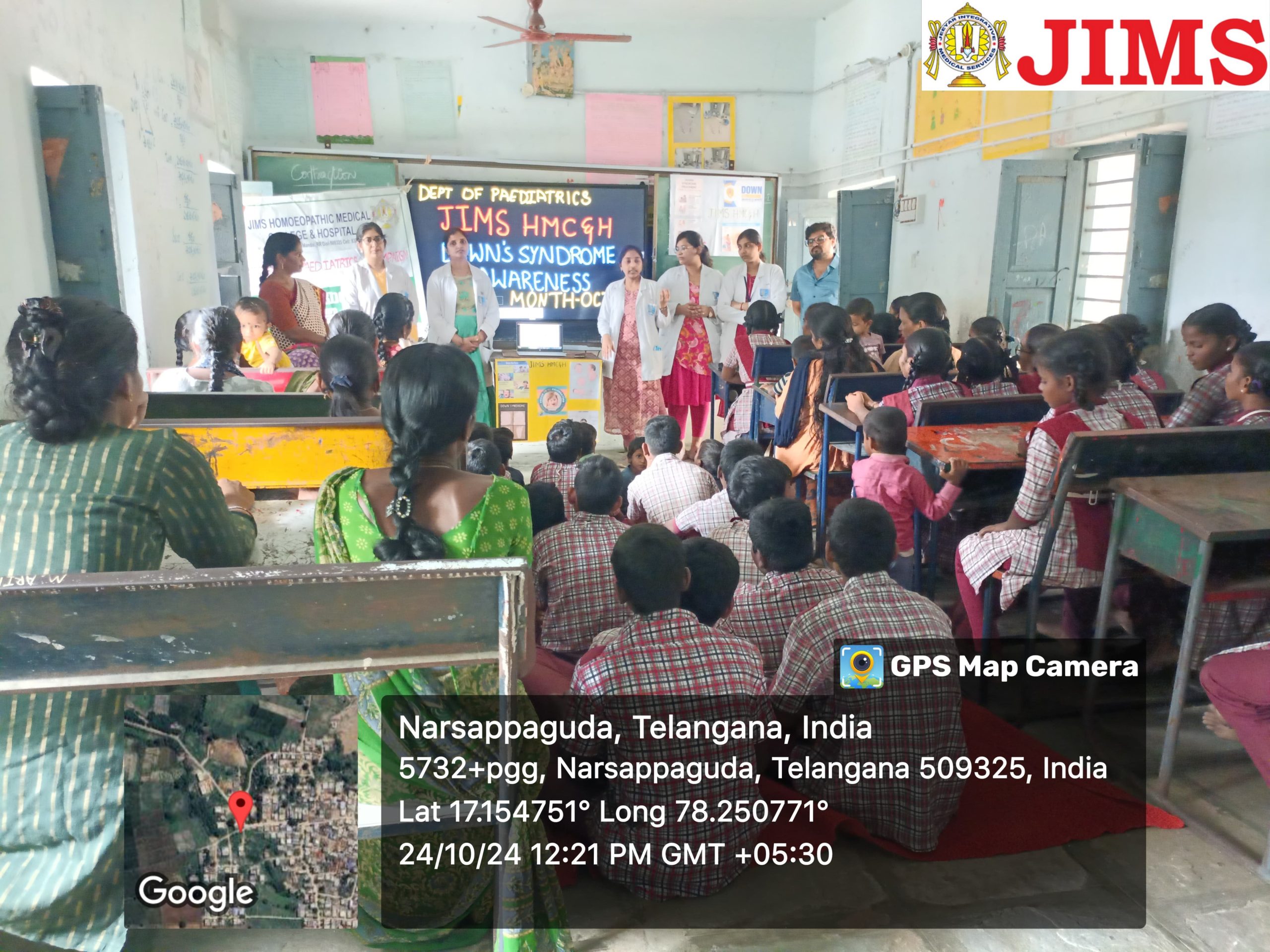
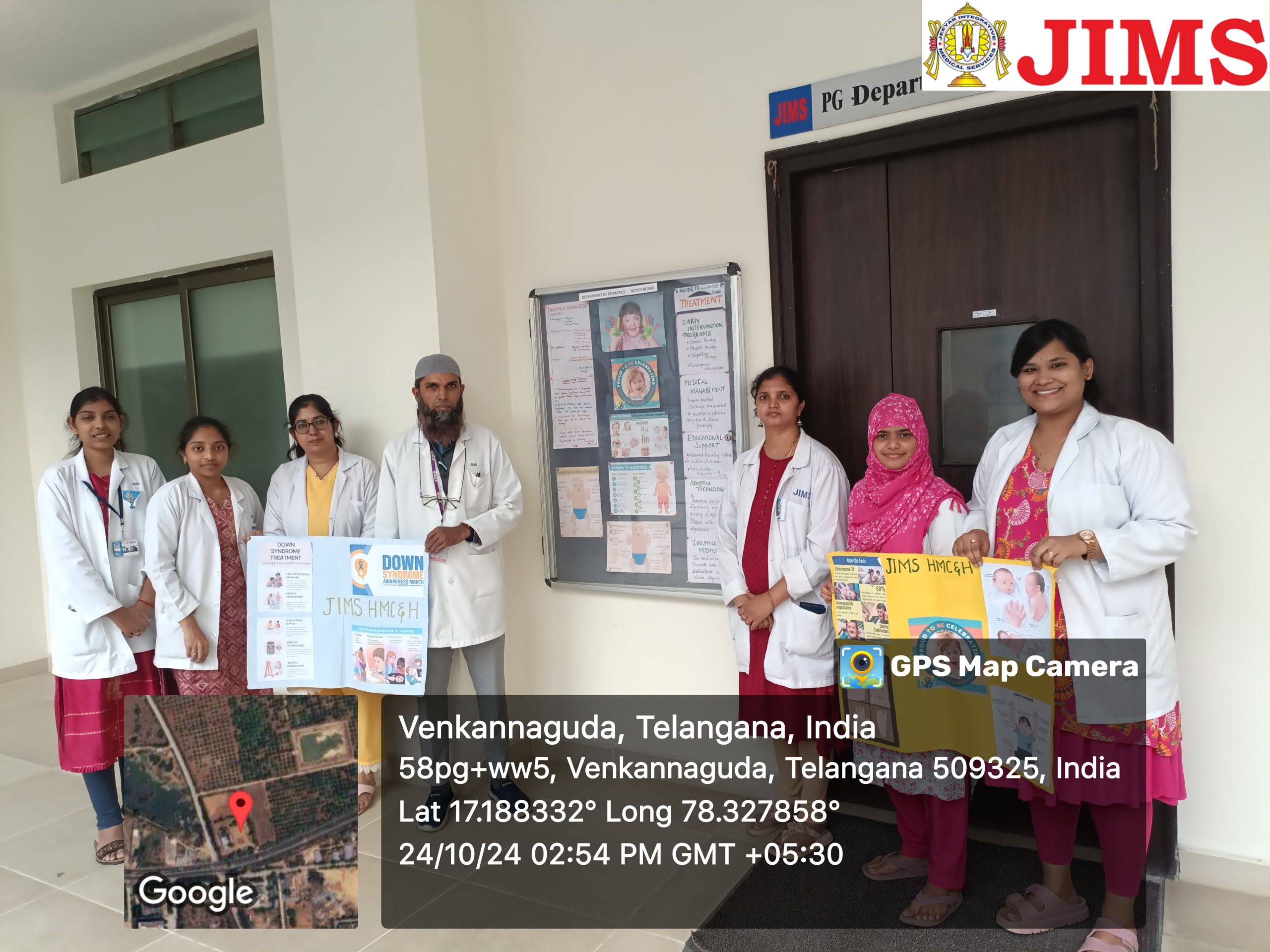
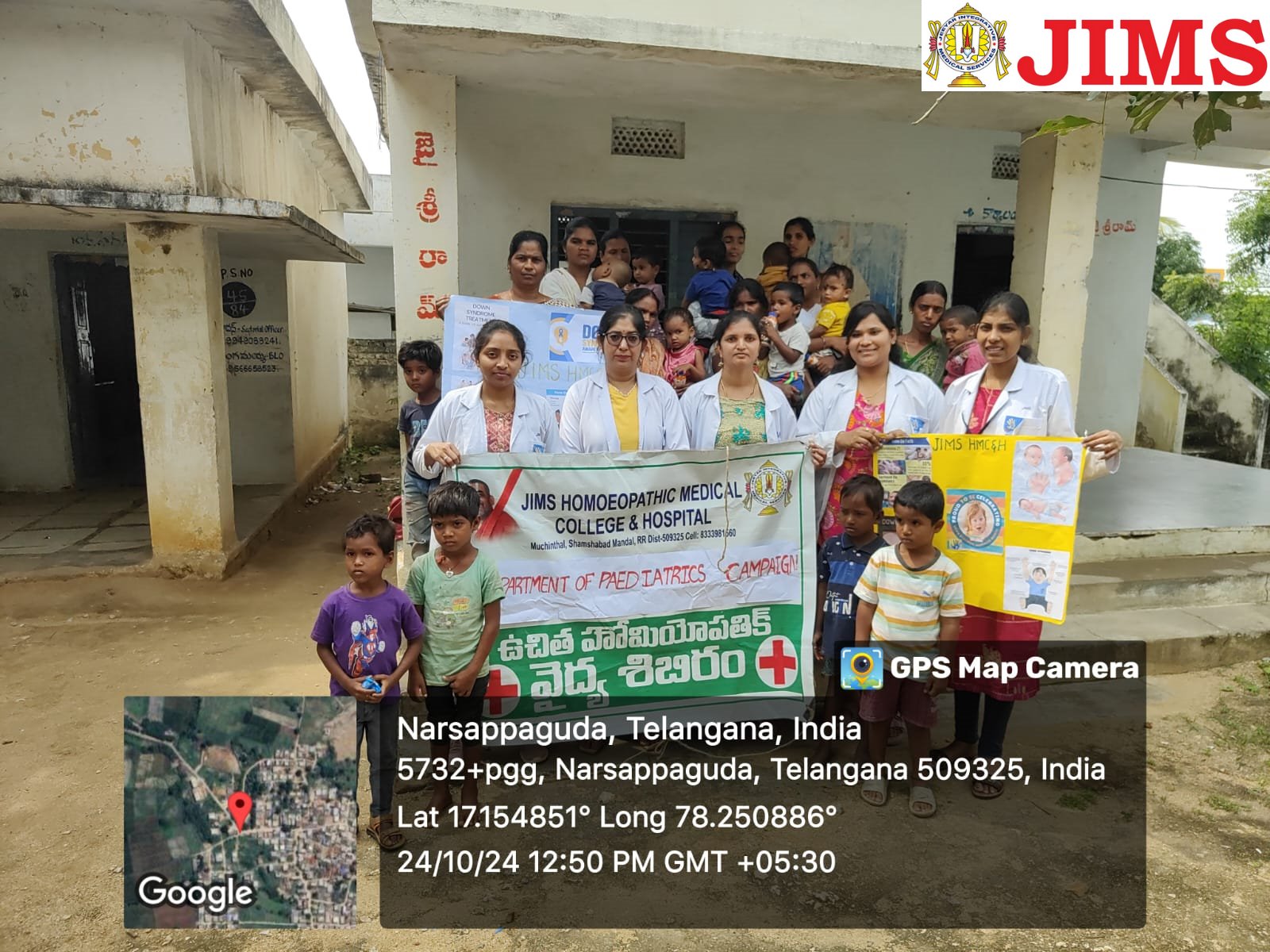
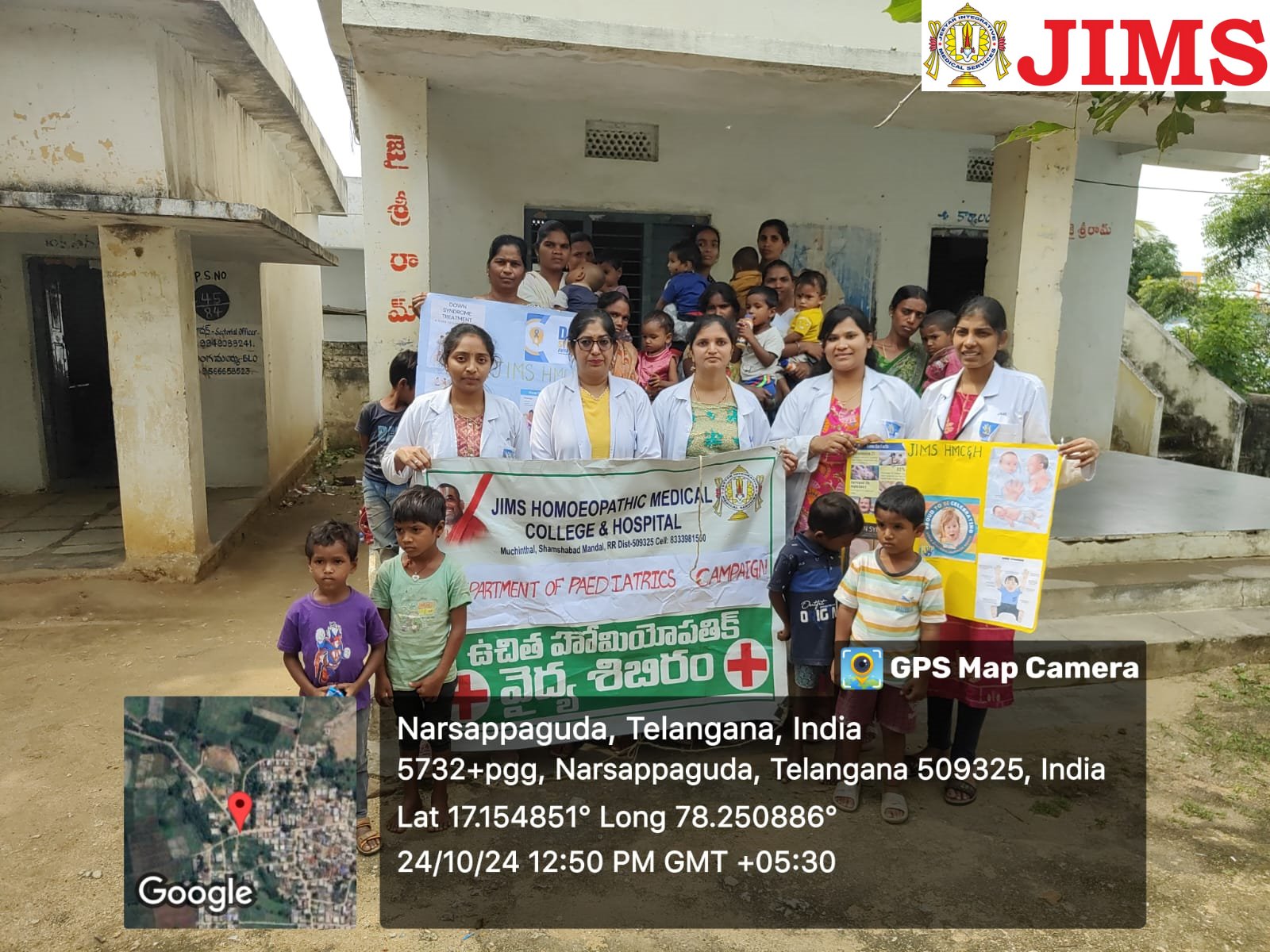
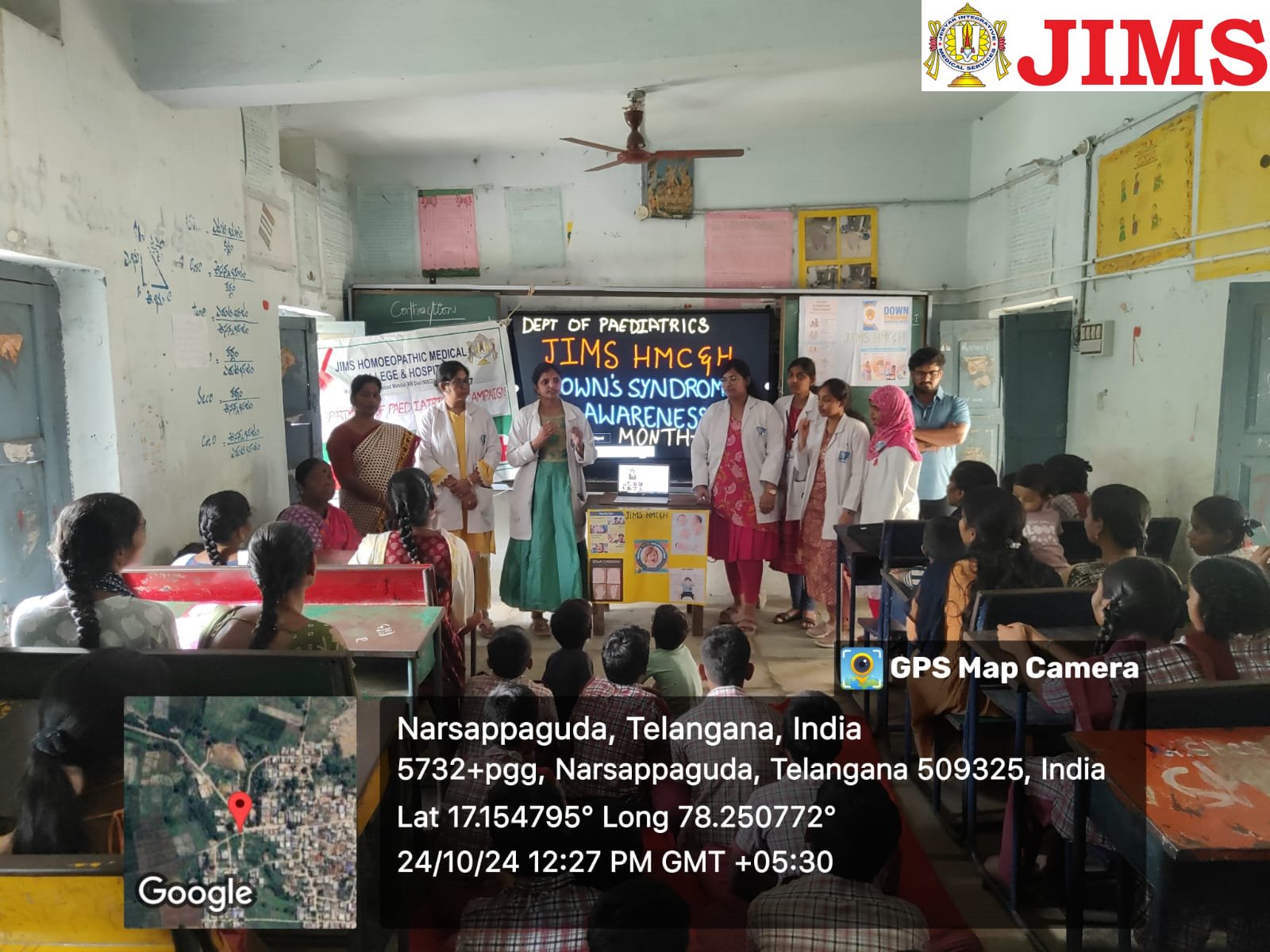
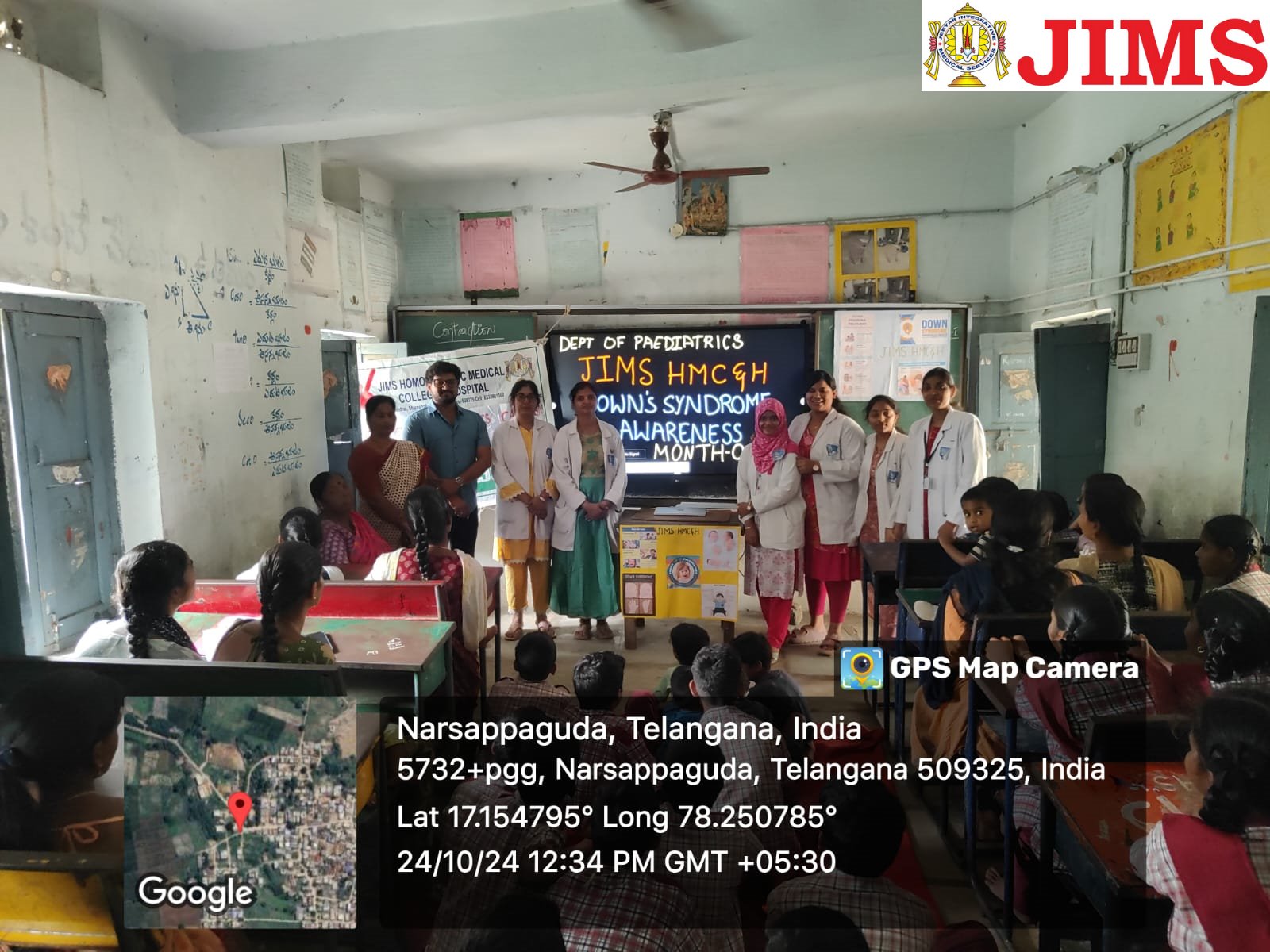
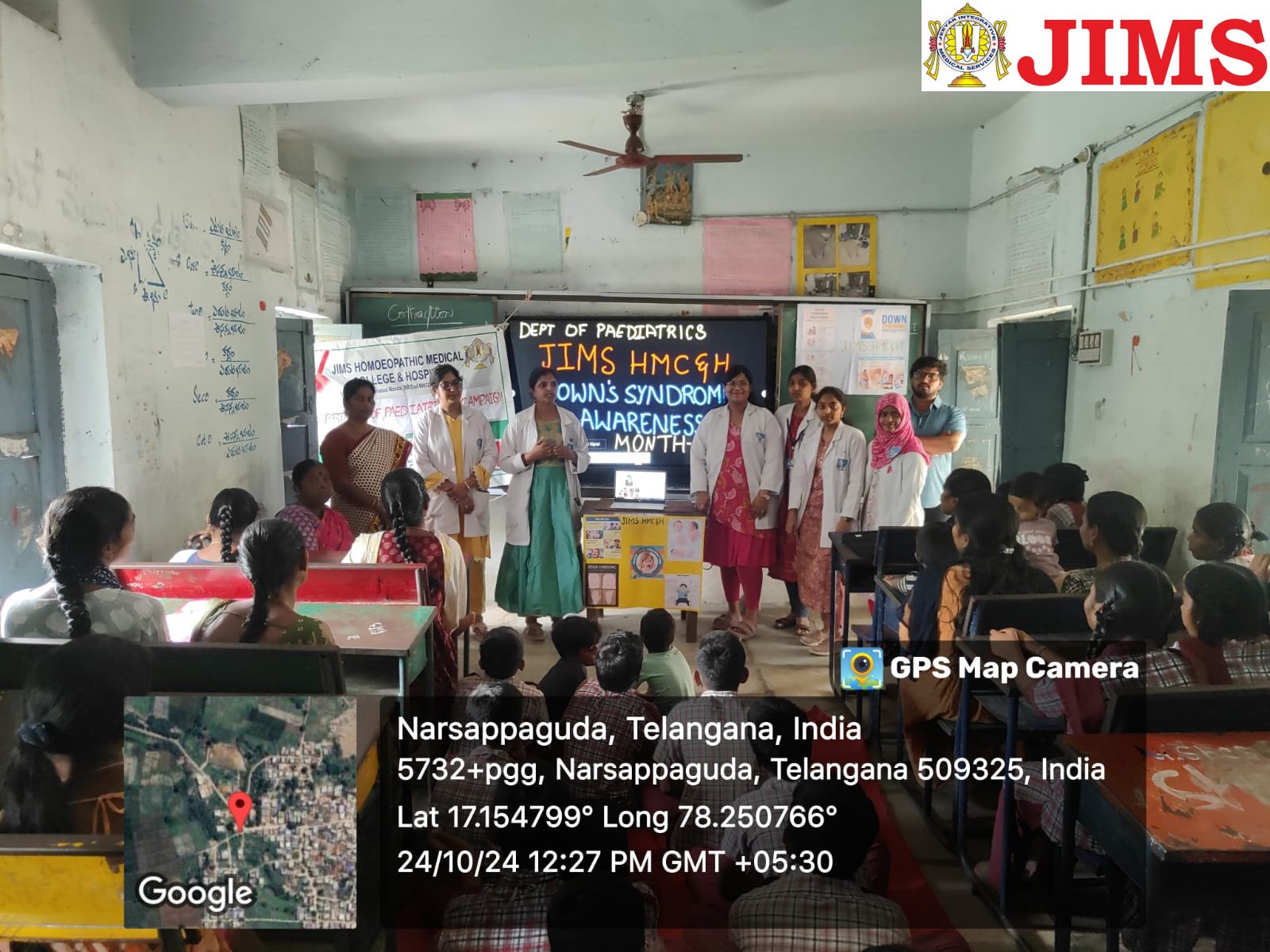
Our dedicated PG Scholars from the Department of Pediatrics at JIMS Homoeopathic Medical College & Hospital, along with our esteemed faculty, hosted a meaningful awareness programme on Down syndrome at Narsapaguda Peripheral OPD and Anganwadi School.
 
Led by Dr. Abinaya, Dr. Suchi, Dr. Rukhiya, and Dr. Lahari, under the guidance of Dr. Md. Irfan and Dr. Bhavana Shikha, we educated villagers, pregnant mothers, teachers, AMOs, and ASHA workers about the early signs of Down syndrome, lifestyle management, and available therapeutic interventions.
 
We also highlighted the importance of bone and joint health, addressing the unique challenges faced by children in this area.
 
Together, let’s spread awareness and foster a more inclusive community!

Antibiotic Resistance: Facts to ponder

0
Antibiotic Resistance: Facts to ponder

Antibiotic Resistance: Facts to ponder
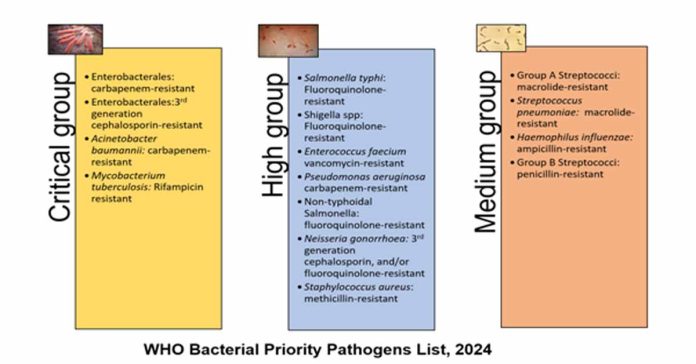
During the mid-20th century, the antibiotic era, infectious diseases were believed to be eradicated. Later antibiotics played a pivotal role for successful invasive and surgeries in transplantation, oncology andmany other medical disciplines. Availability ofantibiotic therapy has significantly reduced mortality resulting in increased life expectancy in general. Nevertheless, increasing numbers of bacteria are becoming resistantto multiple antibiotics currently in use resulting in multidrug-resistant (MDR) bacteria.
Antibiotic resistance manifests in 2 ways in bacteria
1. Natural intrinsic resistance due to lack orpresence of certain structures resulting in ineffectiveness of antibiotics
2. Acquire resistance via mutations in chromosomal genes or via horizontal gene transfer ofchromosomes or plasmids that lead to antibiotic resistance.

Molecular mechanisms that can lead to resistance can be categorized as

  • Reduction of intracellular antibiotic concentrations
  • Modification of the antibiotic target
  • Inactivation of the antibiotic

The misuse and overuse of antimicrobials in humans, animals and plants are the main drivers in the development of drug-resistant pathogens. The world faces an antibiotics pipeline and access crisis.
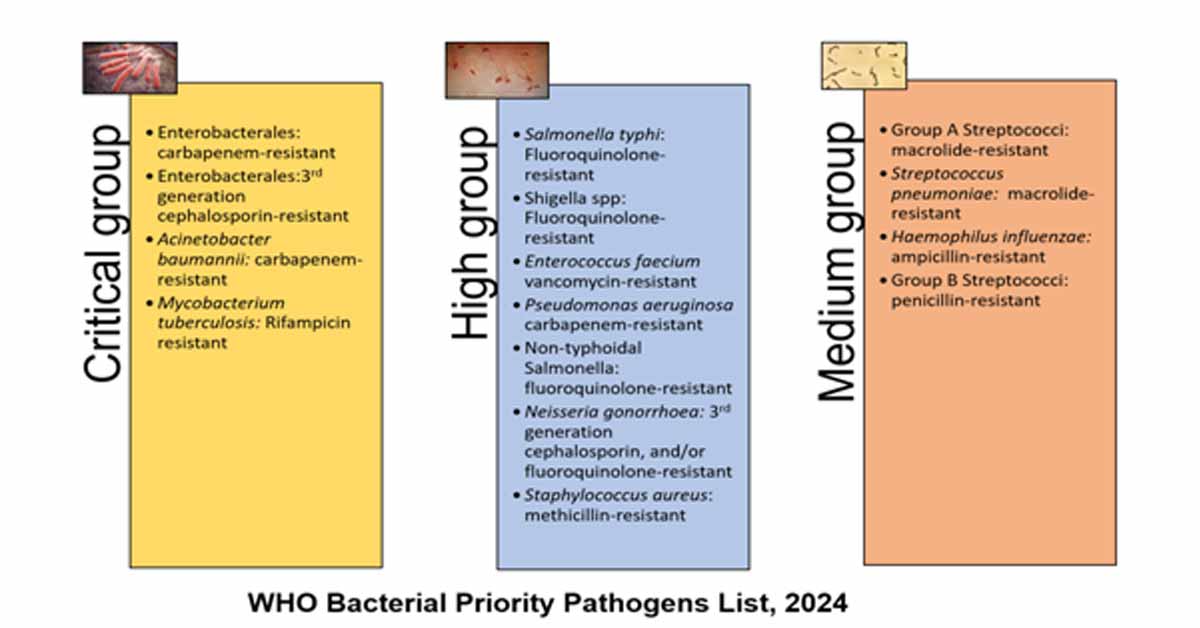
Antibiotic Resistance: Facts to ponder

Complementary or Alternative medicine like homeopathy holds promise for offering new solutions in the fight against infections, especially in the face of growing antibiotic resistance. Clinical research suggests that homeopathy is effective in the treatment of upper respiratory tract infections in children, a frequent cause of inappropriate antibiotic prescribing. By using effective homeopathic medications, if patients could be cured, it would reduce the load of antibiotics in the biotic and abiotic environment thus cutting the cycle of spread of antibiotic resistance

Dr.Y.V.S.Annapurna,
Assistant Professor,
Department of pathology & Microbiology
Celebrating Awareness and Community Empowerment

0
Celebrating Awareness and Community Empowerment
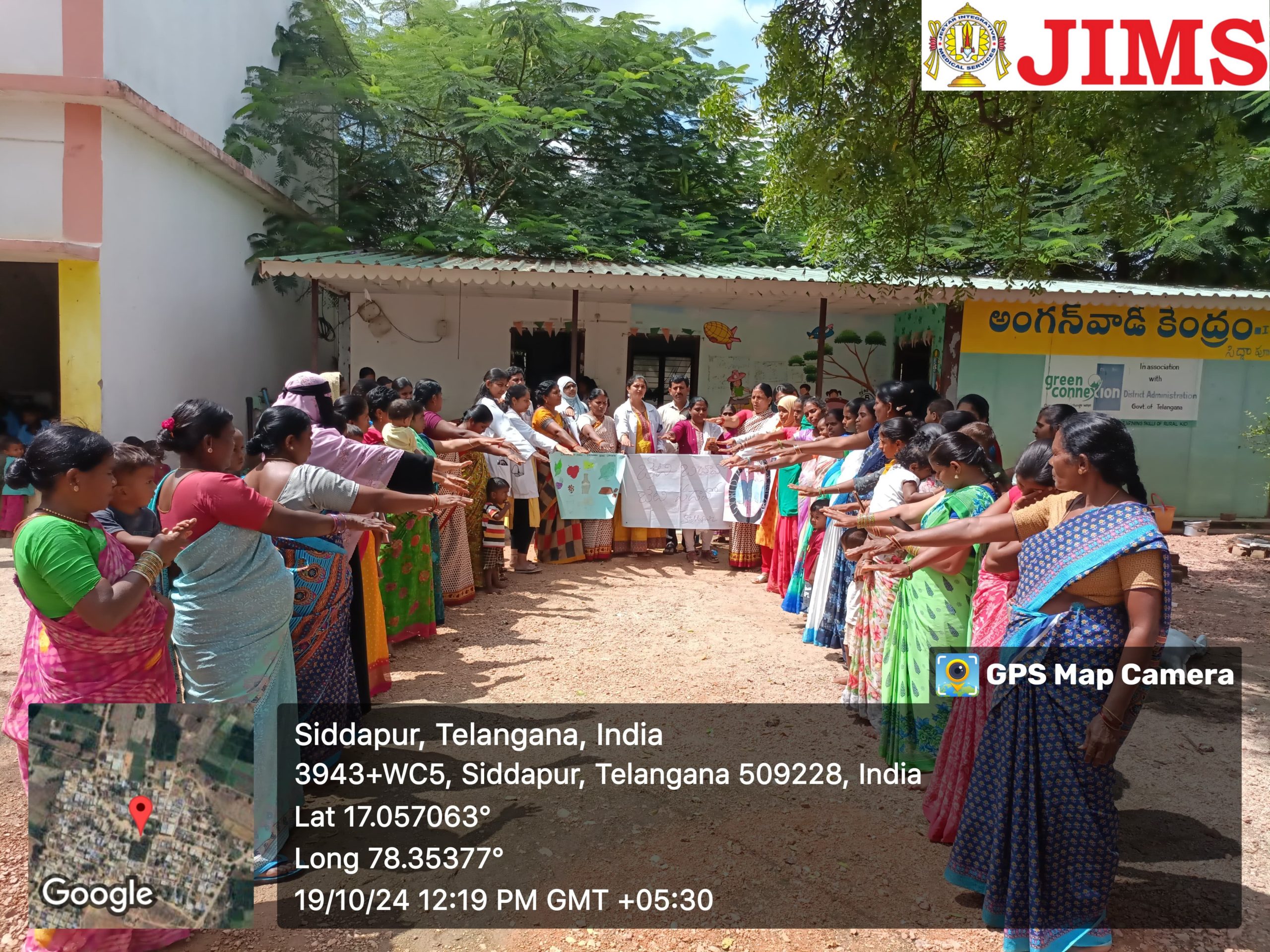
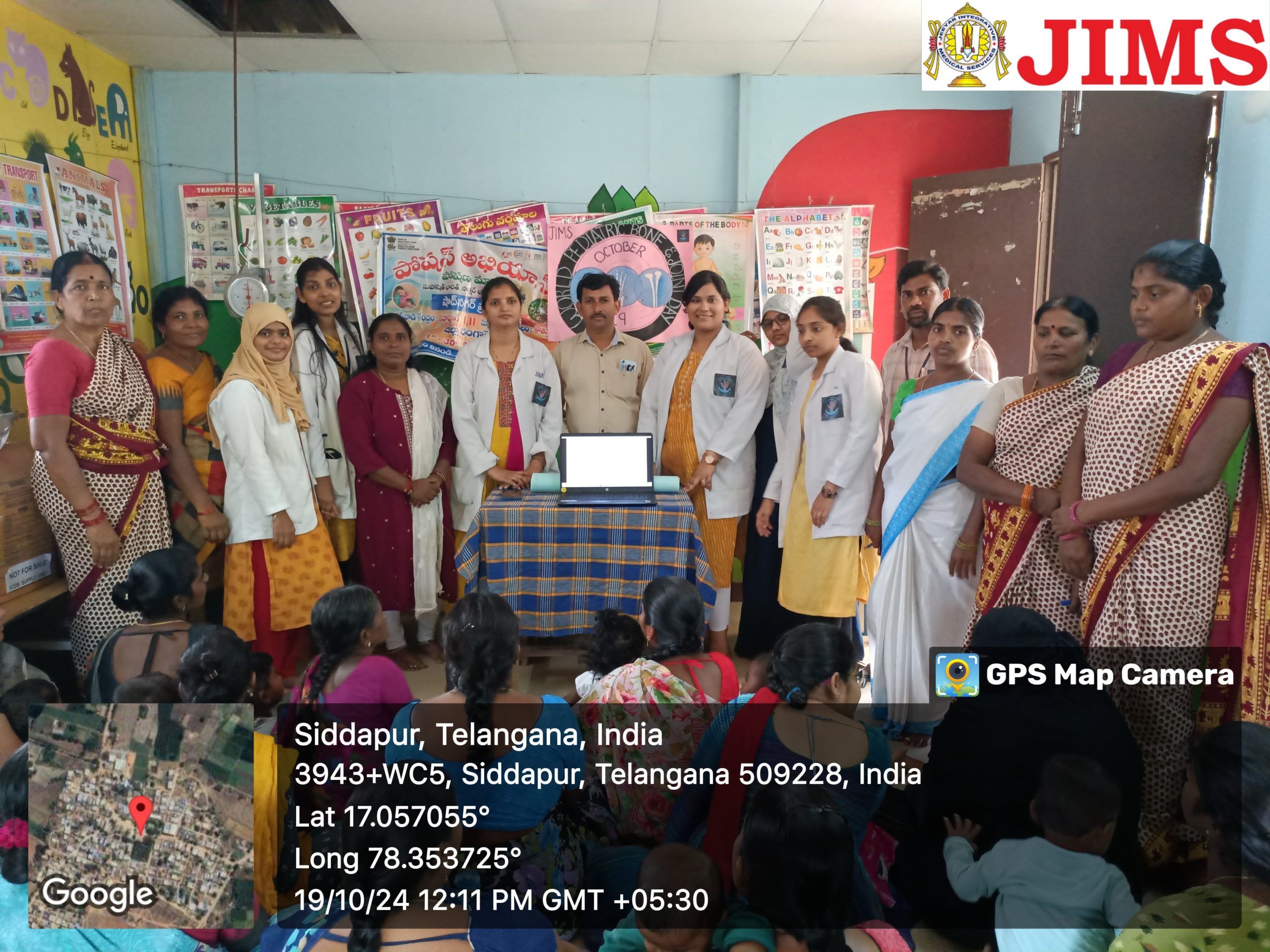
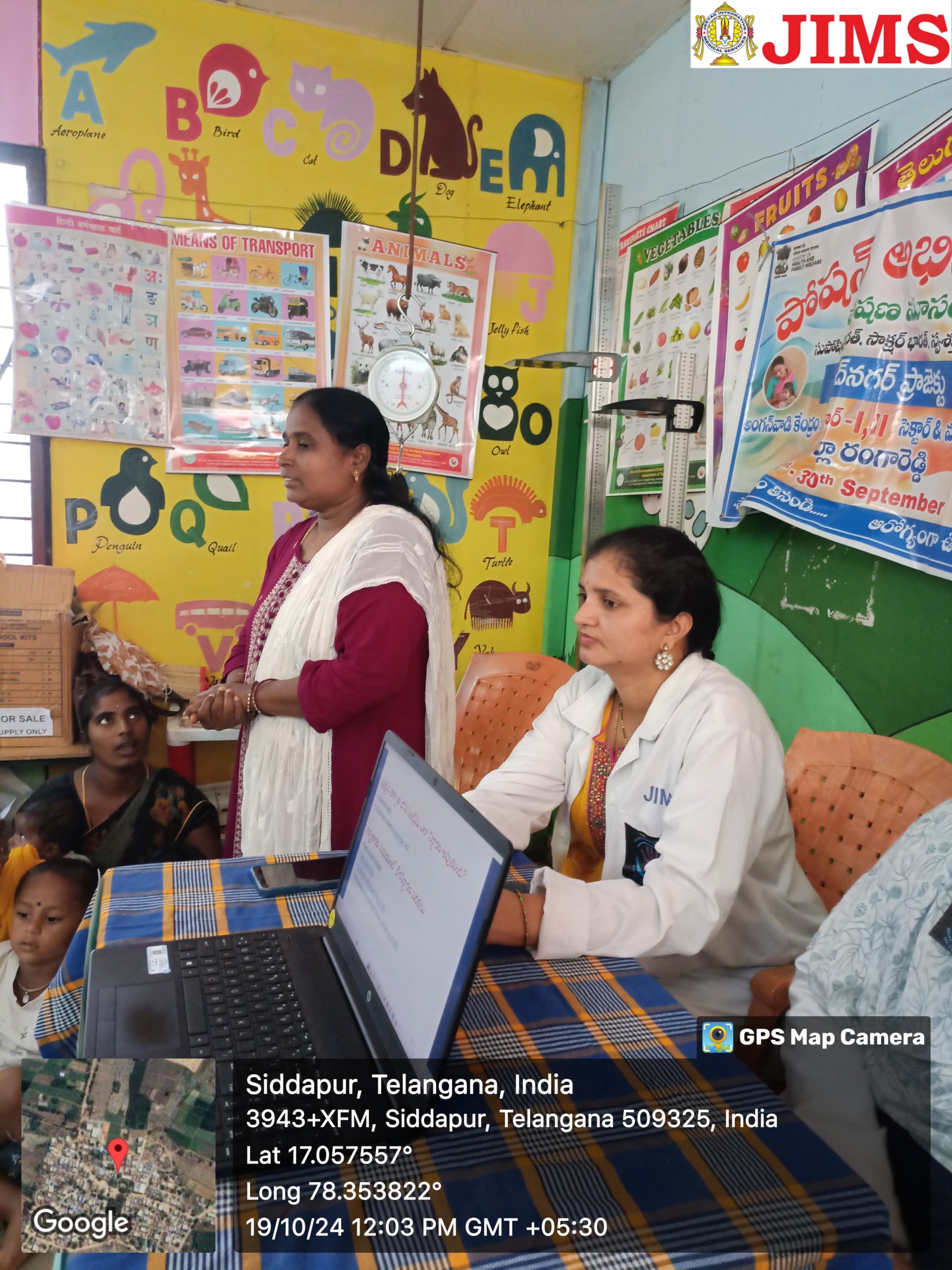
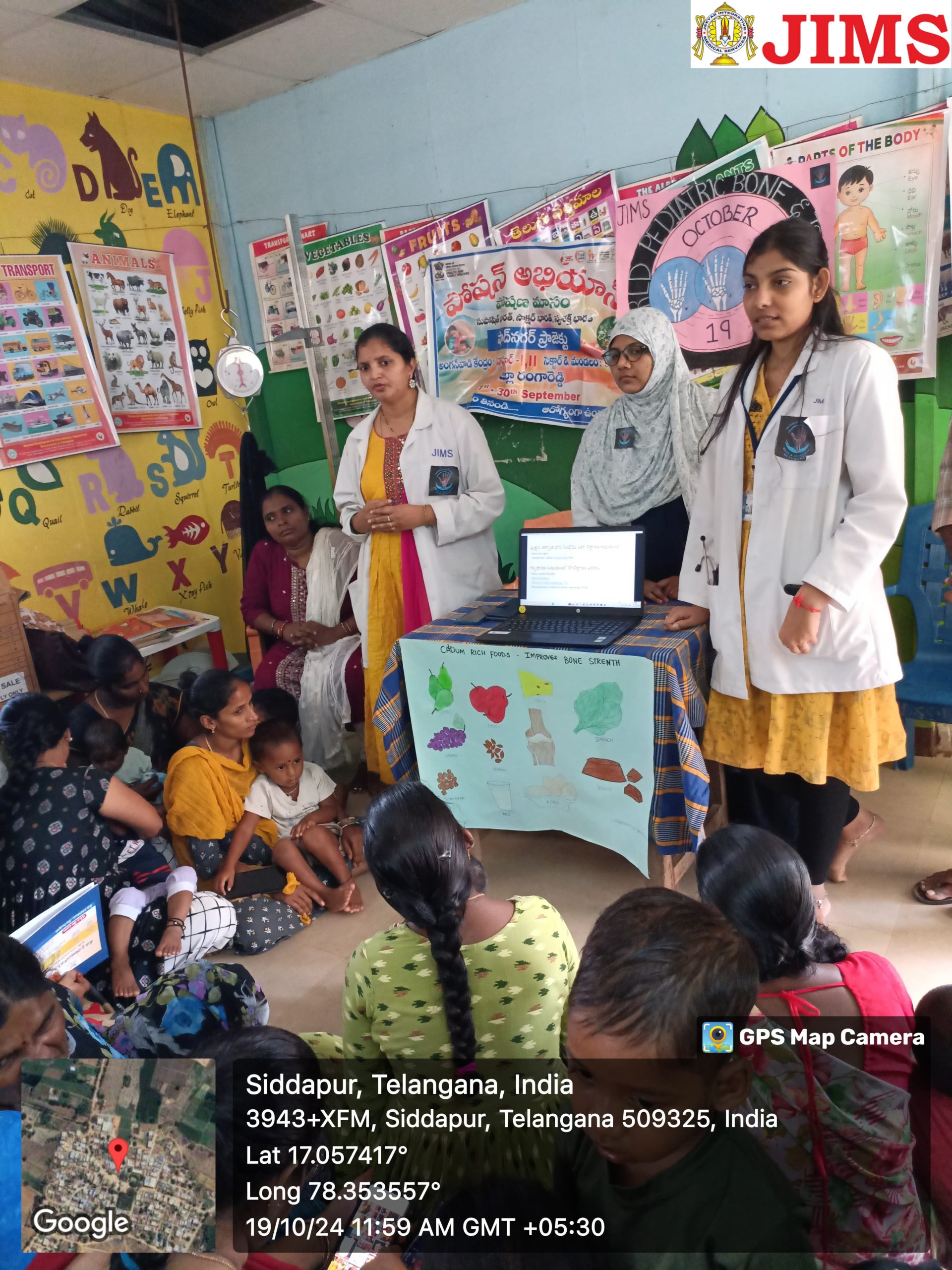
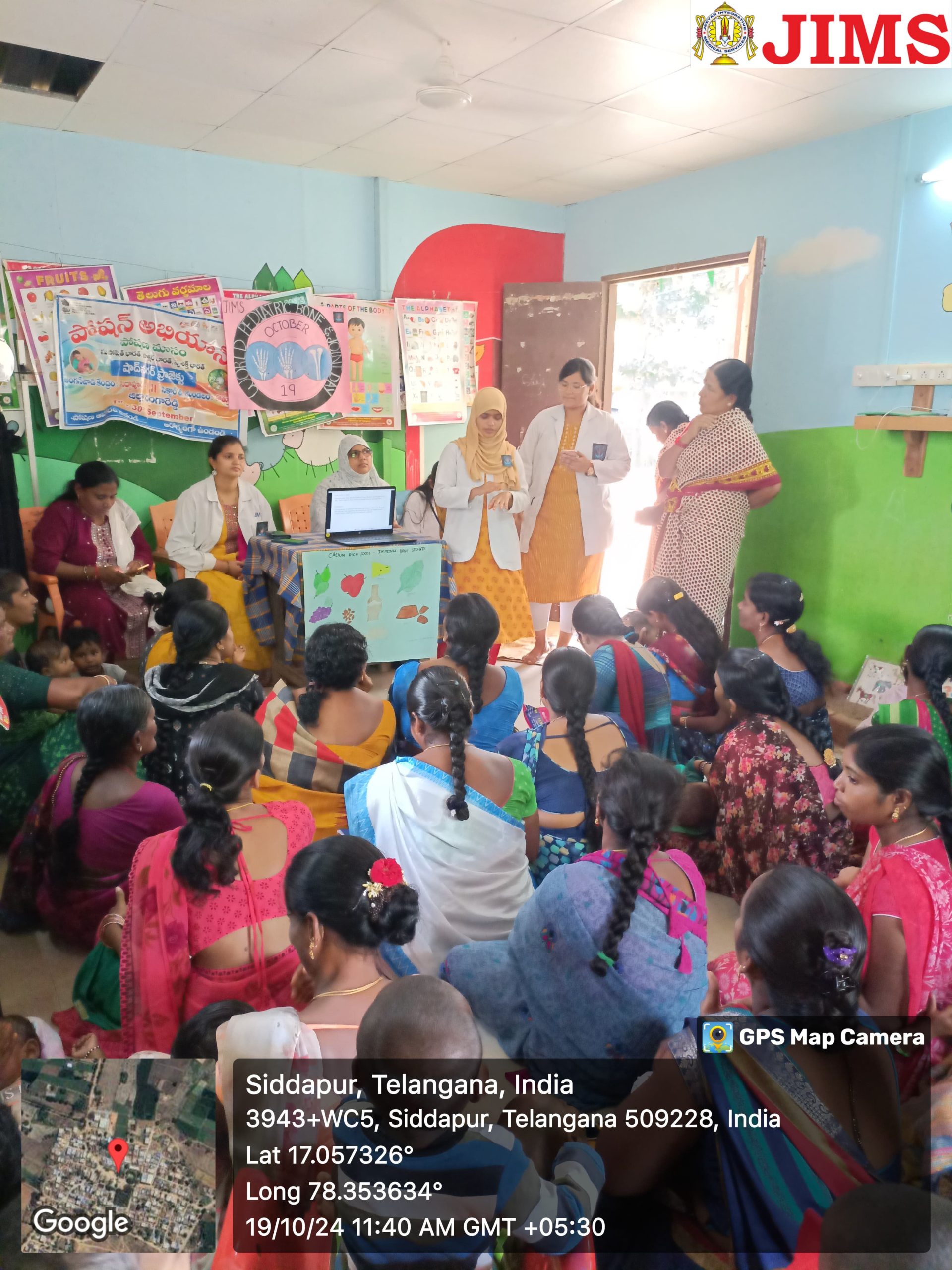
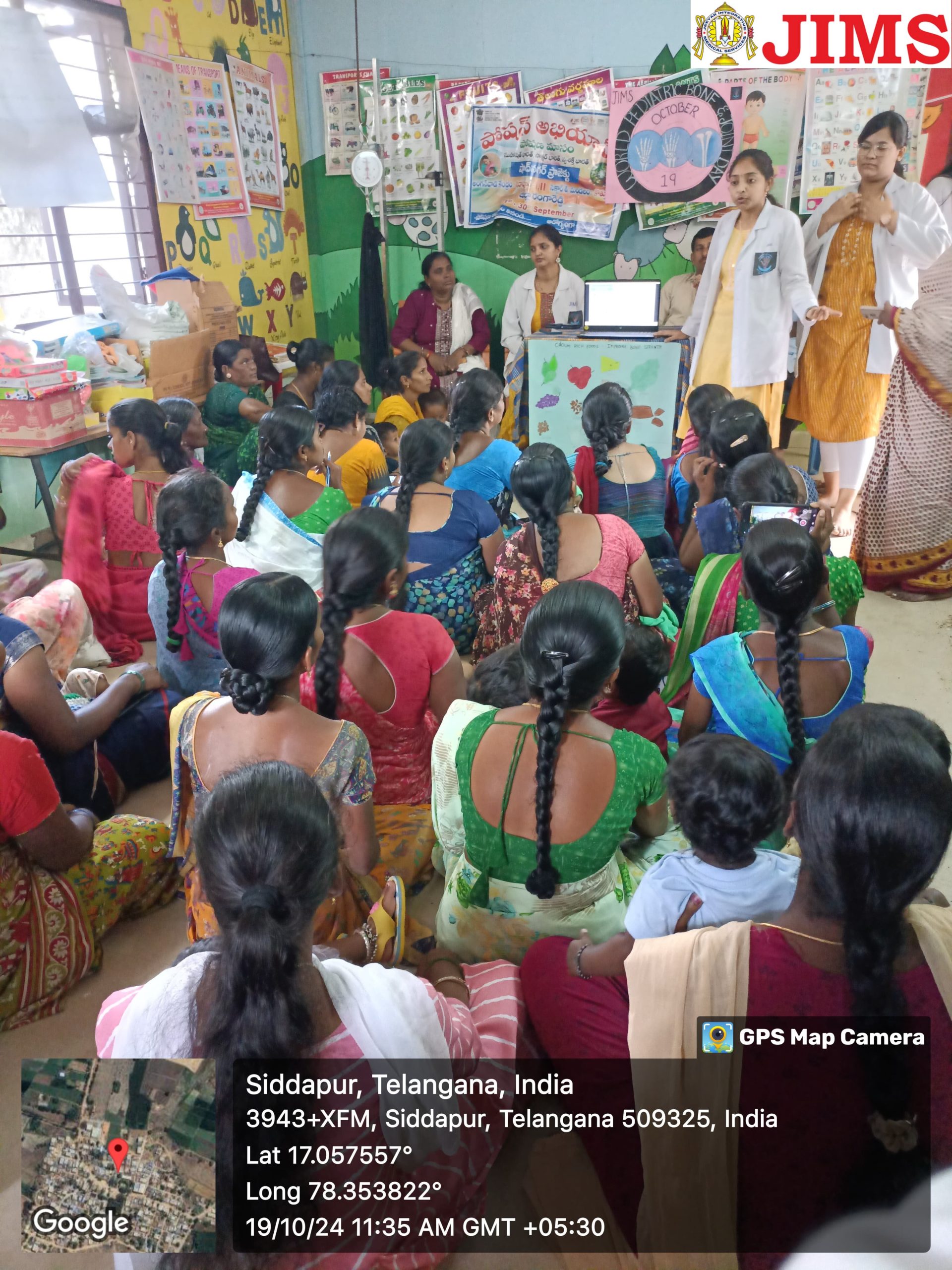
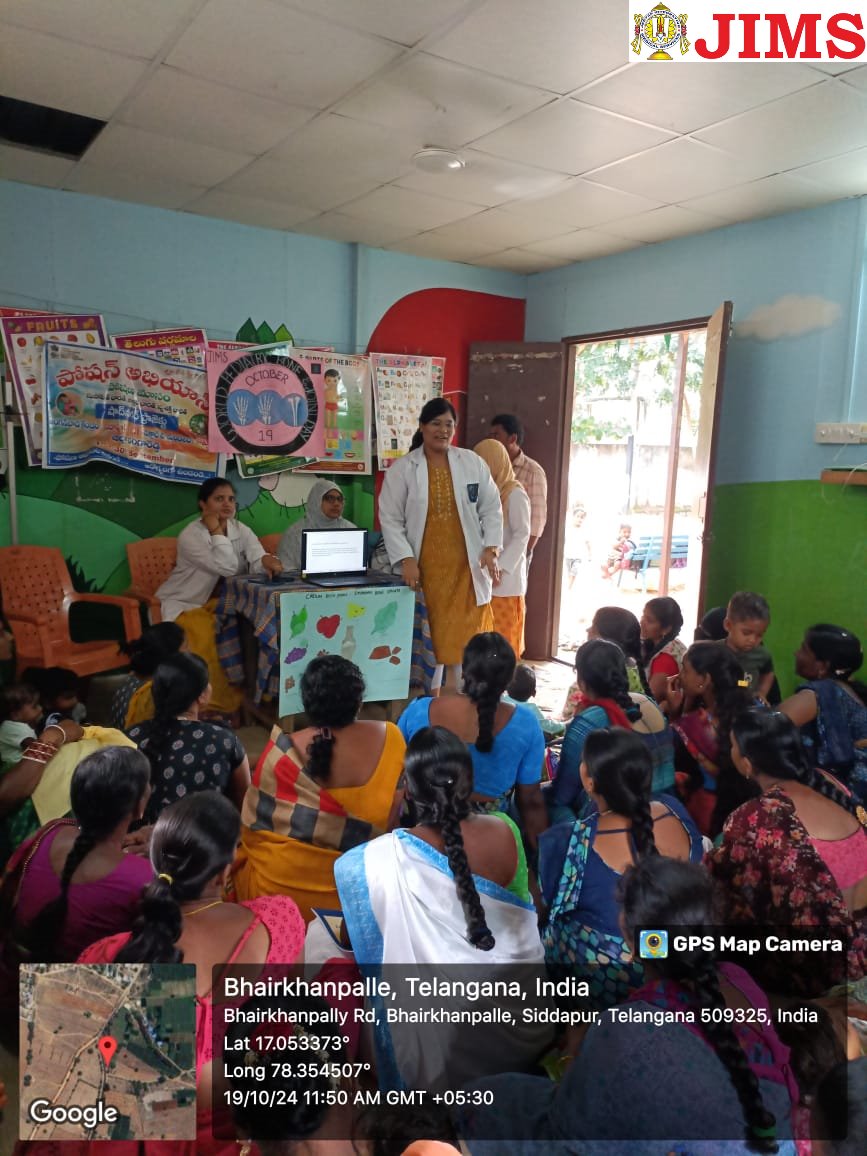
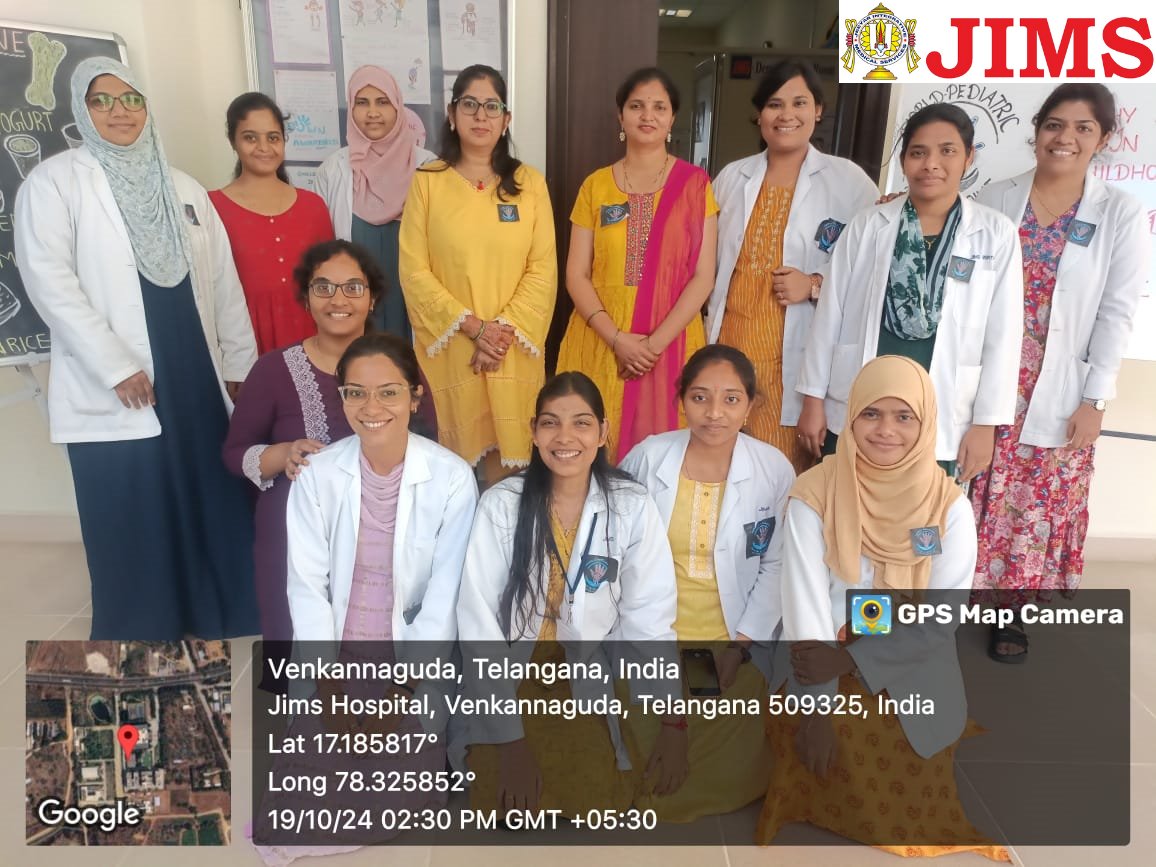
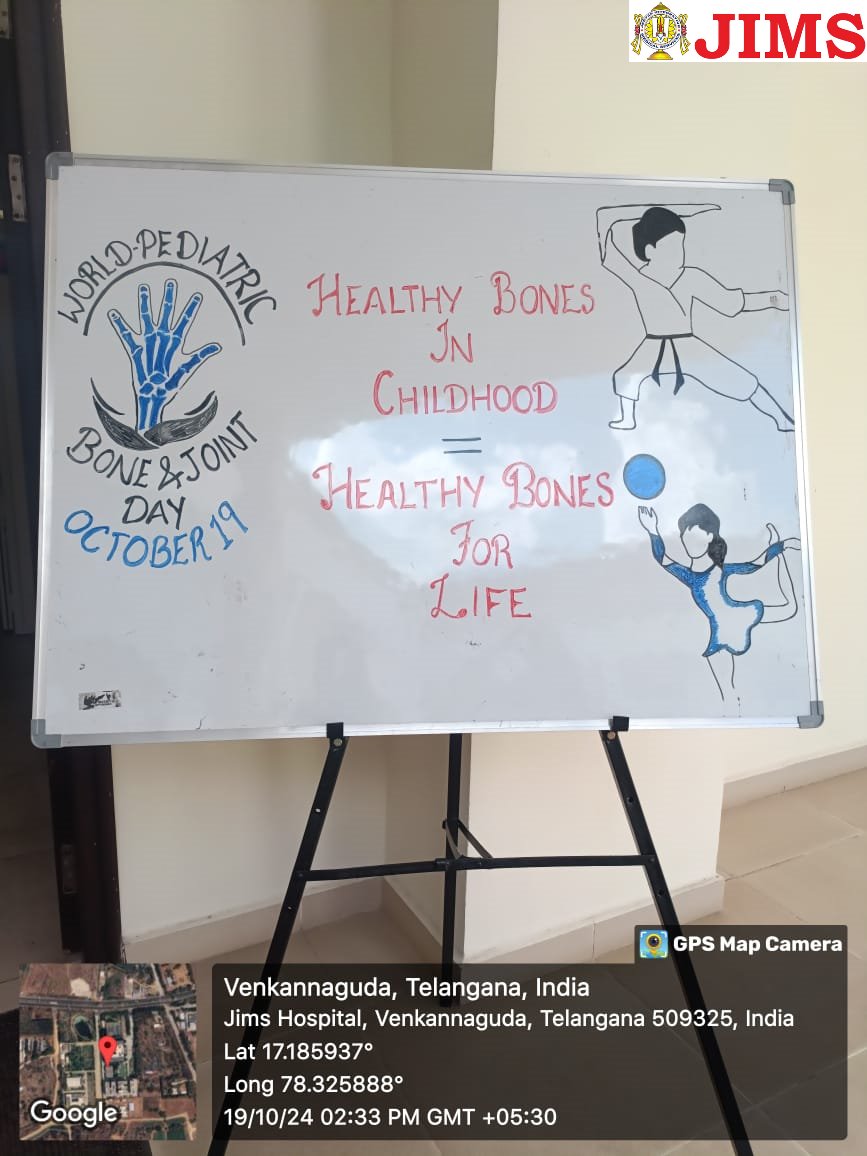
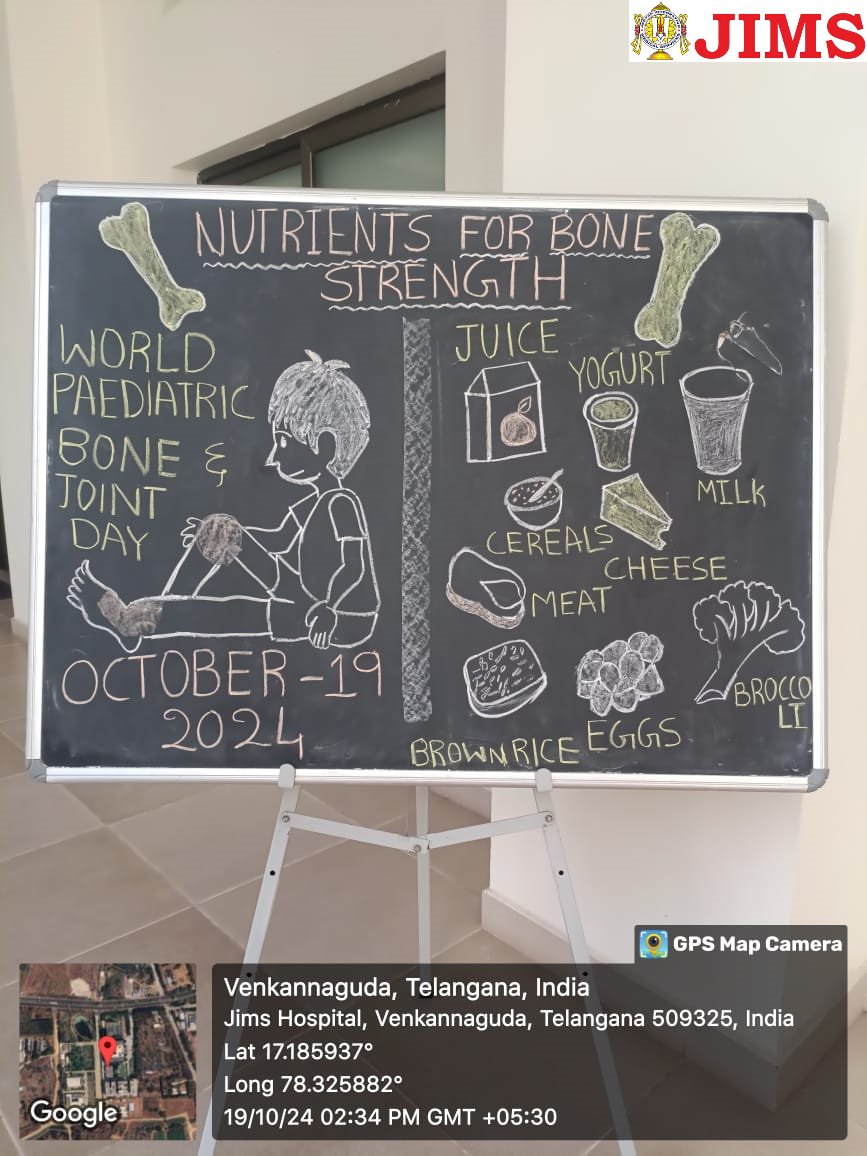
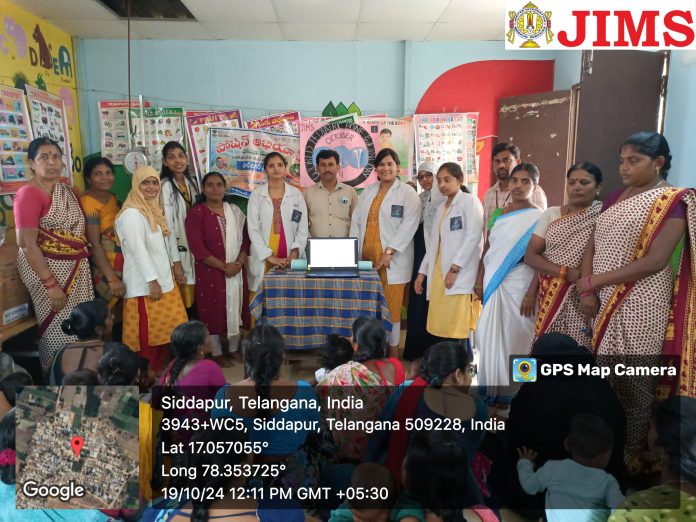
On October 19, 2024, the Faculty and PG Scholars from the Department of Paediatrics at JIMS Homeopathic Medical College & Hospital proudly organized a Village Awareness Programme in Siddhapur Village. This initiative was in recognition of World Paediatric Bone and Joint Day and Down Syndrome Awareness Month, aiming to educate and empower our community.
 
The gathering brought together Anganwadi teachers, ANMs, Asha workers, and pregnant and lactating women. Together, we discussed:
 
Common Bone and Joint Disorders in Children: We addressed vital information on various conditions affecting children’s bones and joints, emphasizing the importance of early detection. Participants learned how to recognize signs and symptoms, allowing for prompt intervention and management. Attendees received valuable insights into preventive strategies that can be implemented within families and communities to safeguard children’s health.
 
We provided essential information about Down syndrome, focusing on how to recognize its signs early and the available homoeopathic and therapeutic approaches for care and support.
 
The event featured contributions from Md. Ghouse, Village Secretary, Mrs. Revathi, Kothur Anganwadi Supervisor, Dr. M. Ramya Krishna, Assistant Professor, Dr. Fatiha Sabha, Dr. Lahari, Dr. Abhinaya, Dr. Suchi, and Dr. Rukhiya Their expertise enriched our discussions and reinforced our commitment to community health.
 
The gathering culminated in a heartfelt pledge to protect and promote the rights of the girl child, led by Mrs. Revathi, ensuring that our commitment to equity and empowerment resonates beyond the event.
 
The Department showcased its ongoing efforts in promoting awareness related to the day’s themes, with faculty members Dr. Bhavya Shikha and Dr. M. Ramya Krishna leading discussions. All PG scholars participated, fostering a collaborative environment of learning and sharing.

Human Microbiome – Department of Pathology and Microbiology

0
Human Microbiome - Department of Pathology and Microbiology

Department of Pathology and Microbiology
Human Microbiome

Human Microbiome aka Invisible biological organ
• Number of bacterial cells in the human body is estimated to be around 38 trillion, while the estimate for human cells is around 30 trillion.
• Types of human microbiota include bacteria, archaea, fungi, protists, and viruses.
• Human microbiota contains more genetic information than human DNA &it weighs nearly 1.5 kg
• Human microbiota forms an invisible continuous living bio-shield of non-human origin that covers every square millimetre of skinand lines every orifice (including the respiratory, gastrointestinal, and urogenital tracts)

Human microbiome is useful in various ways (Human Microbiome Project 2012)
• Influences metabolic functions, including energy production&tissue growth.
• Aids in complex carbohydrate fermentation and absorption, provides a significant source of a range of essential vitamins (particularly thoseof the B and K groups)
• Regulates growth and development of innate and adaptive immune system
• Modulates the host’s immune response to resist infection and disease
• Neutralizes enteric pathogens, metabolizes and neutralizes dietary carcinogens
• Gut microbiome plays a role in the development of the brain, including the formation of the blood-brain barrier, myelination, and neurogenesis.
• Contributes to behaviour and mood, social interaction, personality development, reproduction and fertility.
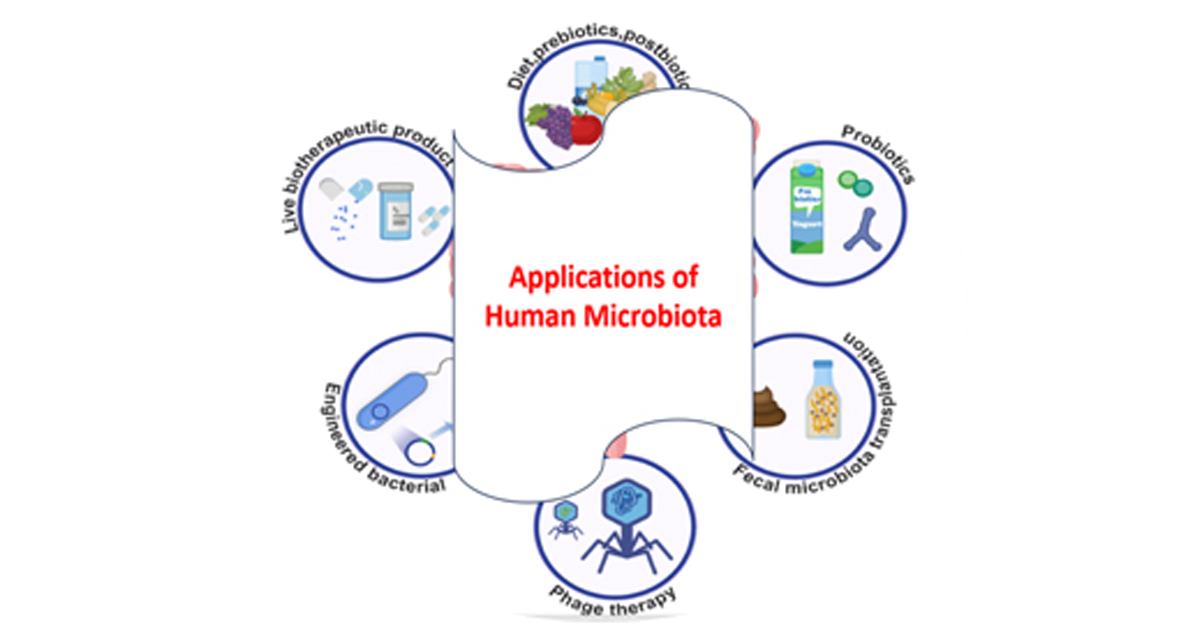
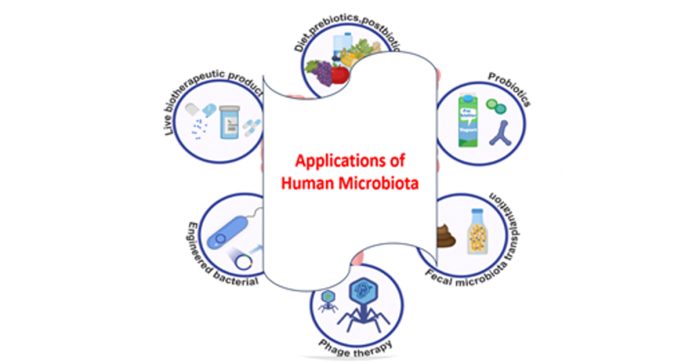
Application of Human Microbiota

Fortunately, homeopathy medicine does not harm the human microbiome, it is ecologically sustainable andverified clinically.

Dr. Annapurna
Assistant Professor
JIMS Homoeopathic Medical college
Muchintal, Hyderabad